Imagine swimming over a shallow Jurassic sea, looking down through clear water, and realizing that the sleek shape gliding below you is not just a mindless predator, but a thinking, problem‑solving animal. That is the picture some scientists now cautiously sketch for at least some ancient marine reptiles: not the cold, dim “brutes” of old textbooks, but creatures with complex senses, flexible behavior, and maybe even the ability to plan and adapt in ways that feel uncomfortably familiar. The more fossils we uncover and the better our tools get, the more the stereotype of the slow, dumb reptile cracks apart.
Of course, we have to be honest: nobody is scanning the brain of a live ichthyosaur or plesiosaur. We are reconstructing minds from bones, rock‑preserved soft tissue, tooth marks, and the layout of ancient oceans. Still, certain patterns keep showing up, from oversized eye sockets and braincases to healed injuries and strange feeding scars, and they all nudge us in one direction: at least some of these animals were doing more than just snapping at whatever floated past. They were navigating difficult worlds, dealing with dangerous prey, and thriving in seas that punished simple, rigid behavior. That is exactly the kind of environment where intelligence tends to pay off.
Big Brains In A Harsh Ocean
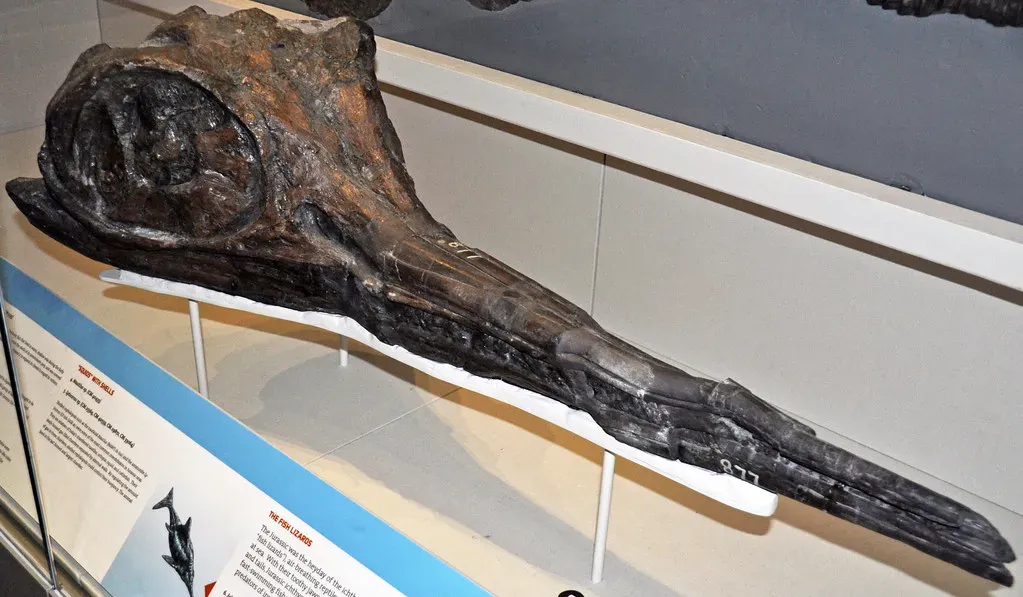
One of the first clues that ancient sea reptiles might have been smarter than we once assumed comes from their skulls. In several groups, like the dolphin‑shaped ichthyosaurs, the braincase suggests a relatively large, compact brain compared to overall body size, especially in species that lived in open‑ocean environments. That does not mean they rivaled modern dolphins, but it does move them away from the tired image of sluggish, low‑powered reptiles drifting through the water. A larger brain is metabolically expensive, so evolution usually only keeps that investment when it offers a real advantage.
When you combine this with evidence of highly developed sensory regions inside the skull, the story gets more interesting. Some fossil specimens preserve details hinting at enlarged regions for vision and possibly balance and coordination, which line up with an active lifestyle that demanded quick decisions and agile movement. In my view, that is exactly what you would expect from a predator that had to judge distance in three dimensions, track fast‑moving targets, and react rapidly to threats. A harsh, ever‑changing ocean does not have much patience for clumsy hunters, and that pressure tends to reward animals that can process information quickly and flexibly.
Supersized Eyes And Razor‑Sharp Senses
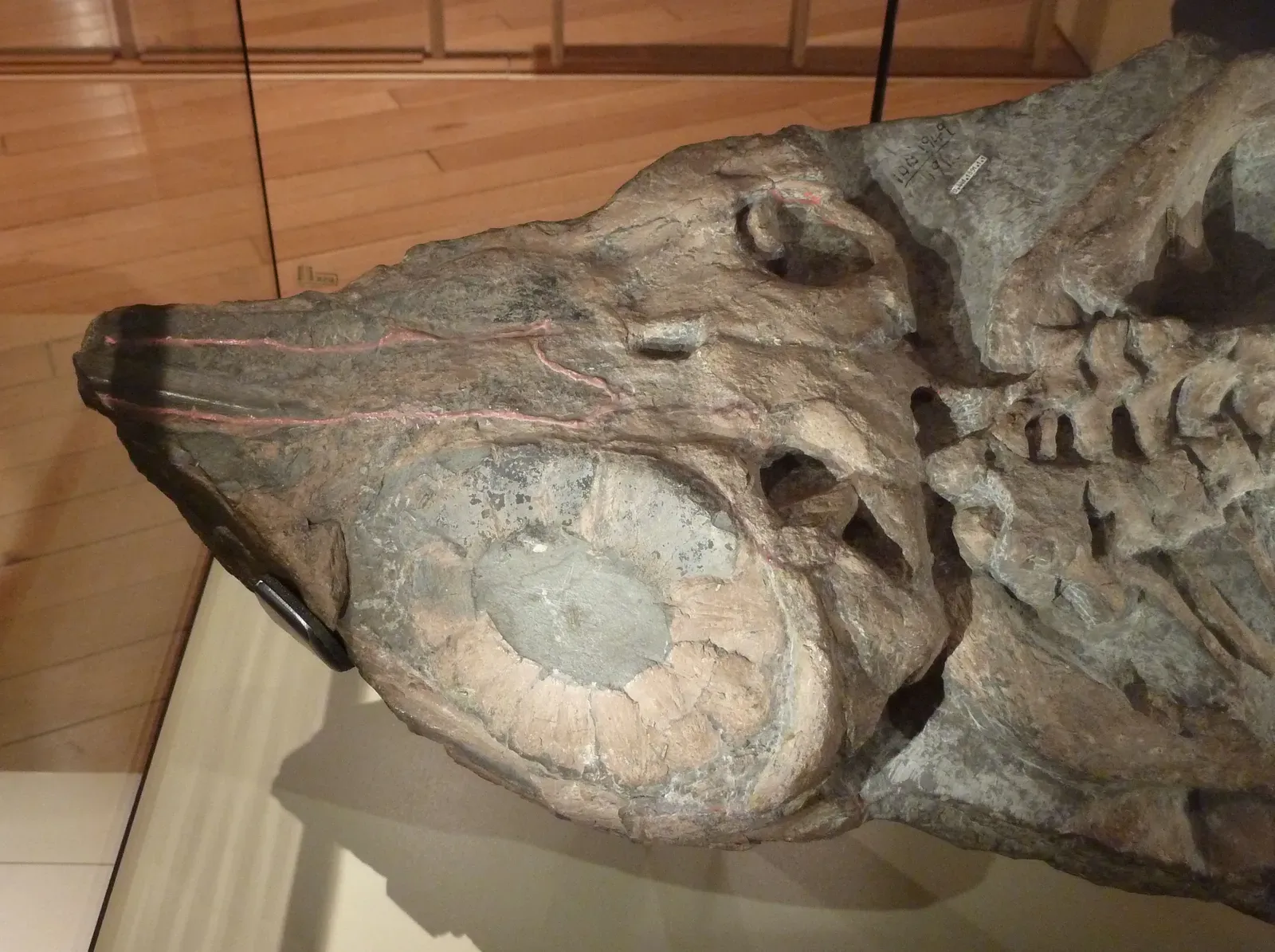
If you want a visual symbol of ancient marine intelligence, look at the eyes. Many ichthyosaurs, for example, had eye sockets so huge that researchers think they were among the largest eyes of any vertebrate known, living or extinct. These massive eyes, sometimes supported by a ring of bony plates, suggest incredibly sharp vision in low light, probably helping them hunt in deeper or murkier waters. Big eyes alone do not prove a big brain, but they do tell us these animals were gathering a tremendous amount of visual information from their environment.
Large eyes and refined senses generally go hand in hand with more complex behavior, because raw data is only useful if you can do something smart with it. Think about modern owls or deep‑sea squids: their supersized eyes are paired with precise, targeted hunting strategies and careful timing. The same logic likely applied here. Ancient sea reptiles that could see far, detect movement in dim conditions, and interpret subtle cues in the water would have an edge in tracking prey, avoiding larger predators, and navigating long journeys. That kind of sensory toolkit implies an animal not just reacting blindly, but continuously evaluating its surroundings and making finely tuned choices.
Social Seas: Traveling, Hunting, And Raising Young
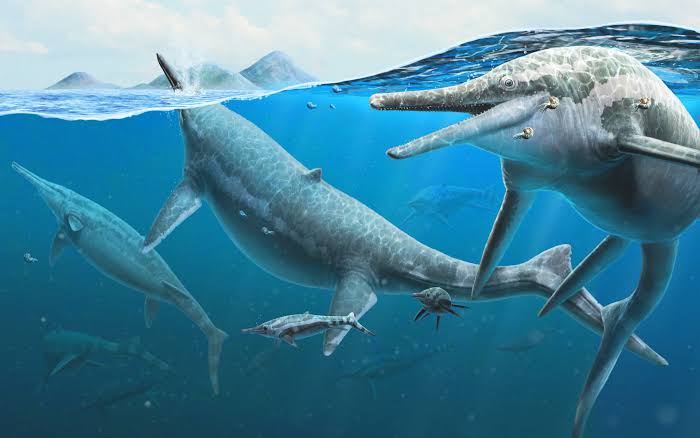
Another intriguing hint at intelligence comes from evidence that some marine reptiles may have lived or traveled in groups, rather than as isolated loners. Fossil beds containing multiple individuals of similar age and species in the same rock layer have been interpreted, cautiously, as possible groupings, perhaps representing pods or seasonal gatherings. While we have to be careful not to overread these finds, they fit with the idea that some species used cooperative strategies to migrate, feed, or find mates. Complex social behavior tends to demand more brainpower, especially when individuals must track relationships, hierarchy, and shared risks.
Even more compelling is the discovery that certain ichthyosaurs gave birth to live young, with fossils showing embryos and even individuals preserved in the act of giving birth. Live birth at sea means babies entered an environment full of large predators and shifting conditions from the first moment, raising questions about how mothers may have protected or guided them, at least initially. While we cannot say for sure that these animals cared for their young in the way whales or some sharks do today, the combination of live birth, long migrations, and complex hunting grounds suggests a life history that could have favored learning and flexible behavior. In my opinion, the idea that these were purely instinct‑driven “robots” does not fit this picture very well.
Hunting Like A Chess Player, Not A Chainsaw
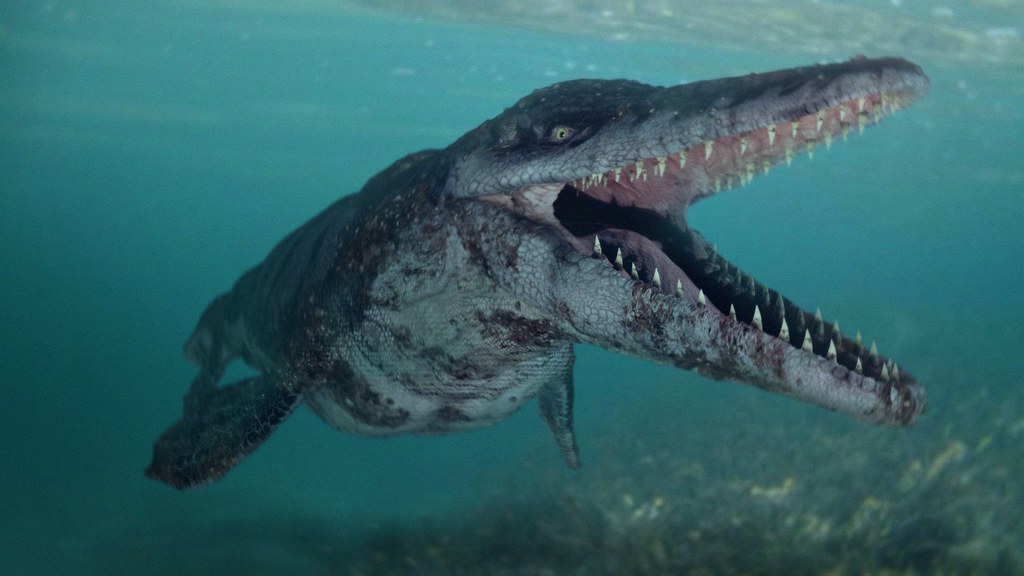
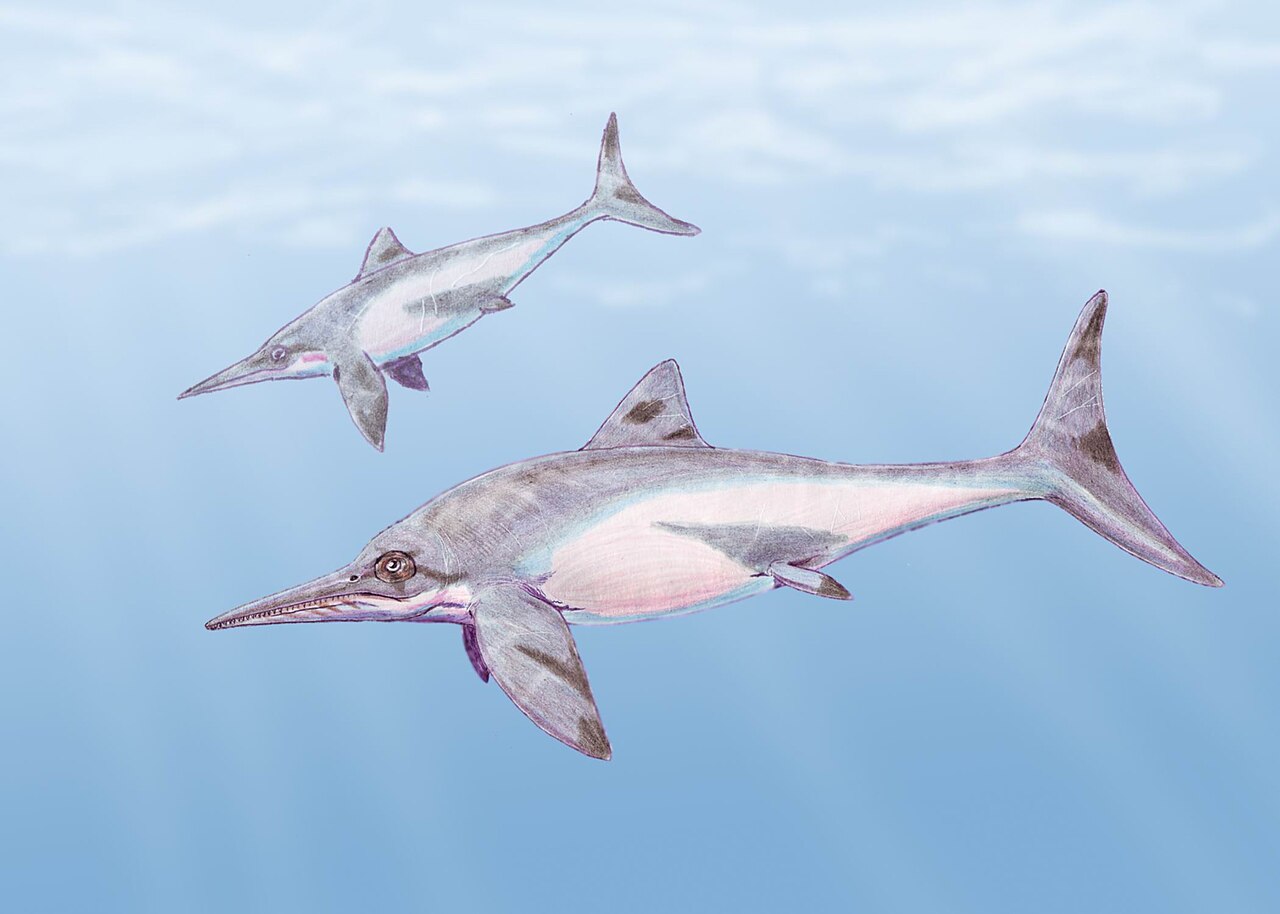
The teeth and jaws of ancient sea reptiles tell us a lot about how they fed, and in many cases, they point to strategies that look surprisingly sophisticated. Some ichthyosaurs had streamlined bodies and jaws filled with conical teeth, perfect for snapping up agile fish and squid in high‑speed chases. Others, like certain mosasaurs, show evidence of crushing teeth and powerful bite forces, suited to cracking tough shells or tackling large, struggling prey. This variety in feeding tools suggests a range of hunting tactics, from ambush and pursuit to specialized attacks on armored animals, each requiring different decisions about when and how to strike.
Fossils sometimes turn up with bite marks, broken bones, and healed injuries that hint at risky, targeted hunts rather than random flailing. A predator that goes after large or dangerous prey, especially repeatedly, needs more than brute force; it needs timing, strategy, and an ability to read the situation. Modern predators that show this kind of behavior, like orcas or some big cats, also tend to display learning, individual variation, and cultural traditions. While we cannot prove that marine reptiles had anything like culture, the parallels in hunting complexity make it hard to see them as simple, unthinking meat machines. They look more like chess players that knew when to take chances and when to hold back.
Evidence Of Learning, Adaptation, And Survival
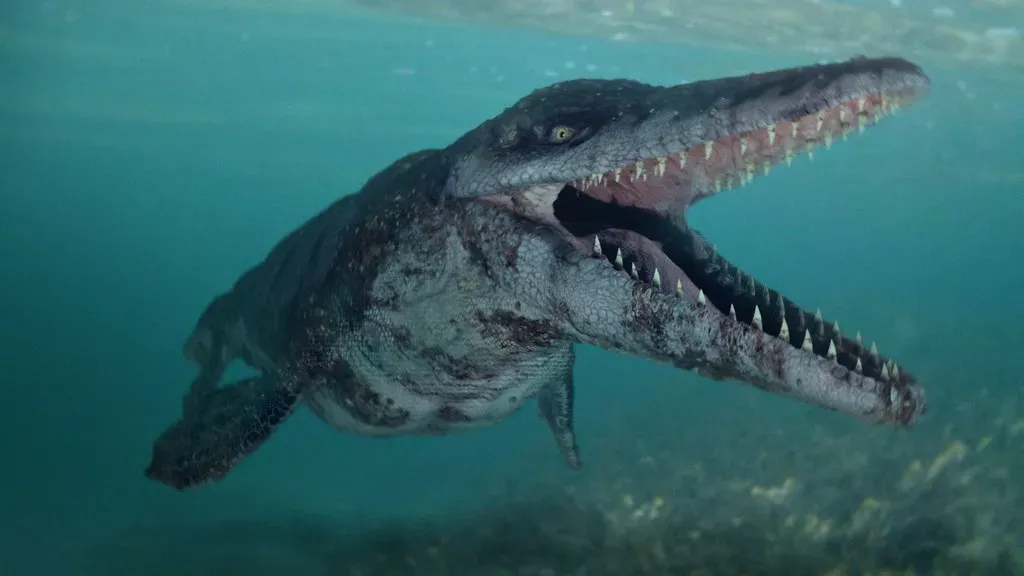
One of the most revealing patterns in the fossil record is how marine reptiles responded to environmental upheavals. Across millions of years, oceans changed dramatically: seas rose and fell, climates shifted, and entire groups of prey appeared and disappeared. Yet certain lineages of marine reptiles hung on, diversified, and repeatedly filled new ecological roles, a sign that they were able to adapt rather than simply vanish when conditions changed. That kind of resilience often goes hand in hand with behavioral flexibility, which in turn depends on a certain baseline of cognitive ability.
There is also the more intimate layer of individual survival. Fossils with healed fractures, regrown tooth damage, and partially recovered bite wounds show that many animals survived serious injuries and then continued to live long enough for their bones to repair. To me, that hints at more than luck. An injured predator has to modify its behavior, perhaps by changing hunting grounds, targeting easier prey, or timing movements more cautiously. Animals that can adjust their routines when the old strategy stops working are usually drawing on some kind of learning process. Even if that learning is mostly unconscious, it still adds up to a picture of marine reptiles as adaptable survivors rather than rigid, pre‑programmed creatures.
Comparisons With Modern Reptiles, Birds, And Mammals
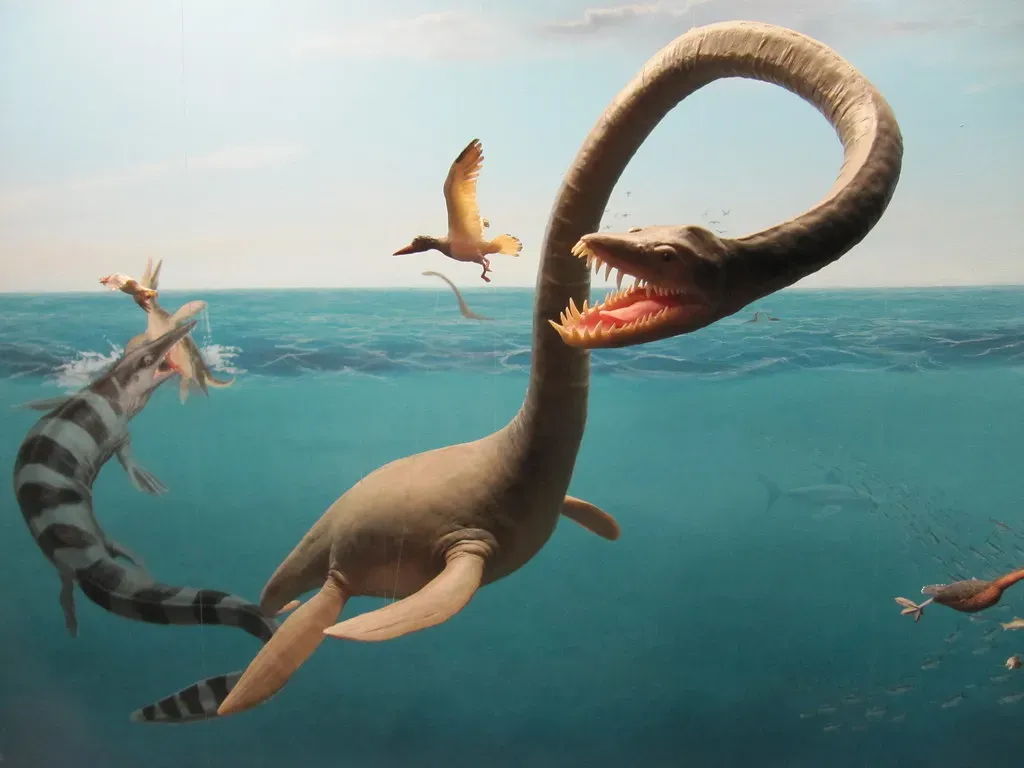
To gauge how smart ancient sea reptiles might have been, scientists often compare them with living animals that occupy similar niches. Modern crocodiles, sea turtles, and large lizards already show more intelligence than many people realize, from remembering nesting beaches to using tools like sticks to lure birds. If today’s reptiles, with their relatively simple brains compared to mammals and birds, can pull off these feats, it is reasonable to suspect that some of their ancient marine cousins were doing at least as much in their own world. The more we learn about living reptiles, the less convincing the old “slow and stupid” label sounds.
There is also an interesting parallel with marine mammals and seabirds, like dolphins and albatrosses, which navigate huge distances, develop complex social lives, and learn elaborate foraging techniques. Ancient sea reptiles faced many of the same challenges: vast open water, patchy food, powerful storms, and predators that could appear from any direction. Evolution tends to find similar solutions to similar problems, and one of those solutions, again and again, is better brains. While we should not simply copy modern animals onto the past, these analogies give us a plausible framework: marine reptiles probably sat somewhere above today’s simpler fish in mental capabilities and perhaps approached or overlapped with some of the more capable modern reptiles and simple marine mammals.
The Limits Of What We Can Know (And Why It Still Matters)
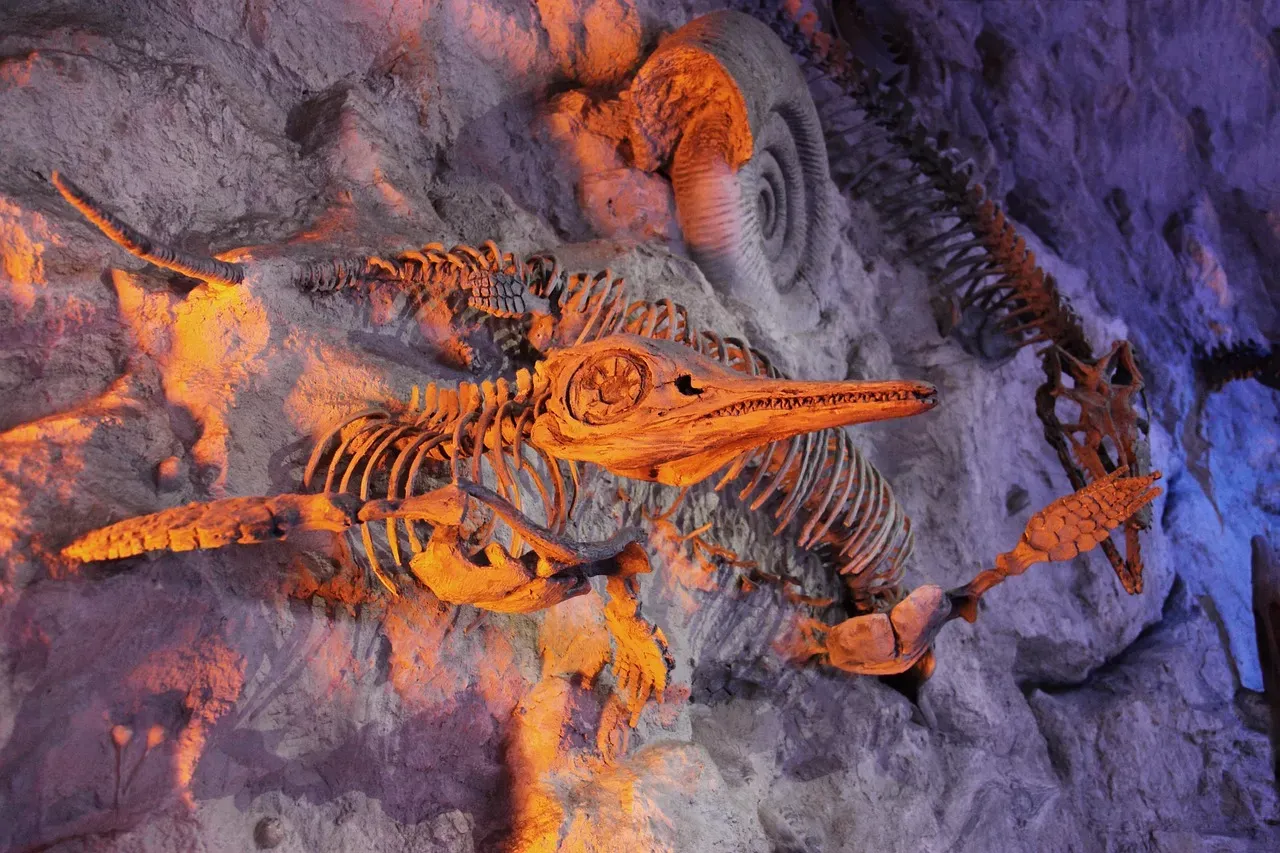
For all the exciting clues, there is a hard ceiling on what fossils can tell us about minds. Brain tissue almost never preserves, neural activity does not fossilize, and behavior leaves only indirect traces in bones and sediment. That means any talk of intelligence in ancient sea reptiles has to stay cautious and grounded. We cannot say which species recognized individuals, played, or used anything like rudimentary communication. What we can say is that their anatomy, life history, and survival patterns are all consistent with animals that needed more than simple reflexes to make it through an unforgiving ocean.
Personally, I think this uncertainty is part of what makes the subject so compelling. We are forced to piece together a picture of ancient minds from scattered clues and patterns, much like a detective reconstructing a crime scene with half the evidence missing. That process reminds us that intelligence is not some magic switch that flips on in one lineage; it is a sliding scale that has been shaped many times, in many bodies, over deep time. Even if we never pin down exact “IQ points” for an ichthyosaur or plesiosaur, the realization that they were likely more aware, more strategic, and more adaptable than once believed changes how we see them – and, in a subtle way, how we see ourselves.
Conclusion: Rethinking “Reptile Brains” In The Ancient Ocean
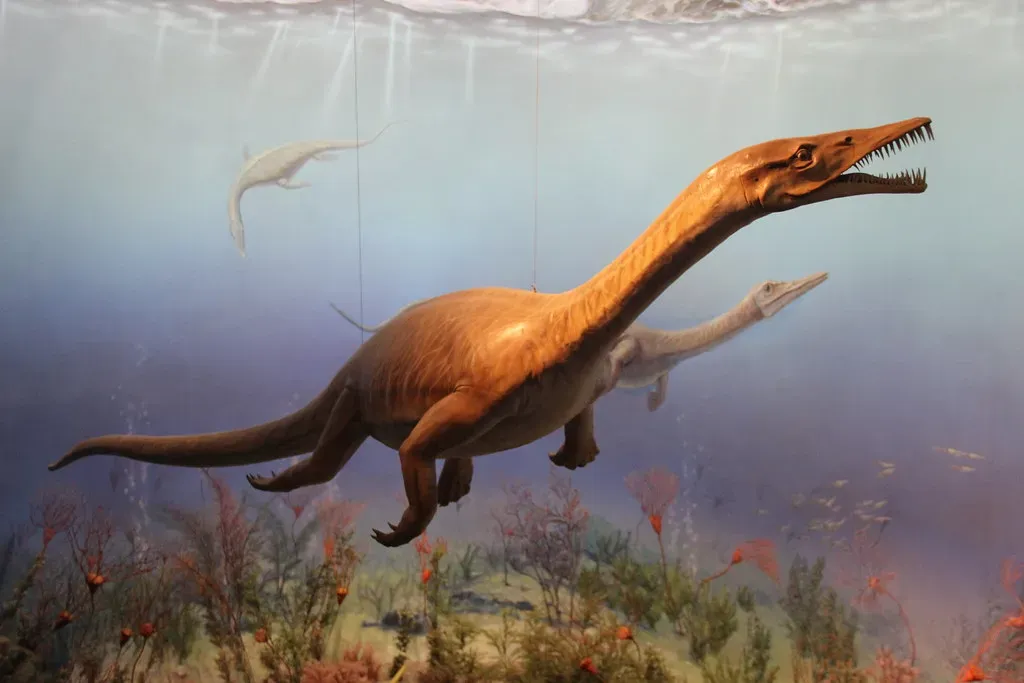
When you pull all these threads together – enlarged brains, giant eyes, possible social lives, sophisticated hunting, and proven resilience – you end up with a picture that is hard to square with the old stereotype of dim, lumbering sea monsters. The evidence does not demand that we crown ancient marine reptiles as the dolphins of their time, but it strongly suggests that many of them were capable, flexible thinkers in their own right. In my view, the phrase “reptile brain” has always sold them short, and the fossil record is slowly forcing us to retire that lazy insult. These were animals shaped by brutal oceans that reward quick wits as much as sharp teeth.
That matters because it nudges us toward a more generous view of intelligence across the tree of life, past and present. Instead of imagining a single ladder with humans at the top, we start to see a branching forest of minds, each tuned to different problems, each clever in its own way. Ancient sea reptiles probably never wrote poetry or built tools, but they navigated vast seas, raised live young in dangerous waters, and survived in ecosystems that would overwhelm most modern species. To me, that earns them a place among the more impressive thinkers of Earth’s history – quiet, unknowable, and still gliding through our imagination. Did you ever expect to feel a little respect for something that went extinct tens of millions of years ago?