When we think of dinosaurs, our minds typically conjure images of massive, scaly creatures that roamed the Earth millions of years ago, only to be wiped out by a catastrophic asteroid impact. This conventional narrative has shaped our understanding of Earth’s history for generations, clearly dividing time into the “Age of Dinosaurs” and the time after. However, a growing number of paleontologists and evolutionary biologists propose a revolutionary perspective: the dinosaur age never actually ended. Instead, it simply transformed, with modern birds representing the living descendants of these ancient creatures. This paradigm shift challenges our fundamental understanding of evolutionary history and forces us to reconsider what truly constitutes a “dinosaur.”
The Traditional Dinosaur Narrative

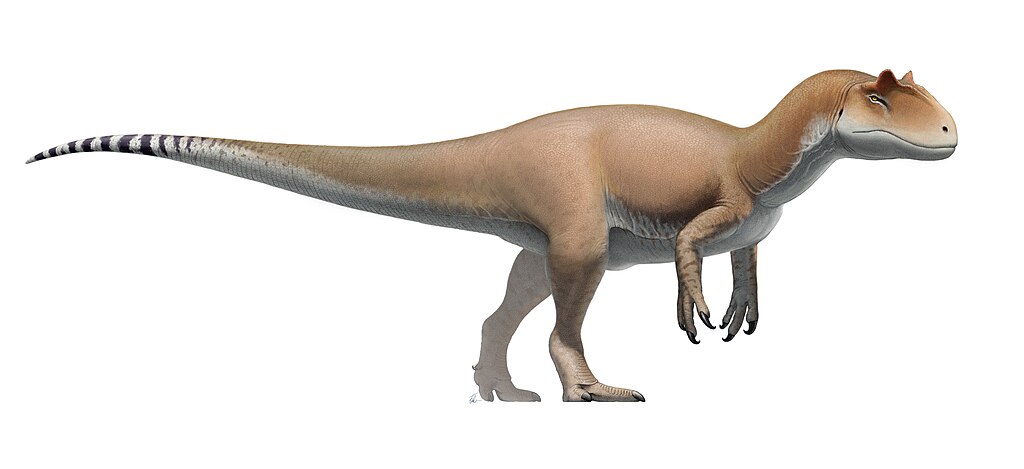
The conventional story most of us learned in school presents a clear timeline: dinosaurs evolved around 230 million years ago, dominated Earth for approximately 165 million years, and then abruptly disappeared 66 million years ago following the Cretaceous-Paleogene extinction event. This catastrophic event, likely caused by a massive asteroid impact near Mexico’s Yucatán Peninsula, supposedly marked the definitive end of the dinosaur era. The dramatic narrative of mighty beasts ruling the planet for millions of years only to be suddenly wiped out has captured public imagination through countless books, movies, and museum exhibits. This clean division between the Mesozoic “Age of Dinosaurs” and the subsequent Cenozoic “Age of Mammals” has been a cornerstone of paleontological education for decades, creating a sense that dinosaurs represent an entirely closed chapter in Earth’s history.
Birds as Living Dinosaurs
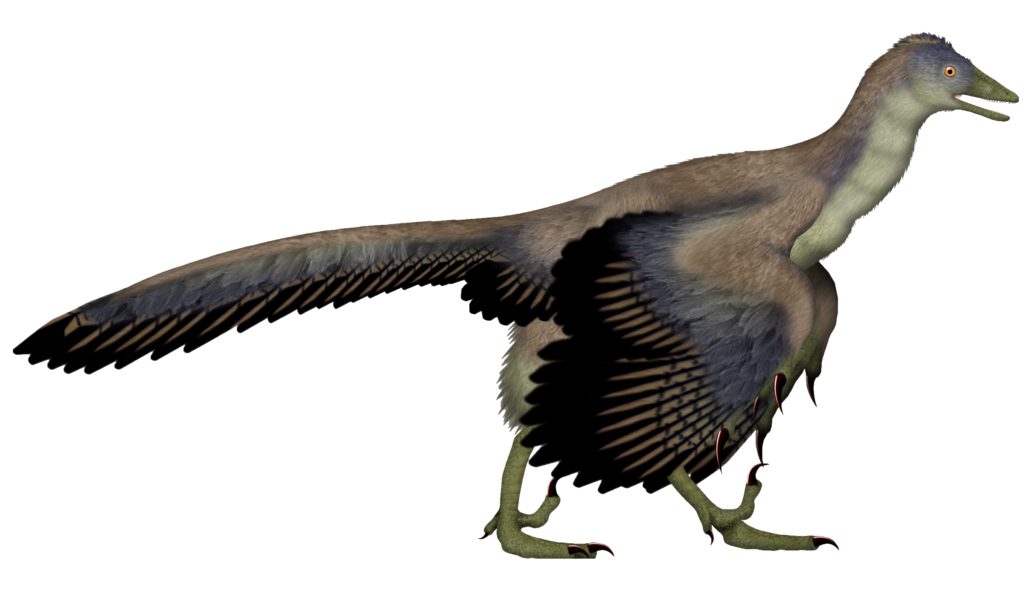
The revolutionary perspective challenging the traditional narrative centers on a simple yet profound realization: birds are dinosaurs. This isn’t merely a poetic metaphor or loose ancestral connection—birds are classified as avian dinosaurs, belonging to the clade Theropoda, which includes famous prehistoric predators like Velociraptor and Tyrannosaurus rex. The evolutionary relationship between birds and dinosaurs was first proposed by Thomas Henry Huxley in the 1860s based on skeletal similarities between Archaeopteryx (an early bird-like dinosaur) and small theropod dinosaurs. Modern genetic and morphological evidence has overwhelmingly confirmed this relationship, revealing that birds didn’t merely evolve from dinosaurs—they are dinosaurs that survived the mass extinction event, adapted, and diversified into the approximately 10,000 species we see today. This taxonomic reality means that dinosaurs, as a biological group, never went extinct at all.
Evolutionary Classification Revolution

The scientific understanding that birds are dinosaurs stems from cladistics, a systematic method of classification that groups organisms based on shared derived characteristics and common ancestry. Under cladistic principles, if an organism belongs to a particular group, it remains part of that group regardless of how much it may physically change over evolutionary time. Dinosaurs form a clade (Dinosauria) defined by specific anatomical features, and birds possess all the qualifying characteristics to be included in this group. More specifically, birds belong to the theropod group Maniraptora, making them more closely related to velociraptors than velociraptors were to many other dinosaurs like Stegosaurus or Brachiosaurus. This classification method has revolutionized how scientists organize the tree of life, moving away from artificial divisions based on superficial appearances toward systems that reflect true evolutionary relationships. The recognition of birds as dinosaurs represents one of the most significant shifts in biological classification in recent decades.
The Fossil Evidence

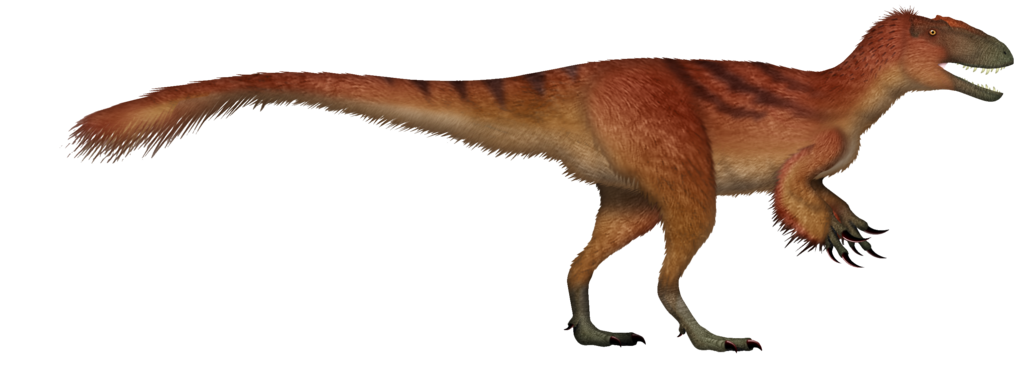
The fossil record provides compelling evidence for the dinosaurian nature of birds through a remarkably complete series of transitional fossils. The discovery of feathered dinosaurs in China’s Liaoning Province since the 1990s has been particularly revolutionary, revealing numerous non-avian dinosaurs with preserved feathers, including species like Sinosauropteryx, Caudipteryx, and Yutyrannus. These fossils demonstrate that many features once considered uniquely avian—including various types of feathers, wishbones, and air-filled bones—were widespread among theropod dinosaurs long before the evolution of flight. The boundaries between “bird” and “non-bird dinosaur” have become increasingly blurred as paleontologists uncover species like Microraptor (a four-winged dinosaur), Archaeopteryx (often called the first bird), and Anchiornis (a small feathered dinosaur with striking similarities to early birds). This rich fossil evidence reveals not a sudden appearance of birds distinct from dinosaurs, but rather a gradual evolution with numerous intermediate forms spanning millions of years.
Anatomical Connections

Modern birds retain numerous anatomical features that directly connect them to their dinosaurian ancestry, though these connections may not be immediately obvious to casual observers. Their lightweight, hollow bones, fused clavicles (forming the wishbone), hinged wrists, three-fingered hands, and unique breathing systems featuring air sacs are all characteristics inherited directly from theropod dinosaurs. Even the scales on birds’ legs are homologous to dinosaur scales, representing the ancestral skin covering that predated feathers. Bird skulls also show distinctive dinosaurian traits, including a diapsid skull structure with characteristic openings and a specialized joint between the quadrate bone and the braincase. Perhaps most tellingly, birds lay amniotic eggs with similar structures to those of other dinosaurs, and their embryonic development follows patterns established in their dinosaurian ancestors. These anatomical homologies run so deep that developmental biologists have even activated dormant genetic pathways to induce chicken embryos to develop dinosaur-like features such as longer tails and tooth-like structures.
Survival Through the Extinction
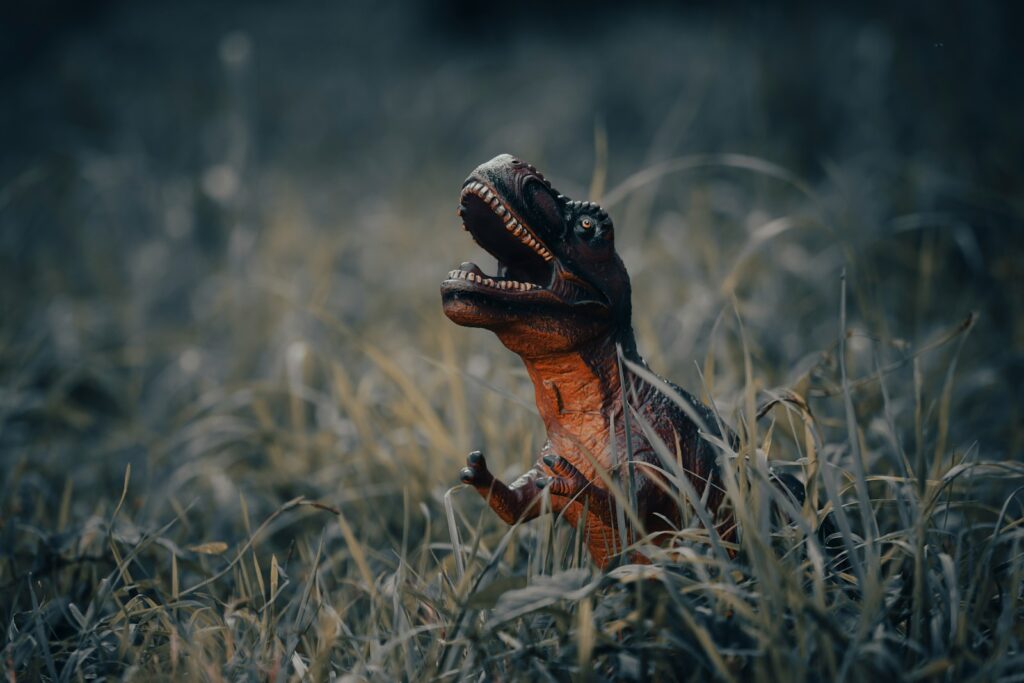
The question of how birds survived the catastrophic end-Cretaceous extinction event when their dinosaurian relatives perished has fascinated paleontologists for decades. Recent research suggests several key advantages that helped avian dinosaurs weather the apocalyptic conditions following the asteroid impact. Their relatively small body sizes required less food to sustain, making survival more feasible during a time of collapsed food chains. The ability to fly allowed birds to escape localized devastation and seek out remaining resources across wider areas. Additionally, some early birds had already developed specialized beaks capable of cracking seeds, providing access to a food source that could remain viable even after plant growth was severely disrupted by the impact of winter. Studies of bird fossils from immediately before and after the extinction boundary indicate that ground-dwelling birds suffered the heaviest losses, while tree-dwelling species had better survival rates, possibly because forests offered some protection from the initial blast effects and subsequent environmental changes. This selective survival of certain bird lineages represents not the end of dinosaurs, but rather an evolutionary bottleneck through which only some dinosaurian lineages passed.
Behavioral Inheritance

The behavioral connections between modern birds and their dinosaurian ancestors extend far beyond superficial similarities, revealing deep evolutionary continuity. Many bird behaviors that we observe today likely evolved in their non-avian dinosaur ancestors. Nesting behaviors and parental care represent one compelling example—fossils of oviraptorids and other theropods have been discovered brooding atop their nests in postures nearly identical to those of modern birds. Complex social behaviors are another shared trait, with evidence suggesting many non-avian dinosaurs lived in sophisticated social groups, possibly with hierarchical structures similar to those observed in modern birds like chickens. Even the distinctive head-bobbing gait of birds represents a behavioral inheritance from their dinosaur ancestors, who likely moved with similar motions. Perhaps most striking are the complex courtship displays observed in birds like peacocks and birds-of-paradise, which likely evolved from similar displays performed by their dinosaurian forebears, possibly using feathers and bright colors for sexual selection long before the evolution of flight. These behavioral continuities remind us that when we observe birds in our backyards, we’re witnessing behaviors with roots stretching back over 100 million years.
The Diversity of Modern Dinosaurs

The approximately 10,000 species of birds alive today represent a remarkable radiation of dinosaurian diversity that rivals or exceeds that of their non-avian relatives from the Mesozoic. Modern avian dinosaurs have adapted to virtually every environment on Earth, from the frigid poles to tropical rainforests, from oceanic waters to high-altitude mountains. They range in size from the bee hummingbird weighing less than 2 grams to the ostrich reaching 150 kilograms—a size range comparable to that seen among many groups of non-avian dinosaurs. Their diverse feeding strategies encompass nectar-sipping hummingbirds, fish-catching ospreys, seed-cracking finches, and predatory eagles that capture prey with techniques reminiscent of dromaeosaurid hunting methods. Some birds, like New Caledonian crows, even demonstrate tool use and problem-solving abilities that speak to the cognitive capabilities that may have existed in their dinosaurian ancestors. This extraordinary diversity and success of avian dinosaurs contradicts the notion that dinosaurs were evolutionary failures or that their time on Earth has ended; instead, it suggests that dinosaurs remain one of the most successful vertebrate groups in evolutionary history.
Challenging Public Perception

Despite the scientific consensus regarding birds as living dinosaurs, public perception has been slow to adapt to this revolutionary understanding. The cultural image of dinosaurs remains largely fixed on the large, extinct reptilian creatures popularized through media like “Jurassic Park,” creating a conceptual disconnect between these ancient beasts and the birds we encounter daily. This resistance stems partly from the dramatic size difference between most modern birds and their larger Mesozoic relatives, though this overlooks the fact that many non-avian dinosaurs were quite small. Educational materials often continue to present dinosaurs and birds as separate categories, reinforcing outdated conceptions rather than emphasizing evolutionary continuity. Even museum exhibits sometimes perpetuate this division by separating dinosaur fossils from bird collections, though progressive institutions have begun creating displays that highlight the dinosaurian nature of birds. This gap between scientific understanding and public perception represents a significant challenge for science communicators, who must find effective ways to convey that the robin in your garden is as much a dinosaur as Tyrannosaurus rex, just adapted to a different ecological niche and period.
Redefining Extinction
The recognition of birds as living dinosaurs necessitates a fundamental reconsideration of what we mean when we talk about the “extinction” of dinosaurs. From a cladistic perspective, dinosaurs as a group never went extinct at all—only certain lineages (specifically, all non-avian dinosaurs) disappeared while the avian lineage survived and flourished. This distinction forces us to be more precise in our language, referring specifically to the extinction of “non-avian dinosaurs” rather than “dinosaurs” as a whole. The situation parallels other cases in evolutionary history where groups once thought extinct persisted through descendant lineages, such as how modern coelacanths represent living members of a group long thought extinct. This more nuanced understanding of extinction requires acknowledging that evolutionary history rarely features the complete disappearance of major groups; instead, certain lineages may survive catastrophic events and continue evolving in new directions. The dinosaur example provides a powerful illustration of how evolutionary continuity often persists despite dramatic ecological disruptions and morphological transformations, challenging our tendency to draw sharp dividing lines between different eras of Earth’s history.
Scientific Implications
The paradigm shift recognizing birds as living dinosaurs has profound implications across multiple scientific disciplines, extending far beyond paleontology. For evolutionary biologists, it provides an extraordinary opportunity to study an evolutionary transition through both fossil evidence and living representatives, offering insights into macroevolutionary processes over vast timescales. Developmental biologists have leveraged this relationship to understand how complex anatomical features evolve, using bird embryos to study the genetic foundations of traits that first appeared in non-avian dinosaurs. Conservation biologists gain a new perspective on the importance of bird preservation, recognizing that each bird extinction represents the loss of a unique dinosaurian lineage with an evolutionary history stretching back over 230 million years. Medical researchers have even found value in studying avian respiratory systems, which evolved in dinosaurian ancestors, for insights into efficient oxygen processing that might inform treatments for human respiratory conditions. Perhaps most importantly, this scientific revolution demonstrates how systematic methods of classification can dramatically transform our understanding of life’s history, revealing connections across time that remain invisible when we focus only on superficial appearances.
Dinosaur Renaissance in Paleontology

The recognition of birds as living dinosaurs represents part of a broader transformation in dinosaur science known as the “Dinosaur Renaissance,” which began in the 1960s and continues today. This intellectual movement, spearheaded by paleontologists like John Ostrom and Robert Bakker, fundamentally reimagined dinosaurs as active, dynamic, and potentially warm-blooded animals rather than the slow, lumbering reptiles portrayed in earlier scientific literature. The discovery of the close relationship between birds and dinosaurs provided critical evidence for this new vision, suggesting that many dinosaurs likely had metabolic rates, intelligence levels, and activity patterns more comparable to birds than to modern reptiles. This scientific revolution has completely transformed how paleontologists interpret fossil evidence, encouraging researchers to look to modern birds for insights into dinosaur biology, behavior, and ecology. The incorporation of new technologies—from CT scanning of fossils to sophisticated phylogenetic analysis methods—has accelerated this revolution, revealing ever more connections between ancient dinosaurs and their living avian descendants. This renaissance continues to produce discoveries that blur the already indistinct line between “bird” and “non-bird dinosaur,” reinforcing the evolutionary continuity that unites these animals across time.
The Future of Dinosaur Science

The recognition that dinosaurs live among us today opens exciting new frontiers for scientific investigation and public understanding. Ongoing research continues to uncover surprising connections between modern birds and their dinosaurian ancestors, from the recent discovery that dinosaur vocalizations may have resembled bird calls rather than reptilian hisses to investigations into the origins of avian intelligence that may have roots in theropod brain evolution. Advances in paleogenomics—the study of ancient DNA and proteins—might someday allow scientists to identify preserved genetic material from non-avian dinosaurs, potentially revealing even deeper connections with modern birds. Public education efforts are increasingly focused on conveying the dinosaurian nature of birds, with innovative museum exhibits and educational programs designed to help people recognize the evolutionary continuity surrounding them in everyday life. Perhaps most intriguing is the potential for understanding dinosaurian biology through the study of living birds, using techniques from comparative genomics, developmental biology, and biomechanics to reconstruct aspects of dinosaur physiology and behavior that cannot be observed directly in the fossil record. By embracing birds as living dinosaurs, scientists have transformed what might have been a closed chapter of natural history into an ongoing, observable evolutionary narrative.
Conclusion: Redrawing the Timeline
The recognition that birds are living dinosaurs fundamentally transforms our understanding of Earth’s evolutionary timeline. Rather than viewing the Cretaceous-Paleogene extinction as the definitive end of the dinosaur era, we must now recognize it as a dramatic evolutionary bottleneck through which only certain dinosaurian lineages—the ancestors of modern birds—managed to pass. This perspective challenges us to reconsider other conventional divisions in evolutionary history, questioning whether neat boundaries between different “ages” truly reflect biological reality or simply human desires for categorical simplicity. The dinosaur age never ended—it merely transformed, with feathered, flying dinosaurs continuing to evolve and diversify into the thousands of bird species that surround us today. When we observe a falcon diving for prey, a hummingbird hovering at a flower, or even a chicken scratching in a farmyard, we are witnessing living representatives of a lineage that has continuously occupied Earth for over 230 million years. This unbroken evolutionary connection reminds us that life’s history is not a series of separate chapters but rather a continuous narrative, with each page flowing seamlessly into the next across the vastness of geological time.