If you have ever watched dinosaurs and glowing UFOs share the same screen on late‑night cable, you probably felt that tiny thrill of “what if?” That feeling is powerful, and the producers of shows like Ancient Aliens know it. The problem is, when that thrill gets dressed up as serious history or science, it stops being harmless entertainment and starts to quietly rewrite what people think is real.
Scientists have been pushing back on Ancient Aliens for years, but when it crosses into dinosaurs and deep time, the stakes get surprisingly high. We are not just talking about quirky alternative theories; we are talking about stories that directly clash with some of the best‑supported evidence in all of science. That collision between spectacle and reality is exactly why many researchers see these dinosaur episodes as some of the most damaging prehistoric misinformation ever pumped into millions of living rooms.
How Ancient Aliens Turns Solid Dinosaur Science Into a Loose Guessing Game
Here is the uncomfortable truth: when it comes to dinosaurs, mainstream science is not “confused” or “in the dark” in the way the show constantly implies. Paleontologists have pieced together a remarkably detailed story using fossils, rock layers, radiometric dating, comparative anatomy, and now even molecular traces. We know, for instance, that non‑avian dinosaurs went extinct about sixty‑six million years ago, that birds are their surviving relatives, and that different dinosaur groups evolved over tens of millions of years in a clear, stepwise pattern.
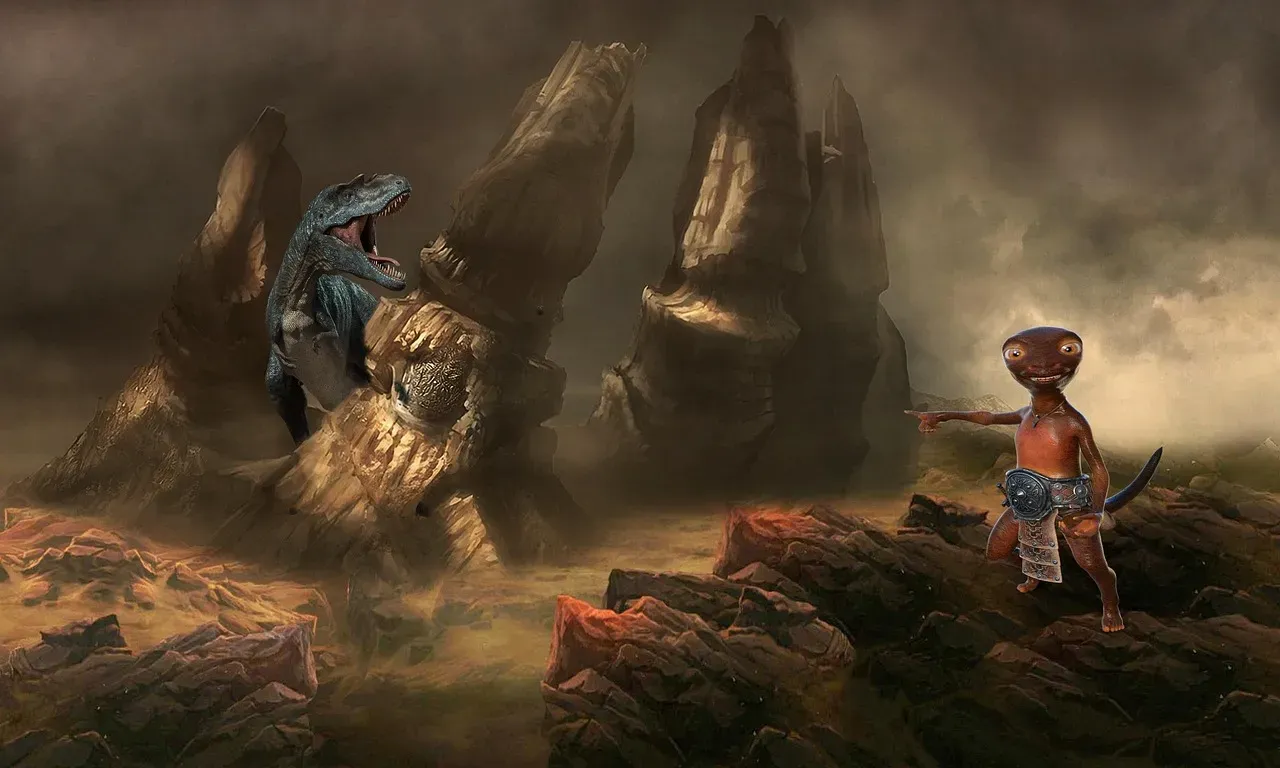
Ancient Aliens often skips all of that hard‑earned context and jumps straight to “no one really knows,” followed by a wild speculation about visiting spacecraft or genetic tinkering. The move is subtle: erase the sense of certainty, then invite in anything as a possible explanation. Once you tell people that the fossil record is just a matter of “interpretation,” an artist’s rendering of a dinosaur standing next to a flying saucer starts to feel about as valid as an actual rock sample measured in a lab. The result is a world where evidence loses its weight and every idea, no matter how poorly supported, gets treated like a fair contender.
Why Alien‑Dinosaur Mashups Are More Harmful Than Harmless Fun
On the surface, mixing dinosaurs with aliens feels like pure popcorn entertainment, the sort of thing you might see on a poster in a teenager’s bedroom. The trouble is that Ancient Aliens is framed like a documentary: serious voice‑overs, talking heads with titles, archival photos, and a channel name that still leans on the word “History.” That packaging signals to viewers that what they are seeing is at least partly educational, or at minimum “worth considering,” instead of clearly labeled fantasy.
When you present speculative alien narratives in the same breath as real science, the boundary between fact and fiction quietly blurs. People who are not experts naturally struggle to tell where the evidence ends and the storytelling begins. Over time, that blur does not just affect what they think about dinosaurs; it chips away at the idea that any expert consensus can really be trusted. What starts as an evening of curiosity can end as a slow erosion of confidence in the scientific method itself.
Contradicting an Overwhelming Mountain of Evidence About Deep Time
One of the most damaging patterns in these episodes is the way they play fast and loose with time. Modern geology and paleontology show that Earth is billions of years old and that dinosaurs lived and died long before humans appeared. That timeline is backed by independent methods that line up like overlapping fingerprints: radioactive decay in minerals, the order of fossils in rock layers, plate tectonics, and even the genetic distances between living species.
Ancient Aliens often pushes ideas that compress or scramble this deep‑time story, suggesting that advanced aliens may have interacted with dinosaurs, created them, or even wiped them out in ways that fit a more dramatic plot than a large asteroid impact and long‑term climate shifts. To make these claims sound plausible, the show has to either ignore the dating methods or suggest that they are fundamentally unreliable. That does not just mislead people about dinosaurs; it invites them to doubt the entire scaffold of evidence that underpins modern earth and life sciences, from climate research to human evolution.
How Pseudoscience About Dinosaurs Undermines Science Literacy for Kids and Adults
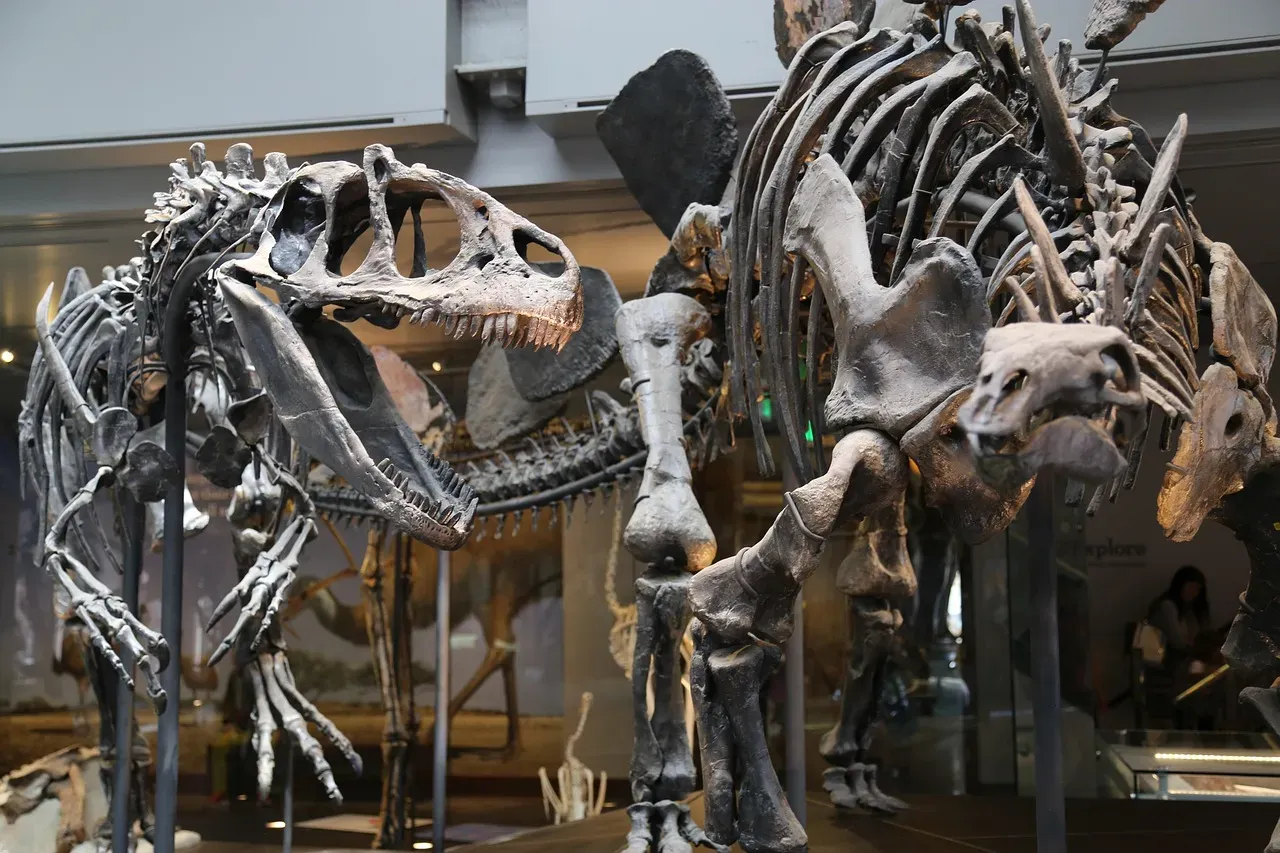
Dinosaurs are often a child’s very first doorway into serious science. Kids memorize dinosaur names the way other kids memorize sports stats, and that enthusiasm frequently nudges them toward books, museums, and eventually real scientific thinking. When the same creatures that fill children’s picture books suddenly show up on television wrapped in conspiracy language and alien speculation, that early curiosity can be redirected in a much less productive direction.
For teenagers and adults who never had a strong science background to begin with, episodes like these can easily become their main “source” on prehistoric life. Instead of learning how scientists actually test hypotheses and reject bad ideas, viewers see a parade of unvetted claims given equal screen time. Over years, that creates a public that is more comfortable with “anything goes” explanations than with patient, sometimes messy, evidence‑based reasoning. In a world where we need voters and citizens to understand everything from pandemics to climate change, that trade‑off is not just unfortunate; it is dangerous.
The Trust Problem: When a Channel Called “History” Sells Speculation as Reality

There is another reason scientists get especially frustrated with these dinosaur episodes: the messenger matters. If a random YouTube channel throws CGI dinosaurs next to UFOs, most viewers treat it like obvious fantasy. When a long‑established cable brand, once known for actual documentaries and archival footage, broadcasts similar material under the same banner, the message carries a very different weight. Many viewers still assume that a network with that history has rigorous fact‑checking baked in.
By leaning on that residual trust while drifting into fringe territory, the channel cashes in decades of credibility for short‑term ratings. That move does not just misinform; it rewires how viewers judge future information. The next time they see a careful, plain‑spoken scientist explain something less flashy, it can feel oddly underwhelming compared to the dramatic alien‑dinosaur narratives they have been fed. Over time, spectacle becomes the new baseline for what “truth” ought to feel like, and anything more modest can seem suspiciously dull or incomplete.
The Real Story Is Already Amazing: Why Dinosaurs Do Not Need Aliens to Be Awe‑Inspiring
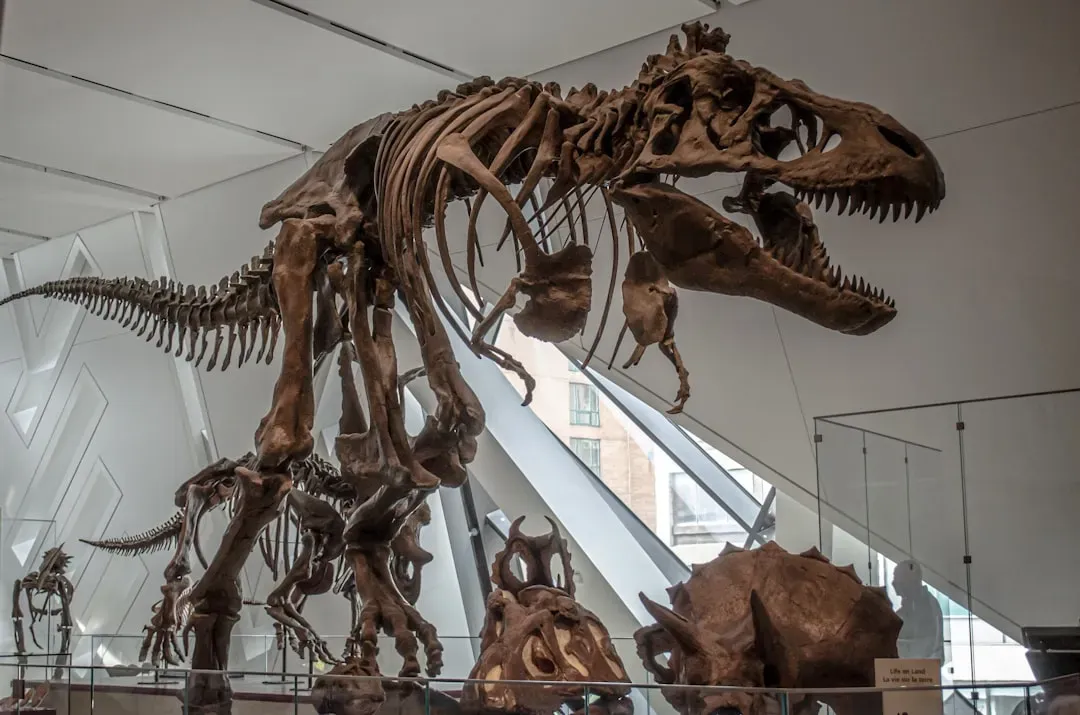
Here is the part that stings the most for many scientists: the real, evidence‑based story of dinosaurs is more incredible than anything Ancient Aliens has put on screen. We are talking about animals the size of office buildings walking on land, feathered predators that blurred the line between reptile and bird, and entire ecosystems wiped out by a chain reaction kicked off by a rock from space. The idea that we need aliens to make this story more interesting is a bit like saying the Grand Canyon is boring unless someone claims it was carved by laser beams.
Every year, paleontologists uncover new fossils that tweak and deepen what we know: traces of pigments that hint at colors, nests that show parental care, tiny bones revealing early flight experiments long before modern birds took to the skies. These discoveries show a planet that is creative and brutal all on its own. When alien narratives are stacked on top of that, they do not elevate the wonder; they drown out the real magic with noise. The irony is that by chasing a bigger, louder story, Ancient Aliens ends up making reality feel smaller.
Conclusion: Why This Kind of Dinosaur Misinformation Deserves Serious Pushback
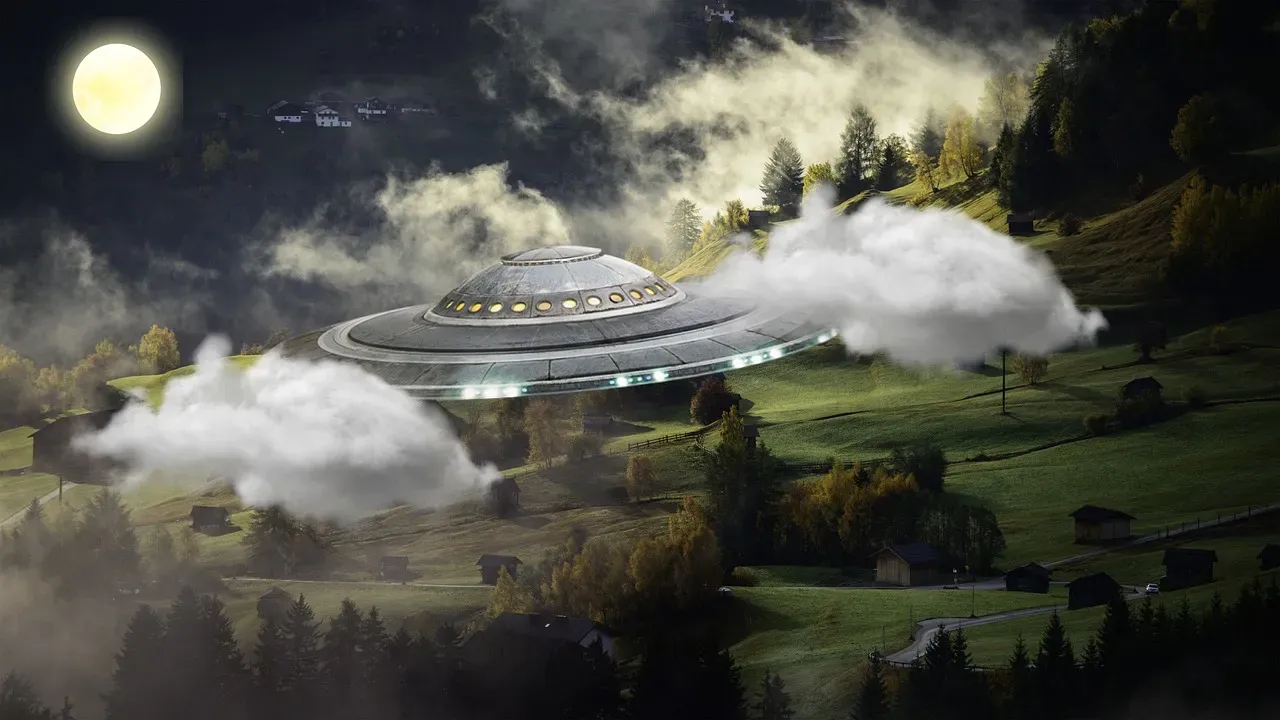
I’ll be blunt: when I look at the Ancient Aliens dinosaur episodes, I do not just see quirky television; I see a slow‑drip attack on how people think about evidence, expertise, and reality itself. These shows turn one of the most solid and inspiring chapters of science into a choose‑your‑own‑adventure where every wild idea gets to stand next to decades of hard work as if they weigh the same. That is why so many scientists label them among the most damaging pieces of prehistoric misinformation ever aired, not because aliens are offensive, but because the way they are used quietly teaches viewers that facts are optional.
There is nothing wrong with wondering about life beyond Earth or enjoying a wild story late at night. The problem starts when a channel with real cultural clout blurs that line and lets entertainment masquerade as education. Dinosaurs do not need rescuing by spacefaring engineers; their real history is already a story of mind‑bending change, catastrophe, and survival written in stone. The question is whether we are willing to protect that story from being buried under layers of glittering nonsense – or whether we are content to let the loudest, flashiest version win simply because it is more fun to watch. Which kind of story do you want shaping how you see the past – and the future?