Northeastern Bangladesh – Researchers tracked nine Bengal slow lorises released from captivity into a national park and discovered most faced fatal challenges in their quest for freedom.
Alarming Low Survival Rates Emerge
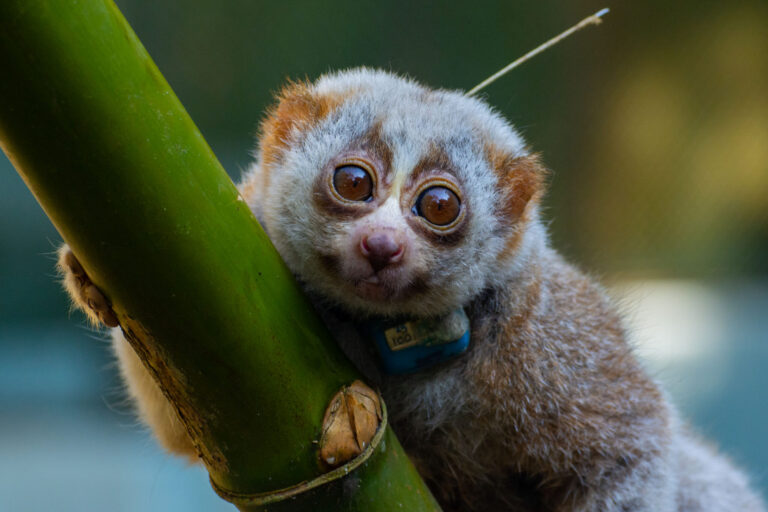
Alarming Low Survival Rates Emerge (Image Credits: Imgs.mongabay.com)
Only two of the nine Bengal slow lorises survived beyond six months after release. Three perished within the first 10 days, while four others died within that initial half-year period. The team fitted each animal with a radio collar to monitor their movements and fates precisely. This national park had hosted previous releases, yet the outcomes painted a troubling picture for conservation efforts.
Such high mortality underscored the risks for these nocturnal primates, popular targets in the illegal pet trade due to their wide eyes and gentle demeanor. All slow loris species hold IUCN statuses ranging from Vulnerable to Critically Endangered, fueling frequent rescue initiatives. However, the data challenged the assumption that every return to the wild marked success.
Territorial Battles Seal Tragic Fates
Autopsies on four recovered bodies revealed clear evidence of attacks by fellow slow lorises. Bite wounds concentrated on the head, face, and digits pointed to aggressive territorial disputes. These primates stand alone as the world’s only venomous ones, deploying specialized teeth to deliver toxic bites that proved lethal.
The survivors distinguished themselves by roaming larger areas, likely evading established residents. Released individuals displayed heightened movement and alertness compared to their wild counterparts, signs of stress or poor adaptation. These conflicts highlighted how overcrowded release sites amplified dangers for territorial species.
Captivity Duration Proves Critical
Animals held longer in captivity survived fewer days post-release. Prolonged confinement appeared to erode essential survival skills, from foraging to navigating social hierarchies. The study linked this factor directly to diminished lifespans in the wild.
Radio telemetry data captured these patterns vividly. While public sentiment often demanded swift returns to nature, experts stressed preparation gaps. Short-term captives fared marginally better, yet overall prospects remained grim without targeted rehabilitation.
Experts Urge Refined Reintroduction Tactics
Senior author Professor Anna Nekaris OBE of Anglia Ruskin University warned against simplistic approaches. “It’s assumed that returning confiscated or rescued animals to the wild is always a positive conservation story,” she stated. “Our research shows that for highly territorial species like slow lorises, releasing them into areas that are already densely populated can be a death trap.”
Lead author Hassan Al-Razi of Plumploris e.V. Bangladesh echoed this view. He noted that sites often served as “dumping grounds” chosen for convenience rather than ecology. The team advocated site assessments, long-term tracking, and species-specific protocols to boost success rates.
Key Takeaways
- Only 2 of 9 released Bengal slow lorises survived, mostly due to territorial attacks.
- Longer captivity correlated with shorter wild survival; better rehab needed.
- Prioritize ecological suitability over logistics in release planning.
These findings, detailed in Global Ecology and Conservation, signal a pivot for primate conservation. Thoughtful strategies could transform rescues from potential tragedies into true triumphs. What do you think about balancing public expectations with animal welfare? Tell us in the comments.