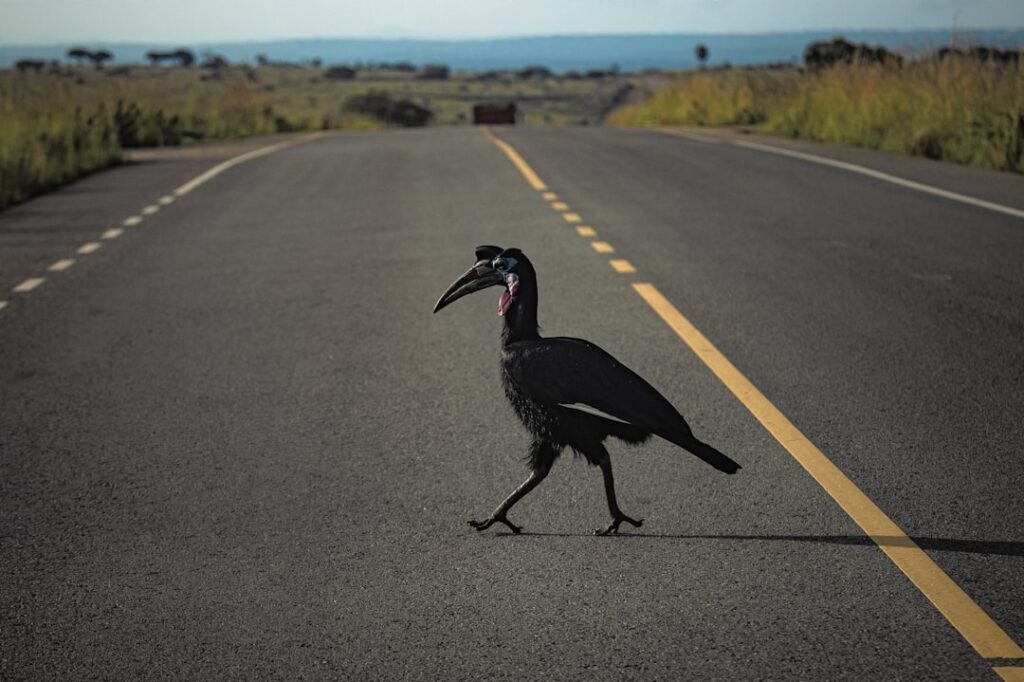
Highways across the United States sever essential wildlife corridors, resulting in devastating collisions that claim countless animal lives and imperil drivers.
A Growing Crisis on American Roads
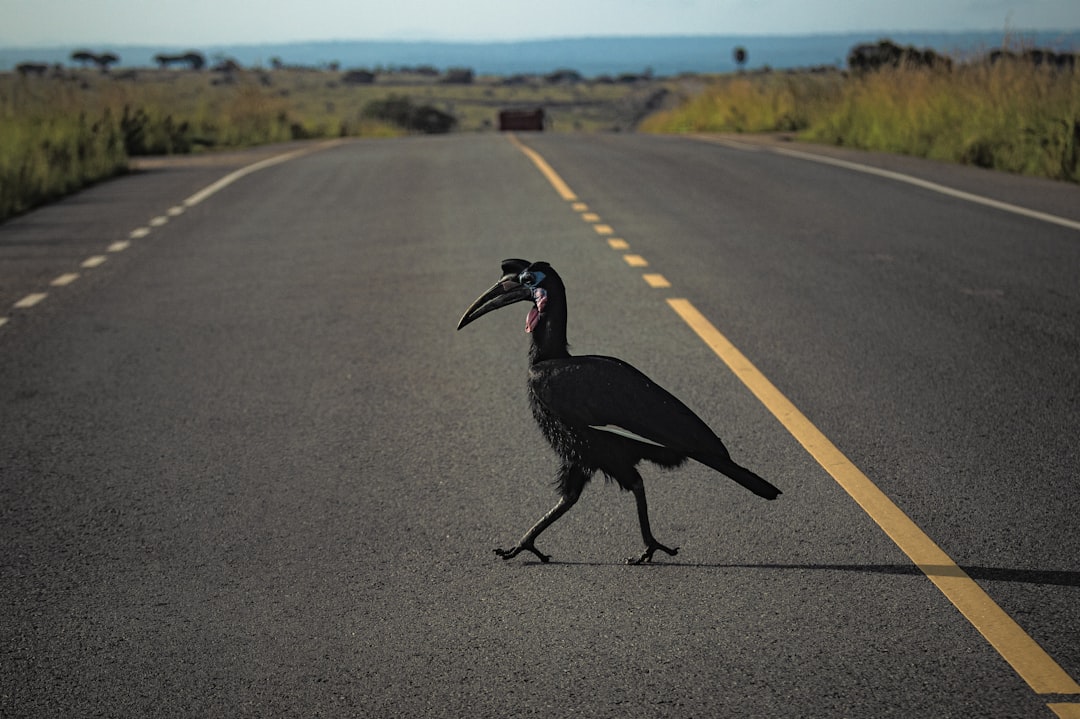
A Growing Crisis on American Roads (Image Credits: Unsplash)
The Federal Highway Administration reported between one and two million collisions involving large animals each year. These incidents primarily occurred in rural areas, though urban zones faced risks as well. Deer, mountain lions, and other species suffered the most.
A recent State Farm analysis pinpointed the 10 states with the highest collision risks:
- West Virginia
- Montana
- Pennsylvania
- Michigan
- Wisconsin
- Iowa
- Mississippi
- South Dakota
- Virginia
- Wyoming
Authorities identified 21 threatened or endangered species whose survival hinged on curbing road mortality.
Structures Designed for Safe Passage
Wildlife crossings took various forms, including overpasses and underpasses spanning roads and infrastructure. These features enabled animals to access food, water, mates, and escape routes without braving traffic. Planners integrated vegetation to mimic natural habitats and guide movement.
One prominent project, the Wallis Annenberg Wildlife Crossing in Agoura Hills, California, featured a vegetated overpass over a 10-lane stretch of Highway 101. Scheduled for completion by late 2026, it targeted mountain lions isolated in the Santa Monica Mountains.
In Albuquerque, New Mexico, the Sandia to Jemez Mountains initiative proposed multiple structures to link habitats for bears, cougars, deer, and bighorn sheep. The National Wildlife Federation advanced efforts to restore pronghorn migration routes in the American West, supported by interactive mapping of their paths.
Measurable Wins for Ecosystems and Safety
These crossings promised to slash collision rates while fostering genetic diversity and preventing local extinctions. The California overpass stood poised to link a small mountain lion population to a larger one northward, averting inbreeding risks. New Mexico’s Wildlife Corridors Action Plan highlighted hotspots where animal routes crossed busy roads.
Drivers benefited from fewer hazardous encounters, enhancing overall road safety. Wildlife agencies emphasized that connected habitats bolstered biodiversity and public health.
Federal and State Momentum Builds
Congress launched the Wildlife Crossings Pilot Program in 2021 with $350 million for 15 construction projects and 20 research initiatives. Demand surged, as applications sought $1.134 billion. New Mexico legislators allocated $50 million specifically for such builds.
In 2025, 26 states introduced 66 bills addressing corridors and crossings. The pilot program faced expiration in 2026, prompting calls for renewal through the Surface Transportation Reauthorization Bill. Advocates pushed for higher funding and waived federal matching requirements for Tribal projects. The National Wildlife Federation warned that without sustained support, vehicle collisions and habitat fragmentation would intensify.
Wildlife crossings exemplified practical conservation that safeguarded species and motorists alike, proving infrastructure could harmonize human and natural needs. As projects advanced, they offered a blueprint for nationwide adoption. What steps should your state take next? Share your thoughts in the comments.
Key Takeaways
- One to two million large animal collisions occur annually in the U.S., endangering 21 threatened species.
- Crossings like the Wallis Annenberg overpass in California connect fragmented habitats and reduce crashes.
- Federal funding through the Wildlife Crossings Pilot Program fueled progress, with calls for expansion amid high demand.
For more details, visit the National Wildlife Federation Blog.