Great Smoky Mountains National Park – Straddling the border of Tennessee and North Carolina, this vast wilderness spans over 800 square miles of ancient mountains, lush forests, and sparkling streams. The park supports one of the most biodiverse ecosystems in the eastern United States, with more than 19,000 documented species and estimates reaching 90,000 in total. Among its residents thrive black bears, elk, white-tailed deer, owls, salamanders, and synchronous fireflies, each adapted to this misty haven. Visitors often encounter these creatures during hikes or drives, drawn by the park’s reputation as a living laboratory of nature.
Black Bears Command the Forests
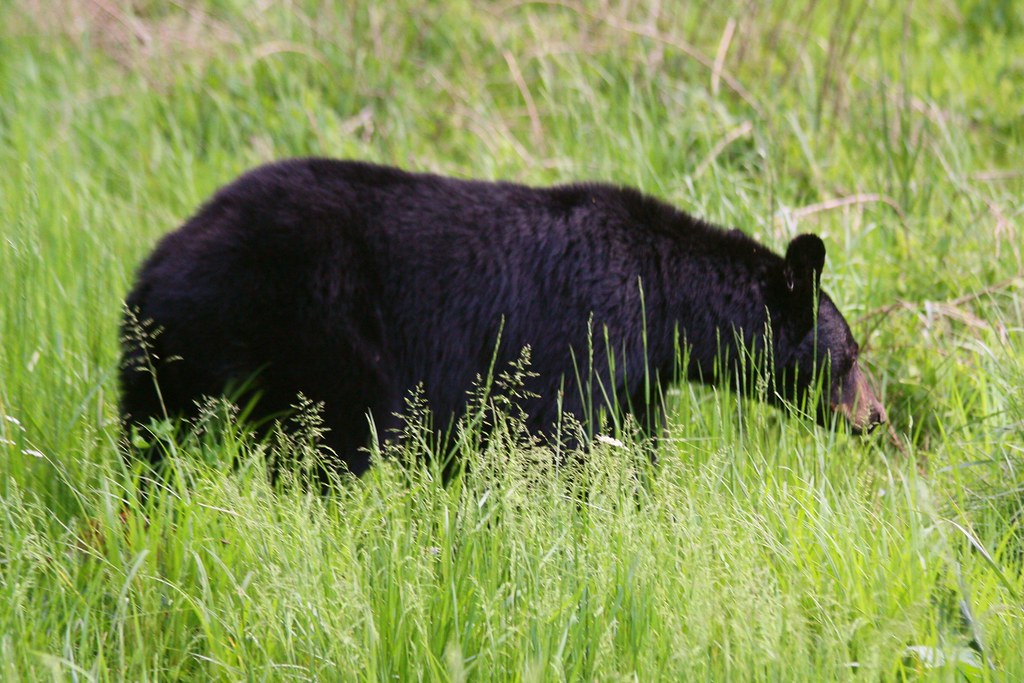
Black Bears Command the Forests (Image Credits: Upload.wikimedia.org)
The Great Smoky Mountains host the densest population of black bears in North America, making them the undisputed icons of the park. Park officials estimate around 1,500 to 1,900 of these omnivores roam the area, less than two per square mile despite the crowded habitat. These bears forage on berries, nuts, insects, and occasionally carrion, embodying the wild spirit of the Smokies.
Sightings occur frequently along popular routes like Cades Cove and the Roaring Fork Motor Nature Trail. Rangers emphasize maintaining a distance of at least 50 yards to avoid altering their natural behavior. Such encounters remind visitors of the park’s role as the largest protected black bear sanctuary in the eastern United States.
Elk Make a Dramatic Return
Elk vanished from the region for over 200 years due to overhunting, but park biologists reintroduced them starting in 2001 with groups from other areas. Today, these massive herbivores, the largest wild animals in the park, graze in open valleys and draw crowds to spots like Cataloochee Valley on the North Carolina side. Bulls can weigh up to 700 pounds and bugle during fall rutting season, creating an unforgettable symphony.
Reintroduction efforts succeeded through careful management, including aversive conditioning to keep herds wild. Early mornings and late evenings offer the best chances for observation without disturbing them. The elk’s resurgence highlights successful conservation in the Smokies.
Deer, Owls, and Avian Abundance
White-tailed deer bound through meadows and woodlands, often numbering in the thousands across the park, though populations fluctuate with disease and predation. These graceful mammals feed on acorns, grasses, and twigs, frequently appearing at dawn or dusk in Cades Cove. Their presence supports the food web as prey for bears and other predators.
Over 240 bird species soar above, including various owls that hunt silently at night. Migratory warblers and reintroduced peregrine falcons add to the diversity, with high elevations hosting northern species far south of their typical range. Birdwatchers scan treetops along trails for these feathered residents. The park’s mix of forests and streams creates ideal habitats for such variety.
Salamanders: The Park’s Amphibian Stars
Known as the Salamander Capital of the World, Great Smoky Mountains shelter 31 species of these moist-skinned amphibians, many lungless and uniquely adapted to the cool, damp environment. Newts and salamanders thrive under logs and rocks, breathing through skin and gills. Recent discoveries between 2020 and 2024 added four new lungless types to the tally.
These creatures indicate ecosystem health, sensitive to pollution and climate shifts. Streams teem with them alongside 67 native fish species. Flip a log carefully on a hike to glimpse one, but always return it gently to preserve the habitat.
Synchronous Fireflies Light Up the Night
In the Elkmont area, synchronous fireflies (Photinus carolinus) create a mesmerizing display during their two-to-three-week mating season from late May to early June. Males flash in unison—five to eight pulses followed by an eight-second pause—while females reply dimly from the forest floor. This rare synchronization occurs among only a few species worldwide.
Access requires a lottery reservation via Recreation.gov, with shuttles and strict rules like red flashlights to minimize impact. Larvae prey on snails and worms, sustaining the leaf litter ecosystem. The spectacle underscores the park’s nocturnal wonders.
Key Takeaways
- Great Smoky Mountains boasts unmatched biodiversity, including the densest black bear population in North America.
- Reintroduced elk and 31 salamander species highlight successful conservation.
- Synchronous fireflies offer a bucket-list natural light show, managed through lotteries for protection.
The wildlife of Great Smoky Mountains National Park weaves a tapestry of resilience and wonder, from towering elk to tiny salamanders. This protected realm invites exploration while demanding respect for its inhabitants. Plan your visit with safety in mind, and carry home stories of nature’s enduring pulse. What do you think about these Smokies creatures? Tell us in the comments.