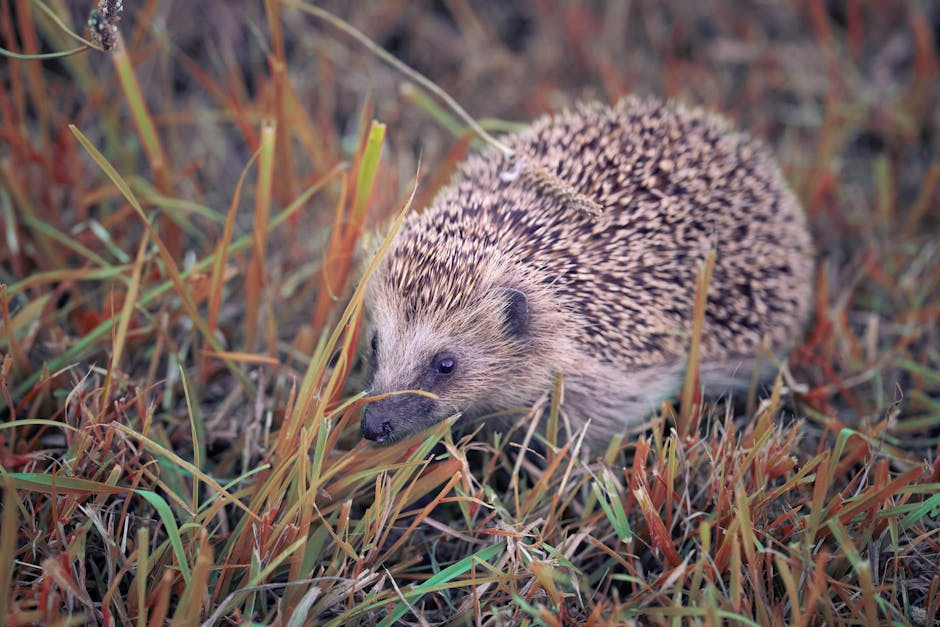
Wild animals once confined to remote forests and mountains now roam city streets and suburbs around the world. Leopards slip through Mumbai’s alleyways, foxes navigate London’s parks at night, and bears scavenge in North American neighborhoods. This shift stems from shrinking natural habitats and plentiful urban food sources, reshaping human-wildlife dynamics in unexpected ways. As cities expand, these encounters grow more frequent, prompting questions about coexistence.
A Surprising Boom in Urban Bear Populations
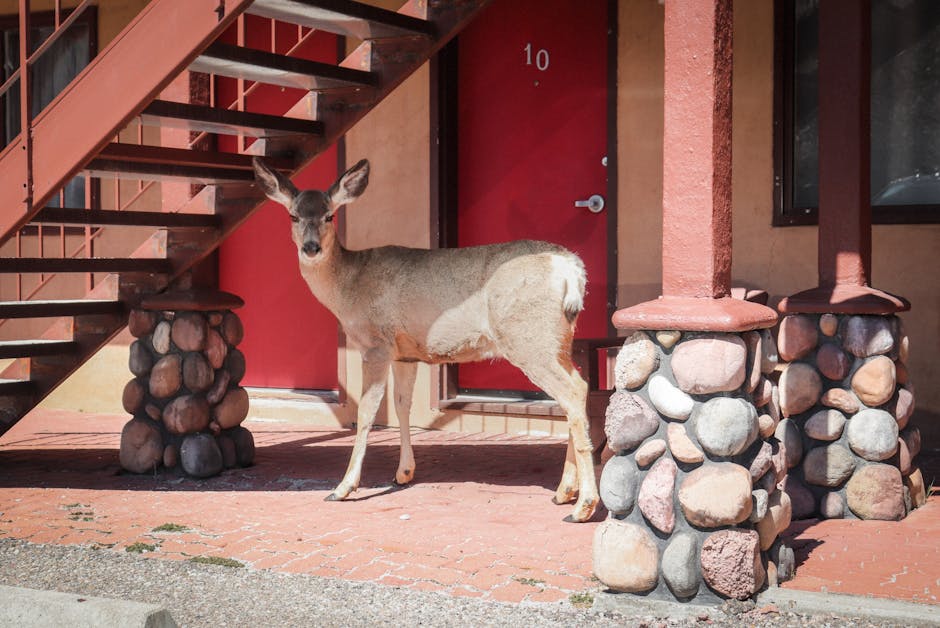
A Surprising Boom in Urban Bear Populations (Image Credits: Pexels)
Black bears have mastered the art of city living, with over 100 individuals tracked within Asheville, North Carolina’s city limits alone. These animals navigate sidewalks, climb onto porches, and even time their visits for trash collection days. Urban females often weigh nearly twice as much as their rural counterparts, thanks to easy access to garbage and pet food.
Habitat fragmentation pushed bears into these areas, where suburbs encroach on forests. In places like Durango, Colorado, and South Lake Tahoe, bear-resistant trash cans cut problem encounters by 60 percent. Still, vehicle strikes claim many lives, highlighting the risks of this adaptation. Conservationists note that while urban bears reproduce more readily, overall survival rates lag behind those in wilder settings.
Leopards’ Stealthy Mumbai Encroachment
Mumbai’s Aarey Milk Colony harbors around 35 leopards, who prowl just beyond Sanjay Gandhi National Park’s edges. Camera traps captured these big cats stalking suburban alleyways, drawn by pigs and stray dogs fattened on human discards. Development has squeezed wildlife corridors, forcing leopards into human zones for easier hunts.
Local communities, including the Warli tribe, largely tolerate the predators, with attacks remaining rare – usually involving disoriented animals. Efforts focus on monitoring rather than relocation, as new leopards quickly fill vacated territories. This uneasy balance underscores how urban growth disrupts traditional habitats.
Foxes: Masters of London’s Urban Maze
Urban foxes in Britain number in the tens of thousands, with London’s population peaking at around 150,000 before a recent dip. These opportunists climb scaffolding, raid bins, and even scaled the Shard skyscraper during construction. Their diet blends scavenged refuse with hunted rodents, fueling self-regulating groups of two to six adults.
Nocturnal habits and strong immune systems help them thrive amid city noise and disease risks like mange. Breeding seasons bring eerie screams, but culls proved futile in the past. Foxes exploit urban abundance, turning human waste into survival advantages.
Drivers Behind the Urban Migration
Urbanization destroys forests and creates food-rich environments, pulling wildlife inward. Climate change compounds this by altering migration patterns and habitats through droughts and wildfires. Animals like coyotes in Chicago – up to 4,000 strong – adapt by reading traffic signals and shrinking territories.
- Habitat loss from sprawling suburbs fragments wild spaces.
- Abundant garbage and pet food provide year-round calories.
- Greening efforts in cities offer unexpected shelters.
- Conservation successes boost populations, spilling into urban edges.
- Climate shifts force range expansions into human zones.
Raccoons, too, innovate by solving trash puzzles faster than rural kin. These factors converge, making cities viable alternatives to vanishing wilderness.
Navigating Conflicts and Fostering Harmony
Increased sightings lead to tensions, from bears killing pets in Asheville to coyotes preying on suburban animals post-wildfires. Yet, many species show behavioral plasticity, becoming nocturnal to avoid peak human hours. Studies across continents reveal 93 percent of urban mammals alter diets and ranges.
| Animal | Key City | Main Adaptation |
|---|---|---|
| Leopard | Mumbai | Hunting urban prey like dogs |
| Black Bear | Asheville | Timing trash days |
| Fox | London | Climbing structures |
Coexistence strategies emphasize securing waste and educating residents. Programs like BearWise promote hazing to maintain animals’ natural wariness. Cities hosting more threatened species per square kilometer than rural areas could become biodiversity havens if managed wisely.
Key Takeaways
- Secure garbage to deter urban foragers and reduce conflicts.
- Monitor local wildlife to track population shifts early.
- Preserve green corridors linking cities to wildlands.
As wildlife integrates into urban fabric, the challenge lies in balancing human needs with nature’s resilience. Thoughtful policies can turn potential clashes into sustainable shared spaces. What do you think about these wild city dwellers? Tell us in the comments.