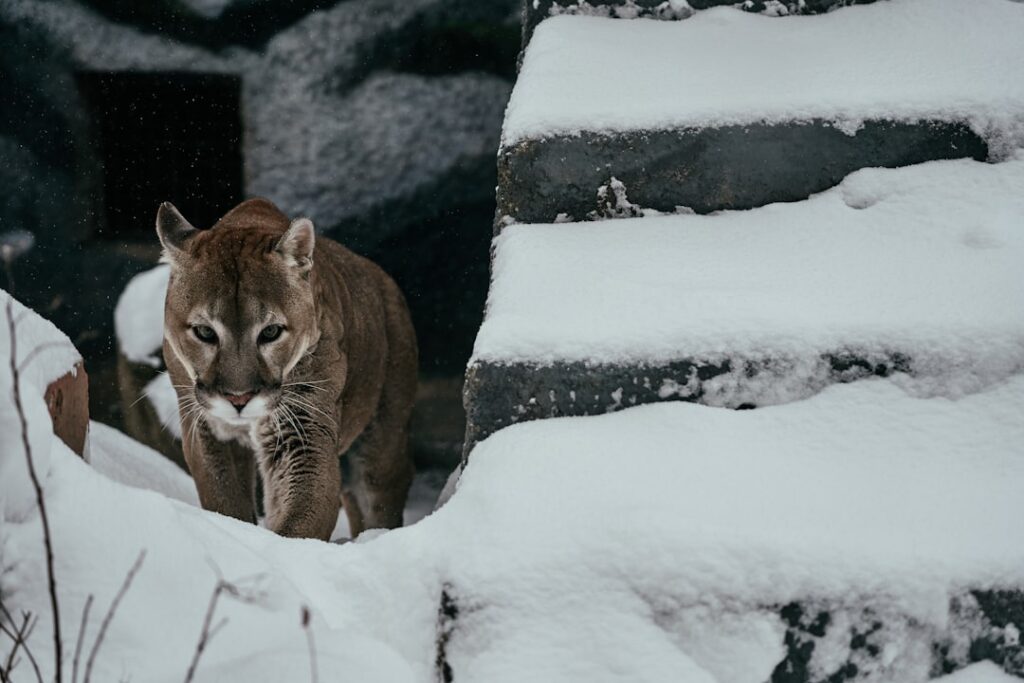
Yellowstone National Park – New research uncovered how wolves’ presence compels cougars to adjust their diets amid fierce competition for food resources.
Apex Predators Square Off
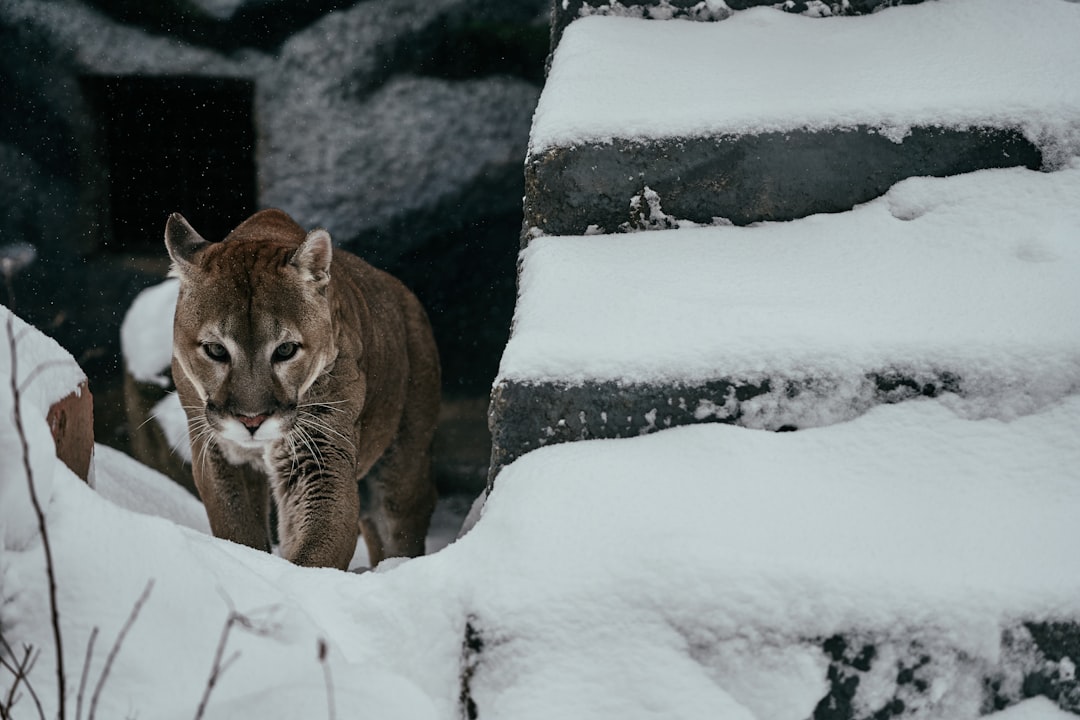
Apex Predators Square Off (Image Credits: Unsplash)
Wolves frequently stole kills from cougars, prompting the big cats to seek safer options. Researchers observed this dynamic in Yellowstone, where gray wolves and cougars vie for dominance as top predators. Wolves, reintroduced to the park in 1995, now roam alongside cougars, both populations growing across the American West.
Cougars made kills, but wolves claimed them, especially larger ones. The study, led by doctoral student Wesley Binder at Oregon State University, detailed these interactions. Published in the Proceedings of the National Academy of Sciences, it highlighted behavioral shifts born from necessity. “In North America and worldwide, carnivore communities are undergoing major changes,” Binder stated in a press release. “Our research provides insight into how two apex predators compete, which informs recovery efforts.”
Cougars Dodge Danger with Smart Moves
Cougars avoided areas where wolves lingered near their own kills. They positioned themselves close to climbable trees, ready to escape threats. Wolves occasionally killed cougars, but the reverse rarely occurred. These tactics helped cougars protect smaller meals from theft.
The big cats targeted deer over elk, as wolves pilfered deer kills at just one-sixth the rate of larger ungulates. This shift minimized losses. Researchers tracked these patterns, revealing a calculated response to pressure. Cougars thus maintained energy for survival despite rivals.
Prey Scarcity Fuels Dietary Pivot
Elk populations in Yellowstone had declined, pushing cougars toward deer. Larger prey like elk drew wolf attention, making them risky choices. Deer offered a lower-profile alternative. This adaptation mirrored broader ecological pressures in the park.
Both predators recovered from near-eradication in the 20th century U.S. Wolves’ return intensified overlap in hunting grounds. Cougars responded by diversifying, a flexibility key to coexistence. The study illuminated these changes through direct observations.
Insights for Managing Carnivore Comebacks
As cougars and wolves expand westward, conflicts may rise. Wildlife managers now better understand competitive dynamics. Such knowledge guides reintroduction and habitat planning. The research underscored opportunities for tension in shared territories.
Predator recoveries reshape ecosystems. Officials can anticipate shifts, protecting biodiversity. Findings from Yellowstone offer a model for other regions.
Key Takeaways:
- Cougars switch to deer kills, stolen far less often by wolves.
- Big cats stay near trees and avoid wolf hotspots for safety.
- Competition insights aid carnivore conservation amid population booms.
Competition drives evolution in predator behavior, ensuring survival in crowded wilds. As Yellowstone’s drama unfolds, it reminds us of nature’s delicate balances. What adaptations have you observed in local wildlife? Share in the comments.