Millions of supporters gathered virtually and in person on March 20, 2026, to observe World Rewilding Day under the unifying theme “#ChooseOurFuture.” Organized by the Global Rewilding Alliance, the event highlighted rewilding’s role in restoring ecosystems amid climate challenges and biodiversity loss. Participants from six continents shared visions of thriving landscapes, from film screenings to community walks, demonstrating nature’s capacity to heal when given space.
Rewilding Takes Center Stage
Rewilding Takes Center Stage (Image Credits: Upload.wikimedia.org)
World Rewilding Day emerged in 2021 from an idea by Heal Rewilding’s chair, Jan Stannard, quickly evolving into a global phenomenon. Each year on March 20, the solar equinox, rewilders create a “wild thunderclap” through events that reach millions via social media and on-the-ground actions. The 2026 celebrations featured premieres like Rewilding Europe’s “The Healing Power of Nature” on the Danube Delta, alongside symposiums and tours across Europe, Africa, and beyond.
This year’s focus on choosing a hopeful future built on prior themes such as “Hope Into Action” in 2024. Organizers emphasized evidence-based progress, from policy commitments to wildlife recoveries, positioning rewilding as a practical solution for resilient ecosystems. Hundreds of partner organizations coordinated efforts, underscoring the movement’s scale.
France Leads with Dauphiné Alps Initiative
Rewilding Europe launched France’s largest project in the Dauphiné Alps during summer 2025, spanning 500,000 hectares across southeastern France’s diverse terrains. Limestone cliffs, vast forests, mountain meadows, and braided rivers define the area between Grenoble, Montélimar, and Gap. Historical deforestation in the 18th century depleted wildlife, but late-20th-century reintroductions of roe deer, ibex, and vultures set the stage for broader restoration.
Project director Olivier Raynaud noted, “It allows us to build on what’s been done already… We’re not starting from scratch.” Plans include introducing Polish konik ponies and Scottish Galloway cows for natural grazing, alongside lynx reintroduction to boost resilience against climate threats like droughts and fires. Fabien Quétier of Rewilding Europe added, “A fixed approach to nature doesn’t really work anymore.”[5] Local collaboration with landowners and communities addresses predator conflicts through fences and education.
Proven Successes Inspire Action
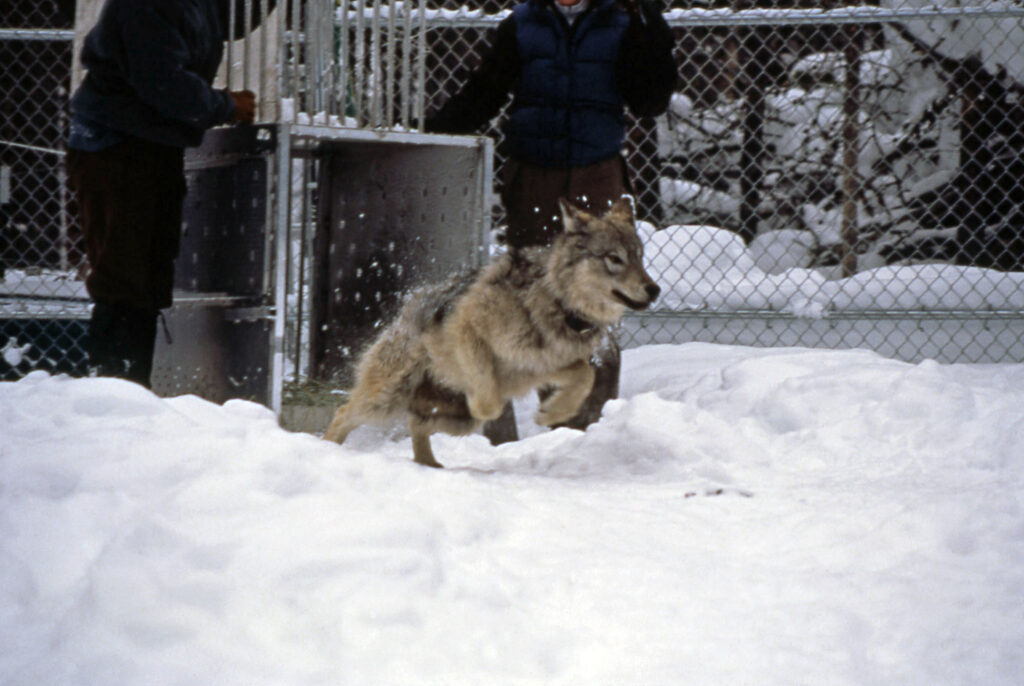
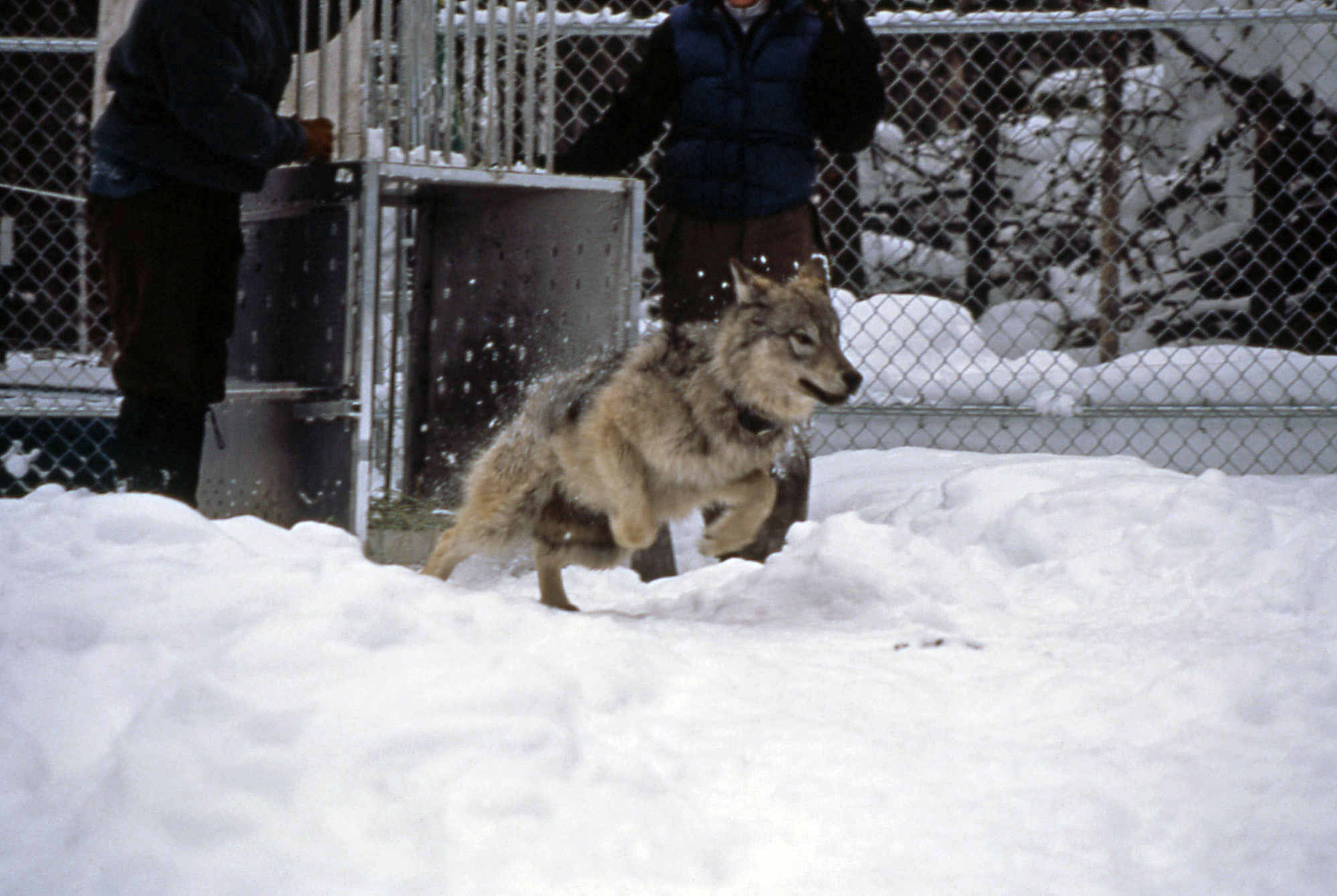
Rewilding delivers tangible results across continents, as evidenced by standout projects. In Yellowstone National Park, gray wolves reintroduced in 1995 balanced herbivore populations, reviving willows, aspens, and riverbanks while boosting beaver and bird numbers. Eurasian beavers in the UK have reduced flooding by up to 60% through dams that create carbon-storing wetlands.
Other victories include:
- Blue wildebeest in Tanzania’s Serengeti, surging from 300,000 to 1.5 million and halting wildfires that once scorched 80% of vegetation.
- Water buffalo on Romania’s Danube Delta islands, fostering pools for amphibians and dispersing over 200 plant species since 2021.
- Plains bison on American prairies, growing to nearly 5,000 and maintaining grasslands visible even from space.
- Muskoxen in Arctic regions, enhancing carbon cycling to keep tundra as a sink amid warming.
These cases illustrate how keystone species restore balance, from fire prevention to carbon sequestration.
Overcoming Hurdles for Lasting Change
Challenges persist, including private land ownership and human-wildlife tensions. In the Dauphiné Alps, wolves pose risks to livestock, prompting tools like guard dogs. Climate shifts demand adaptive strategies, such as herbivore grazing to prevent forest collapse.
Yet progress accelerates through networks like the European Rewilding Network. Events on World Rewilding Day, from South Africa’s “Corridors” screening to Scotland’s policy hustings, foster dialogue and innovation. Participants submitted visions of rewilded futures, mapped globally to inspire broader adoption.
Key Takeaways from World Rewilding Day 2026
- Rewilding restores ecosystems via natural processes, enhancing resilience to climate change.
- Global collaborations amplify successes, from local reintroductions to policy shifts.
- Choosing rewilding today secures a thriving future for people and planet.
Rewilding proves nature rebounds when humans step back and support recovery. World Rewilding Day 2026 reinforced this truth, urging collective action for wilder landscapes. What steps will you take to choose our future? Share your thoughts in the comments.