February 2nd marked the World Wetlands Day, a global reminder of ecosystems that nurture wildlife while delivering essential services to humanity.
One-Third of Endangered Species Call Wetlands Home
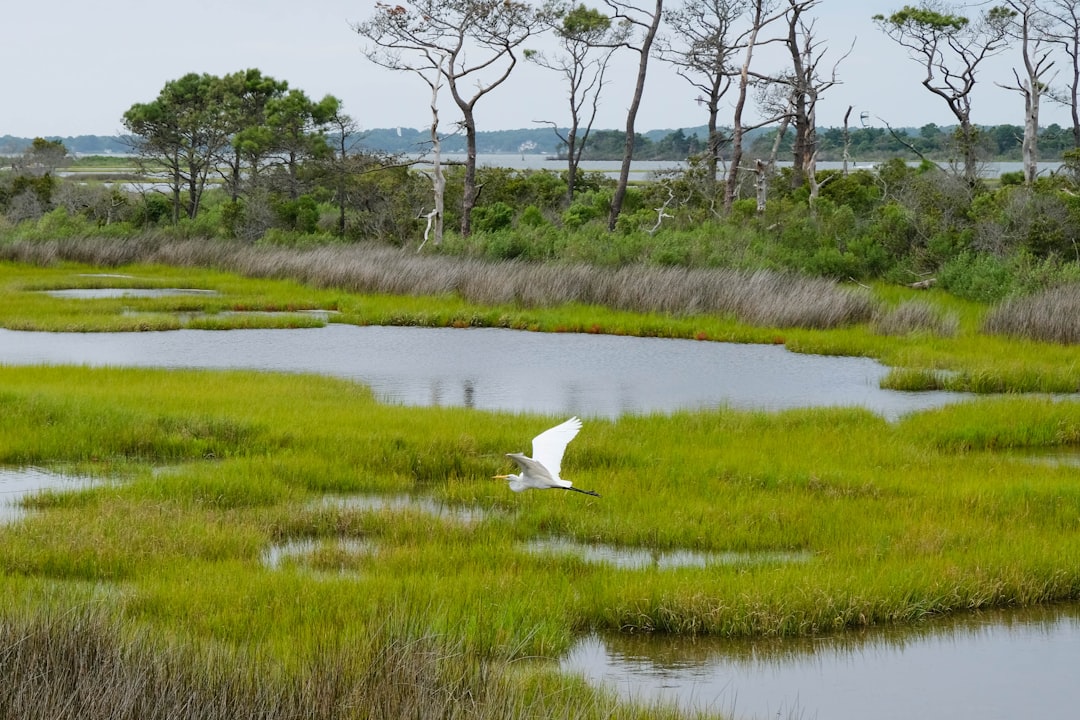
One-Third of Endangered Species Call Wetlands Home (Image Credits: Unsplash)
More than one-third of U.S. species listed under the Endangered Species Act depend on wetlands for breeding, feeding, or shelter.
These habitats sustain creatures like the whooping crane, whose majestic migrations rely on marshy stopovers, and the elusive Florida panther, which prowls swamp edges. Amphibians such as the eastern hellbender salamander thrive in the oxygen-poor waters, while killifish dart through shallow pools. Animals here evolve unique traits – webbed feet for navigation, camouflage for evasion, and probing bills for foraging in mud. Such adaptations highlight wetlands’ role as biodiversity hotspots. Conservationists note that losing these areas disrupts entire food chains.
Defining Wetlands and Their Diverse Forms
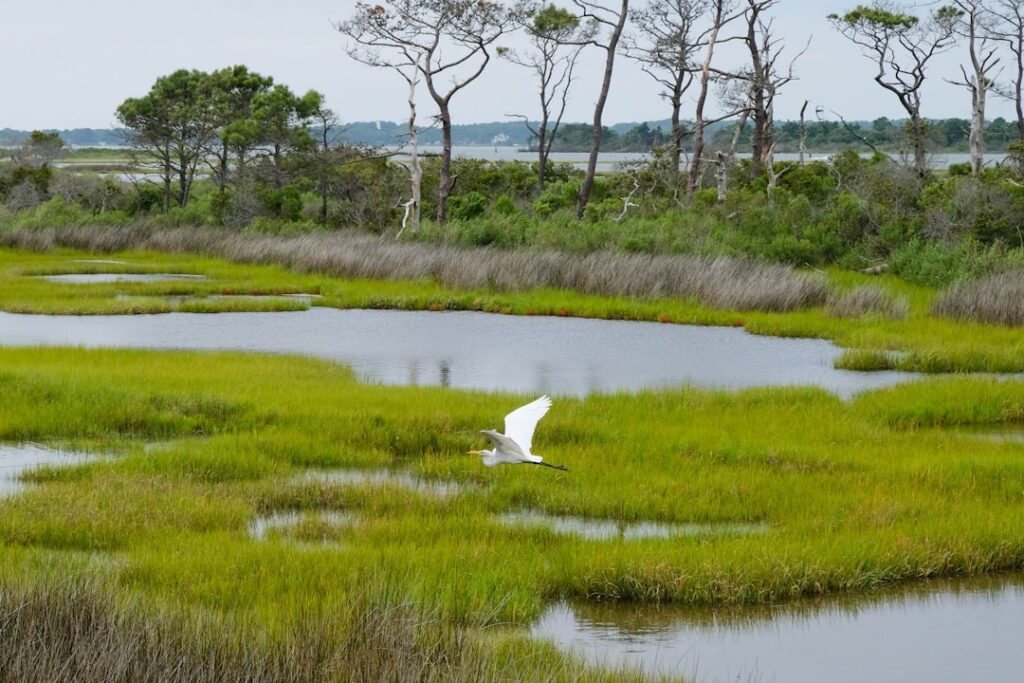
Wetlands occur where water saturates soil or stands near the surface for much of the year, fostering low-oxygen conditions that shape specialized plant life.
Three key markers identify them: persistent hydrology that floods areas seasonally, hydric soils rich in organic matter and marked by oxidized roots, and hydrophytic vegetation like cattails and cypress trees. Types vary widely across landscapes. Marshes feature emergent plants in open water, swamps host forested floodplains, mangrove thickets guard tropical coasts, and riparian buffers line riverbanks. Each form supports distinct wildlife communities, from birds in marshes to fish in mangroves. Legal safeguards often hinge on these classifications and connections to larger waterways.
- Marshes: Grassy expanses like those in Michigan’s Saginaw Bay, ideal for waterfowl.
- Swamps: Wooded wetlands in Florida’s Everglades, sheltering panthers and alligators.
- Mangroves: Salt-tolerant trees in Key Largo, protecting shorelines and fish nurseries.
- Riparian zones: Streamside strips in Pennsylvania, filtering runoff and aiding salmon.
Beyond Wildlife: Flood Control, Clean Water, and Fisheries
Wetlands filter pollutants, store floodwaters, and bolster commercial fisheries, where 95 percent of U.S. revenue traces to species breeding in these zones.
They act as natural sponges during storms, reducing downstream damage, and purify water through plant uptake and microbial action. Food systems benefit too, as wetlands link to rivers and coasts that feed millions. Economies flourish from fishing and tourism tied to healthy habitats. Yet these services falter when development encroaches. Protecting them ensures resilient communities against climate shifts.
Environmental Laws Face Mounting Pressure
The Clean Water Act of 1972 shielded wetlands adjacent to “Waters of the United States,” covering navigable rivers, lakes, and coastal zones for commerce and health.
The Endangered Species Act complemented this by safeguarding wetland-dependent animals. However, the Trump administration proposed sharp cutbacks to both laws’ enforcement after returning to office in 2025. Isolated wetlands, unlinked to major waters, now risk draining for development. State rules vary widely, leaving gaps where wildlife crosses borders. Threats like filling and pollution accelerate habitat loss. Advocates urge federal consistency to match nature’s fluid boundaries. For deeper insights, see the Endangered Species Coalition.
Key Takeaways
- Over one-third of Endangered Species Act-listed animals need wetlands to survive.
- 95 percent of U.S. fishing revenue depends on wetland-bred species.
- Recent policy rollbacks heighten risks to these vital ecosystems.
World Wetlands Day underscores a simple truth: safeguarding these landscapes preserves wildlife legacies and human well-being alike. Stronger enforcement of protections offers the path forward amid growing pressures. What steps should communities take next? Share your thoughts in the comments.