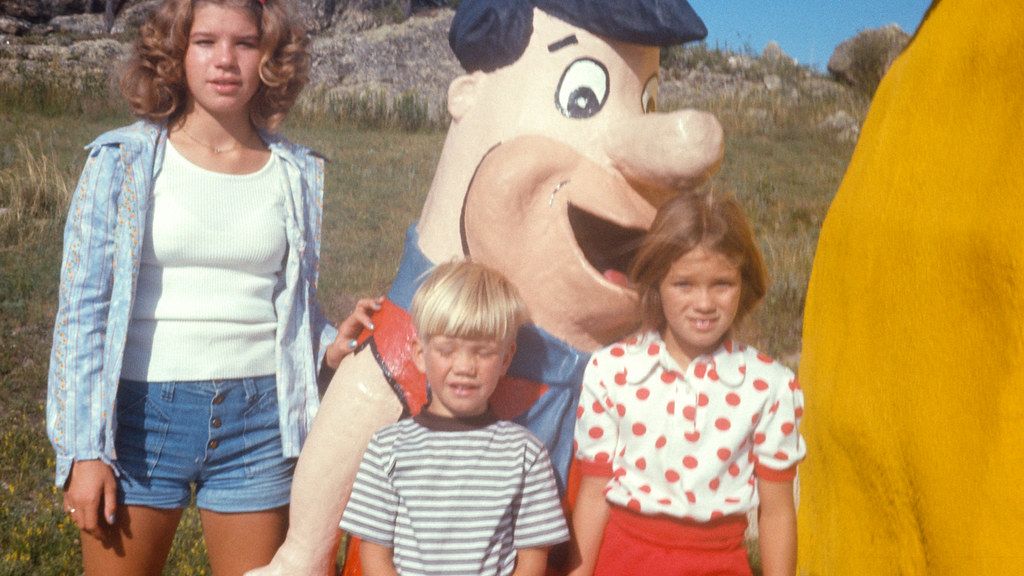
You already know this deep down, but it is still a bit shocking when you really think about it: The Flintstones is technically set in the Stone Age, yet the world of Bedrock looks suspiciously like a 1960s American suburb that just tripped over a pile of dinosaur bones. We get drive-in movies, bowling leagues, traffic jams and instant photography, all wrapped in rock puns and dinosaur appliances. It is less an ancient world and more a sitcom cul-de-sac with a quarry and a few sabre-toothed accessories.
And somehow, almost nobody ever objects. Generations of kids and adults have watched this gloriously inaccurate vision of prehistory and simply gone along for the ride. In a way, that mismatch between Bedrock and real archaeology makes The Flintstones even more interesting: it shows what people want to see in the past, not what actually happened. Let’s dig into eight big ways Bedrock gets the Stone Age hilariously wrong – and why, for the most part, nobody seems to mind.
1. Dinosaurs and humans hanging out like neighbors
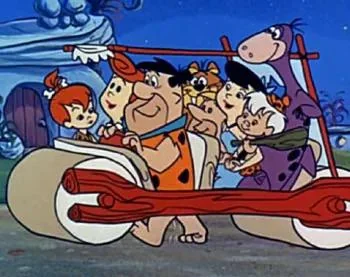
Here is the most obvious one, the thing any paleontology-loving eight‑year‑old will bring up right away: people and dinosaurs miss each other by tens of millions of years. Non‑avian dinosaurs were gone long before anything remotely human walked the Earth. Yet in Bedrock, Fred has a pet dinosaur, drives past brontosaur cranes at the quarry, and casually dodges carnivores on the way to work. The show treats dinosaurs like oversized household pets or co‑workers instead of long‑extinct animals from a completely different era.
From a scientific standpoint, this is about as wrong as putting a smartphone in a Roman gladiator’s hand. But dramatically, it works perfectly. Dinosaurs are fun, visually striking, and instantly recognizable, and they give kids a simple mental shortcut: Stone Age equals cave people plus dinosaurs. Most viewers are not watching The Flintstones to revise their timeline of life on Earth; they just want to see what happens when your garbage disposal is an actual reptile. In that sense, the anachronism becomes a feature, not a bug.
2. Suburban nuclear families in animal skins
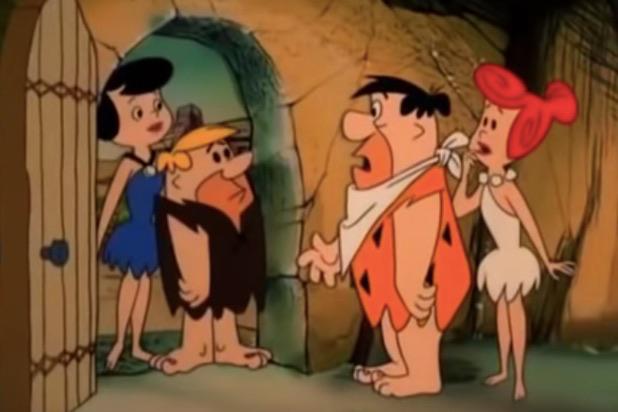
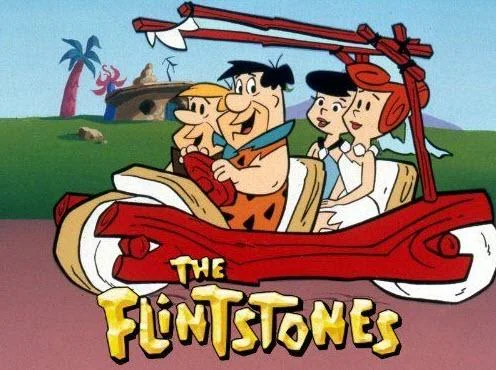
Real Stone Age societies, especially during the Paleolithic, were mostly small, mobile bands of hunter‑gatherers, not suburban households with neat little lawns, one breadwinner, and a stay‑at‑home spouse. In Bedrock, though, you get a classic mid‑20th‑century nuclear family: Fred goes to work at the quarry, Wilma maintains the house, and they live next door to their best friends, the Rubbles. It is a TV portrait of postwar American life, lightly dusted with gravel and animal hides.
This mismatch reveals less about prehistory and more about the era when the show was created. The Flintstones essentially transplanted a contemporary family sitcom into a novelty setting, because that was what audiences found familiar and comforting. Hard questions about gender roles, social structure, or prehistoric childcare never come up; the show leans into bowling nights, neighborly squabbles, and baby Pebbles’ antics. People accepted it because Bedrock was never meant to be anthropology, it was just a mirror of their own living rooms with a few stone-age jokes scribbled on top.
3. Advanced technology made out of rocks and animals
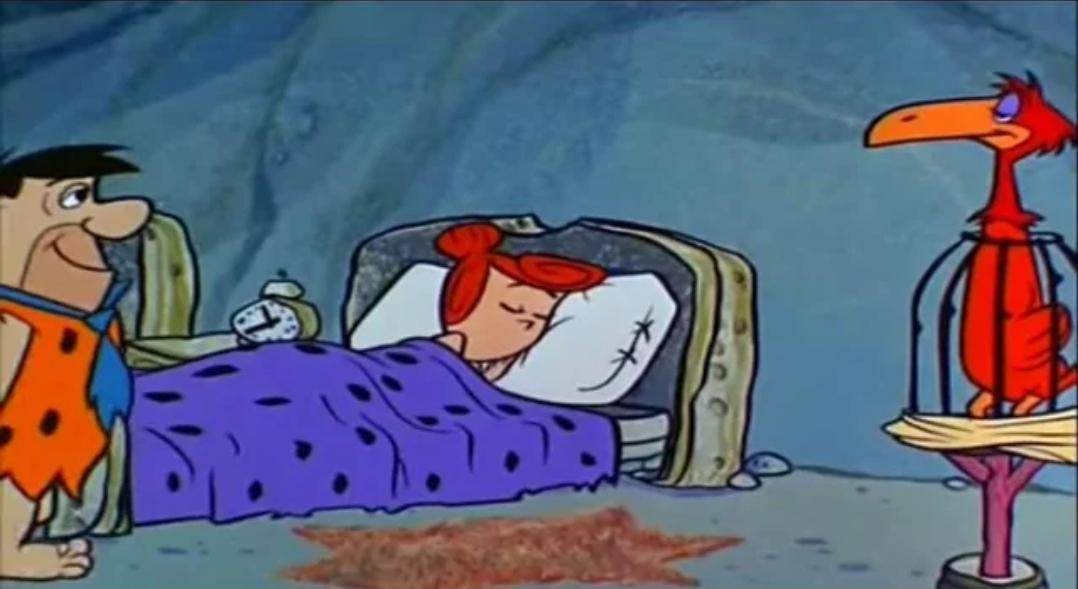
One of the most charmingly wrong parts of Bedrock is its technology. The town has analogs for almost everything a 1960s household might want: washing machines, record players, garbage disposals, cars, telephones, cameras, even beauty salons. The twist is that all of it is made from stone, wood, and live animals, with a pterodactyl or tiny mammoth groaning in the background as they reluctantly “power” yet another appliance. It is a visual gag that doubles as a running theme.
In the actual Stone Age, even the late parts with more complex tools, people were operating on a far simpler toolkit: stone blades, bone needles, simple shelters, maybe early pottery and basic art and ornaments. There were clever technologies, but not consumer gadgets on every corner. Bedrock tech turns that reality upside down, because the joke lands only if viewers recognize what the stone version is parodying. Nobody complains that a real camera does not look like a bird with a lens for a beak; they are too busy enjoying how delightfully absurd it all is.
4. Money, jobs, and a full-blown consumer economy
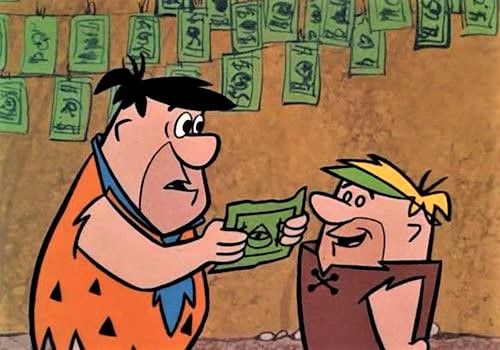
Real prehistoric economies were wildly different from what we see in Bedrock. For much of the Stone Age, people likely lived in small groups that shared resources, traded occasionally, and relied on direct access to food and materials rather than wages and bank accounts. In contrast, Bedrock has a clear cash economy: Fred works for a boss, punches a time clock, gets paid, and spends his money on bowling, gifts, and consumer goods. Stores, service stations, and even organized sports work like slightly rockier versions of their modern counterparts.
This is one of the ways the show quietly trains viewers to see Bedrock as a parallel version of their own world rather than a true past. We are not asked to imagine unfamiliar subsistence strategies or barter networks; we are basically asked to imagine our town with more stone and fewer safety regulations. Most people do not scrutinize that economic setup because it feels normal. If anything, the unreality makes it easier to slide into the story: you already understand why Fred hates working overtime or why a new gadget matters, even if that gadget happens to be powered by a grumbling armadillo.
5. Massive permanent cities instead of small, shifting camps
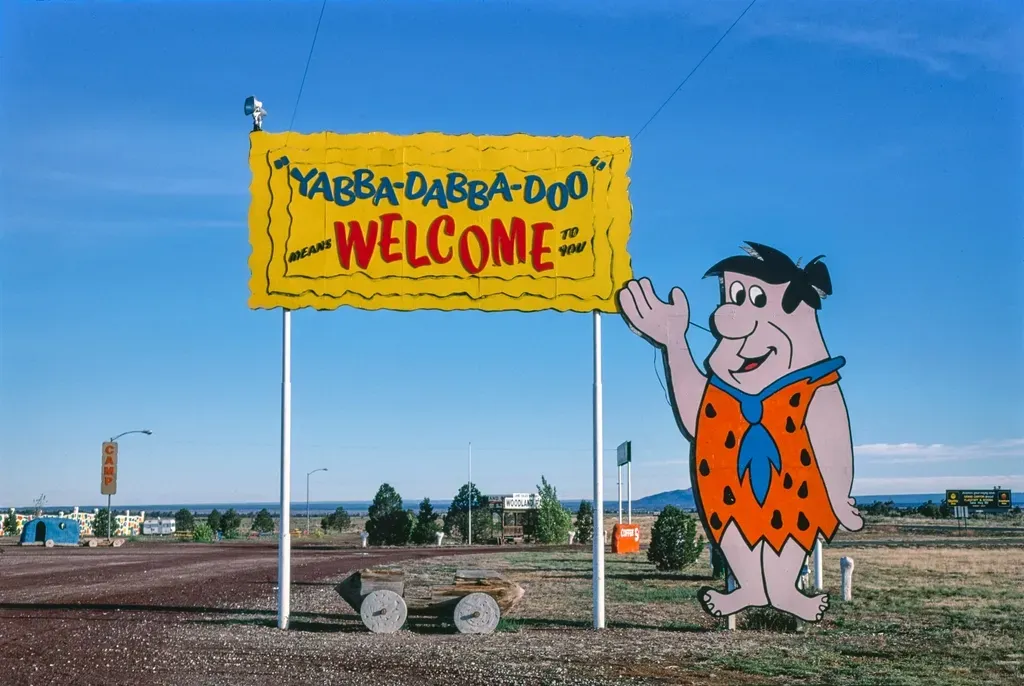
Another big departure from the Stone Age is the very idea of Bedrock as a stable, bustling town. We see streets, houses, public buildings, a water system, entertainment venues, and even traffic control. Archaeologically, there are certainly early villages and dense sites, but that level of urban structure belongs much more to later agricultural periods. Most Stone Age groups were mobile or semi‑mobile, following herds, seasonal plants, and water sources rather than settling into stone suburbs with fixed addresses.
The show treats Bedrock more like a mid‑sized American town than a precarious survival community. People have neighbors for years, go to the same bowling alley every week, and maintain a single, durable home. There is almost no sense of environmental risk, scarcity, or the need to move quickly if conditions change. Viewers rarely question this because stable hometowns are part of modern life; a drifting band of foragers would be harder to turn into a familiar sitcom setting. The Stone Age becomes the backdrop, not the logic driving the way people live.
6. Modern media, celebrity culture, and organized sports
In Bedrock, people go to drive‑in movies, watch TV, follow celebrity gossip, and cheer for sports teams that look suspiciously like stone‑era versions of baseball or boxing. None of this lines up with what we know about prehistoric art and communal events, which were more likely tied to ritual, subsistence, or seasonal gatherings than ticketed entertainment and fan culture. The show simply remixes mass media and pop culture into a prehistoric palette: stone TVs, rock music, and pun‑filled movie titles everywhere you look.
This might be the least historically plausible yet most instantly relatable part of The Flintstones. As viewers, we understand fame, fandom, and media habits; we know what it means to be obsessed with a team or a star. Dropping those modern patterns into Bedrock tells you exactly who these characters are without a long explanation. People do not complain that Paleolithic bands did not have fan clubs, because the emotional beats feel contemporary. In a way, Bedrock’s fake pop culture acts like a translation tool, turning a distant era into something emotionally legible for a modern audience.
7. A strangely gentle take on survival and nature
Real Stone Age life came with serious risks: predators, injuries, disease, harsh weather, and constant work just to secure food and shelter. In Bedrock, nature is inconvenient at worst and hilarious at best. A dinosaur might chomp a car or knock someone over, but serious danger is rare and usually played as slapstick. Food appears predictable, homes are sturdy, and nobody seems terribly worried about famine, infection, or catastrophic storms. The natural world is a playground, not a constant test of resilience.
This softening of reality makes the setting much more comfortable for kids and families, but it also says something interesting about how we like to remember the distant past. Many people are willing to accept a cartoon Stone Age as a cozy place full of wacky animals and silly mishaps because it fits the mood of a lighthearted sitcom. Authentic levels of risk and scarcity would pull the tone toward drama, maybe even horror. Instead, Bedrock uses nature as a prop for jokes, and audiences quietly agree to ignore the gap between that fantasy and the brutal challenges our ancestors actually faced.
8. A tidy timeline that mashes eras together
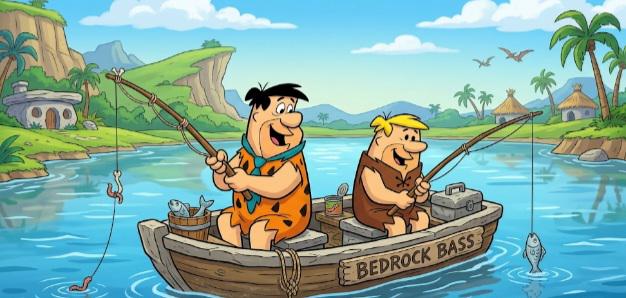
If you tried to put Bedrock on a real historical timeline, it would fall apart almost immediately. The show freely mixes elements from different periods: Stone Age tools, dinosaur fauna from the distant Mesozoic, social structures from the mid‑1900s, and occasional nods to later inventions, all packed into one continuous present. It is not just wrong by a few centuries; it is compressed in a way that flattens millions of years into a single running gag. The series asks you to accept this blenderized timeline without ever explaining how it happened.
What is striking is how easily people do accept it. For many viewers, especially children, prehistory is one big fuzzy box labeled “long ago,” and The Flintstones happily lives in that box. The mash‑up becomes part of the fun, a sandbox where writers can plug any familiar idea into a stone‑and‑bone aesthetic. The fact that it bears almost no resemblance to a coherent archaeological timeline barely registers, because the point was never to teach a linear history. Bedrock is a mood, not a museum exhibit, and audiences seem perfectly content to keep it that way.
Conclusion: Why we forgive Bedrock for getting it all wrong
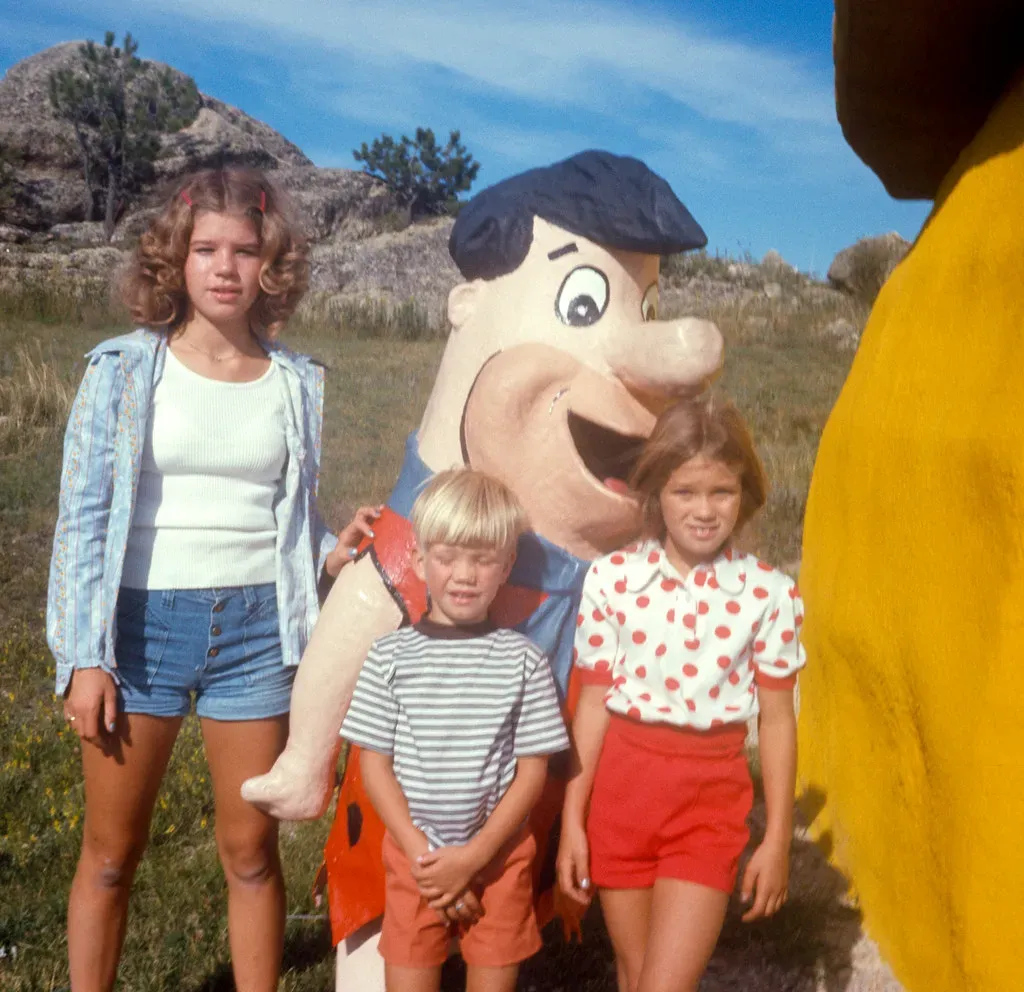
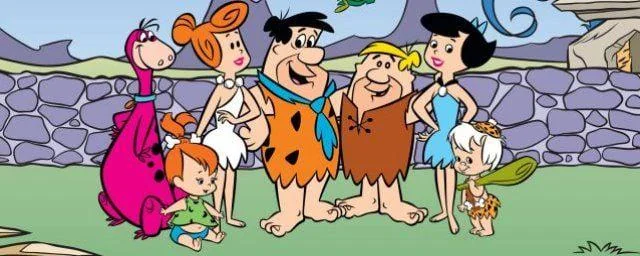
When you line up all the inaccuracies, Bedrock is almost comically bad as a model of the Stone Age, and that is precisely why it works. The show does not just bend history, it breaks it into puzzle pieces and reassembles them into a mirror of mid‑20th‑century life with stone‑themed jokes. We get dinosaurs as pets, suburban houses in an era of foragers, a cash economy, mass media, and nearly modern comforts, all pretending to wear a prehistoric mask. Scientifically, it is chaos; narratively, it is strangely coherent.
Personally, I think that is the real charm of The Flintstones: it shows how pop culture turns the past into a playground instead of a lecture hall. People do not care that Bedrock violates timelines and anthropology because they are not there for a lesson; they are there for a feeling of familiarity dressed up in something playful and weird. In a world where so much entertainment now aims for gritty realism and historical precision, there is something refreshing about a show that just shrugs and says, “What if the Stone Age felt like your neighborhood, but with dinosaurs?” Maybe the better question is not why Bedrock was nothing like the Stone Age, but why we ever expected it to be.