When you hear the word “giant,” your mind probably conjures images of fairytale creatures or biblical titans towering impossibly over human settlements. Maybe you picture the legendary Nephilim or the oversized bones that ancient peoples mistook for heroes and monsters from mythology. Let’s be real, most of us grew up thinking stories about giants were pure fiction, relegated to mythology books and Sunday school lessons.
Honestly, the truth is far more fascinating than any myth. Recent fossil discoveries are overturning everything you thought you knew about ancient giants. We’re not talking about supernatural beings or humanoid colossi walking the earth. The real giants were animals, and they were absolutely massive. Think creatures that would make modern elephants look modest, sloths the size of small trucks, and rodents as big as cars. Yeah, you read that right.
The Misunderstood History of Giant Bones
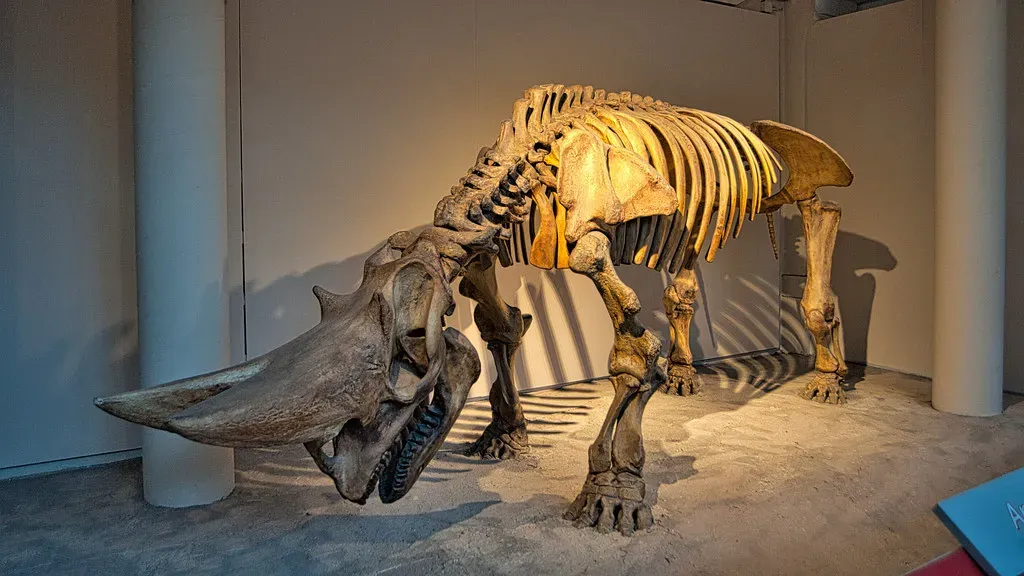
Greek, Roman, Christian, and Jewish authors described discovering enormous bones buried just beneath the earth’s surface and interpreted them through their own lenses: Greeks and Romans saw mythic heroes and monsters; Jewish writers identified them as biblical giants. These discoveries reinforced the enduring belief that ancient humans were far larger than those of today. For centuries, every culture that stumbled upon massive fossilized remains fit them neatly into their existing worldview.
Locals would often discover unusually large fossils and present them to visitors as the remains of famous or mythical giants. The problem wasn’t a lack of evidence but rather a fundamental misunderstanding of what that evidence actually represented. These weren’t oversized humans at all. What ancient peoples were finding were the fossilized remains of genuine megafauna, prehistoric animals that dwarfed anything alive today except the blue whale.
What Scientists Really Mean by Ancient Giants
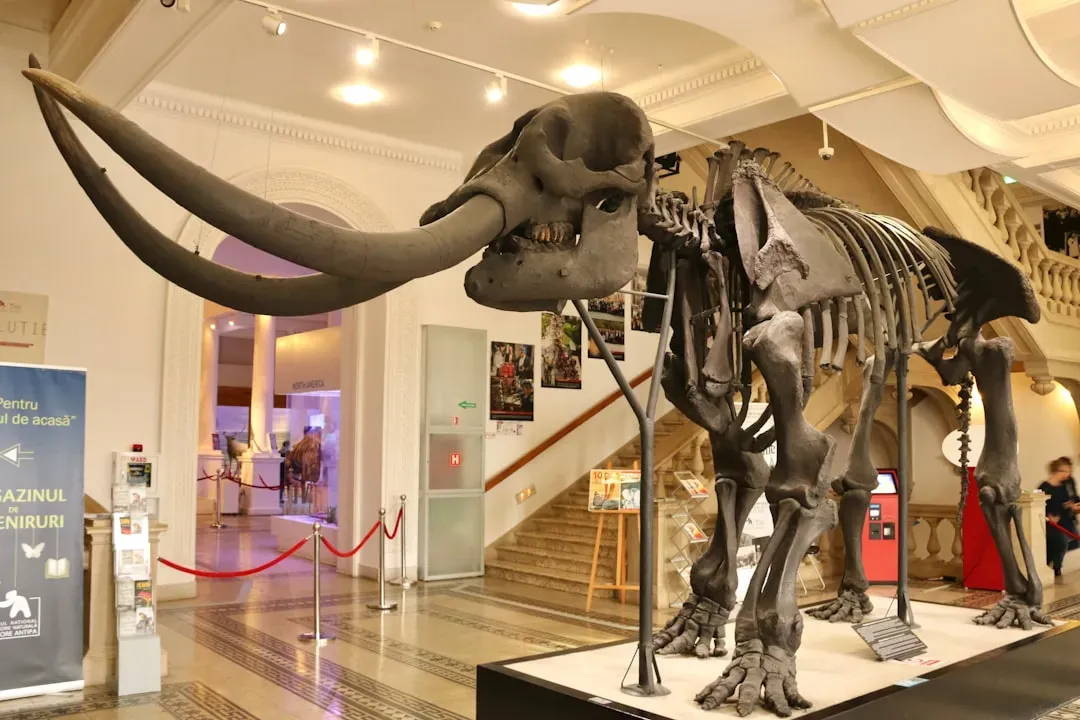
Here’s the thing: when paleontologists talk about giants, they’re referring to megafauna. In zoology, megafauna are large animals, and the precise definition varies widely, though a common threshold is approximately 45 kilograms, with other thresholds ranging from 10 kilograms to 1,000 kilograms. These creatures lived during various periods but reached their peak during the Pleistocene epoch.
It was during the Pleistocene, between 2.58 million years ago and 11,700 years ago, when the age of giant mammals was at its peak, with many species present on all continents. The sheer diversity was staggering. Until the end of the last ice age, American cheetahs, enormous armadillo-like creatures and giant sloths called North America home, but it’s long puzzled scientists why these animals and other megafauna went extinct about 10,000 years ago. Their disappearance transformed the world we know today.
Giant Sloths Were Real and Terrifying
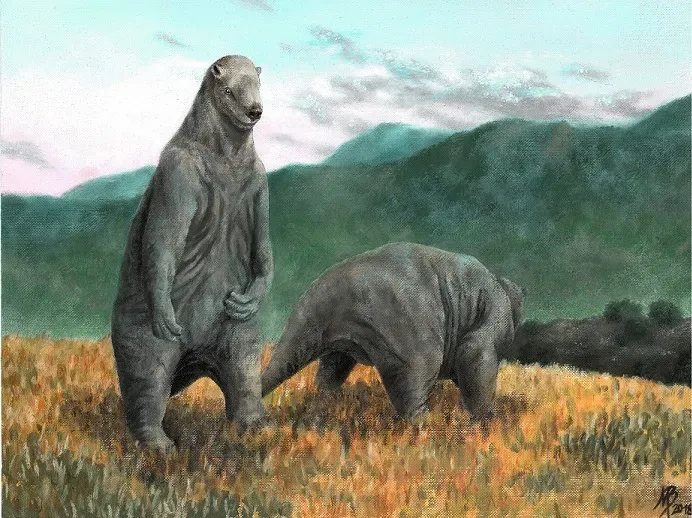
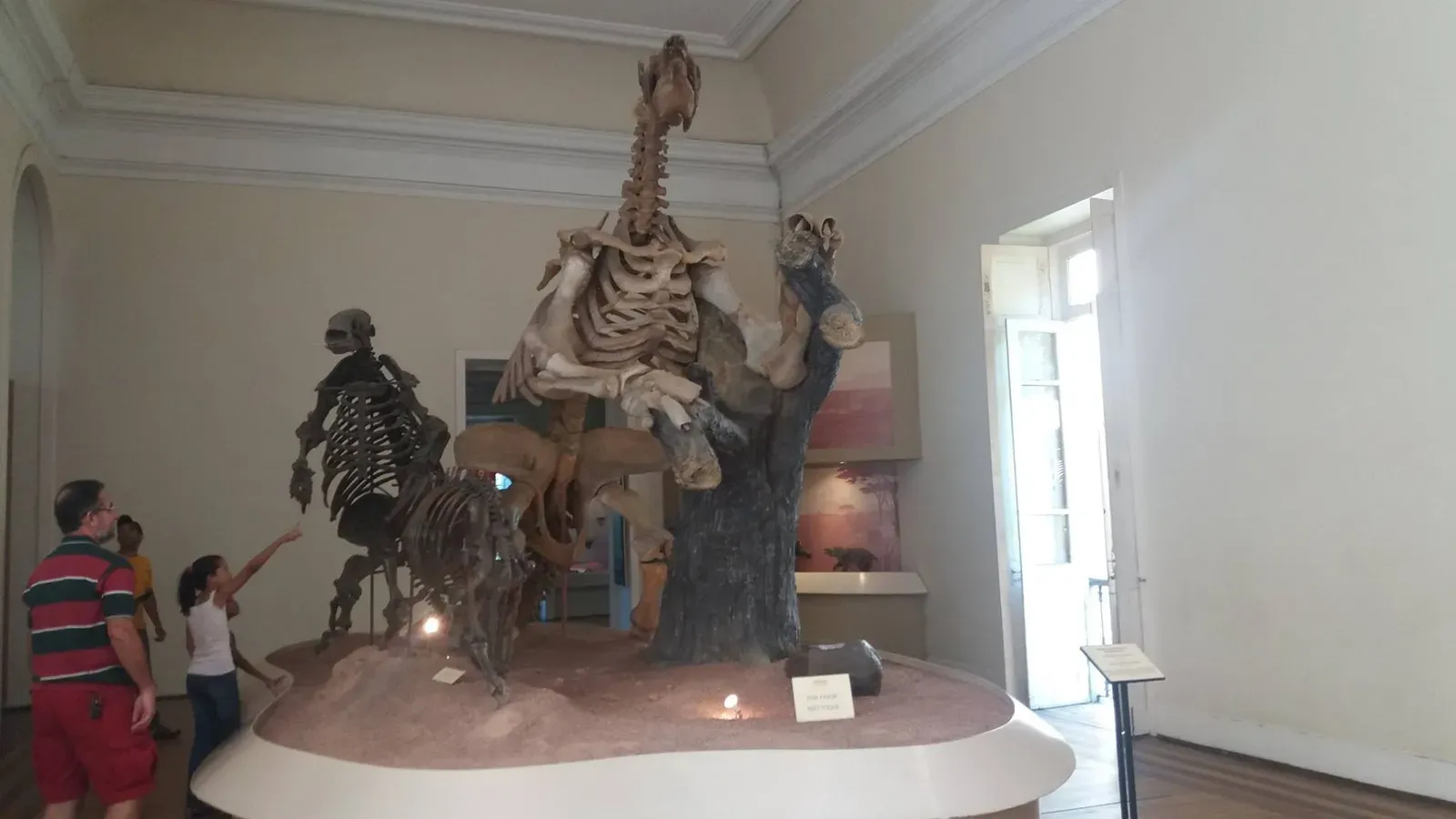
Forget the slow, cuddly tree sloths you see in nature documentaries. The giant ground sloths of the late Pleistocene were bear-sized herbivores that stood 12 feet on their hind legs and weighed up to 3,000 pounds. Megatherium americanum is one of the largest known ground sloths, with a total body length of around 6 metres. I know it sounds crazy, but these were the real deal.
At seven to eight feet tall, with tightly muscled legs tipped with wolverine-like claws, the sloth would tear apart any hunter on direct approach. The Sarasota-Manatee area was home to giant ground sloths called Megatherium, which stood 15 feet tall. Can you imagine encountering one of these things in the wild? Recent excavations have revealed just how common they were across the Americas, with fossil finds in Florida, California, and throughout South America.
The Surprising Truth About Human Coexistence
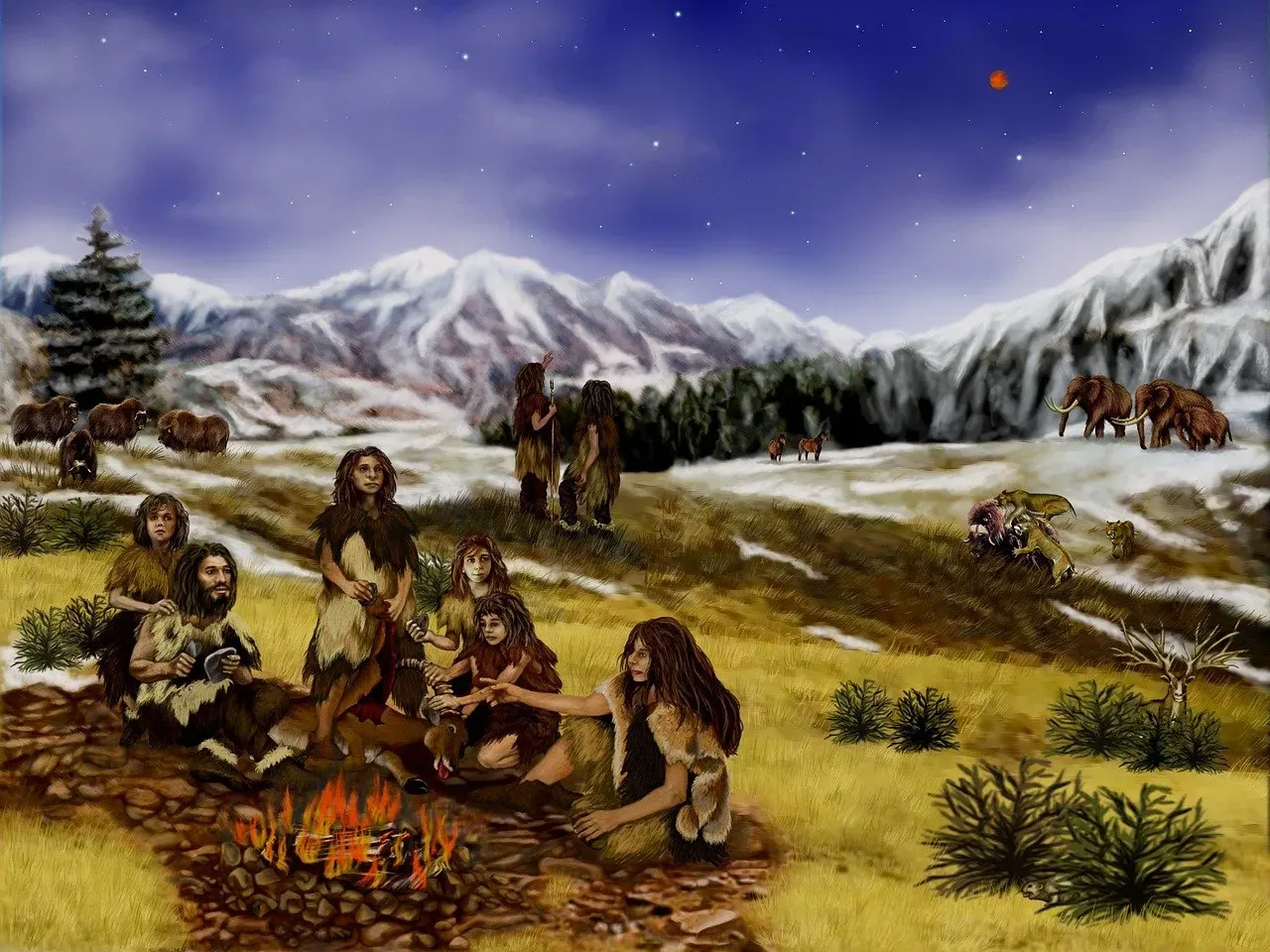
For a long time, scientists believed the first humans to arrive in the Americas soon killed off these giant ground sloths through hunting, but new research from several sites is starting to suggest that people came to the Americas earlier, and these findings hint at a remarkably different life for these early Americans, one in which they may have spent millennia sharing prehistoric savannas and wetlands with enormous beasts.
New discoveries suggest that humans were existing alongside these animals for at least 10,000 years, without making them go extinct. Evidence from Santa Elina in Brazil is particularly compelling. Laboratory analysis suggests these sloth bones were shaped and drilled not long after the animals died, hinting at a human presence in South America more than 25,000 years ago. This radically changes the timeline we thought we understood about human migration and interaction with megafauna.
Mammoths and Mastodons Weren’t Alone
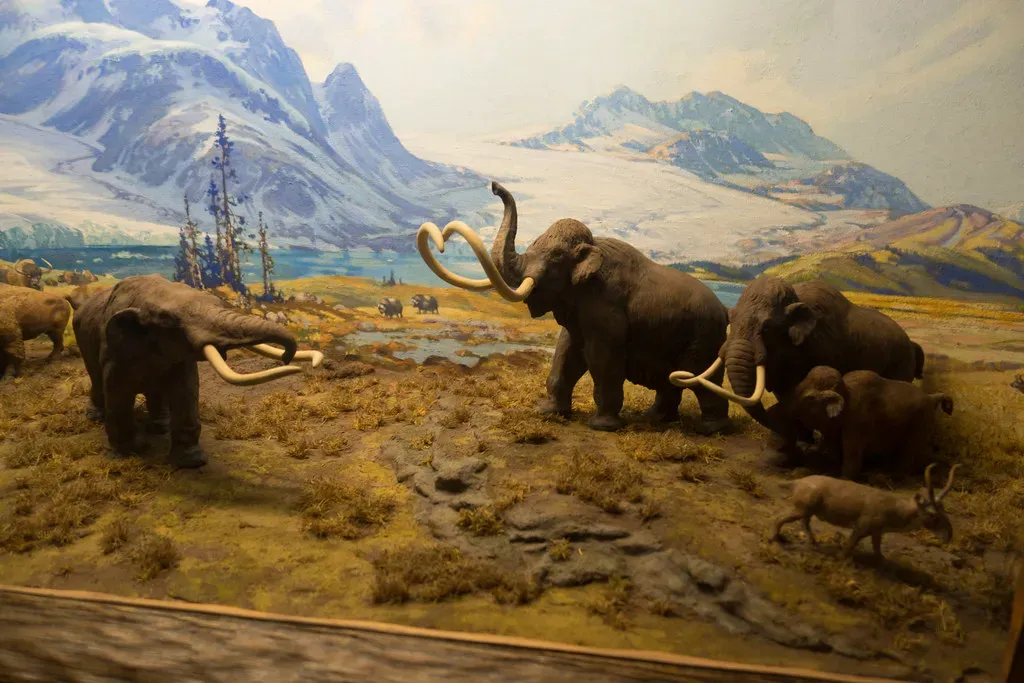
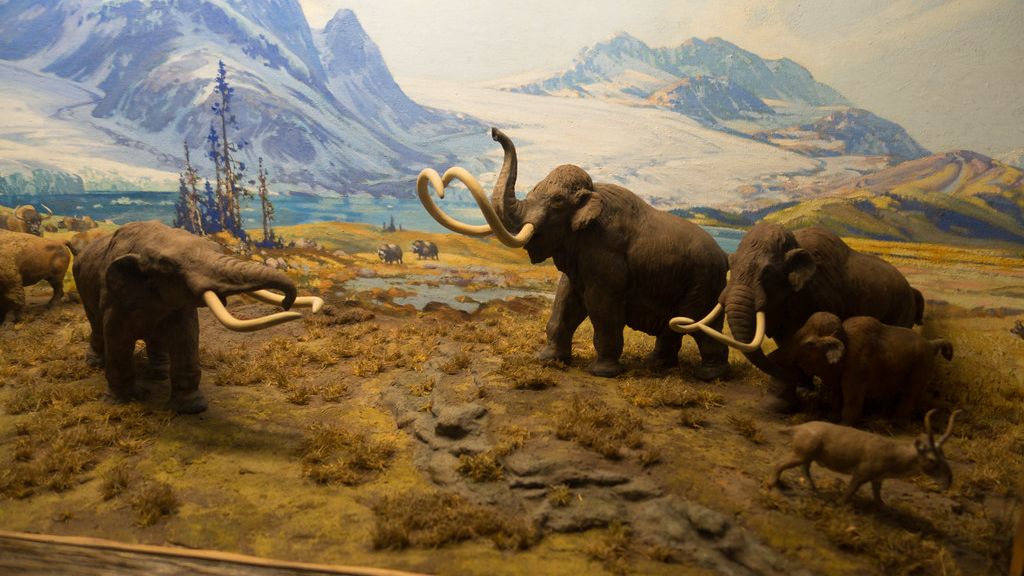
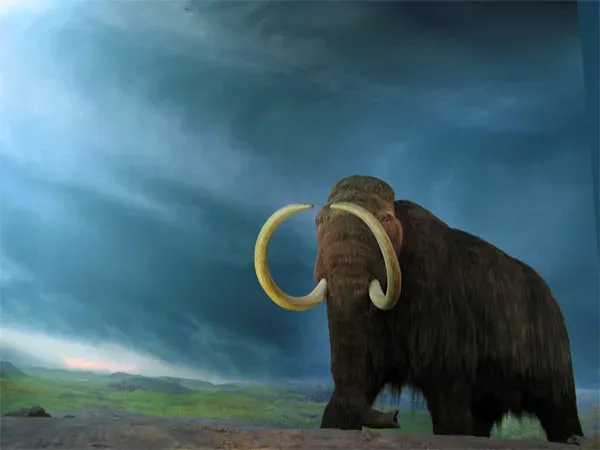
The woolly mammoth is one of the most famous extinct Ice Age megafauna, standing 12 feet tall at the shoulders and weighing six to eight tons, using its colossal, 15-foot curved tusks to dig under the snow for food and defend itself against predators. But fossil evidence shows there were at least four distinct species of massive, elephant-like animals that called North America home in the late pleistocene.
The giant short-faced bear was the largest carnivorous mammal to ever roam North America, and standing on its hind legs, an adult giant short-faced bear boasted a vertical reach of more than 14 feet. These weren’t the only mega-predators prowling the landscape. The diversity of giant species was mind-boggling, from massive rodents to armored glyptodonts that resembled small cars. It was a completely different world.
Why Giant Anacondas Challenge Our Assumptions

A University of Cambridge-led team has analyzed giant anaconda fossils from South America to deduce that these tropical snakes reached their maximum size 12.4 million years ago and have remained giants ever since. Fossil analysis indicates that anacondas reached their current large body size, averaging 4–5 meters, around 12.4 million years ago and have maintained this size since, and unlike other Miocene giants that went extinct, anacondas persisted as large snakes, likely due to stable habitats and food sources.
No evidence supports that ancient anacondas were larger than those living today. This finding surprised researchers who expected to find evidence of even larger prehistoric specimens. It shows that not all ancient animals were bigger than their modern descendants. Some giants have remained giants, adapting perfectly to their environments without needing to grow larger or shrink over millions of years.
The Mysterious Prototaxites Problem
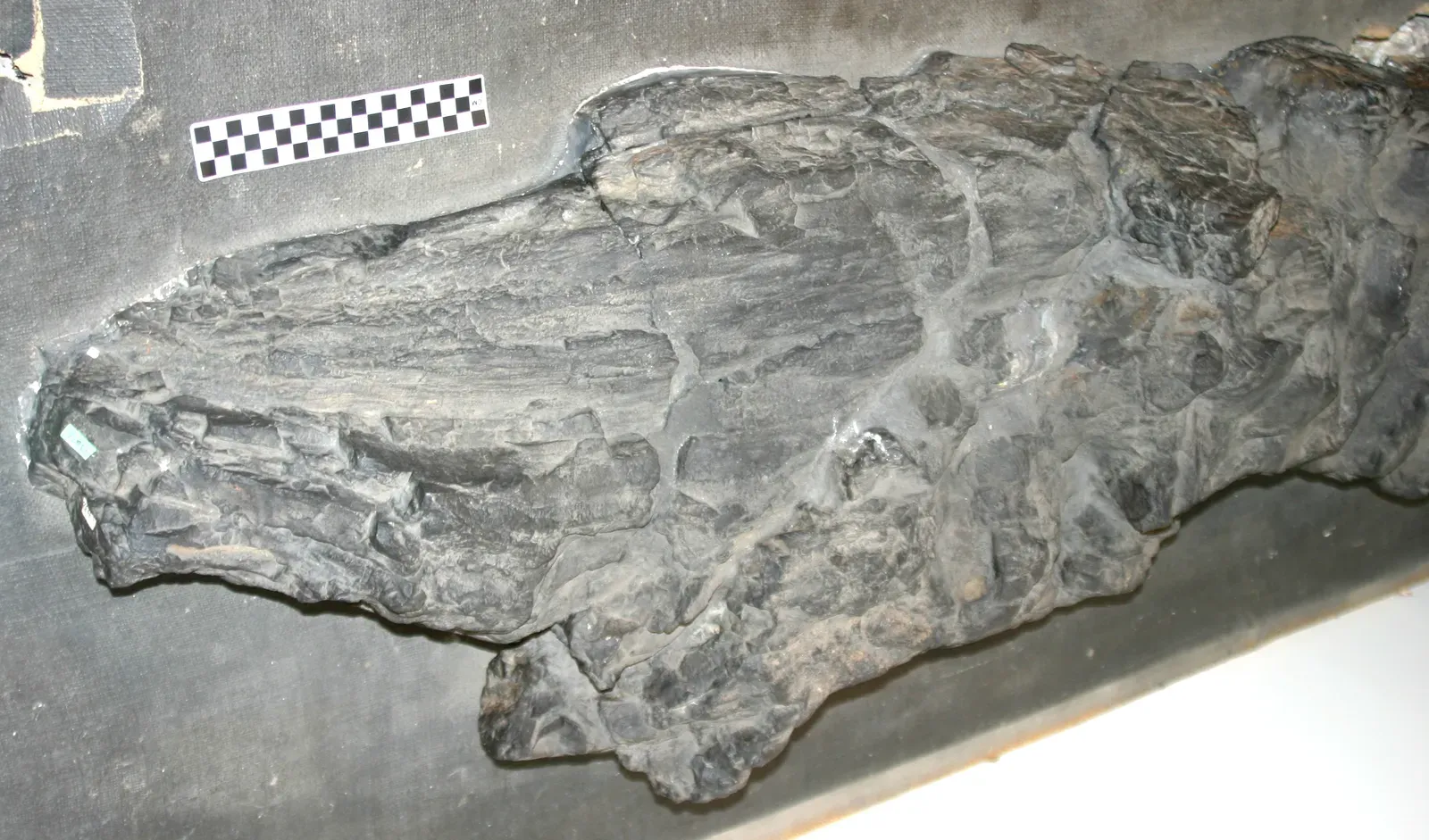
Ever since their discovery more than 165 years ago, massive fossilized structures left by an organism known as Prototaxites have proven impossible to categorize. University of Edinburgh paleobotanist Alexander Hetherington co-led a study on three different Prototaxites fragments, concluding there’s insufficient evidence to conclude Prototaxites is a fungus at all.
Without similar specimens to relate them to, Prototaxites may simply remain a fossil anomaly – a reminder that evolution is a constant experiment, one littered with far more failures than we may ever have realized. This giant organism challenges our entire understanding of prehistoric life. Some of these structures reached several meters in height, towering over early plant life. The existence of such anomalies reminds us that the ancient world was filled with forms of life we can barely comprehend today.
What Really Killed the Giants
Rapid warming periods called interstadials and, to a lesser degree, ice-age people who hunted animals are responsible for the disappearance of the continent’s megafauna, according to a study published in 2015. Various theories have attributed the wave of extinctions to human hunting, climate change, disease, extraterrestrial impact, competition from other animals or other causes, and this extinction near the end of the Pleistocene was just one of a series of megafaunal extinction pulses that have occurred during the last 50,000 years.
Rapid climatic changes during the transition between the Pleistocene–Holocene caused large changes in temperatures and vegetation types, which had profound negative effects on the fauna, particularly the larger animals such as mammoths, camels, horses, glyptodonts, and sabre-toothed cats, until they finally became extinct. The debate continues, with most evidence pointing toward a combination of factors rather than a single cause. What’s clear is that the extinction of these giants fundamentally reshaped every ecosystem on Earth.
Conclusion: Rethinking Giants in Our World
The giants were real, just not in the way ancient storytellers imagined. They weren’t oversized humans or mythological beings but rather an extraordinary array of massive animals that once dominated every continent. From elephant-sized sloths to car-sized rodents, from fourteen-foot bears to mysterious towering organisms we still can’t classify, the prehistoric world was home to creatures that would seem impossible if we didn’t have the fossils to prove they existed.
Understanding these true giants changes how we view both our past and our future. The fossil record shows us that massive creatures thrived for millions of years before vanishing in what amounts to an evolutionary blink of an eye. As we face modern extinction crises and climate change, the lessons from these ancient giants become increasingly relevant. Their story is ultimately our story too.
What do you think about the real giants that once walked the Earth? Did you ever imagine sloths could be so massive?