Have you ever felt that undeniable urge to pack your bags and venture into the unknown? That restless feeling when you’ve been in one place too long? You might chalk it up to modern wanderlust or a need for vacation. Yet there’s a possibility that something far deeper is calling to you.
What if that yearning to explore isn’t just a personality quirk, but an echo from tens of thousands of years ago? The very traits that push you toward adventure today might be the same ones that drove your ancient ancestors to leave everything behind and journey across hostile deserts, frozen tundras, and uncharted seas. The connection between your inner explorer and those great prehistoric migrations is more profound than you might imagine.
The Ancestral Journey That Changed Everything
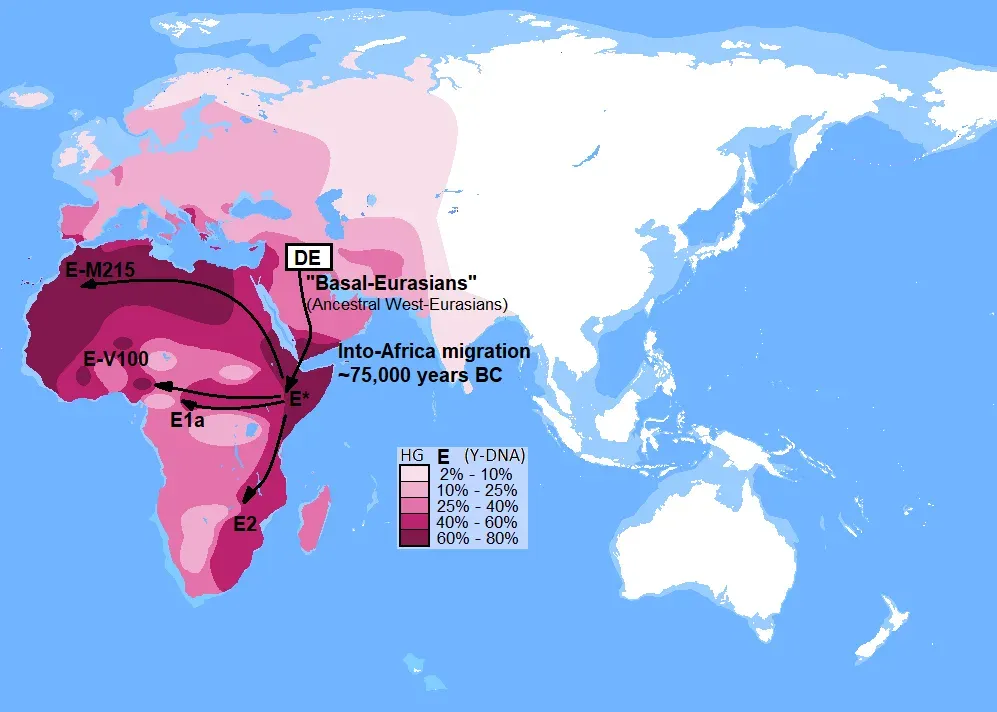
Around seventy to fifty thousand years ago, a pivotal migration wave of modern humans left Africa, leading to the lasting spread of people throughout the world. A small group from East Africa, possibly fewer than one thousand individuals, crossed the Red Sea strait at Bab-el-Mandeb to what is now Yemen. This wasn’t just a casual stroll to find better hunting grounds.
It was arguably one of the most daring moves in human history. The conditions at the end of the last Ice Age created the ideal mix of push and pull factors to encourage widespread emigration, including a colder, drier climate that led surviving populations to settle in coastal areas. Think about what that really means: leaving familiar territory with no map, no guarantee of food or water, and no way to know what lay ahead.
When Climate Became the Ultimate Catalyst
DNA studies suggest massive droughts before the great migration split Africa’s modern human population into small isolated groups and may have even threatened their extinction, with survivors only able to reunite and multiply after weather improved. These weren’t just bad weather days. We’re talking about environmental catastrophes that pushed humans to the brink.
The choice was stark: adapt or perish. Climate and vegetation models reveal that warm and humid areas containing forests and grasslands near rivers provided ideal migration conditions. Those who possessed the psychological makeup to take risks and venture into the unknown had a survival advantage. The cautious ones who stayed put? Many of their genetic lines didn’t make it through the crisis.
The Genetic Blueprint of Your Wanderlust

Here’s where things get fascinating. A genetic variant known as the wanderlust gene is actually a variation of the DRD4 gene, which encodes the dopamine receptor D4. Individuals with at least one allele of seven or more repeats are more likely to seek out new experiences. This isn’t just about enjoying travel; it’s hardwired into your DNA.
Roughly one in five people around the world carry this wanderlust gene, though prevalence varies significantly between ethnicities; it’s rare in East and South Asian populations but common in the Americas. Studies indicate a link between the wanderlust gene and historical migrations, with people who stayed closer to their origins having lower proportions compared to those who migrated further. The pattern is unmistakable.
From Africa to the Ends of the Earth
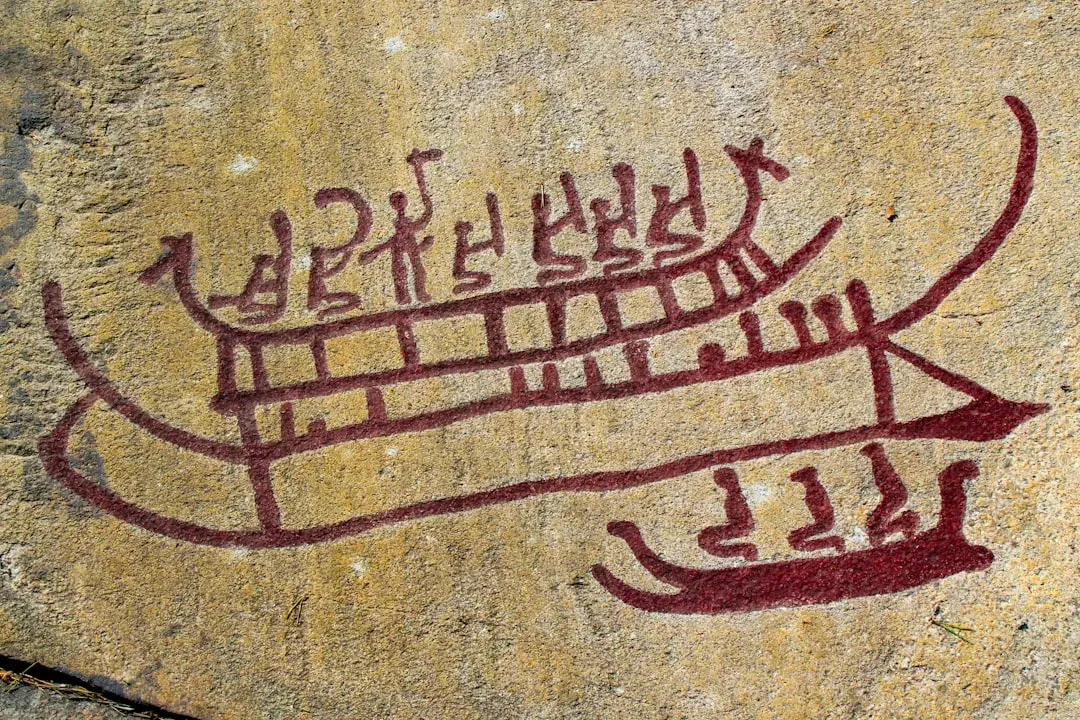
Descendants of the main wave out of Africa reached the north of Australia by fifty-three thousand years ago. Let that sink in. Although sea levels were about one hundred meters lower than today, there was still a stretch of some seventy kilometers of water between Asia and the landmass that included Australia, so they probably built boats or rafts for this crossing.
These weren’t modern cruise ships or even simple canoes. They were makeshift vessels created by people who had never seen open ocean before. Within Asia, migration toward the north of East Asia began around forty thousand years ago, paving the way to the Bering Land Bridge connecting Asia to the Americas, with humans reaching the Americas by around fifteen thousand years ago. Your ancestors were relentless.
The Psychology Behind the Ancient Explorer
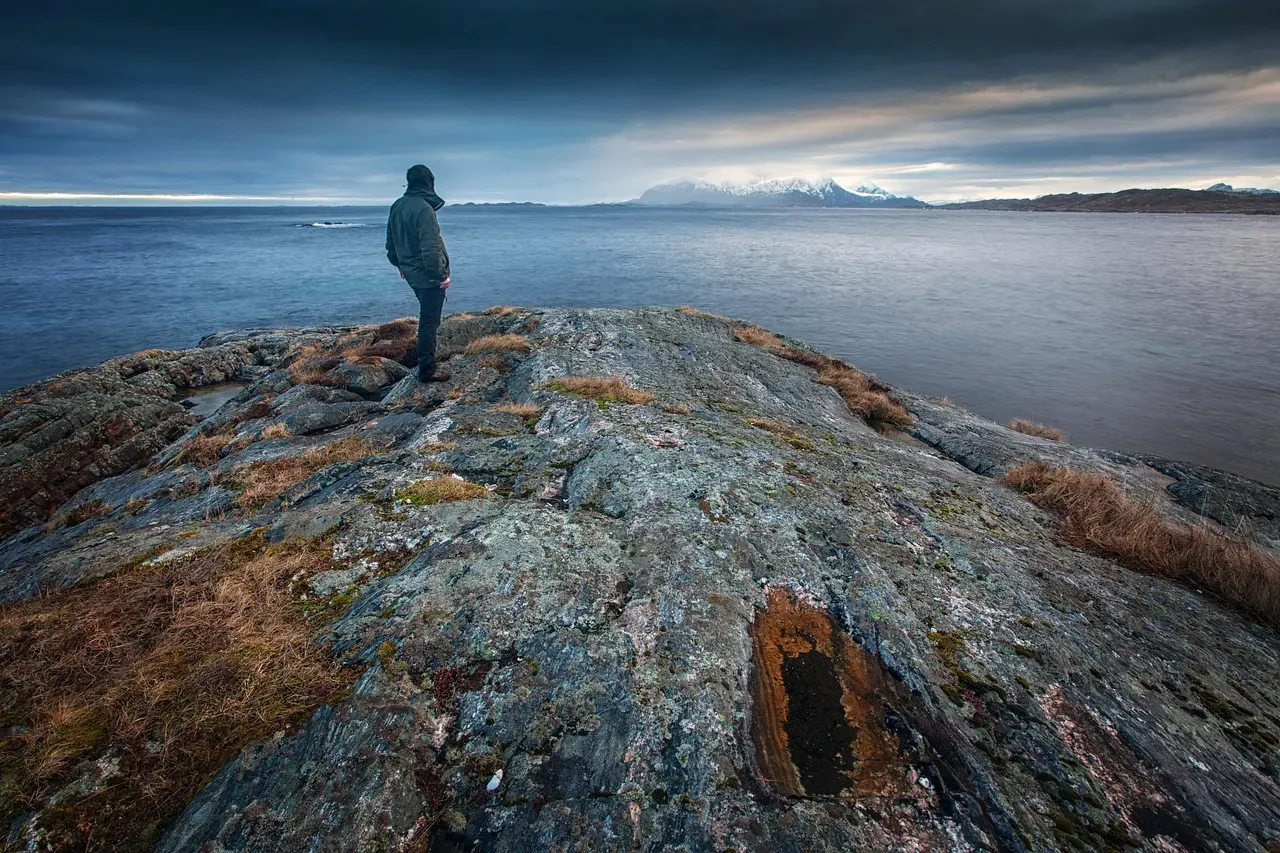
Dopamine plays a crucial role in shaping explorer personalities, as it’s linked to novelty-seeking behavior and reward processing, with explorers often having higher dopamine activity contributing to their adventurous nature. That chemical in your brain that makes trying something new feel good? It was a survival mechanism tens of thousands of years ago.
Research shows the DRD4-7R variant is linked to lower dopamine sensitivity, which could explain why those with the variant display riskier behavior including not just traveling, but also drug use and financial risk. It’s a double-edged sword. The same trait that made your ancestors brave enough to cross continents might make you impulsive today. Evolution didn’t optimize for modern office jobs; it optimized for survival in a brutal, unpredictable world.
When Exploration Became Settlement
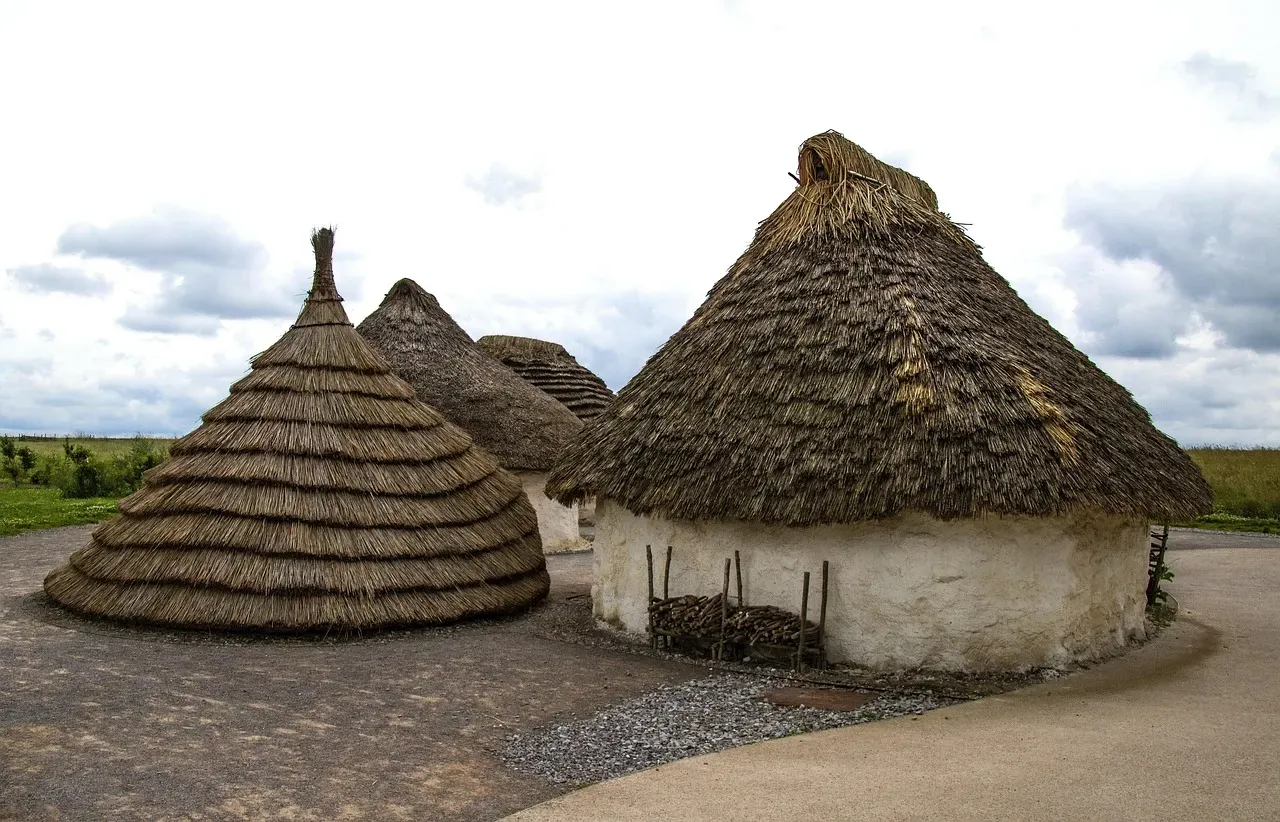
Eventually, the endless wandering had to stop. The Neolithic Revolution marked the wide-scale transition from nomadic hunter-gatherer lifestyles to agriculture and settlement, with food producing domestication of wild animals and plants happening independently in separate locations worldwide starting around eleven thousand seven hundred years ago. This was another monumental shift in human behavior.
The foragers became farmers, transitioning from a nomadic hunter-gatherer lifestyle to a more settled one. Imagine the internal conflict this must have caused. For thousands of generations, your ancestors moved with the seasons, following game and seeking new horizons. Then suddenly, they had to stay in one place, tend crops, and build permanent structures. Not everyone was cut out for this new way of life.
The Explorer Traits That Persist Today
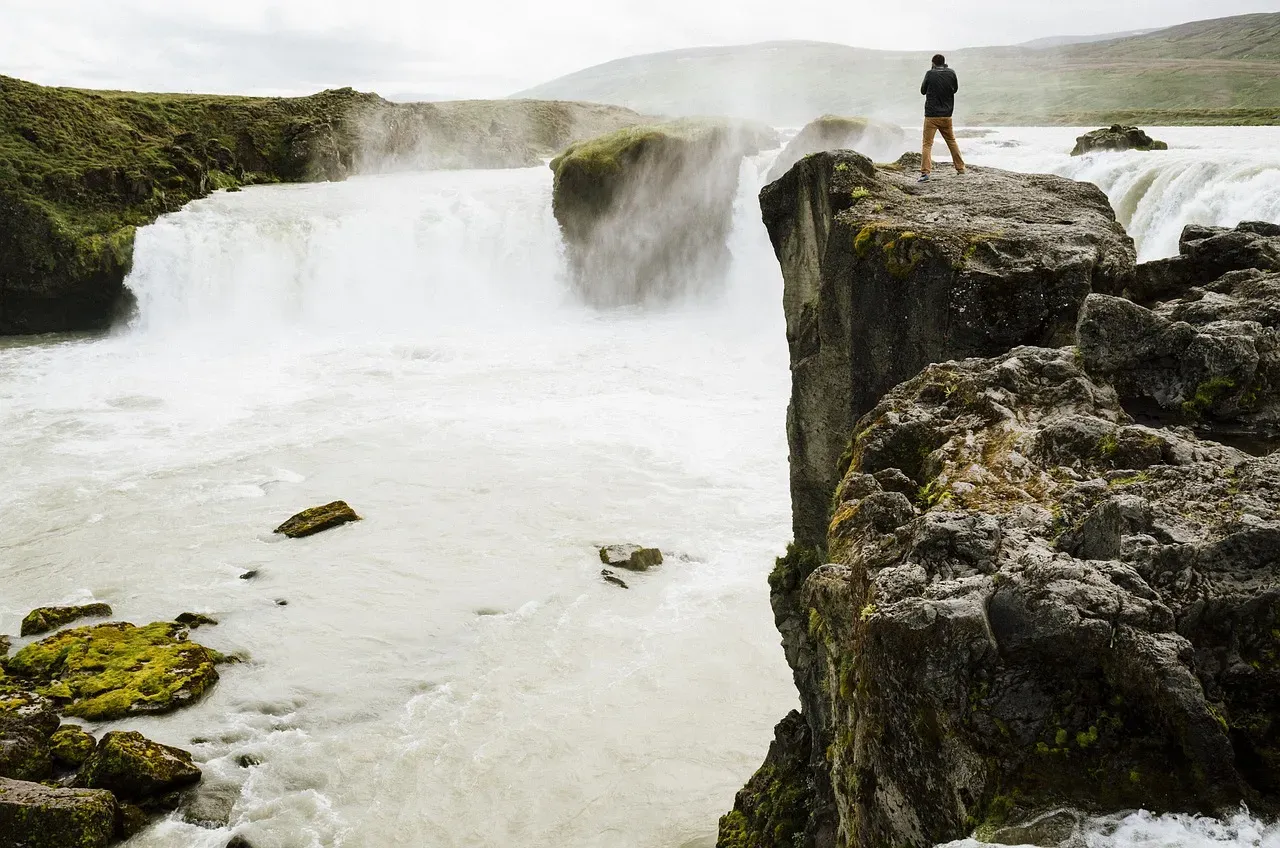
Roughly half of explorers say they take risks simply for the fun of it, far more than any other personality role. Sound familiar? While this might sound reckless, done responsibly, risk-taking can be one of the best ways to learn new things and solve tricky problems, as explorers know we can only make so much progress in life if we stay in our comfort zones.
These traits didn’t disappear when humans settled down. Evolutionary personality theory suggests all human personality traits were derived over time to help us survive and reproduce, with even traits that lower survival rates being passed down if they assist in producing more offspring. Your restlessness, your curiosity, your need for variety? They’re ancestral gifts, whether you asked for them or not.
The Price of Staying Too Long
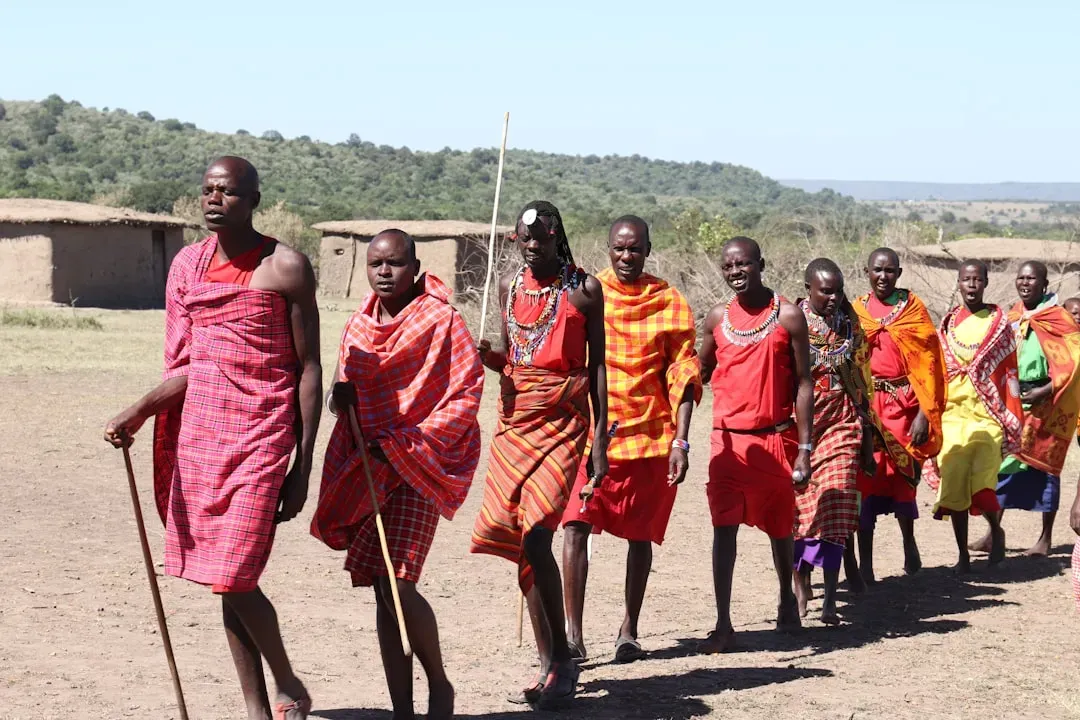
Not everyone migrated. Some groups stayed near their ancestral homelands. Studies suggest wanderlust drove ancestors to move out of Africa to explore the world and populate it. Those who remained in familiar territory developed different adaptive strategies. They became specialists in their environments rather than generalists capable of thriving anywhere.
There’s nothing wrong with either strategy, evolutionarily speaking. Yet the descendants of the great migrants carry that legacy in their genes and their behavior. If you’ve ever felt confined by routine or suffocated by predictability, you might be hearing the call of ancestors who once stood on the shores of Africa and decided the unknown was better than stagnation.
Your Inner Explorer in a Modern World
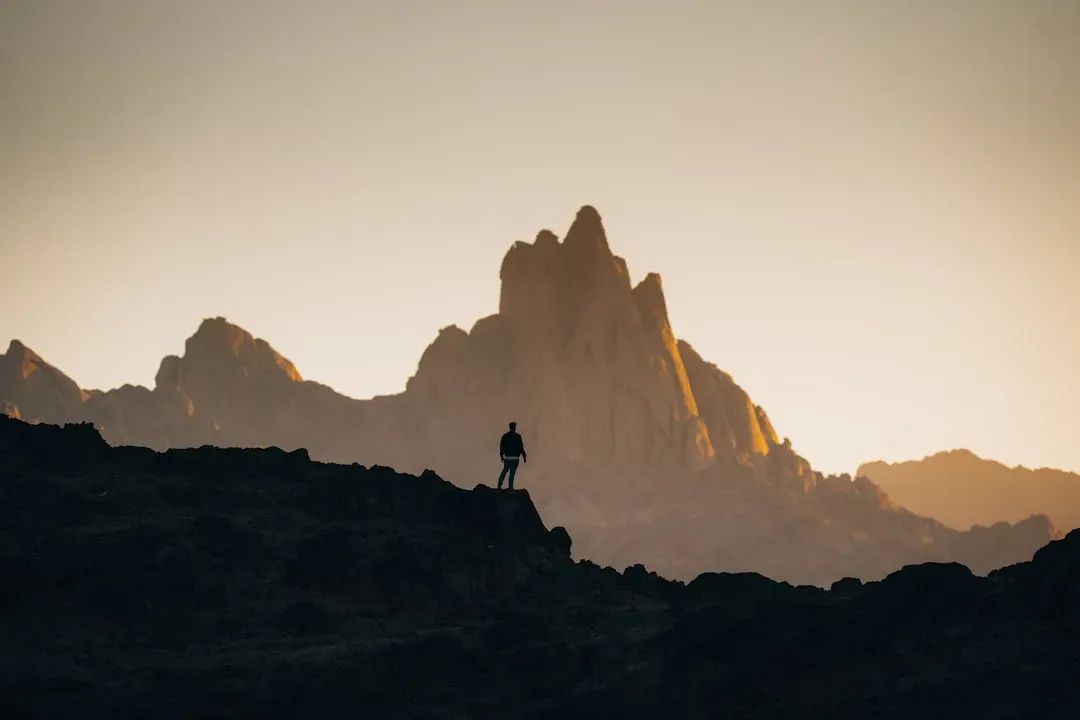
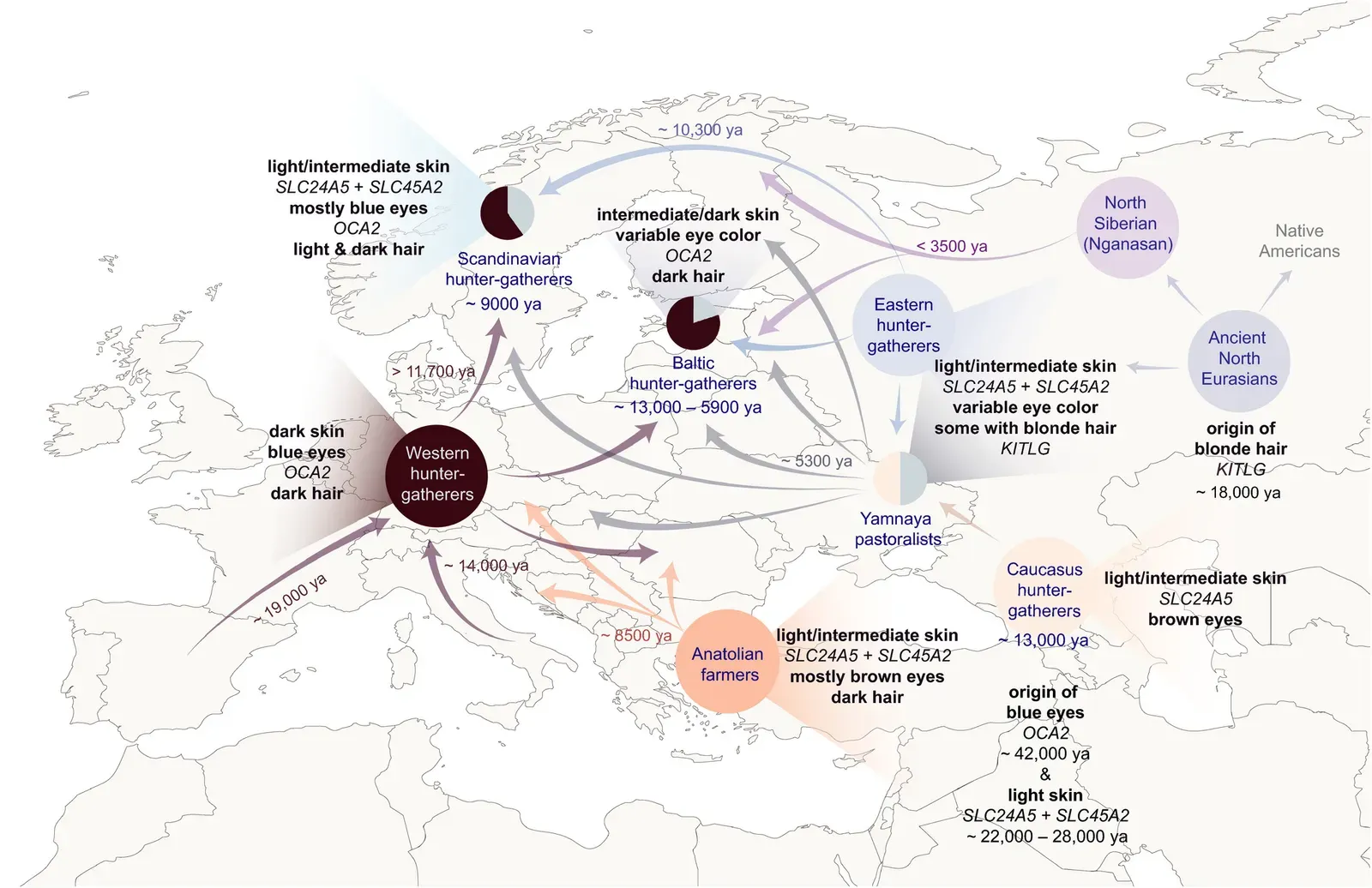
Today’s world is vastly different from the one your ancestors navigated. By sometime between seventy thousand and thirty thousand years ago most of Earth’s islands and continents documented human presence, with populations becoming expert in migrating into new lands. There are no more empty continents to discover, no unmapped territories to claim.
Yet that doesn’t mean your inner explorer has no purpose. The same drives that pushed ancient humans to cross deserts and oceans can fuel modern creativity, innovation, and personal growth. The question is whether you’ll listen to that ancient voice or try to silence it with comfort and routine. Your ancestors didn’t play it safe. Should you?
The connection between your personality and those prehistoric migrations runs deeper than you might have imagined. Every time you feel that pull toward something new, you’re experiencing an echo from thousands of generations back. Those ancestors took unimaginable risks, endured tremendous hardship, and changed the course of human history. Their DNA lives in you, and their spirit of exploration might just be waiting for you to honor it.
What do you think drives your own sense of adventure? Is it purely personal choice, or could there be something more ancient at work?