
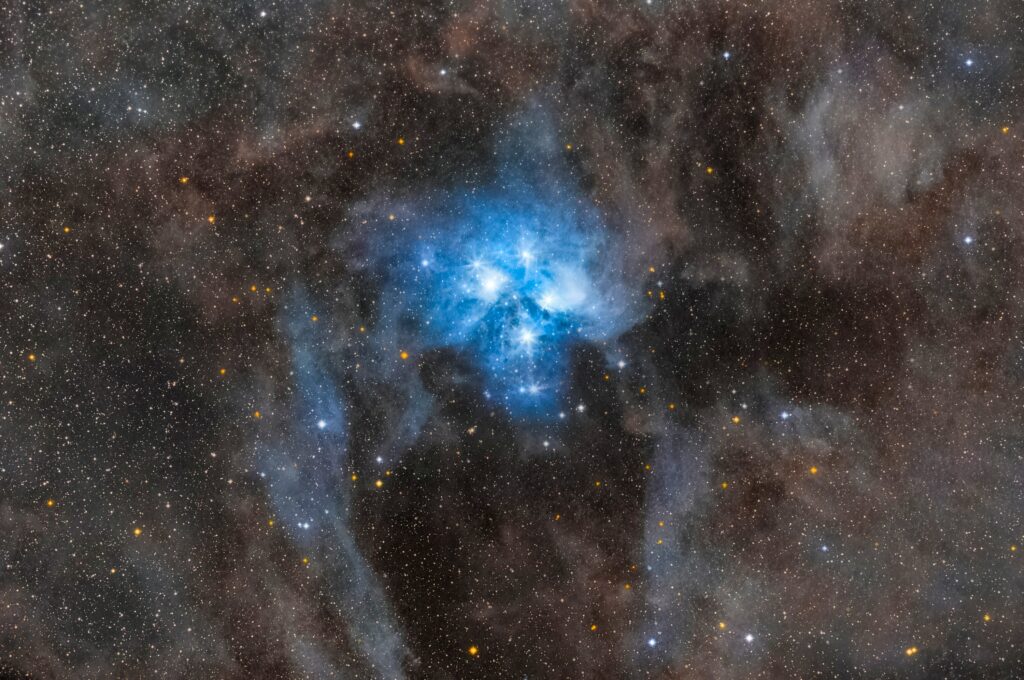
Look at your zodiac sign for a second – Aries, Virgo, Scorpio, whatever you claim – and imagine that behind that symbol is not just a horoscope, but the echo of a real, ancient explosion that literally forged the atoms in your blood. The truth is almost unsettling: your personality sign is painted in language that is thousands of years old, but the elements that make you possible were created in cataclysms so violent that early astrologers would not even have had words for them. They watched the sky for omens; we now know the sky once tore itself apart to build you.
That’s the twist modern science brings to a very old conversation. You can absolutely love astrology as a poetic, symbolic lens and still admit that ancient sky-watchers were playing with only a fraction of the real story. They could not have known about nuclear fusion, stellar evolution, or the fact that nearly every carbon atom in your body was once deep inside a star that died long before Earth existed. Once you see your sign through that lens, the zodiac stops being just a personality meme and starts feeling like a fossil record of the universe itself.
The Real Birth of “You”: From Big Bang to Star-Stuff
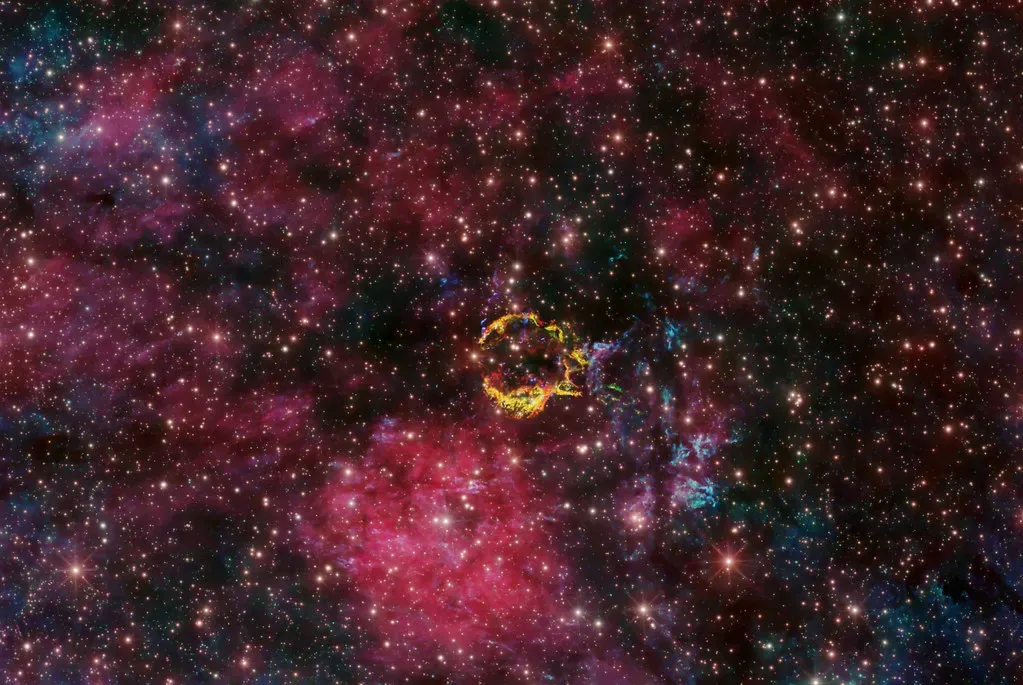
Here’s the part that blows right past anything in ancient astrology: the universe did not start with a rich menu of elements. Right after the Big Bang, there was mostly hydrogen, some helium, and a whisper of lithium – basically cosmic baby food. No iron for your blood, no calcium for your bones, no carbon backbone for DNA. Those heavier elements had to be cooked later inside stars, in a process ancient astrologers had zero chance of even imagining.
Over hundreds of millions of years, gravity pulled that simple gas together into the first stars, and those stars became giant nuclear ovens. Inside them, hydrogen fused into helium, helium fused into carbon, and step by step, fusion built up a growing zoo of elements. When those massive early stars died, many of them exploded as supernovas, flinging their newly forged elements into space. Every zodiac sign, every planet in your chart, every cell in your body is built out of that recycled stellar debris; your “cosmic origin story” is less about a symbol on a wheel and more about the long, violent journey from pure hydrogen to a human thinking about horoscopes.
Prehistoric Star Factories: The Ancient Star Formation Era That Built Your Elements
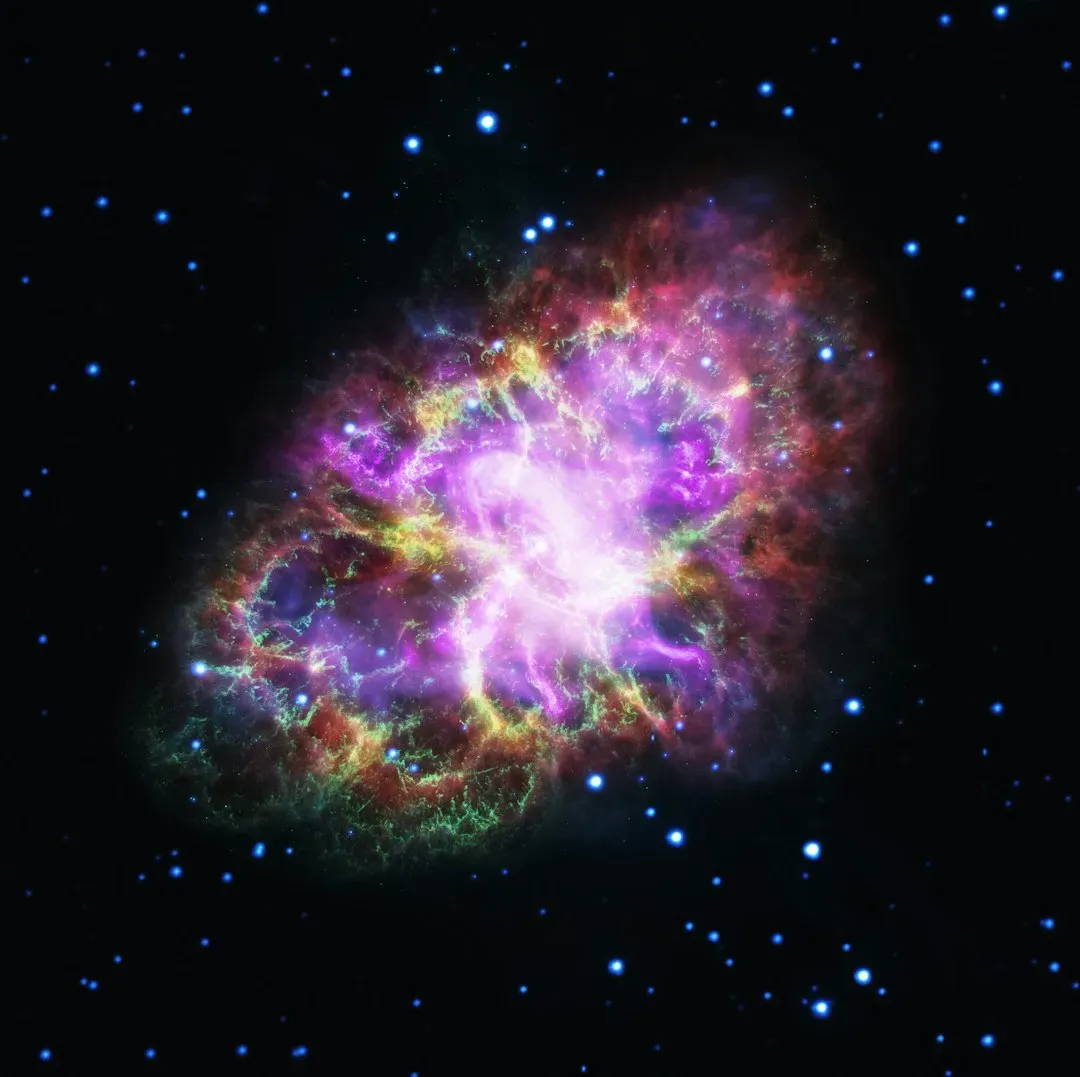
Long before Earth, long before the first humans tried to read the sky, there was a period in the universe when star formation was absolutely wild. Astronomers sometimes call it a cosmic high point, when galaxies were churning out new stars at a furious rate. In that prehistoric era, countless massive stars lived fast, burned hot, and died young, repeatedly enriching space with heavier and heavier elements. Think of it as the universe’s industrial revolution, except the factories were stellar nurseries.
Those early star factories are not just a cool background detail; they are the reason your body chemistry is even possible. The carbon in your heart, the oxygen you breathe, the phosphorus in your DNA – much of it traces back to those ancient generations of stars that formed and died long before our solar system existed. When you read your zodiac sign, you are using a human language laid over an unimaginably older process: a prehistoric wave of star formation that quietly built the ingredients of every future horoscope, including yours.
Stellar Alchemy: How Stars Forged the Elements That Shape Every Zodiac Sign
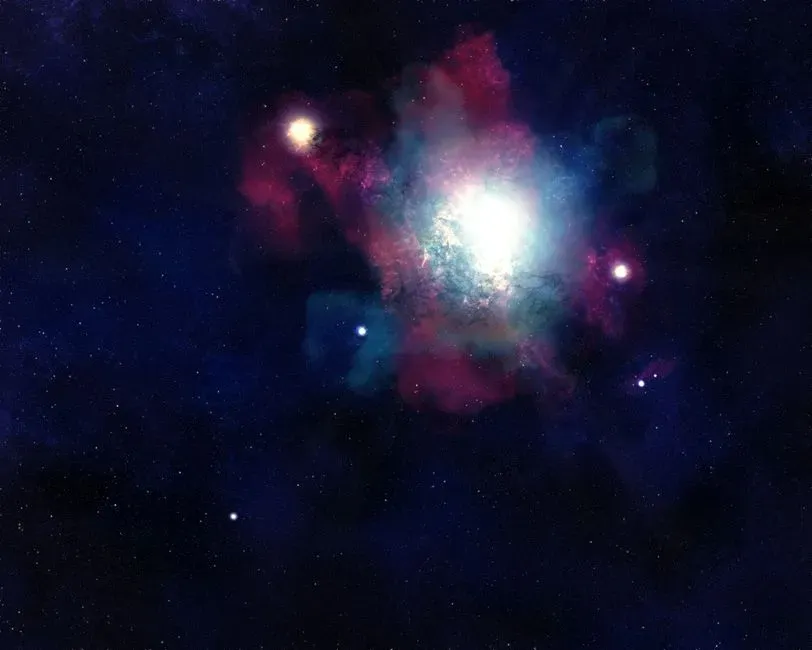
If you strip away the symbols, a zodiac chart is really a map of planetary positions. But those planets are chunks of very specific chemistry, and that chemistry did not just appear out of nowhere. At the core of every star, including the Sun that rules over the zodiac wheel, atoms are forced together under immense pressure and heat. This fusion turns lighter elements into heavier ones, step by step, in what scientists often describe as a kind of cosmic alchemy. It is not mystical; it is harsh, elegant physics, and it is the only known way to get from hydrogen to the complex periodic table that builds planets and people.
Massive stars can build elements all the way up to iron before they reach a breaking point. After that, when they explode, the shock waves and extreme conditions create even heavier elements like gold and uranium. So when you say, for example, that Leo is a “fiery” sign or Taurus is “earthy,” you are accidentally echoing a much deeper truth: that fire in the stellar core and the solid rock of a planet both depend on an entire chain of nuclear reactions that ran for billions of years before astrology even existed. The universe did not tailor that process for human archetypes; the archetypes came later, trying to make sense of a sky built by fusion and fire.
Why the Elements in Your Body Are Older Than the Earth (And Your Sign)
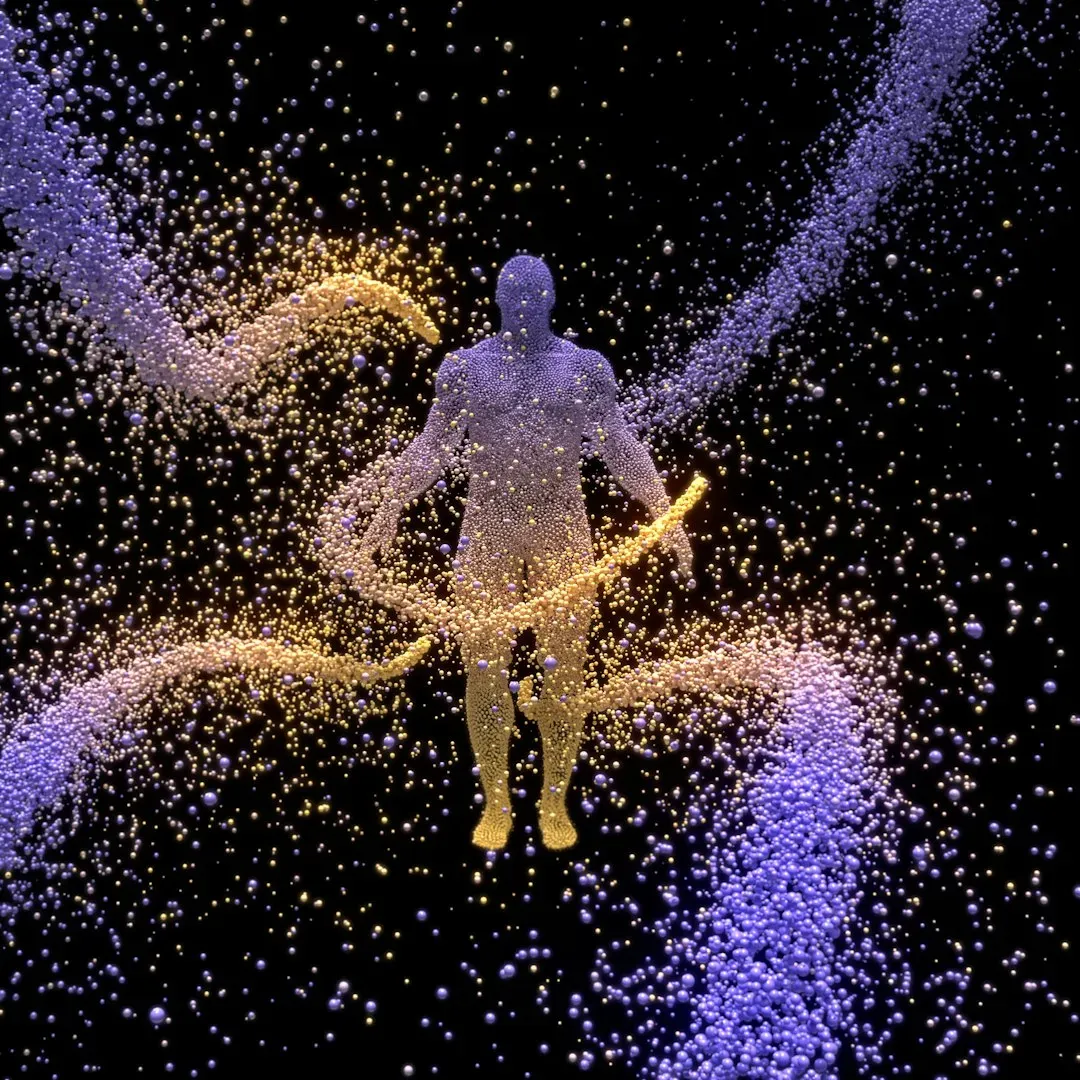
Here’s a humbling thought: most of the atoms that make up you are older than the planet you stand on and older than any zodiac system humans have ever invented. The solar system formed from a cloud of gas and dust already enriched by multiple generations of dead stars. By the time Earth congealed out of that swirling disk, the raw material already carried a long, invisible history of stellar births and deaths. Your body is essentially a blended archive of that past, a physical record of events that happened billions of years before anyone named constellations.
That means your Aries fire, Pisces sensitivity, or Capricorn grit is being expressed through matter that predates every myth we tell about those signs. Ancient astrologers did heroic work with what they could see: wandering points of light, repeating cycles, dramatic eclipses. But they could never have known that the iron in their own blood, the calcium in their teeth, and the silicon in the sand beneath their feet had been part of stars in other galaxies, in a younger universe, long before human storytelling even began. Your elements do not just connect you to your birth date; they connect you to eras of cosmic history so old that our calendar is almost meaningless next to them.
Ancient Astrologers vs. Modern Cosmology: Two Very Different Skies
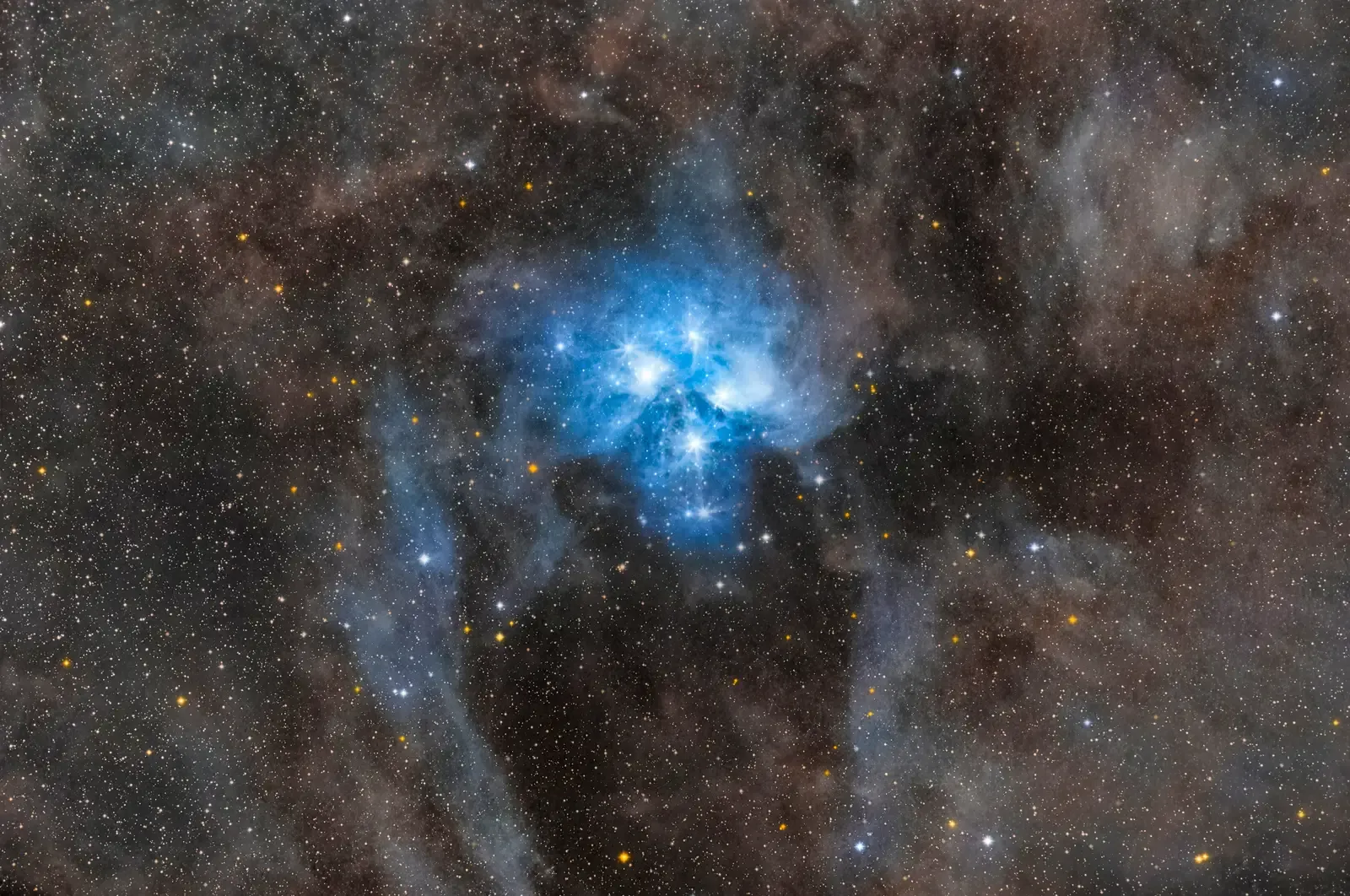
The astrologers of Babylon, Greece, India, China, and elsewhere were incredibly sharp observers, but they were working with a sky that was purely visual and symbolic. To them, Mars was a red wanderer linked to war, passion, and conflict because of its color and motion. They had no way to know that Mars is a rocky world shaped by impacts and volcanism, built from oxygen, silicon, iron, and other elements that once lived in older stars. Their sky was meaningful, but it was surface-level compared to what we now see in the data from telescopes and particle detectors.
Modern cosmology has turned the sky inside out. We can measure the chemical fingerprints of distant stars, trace the temperature echoes of the Big Bang, and simulate entire galaxies forming on supercomputers. While astrology speaks the language of archetypes and patterns in human life, cosmology speaks the language of energy, matter, and time. One maps inner experience; the other maps physical reality. When you talk about your zodiac sign today, you are standing at the intersection of these two very different skies: the symbolic one our ancestors imagined and the physical one we now understand in shocking detail.
Your Sun Sign and the Real Sun: Nuclear Engines, Not Personality Lamps
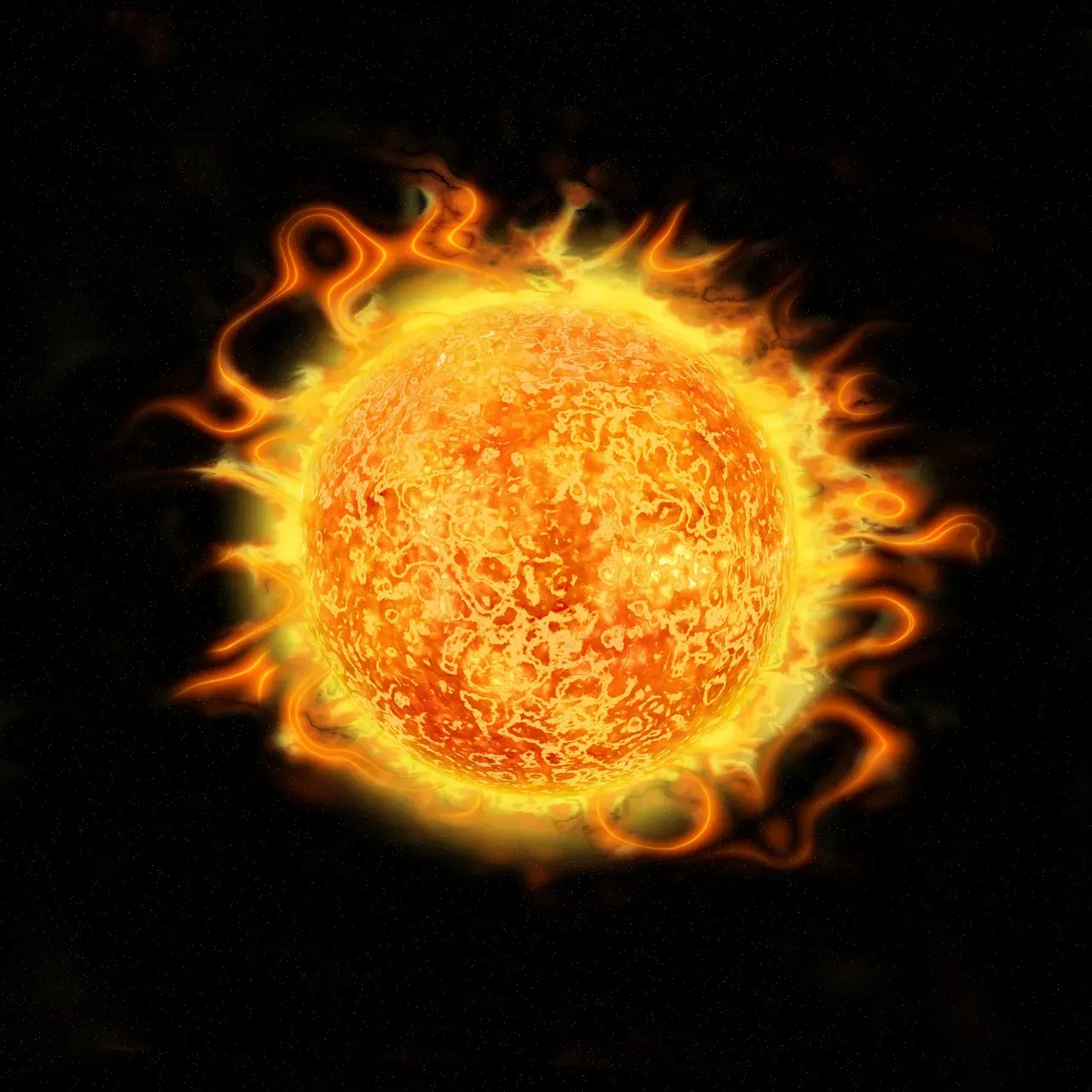
In astrology, your Sun sign is framed as the core of your personality, the essence of who you are. But the real Sun is not an essence machine; it is a massive, roaring sphere of plasma, fusing hydrogen into helium nonstop. Every second, it converts an enormous amount of mass into energy, bathing the solar system in light and warmth. Without that energy, Earth would be a frozen rock, and no zodiac chart would ever matter because there would be no life to read it. The Sun is not gently shining for your birth chart; it is a nuclear reactor operating on a scale that makes our entire planet feel like a dust speck.
What ancient astrologers could never have guessed is that this nuclear engine is also quietly part of your internal story. The carbon, nitrogen, and oxygen cycling through your body were once part of earlier stars, but the Sun’s ongoing fusion keeps your planet’s climate in the delicate range where that chemistry can support life. So while an astrologer might interpret your Sun sign as confidence or identity, a physicist would say the Sun has already done its most important work for you simply by existing: it provided steady energy to a planet made of star-forged elements, long enough for consciousness to arise and start asking what any of this means.
From Horoscope to Hydrogen: What Your Sign Still Gets Wrong (And What It Gets Right in Spirit)
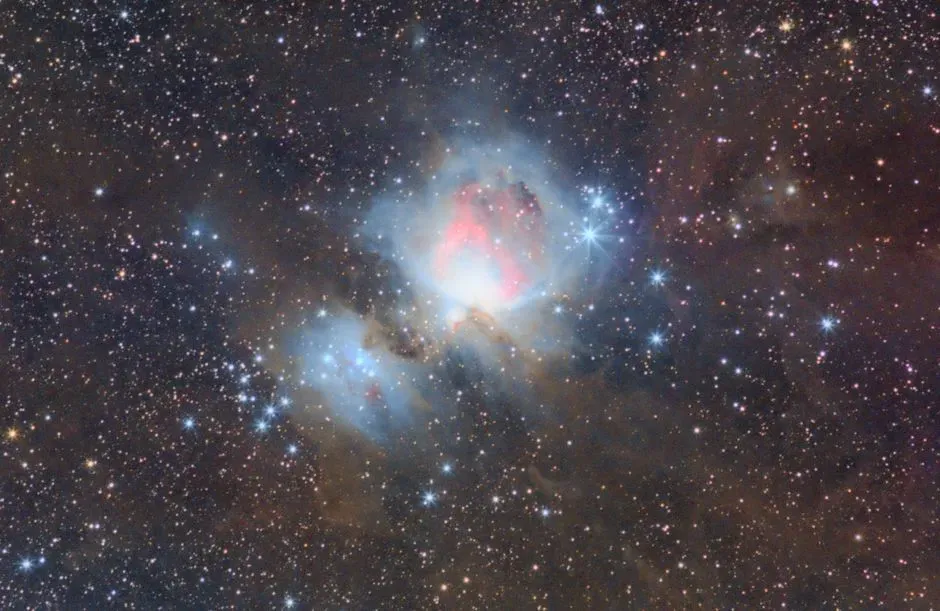
If you’re honest, no zodiac system truly lines up with how the universe actually builds people. Your sign does not determine which elements ended up in your bones; that recipe was set by billions of years of cosmic evolution and the specific history of our solar system. There is no special alignment that funnels more carbon into a Sagittarius baby or more iron into a Cancer newborn. On a physical level, the elements in our bodies are distributed in ways shaped by biology and geology, not by the symbolic themes of a birth chart.
And yet, astrology unintentionally gets one huge thing right in spirit: it insists that you are connected to the cosmos, that your life is not separate from the sky above your head. The method may be off, but the intuition that you are part of a larger pattern is spot on. Modern cosmology goes further and shows that connection is far more literal and more astonishing than any sign description. You are made of the same raw material as the stars, governed by the same physical laws, participating in a story that started with hydrogen and still has no clear endpoint. The mistake is not in feeling cosmic; it is in underestimating just how cosmic you really are.
Reclaiming Your Cosmic Identity: Beyond Signs, Toward Star-Formed Self-Awareness
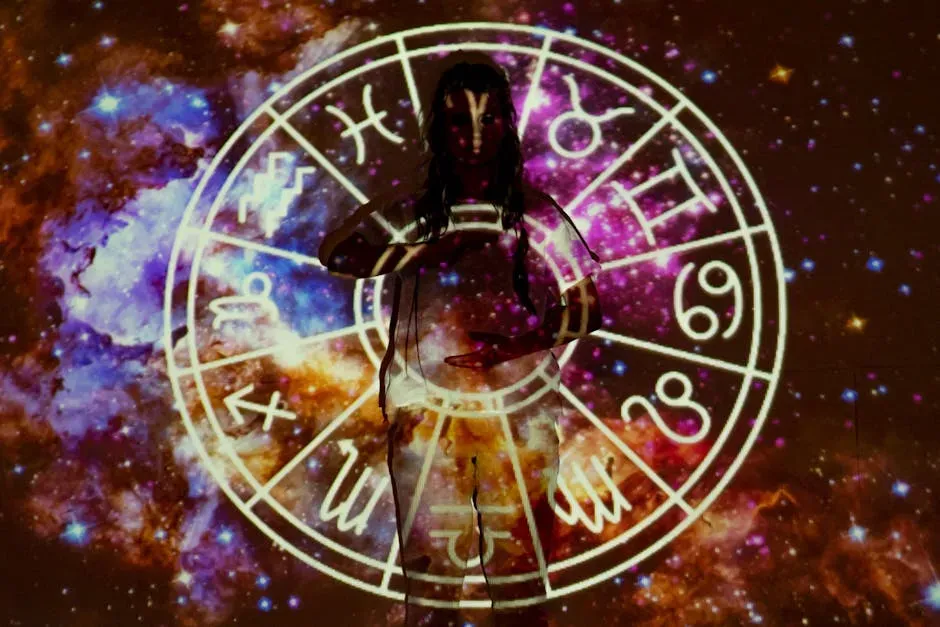
Here’s a different way to think about identity: instead of saying “I’m a Libra, so I’m balanced,” you might say, “I’m a temporary arrangement of ancient stardust that has learned to think about itself.” That sounds dramatic, but it is literally true. The atoms in your brain once drifted through space, part of cold interstellar clouds, before collapsing into a young solar system and eventually becoming part of a living nervous system. No zodiac write-up, no matter how flattering, can compete with the sheer weirdness of that reality.
This does not mean you have to ditch your sign if you enjoy it. You can still read horoscopes, still use the zodiac as a mirror for self-reflection or a shared language with friends. But it is worth holding a bigger picture in your mind at the same time. Your real “cosmic origin” is not a symbol on a chart but a chain of prehistoric star formation events that created the elements in your body, layer by layer, over billions of years. If you build your sense of self on that foundation, you do not just feel special because of the day you were born; you feel grounded in a universe that has been working toward complexity long before anyone knew what a birthday was.
Conclusion: The Universe Never Needed Your Sign to Make You Extraordinary
If you love astrology, the hard truth might sting a little: the universe did not consult your star chart before it forged the atoms in your blood. It did not pause to align planets in meaningful patterns or carve your personality into the sky. Long before ancient astrologers drew the zodiac wheel, stars were forming, burning, and exploding, building the chemical toolkit that would eventually give rise to life. The fact that you exist at all is the result of that deep, prehistoric process, not of symbolic arrangements invented later by humans trying to make sense of it.
In my view, that makes reality more awe-inspiring, not less. The zodiac is a beautiful, poetic overlay, but the underlying story – hydrogen to humans, fusion to feelings, supernovas to self-awareness – is far more dramatic than any horoscope. Your sign might offer you language for your moods and motivations, and that can be fun or even helpful. But your true cosmic origin is written in the periodic table, in star-forming galaxies, in an ancient universe that built you without ever needing to know your name or your birth date. When you look up at the night sky, the real question is not whether it matches your chart, but whether you can feel, even for a moment, that you are the universe looking back at itself. Did you expect that?