Zimbabwe – Prosecutors achieved a global milestone by convicting two men of lion poaching through DNA evidence that linked seized body parts to a specific radio-collared animal killed two years prior.
A Radio Collar Falls Silent
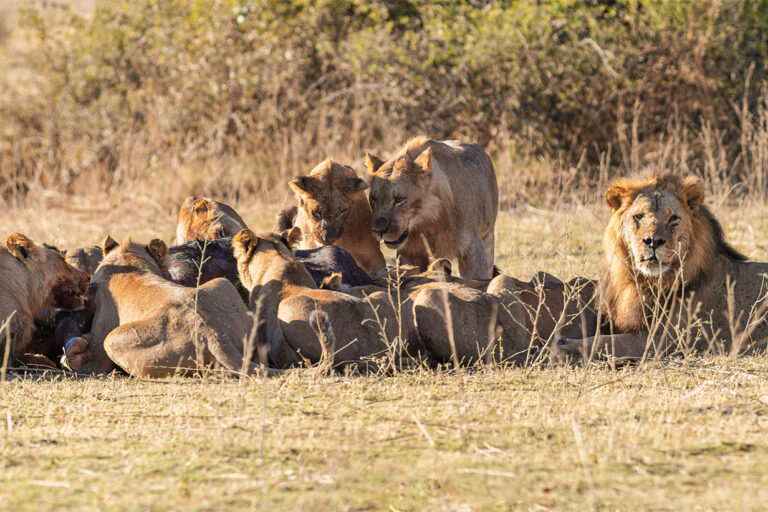
A Radio Collar Falls Silent (Image Credits: Imgs.mongabay.com)
In May 2024, rangers in Hwange National Park noticed a tracked lion’s radio collar had stopped transmitting. They traced the signal to a snare laced with lion fur, confirming poachers had struck near this vast protected area close to Victoria Falls. The incident raised alarms, as the animal belonged to a monitored pride essential for conservation studies.
Investigators moved quickly to a nearby village. There, they questioned two suspects and uncovered incriminating evidence: three sacks of lion meat, 16 claws, and four teeth. These parts, valued at around $20,000 for the lion, pointed to trafficking for illicit markets. Authorities seized the materials and pursued forensic verification to build an airtight case.
Forensic Science Delivers Proof
Scientists at the Victoria Falls Wildlife Trust analyzed DNA from the confiscated items. They generated a full genetic profile and compared it against Zimbabwe’s national lion DNA database. This resource, built over eight years with £250,000 from the UK’s People’s Postcode Lottery, held profiles from blood samples of collared lions like the victim.
The match was exact, identifying the parts as originating from the snared animal. Support from organizations TRAFFIC and TRACE bolstered the effort. “Before we had access to this technology, we were only able to do species identification, but sometimes that’s not enough,” a Victoria Falls Wildlife Trust scientist noted. “We can essentially match those claws or those products to the lion of interest that we are looking for.”
Navigating Legal Challenges
Wildlife cases often faltered on weak evidence. Suspects previously claimed lion parts came from captive animals with permits or natural deaths, making convictions elusive. Prosecutors relied on circumstantial links, which courts frequently dismissed.
DNA changed that dynamic. Within 10 days, the evidence reached the courtroom. The two men pleaded guilty and received two-year prison sentences. This marked the first time globally that individual lion DNA secured a poaching conviction.
Lions Under Siege
Africa’s wild lion population lingers below 25,000, a sharp decline from 200,000 a century ago. Poaching fuels this crisis, with demand surging for body parts in traditional Chinese medicine, jewelry, and cultural rituals across Asia and Africa. Zimbabwe recorded two such incidents last year alone.
Killing a male lion disrupts entire prides, as new males often slay cubs. Common targets include bones as tiger substitutes, teeth, claws, and flesh. Seizures worldwide, like 17 skulls in Zambia and 300 kilograms of parts in Mozambique, underscore organized crime’s role.
- Zimbabwe’s lion DNA database enables precise matching of poached parts to individuals.
- The case sets a precedent, with similar efforts underway in South Africa.
- Forensic tools shift prosecutions from circumstantial to irrefutable evidence.
This conviction signals a new era for wildlife enforcement, where science arms authorities against elusive criminals. As experts like TRAFFIC’s Markus Burgener observe, it establishes how forensics bolsters the fight. Conservationists now eye expanded databases to safeguard dwindling prides. What do you think this means for global lion protection? Tell us in the comments.