In the vast pantheon of prehistoric predators, Tyrannosaurus rex often steals the spotlight. However, the tyrannosaur family tree contains numerous fascinating branches that deserve recognition. Among these lesser-known relatives is Zunityrannus, a mid-sized tyrannosaur that prowled what is now Utah during the Late Cretaceous period. This relatively recent discovery has expanded our understanding of tyrannosaur evolution and diversity in western North America, painting a more complex picture of dinosaur ecosystems before the mass extinction event. Zunityrannus represents an important evolutionary link in tyrannosaur development, offering paleontologists valuable insights into how these iconic predators adapted to their environments and eventually gave rise to the mighty T. rex.
Discovery and Naming
The story of Zunityrannus begins with its discovery in the Straight Cliffs Formation of southern Utah, specifically within Grand Staircase-Escalante National Monument. Paleontologists unearthed the remains of this tyrannosaur in sediments dating back approximately 80-90 million years to the Late Cretaceous period. The genus name “Zunityrannus” combines references to the Zuni tribe, whose ancestral lands include parts of the American Southwest where the fossil was found, with “tyrannus,” the Greek word for tyrant or king. This naming convention honors both the indigenous cultural heritage of the region and acknowledges the dinosaur’s place in the tyrannosaur family. The species was formally described in scientific literature within the past decade, making it a relatively new addition to our understanding of prehistoric fauna in North America.
Geological Context
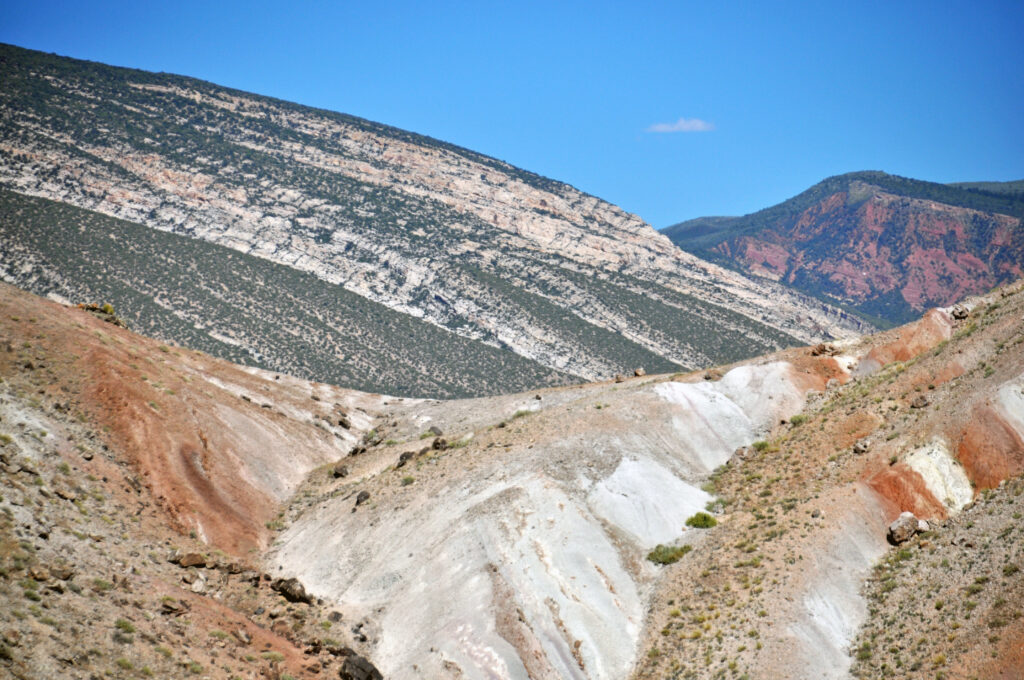
Zunityrannus inhabited what would become Utah during a time when the landscape differed dramatically from today’s arid deserts. During the Late Cretaceous, much of western North America was covered by the Western Interior Seaway, a vast inland sea that divided the continent. The environment where Zunityrannus lived consisted of coastal plains and river deltas along the western margin of this seaway, creating a warm, humid habitat with abundant vegetation and diverse wildlife. The Straight Cliffs Formation preserves this ancient ecosystem in its sedimentary layers, offering paleontologists a window into this prehistoric world. The rock formations where Zunityrannus fossils were discovered consist primarily of sandstone and mudstone, indicating environments ranging from river channels to floodplains, where these predators would have hunted and scavenged for food.
Physical Characteristics
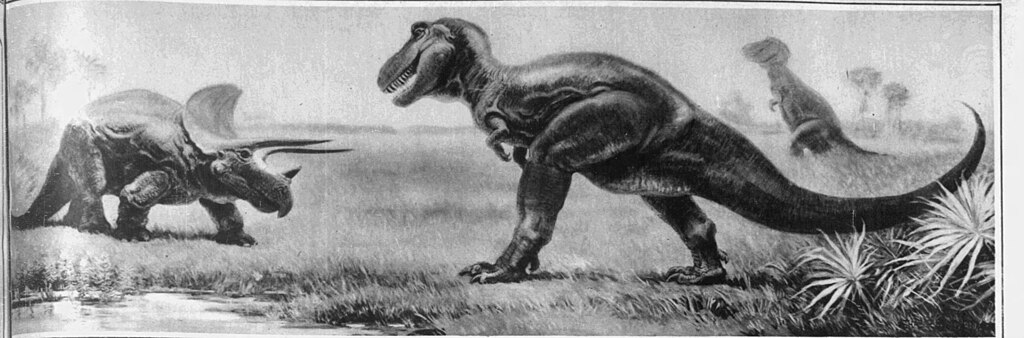
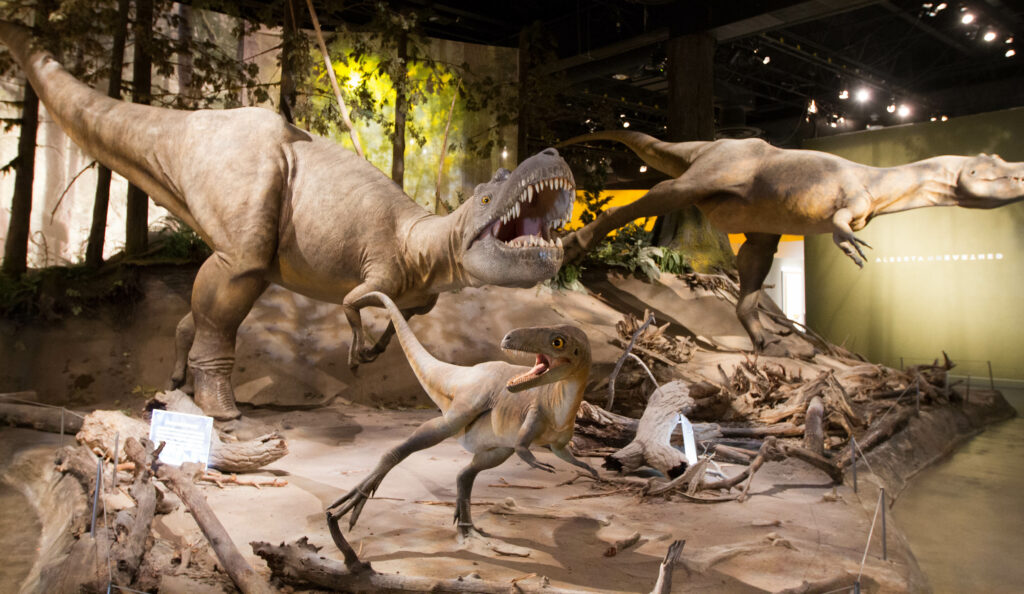
Zunityrannus represents a medium-sized member of the tyrannosaur family, substantially smaller than its famous cousin Tyrannosaurus rex but still an imposing predator. Estimates suggest it measured approximately 20-25 feet in length from snout to tail, standing roughly 8 feet tall at the hip. Like other tyrannosaurs, it possessed powerful hind limbs, relatively small forelimbs with two-fingered hands, and a large skull equipped with numerous serrated teeth designed for slicing through flesh. Paleontologists have noted several distinctive features in Zunityrannus’s skull morphology that set it apart from other tyrannosaurs, including unique proportions and bone textures that help identify it as a separate species. Its body was likely covered in scales, though some paleontologists speculate that, like other tyrannosaurs, it may have had feather-like structures on parts of its body, particularly as juveniles.
Evolutionary Significance
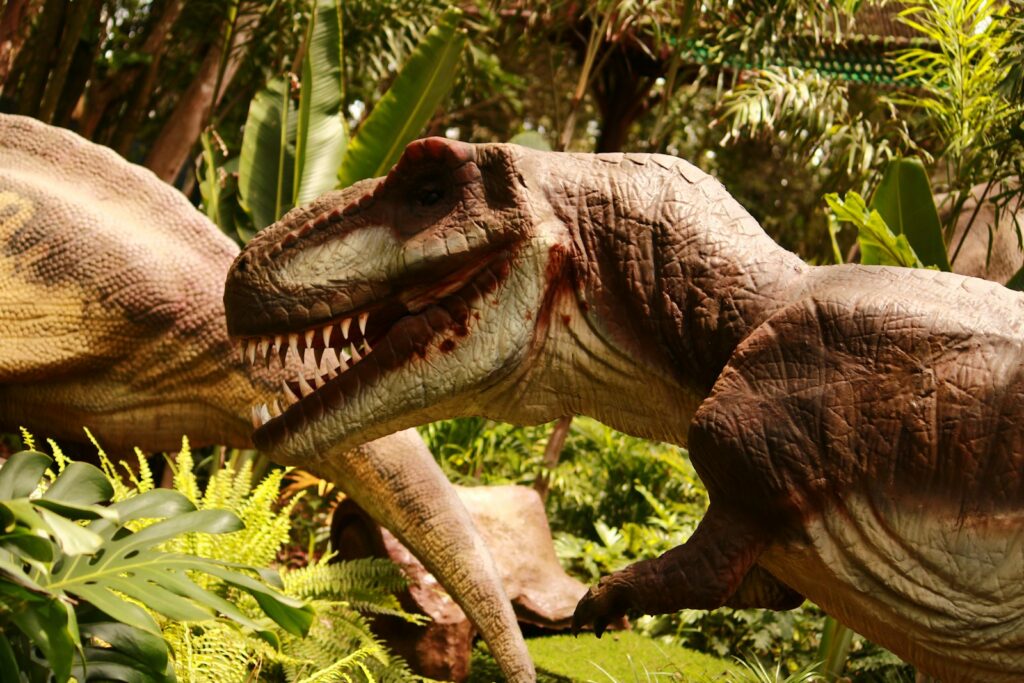
Zunityrannus occupies a crucial position in tyrannosaur evolutionary history, representing a transitional form between earlier, smaller tyrannosaurs and the massive apex predators that would evolve later. Living approximately 10-15 million years before Tyrannosaurus rex, Zunityrannus exhibits anatomical features that showcase the ongoing evolution of the tyrannosaur lineage. Its discovery has helped paleontologists fill important gaps in understanding how these dinosaurs evolved from smaller, more primitive forms into the massive apex predators that dominated the end of the Cretaceous period. The intermediate size and mix of primitive and derived features in Zunityrannus provide valuable evidence for the gradual enlargement of tyrannosaurs over time, supporting the hypothesis that gigantism in this group evolved incrementally rather than suddenly. Furthermore, its presence in Utah during this time period helps scientists map the geographic distribution and diversification of tyrannosaurs across western North America.
Hunting and Feeding Behavior
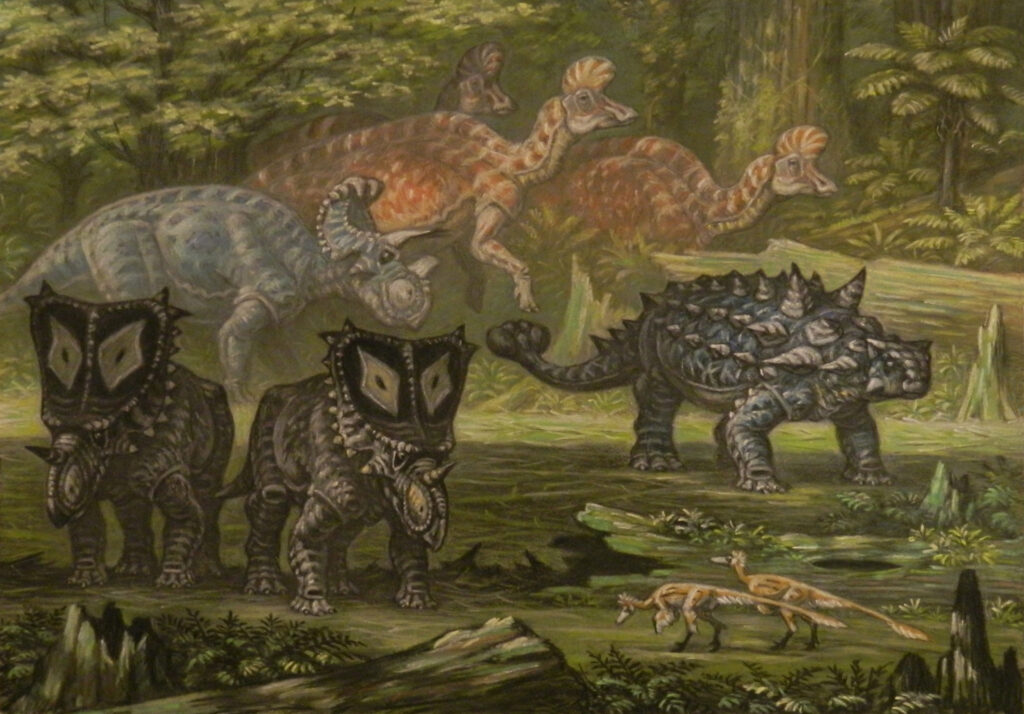
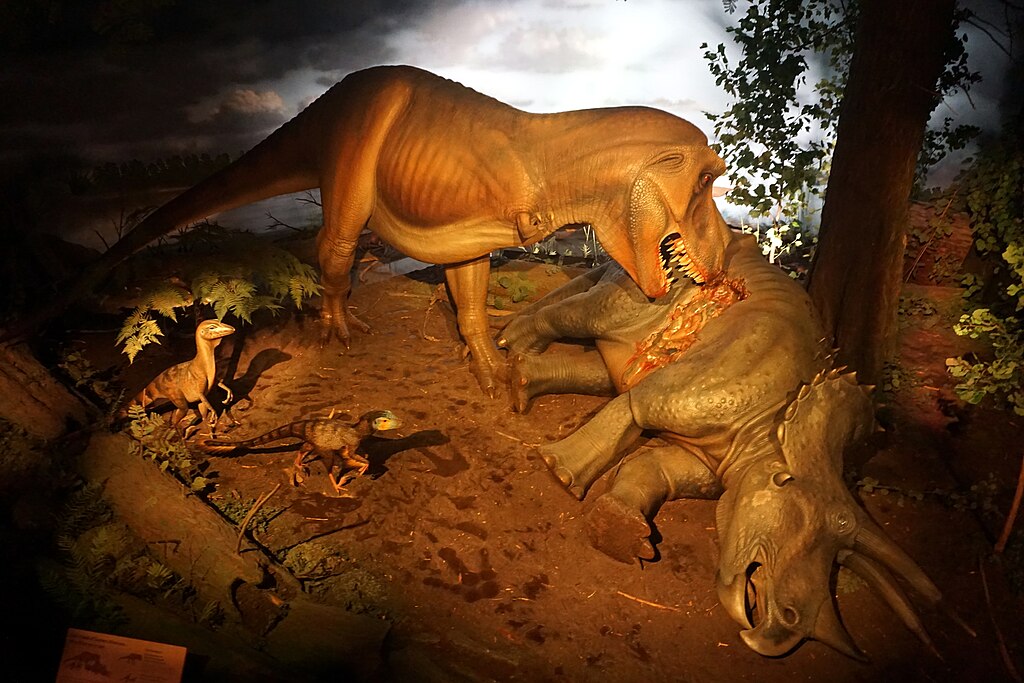
As a mid-sized tyrannosaur, Zunityrannus would have been a formidable predator in its ecosystem, though its hunting strategies likely differed from those of larger tyrannosaurs. Paleontologists believe Zunityrannus was an active hunter with good vision and sense of smell, capable of pursuing prey at moderate speeds. Its powerful jaws and serrated teeth were adapted for delivering powerful bites and tearing flesh, though the bite force was not as tremendous as that of T. rex. Zunityrannus likely preyed upon medium-sized dinosaurs in its environment, possibly including hadrosaurs (duck-billed dinosaurs) and smaller ceratopsians (horned dinosaurs), while potentially avoiding conflicts with the largest herbivores. Some evidence suggests that tyrannosaurs of this size may have hunted in small family groups, potentially allowing them to take down larger prey through cooperation. Like modern predators, Zunityrannus probably supplemented its diet with opportunistic scavenging when carcasses were available.
Habitat and Environmental Adaptations

The environment Zunityrannus called home was a dynamic landscape of coastal plains, river systems, and subtropical forests quite different from modern Utah. This tyrannosaur evolved adaptations specific to hunting in this semi-aquatic environment, potentially including enhanced senses to detect prey in densely vegetated areas. The warm, humid climate supported abundant plant life, which in turn sustained the herbivorous dinosaurs that would have been Zunityrannus’s primary prey. Evidence from the Straight Cliffs Formation indicates seasonal variations in rainfall, suggesting Zunityrannus may have needed to adjust hunting patterns throughout the year as prey availability shifted. The proximity to the Western Interior Seaway would have influenced local climate conditions, creating a more moderate temperature regime than areas further inland. Zunityrannus’s adaptations to this specific ecological niche provide insights into how tyrannosaurs diversified to exploit different environments across Late Cretaceous North America.
Contemporaneous Dinosaurs
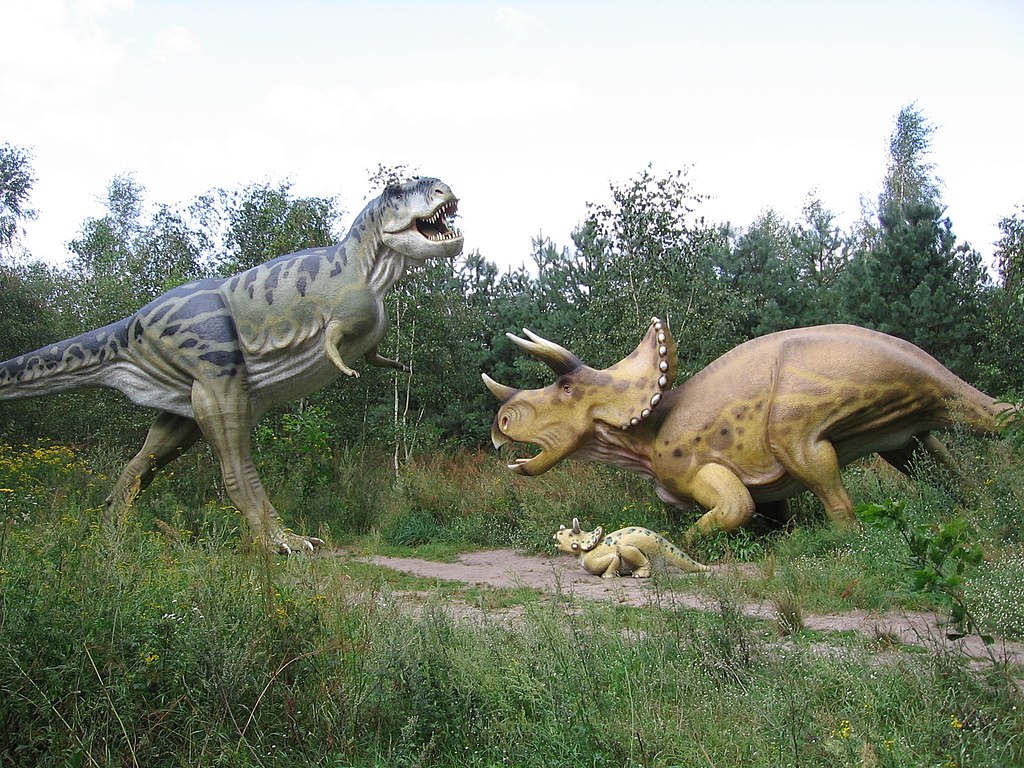
Zunityrannus shared its ecosystem with a diverse assemblage of other dinosaurs, creating a complex prehistoric food web. Herbivorous dinosaurs in the region included hadrosaurs (duck-billed dinosaurs), which were likely among the most abundant large animals, as well as ceratopsians with their distinctive horned faces and frilled skulls. Smaller ornithischian dinosaurs, including hypsilophodonts and pachycephalosaurs, would have occupied different niches in the ecosystem. Zunityrannus may not have been the only predator in its environment, potentially competing with other theropods like dromaeosaurs (raptor dinosaurs) and troodontids, though as a medium-sized tyrannosaur, it likely occupied the role of top predator. The region also supported various small mammals, lizards, turtles, crocodilians, and a diversity of plant life including conifers, early flowering plants, ferns, and cycads. This rich biodiversity created a complex ecosystem in which Zunityrannus played a crucial role as an apex predator.
Growth and Development

Scientific analysis of Zunityrannus fossils has provided intriguing insights into how these dinosaurs grew and developed throughout their lives. Like other tyrannosaurs, Zunityrannus likely experienced rapid growth during juvenile and subadult stages, gradually slowing as they approached adult size. Paleontologists estimate that these dinosaurs may have reached sexual maturity before achieving their full adult dimensions, a pattern observed in other tyrannosaur species. Study of bone microstructure suggests that Zunityrannus may have reached adult size in approximately 15-20 years, though this represents an estimate based on comparisons with better-studied tyrannosaur species. Young Zunityrannus individuals were probably more agile and fleet-footed than adults, possibly focusing on smaller, faster prey before developing the jaw strength and body mass needed to tackle larger herbivores. This ontogenetic niche shift would have reduced competition between juveniles and adults of the same species.
Paleoecological Significance
Zunityrannus played a crucial role in maintaining the balance of its prehistoric ecosystem as a mid-sized apex predator. By controlling populations of herbivorous dinosaurs, it would have prevented overgrazing and promoted healthy vegetation growth throughout its range. The presence of this tyrannosaur in Utah during the Late Cretaceous helps paleontologists understand regional variations in dinosaur communities across western North America, revealing how different tyrannosaur species evolved to fill specific ecological niches. Zunityrannus represents part of the transition between earlier faunal assemblages and the terminal Cretaceous ecosystems dominated by T. rex and Triceratops. The co-evolution between Zunityrannus and its prey species likely drove adaptations on both sides – herbivores developing defensive features while the tyrannosaur refined its hunting capabilities. By studying this dinosaur in its ecological context, scientists gain valuable insights into the complex interactions that shaped dinosaur evolution over millions of years.
Paleontological Challenges
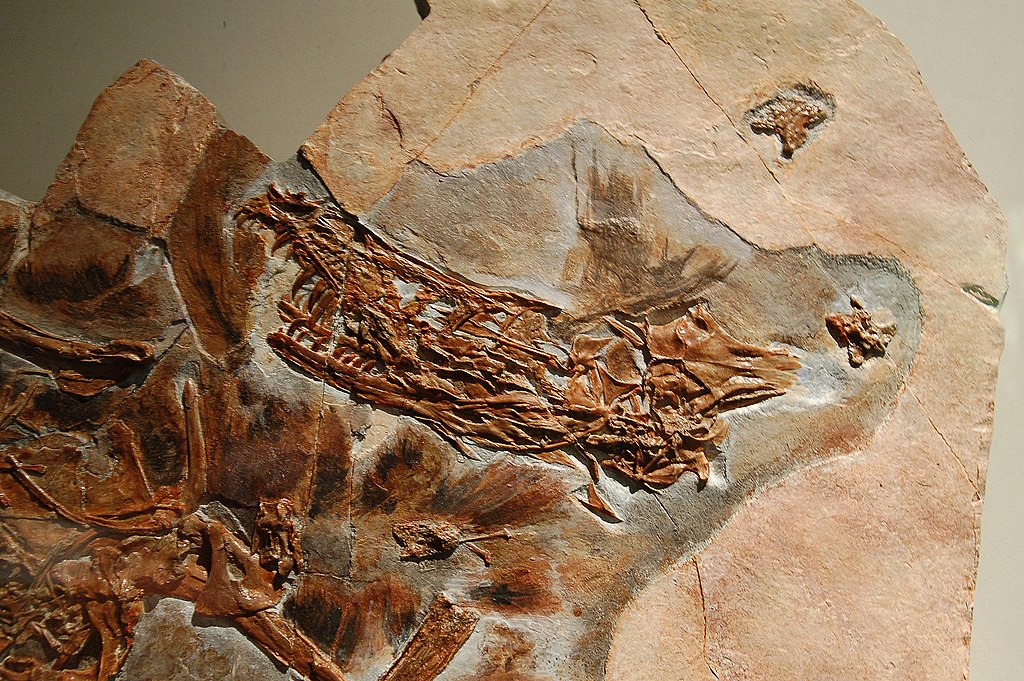
The study of Zunityrannus presents several challenges common to paleontological research on relatively rare dinosaur species. Unlike T. rex, which is known from numerous specimens including several nearly complete skeletons, Zunityrannus is represented by more fragmentary remains, making complete anatomical reconstruction more difficult. Paleontologists must carefully compare the available fossil material with better-known tyrannosaurs to fill gaps in their understanding of its appearance and biology. The preservation conditions in the Straight Cliffs Formation, while favorable for fossilization in some respects, have not yielded the abundance of specimens that characterize other famous dinosaur-bearing formations. Determining aspects of Zunityrannus’s biology, such as its coloration, exact locomotion capabilities, and certain behavioral traits, requires informed speculation based on comparative anatomy with related species and modern animals. Despite these challenges, ongoing fieldwork in Utah continues to unearth new specimens that gradually enhance our understanding of this fascinating tyrannosaur.
Scientific Research Methods

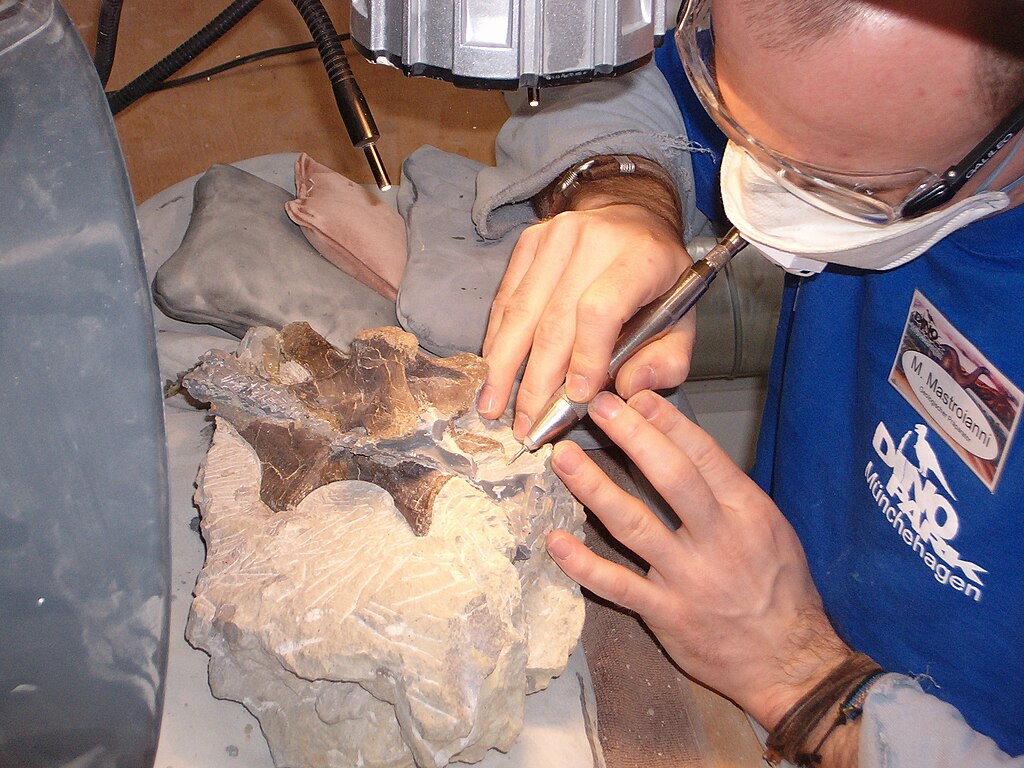
Paleontologists employ sophisticated techniques to study Zunityrannus fossils and extract maximum information from the limited available material. Modern research often begins in the field, where careful excavation preserves contextual information about where and how the fossils were deposited. Once transported to laboratory settings, fossils undergo preparation to remove surrounding rock matrix and stabilize fragile bone material. Advanced imaging technologies, including CT scanning, allow scientists to examine internal bone structures without damaging specimens, revealing details about brain cavity shape, sensory capabilities, and growth patterns. Comparative anatomical studies place Zunityrannus in context with other tyrannosaurs, identifying unique features and evolutionary relationships. Biomechanical modeling, using computer simulations based on bone strength and muscle attachment sites, helps researchers understand how Zunityrannus moved and functioned as a living animal. Paleontologists also analyze the geological context and associated fossils to reconstruct the environment and ecosystem Zunityrannus inhabited, building a comprehensive picture of this dinosaur’s life and times.
Public Education and Cultural Impact

While not as famous as Tyrannosaurus rex, Zunityrannus plays an important role in public education about dinosaur diversity and evolution. Museum exhibits featuring this tyrannosaur help illustrate that the famous T. rex represented just one evolutionary outcome among many related species that thrived during the Cretaceous period. Educational programs at institutions near where Zunityrannus was discovered often highlight this local predator to create regional connections to paleontological heritage. The dinosaur’s discovery within Grand Staircase-Escalante National Monument has contributed to public discussions about the scientific value of protected lands and the importance of preserving fossil-bearing formations for research. Native American perspectives on fossils found within ancestral territories, reflected in the “Zuni” component of the dinosaur’s name, create opportunities for cross-cultural scientific communication and respect for indigenous knowledge systems. By showcasing lesser-known tyrannosaurs like Zunityrannus, educators can inspire curiosity about the many branches of the dinosaur family tree beyond the handful of species featured in popular media.
Conservation of Fossil Sites
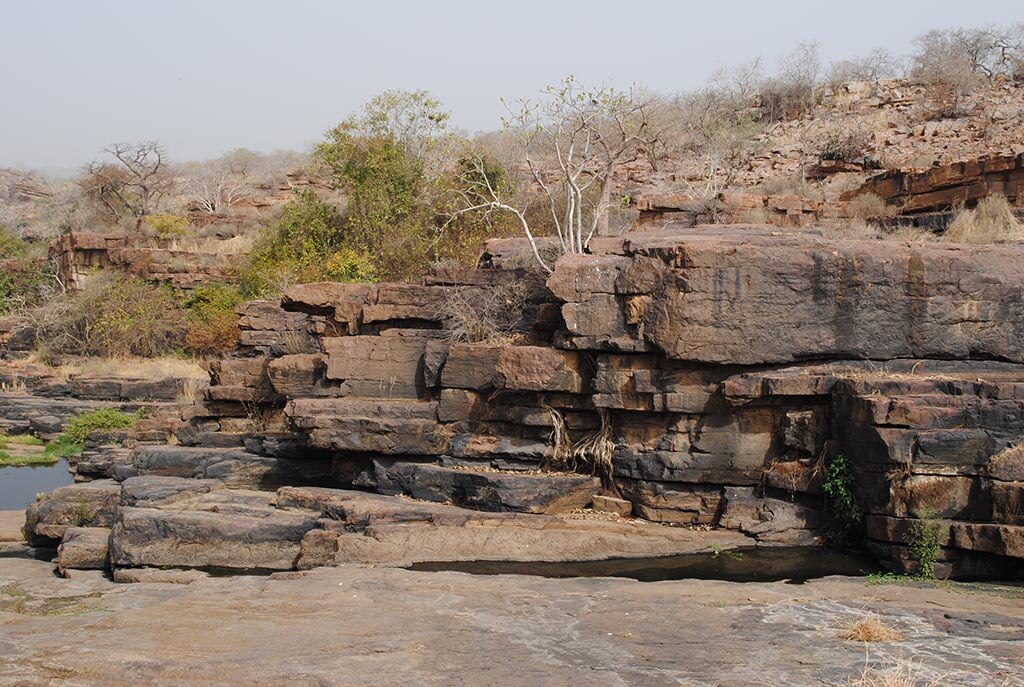
The discovery and ongoing study of Zunityrannus highlight the critical importance of protecting fossil-bearing geological formations. Grand Staircase-Escalante National Monument, where this tyrannosaur was found, represents one of North America’s most important Late Cretaceous fossil reserves, preserving a time period underrepresented in many other famous dinosaur localities. Paleontologists work closely with land management agencies to ensure that scientific collection proceeds responsibly, with proper documentation and preservation of specimens for public institutions. The legal protection of these fossil sites prevents unauthorized collection and potential destruction of scientifically valuable specimens that might otherwise be lost to private collections or commercial exploitation. Climate change and erosion present ongoing challenges to fossil conservation, as exposed specimens can deteriorate rapidly when subjected to environmental elements. Paleontologists often conduct periodic surveys of known fossil localities to identify newly exposed specimens before they can be damaged by natural processes, ensuring that important discoveries like Zunityrannus continue to enhance our understanding of prehistoric life.
Future Research Directions

The study of Zunityrannus remains an active area of paleontological research with numerous avenues for future investigation. Paleontologists continue searching for additional specimens that might provide more complete skeletal material, particularly from portions of the anatomy currently poorly represented in the fossil record. Detailed comparative studies with other tyrannosaurs from similar time periods across western North America may reveal patterns of regional adaptation and specialization among these predators. Advanced analytical techniques, such as stable isotope analysis of fossil teeth, could potentially provide insights into Zunityrannus’s diet and environmental conditions. Ongoing refinement of dating methods may help establish more precise age ranges for Zunityrannus fossils, clarifying their temporal relationship to other tyrannosaur species. Integration of Zunityrannus data into broader studies of dinosaur community structure and evolution will continue to enhance our understanding of Cretaceous ecosystems. As new specimens emerge and analytical methods advance, our picture of this fascinating Utah tyrannosaur will undoubtedly become clearer and more detailed.
Conclusion
Zunityrannus represents far more than just another name in the dinosaur catalog—it provides a crucial piece in the puzzle of tyrannosaur evolution and Late Cretaceous ecology. From its coastal plain habitat in prehistoric Utah to its role as a mid-sized predator navigating a complex ecosystem, this dinosaur offers paleontologists valuable insights into how tyrannosaurs diversified and adapted across western North America. Though less celebrated than its famous relative T. rex, Zunityrannus deserves recognition for the scientific windows it opens into dinosaur evolution, prehistoric environments, and the biological heritage of the American Southwest. As research continues and new specimens potentially emerge from Utah’s ancient sediments, our understanding of this fascinating predator will only deepen, further illuminating the rich tapestry of life that existed millions of years before humans walked the Earth.