Prehistoric life is one of the most mind-bending subjects you can dive into. Billions of years of evolution, extinction, and radical transformation are all locked away in rock and bone, waiting to be found. Every so often, a single discovery doesn’t just add to what we know – it completely rewrites the rulebook.
Honestly, when you look at the history of paleontology, it reads less like a slow, steady accumulation of facts and more like a series of jaw-dropping plot twists. From fish that walked on proto-legs to dinosaurs dressed in feathers, the story of prehistoric life has proven stranger and more spectacular than anyone dared imagine. Buckle up – here’s what some of the most astounding finds in history have taught us.
1. Tiktaalik: The Fish That Decided to Walk
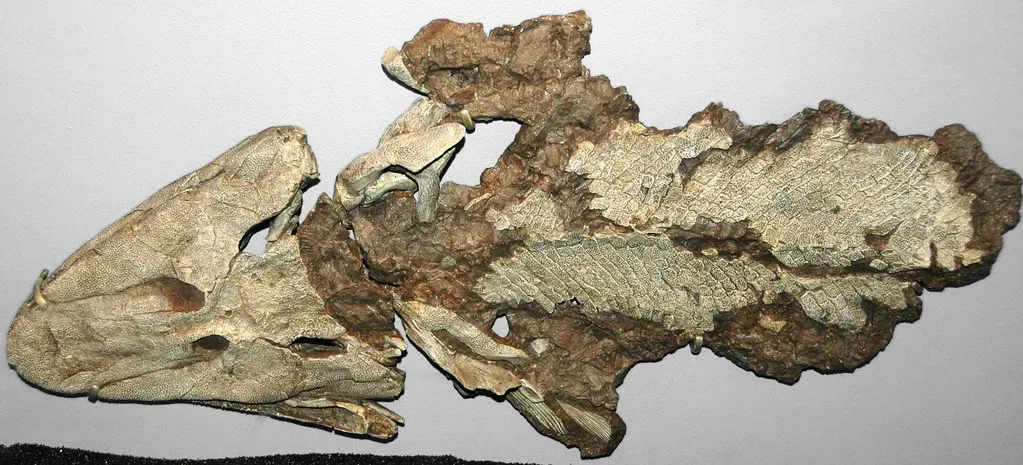
Imagine you’re digging through ancient rocks in the Canadian Arctic when you pull out what looks like a fish – except it has a neck, a flat head, and the unmistakable bones of a shoulder, elbow, and wrist. That is exactly what happened in 2004 when Dr. Neil Shubin and his team uncovered one of the most celebrated fossils ever found. The first Tiktaalik fossils were found in 2004 on Ellesmere Island in Nunavut, Canada. They named it Tiktaalik, an Inuktitut word meaning “large freshwater fish,” out of respect for the Indigenous peoples of the region.
Unearthed in Arctic Canada, Tiktaalik is a non-tetrapod bony fish complete with scales and gills – but it has a triangular, flattened head and unusual, cleaver-shaped fins. Its fins have thin ray bones for paddling like most fish, but they also have sturdy interior bones that would have allowed Tiktaalik to prop itself up in shallow water and use its limbs for support as most four-legged animals do. Think of it like the world’s original push-up – clumsy, ancient, and absolutely world-changing. In doing so, it unwittingly changed the course of evolution, leading to reptiles, amphibians, mammals, and finally, us.
2. The Feathered Dinosaurs of China’s Yixian Formation
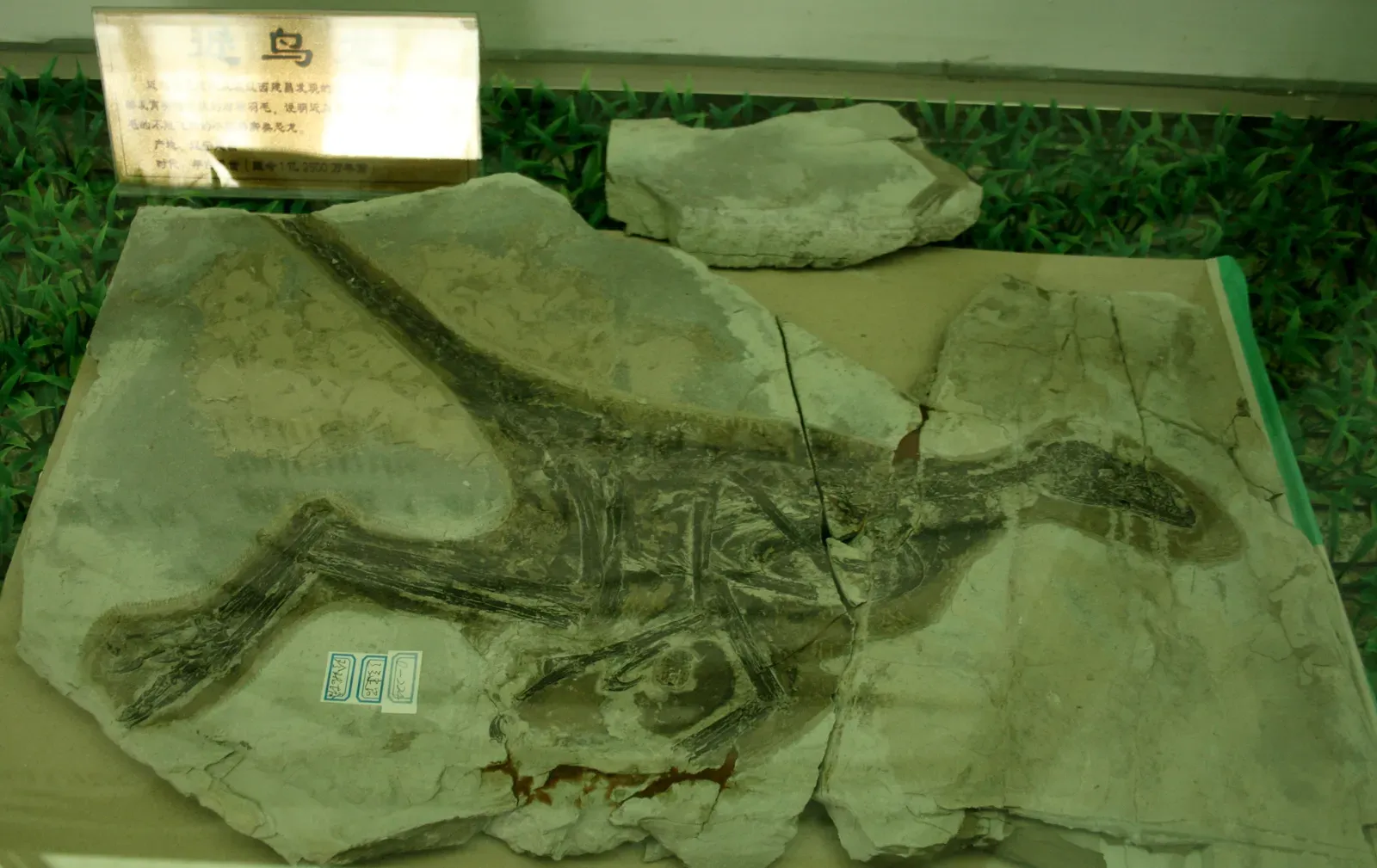
Uploaded by FunkMonk, CC BY-SA 2.0)
If someone told you that the scaly, cold-blooded monsters you pictured as a child were actually covered in feathers – sometimes colorful, striped ones – you’d probably think they were joking. Yet that’s exactly what a cascade of extraordinary fossil finds from northeastern China forced the scientific world to accept. It was not until the 1990s when remarkable fossils of birds and other non-avian dinosaurs were excavated. Since 1996, a number of dinosaur fossils that have revolutionized knowledge of these animals have been found at Yixian, among them the first known non-avian theropods with feathers.
It was one of the most shocking discoveries in paleontology: a dinosaur with feathers. Everyone knows that birds have feathers, and indeed feathers are the defining characteristic of birds, so how could some other kind of animal have feathers? Paleontologists were split in their opinions – if it has feathers it must be a bird, or if it’s a dinosaur then the feathers must be something else. Eventually, the evidence won out. In the 25 years that followed, thousands of feathered dinosaur fossils from China and elsewhere have revolutionized our understanding of the origin of birds, of flight, of dinosaurian behaviour, and of the origins of endothermy in vertebrates.
3. Archaeopteryx and the Dinosaur-Bird Connection
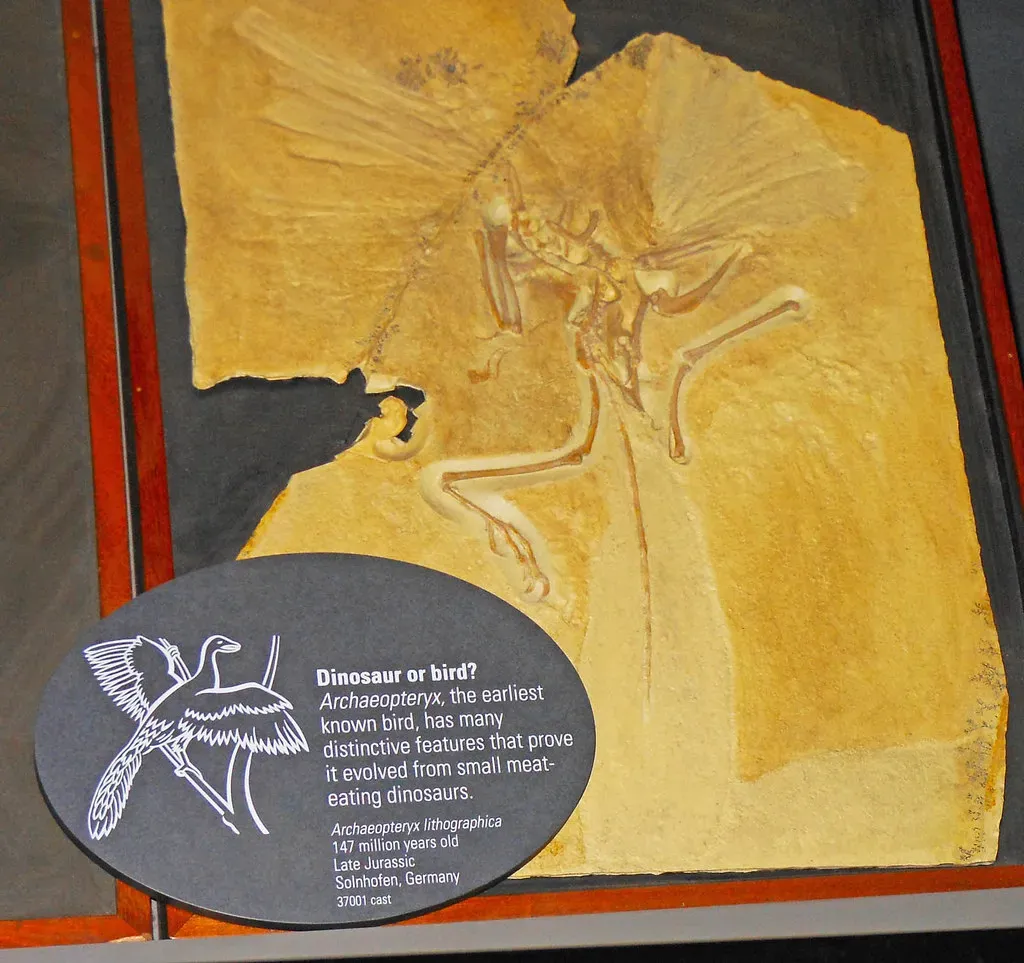
Few fossils have ignited as much scientific passion as Archaeopteryx. Discovered in the 1860s in a limestone quarry in Bavaria, this ancient creature looked for all the world like it couldn’t quite decide what it wanted to be. We only came to accept the theory of dinosaur evolution into birds after the discovery of Archaeopteryx, a small dinosaur that seemed to be part lizard and part bird. It had wings and a beak but was still distinctly dinosaur-like in its appearance.
It paved the way to make sense of later discoveries, like that of a feathery dinosaur tail preserved in amber, and now we’re pretty sure that far from being scaly lizards, many dinosaurs did have feathers. You could think of Archaeopteryx as the ultimate evolutionary “bridge” – neither fully what came before nor fully what came after. As one researcher put it, if Archaeopteryx were discovered today, you probably wouldn’t call it a bird – you would call it a feathered dinosaur. It’s still called the first bird, but more for historic reasons than because it is the oldest or best embodiment of bird-like traits.
4. The Chicxulub Crater and the Asteroid Extinction Theory
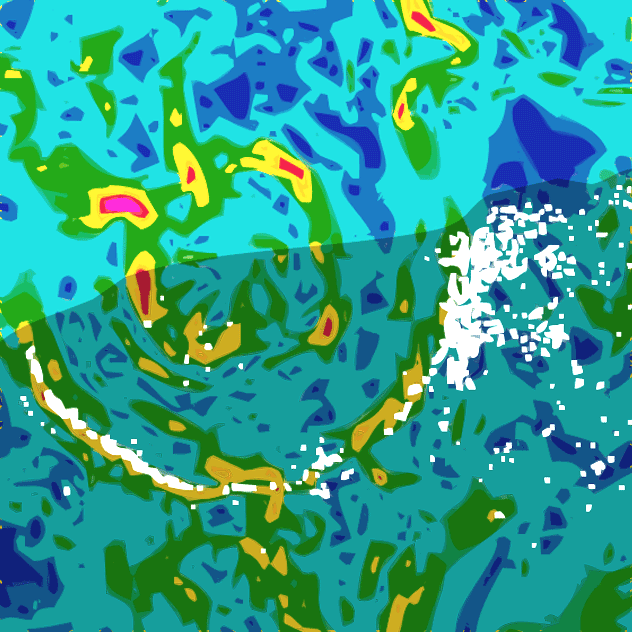
For decades, scientists knew that something catastrophic had ended the reign of the dinosaurs 66 million years ago. The real shock came when they figured out what. We got the Alvarez hypothesis, the now widely accepted idea that one huge event caused the mass extinction of the dinosaurs. This happened in 1980, posited by Luis and Walter Alvarez, and though it was baffling at the time to imagine an asteroid wiping out life on Earth, we’ve found plenty of evidence to back it up.
The discovery of a massive crater off the Yucatán Peninsula supported the theory that a cataclysmic asteroid impact led to the mass extinction of dinosaurs 66 million years ago, influencing research into planetary sciences and extinction events. The site known as Tanis in North Dakota added another layer of awe to this story. A location known as the Tanis site in North Dakota has preserved tsunami debris from the asteroid impact that ended the Cretaceous 66 million years ago. This debris includes fish, wood, insects, and dinosaurs piled on top of one another. Also present are glass beads embedded in the fossils and the sediment – glass beads from the asteroid impact that rained down from the skies between tsunami waves.
5. Dinosaur Eggs in the Gobi Desert
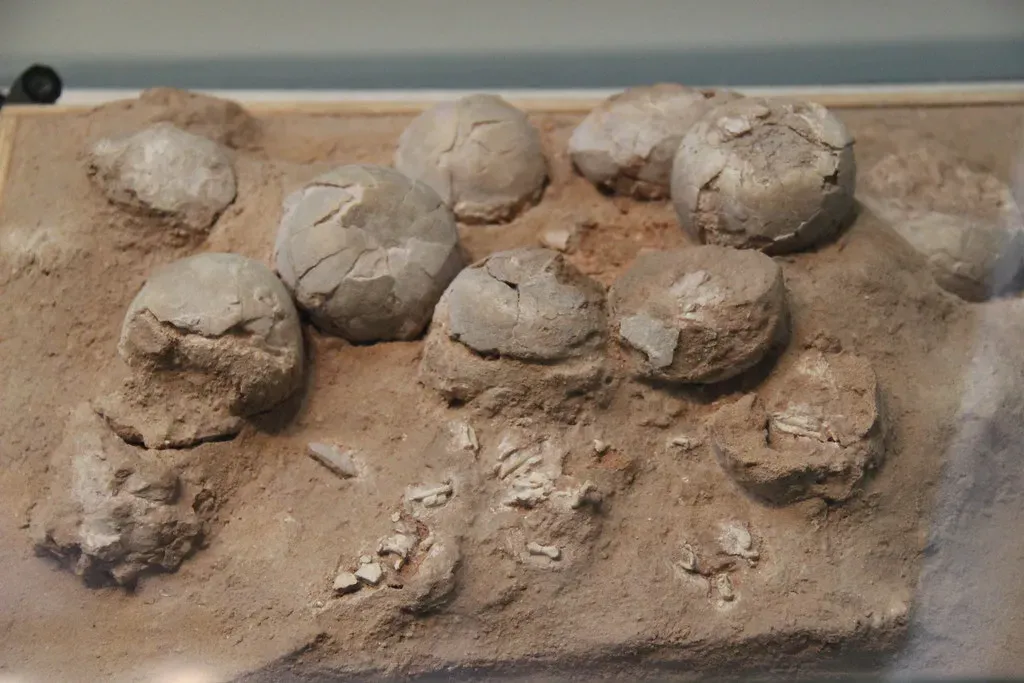
Here’s the thing – for a long time, nobody was even sure dinosaurs laid eggs. It sounds almost ridiculous now, but the reproductive lives of these creatures were a genuine blank. That changed dramatically with a historic expedition into the Mongolian wilderness. In 1923, Roy Chapman Andrews led an expedition to Mongolia’s Gobi Desert, where his team discovered the first known dinosaur eggs. This breakthrough provided invaluable insights into dinosaur reproduction and behavior.
In 1923, scientists from the American Museum of Natural History unearthed the first fossils to be widely regarded as dinosaur eggs. Think of it like finding a baby photo of an entire lineage of creatures. Suddenly, dinosaurs weren’t just terrifying giants – they were parents, nest-builders, and caretakers. Well-preserved Maiasaura nests show how dinosaurs fed and cared for their young, transforming our picture of dinosaur family life from cold-blooded indifference to something far more complex and, honestly, more moving.
6. Mary Anning’s Marine Reptiles and the Mesozoic Ocean
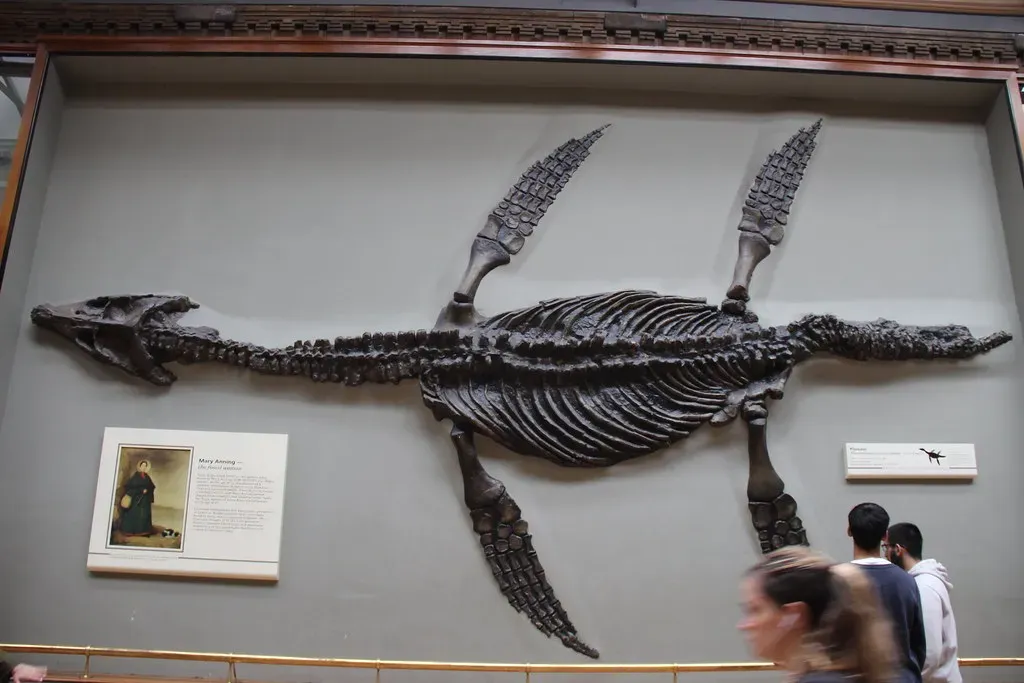
You might not know her name as well as you should, but Mary Anning changed our understanding of prehistoric oceans forever. Working the cliffs of Lyme Regis in England in the early 19th century, she made discovery after discovery that stunned the scientific establishment. Mary Anning, a professional fossil collector since age eleven, collected the fossils of a number of marine reptiles and prehistoric fish from the Jurassic marine strata at Lyme Regis. These included the first ichthyosaur skeleton to be recognized as such, collected in 1811, and the first two plesiosaur skeletons ever found in 1821 and 1823.
In the early 19th century, Mary Anning uncovered the first complete Ichthyosaurus and Plesiosaurus fossils, and these discoveries revolutionized our understanding of marine life during the Mesozoic era. What makes her story even more remarkable – and infuriating, honestly – is that Mary Anning made many fossil discoveries that revolutionized science. However, despite her phenomenal scientific contributions, she was rarely recognized officially for her discoveries. Her discoveries were often credited to wealthy men who bought her fossils. Science owes her an enormous, long-overdue debt.
7. The Burgess Shale and the Explosion of Complex Life
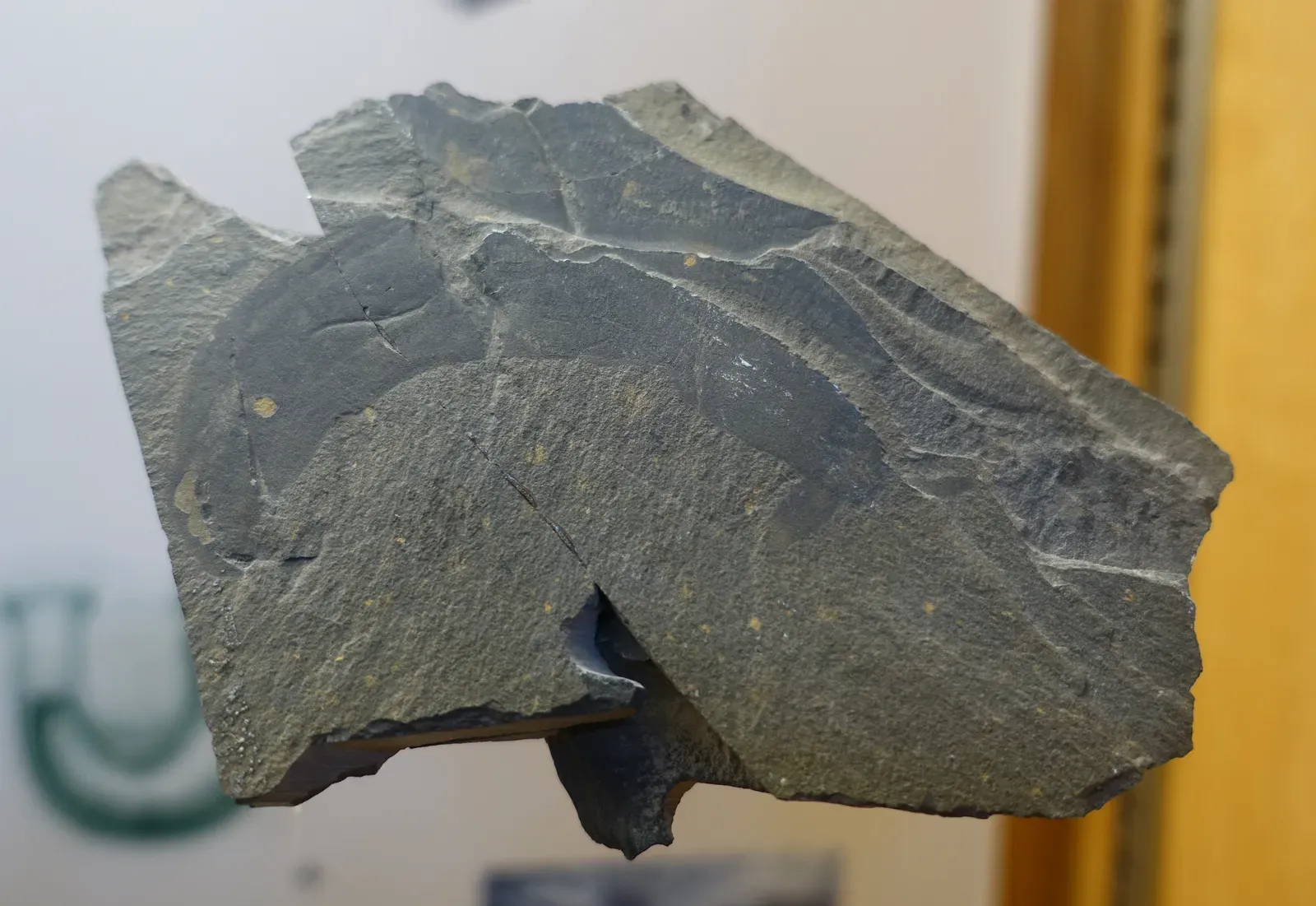
Imagine a snapshot of life from over 500 million years ago, preserved in such extraordinary detail that you can see the soft tissues of creatures that had no bones, no shells – nothing that should ever fossilize. That’s what the Burgess Shale in Canada gave us, and it stunned the world of biology to its core. The last few decades of the 20th century saw a renewed interest in mass extinctions and their role in the evolution of life on Earth. There was also a renewed interest in the Cambrian explosion that saw the development of the body plans of most animal phyla.
Along the banks of China’s Danshui River lies a treasure trove of fossils that may rival the most famous Cambrian fossil assemblage of all, Canada’s Burgess Shale. Researchers have collected over 4,351 specimens at one new site alone, representing 101 different taxa, or groups of organisms. The Burgess Shale in particular revealed creatures so alien-looking that they seemed almost designed by science fiction. It confirmed that life did not gradually grow more complex – it erupted in a burst of biological creativity that still baffles researchers to this day. Let’s be real: nothing in natural history is quite as mind-melting as that.
8. The Denisovans: A Whole New Human Relative
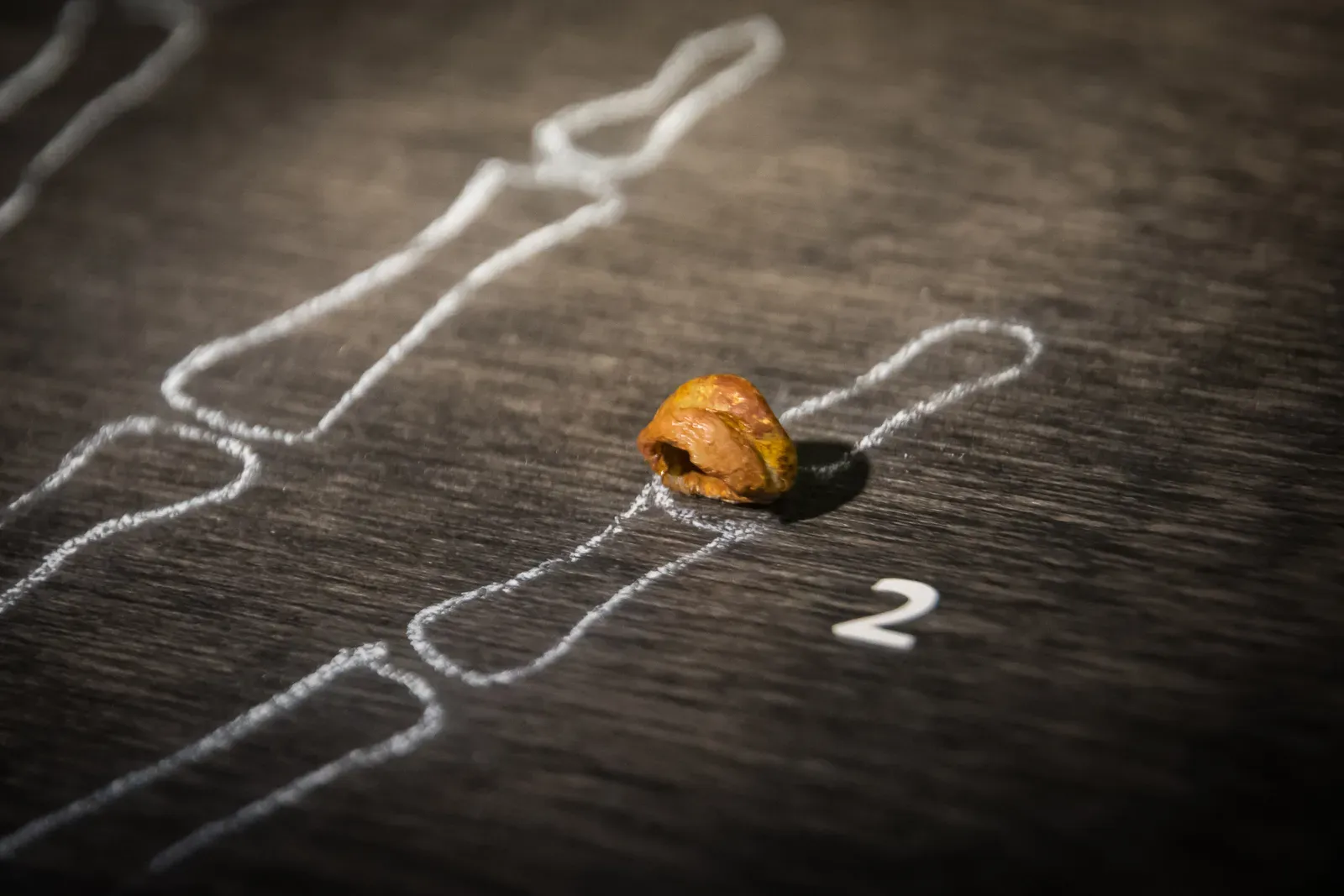
Not all prehistoric life is about creatures with scales and claws. Some of the most profound discoveries concern our own family tree – and few have been more jaw-dropping than the identification of the Denisovans. Picture this: scientists recover ancient genetic material from a fossilized finger bone found in a cave in Siberia, and the DNA doesn’t match anything they’ve ever seen before. When the decade first started, scientists recovered ancient genetic material from a fossilized finger bone found in the Denisova Cave in Siberia. They tested that material and discovered that the DNA didn’t match that of modern humans or Neanderthals.
It’s hard to say for sure just how many relatives of ours once walked this Earth – but every new discovery pushes that number higher. In the past ten years, scientists have found fossils that widen both the geographic and time range of several early human species. One of the most exciting discoveries is of a nearly complete 3.8-million-year-old cranium of Australopithecus anamensis from Woronso-Mille, Ethiopia. Until this find was announced in 2019, researchers had only found bits and pieces of this species from various sites across Ethiopia and Kenya. The human story is far longer, messier, and more crowded than we once assumed.
9. Homo Erectus Migrated Out of Africa Far Earlier Than We Thought
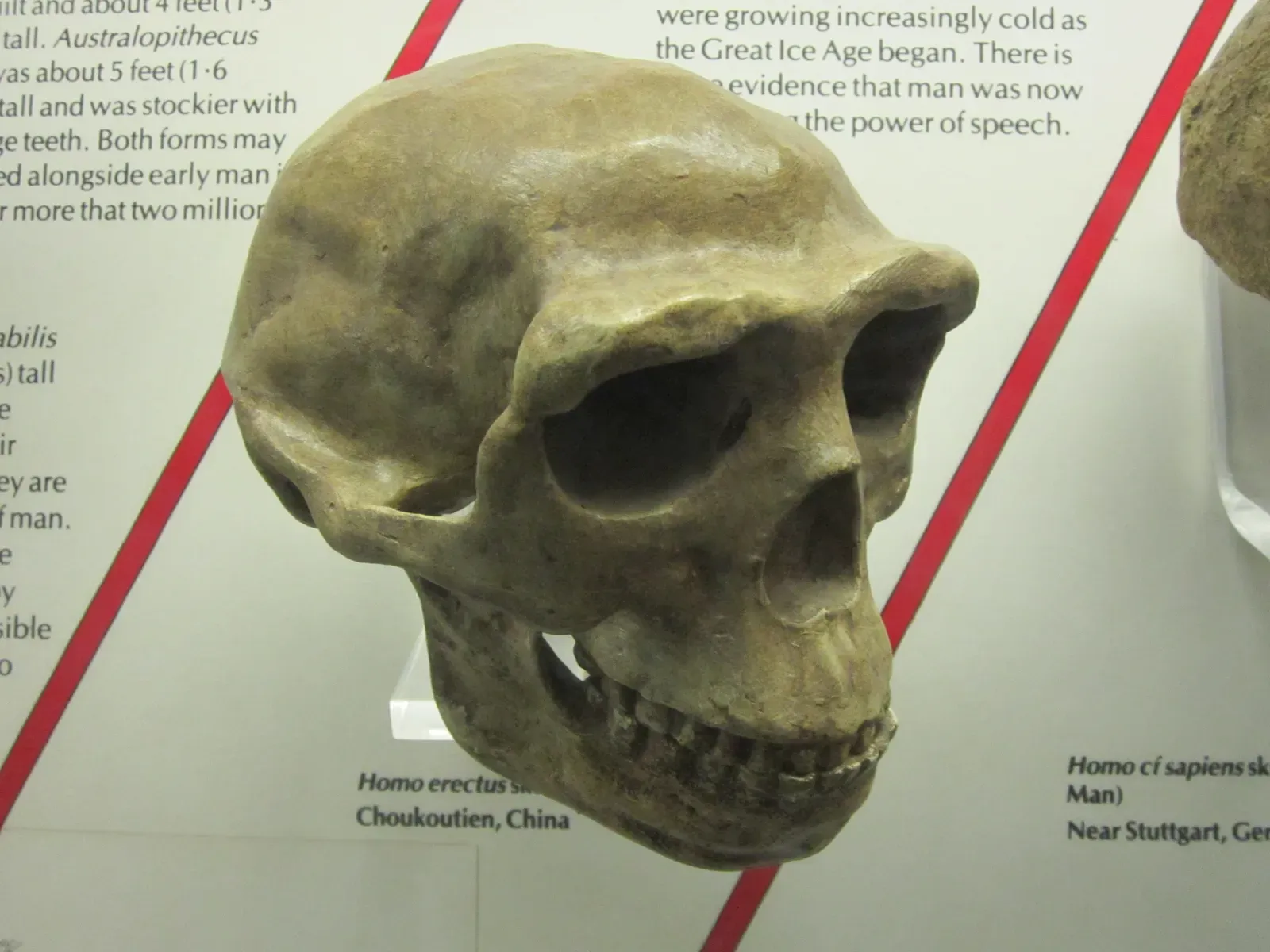
For a long time, scientists had a relatively settled picture of when early humans first ventured beyond Africa. Then the fossil record blew that timeline apart. We thought Homo erectus spread beyond Africa as far as eastern Asia by about 1.7 million years ago. But in 2018, scientists dated new stone tools and fossils from China to about 2.1 million years ago, pushing the Homo erectus migration to Asia back by 400,000 years.
That’s not a minor adjustment – that’s a seismic shift in the story of who we are and how far back our wandering instinct goes. Also in 2018, researchers announced the discovery of an upper jaw in Israel that looked like that of our own species, Homo sapiens. The jaw ended up being 174,000 to 185,000 years old. This discovery, along with others from China and Greece, suggests that Homo sapiens wandered short-term into Eurasia well before the worldwide migration that began 70,000 years ago. Every time you think the timeline is settled, it shifts again – and that’s precisely what makes it so thrilling.
10. Preserved Metabolic Molecules in Fossil Bones
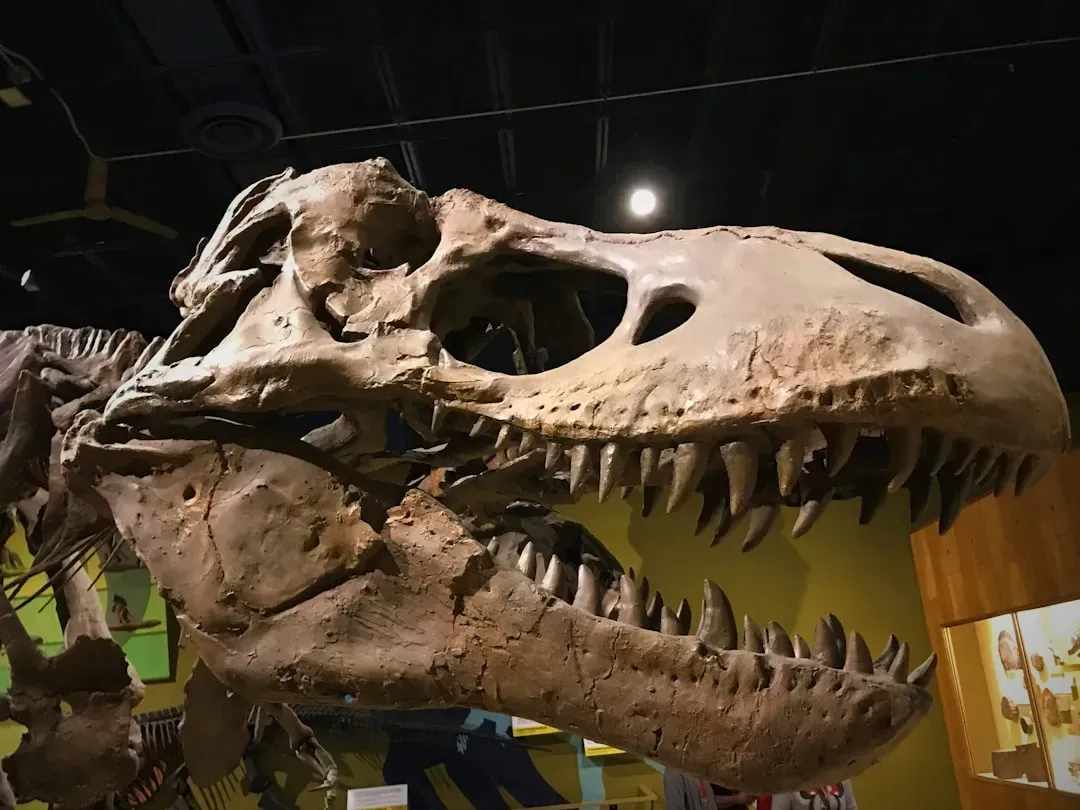
If you thought fossils were just inert stone-shaped ghosts of ancient life, prepare to have your mind changed. Some of the most staggering recent discoveries have come not from finding new creatures, but from peering deeper into the fossils we already have. Researchers have uncovered thousands of preserved metabolic molecules inside fossilized bones millions of years old, offering a surprising new window into prehistoric life. This is the scientific equivalent of finding a live signal in what you thought was a dead machine.
Fossils provide direct evidence for the long history of life, allowing paleontologists to test hypotheses about evolution with data only they provide. They allow investigation of present and past life on Earth, from single-celled microbes to plants and animals. With advances in technology including CT scanners, laser spectrometers, and molecular analysis, from its beginnings, more than three billion years ago, to the present day, fossils record how life adapted or perished in the face of major environmental challenges. The bones don’t just tell you what an animal looked like – increasingly, they tell you how it lived, breathed, and died.
Conclusion
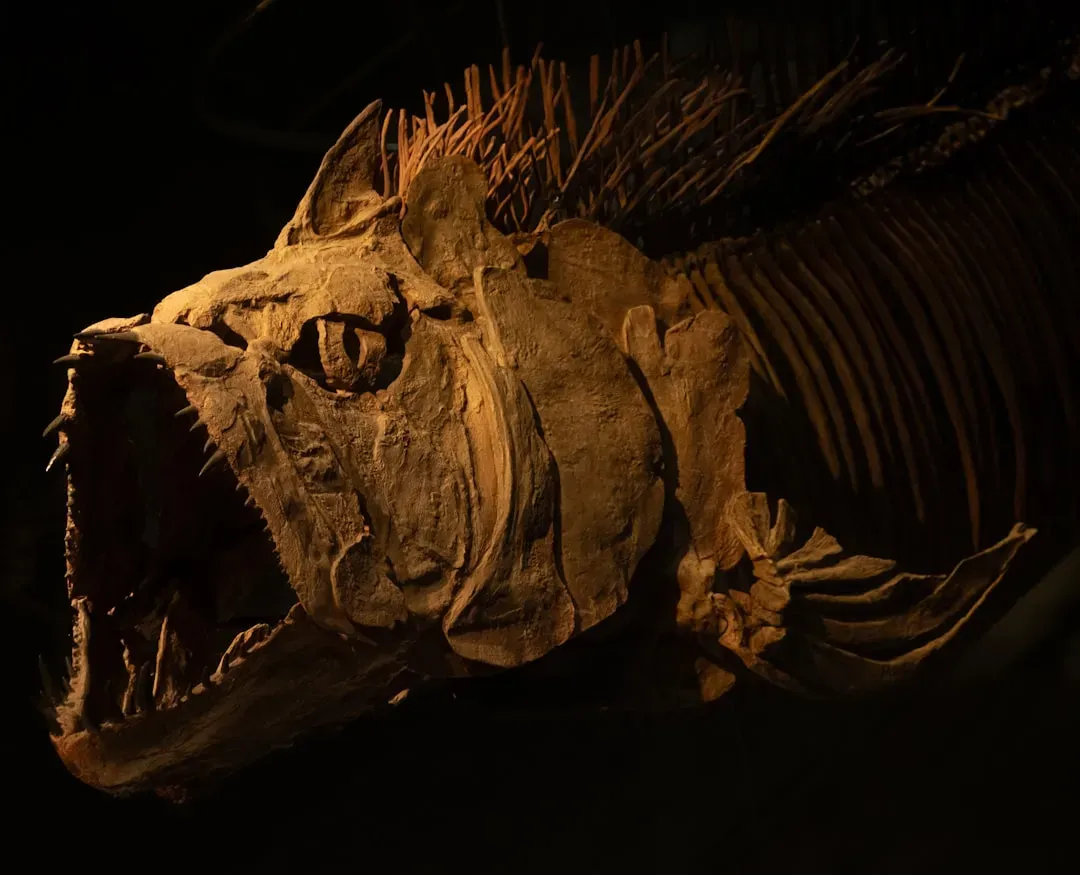
Prehistoric life has a way of making the present feel very small and very young. Every discovery listed here didn’t just add a new species to a catalog – it forced scientists, and all of us, to rethink something we thought we already understood. A walking fish. A feathered dinosaur. A whole new branch of the human family hiding in a finger bone. The history of life on Earth is far stranger, richer, and more surprising than any textbook has ever fully captured.
What makes paleontology so electrifying is that the story never really ends. Right now, someone is chipping away at a rock somewhere, and what they pull out might change everything we think we know – again. Each find not only provides a piece of the puzzle of Earth’s past but also continually reshapes our view of life on this planet. As technology advances and new fossils are unearthed, we can anticipate even more monumental revelations about these fascinating creatures.
Which of these discoveries surprised you the most? Drop your thoughts in the comments – because honestly, the conversation about where we came from is one worth having.