Every millennial remembers that one dinosaur book they practically memorized as a kid: screaming Tyrannosaurus, tail-dragging Brontosaurus, and maybe a volcanic eruption on every page for dramatic effect. Those books were magical. They also quietly smuggled in a ton of “facts” that modern science has completely shredded. Yet they kept being printed, reprinted, reformatted with new covers, and wrapped up as if nothing had changed.
What nobody told parents is that dinosaur science moves fast. Names change, family trees get rewritten, bodies are redrawn, and sometimes entire “species” turn out to be mistakes. But the publishing industry loves a proven seller, so the same outdated spreads get recycled again and again. Let’s walk through ten types of children’s dinosaur books that stuck around long after their science expired – and what you should watch for if you’re handing one to a curious kid in 2026.
The Tail-Dragging Tyrannosaurus Classic
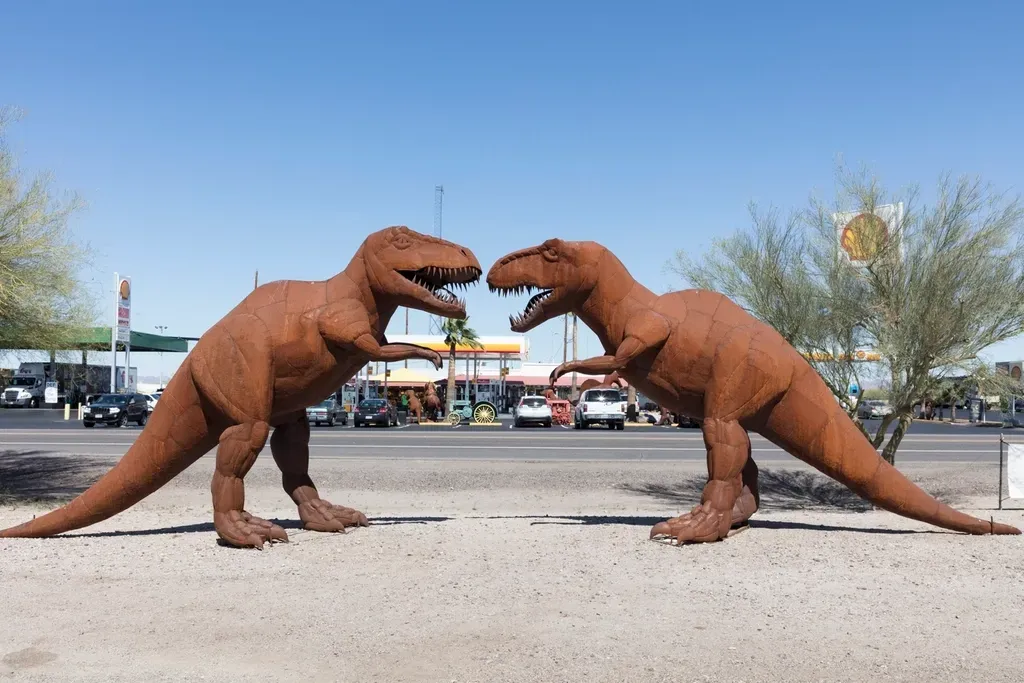
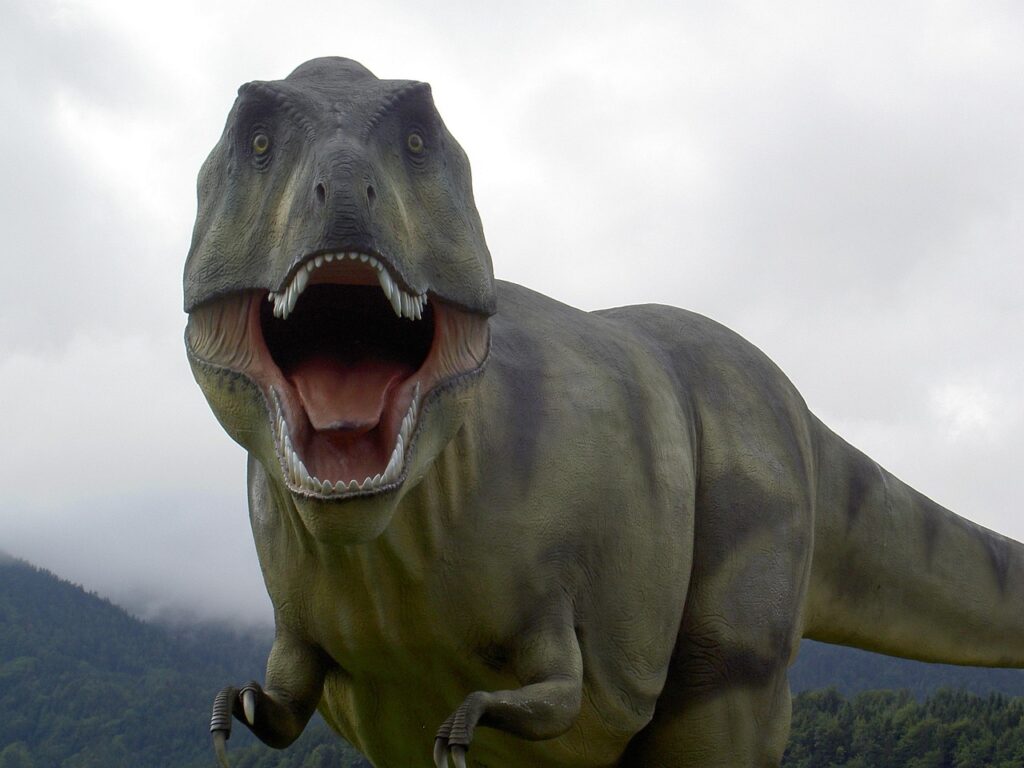
Open almost any dinosaur book from the late twentieth century and you’ll find the same pose: Tyrannosaurus rex standing upright like a monstrous kangaroo, tail plunked on the ground like a third leg. Those illustrations were based on very early interpretations from the first fossil mounts, but they ignore decades of biomechanical research showing that T. rex balanced its massive head and torso with a long, horizontal tail. In reality, it held its body more like a running bird than an upright Godzilla.
Children’s books, however, clung to that tail-dragging stance for far too long because the artwork was already paid for and familiar. Many of those same spreads got re-used in “new” editions with nothing more than a different border color or redesigned title font. The result is that generations of kids grew up thinking T. rex moved like a stiff, lumbering giant, when the evidence points to a powerful, agile predator with a dynamic posture and strong, bird-like legs.
The Brontosaurus That Refused To Die
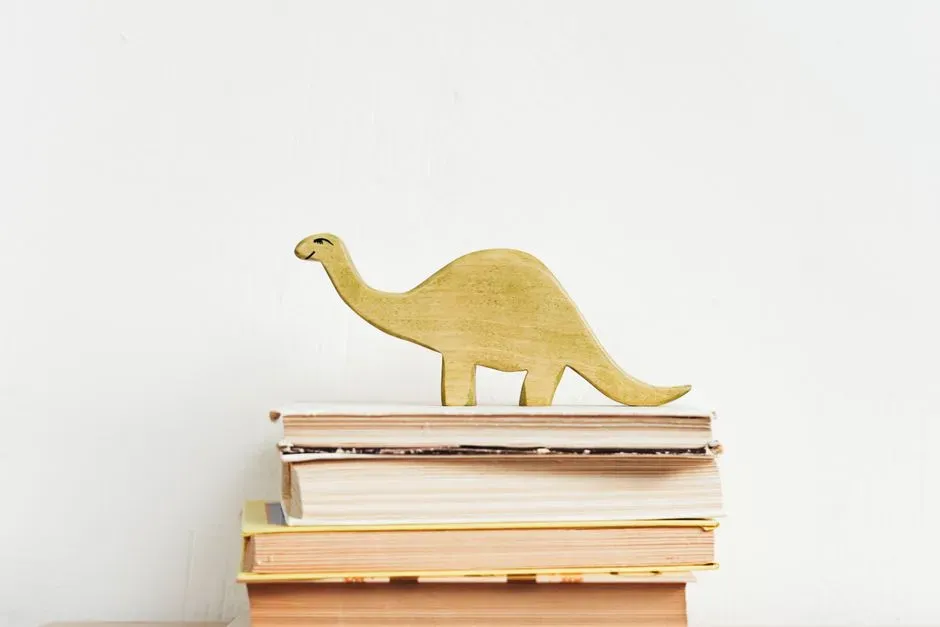
If there’s one dinosaur name that refuses to go extinct, it’s Brontosaurus. For a long stretch, paleontologists considered Brontosaurus a scientific mistake and lumped it into the genus Apatosaurus. While more recent research has revived Brontosaurus as potentially valid again, children’s books from earlier decades tended to copy the name and story from each other in a confused blur, often mixing old and new interpretations without context. Reprints kept that muddle going, so kids were left with a mythic thunder lizard that science had supposedly “banished,” then sort-of “brought back,” but the timeline was rarely clear.
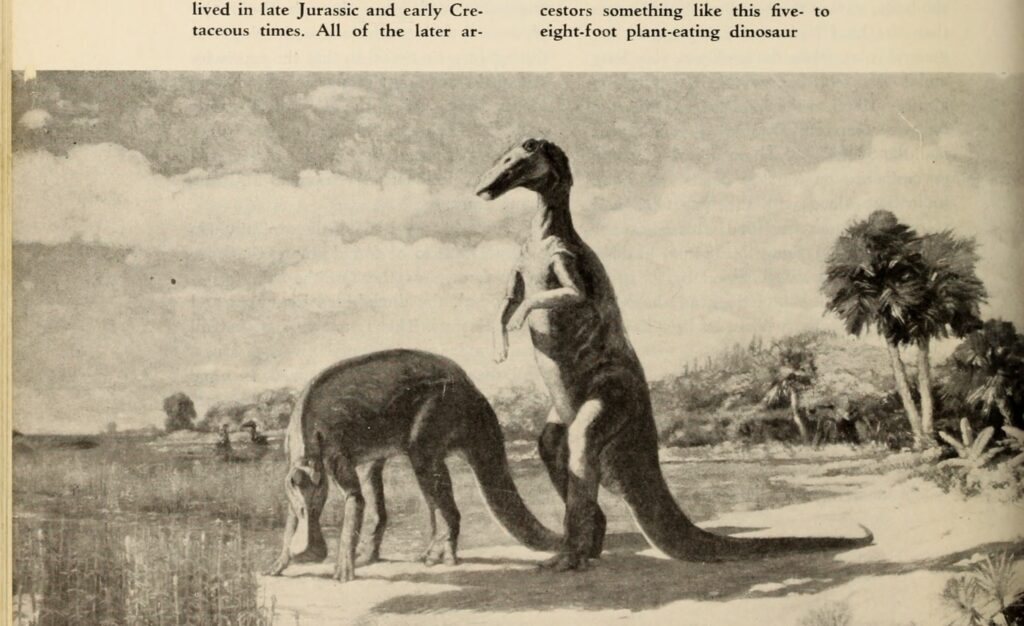
On top of the naming drama, illustrations of Brontosaurus/Apatosaurus often showed it living half-submerged in swamps, body supported by water because its legs were assumed too weak for land. That late nineteenth–century idea has been overturned by modern studies of bone strength and trackways, which show these long-necked giants were well adapted to walking on solid ground. Yet the swamp scenes stayed, because they were already painted, already beloved, and apparently no one wanted to hire an artist to draw a more accurate, land-loving sauropod.
The Scaled-Only Dinosaurs With No Feathers in Sight
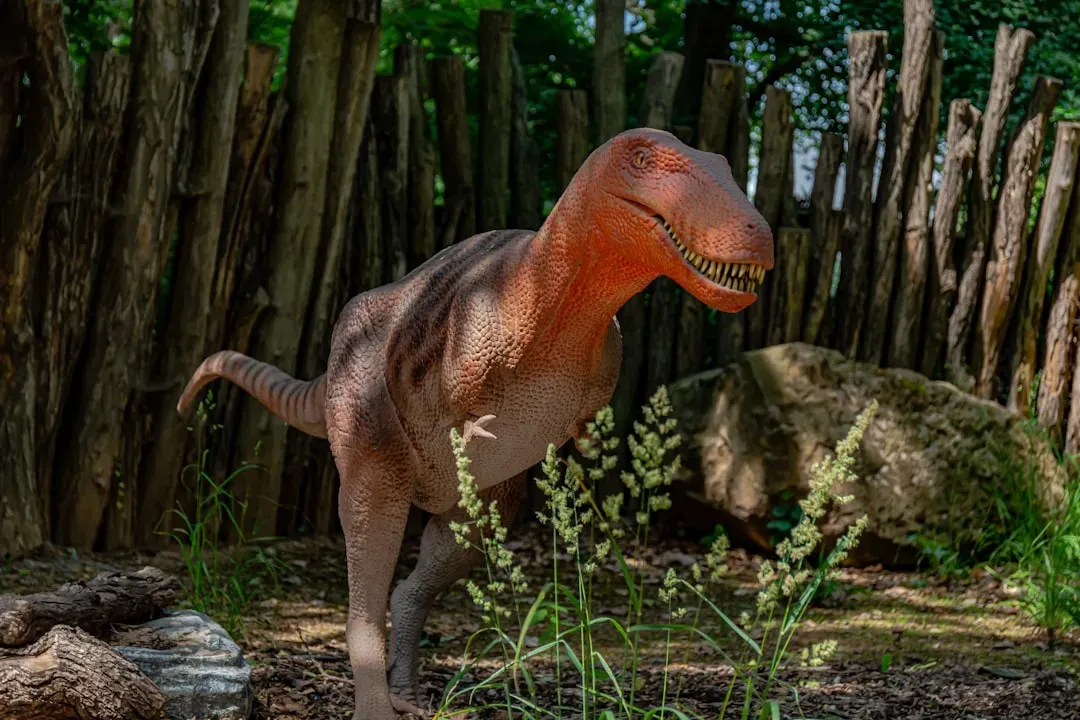
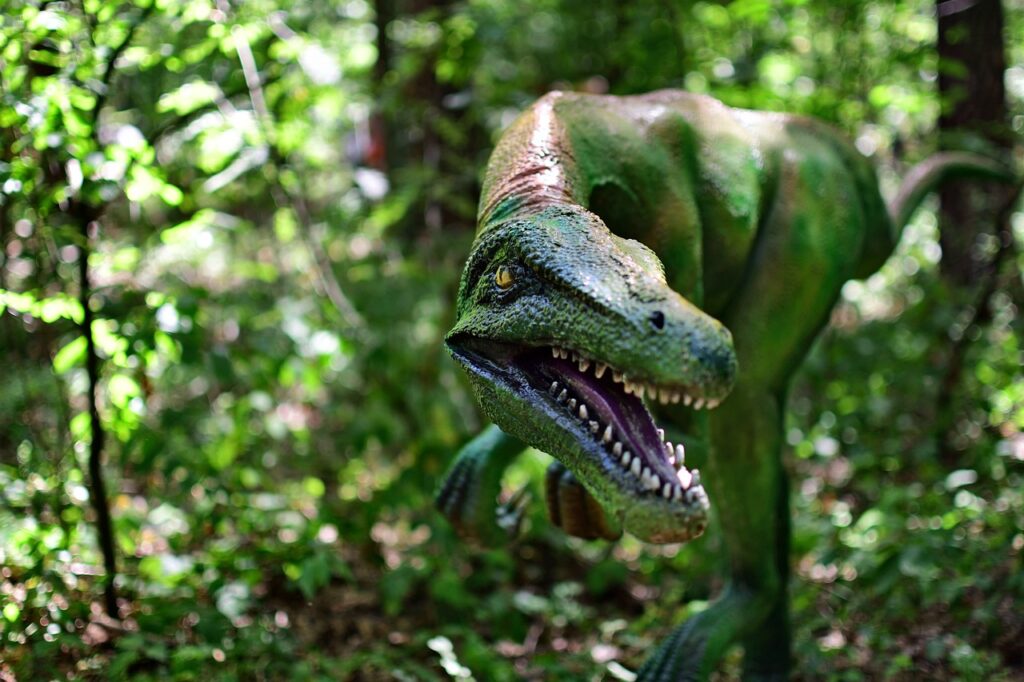
For many adults, the word “dinosaur” still conjures up green, scaly reptiles with crocodile-like skin from nose to tail. That mental image was baked in by children’s books that showed zero feathers, fuzz, or filament-like coverings, even long after fossils started turning up with clear evidence of feathered structures – especially among small theropods, the group that includes Velociraptor and the ancestors of birds. Those books were endlessly reissued with the same smooth-skinned predators, as if feathers were an optional trend rather than a major scientific shift.
By the time feathered dinosaurs became mainstream in scientific circles, publishers already had libraries of art assets showing sleek, scaly creatures. Instead of commissioning new images, many simply kept using the old ones, and kids got dinosaurs that looked frozen in a 1970s imagination. That gap between what scientists knew and what children saw on the page meant that feathered dinosaurs often felt “weird” or “made up,” when in reality the featherless ones were the outdated fantasy.
The Volcano-on-Every-Page Dinosaur Age
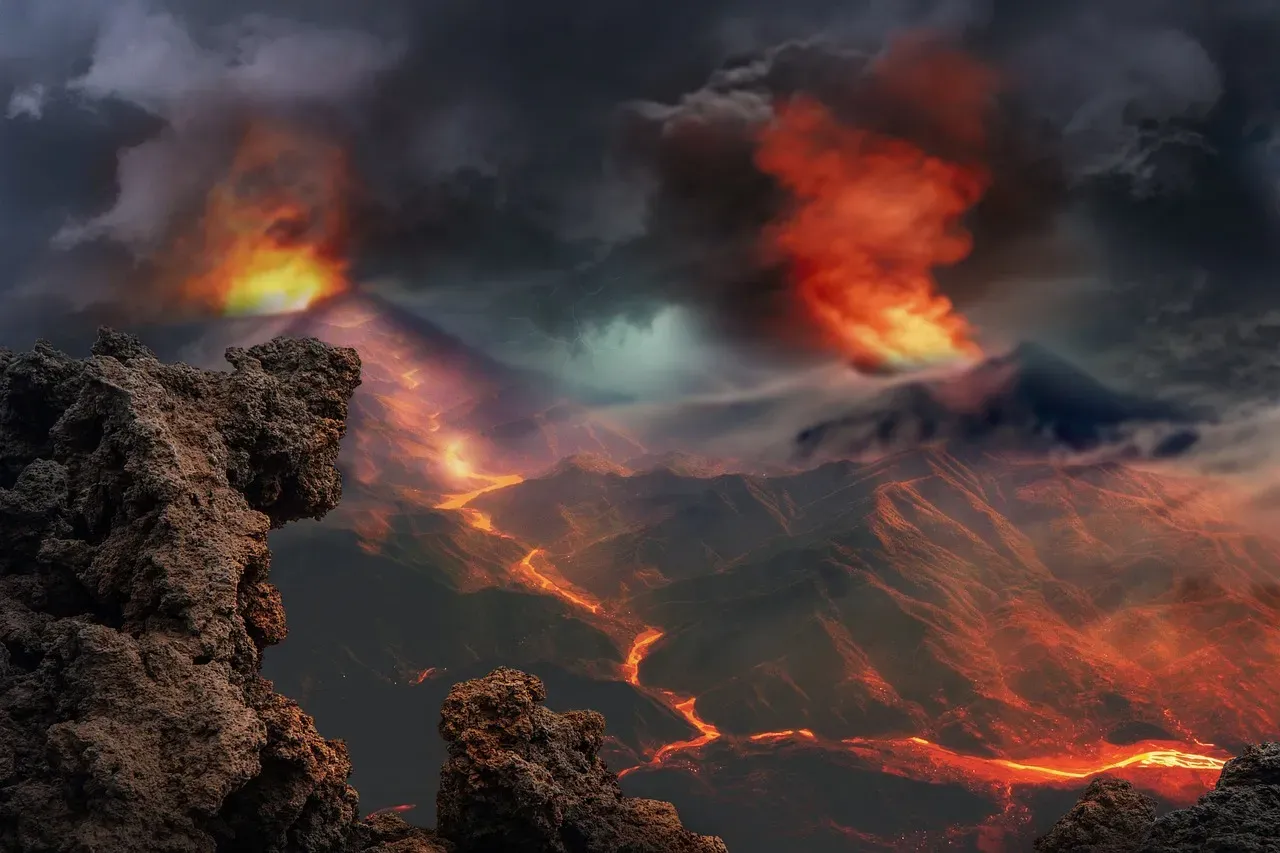
Flip through those classic dinosaur panoramas and count the erupting volcanoes. It can feel like every dinosaur lived within sprinting distance of a lava flow, firestorm, or exploding mountain. The truth is more nuanced: volcanoes absolutely shaped Earth’s history, but dinosaurs did not spend their entire lives dodging clouds of ash. Those constant disaster backdrops come from older ideas about a perpetually violent “age of reptiles” and, let’s be honest, a desire to make every page more dramatic.
As knowledge of ancient ecosystems improved, scientists began to emphasize forests, floodplains, coastlines, and gentle landscapes where animals grazed, nested, and migrated. Yet many children’s books kept recycling the same dramatic scenes – steep, barren cliffs, red skies, rivers of lava – over multiple print runs. It made for thrilling reading, but it quietly taught kids that prehistoric life was nonstop catastrophe, rather than a mix of calm and chaos much like our world today.
The “Cold-Blooded Lizards” That Stayed Reptilian Forever
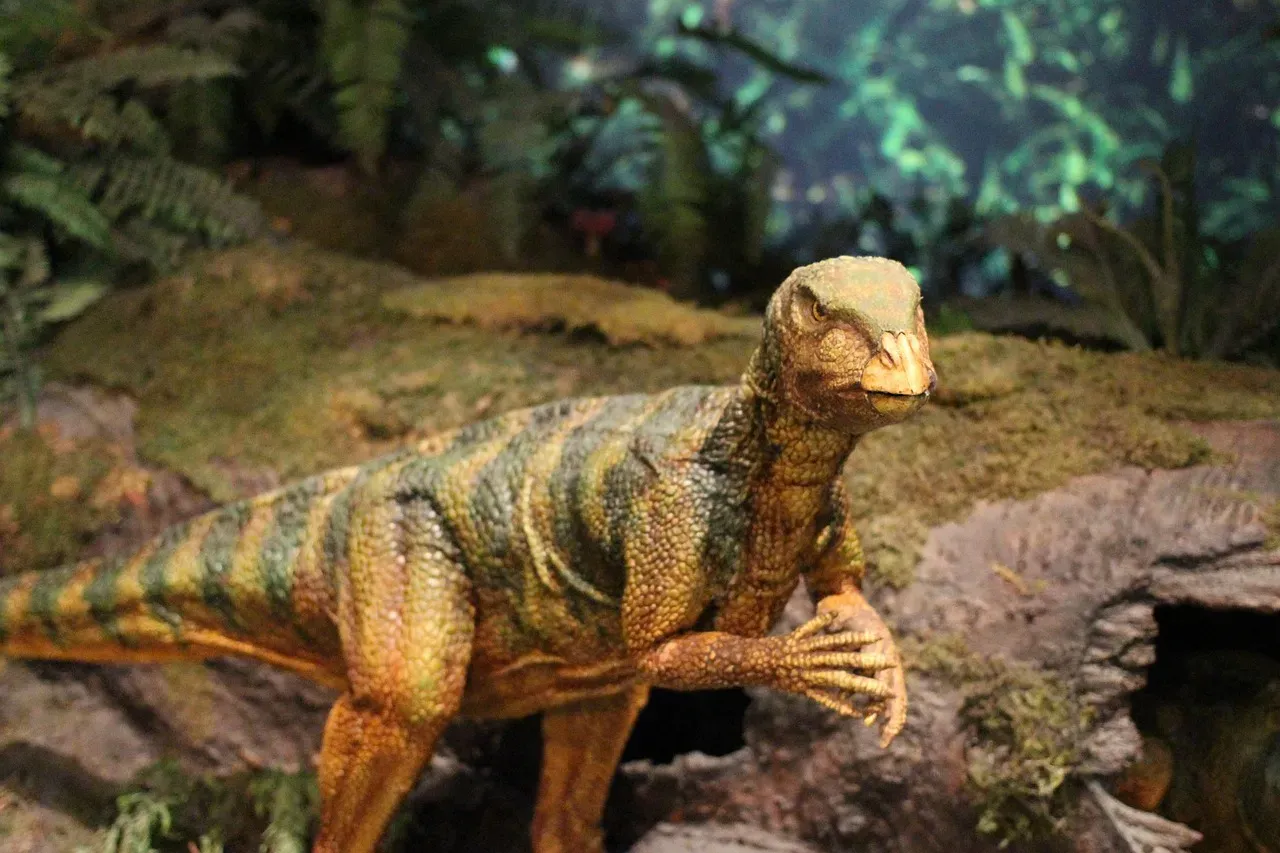
Older dinosaur books loved to stress that dinosaurs were “cold-blooded reptiles,” lumping them mentally with modern lizards and crocodiles. That label lingered in reprints even as scientists debated more complex possibilities: some dinosaurs may have had metabolic rates intermediate between typical reptiles and birds or mammals, with active lifestyles that do not fit the old, sluggish stereotype. But the cold-blooded tagline was simple, and simplicity sells, so it survived far longer in children’s publishing than in serious discussions.
This led to pages full of slow, swamp-dwelling creatures described as lazy, half-asleep giants, even for species we now think were capable of fast movement and sophisticated behavior. Many reissued books never revised the language, so kids kept meeting dinosaurs as oversized lizards that basked and lumbered rather than as dynamic animals with potentially warmer, more active physiologies. It is subtle, but it shapes how a child imagines deep time: either as a sleepy past or a buzzing, energetic one.
The “Man Versus Dinosaur” Storybooks
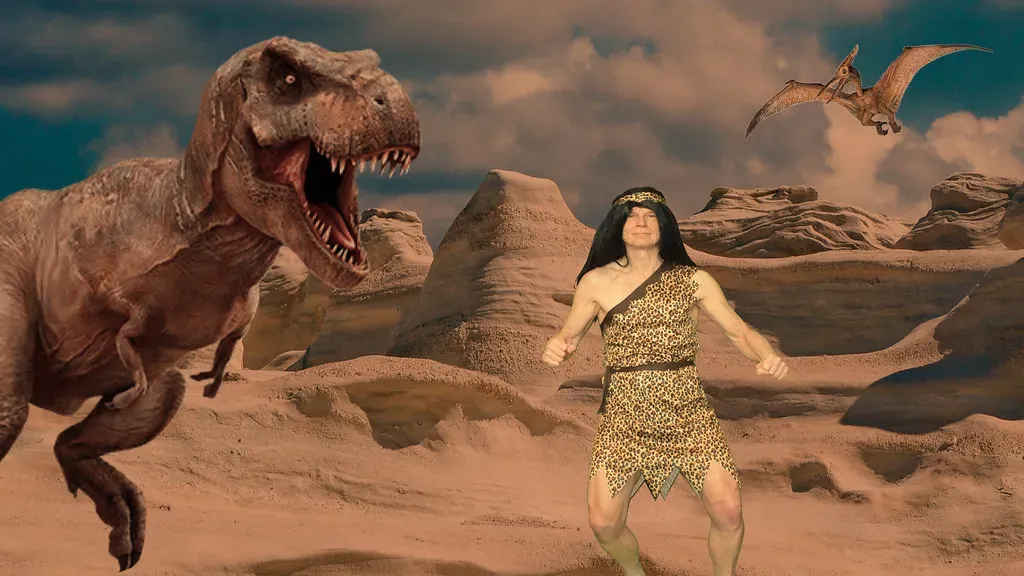
Then there are the picture books that slide from “inspired by science” into pure fantasy while still sounding factual. Cave kids riding Triceratops to school, spear-wielding humans facing off with T. rex, and cozy scenes of early people and dinosaurs sharing the same campfire. For anyone steeped in basic geology, the time gap between non-avian dinosaurs and humans is enormous, but that detail was often buried or never mentioned at all. Because these books got repackaged as new series or re-illustrated editions, the same misleading mashup kept returning to store shelves.
Some editions at least hinted that these were imaginary scenarios, but plenty just presented them with cheerful confidence, as if humans and dinosaurs were neighbors separated only by a stone wall. When those stories were reprinted without clear labels as make-believe, kids could easily walk away with the idea that humans and dinosaurs overlapped in time. It is a small storytelling shortcut that quietly erases tens of millions of years of Earth’s history.
The Overconfident “How Dinosaurs Went Extinct” Explanations
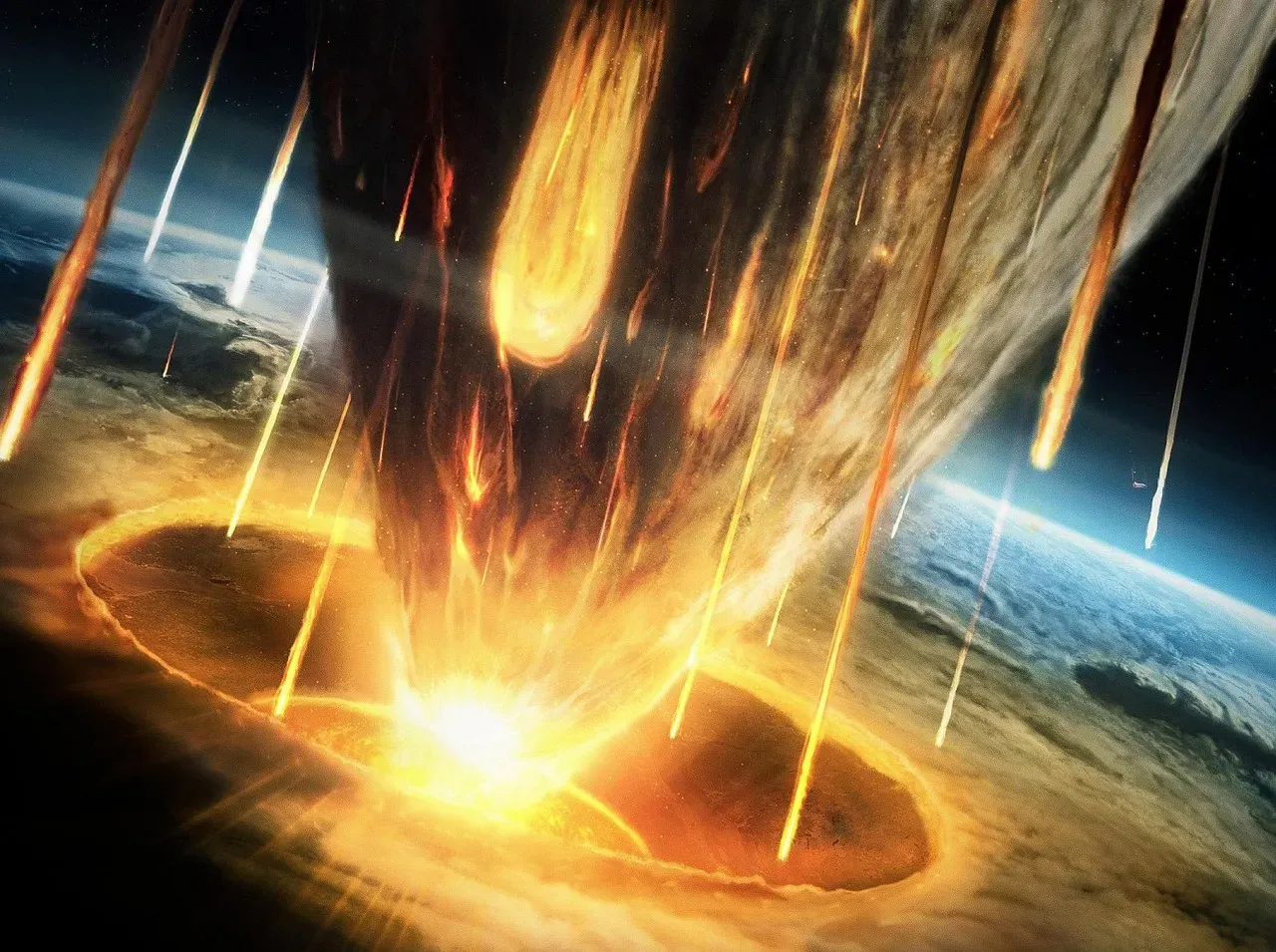
Many older children’s books declared, in bold, certain-sounding language, that dinosaurs went extinct for one single reason: maybe they were too slow, maybe a global freeze killed them, or maybe volcanoes alone were to blame. As research advanced, the asteroid impact hypothesis became central, and scientists explored how it intertwined with climate shifts, ecosystems, and evolving species. But instead of being updated, lots of kids’ titles kept reusing their neat, one-sentence explanations across reprints, as if nothing had changed.
That kind of oversimplified certainty might feel satisfying, but it does not match how science actually progresses. New evidence refines earlier ideas, and explanations often become more layered rather than more tidy. When publishers continue to circulate old “we already know exactly what happened” language, they miss a chance to teach kids something powerful: that science changes its mind when the data demands it, and that this is a strength, not a weakness.
The Static Dinosaur Family Trees
Family trees in children’s dinosaur encyclopedias often look clean and final: one straight line from primitive reptile to advanced dinosaur, tidy branches labeled with confident group names. The reality behind the scenes is messy, full of revisions as new fossils are found and old classifications are questioned. Yet dinosaur family charts from decades ago were snapped into place and printed over and over, even as experts debated where certain species fit or whether some long-used groupings still made sense.
Because redrawing those charts requires real work and expert input, many publishers simply re-used the old diagrams, maybe with a new border or color scheme. Kids ended up with neat, outdated trees that gave the impression dinosaur evolution was solved long ago. That may make it easier to memorize, but it hides the excitement of discovery: that a single new fossil can reorder branches and force everyone to rethink how these animals are related.
The “Dinosaurs Were All Huge” Oversized Bestiaries
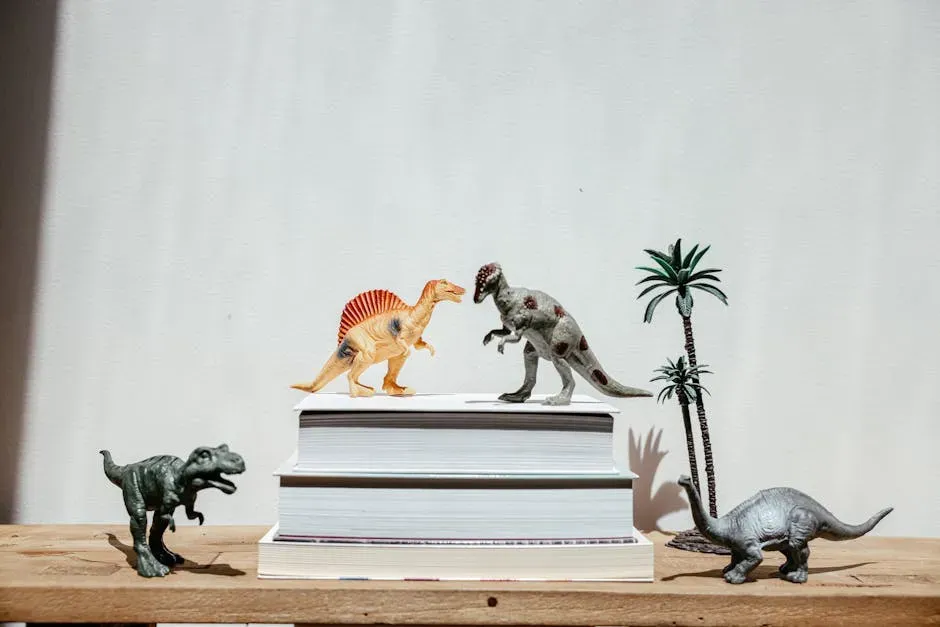
Another recurring offender is the kind of book that only shows the giants: enormous sauropods, towering carnivores, tank-like armored beasts, all drawn as large as possible. Tiny dinosaurs, small feathered hunters, or delicate early forms barely appear, if at all. Those big-animal coffee-table spreads looked impressive, so they were re-used in new printings, often without adding the smaller species that would balance the picture. The unspoken message is that all dinosaurs were massive monsters.
Modern finds paint a very different picture, with many species roughly the size of a dog, turkey, or cat. Failing to show those in reprints not only misleads kids about dinosaur diversity, it also makes these animals feel distant and unreal, more like movie monsters than members of ancient ecosystems. When every page screams “giant,” it becomes harder for a child to imagine the quieter, subtler stories of small dinosaurs darting through undergrowth or hiding from larger predators.
The Timelines That Treat Birds as a Separate Story
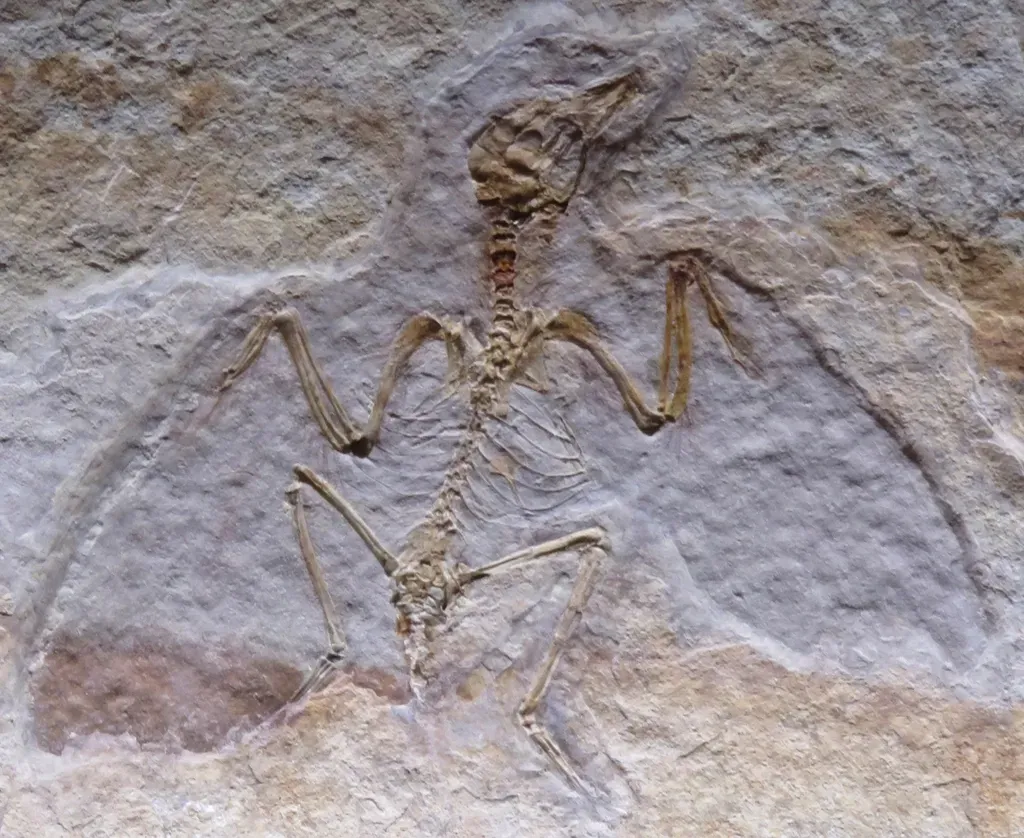
Older children’s dinosaur books often end with a final, tragic spread: dinosaurs disappear, the age of reptiles ends, and then the book cuts to a completely different chapter about the rise of birds, as if they were unrelated newcomers. Many modern scientists, though, see birds as living dinosaurs – descendants of one branch of theropods that survived and thrived. Despite this shift, lots of reprinted titles have kept the artificial divide, never weaving birds into the dinosaur narrative in a meaningful way.
That editorial choice matters because it subtly frames extinction as a total, irreversible wipeout, instead of a transformation in which some lineages continue on in new forms. When kids never see birds presented as part of the dinosaur family story, they miss a delightful connection: that the pigeon on the sidewalk or the hawk overhead is, in a very real evolutionary sense, a dinosaur that made it through. Updating that story would demand revising text and art, and many reprints simply did not bother.
Conclusion: Why This All Matters More Than Nostalgia
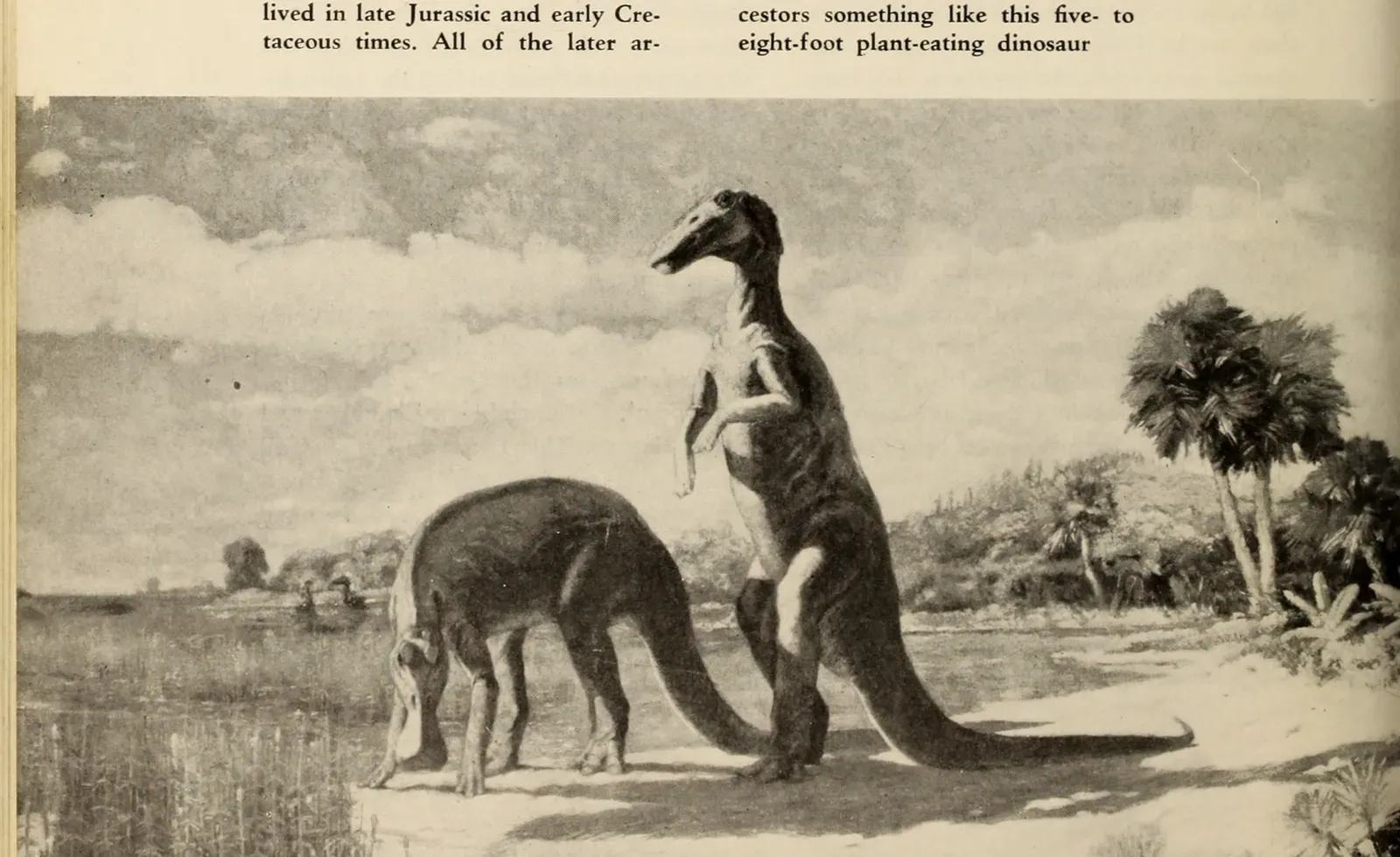
It is tempting to shrug and say these are just kids’ books, that a few wrong poses or outdated labels do not really hurt anyone. But the first time a child hears about deep time, evolution, and extinction often comes from these pages. If that first impression is built on facts that no longer hold up, and those same images keep being reprinted for decades, we are quietly teaching kids that science is static wallpaper rather than a living, changing process. In my view, that does them a real disservice.
I still have a soft spot for the dinosaur books I grew up with, but I also wish someone had cared enough to update them instead of treating old artwork as almost sacred. Kids can handle the idea that knowledge changes; many actually love hearing that scientists had to rewrite the story. Maybe it is time we hold children’s dinosaur publishing to a higher standard than “the pictures still sell.” The next time you pick up a dino book, will you flip through with a skeptical eye and ask whether the science inside has actually caught up with the cover date?