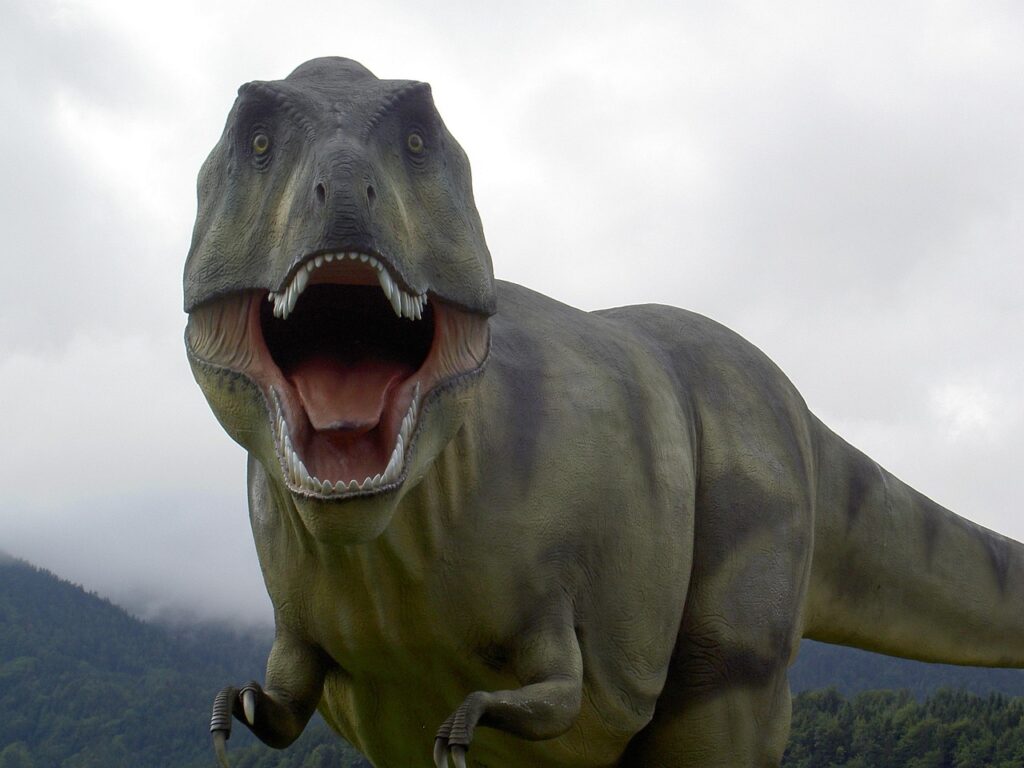
Imagine sitting in a dark theater, the ground shaking, a T. rex stepping out of the jungle… and it does absolutely nothing. No roar, no scream, just the thud of footsteps and the hiss of breath. It would feel wrong, maybe even broken, like the sound system had died. Yet, oddly enough, that quiet version might be a lot closer to how real dinosaurs moved through their world than the deafening monsters we see on screen.
The uncomfortable truth is this: cinematic dinosaurs are designed less like animals and more like rock stars on tour. They are loud because loud is fun, loud sells tickets, and loud gives your popcorn a reason to jump. Science, on the other hand, suggests something far subtler, stranger, and in many ways more unsettling. Once you see how far the movies drift from what we actually know, you start to realize that dinosaur roars are less about prehistory and more about Hollywood’s addiction to noise.
The Quiet Truth: What Real Dinosaurs Probably Sounded Like
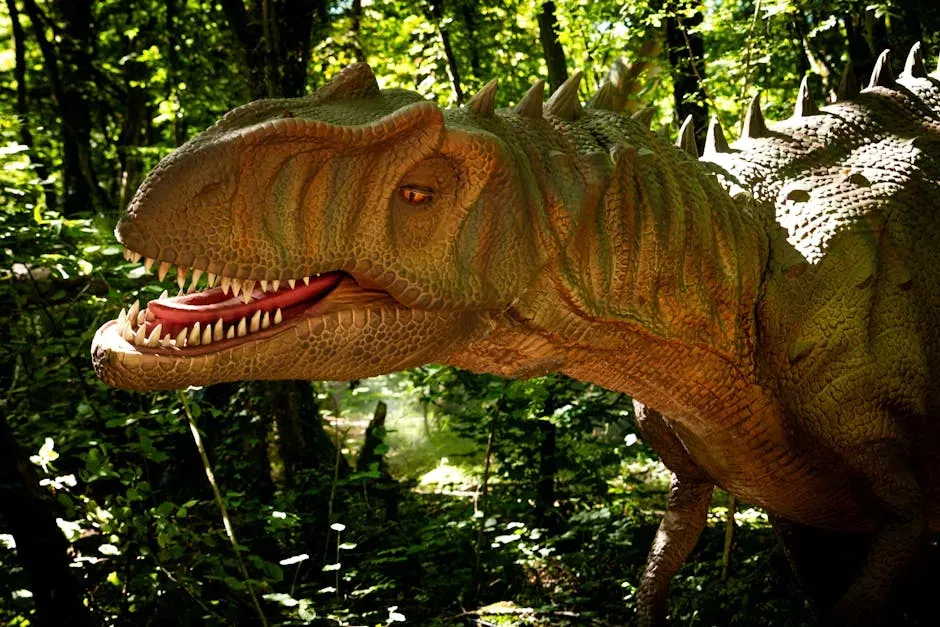
One of the most surprising things paleontologists will tell you is that we do not have good evidence that big theropods like Tyrannosaurus rex ever made the classic lion-plus-elephant cinematic roar. The fossil record is stingy about soft tissues like vocal cords, so scientists have to reverse-engineer dinosaur sounds from bones, related animals like birds and crocodiles, and basic physics. That detective work suggests many dinosaurs likely produced low, deep, possibly even infrasonic sounds, more like a rumbling alligator or a booming emu than a screaming Hollywood dragon.
Some reconstructions propose that large dinosaurs may have used resonant body cavities, air sacs, and closed-mouth vocalizations: deep rumbles, pulses, and booms you would feel in your chest more than hear in your ears. Picture a pigeon coo scaled up to the size of a bus, or a crocodile’s low bellow stretched across a football field. That is eerie, powerful, and frankly more alien than the standard roar. But because it does not explode out of the speakers in a way audiences expect, it rarely makes it into the final cut.
From Lions and Tigers to T. rex: How Sound Designers Build Fake Roars
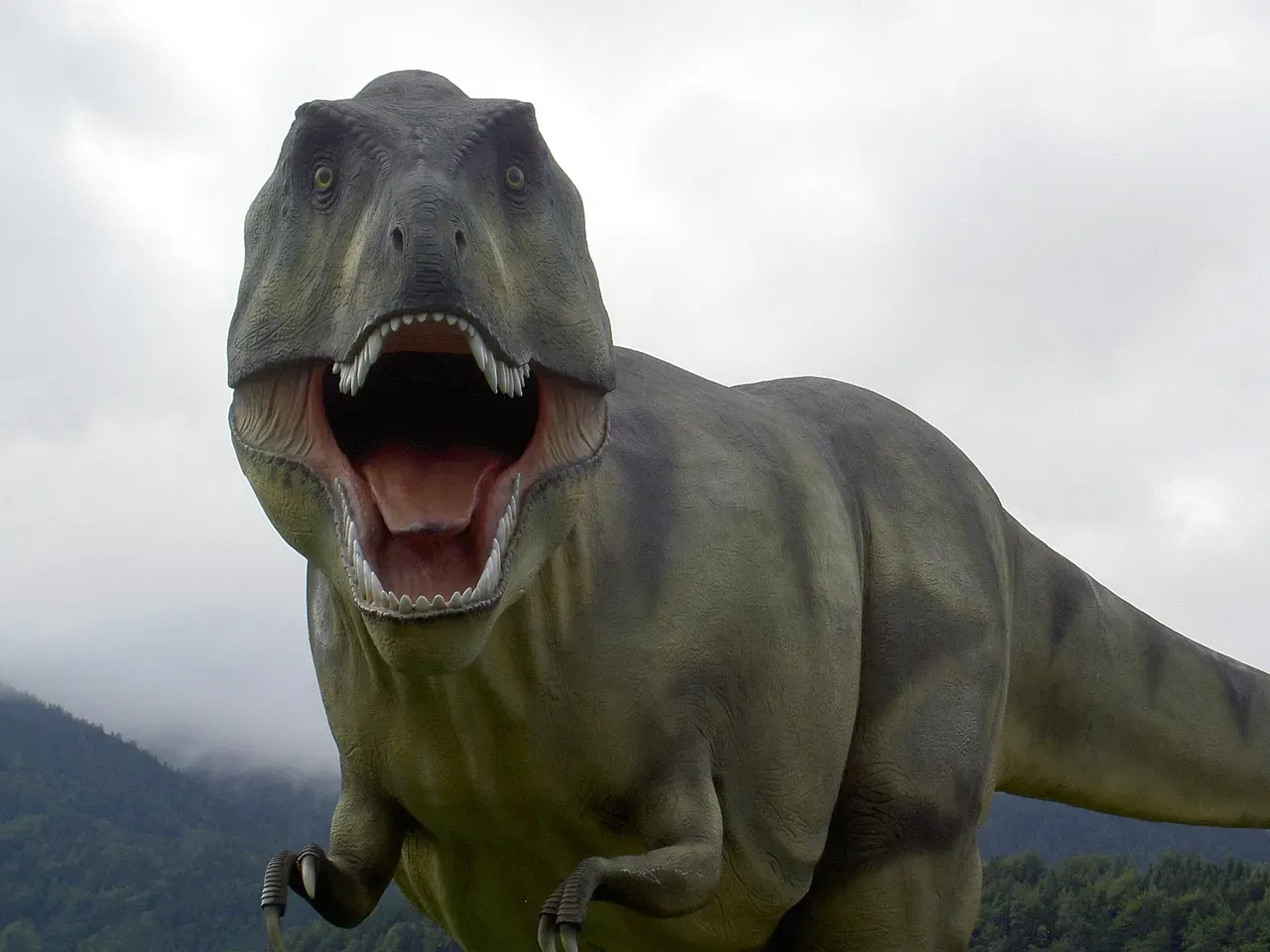
Here’s the dirty little secret of dinosaur sound design: your favorite dinosaur roar is usually a Frankenstein’s monster of entirely modern animals. Sound teams blend big cats, elephants, bears, whales, birds, slowed-down donkey brays, even creaking doors and distorted machinery. They layer, pitch-shift, and stretch these sounds until they create something huge, aggressive, and vaguely reptilian enough to pass as prehistoric.
This approach is pure cinema, not science. The priority is emotional response, not anatomical plausibility. The roar has to cut through explosions, a full musical score, and a crowded theater, so it gets pushed to the front, sharpened, and boosted until it feels larger than life. In that sense, a dinosaur roar is closer to a guitar solo in a heavy metal track than to anything that ever echoed through the Late Cretaceous forests.
Silence Is Scarier: Why a Realistic Dinosaur Might Hardly Make a Sound
In nature, broadcasting your presence is often a bad idea. Apex predators tend to be sneaky, not theatrical. Big cats stalk silently, crocodiles lurk motionless, and sharks glide without a whisper. If dinosaurs functioned anything like today’s top predators, the last thing a T. rex would want to do is roar loudly while trying to ambush a hadrosaur dinner. Silence is a hunting strategy. Noise is a liability.
There is also the simple matter of energy. Calling out takes effort, and animals typically vocalize when there is a clear purpose: mating, territory, warning, or distress. They do not spend their days screaming just to sound cool. A realistic dinosaur day might have been mostly footsteps, vegetation crunching, occasional breaths, maybe a low boom during a display. That kind of quiet, punctuated by rare intense sounds, is a lot more believable scientifically – yet far less convenient for a movie that wants to announce danger every thirty seconds.
Why Hollywood Will Always Choose Noise Over Accuracy
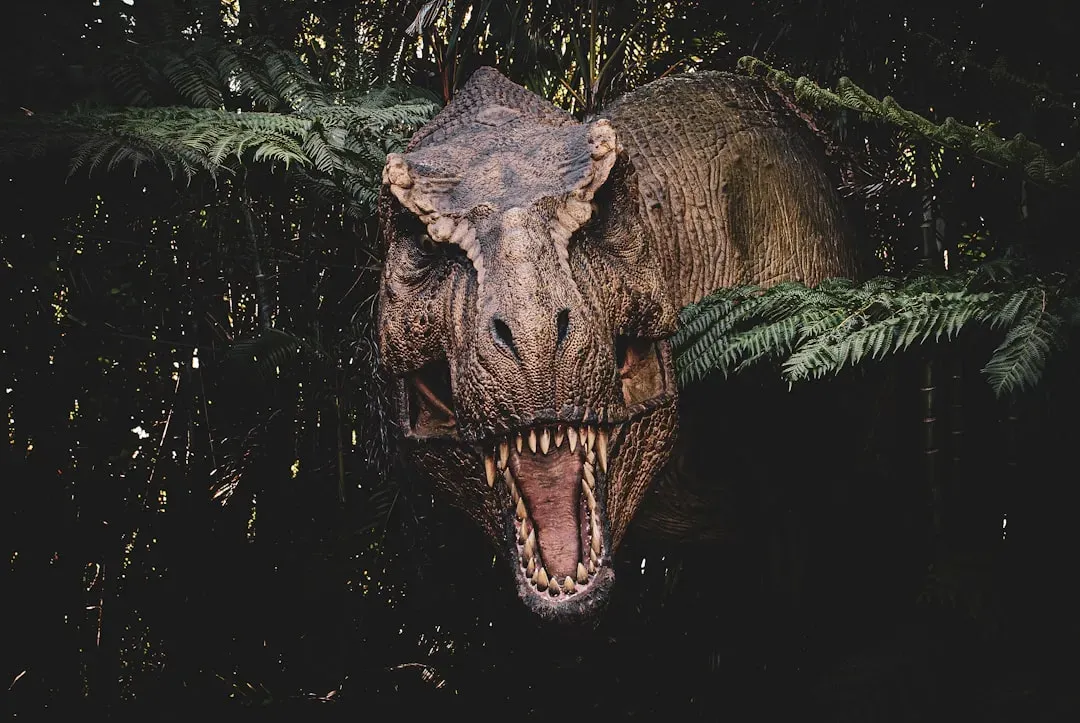
Hollywood is not in the truth business; it is in the emotion business. Directors and studios are brutally honest about this behind the scenes: if the scientifically accurate option is subtle and the inaccurate one is loud, flashy, and instantly legible, nine times out of ten the loud option wins. When a dinosaur roars, it tells the audience exactly how to feel – afraid, tense, excited – without needing a single line of dialogue.
There is also a baked-in expectation problem. Generations have grown up with roaring dinosaurs, so anything else risks being labeled wrong, even if it is closer to reality. If a filmmaker delivered a mostly silent T. rex that only occasionally emitted a chest-rattling low boom, test audiences might complain that it did not feel dinosaur enough. So studios double down on the familiar: the roar becomes a brand, a logo in sound, and scientific nuance gets shoved off the soundstage.
The Science of Sound vs. the Spectacle of Cinema
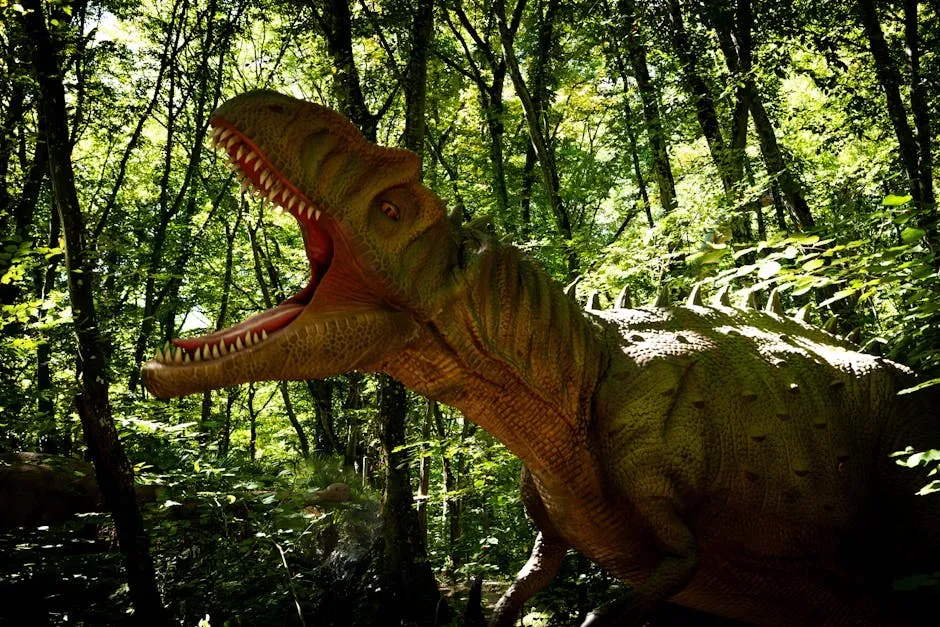
From a scientific standpoint, the way dinosaurs produced sound would have been constrained by physics, anatomy, and environment. Air sacs, bone structures, and respiratory systems all set limits on what is actually possible. Many modern birds and reptiles use relatively quiet or low-frequency calls that carry well over short or medium distances without blowing out eardrums. Dinosaurs, especially large ones, would have had to deal with similar trade-offs between volume, energy cost, and acoustic clarity.
Filmmakers, by contrast, work under an entirely different set of constraints. They have surround sound systems, subwoofers, and a global box office to think about. They want a dinosaur call that cuts through car chases, collapsing buildings, and orchestral scores. So the sound gets exaggerated, sharpened, and inflated. The resulting roar satisfies narrative needs but casually ignores anatomical limits, much like giving every ancient warrior a perfectly shiny metal breastplate that no archaeologist ever found.
As someone who loves both science and movies, I feel that tension every time I hear a dino roar on screen. Part of my brain is thrilled, the other part is quietly whispering, “There is no way that throat did that.” It is a constant tug-of-war between what we know and what we want to feel.
Dinosaurs as Rock Stars, Not Animals
One reason the roaring feels so natural on screen is that Hollywood does not really treat dinosaurs as animals; it treats them as performers. They are framed like celebrities: dramatic entrances, spotlight shots, signature moves, and, of course, signature sounds. A dinosaur without a roar is like a rock star without an opening riff – cinema has trained us to expect that audio fingerprint.
In reality, animals are messy, inconsistent, and often surprisingly quiet. A real tyrannosaur might have spent most of its time doing entirely unsexy things: resting in the shade, walking slowly, sniffing, testing the air, interacting with others using subtle body language. That low-key reality clashes with the blockbuster fantasy of a creature that screams its way through every scene. The roar is shorthand for “this is important, this is powerful,” which makes for efficient storytelling but lousy zoology.
When Movies Accidentally Get Closer to the Truth
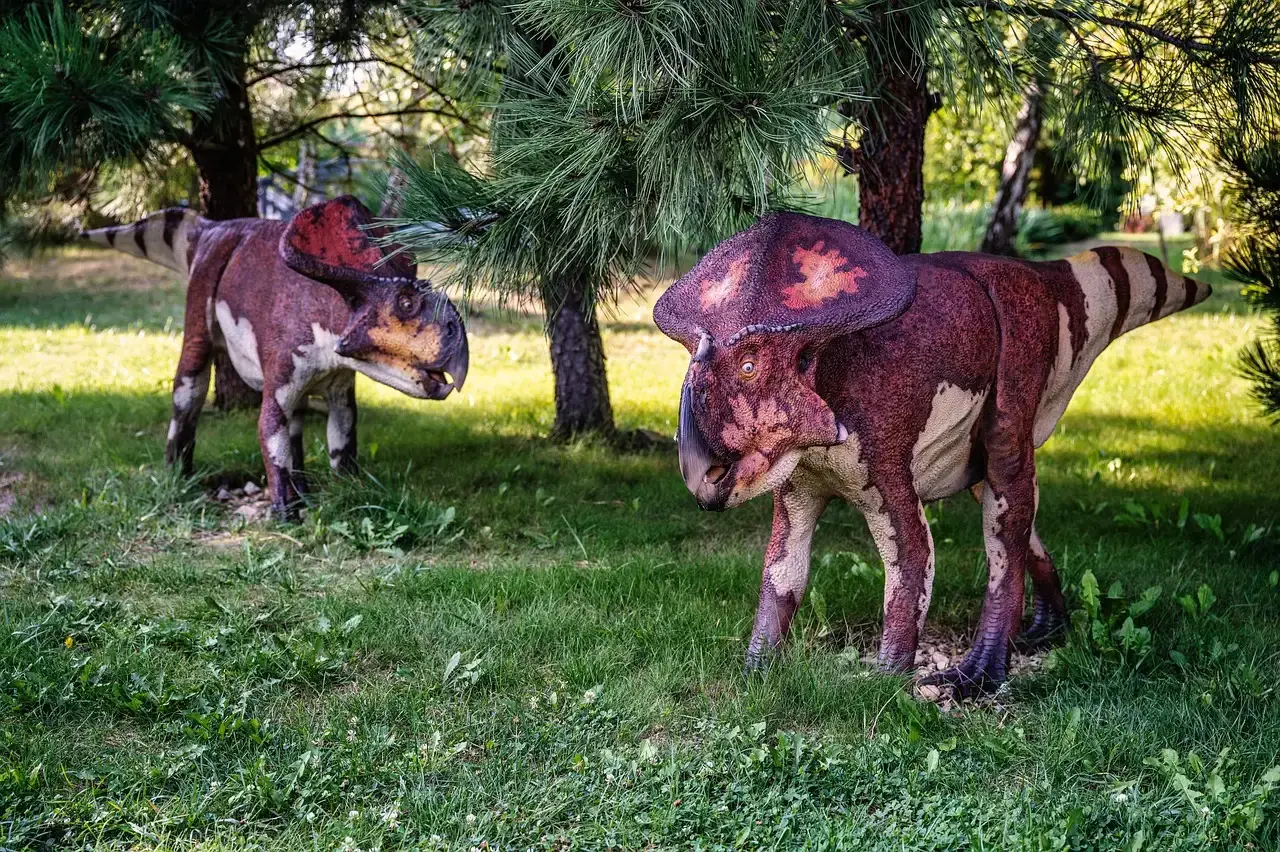
Every once in a while, a film leans into quieter, stranger dinosaur sounds or even long stretches of near-silence around the animals, and you catch a glimpse of how unsettling accuracy could be. Low booms, distant thuds, rustling foliage, and heavy breathing can create a different kind of dread: one where you feel the dinosaur more than you hear it clearly. That kind of design lines up better with how large animals actually move through landscapes.
Unfortunately, those subtle moments usually get overshadowed by the big money shots where the full cinematic roar kicks in. The marketing needs a trailer moment, the audience wants something to imitate on the way out of the theater, and the more nuanced approach gets pushed aside. It is like watching a documentary briefly poke through the cracks of a superhero movie before the cape and theme music rush back in.
Could a Truly Accurate Dinosaur Movie Even Work?
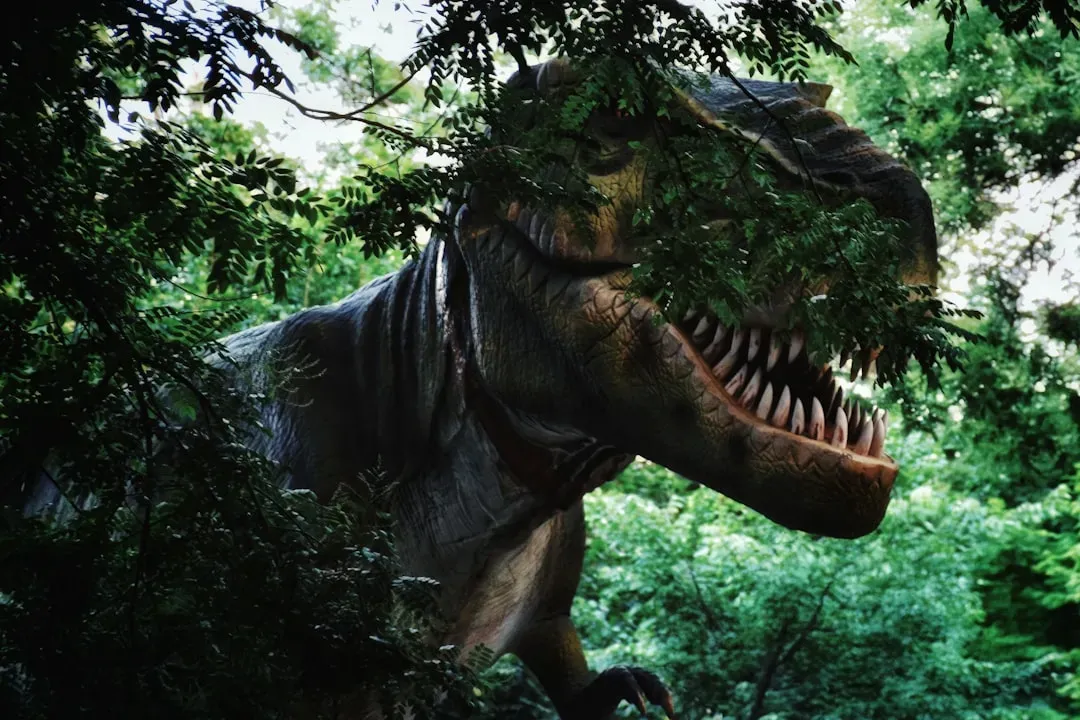
There is an interesting thought experiment hiding underneath all this: would a rigorously accurate dinosaur movie even be watchable for mainstream audiences? Imagine no exaggerated roars, more birdlike behaviors, a lot of quiet stalking and tension, and soundscapes built from subtle low-frequency calls and environmental noise. That film might be incredible for science nerds and nature lovers but could feel slow or confusing to viewers raised on clear, loud cues.
Personally, I think there is an untapped niche there. Just like some people seek out grounded war movies or realistic space dramas, there is room for “slow dinosaur cinema” that respects what we know about these animals. But it would take a brave director and an even braver studio to release the first big-budget dinosaur blockbuster where the scariest scene is not a monster screaming at the camera, but a nearly silent shadow moving between trees while your own heartbeat suddenly seems way too loud.
Conclusion: The Roar We Love vs. the Reality We Ignore
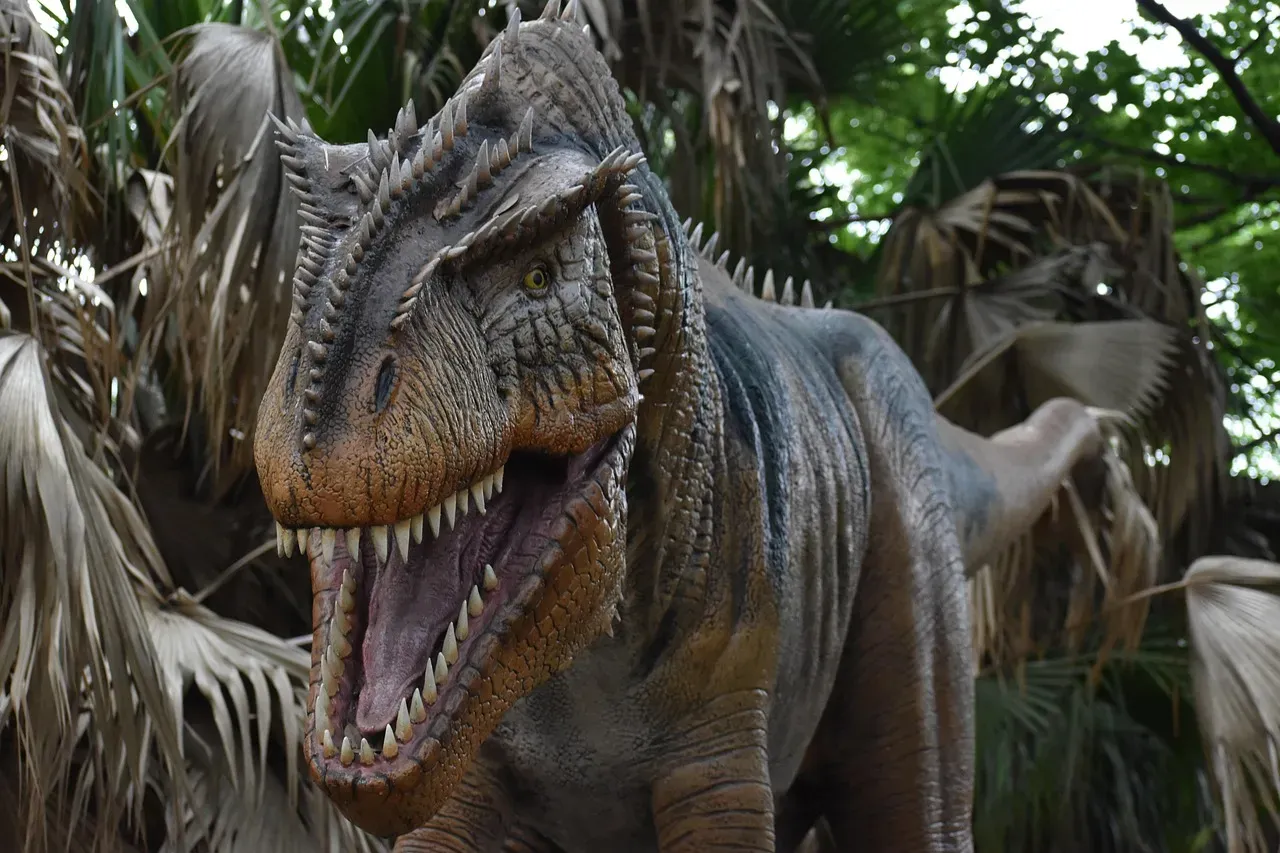
If you strip away the nostalgia and spectacle, the reason every dinosaur in every movie roars is simple: Hollywood cares far more about impact than accuracy, and noise is one of its favorite tools. Real dinosaurs were almost certainly more complex, quieter, and stranger than the shouting monsters we have grown used to. The roaring is not a window into prehistory; it is a mirror reflecting our own craving for drama and instant emotional clarity.
I am not arguing we should ban the roar – half my childhood lives inside those sound effects – but I do think we should be honest about what they are: glorious, cinematic lies. The day a filmmaker dares to let a massive predator step into frame in near silence, with only a low, realistic rumble under the mix, we might finally feel something closer to what those animals were really like: powerful, alien, and indifferent to our need for noise. Until then, every time the speakers shake, it is worth asking yourself a simple question: are you hearing the dinosaur, or just Hollywood shouting over the truth?