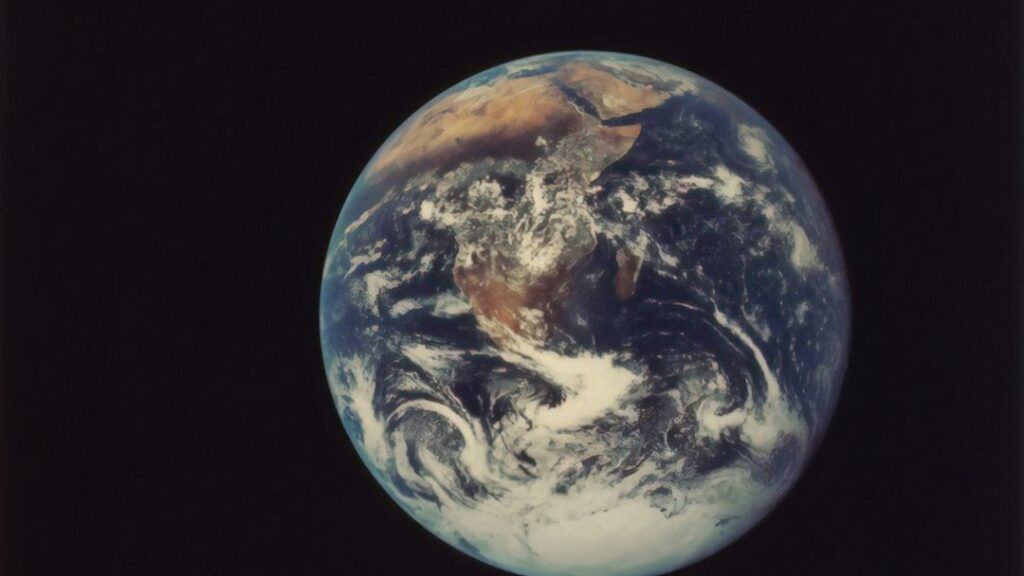
Earth is roughly 4.6 billion years old. Let that sink in for a second. If you compressed all of that time into a single calendar year, humans would only appear in the final few minutes of December 31st. Yet in those billions of years, a staggering series of turning points unfolded – moments so profound that without even one of them, you almost certainly would not be here reading this right now.
From microscopic bacteria quietly rewiring the atmosphere, to a rock from space erasing entire dynasties of life in a geological instant, Earth’s history is less a slow, steady story and more a dramatic series of upheavals. The planet you live on today was forged by catastrophe, transformation, and breathtaking resilience. Curious about which events matter most? Let’s dive in.
1. The Formation of Earth and the Moon: The Violent Beginning
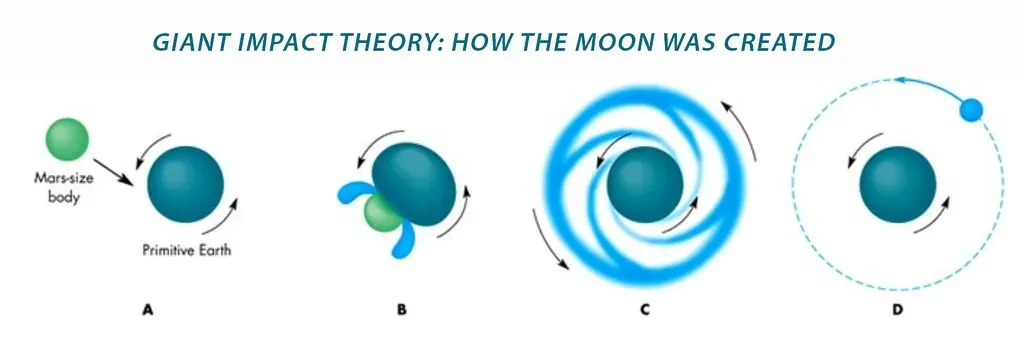
Picture a world with no oceans, no continents, no breathable air, and a surface that was essentially a rolling ocean of molten rock. The Hadean Eon is the earliest chapter in Earth’s history, named after Hades itself, which gives you some sense of just how hellish conditions were thought to be – a global magma ocean as the planet was forming and differentiating its internal layers. It sounds like the plot of a disaster film, and honestly, it kind of was.
One of the most important events during this period was the formation of our Moon. The giant impact hypothesis describes an object the size of Mars heading toward Earth at tremendous speed, delivering a glancing blow, with gravity eventually pulling this debris into orbit. This single collision significantly impacted Earth’s climate, oceans, and the very possibility of life. Without that cosmic accident, you might have no tides, no stabilized axial tilt, and a very different planet altogether.
2. The Origin of Life: The First Spark in the Dark
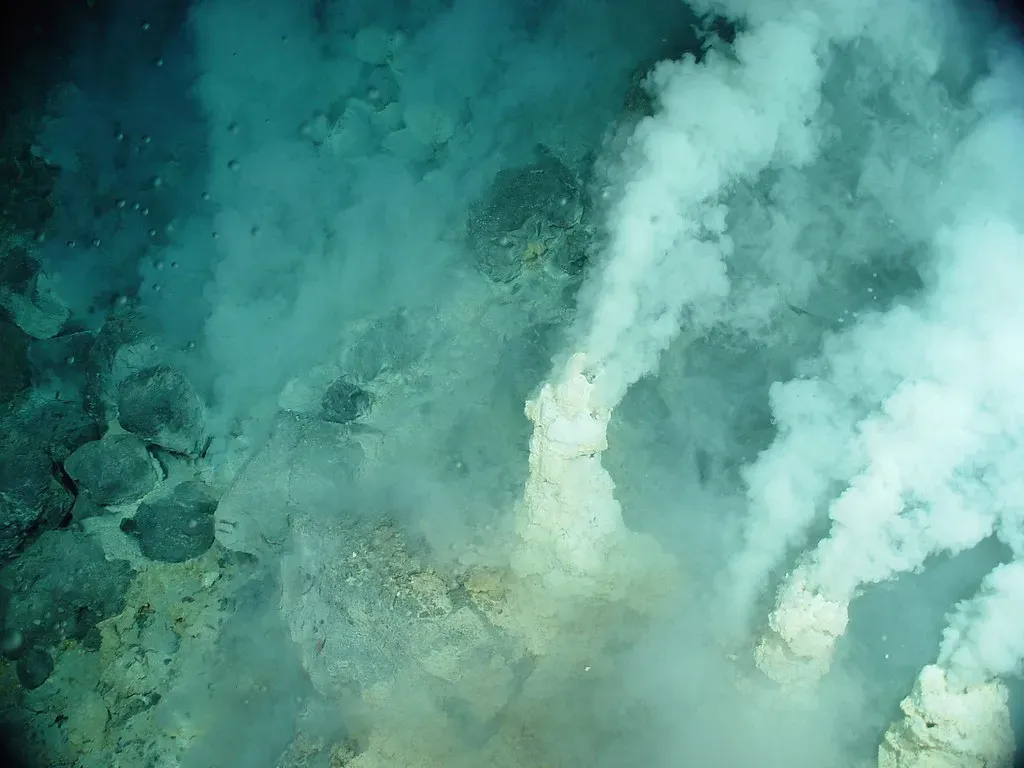
Here’s the thing – scientists still debate exactly how life first appeared, but they agree it happened remarkably early. The first signs of life have been found in the geologic record as far back as 3.5 billion years ago, though early life was only single-celled bacteria, and the atmosphere lacked any free oxygen compared to what we breathe today. Think of it as life starting as the absolute bare minimum – just enough to exist.
Current phylogenetic evidence suggests that the last universal ancestor lived during the early Archean eon, perhaps 3.5 billion years ago or earlier. This ancestor is the origin of all life on Earth today – probably a prokaryote possessing a cell membrane and ribosomes, but lacking a nucleus. Like modern cells, it used DNA as its genetic code and enzymes to catalyze reactions. Everything you are – every cell in your body – traces back to that one ancient, invisible microbe. I think that’s genuinely one of the most astonishing facts in all of science.
3. The Great Oxidation Event: The Day Oxygen Changed Everything
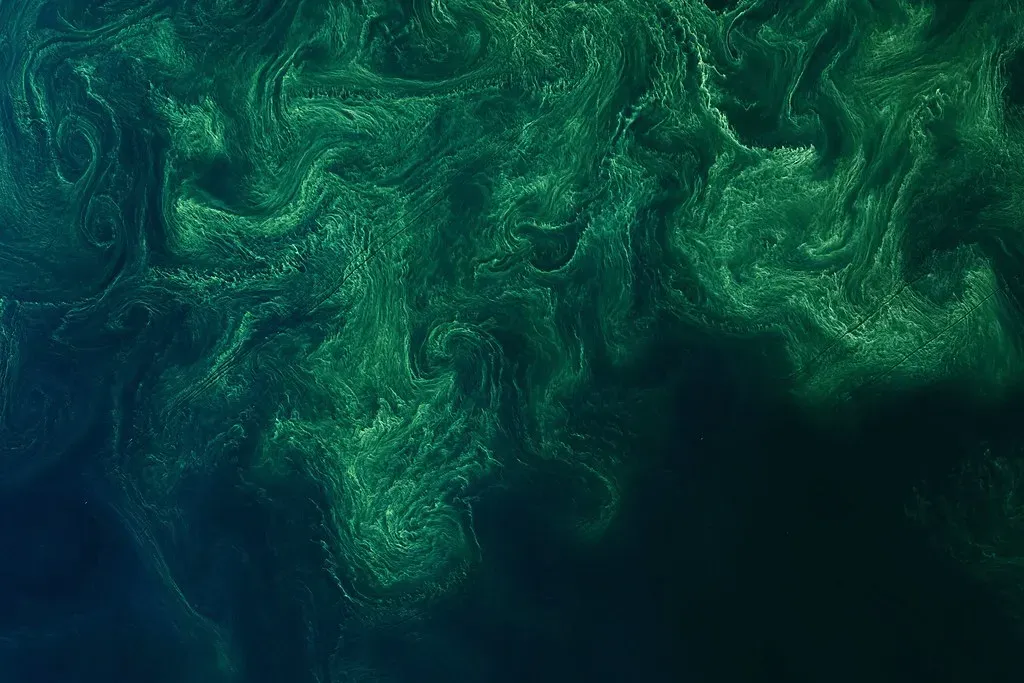
Roughly 2.4 billion years ago, the atmosphere went through a transformation so radical it nearly poisoned most life on Earth. The Great Oxidation Event, which released oxygen into Earth’s atmosphere, was catalyzed by cyanobacteria and ultimately led to the evolution of aerobic metabolism. It sounds heroic, until you realize that to the organisms living at the time, free oxygen was essentially a toxin.
The increase in oxygen levels allowed organisms to exploit abundant oxygen in their cells for biological processes such as cellular respiration. Aerobic respiration is about ten times more efficient than the anaerobic type in terms of energy yield. The availability of sufficient oxygen in the atmosphere was one of the pivotal events that led to the development of multicellularity – because the ample energy from aerobic respiration could now support the demands of more complex life forms made of multiple cells. Without those tiny cyanobacteria doing their quiet, relentless work, complex life – including you – would never have had a chance.
4. The Rise of Eukaryotic Cells: Life Gets a Nucleus
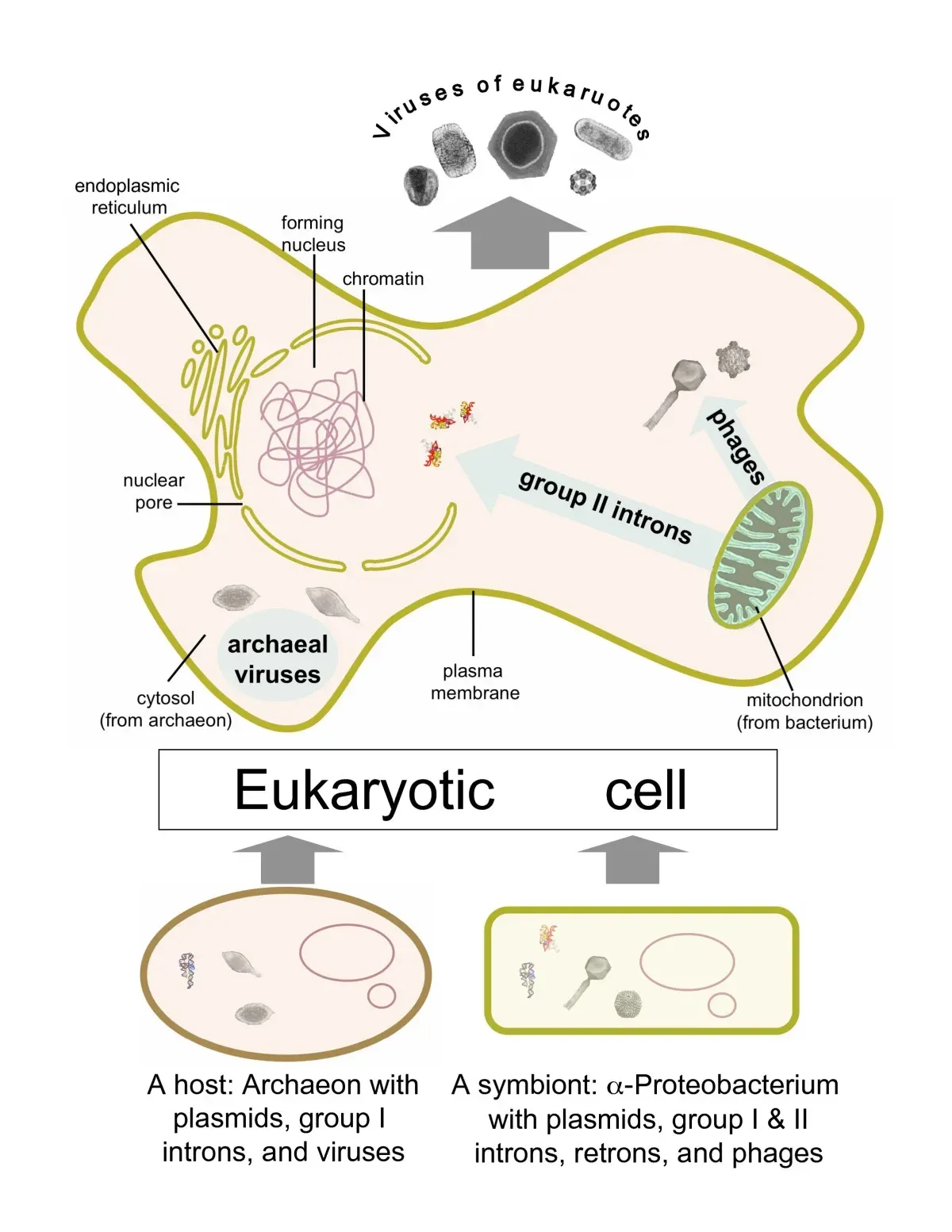
The Proterozoic Eon marked a transition to a more oxygenated atmosphere, and during this era, eukaryotes began to evolve – the first single-celled organisms to develop a central nucleus and organelles capable of performing specialized tasks. The development of eukaryotes was crucial because all multicelled life, including animals and humans, evolved from this domain of life. Think of the leap from a simple shed to a fully wired, fully plumbed skyscraper – that’s roughly the difference in cellular complexity we’re talking about.
Another pivotal event occurred about 1.2 billion years ago when eukaryotes invented sexual reproduction. Sharing genetic material from two reproducing individuals greatly increased genetic variability in their offspring. This genetic mixing accelerated evolutionary change, contributing to more complexity among individual organisms and within ecosystems. It’s hard to say for sure, but it’s entirely possible that without sexual reproduction, evolution would have moved so slowly that complex life may never have taken hold at all.
5. The Cambrian Explosion: Life’s Greatest Experiment
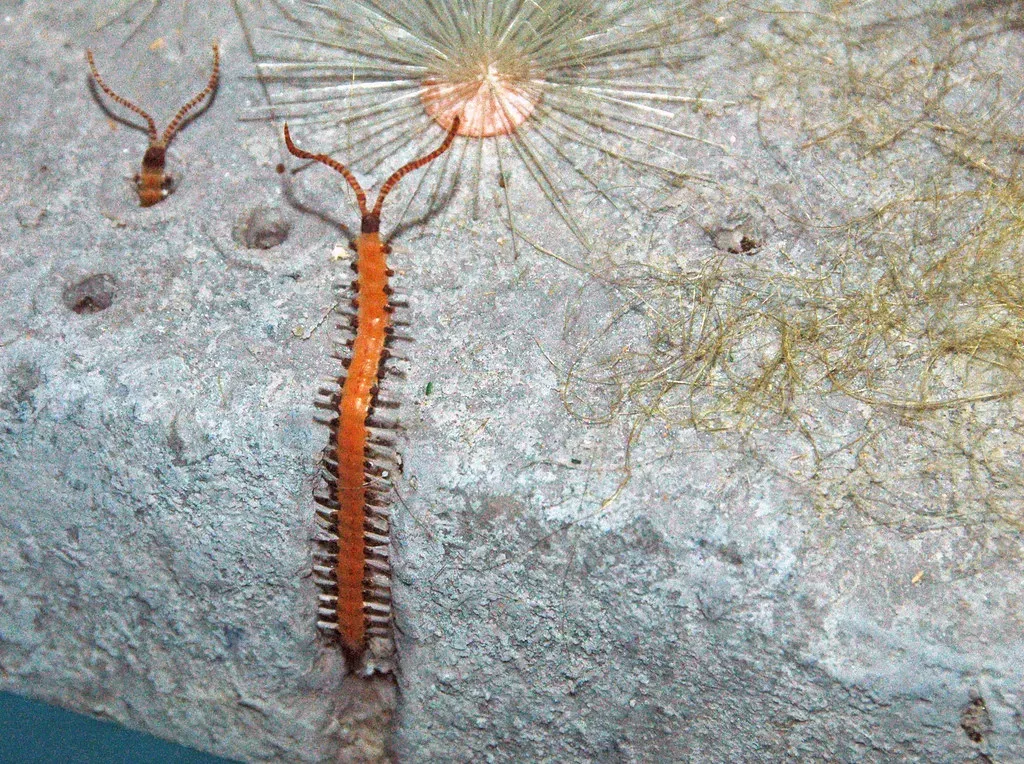
The Cambrian Explosion began approximately 538.8 million years ago, when a sudden radiation of complex life occurred and practically all major animal phyla started appearing in the fossil record. It lasted for about 13 to 25 million years and resulted in the divergence of most modern metazoan phyla. In geological terms, 25 million years is barely a blink – yet life essentially went from simple to spectacularly diverse in that timeframe.
Over a relatively short period, millions of new species emerged, laying the foundational lineages for nearly all modern animal groups. This explosion of biodiversity is characterized by the appearance of complex organisms including brachiopods, chordates, and arthropods, some of which evolved into early vertebrates. The beginning of the Cambrian Period is also marked by the evolution of hard body parts such as calcium carbonate shells – an innovation that would echo through every animal lineage that followed, including our own skeletons.
6. Plants Colonize the Land: The World Turns Green
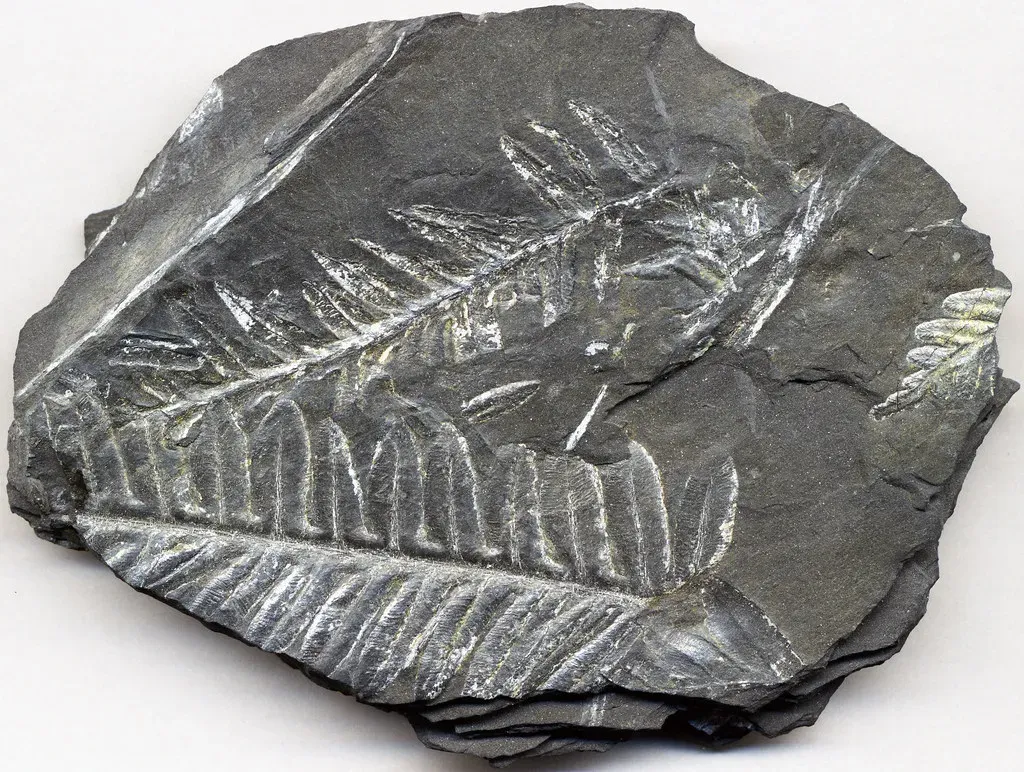
The Paleozoic Era, which kicked off with the Cambrian explosion, saw a remarkable transition: over the course of this era, plants and animals colonized the land. Before this happened, the continents were essentially barren rock. Imagine every mountain, every valley, every plain you’ve ever seen – completely lifeless, no soil, just bare stone swept by wind and rain.
Proterozoic land surfaces were barren of plants and animals, and geologic processes actively shaped the environment differently because land surfaces were not protected by vegetation. Rain and rivers would have caused erosion at much higher rates on land surfaces devoid of plants. The colonization of land by plants didn’t just beautify the planet – it built the soil, stabilized the climate, pumped oxygen into the air, and ultimately created the food chains that terrestrial animals, including every mammal that ever lived, depend on entirely.
7. The Great Dying: The Permian Mass Extinction
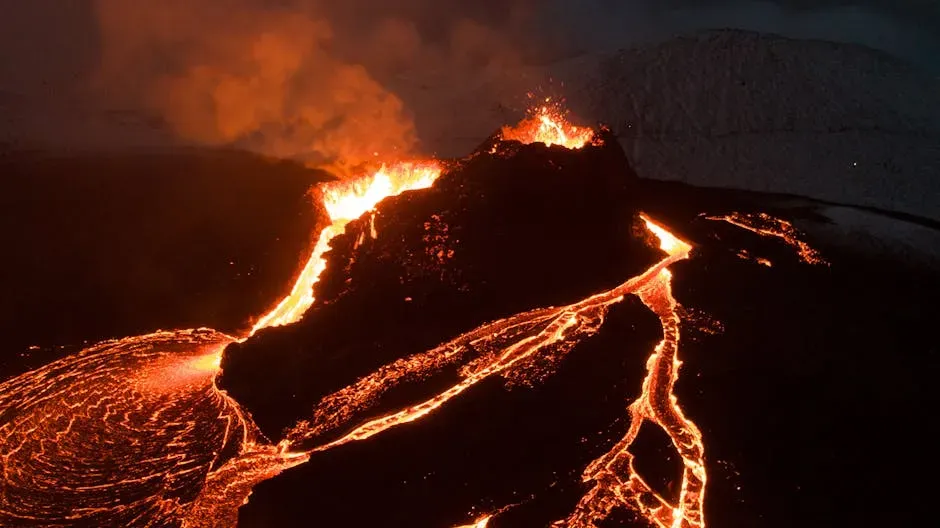
The End-Permian extinction, often called “The Great Dying,” stands as the most catastrophic extinction event in Earth’s history. About 96% of marine species went extinct, with massive volcanic eruptions from the Siberian Traps being the leading suspected cause. Nearly all the complex life that had evolved over hundreds of millions of years was nearly obliterated in what geologists estimate was a geologically brief period. It’s the closest the Earth has ever come to becoming truly lifeless.
The largest known mass extinction saw an estimated 96% of marine species and 70% of terrestrial vertebrate species become extinct, with possible causes including the Siberian Traps volcanism, ocean acidification, and a decrease in oxygen levels. Yet, as horrifying as the Great Dying was, it ultimately cleared the stage for a new cast of life forms – including the early ancestors of the dinosaurs and, much later, the mammals that would rule the world after them. Devastation and opportunity have always walked hand in hand on this planet.
8. The Age of Dinosaurs and the Rise of Flowering Plants
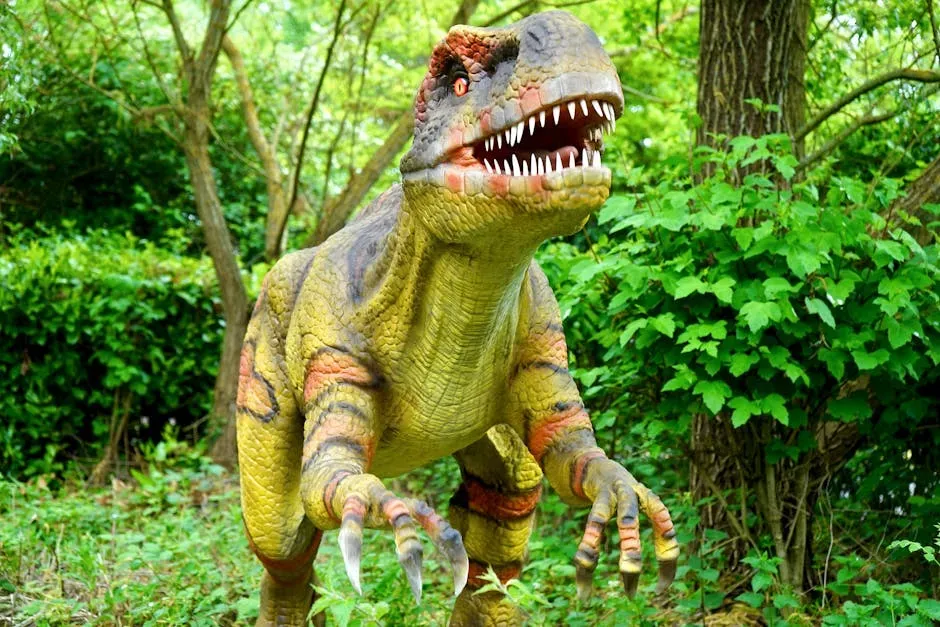
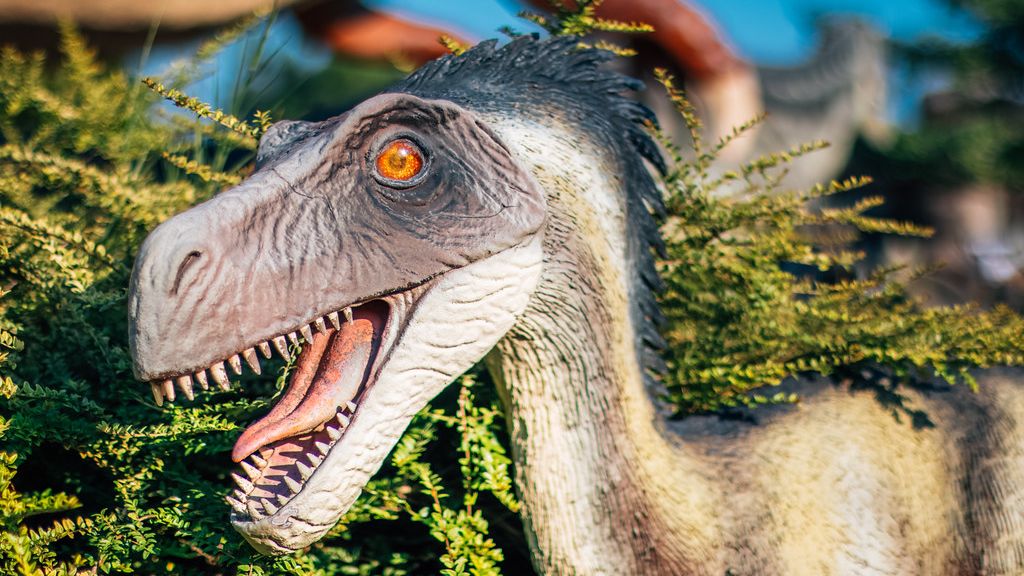
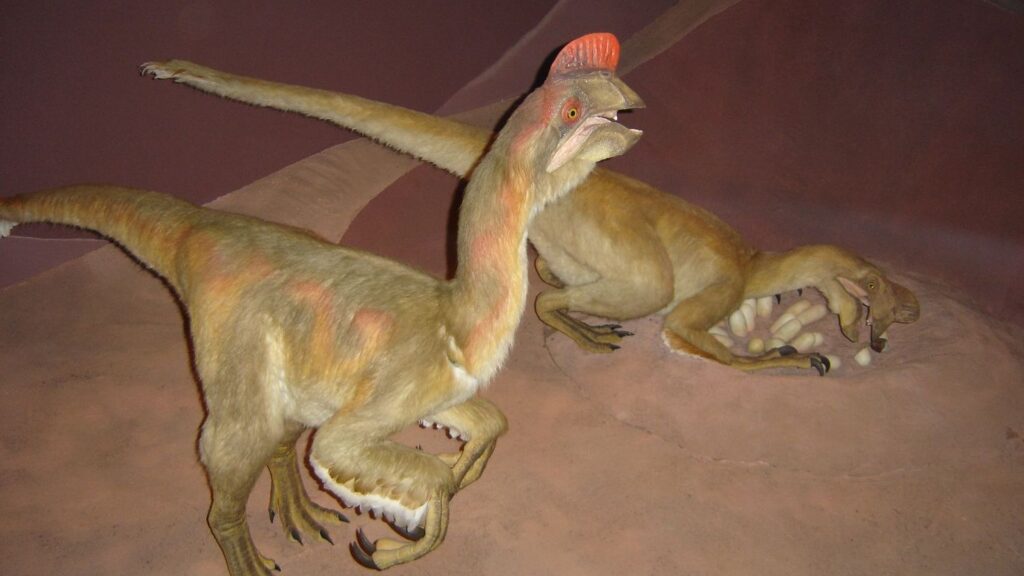
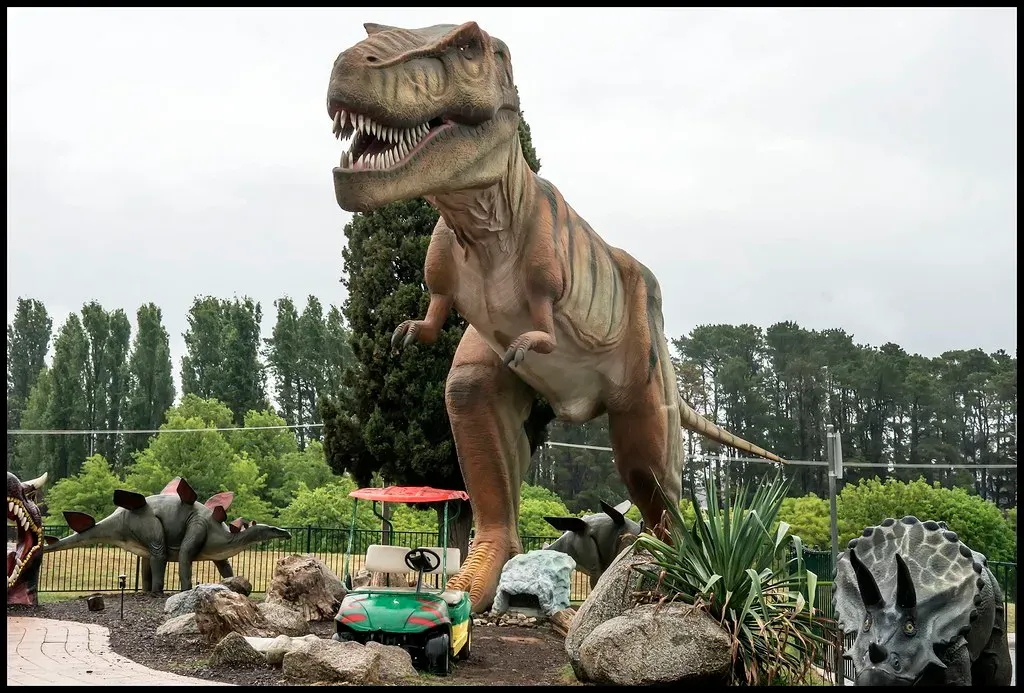
The Mesozoic Era, often called the “Age of Reptiles,” saw dinosaurs dominate land ecosystems while Pangaea broke apart and angiosperms – flowering plants – appeared and diversified. The breakup of Pangaea alone reshaped the entire geography of the planet, isolating populations of animals on separate landmasses and triggering wildly divergent evolutionary paths that gave rise to the biological diversity you see in different continents today.
One of the biggest changes on land during the Cretaceous was the transition to angiosperm-dominated flora. Angiosperms – plants with flowers and seeds – had originated in the Cretaceous, switching many plains to grasslands by the end of the Mesozoic, and by the end of the period they had replaced gymnosperms and ferns as the dominant plants in the world’s forests. Bees and ants, descendants from Jurassic wasp-like ancestors, co-evolved with flowering plants during this period. The fruits you eat, the flowers you admire, the bees that pollinate your food – all legacies of that Mesozoic transformation.
9. The Chicxulub Asteroid Impact: Reset Button for Life
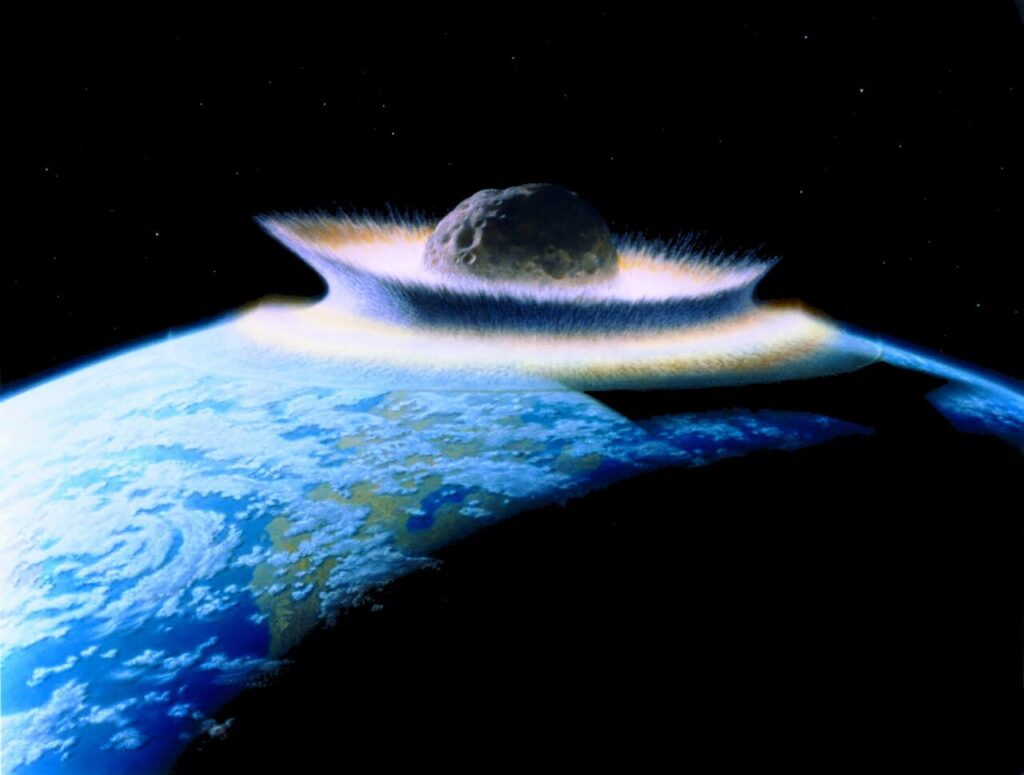
Sixty-six million years ago, on what was otherwise presumably a perfectly ordinary day on Earth, everything changed in an instant. It is now generally thought that the K-Pg extinction resulted from the impact of a massive asteroid 10 to 15 km wide, creating the Chicxulub impact crater and devastating the global environment primarily through a lingering impact winter which halted photosynthesis in plants and plankton. The darkness and cold that followed lasted long enough to collapse food chains worldwide.
The combination of immediate destruction, prolonged climatic changes, and disruption of ecosystems led to a mass extinction event that saw roughly 75% of Earth’s species disappear, including all non-avian dinosaurs and many marine reptiles. The extinction of these dominant species paved the way for the rise of mammals and the eventual emergence of humans. Remarkably, the probability of this specific magnitude of global cooling and mass extinction was quite low – it could only have occurred if the asteroid hit the hydrocarbon-rich areas occupying approximately 13% of Earth’s surface. You are reading this today because of where a rock happened to land.
10. The Rise of Homo Sapiens and the Agricultural Revolution
The Cenozoic Era, known as the “Age of Mammals,” saw mammals diversify rapidly after the dinosaurs disappeared. Human ancestors – hominins – appeared, and the Quaternary ice ages brought repeated glacial-interglacial cycles that shaped modern landscapes. Our own species, Homo sapiens, emerged against this backdrop of dramatic climatic shifts, developing tools, language, and social structures that no other creature had ever achieved.
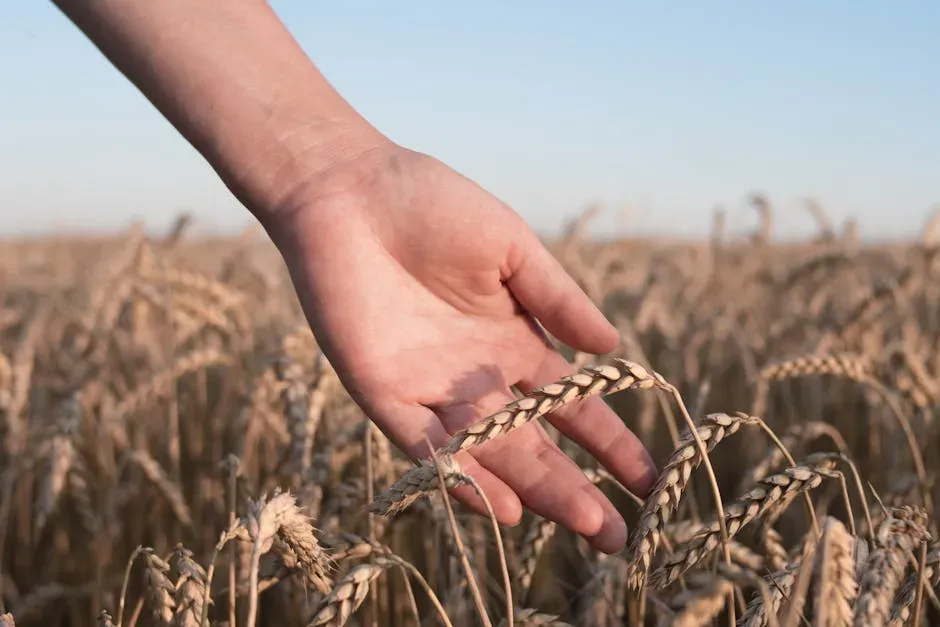
The Agricultural Revolution represents a momentous shift in human history when nomadic tribes transitioned to a sedentary, agrarian way of life. With the cultivation of crops and the domestication of animals, humans were no longer solely dependent on hunting and foraging – this innovation led to the establishment of permanent settlements, surplus food production, and the birth of modern agriculture. In the Stone Age, early humans had fire under control, which enabled them to cook food and gain more calories. Modern humans then learned to make more complex sounds and share information in groups – the seeds of every civilization, every city, and every technological leap that followed.
Conclusion: A Planet Shaped by the Unlikely
What’s truly staggering about Earth’s history is how many of these defining moments were, in some sense, accidental. A rock arrives from space at just the right angle. Tiny bacteria accidentally pump poison into the sky and inadvertently make animal life possible. A supercontinent cracks apart and reshapes evolution. None of it was planned, yet every event built perfectly upon the last, like an improbable chain of dominoes stretching across billions of years.
You are, in a very literal sense, the product of every single one of these moments. Take away the asteroid, and mammals may never have risen. Remove the Great Oxidation Event, and complex life never gets off the ground. Erase the Cambrian Explosion, and there are no animals to evolve into anything at all. The story of Earth is the story of improbable survival and reinvention – and it is still very much unfolding. Which of these moments surprises you the most? Tell us in the comments.