Have you ever wondered how the traditions you see in modern Native American communities stretch back thousands of years? The connection between today’s tribal nations and ancient civilizations runs deeper than most people realize. When you hold a piece of handcrafted pottery or study the intricate designs carved into wood, you’re looking at a living bridge to the past.
These aren’t museum relics collecting dust behind glass cases. They’re active, breathing cultural practices that have survived colonization, forced relocation, and attempts at erasure. From the turquoise jewelry that adorned ancient peoples to the ceremonial objects still used today, these artifacts tell a story of resilience, adaptation, and unwavering cultural memory. Let’s dive into the fascinating ways these objects connect us across centuries.
Pueblo Pottery and Coil Building Techniques
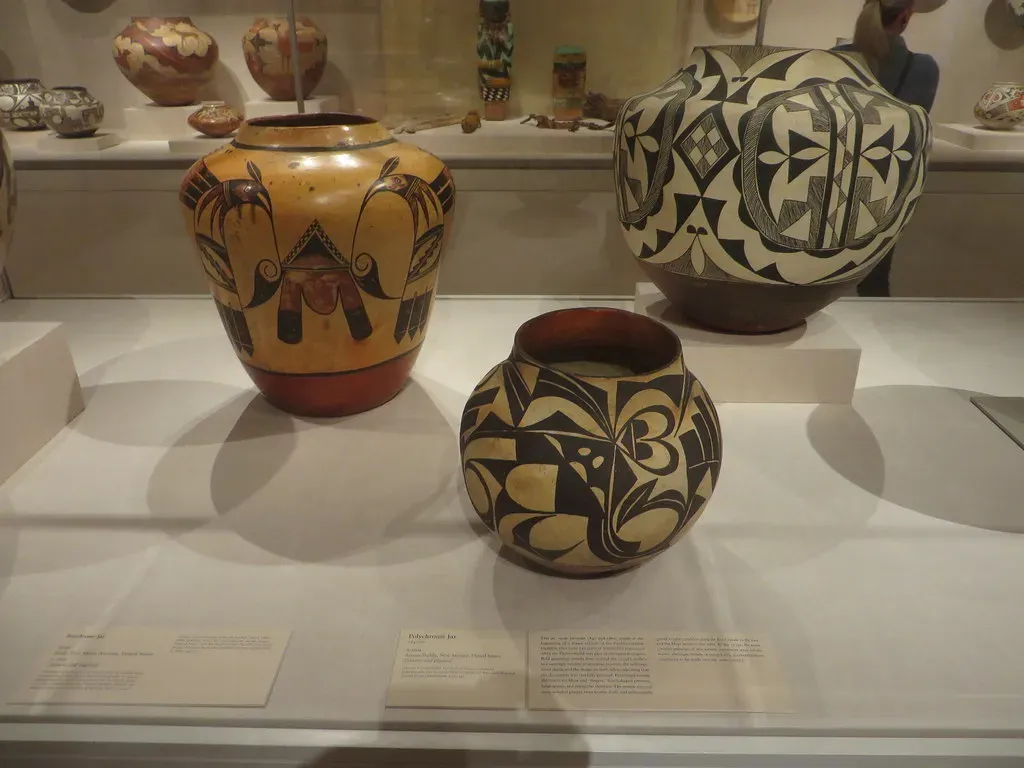
You’ll find ceramic objects made by Indigenous Pueblo people that have been central to pueblo life for centuries, serving both ceremonial and utilitarian purposes. The techniques passed down through generations remain remarkably consistent. Modern pueblo potters cite their grandmothers and great-grandmothers as early influences.
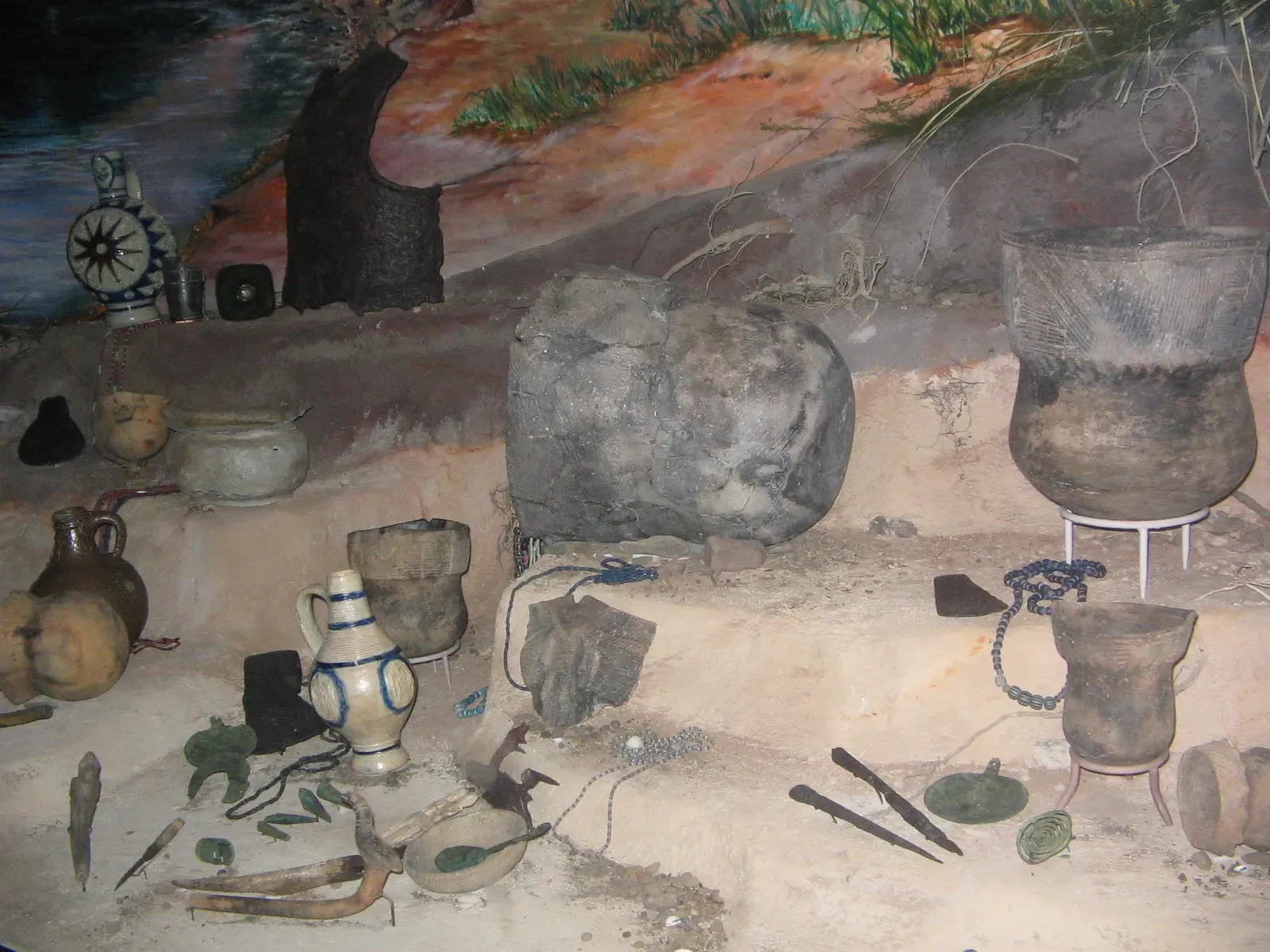
The Indian Pueblos in the American Southwest still make pottery the way it has been made there for centuries. Think about that for a moment. While the rest of the world has moved to mass production, these artisans continue hand-coiling clay using methods dating back over a thousand years. The clay is locally sourced, most frequently handmade, and fired traditionally in an earthen pit. The black on black technique made famous by Maria Martinez was revived from ancient pieces of pottery, the lost technique rediscovered through trial and error.
Kachina Dolls and Spiritual Teachings
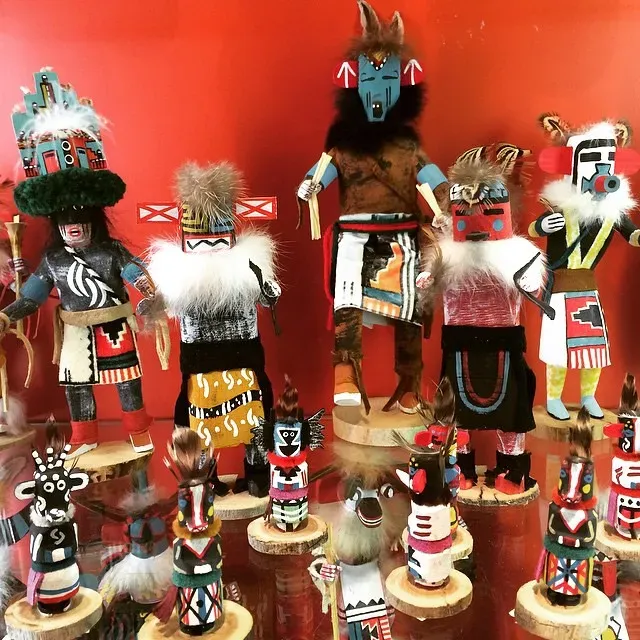
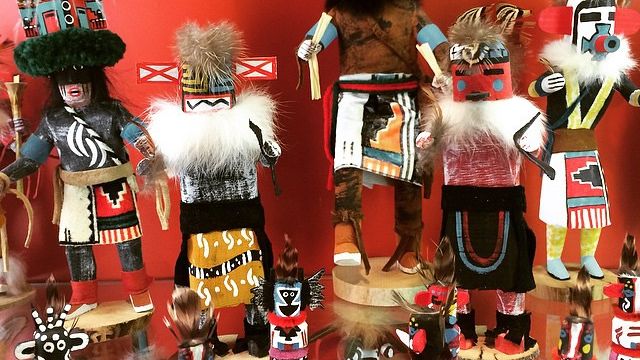
These figurines are given to children not as toys, but as objects to be treasured and studied so that young Hopis may become familiar with the appearance of the kachinas as part of their religious training, with each child receiving their own doll during ceremonies. It’s hard to say for sure, but the spiritual significance seems timeless. The religion is much older with archaeologists certainly able to identify it by AD 1270.
Kachina dolls are the physical representation of Hopi spirits and part of a belief system that dates back to the 1200s, with upwards of 500 different spirits, each with its own separate look, accessories, and attributes. Hopi people carve these figures, typically from cottonwood root, to instruct young girls and new brides about katsinam, the immortal beings that bring rain, control other aspects of the natural world and society, and act as messengers between humans and the spirit world. Today’s carvers maintain this educational tradition while their work also supports their communities economically.
Turquoise Jewelry and Sacred Connections
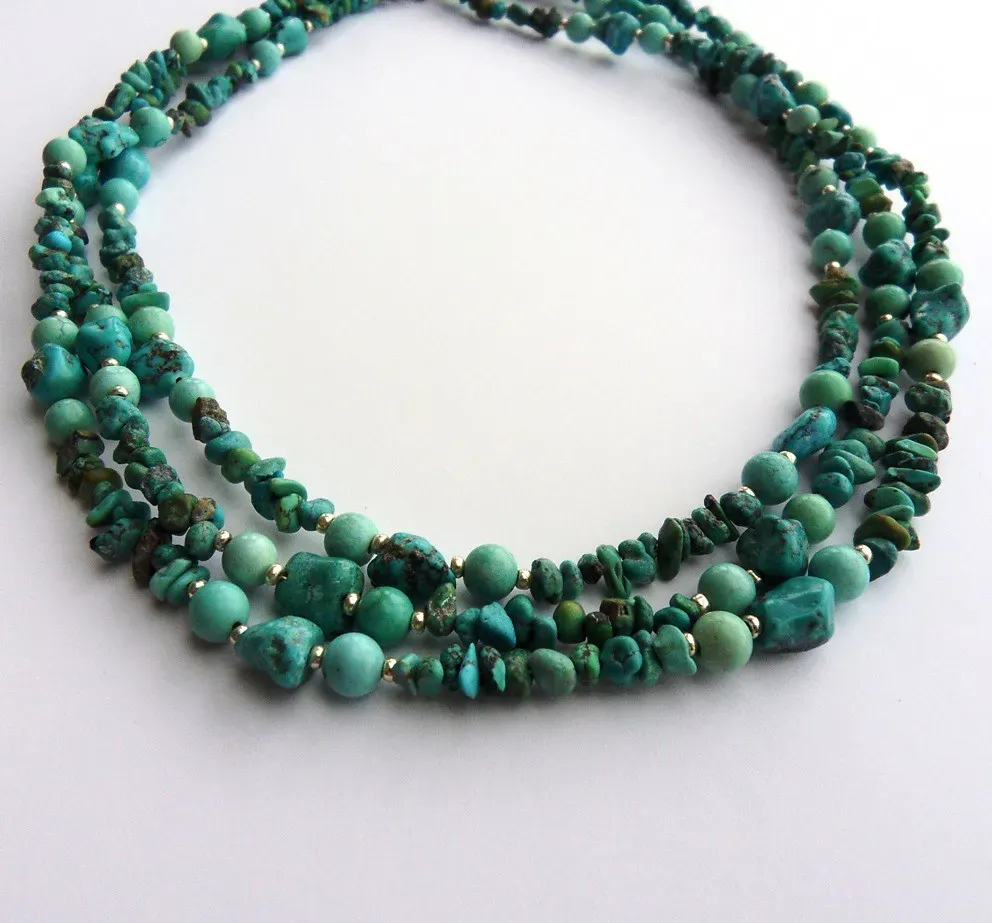
Let’s be real, turquoise isn’t just beautiful, it’s been sacred for millennia. Archaeologists have found evidence of native people creating jewelry from stones, shells, and natural materials as far back as 10,000 years ago, and as millennia went on, turquoise jewelry became one of the more prominent varieties made specifically by tribes in the Southwest.
Thousands of turquoise pieces were found in Ancestral Pueblo sites at Chaco Canyon, and some turquoise mines date back to Precolumbian times, with Ancestral Pueblo peoples trading the turquoise with Mesoamericans. It had religious and ceremonial value, many rituals were performed using turquoise, and medicine men used it in diagnostic and healing rituals. After the Spanish introduction of silverwork, Native Americans combined their lapidary skill of stone cutting with silver to produce turquoise jewelry that is popularly known as Indian jewelry today.
Black on White Painted Designs
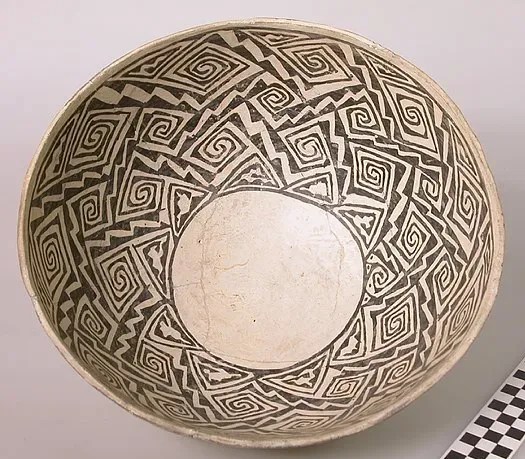
Ancestral Pueblo pottery is called Black-on-White, where the white is from the color of the clay, and the black paint used for the designs was made from boiled plants like beeweed or tansy mustard, or from crushed rock with iron in it such as hematite. Here’s the thing though: these weren’t random decorations.
Modern day Pueblo people have helped archaeologists in explaining some ancient images. The geometric patterns, spirals, and symbols you see on ancient pottery pieces appear nearly identical to designs used by contemporary Pueblo artists. Most designs, even those of the more contemporary and adventurous artists of today, have their roots in tradition, with Lucy Lewis inspired by designs found on Anasazi sherds to create fine line Acoma painting. The visual vocabulary remains consistent across centuries.
Traditional Weaving Patterns and Techniques
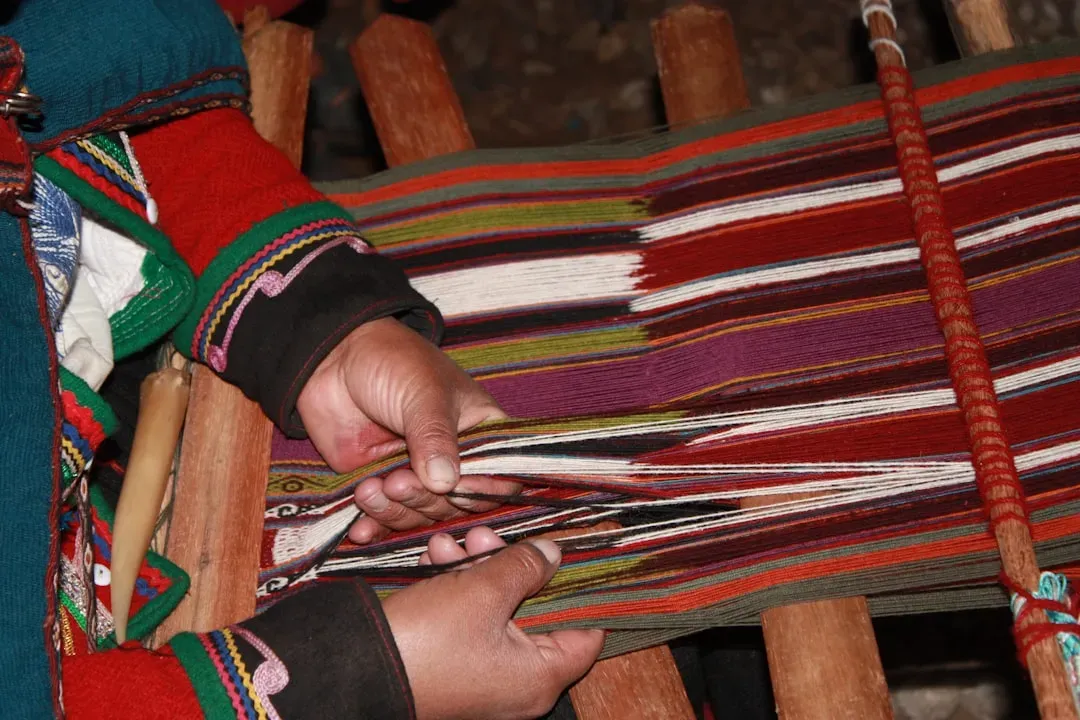
Around A.D. 700, the Pueblos began loom weaving with indigenous cotton, often using a backstrap loom belted around the waist, and Hopi and Pueblo weavers advanced the art with more detailed designs. Honestly, it’s amazing how these techniques survived everything thrown at them. Trading posts and festivals provide visitors an opportunity to view traditional dances and experience the timeless artistic traditions of weaving, pottery, jewelry making and other art forms.
The patterns woven into blankets and garments aren’t arbitrary. They represent clan affiliations, spiritual beliefs, and historical events. Trade routes established by the Ancestral Puebloans fostered relationships with other Native American groups, allowing for the exchange of goods, ideas, and cultural practices, which not only enriched Pueblo traditions but also contributed to the development of their artistic styles, particularly in pottery and weaving. You can trace these design elements back over a thousand years through archaeological evidence.
Underground Kivas and Ceremonial Spaces
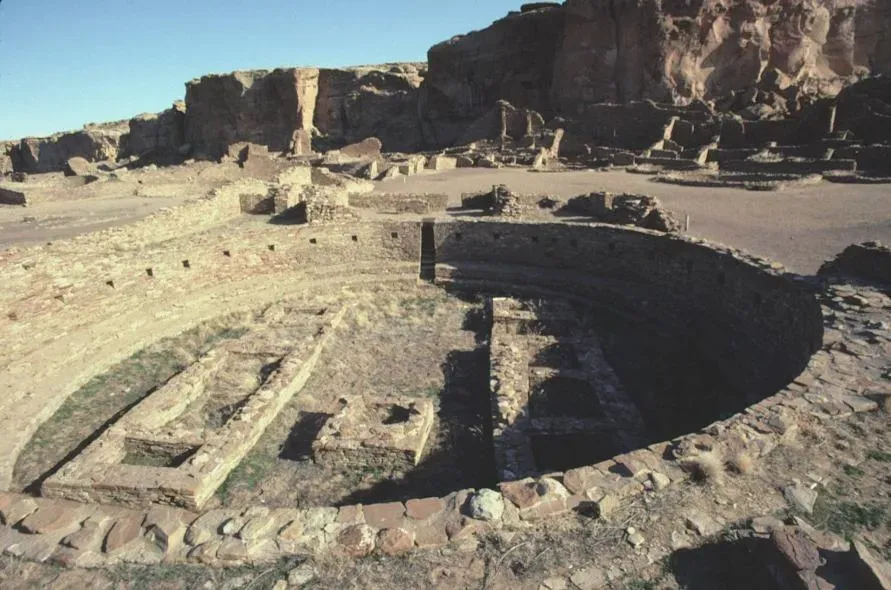
Stone masonry began to be used, and kivas, the underground circular chambers used henceforth primarily for ceremonial purposes, became important community features. Walk into a modern kiva and you’re essentially stepping into the same sacred space your ancestors used centuries ago. The architecture tells the story.
Kiva architecture included an encircling bench attached to the wall, roof support poles, a central fire pit, a ventilator shaft, and a sipapu, with the kiva entered by ladder through a roof opening that also allowed smoke to escape. Bits of turquoise were put into the bearing beams of kivas and dwellings to strengthen and protect them. These underground chambers remain central to religious practice in Pueblo communities today, maintaining traditions that span roughly 1,500 years.
Heishi Bead Necklaces and Shell Work
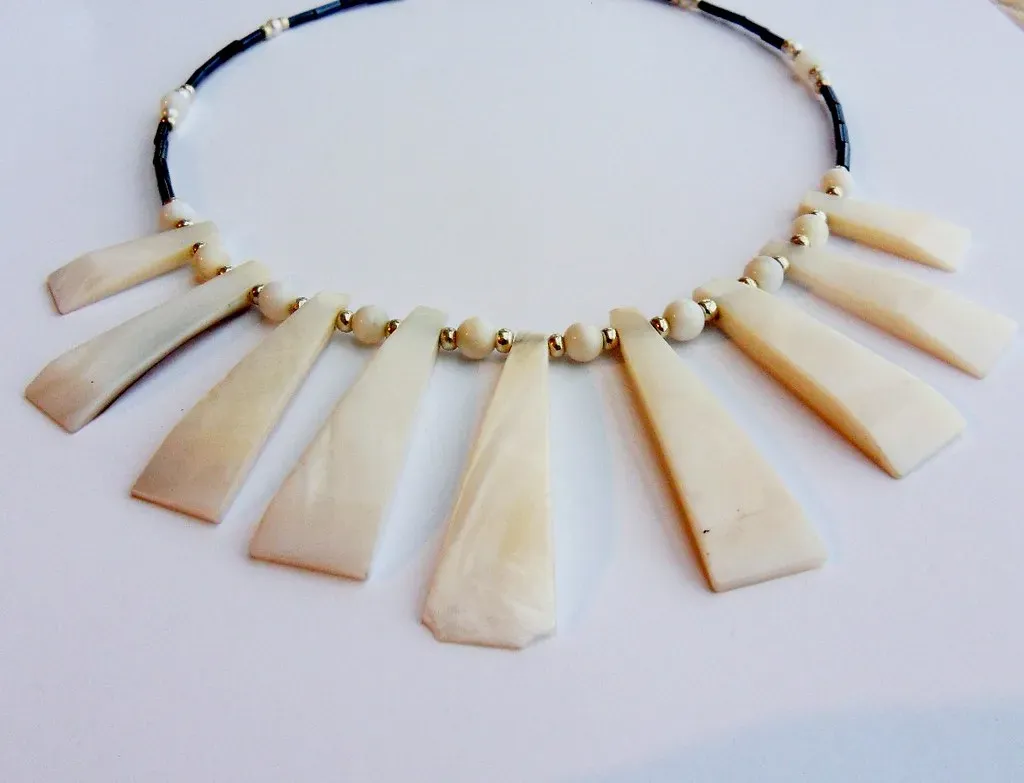
Heishe necklaces have been made by several southwest tribes since ancient times, with the word coming from the Santo Domingo word for shell, and a single heishe is a rolled bead of shell, turquoise, or coral, which is cut very thin. The painstaking process remains virtually unchanged. Prehistoric Indians shaped the turquoise for their jewelry by rubbing it against fine sandstone, and once drilled, the beads were strung on sinew or thin buckskin thongs and rolled against a flat sandstone slab to wear the beads into a cylindrical shape, with the hand-rolling method for making heishi of turquoise and shell still in use by some Native American artists today.
Tiny, thin heishe was strung together by the Santo Domingo to create necklaces, which were important trade items. The Santo Domingo jewelry artists carry on the ancient tradition of making turquoise heishi necklaces and mosaic inlay jewelry. When you see these delicate beads, you’re looking at a craft that connects modern artisans directly to prehistoric ancestors.
Totem Poles and Ancestral Lineages
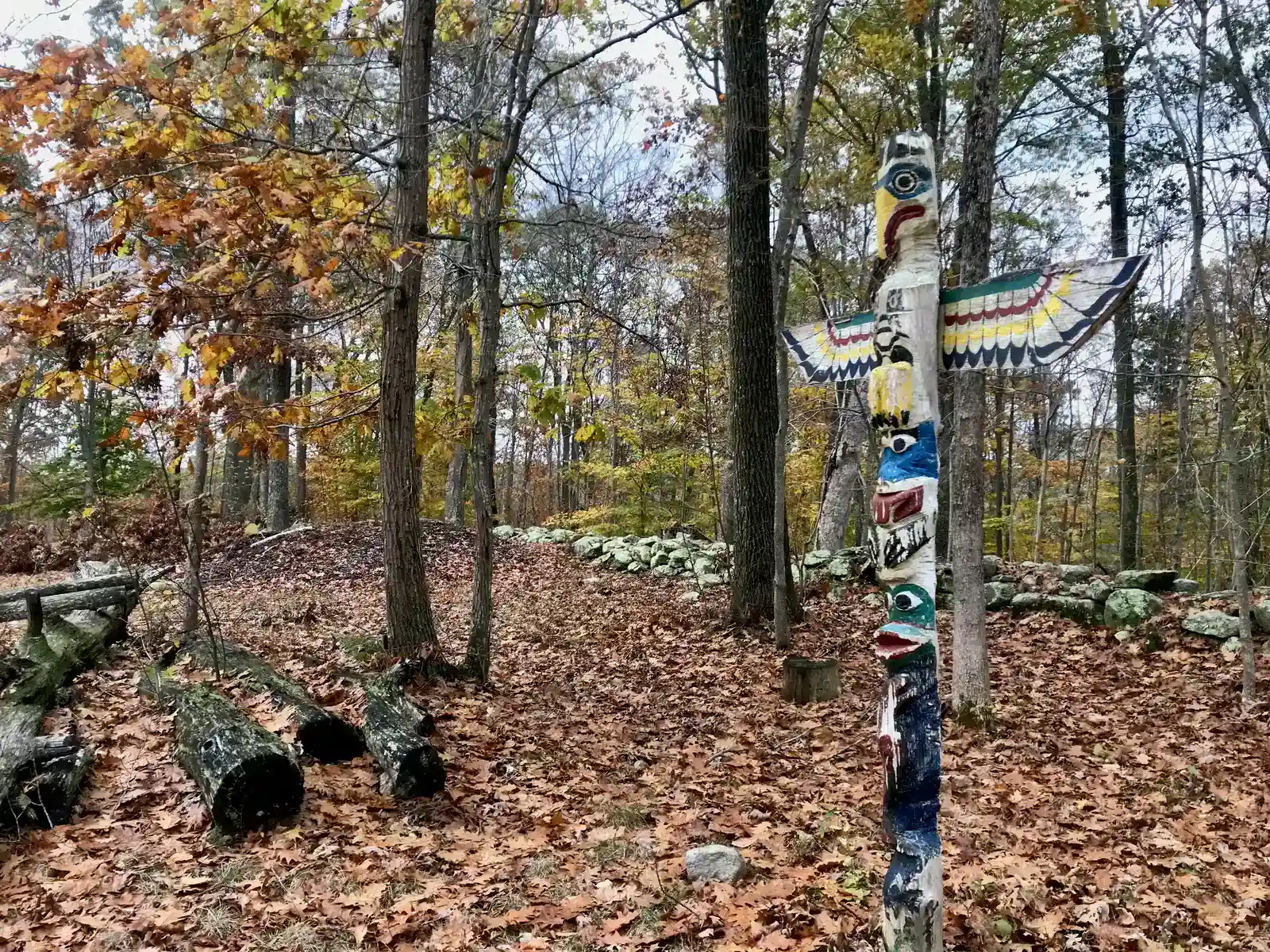
Totem poles serve as important illustrations of family lineage and the cultural heritage of Indigenous peoples in the islands and coastal areas of North America’s Pacific Northwest, with families of traditional carvers coming from the Haida, Tlingit, Tsimshian, Kwakwaka’wakw, Nuxalk, and Nuu-chah-nulth, among others. These aren’t just decorative sculptures, they’re historical documents.
Most totem poles display beings, or crest animals, marking a family’s lineage and validating powerful rights and privileges that the family held, and would not necessarily tell a story so much as serve to document stories and histories familiar to community members or particular family or clan members. Accounts from the 1700s describe and illustrate carved poles and timber homes along the coast of the Pacific Northwest, and by the early 19th century, widespread importation of iron and steel tools led to easier and more rapid production of carved wooden goods, including poles. By 1951, the Potlatch Law was overturned, allowing Pacific Northwest tribes to revive their totem pole traditions, and Indigenous artists renewed the art form, creating new poles to commemorate important events or honor deceased relatives.
Stone Grinding Tools and Food Processing
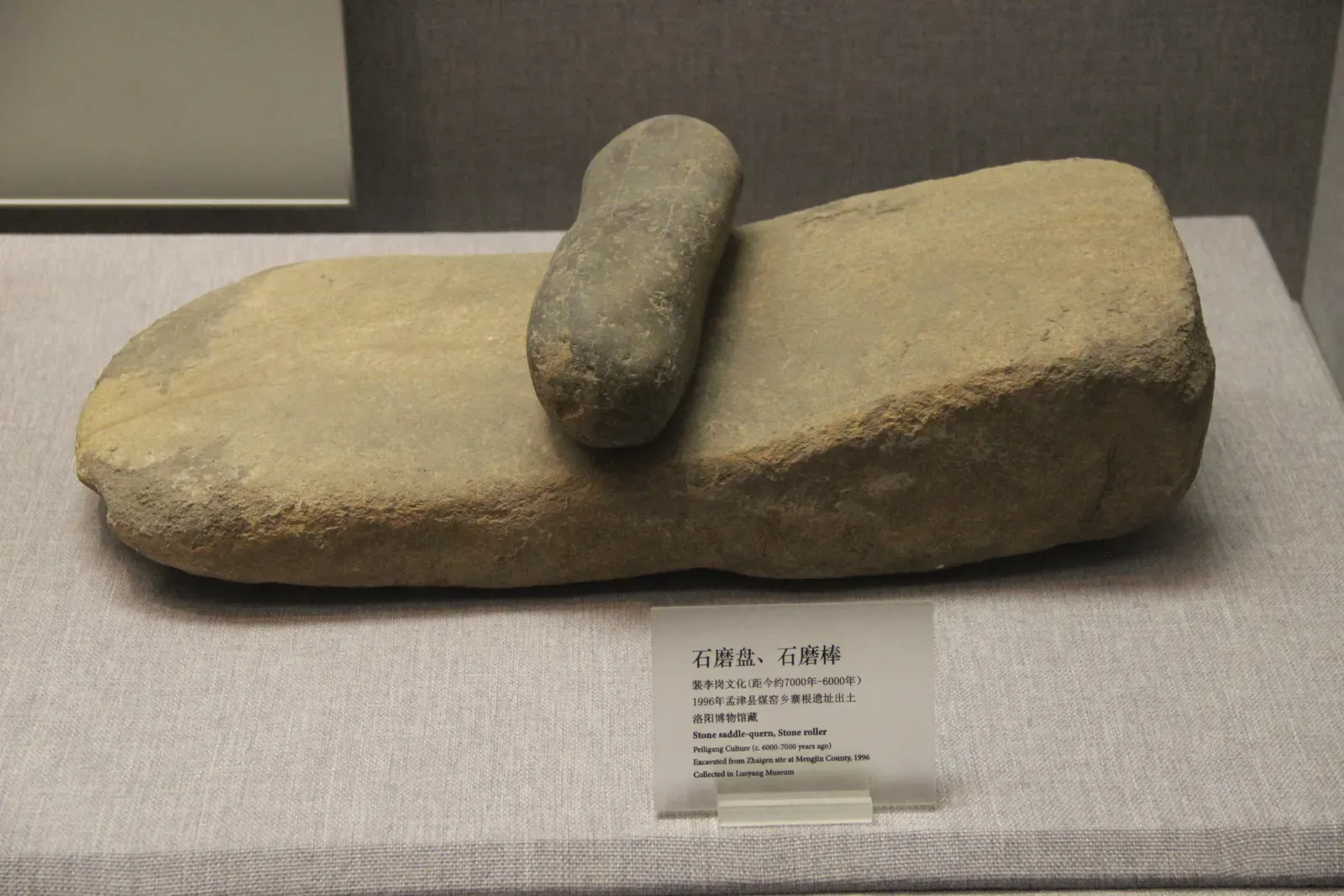
Maize was ground on large stone mortars using two-handed grinding stones. Simple, right? Yet these tools represent sophisticated understanding of food processing that sustained communities for generations. The metates and manos you find in archaeological sites look remarkably similar to those still used in some traditional households.
These grinding stones weren’t just functional items. The repetitive motion of grinding corn became a meditative practice, often accompanied by songs passed down through generations. Archaeological evidence shows these tools in use for thousands of years, and the same basic design persists because it works perfectly for processing corn, beans, and seeds into meal. The techniques for using them are still taught to younger generations in traditional communities.
Fetish Carvings and Protective Spirits
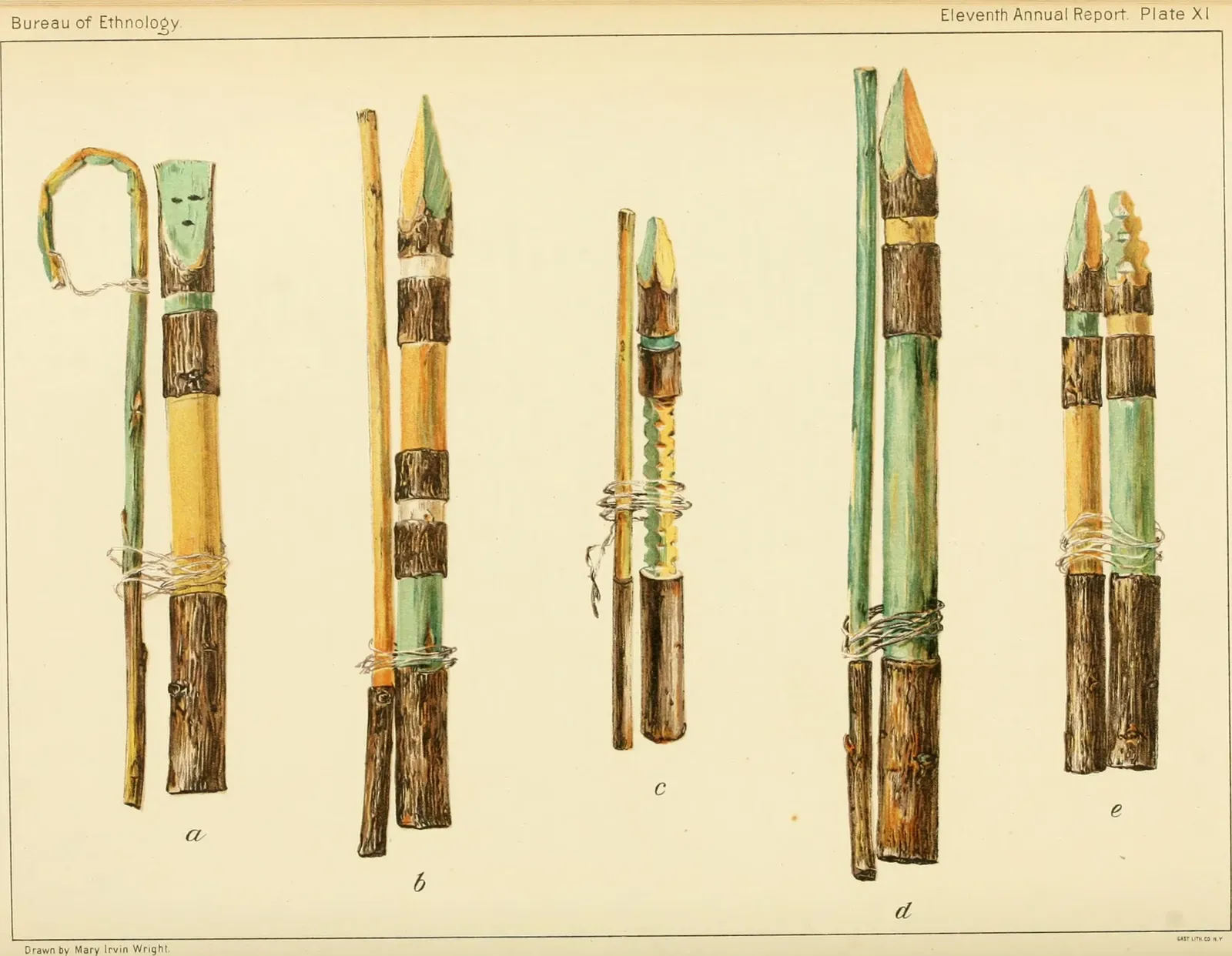
Fetishes are small carvings that depict animals or other important Native icons, made primarily from stone but can also be made of other materials such as jet, coral, or shell, and while many tribes and Pueblos in the Southwest are known for making fetishes, they are most closely associated with the Zuni Pueblo, who are considered the most skilled fetish carvers, with these small carvings traditionally serving ceremonial purposes and serving as a powerful connection to nature and the spirit world.
The animals carved into these small stones, bears, eagles, mountain lions, wolves, each carry specific spiritual significance. These aren’t tourist trinkets, though sadly many cheap imitations flood the market today. Authentic fetish carvings continue an artistic and spiritual tradition stretching back to ancient times. The Zuni and other Puebloan peoples used these objects in healing ceremonies, hunting rituals, and for protection, practices that continue today within tribal communities.
Conclusion: Living Traditions Across Time
With over 500 Indian nations, the Native American experience is living, evolving, and thriving, and today, tribes fight to reclaim what was once thought lost. These ten cultural artifacts prove that connection to ancient civilizations isn’t abstract or theoretical. It’s tangible, practiced, and very much alive.
What strikes me most powerfully is how these objects represent resistance and survival. Despite centuries of suppression, forced assimilation, and cultural genocide, Native peoples maintained their connections to ancestral knowledge through these artifacts and practices. The pottery techniques, the spiritual significance of kachinas, the sacred nature of turquoise, they all survived because communities fought to preserve them. When you see a modern Pueblo potter using coiling techniques or a Zuni artist carving fetishes, you’re witnessing an unbroken chain of cultural transmission spanning thousands of years. That resilience deserves recognition and respect. What part of this cultural continuity surprised you most?