
You know that mental picture of dinosaurs most of us grew up with – lumbering, swamp-soaked reptiles dragging their tails? That image is crumbling fast. Over just the last five years, a wave of new discoveries has painted a shockingly different story: agile, warm‑blooded, sometimes feathered animals living in complex ecosystems that feel a lot closer to today’s world than anyone expected. What’s wild is how often scientists themselves have had to say, in effect, “Alright, we were wrong about that.” From metabolism and feathers to climate resilience and predator–prey battles frozen in time, the last half‑decade has not just filled in gaps – it has flipped entire chapters. Let’s walk through ten discoveries that, together, pretty much force us to rethink what a “dinosaur” even was.
1. Evidence That Many Dinosaurs Were Truly Warm‑Blooded
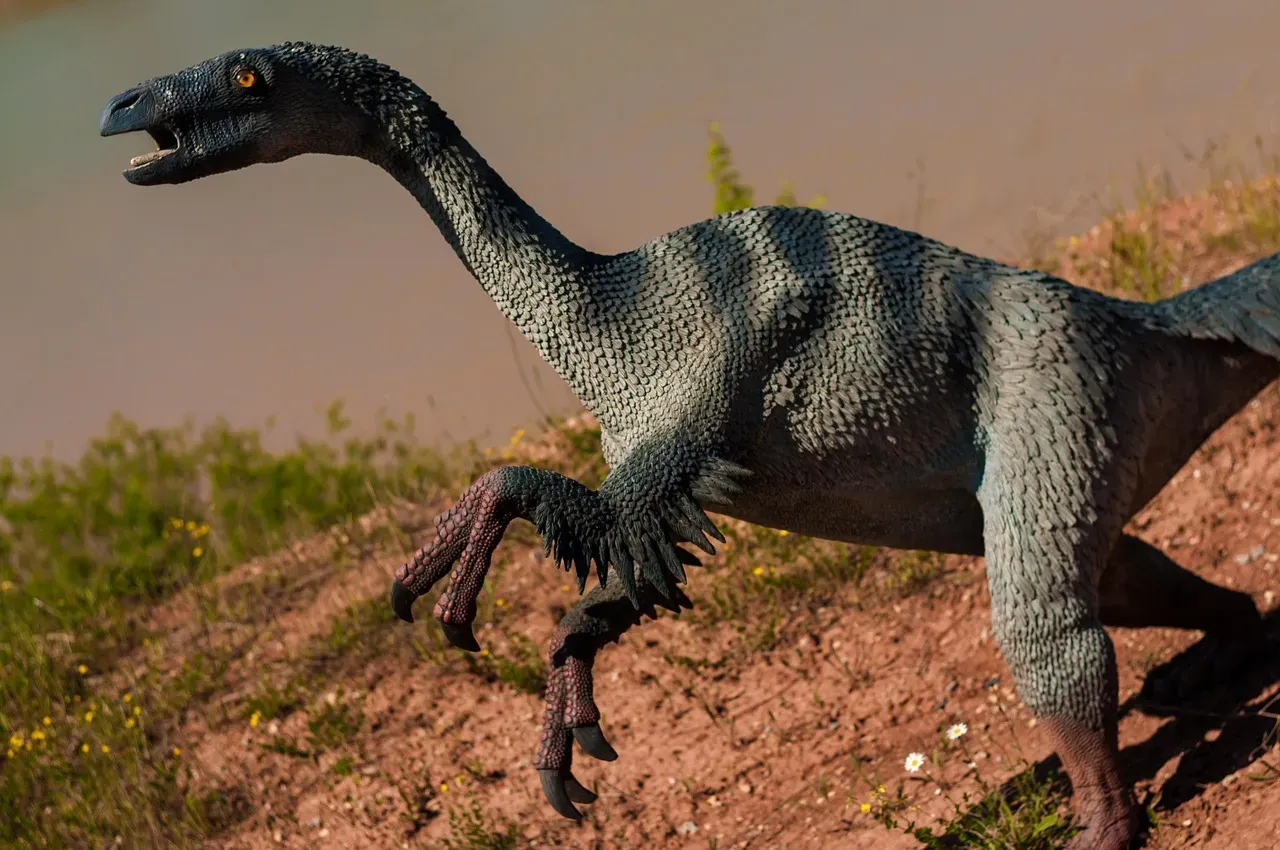
For most of the twentieth century, dinosaurs were pigeonholed as giant cold‑blooded reptiles basking their way through life. In the last five years, though, that picture has been torched. A major 2022 study used chemical “biomarkers” preserved in fossil bones to estimate metabolic rates, and the results point to many early dinosaurs – including the ancestors of T. rex and long‑necked sauropods – having high, bird‑like metabolisms rather than sluggish reptilian ones.
Follow‑up work in 2024 zoomed out to look at more than a thousand fossils against climate models and dinosaur family trees. The pattern that popped out was striking: some dinosaur lineages started invading cooler environments as early as the Early Jurassic, which strongly suggests they were generating their own body heat to survive there. In other words, the shift toward warm‑bloodedness seems to have been an early, fundamental feature of dinosaur success, not a quirky late adaptation. That alone shatters the “giant lizard” stereotype.
2. A Timeline Shift: Warm‑Blooded Dinosaurs Emerging Around 180 Million Years Ago
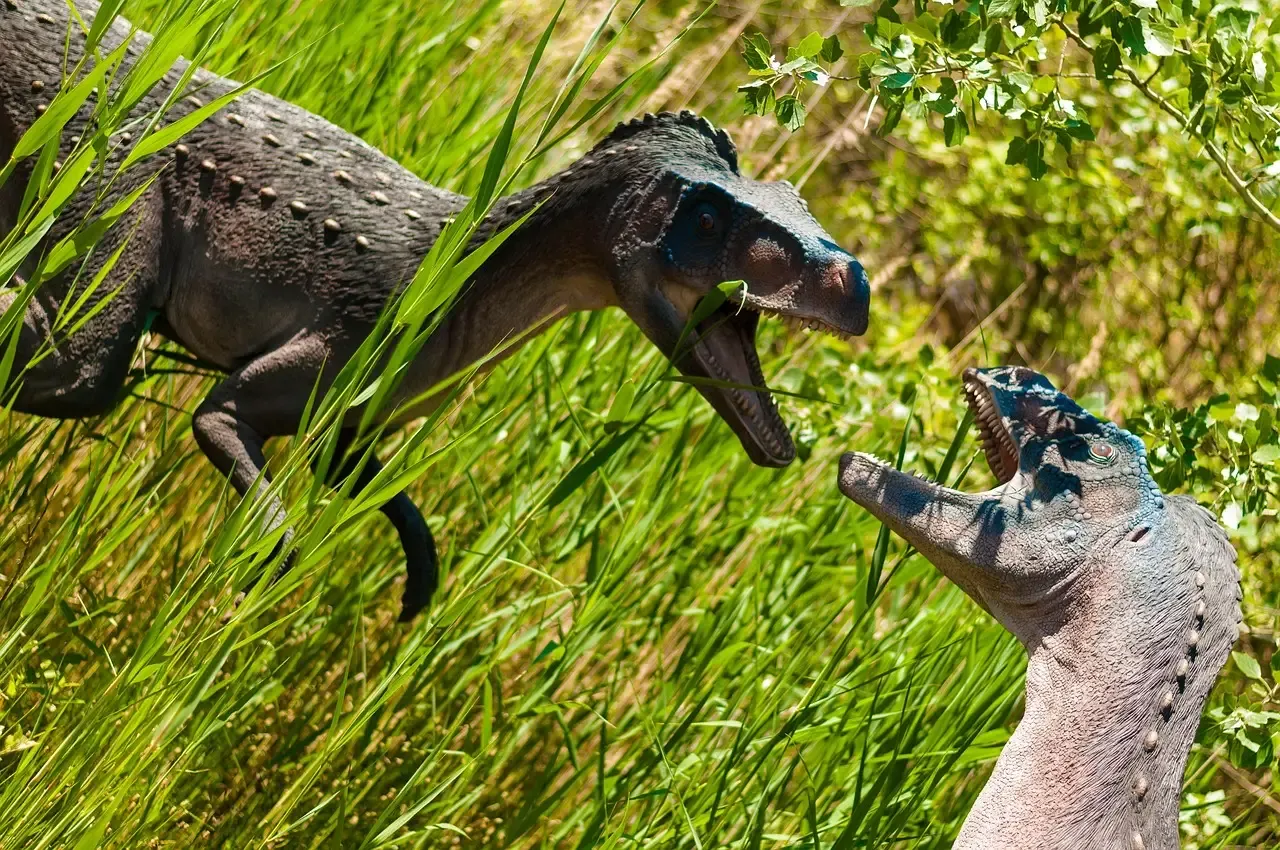
It’s one thing to say “dinosaurs were warm‑blooded,” and another to ask the awkward follow‑up: when did that start? A 2024 analysis linked dinosaur climate preferences to a dramatic volcanic warming event about 183 million years ago. Around that time, some groups began thriving in cooler climates that should have been off‑limits to true cold‑blooded reptiles. The simplest explanation is that these animals had already evolved some kind of homeothermy – the ability to maintain a stable internal temperature.
What this does, practically, is push the origin of warm‑blooded dinosaurs far earlier than many scientists were comfortable admitting even a decade ago. It also suggests that physiology and climate were locked in a feedback loop: changing environments did not just move dinosaurs around, they may have nudged their entire metabolic strategy. I think this is one of those moments where paleontology stops being about dead bones and becomes a story about global ecology and survival strategies that still matter today.
3. Feathers Turn Out To Be Older, Stranger, and More Widespread Than Expected
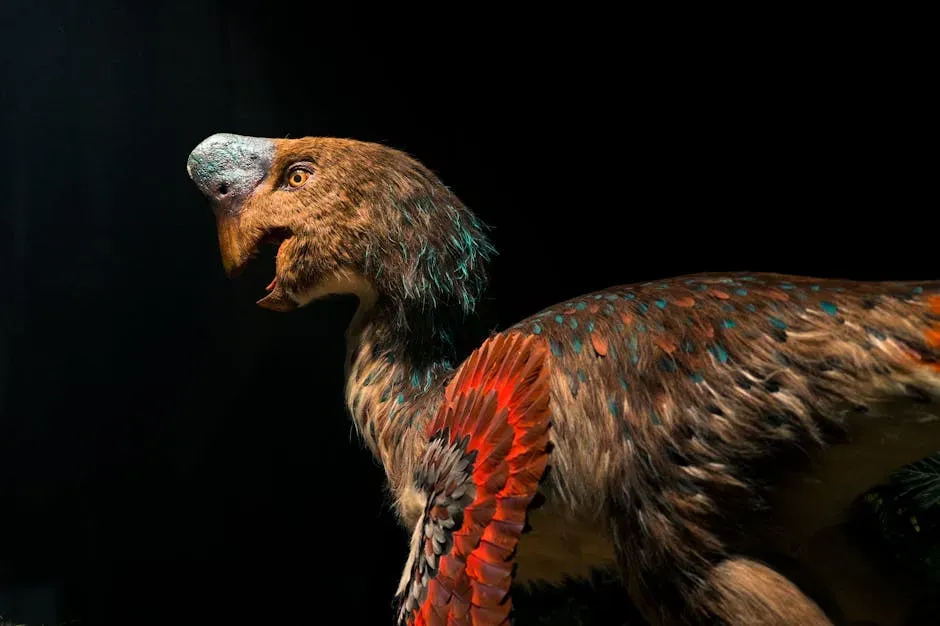
If you’ve kept even half an eye on dinosaur news, you’ve heard that many small carnivorous dinosaurs were feathered. But recent finds have made the feather story much messier and more interesting. A 2023 study described downy feathers from Early Cretaceous coelurosaurs with a macro‑structure almost like modern bird feathers – complete with rachis and barbs – but with microscopic details that were noticeably different, hinting at an evolutionary “prototype” phase.
More recently, in 2024 and 2025, researchers working on exceptionally preserved specimens showed that some dinosaurs, like Psittacosaurus, had a mosaic of reptile‑like scaly skin in some areas and bristle‑ or feather‑like structures in others. There are even Triassic reptiles outside true dinosaurs sporting complex, feather‑like appendages. Put together, the emerging view is that “dinosaurs had feathers” is too simple; what we really had was a whole spectrum of skin coverings, from scales to quills to full plumage, evolving in parallel across the broader reptile family. That is a huge reset of the old clean divide between “scaly reptiles” and “fluffy birds.”
4. A Dinosaur–Mammal Death Match Frozen in Time
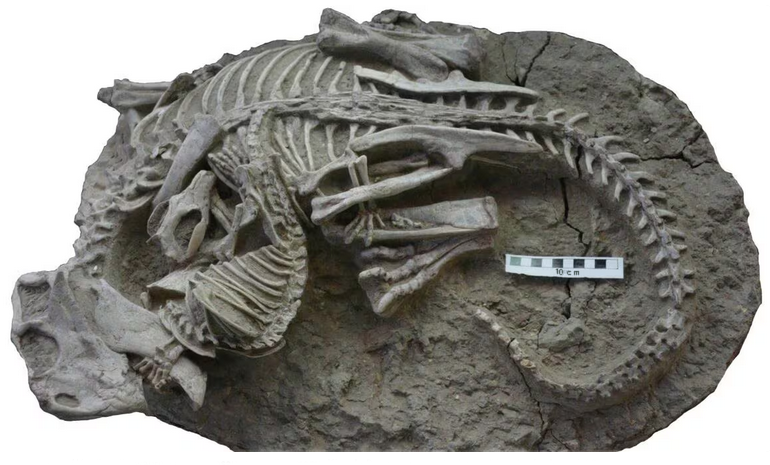
One of the most jaw‑dropping fossils described in 2023 shows a small predatory dinosaur and a mammal literally locked together at the moment of death. The mammal is wrapped around the dinosaur’s body, biting into it, while the dinosaur appears to be clawing back. It is not the polite, background‑character mammal we were taught to imagine hiding in the shadows of dinosaur dominance.
This fossil forces a rethink of the power dynamics of Mesozoic ecosystems. Clearly, some mammals were bold, active players willing to take on dinosaur prey, not just scavenge leftovers. The idea that mammals only burst into ecological importance after the asteroid impact now looks far too simple. Personally, I love this find because it punctures that neat storybook narrative and replaces it with something more chaotic, where dinosaurs and mammals were already pushing each other in predator–prey arms races long before the end of the Cretaceous.
5. New Tyrannosaur Research That Challenges the T. rex Family Tree
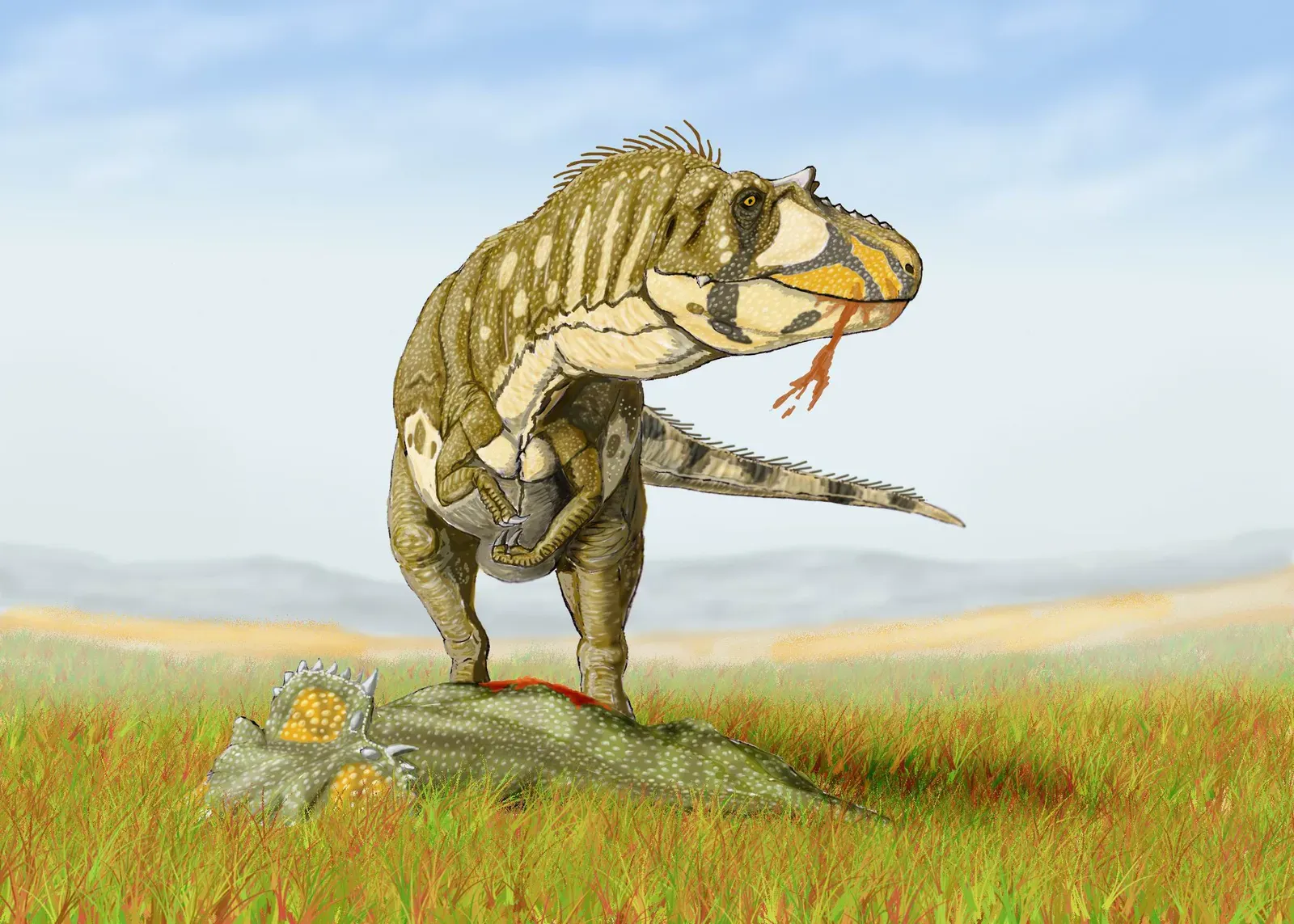
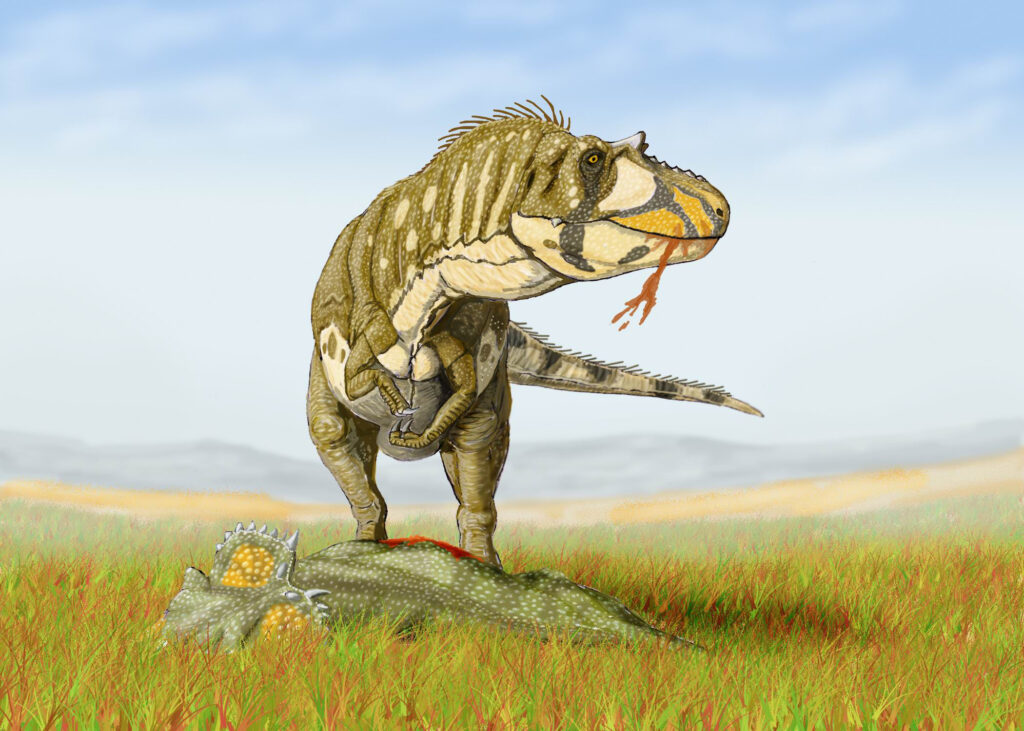
Tyrannosaurs are the rock stars of dinosaur paleontology, so any shake‑up here gets attention. Over the last few years, a new species called Daspletosaurus wilsoni and new giant specimens have been pulled into a tug‑of‑war over how tyrannosaurs evolved. One camp argues for a neat, step‑by‑step lineage in which earlier Daspletosaurus species gradually give rise to Tyrannosaurus rex, almost like a slowly morphing character in an animation.
Another camp, drawing on more recent analyses and newly described specimens, has pushed back, suggesting the picture is closer to a bush than a ladder: overlapping species, branching lineages, and more diversity than previously recognized. The debate has become surprisingly heated because it is not just about names; it affects how we think about evolution during the last few million years before the asteroid hit. The emerging consensus seems to be that tyrannosaur evolution was more complex and less linear than once thought, which is honestly a theme you see again and again in modern dinosaur research.
6. New Dinosaurs From Previously Empty Spots on the Map
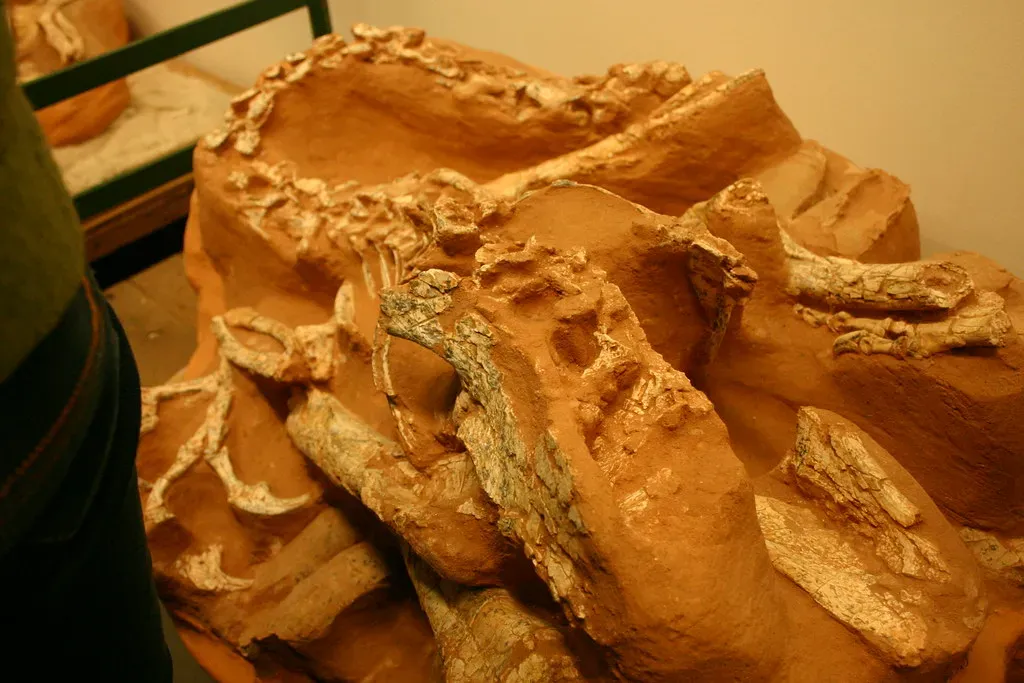
One of the quiet revolutions of the last five years has been geographic. Paleontologists have started pulling dinosaur bones from places that were essentially blank spots on the dinosaur map. In Cambodia, for example, a single sauropod bone reported in 2023 marked the first confirmed non‑avian dinosaur from the country. It sounds small, but that one bone immediately plugs Southeast Asia more firmly into the global dinosaur story.
At the same time, new species have been emerging from familiar dinosaur hotbeds like Mongolia and China, including unusual plant‑eaters and big‑thumbed theropods that show just how regionally distinct Late Cretaceous ecosystems could be. Every time a new species pops up in a previously under‑sampled place, it undermines the idea that we already know the “main cast” of dinosaurs. The reality is more like an ensemble show where we have only met a fraction of the characters, especially outside North America and Europe.
7. Climate‑Stressed Dinosaurs and “Last Gasp” Species
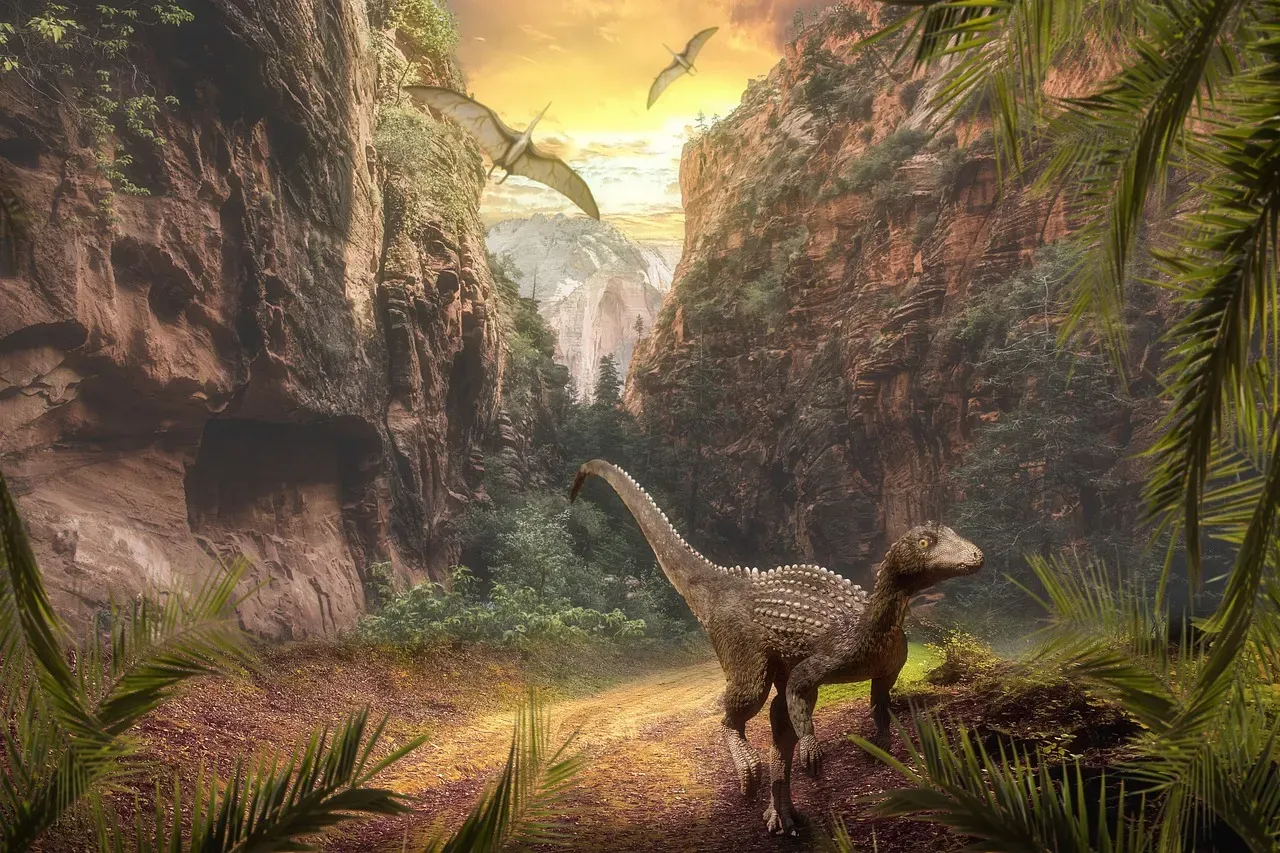
It’s tempting to picture dinosaurs as timeless and unchanging until the asteroid abruptly ended their reign, but the rocks tell a grittier story. A 2023 description of a mid‑Cretaceous plant‑eater nicknamed Iani highlighted this. It seems to represent one of the final members of a once successful group hanging on while Earth’s climate warmed and sea levels rose, shrinking their habitats and shuffling ecosystems.
Researchers interpreted Iani as a kind of “last gasp” species, clinging to survival as new dinosaur groups moved in and older ones faded. Set alongside the broader climate‑metabolism work, this adds a sobering layer: dinosaur diversity was already being reshaped by long‑term climate change well before the famous asteroid. It also makes the parallels with our own era uncomfortably clear. Entire lineages can be pushed to the margins slowly, long before an obvious catastrophe finishes the job.
8. Hyper‑Preserved Soft Tissues, Including Possible Blood Vessels
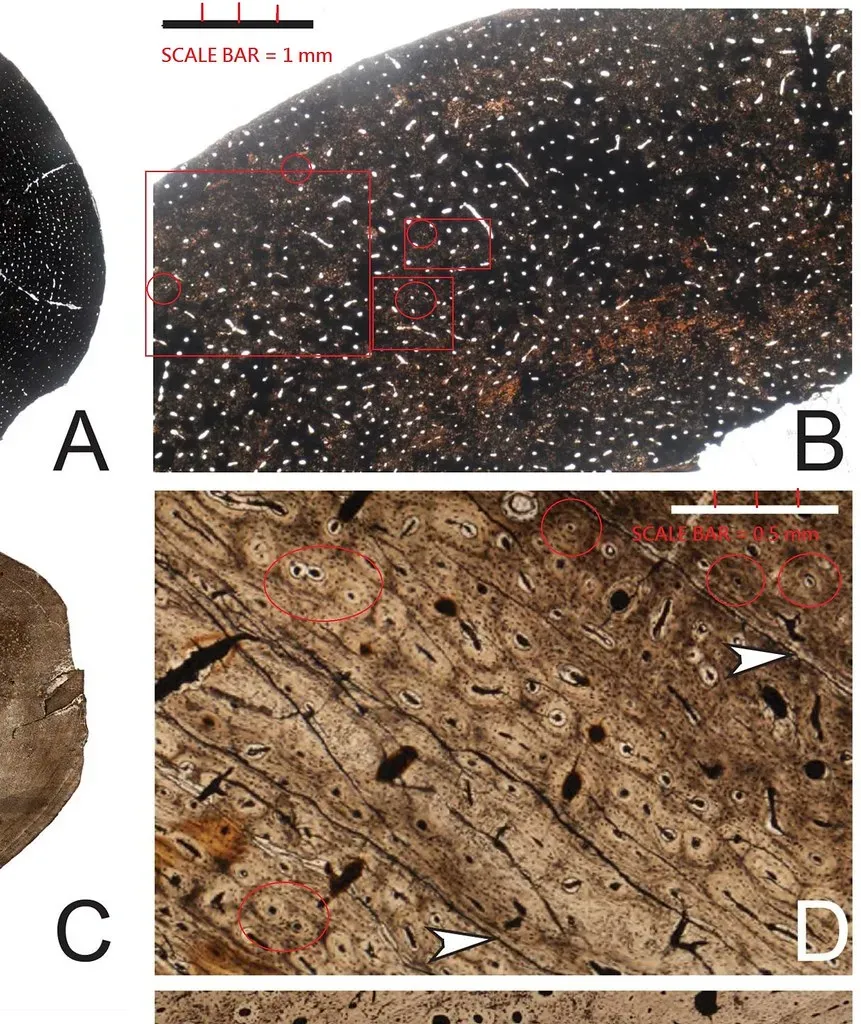
For most of my life, “fossil” meant rock‑hard bone replicas, full stop. But over the last few years, studies have described increasingly detailed soft tissue preservation inside dinosaur bones, including structures that look remarkably like blood vessels and cellular remnants. A 2025 summary of dinosaur work highlighted just how much this microscopic world has opened up, with new methods revealing organic fragments that simply were not visible to earlier generations of paleontologists.
To be clear, this is not Jurassic Park; we are not talking about intact DNA ready to clone. But it does mean we can start asking questions about dinosaur biology – growth, aging, maybe even some aspects of physiology – that were once relegated to fantasy. The controversial part is that not everyone agrees on exactly what these structures are, or how much original material is left after tens of millions of years. Still, the fact that we are even arguing about the details of fossil blood vessels shows how far the field has moved beyond “just bones.”
9. Dinosaurs Built for Water, Speed, and Surprisingly Modern Behaviors
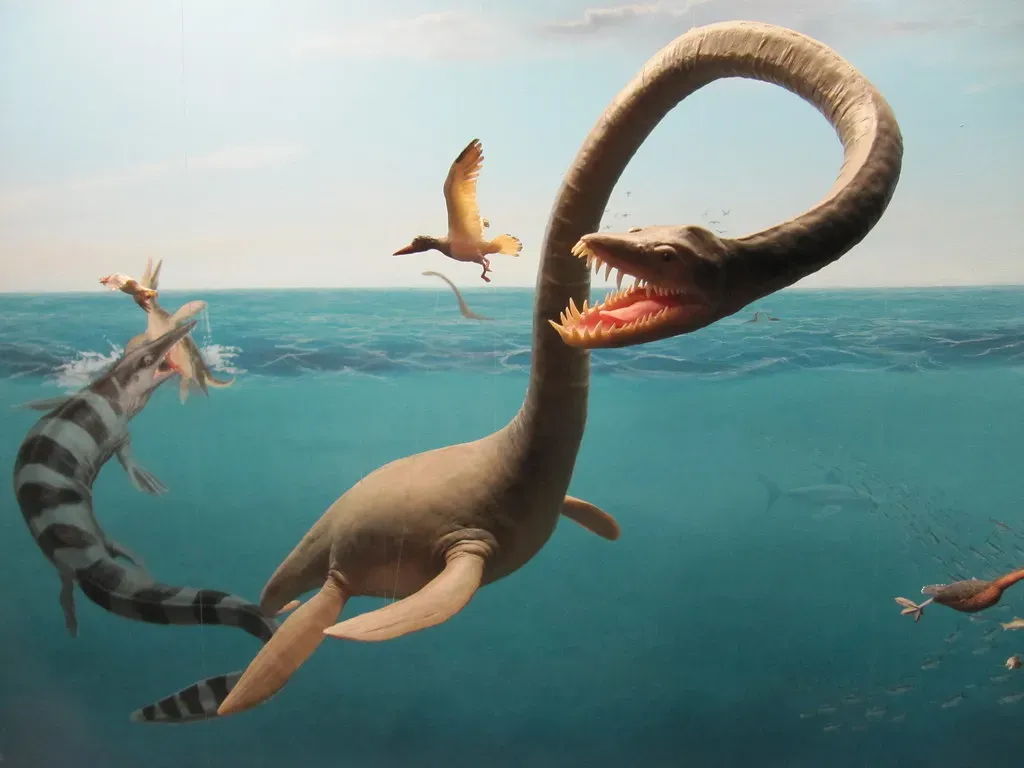
Another set of discoveries in the last few years has attacked the idea that dinosaurs were confined to simple ecological roles. Several newly described species, such as the small swimming theropod Natovenator announced at the end of 2022, show streamlined bodies and limb proportions that look purpose‑built for life in water. These are not clumsy land animals splashing around by accident; they are more like the dinosaur version of a cormorant or a penguin.
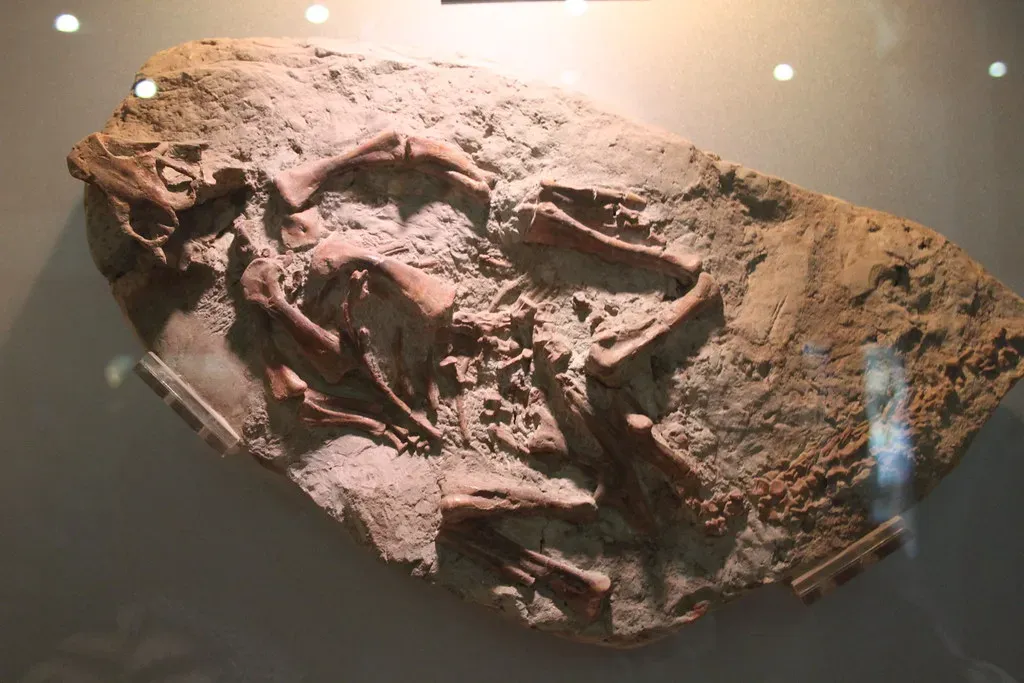
Other research has sharpened our understanding of how fast some dinosaurs could run, how they cared for nests, and how often they might have lived in social groups. Combined with that famous brooding oviraptor fossil found sitting directly on a clutch of eggs with embryos preserved inside, the behavioral picture looks more and more like that of modern birds and mammals. The old trope of dinosaurs as brainless brutes just does not survive contact with this kind of evidence.
10. Feather Evolution Rewritten: Hidden Steps and Patchwork Bodies
In 2024, a fresh analysis of a well‑preserved Psittacosaurus fossil turned out to be a sleeper hit. Using modern imaging, researchers discovered that where earlier work had focused on porcupine‑like tail bristles, the rest of the body actually preserved subtle traces of scaly, reptile‑like skin. That combo – patches of feathers or bristles in some areas, “classic” reptile scales in others – suggests feather evolution was not a simple on‑off switch, but a mosaic changing at different rates across the body.
When you line this up with Triassic reptiles that already sport complex skin appendages and early birds refining full flight feathers, the whole trajectory of feather evolution starts to look more like a patchwork quilt than a smooth gradient. Feathers were probably doing multiple jobs at once – insulation, display, maybe even sensory functions – long before perfect flight came along. In my view, this is one of the most important conceptual shifts of the last five years: feathers are no longer a quirky add‑on at the end of dinosaur history, they are an evolving toolkit that reshaped the entire group.
Conclusion: Dinosaurs Were Not What We Wanted Them To Be – And That’s Better
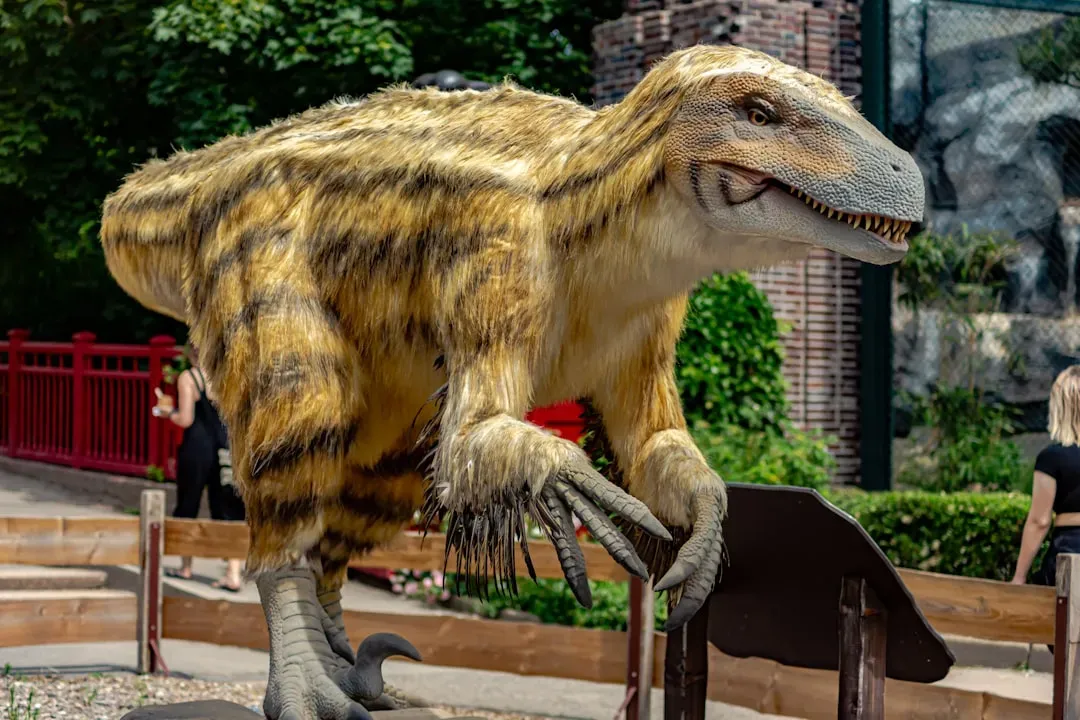
If you pull these ten threads together, a pretty blunt picture emerges: the quiet, cold‑blooded swamp monsters of old textbooks never really existed. Instead, we are looking at a wildly adaptable set of animals with warm‑blooded metabolisms, complex feathered and scaly skins, subtle responses to climate pressure, and behaviors that would not look out of place in a modern documentary about birds or mammals. The more data we collect, the less dinosaurs fit into the comfortable boxes we built for them.
Personally, I think that is an upgrade, not a loss. Letting go of the cartoon version makes room for something richer: a world where evolution is messy, where mammals sometimes bite back, and where even the most iconic predators sit on wobbly family trees. Five years from now, there will almost certainly be another batch of discoveries that makes this list feel dated – and that constant overturning is exactly what good science should look like. When you picture a dinosaur now, do you still see a lumbering lizard, or can you imagine a warm‑blooded, feather‑flecked animal living on the edge of a changing world?