You know that sinking feeling when a dinosaur documentary proudly unveils a scaly, bare-skinned Velociraptor the size of a horse and calls it “cutting‑edge science”? If you love paleontology, you’ve probably shouted at your screen more than once. For a field that has exploded with new discoveries about feathers, colors, behavior, and ecosystems, it’s wild how much dinosaur TV is still stuck in the 1990s. The truth is harsh: genuinely careful, up‑to‑date dinosaur documentaries are rare, and that’s exactly why this list is so short.
Still, a handful of productions really did their homework. They brought in serious experts, kept pace (or tried to) with the latest research, and treated dinosaurs like real animals rather than roaring movie monsters. They are not perfect – nothing about a vanished world ever will be – but they respect uncertainty, avoid the worst myths, and push viewers closer to what the science actually says. Let’s walk through ten dinosaur documentaries that, on balance, got far more right than wrong – and why that’s both encouraging and, honestly, a little depressing.
1. Prehistoric Planet (2022–2023)
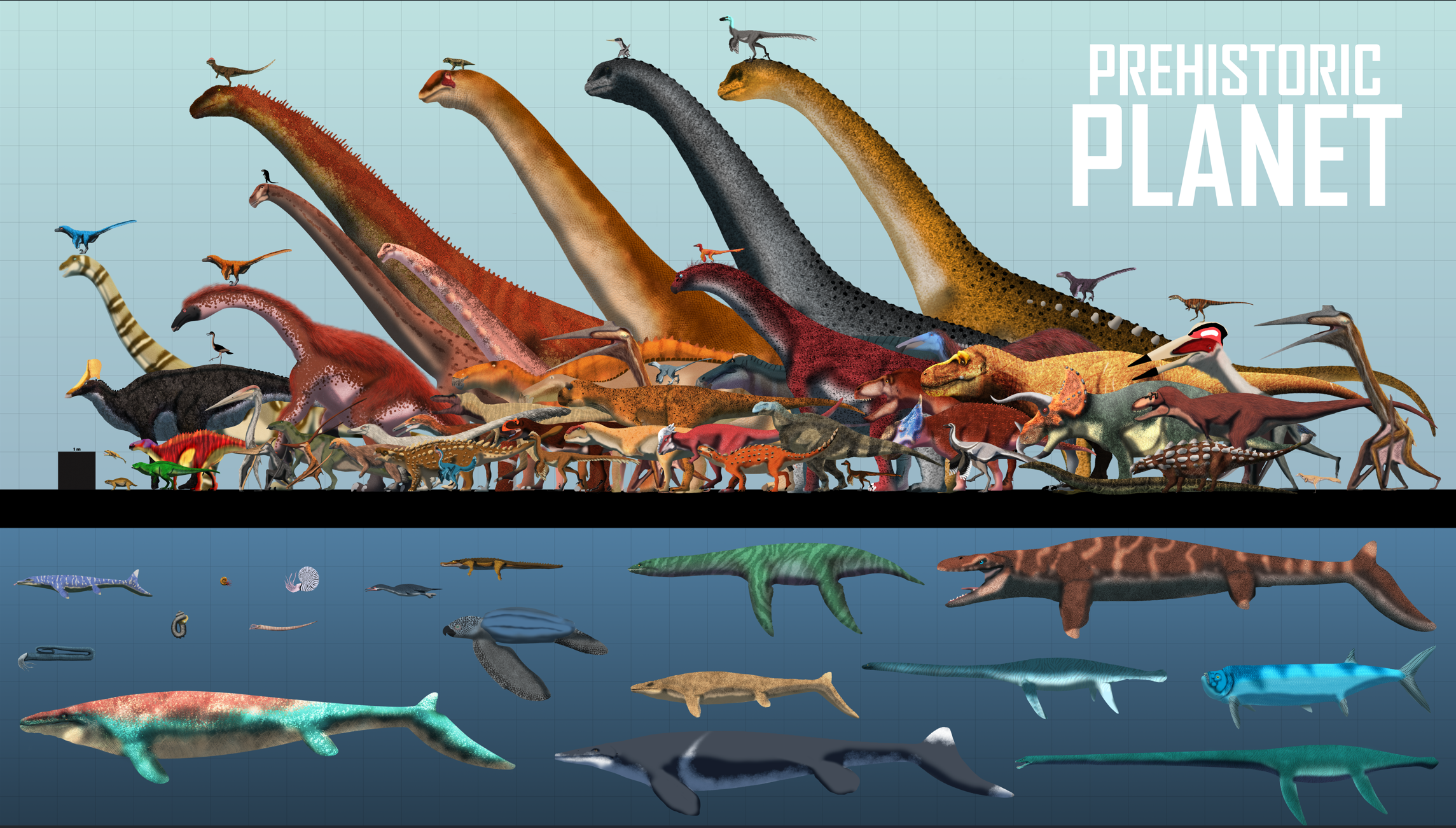
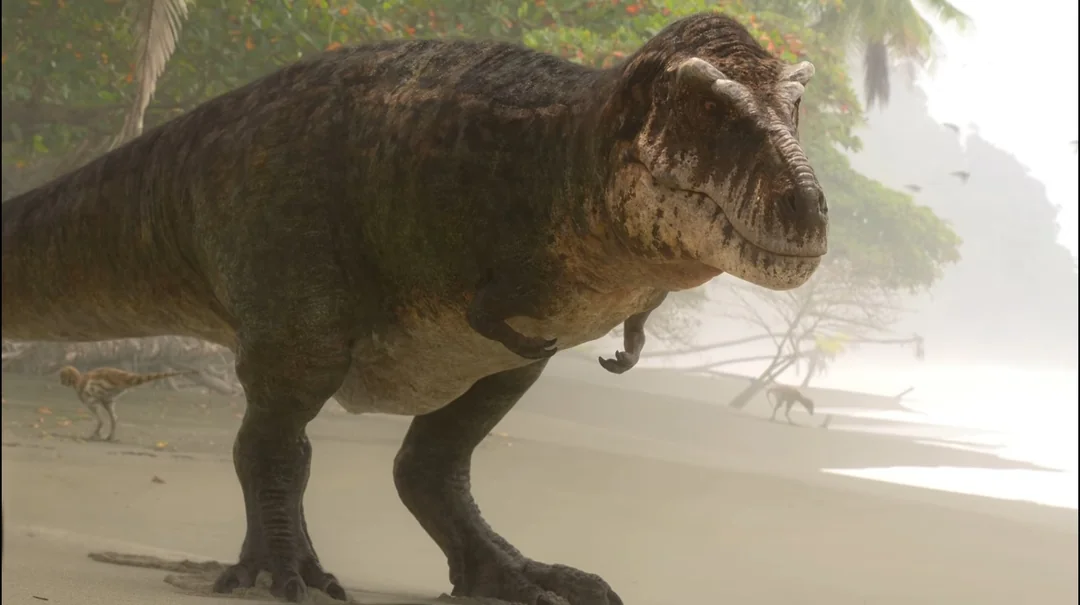
Imagine a classic high‑end nature documentary, then swap the lions and penguins for feathered tyrannosaurs, diving mosasaurs, and brooding troodontids. That’s essentially what Prehistoric Planet set out to be, and it shows a level of scientific care that stands head and shoulders above most dinosaur media. The series focused on Late Cretaceous ecosystems and leaned heavily on modern paleontology, from accurate feathering and limb posture to plausible social behaviors rooted in fossil evidence and analogies with living animals. Instead of generic “big lizard” dinosaurs, you get believable creatures shaped by their environments.
Behind the scenes, the production involved intensive consultation with working paleontologists and even paleoclimate modeling to reconstruct landscapes and seas in a way that fits current data. That matters, because accuracy is not just about putting feathers on a T. rex; it’s about showing how entire food webs functioned, how animals nested, hunted, migrated, and interacted. The show still has to speculate – of course it does – but it does so transparently and conservatively, building from what fossils and modern ecology actually support. In 2026, if someone asks for a single dinosaur documentary that “gets it mostly right,” this is the one I recommend without blinking.
2. Planet Dinosaur (2011)
Planet Dinosaur sometimes flies under the radar, overshadowed by flashier titles, but it quietly set a high bar for being up‑to‑date when it aired. Instead of rehashing the same handful of famous species, it leaned into newly described dinosaurs and marine reptiles, often incorporating recent research on body proportions, bite forces, and hunting strategies. You can feel the production trying to correct older tropes – showing theropods with more bird‑like body plans, emphasizing agility over simple “big and slow” stereotypes, and highlighting lesser‑known predators and herbivores that had just entered the literature.
To its credit, the series also foregrounded the science more than most. It talked about fossils, skull reconstructions, and comparative anatomy instead of pretending the animators simply “knew” how these animals behaved. Some details have aged, of course; new discoveries have revised sizes for certain marine reptiles and the famously controversial Spinosaurus, and that’s inevitable in a fast‑moving field. But judged by its own time, Planet Dinosaur was clearly aiming for rigor, not cheap scares, which is more than can be said for a lot of its contemporaries.
3. Walking with Dinosaurs (1999)
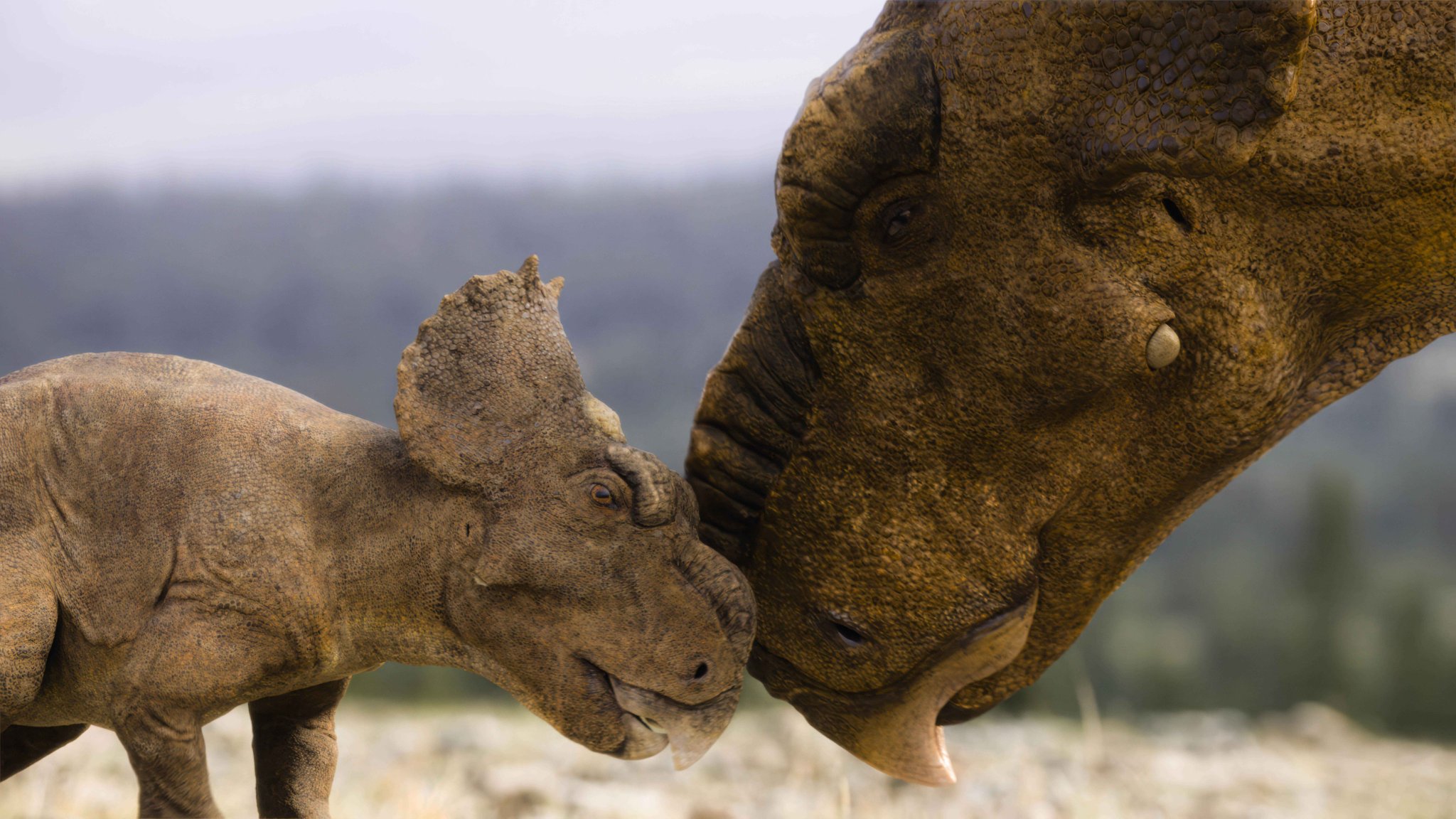
Here’s where nostalgia and science collide. Walking with Dinosaurs is old enough that parts of it now look charmingly dated, but at the time it landed like a meteor. It treated dinosaurs as wildlife, not monsters, and it went out of its way to consult experts on anatomy, locomotion, and paleoecology. Many scientists publicly praised it as one of the most credible dinosaur portrayals ever broadcast up to that point, and you can still see why: animals move in relatively realistic ways, environments feel like functioning ecosystems, and behaviors are often grounded in fossil evidence such as trackways and nesting sites.
Does it hold up perfectly in 2026? Not even close – feathered theropods are underplayed, some postures are out of date, and a lot of behaviors are speculative in ways we’d probably frame differently now. But given what was known in the late 1990s, it pushed hard toward scientific realism and away from Hollywood fantasy. In a sense, this series is like a snapshot of paleontology at the turn of the millennium, and it still teaches an important lesson: you can aim for drama without completely throwing science under the bus.
4. The Truth About Killer Dinosaurs (2005)
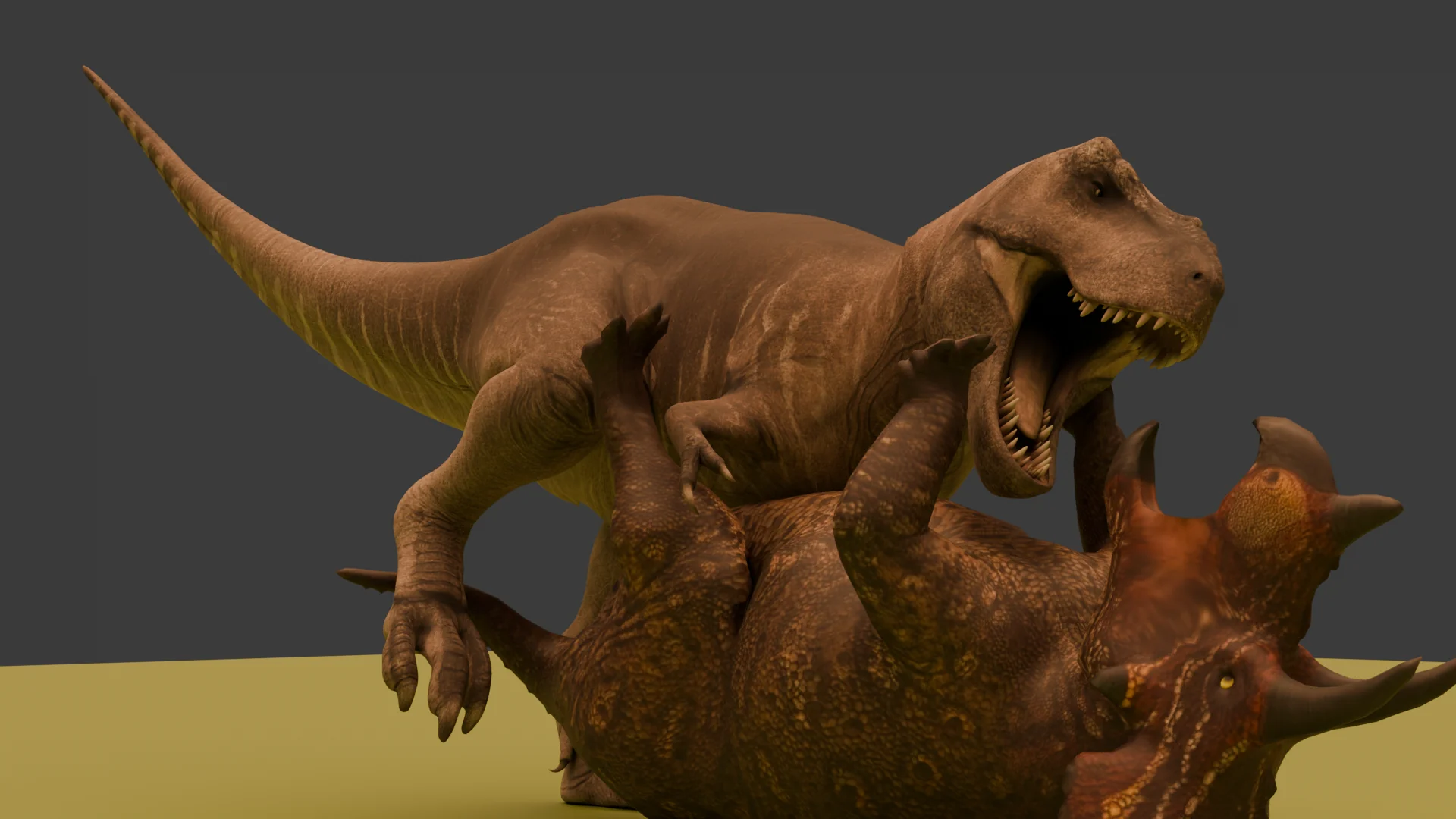
If most dinosaur shows are about sweeping stories, The Truth About Killer Dinosaurs is almost aggressively specific. It zooms in on a handful of famous animals – Tyrannosaurus, Triceratops, Velociraptor, and an ankylosaur – and asks an unusually concrete question: what could their weapons actually do? Instead of just declaring T. rex “the ultimate predator,” the production built physical models of jaws, tails, and armor and put them through mechanical tests. Biting into bones, smashing objects, and measuring forces may look theatrical, but it’s actually closer to biomechanics research than many viewers realize.
Of course, scaling up from models to real animals always involves assumptions, and some narrative flourishes lean harder into spectacle than scientists would in a paper. Still, the show’s underlying spirit is admirably skeptical: it tests claims about strength and lethality rather than repeating them. It also confronts oversimplified “who would win” battles by discussing factors like weapon placement, leverage, and body size instead of pure fanboy fantasy. It is not a perfect biomechanical treatise, but for a mainstream documentary, it took the physical reality of dinosaur anatomy seriously in a way that still feels refreshing.
5. Dinosaur (2007, BBC’s “Dinosaur Planet”‑style science specials)
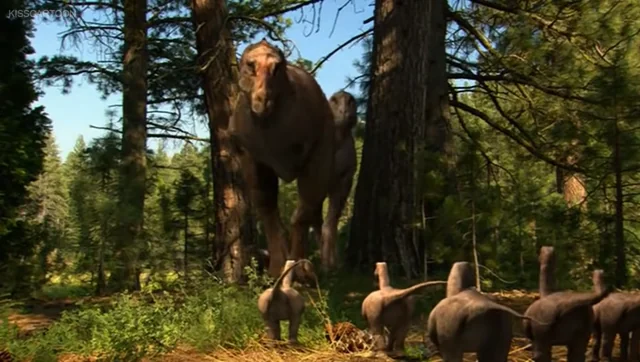
In the mid‑2000s, the BBC produced several dinosaur‑focused programs that blurred the line between cinematic storytelling and science‑explainer – often released under slightly different titles in different regions. The best of these leaned more toward the science side, pausing the CGI drama to dissect skeletons, show actual fossils, and walk through how paleontologists infer behavior from trackways, bite marks, bone histology, and growth rings. That framing matters: instead of pretending we magically “know” how a dinosaur hunted, these shows walked viewers through the chain of reasoning.
These specials also did a respectable job acknowledging uncertainty, especially around social behavior and coloration. Rather than declaring that a certain theropod definitely hunted in complex packs or that a specific hadrosaur had a particular hue, they often presented options and explained why some were more likely than others. You can feel the influence of more rigorous science communication here – still dramatized for TV, but tethered to real debates and data. For viewers who want more than just pretty CGI, that honest peek behind the curtain is gold.
6. The Ballad of Big Al (2000)
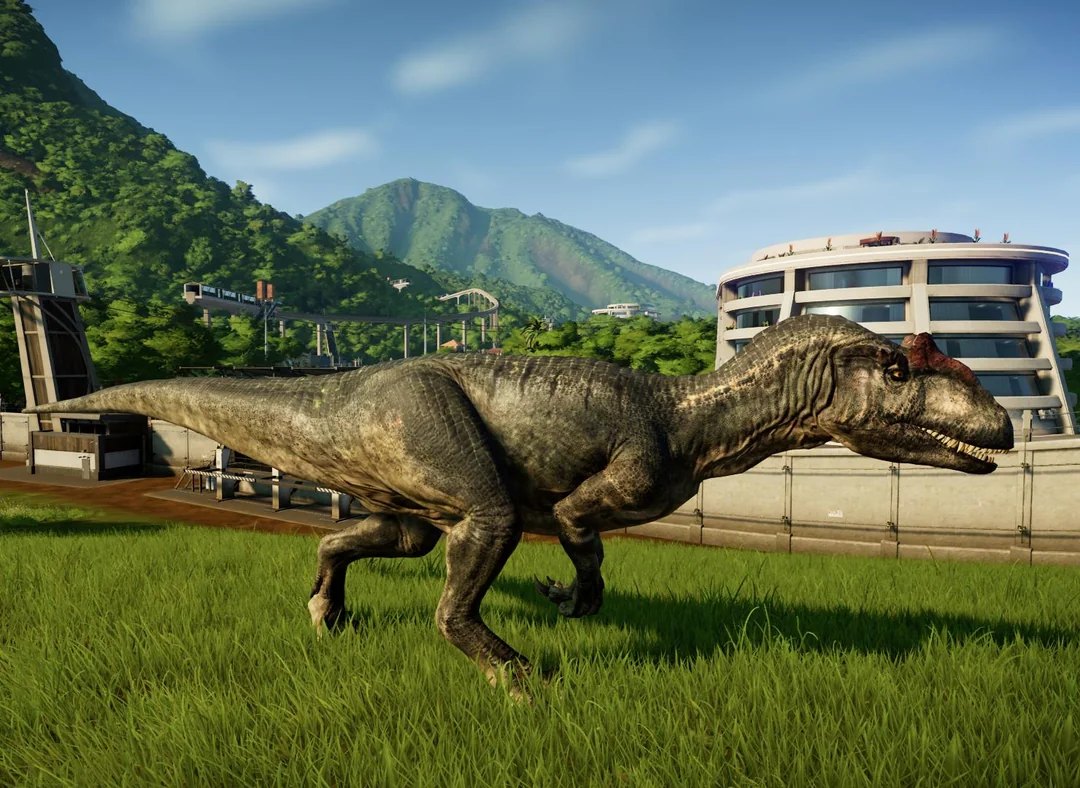
The Ballad of Big Al is effectively a specialized spin‑off of Walking with Dinosaurs, and it quietly does something very smart: it builds almost the entire story around one individual fossil. “Big Al” is a well‑preserved Allosaurus specimen riddled with injuries, and the documentary tries to reconstruct this animal’s life by matching narrative beats to each healed or unhealed wound. Broken bones, infections, and pathologies become plot points, turning what could have been random speculation into a kind of forensic reconstruction anchored to actual evidence.
By basing its drama on a real skeleton, the show showcases how paleontologists interpret trauma, repetitive stress, and growth in dinosaur bones. It illustrates that these animals were not generic killing machines; they got hurt, healed, limped, and ultimately died in ways we can sometimes trace in surprising detail. There is still room for artistic license in exactly how each injury happened, but the core idea – that you can tell a grounded, emotionally engaging story by following one fossil’s medical history – is one of the more honest strategies any dinosaur documentary has taken.
7. “New” Walking with Dinosaurs Projects (2010s–2020s)
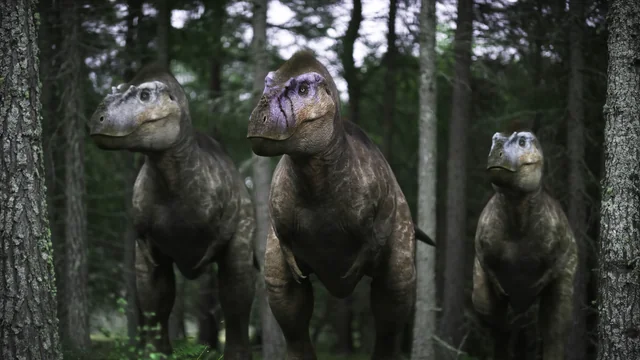
Over the years, the Walking with Dinosaurs brand has spawned revised cuts, film adaptations, and new behind‑the‑scenes and educational segments that quietly nudge the franchise closer to modern science. Some re‑releases and spin‑off material brought in updated expert commentary, acknowledged where the original series had been superseded by new findings, and highlighted feathered dinosaurs and changing ideas about dinosaur social behavior. While these updates are not complete overhauls, they show a willingness to adapt rather than freezing dinosaur science in 1999 forever.
With a new Walking with Dinosaurs series announced for the mid‑2020s, there is cautious optimism that lessons from Prehistoric Planet and two decades of discoveries will finally be fully integrated into the brand. Early statements from the production side have emphasized collaboration with scientists and a stronger tie to current research. Until the episodes are all out and dissected, it is fair to stay skeptical. Still, the trajectory is clear: even mainstream franchises are slowly drifting toward more accurate, bird‑like, ecologically grounded dinosaurs, and that is not nothing.
8. When Dinosaurs Roamed America (2001)
When Dinosaurs Roamed America is very much a product of its time, but it had one big scientific strength: it built its stories around real North American formations and time slices. Instead of tossing Stegosaurus and Tyrannosaurus into the same scene because they look cool together, it stuck more carefully to what lived where and when. That sounds basic, yet many dinosaur programs still mash species from completely different eras as if the Mesozoic were one long afternoon. This show at least tried to align faunas with the fossil record.
For viewers, that geographic and temporal grounding quietly teaches something crucial: the age of dinosaurs was not a single moment but a constantly changing world spanning well over 150 million years. The animals you see in one episode are genuinely different from those in another because evolution and extinction reshaped the cast over deep time. Yes, the visual designs now look dated and the feather situation is far from ideal. But if you care about stratigraphy and biogeography as much as teeth and claws, there is a solid skeleton of good science under the early‑2000s CGI.
9. Dinosaur 13 (2014) – Science Amid the Legal Drama
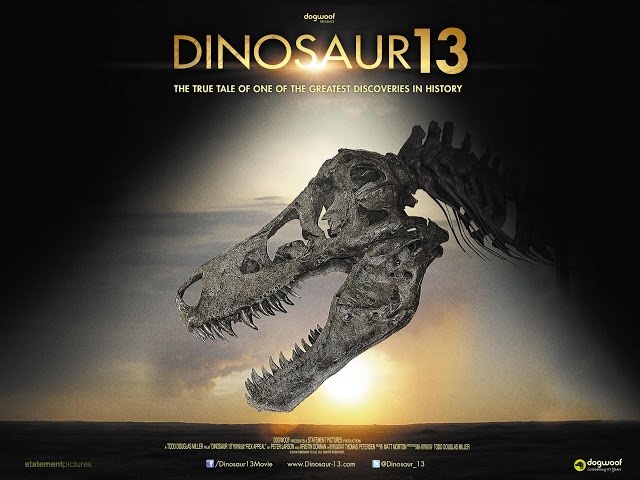
Dinosaur 13 is not a creature‑feature documentary in the usual sense; it is a story about the discovery, excavation, and legal battle over the famous Tyrannosaurus skeleton nicknamed “Sue.” On the surface, it is a legal thriller wrapped in a human drama about fossil hunters, small‑town politics, and federal authorities. But tucked inside that narrative is a surprisingly grounded look at how a major dinosaur skeleton is actually collected, prepared, studied, and eventually displayed. You see jacketing, field notes, preparation labs, and the unglamorous grind that underpins every glamorous mount in a museum.
Scientifically, the film does not try to speculate about dinosaur behavior or ecology beyond what is reasonably supported. Instead, it highlights the realities of fossil ownership, land rights, and the tension between private collecting and public science. That subject is not as flashy as a CGI hunt scene, but in 2026 it is arguably more important: without clear legal frameworks and funding structures, a lot of scientifically priceless material will never be properly studied. In that sense, Dinosaur 13 “gets it right” by focusing on the real ecosystem behind dinosaur science – people, laws, and institutions – rather than inventing new monster myths.
10. We Believe in Dinosaurs (2019) – Getting the Conflict Right
We Believe in Dinosaurs is not about reconstructing dinosaur behavior at all; it is about reconstructing the cultural battle over what dinosaurs mean. The film follows the creation of a massive creationist museum and theme park in Kentucky, where dinosaurs are depicted living alongside humans on a young Earth, in direct conflict with mainstream geology and evolutionary biology. From a scientific standpoint, the documentary is crystal clear about the evidence for deep time, extinction, and the fossil record. That clarity matters in a media landscape where pseudoscientific narratives can easily blend in with slick production values.
By putting scientists, educators, and believers into the same frame, the documentary shows how dinosaur imagery can be weaponized either for or against evidence‑based thinking. It never pretends that the creationist exhibits are “just another viewpoint” on equal footing with paleontology; instead, it contrasts claims with what the geological and fossil data actually support. In a world where many dinosaur programs still fudge the science for drama, having a documentary that explicitly defends the scientific method – and shows how hard people fight over it – might be one of the most important “accuracies” of all.
Conclusion: Why Is This List So Short?
Stepping back, the pattern is hard to ignore: the documentaries that get dinosaurs mostly right are either laser‑focused on careful reconstruction, like Prehistoric Planet, or they shift the camera to the process and politics of paleontology instead of trying to dramatize speculative dinosaur soap operas. Everything else quickly drifts into half‑truths and cinematic shortcuts. It is frankly depressing that, in 2026, you can still count the genuinely careful dinosaur documentaries on your fingers, while wildly inaccurate ones with roaring, naked, Franken‑raptors keep topping streaming charts. The market keeps rewarding spectacle, even when the science has moved on.
My own feeling, after years of watching this stuff, is that audiences are being underestimated. People can handle nuance. They can handle “we’re not sure” and “here are three possibilities” without turning off the TV. The success of shows like Prehistoric Planet proves that you can make something gorgeous, emotional, and binge‑worthy without completely betraying the fossil record. So the real question is not whether we know enough to do better – we clearly do – but whether studios are willing to risk a little less fantasy for a lot more truth. If the next generation of kids grows up thinking of dinosaurs as weird, feathered, complex animals instead of just oversized movie monsters, that might be the most important sequel of all. Which of these ten would you actually sit a curious kid down in front of first?