If someone told you that the patch of ground under your feet has probably spent time at the bottom of an ancient ocean, been pushed up toward the sky as part of a mountain range, and may once have belonged to a completely different continent, it sounds like a wild sci‑fi pitch. Yet that is exactly what modern geoscience says, and the deeper you dig into Earth’s history, the stranger and more beautiful the story becomes. The solid world feels so steady that we build cities, memories, and entire civilizations on it, but in geological terms it behaves more like a very slow, very powerful ocean of rock, constantly circulating, colliding, and reshaping itself.
I still remember the first time a field geologist showed me a polished slab of rock from the middle of a continent and calmly explained that it was born on an ancient seafloor, later buried, baked, crushed, and finally exhumed back to the light. It felt like discovering that the floor of your living room used to be a ship deck in another lifetime. Once you see Earth that way, you can’t unsee it: your favorite hiking trail, your city’s main street, the park where you walk your dog – all of them are just single frames in a movie that has been playing for billions of years and absolutely isn’t over.
The Illusion of Solid Ground: Why “Stable” Is a Temporary Privilege
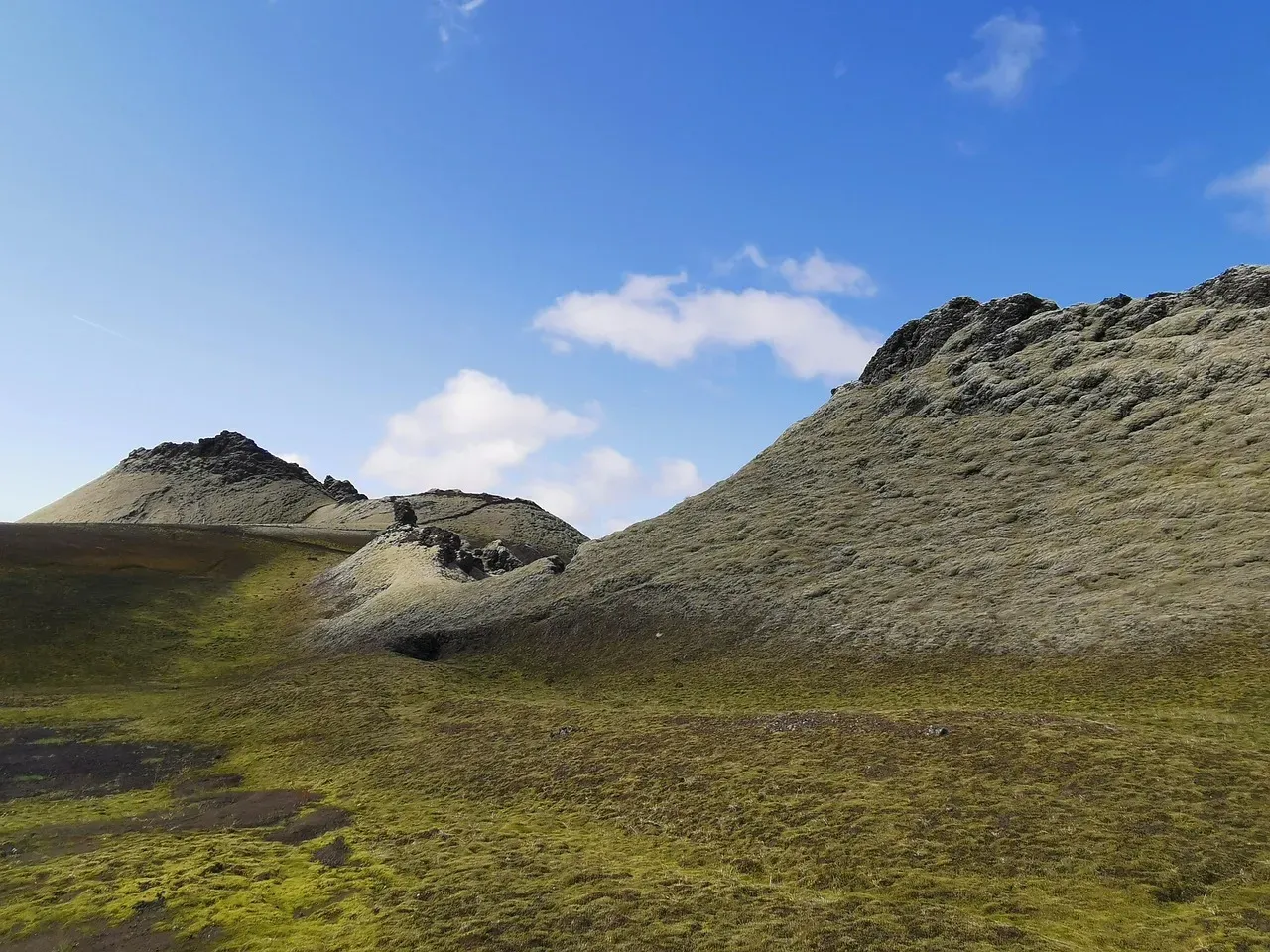
It is oddly comforting to believe that land is permanent and oceans are what move, but physics says the opposite: the rocky outer shell of Earth is broken into massive plates floating and drifting on a hot, deformable interior. These plates creep around at roughly the rate your fingernails grow, which feels like nothing day to day but adds up to thousands of kilometers over tens or hundreds of millions of years. Because this motion is so slow on human timescales, our brains file it under “doesn’t move,” the same way we assume a mountain range looks the same now as it did two thousand years ago.
Geologists measure this movement using GPS stations bolted to bedrock, satellite data, and magnetic stripes frozen into the seafloor, and the numbers leave little room for debate. Continents stretch, crumple, rotate, and sometimes split; ocean basins open up and later vanish; entire mountain chains rise, erode down, and rise again. So when you feel the ground as solid, what you are really sensing is a pause you happen to occupy in a marathon of motion. It is a bit like walking into a crowded train station, snapping one still photo, and then insisting the station is always like that image.
From Ocean to Continent: How Seafloor Rocks Graduate to Dry Land
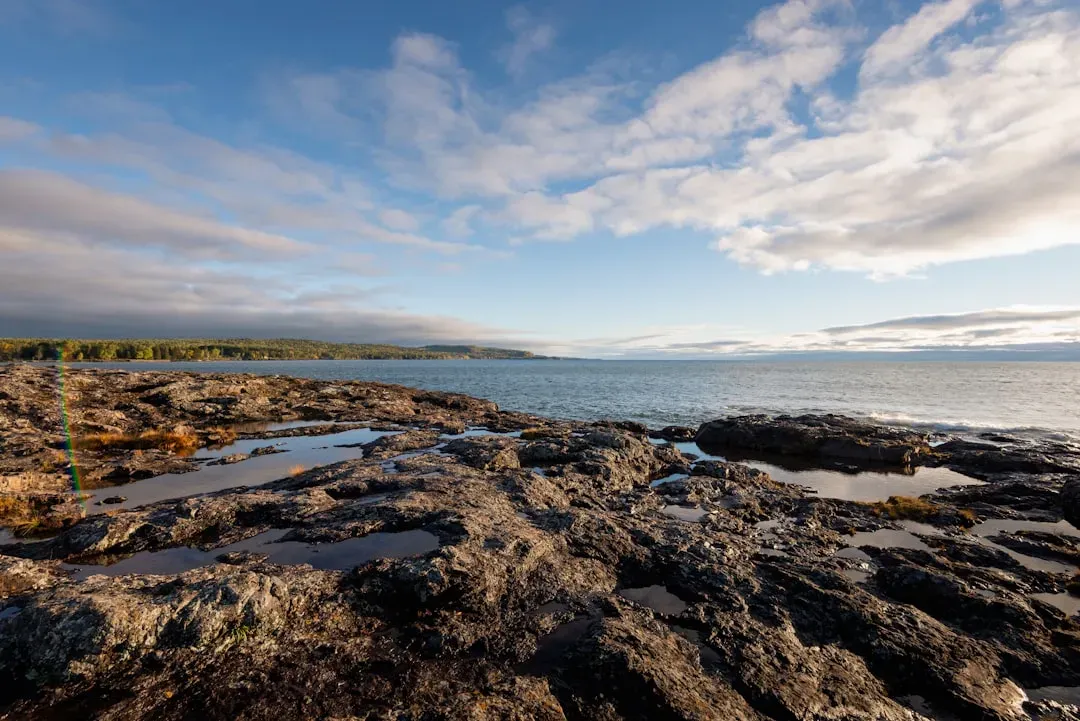
One of the most surprising truths in geology is that a lot of the crust beneath your feet once formed under water, erupting from mid‑ocean ridges where new seafloor is born. There, magma rises from the mantle, cools rapidly in seawater, and creates bands of fresh oceanic crust that spread outward like a conveyor belt. Most of that crust eventually gets dragged back into the mantle at subduction zones, but some pieces are scraped off, welded to continents, or caught up in collisions, giving them a second life as part of dry land.
These recycled fragments of ancient seafloor show up today as dark, dense rocks like basalt and gabbro in mountain belts or even in the cores of some continental blocks. Geologists can tell they once sat beneath an ocean because of their chemistry, their mineral textures, and the marine sediments sometimes still stuck on top of them. The idea that your local hill might be made of rock that solidified in deep water under miles of ocean and was then hoisted thousands of meters upward is not an exotic exception – it is one of Earth’s favorite tricks. Once you accept that, the simple question “What used to be here?” starts to feel almost dangerous, because the honest answer is usually “Something completely different.”
Colliding Continents and Growing Mountains: The Planet’s Slow-Motion Car Crashes
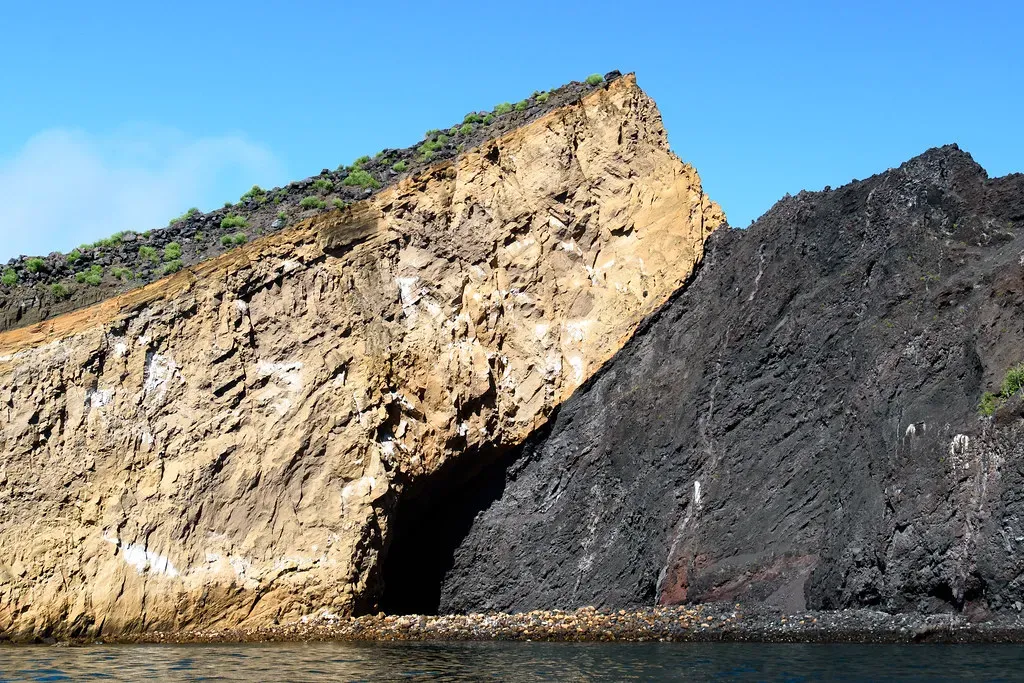
When two continental plates collide, neither one wants to sink easily because both are relatively buoyant compared to the underlying mantle, so they crumple and thicken instead. The result is a mountain belt, a bit like what happens when you push two carpets toward each other and watch them wrinkle and pile up. Famous ranges such as the Himalaya or the Alps are textbook examples of this process, with entire stacks of older rocks shoved up and over younger ones, sometimes moving dozens of kilometers along giant faults. It is not gentle, either: pressures and temperatures at depth can transform simple sedimentary rocks into glittering metamorphic ones.
What makes this relevant to the ground you stand on is that many seemingly quiet, low‑relief regions today were once the cores of mountain belts every bit as dramatic as the Himalaya. Over hundreds of millions of years, erosion shaved away those peaks, carrying their debris to distant basins, while the deep, once‑buried roots of the range emerged at the surface. So in many places, your “flat” landscape is actually standing on the exposed skeletal remains of long‑vanished mountains. It is a humbling thought: even the mightiest peaks we admire now are only temporary wrinkles on a recyclable planet.
Supercontinents: When the World’s Land Comes Together, Then Breaks Apart
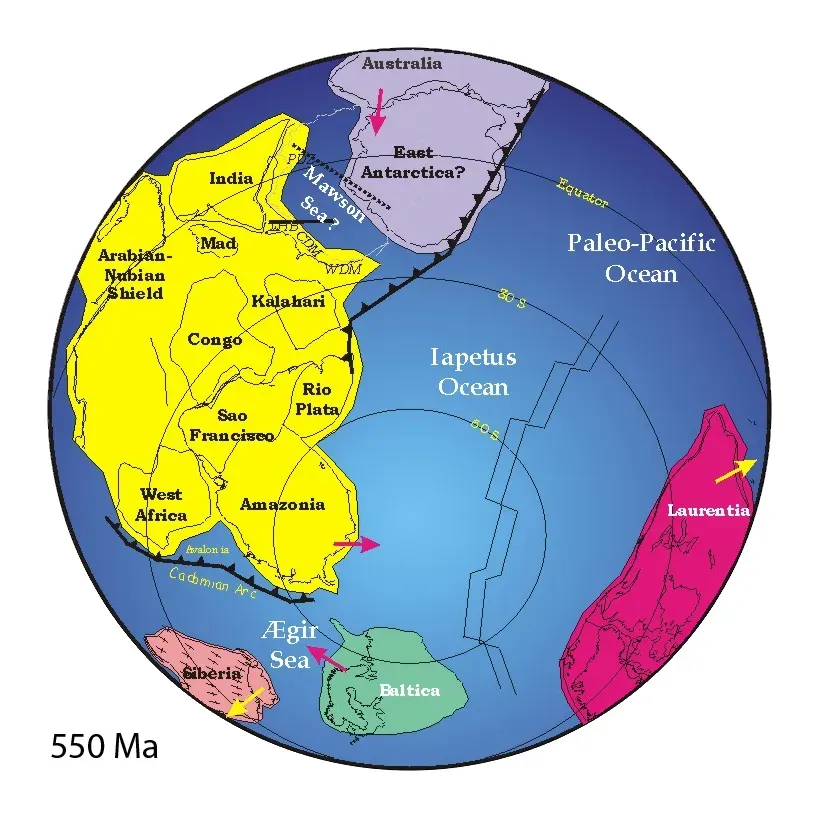
Earth’s continents have a habit of gathering into giant supercontinents, staying together for a few hundred million years, and then ripping apart again in a slow but dramatic cycle. Names like Pangea, Rodinia, and Gondwana sound almost mythical, yet they describe very real episodes when most of the planet’s landmasses were fused into single vast blocks. Paleomagnetic signatures in rocks, the jigsaw‑puzzle fit of continental margins, and matching mountain belts and fossils across oceans all point to this grand choreography of assembly and breakup. In each cycle, crust that once lay on a coastline might later end up deep in the interior of a merged landmass, and vice versa.
This matters to your patch of ground because statistically, it has almost certainly taken part in more than one of these supercontinent stories. Maybe it once lay near the edge of Pangea, feeding sediments into a shallow sea, and in an even earlier age it might have been welded onto a completely different assembly of continents. Over geological time, the same piece of crust can drift from the tropics to the poles and back, share a boundary with what is now Africa and later with what is now North America, all without ever ceasing to be “the same place” in a geographic sense. It is hard not to see our modern political borders as fleeting sketches on a globe that constantly redraws itself.
The Rock Cycle: Burial, Transformation, and Return to the Surface
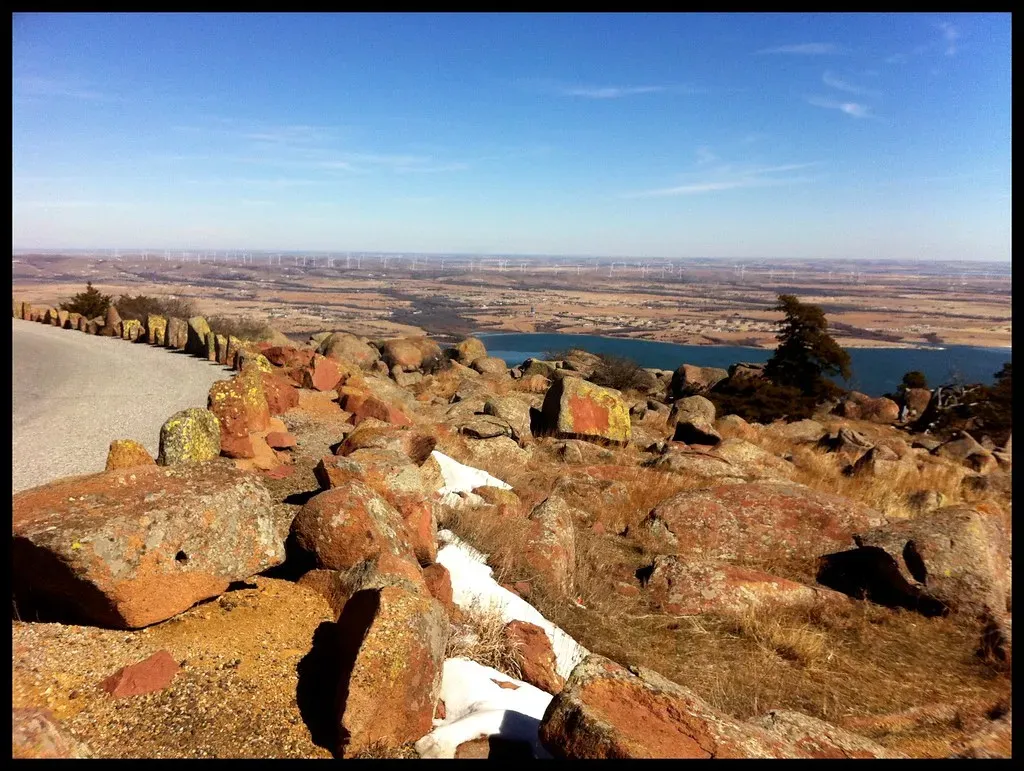
Even if a particular area of crust never travels far across the planet’s surface, the rocks within it live intense, layered lives. Sediments deposited in rivers, lakes, or oceans can be buried under newer layers, compacted into solid rock, and then dragged deeper by tectonic forces, where heat and pressure transform them into new minerals. Under extreme conditions, they may even melt and re‑crystallize as igneous rocks, resetting their structure but not their origin as recycled material. Eventually, uplift and erosion peel back the surface, bringing these once‑deep rocks up into daylight again, where the cycle of weathering and transport begins anew.
This rock cycle makes the ground beneath you feel oddly alive, like a slow‑moving conveyor that constantly takes old material, reworks it, and feeds it back to the surface as something new. The countertop in your kitchen, for example, might be a polished slice of granite that started as sediments, melted into magma, cooled slowly kilometers underground, and then took a long erosional elevator ride back up. Roads, buildings, and even the gravel in your driveway are often just temporary roles played by rocks in this ongoing drama. The idea that a single grain of sand might, over billions of years, star in multiple geological “careers” is one of those facts that quietly rewires how you look at the world.
Ancient Clues in Ordinary Landscapes: Reading the Hidden Travel History Beneath Your Feet
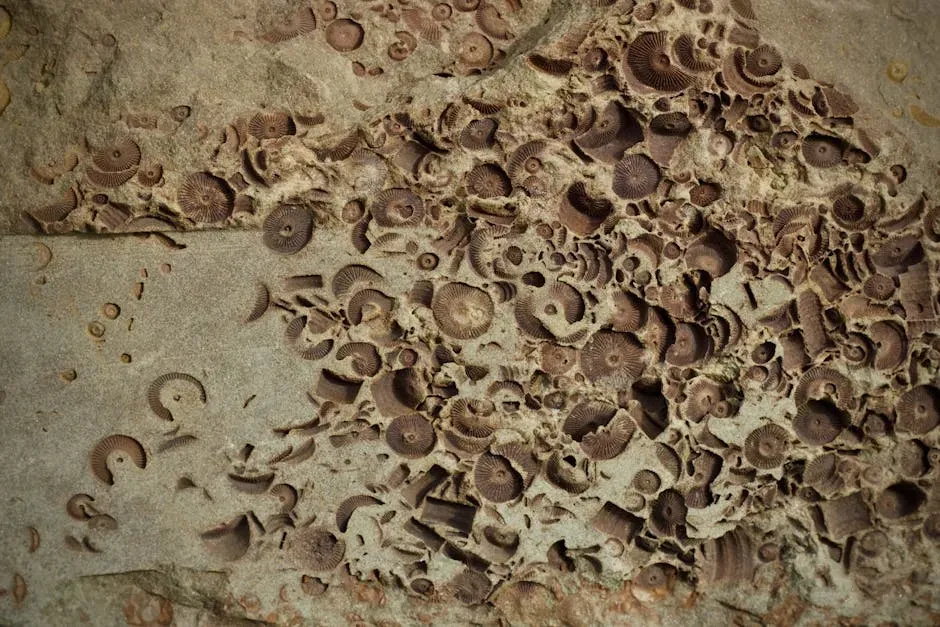
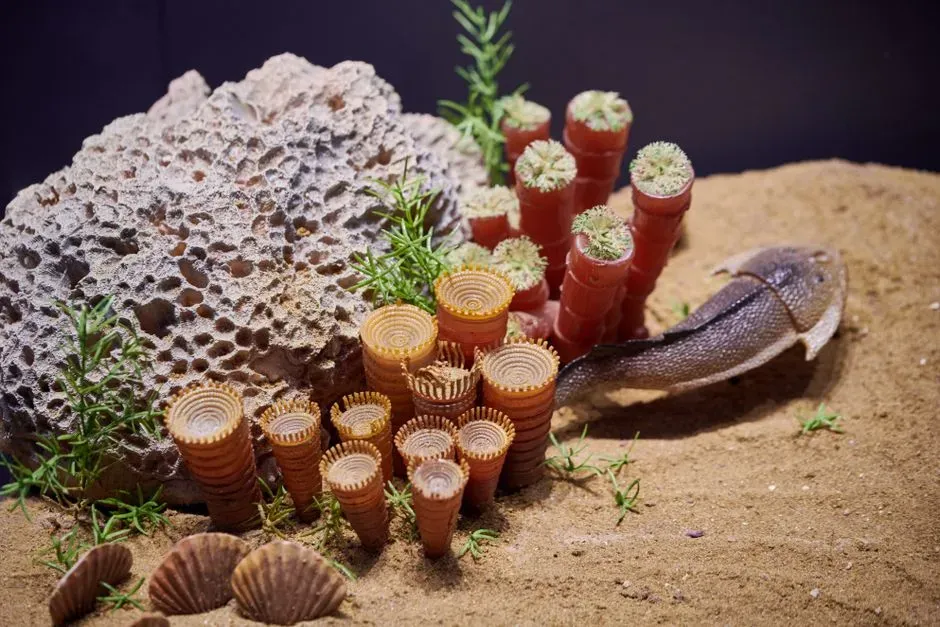
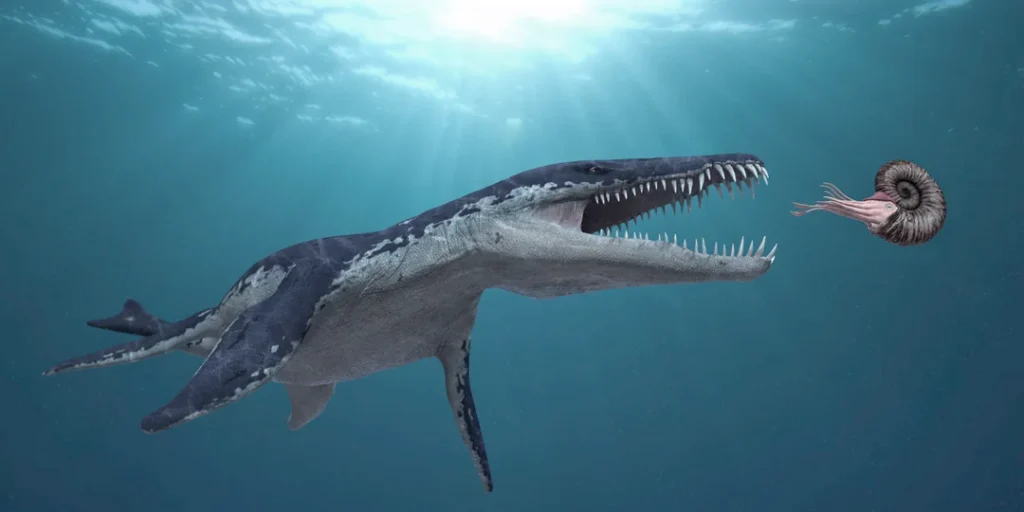
One of the coolest things about modern geoscience is that you do not have to visit a famous canyon or volcano to glimpse Earth’s deep history; ordinary landscapes are loaded with clues. Tilted layers in a road cut, pebbles of quartz mixed with darker stones in a stream bed, or a lone rocky hill standing above a flat plain can all hint at a long story of uplift, erosion, and changing environments. In many places, fossils in those rocks show that what is now dry land once hosted coral reefs, swamp forests, or shallow seas filled with marine creatures. The fact that you can find marine fossils hundreds or even thousands of meters above sea level is one of the simplest and most compelling proofs that land and sea trade places over time.
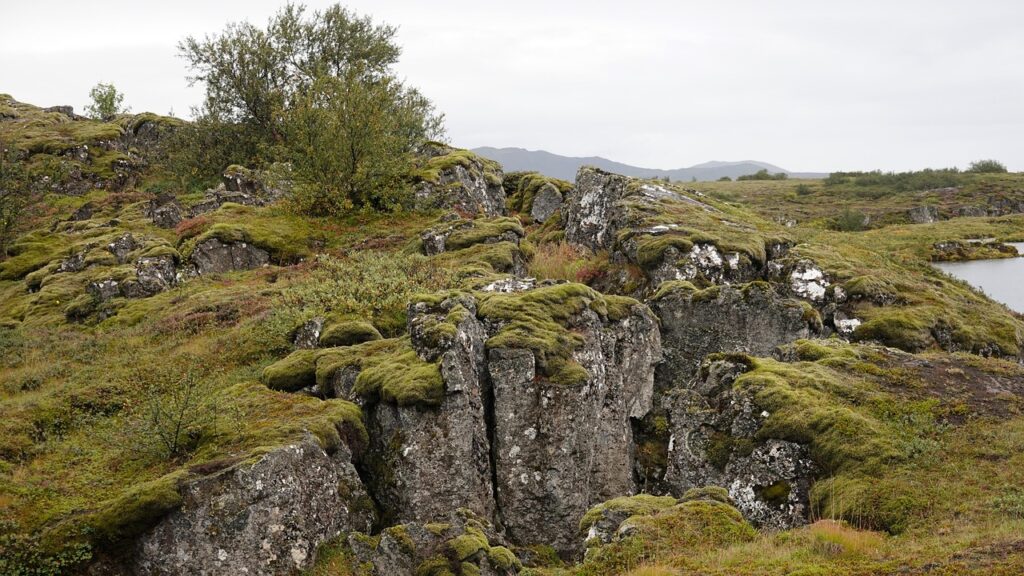
Local geology guides often tell you that your region used to be seabed, volcanic field, desert, or glacier‑carved valley, and they are rarely exaggerating. A city built on limestone probably sits on the compressed remains of long‑dead marine organisms; a town perched on sandstone is often resting on reworked sand dunes or beach deposits. You do not need a PhD to start noticing these hints – just curiosity and a willingness to see rocks as more than gray background scenery. Once you start spotting those quiet signs of motion and change, even a mundane commute can feel like riding across the pages of a very slow, very old storybook.
Climate, Life, and Moving Continents: How Shifting Ground Shapes Everything Else
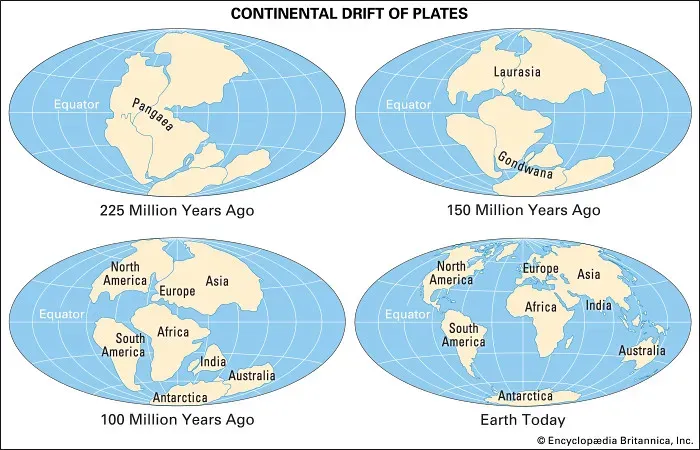
The wandering of continents and recycling of crust is not only a geological curiosity; it shapes climate, ecosystems, and even the evolution of life. When continents cluster near the poles, large ice sheets are more likely to form, raising planetary reflectivity and cooling the globe, while equatorial supercontinents can encourage monsoon‑like climate patterns. The opening and closing of seaways changes ocean currents, which in turn redistribute heat and nutrients, influencing where life flourishes or struggles. Over tens of millions of years, these shifts help drive climate swings between greenhouse and icehouse states, even as shorter‑term factors like greenhouse gas levels play their own crucial roles.
For living organisms, including humans, moving continents are like a slow‑motion stage crew constantly rearranging the set. Mountain building exposes fresh rock that can chemically weather and draw down carbon dioxide, subtly affecting the long‑term climate thermostat. At the same time, the breakup of continents isolates populations and creates new coastlines and habitats, which can spark bursts of evolution or wipe out existing ecosystems. If it feels like Earth’s surface is tailored for life in complex, sometimes harsh but often fertile ways, that is partly because the crust never stays put for long. The place you call home today owes its climate, its soils, and its landscapes to a very long history of being somewhere else.
Is the Ground Ever Really “Finished”? A Personal Take on Living on a Moving Planet
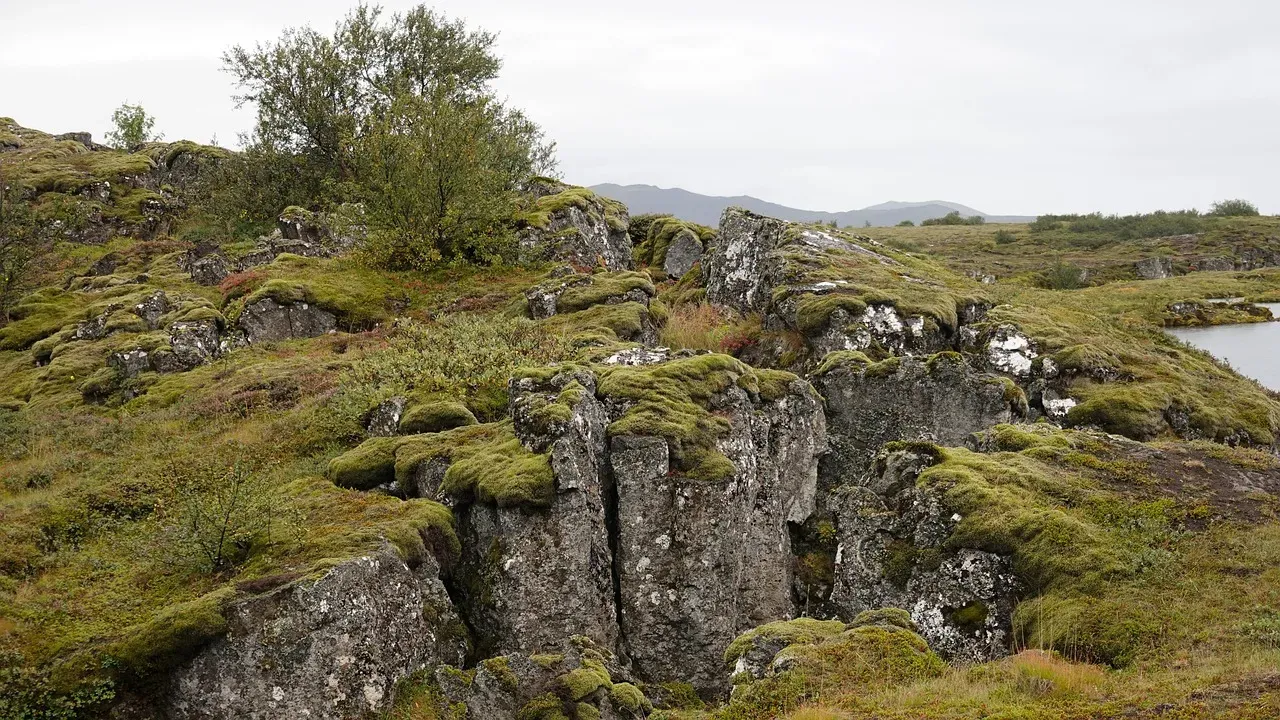
When you take in the full picture – seafloors rising into mountains, continents drifting together and breaking apart, rocks cycling through burial and rebirth – one conclusion is impossible to avoid: the ground is never finished. It is tempting to think of geologic change as a thing of the distant past and human activity as the only significant force today, but that sells both sides short. Yes, we are altering the surface extremely fast through mining, construction, agriculture, and emissions, yet those choices are layered on top of an older, relentless engine that has been reshaping the planet since long before we appeared and will keep doing so long after. In that sense, our cities are brief notes scribbled on a manuscript that Earth is still revising.
Personally, I find that idea strangely reassuring rather than terrifying. Standing on a rocky outcrop and realizing it might once have been ocean floor on a different side of the world does not make me feel small in a depressing way – it makes my everyday worries feel appropriately scaled. If the ground beneath us can survive being dragged into a subduction zone, cooked, folded, lifted, and eroded, then maybe we can handle a bit of upheaval in our own lives too. The opinion I keep coming back to is simple: treating Earth as a finished backdrop is not only scientifically wrong, it is emotionally limiting. Once you really absorb that the planet is a work in progress, the better question becomes not “Will the ground change?” but “How will we choose to live, knowing it always does?” Did you expect the place you are standing right now to have such a wild backstory?