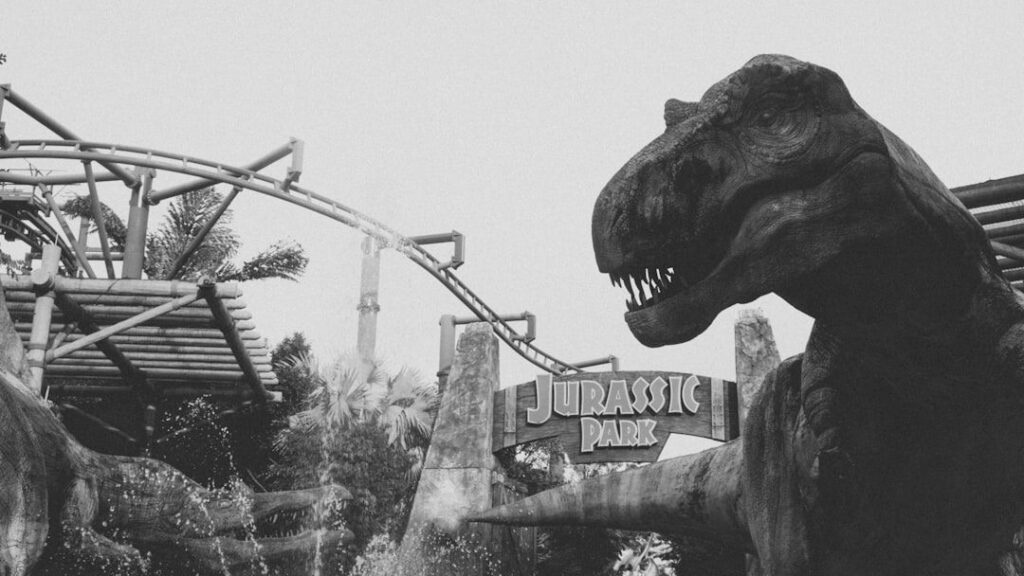
If the real Tyrannosaurus rex could walk onto the set of the original Jurassic Park, it wouldn’t just steal the scene, it would probably ruin half the script. The movie’s T. rex is unforgettable, but science has quietly been rewriting what this animal looked like, how it moved, and even how it hunted, and the gap between Hollywood and reality is now big enough to drive a Jeep through.
Once you start digging into the latest research, the film’s most iconic moments begin to feel like an alternate universe fan-fiction. The truth is stranger, subtler, and in many ways even more thrilling than the roaring, glass-shattering monster we met in 1993. So let’s walk through ten facts about the real T. rex that would have forced Jurassic Park to become a completely different movie from the ground up.
1. T. Rex probably didn’t roar like a lion (and the sound design would be totally different)
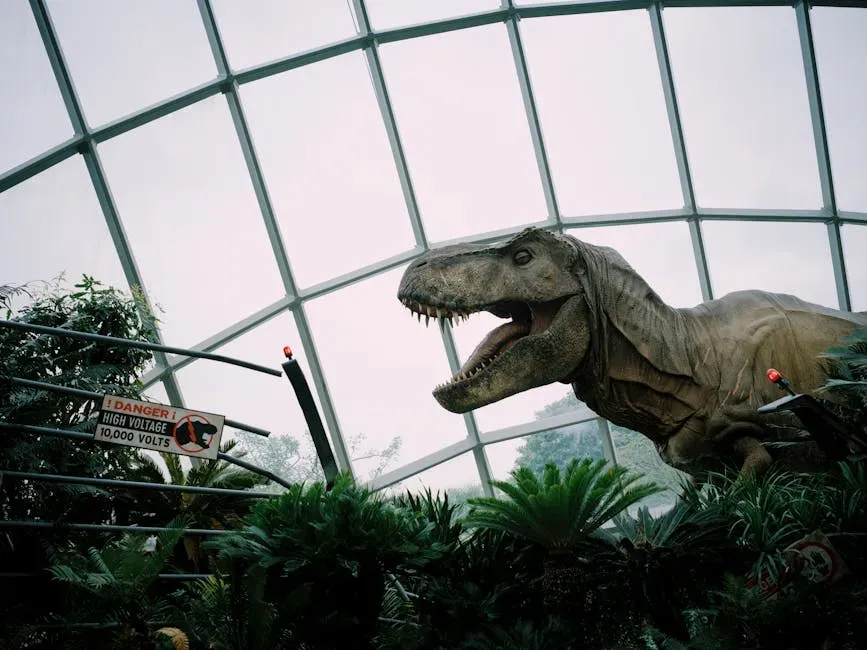
One of the most goosebump-inducing moments in Jurassic Park is that earth-shaking roar as the T. rex steps out in the rain, but real T. rex likely did not sound anything like that. Studies of modern dinosaurs’ closest living relatives, birds and crocodilians, suggest that large theropods probably produced low, booming, closed-mouth vocalizations rather than classic lion-style roars. Think more of a deep, chest-rattling rumble you feel before you fully hear it, the way an alligator vibrates the water around it, than a Hollywood monster scream.
If the movie had followed this science, the entire vibe of the T. rex scenes would shift from loud jump-scare to creeping dread. Instead of a dramatic roar announcing its arrival, you might get a low subsonic pulse and a strange, almost drum-like sound that unsettles the audience before the animal even appears. Conversations in the control room might revolve around mysterious low-frequency readings and shaking camera feeds rather than decibel meters. The famous cup-of-water scene would still work, but the payoff would be an eerie silence broken by a deep, unnerving hum, not a blast of sound rivaling a jet engine.
2. T. Rex likely had lips covering its teeth, changing that iconic grin
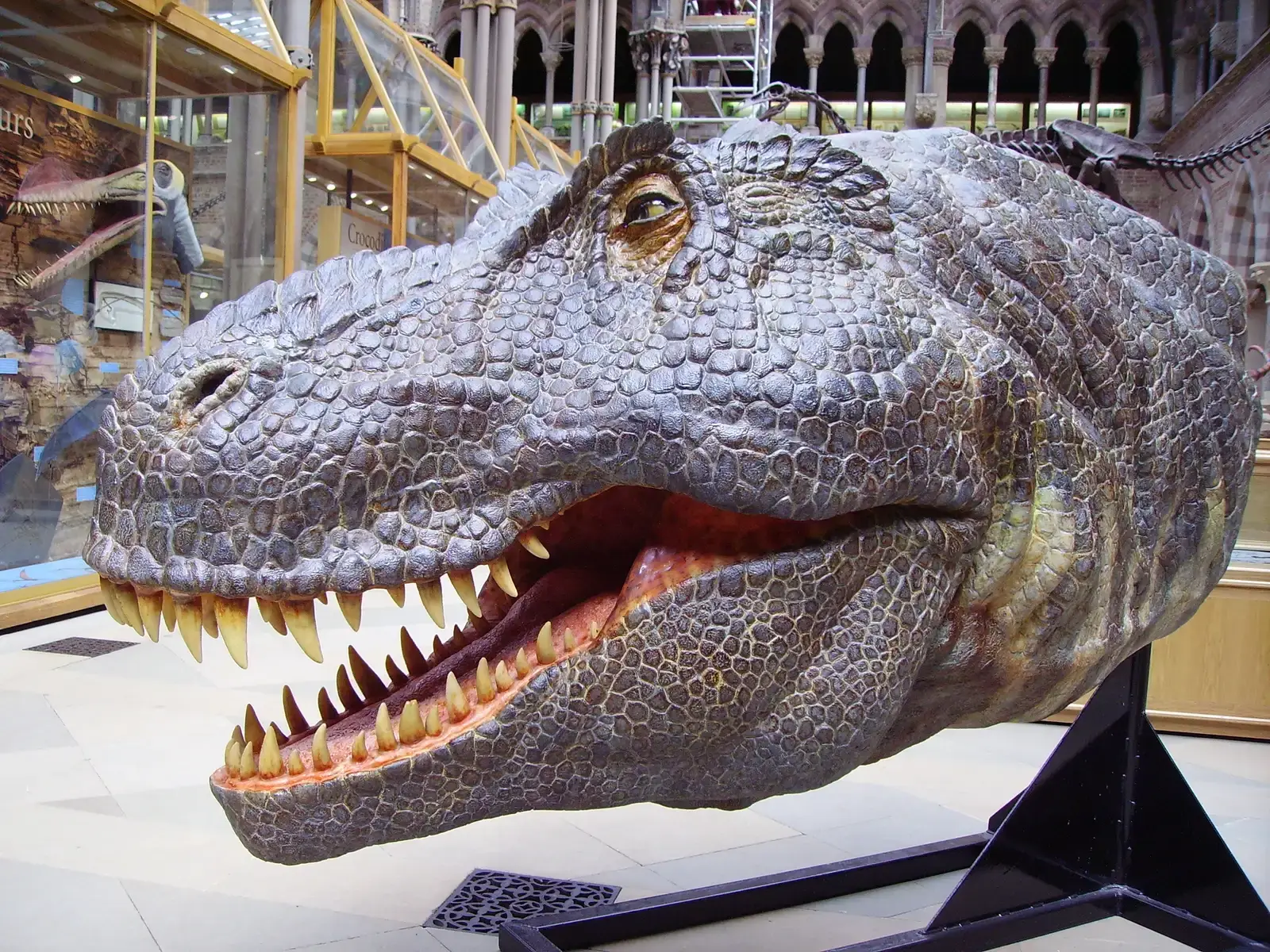
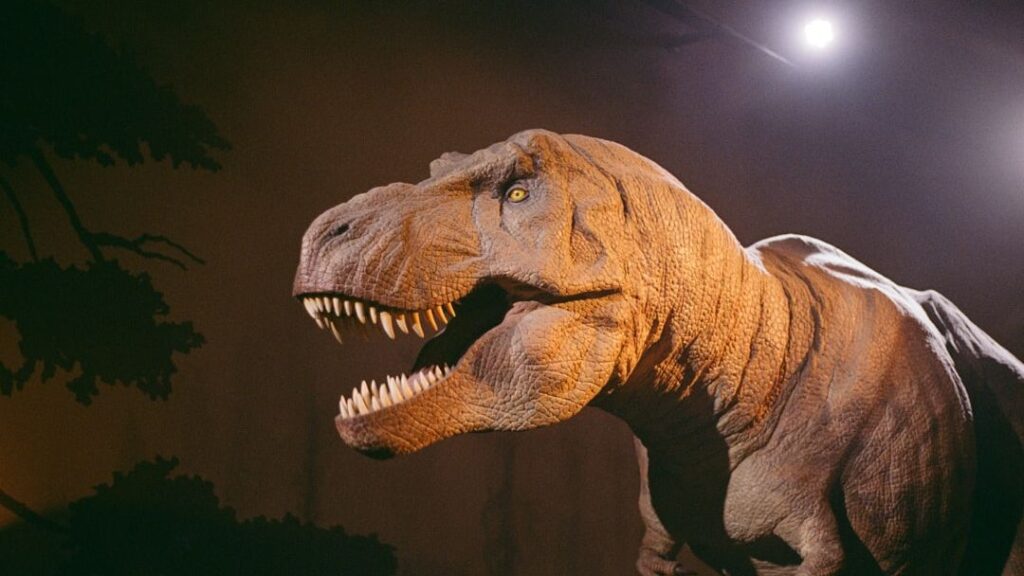
Jurassic Park’s T. rex is all about those permanently exposed teeth, a nightmare skull with fangs hanging out even when its mouth is shut. Newer anatomical work on theropod skulls and comparison with modern reptiles suggests that big carnivorous dinosaurs probably had lips covering their teeth when the mouth was closed, more like a Komodo dragon than a crocodile. The exposed, drying teeth we see in the film would have been vulnerable; real animals with large teeth generally keep them covered to protect them from damage and desiccation.
On screen, that would completely change the T. rex’s facial silhouette. Instead of a skeletal, skeletal horror-mug grinning at the kids in the Ford Explorer, you’d get a thick-muzzled predator whose menace comes from bulk and expression, not a permanent toothy smile. Close-up shots through the car window would show heavy, scaly lips pulling back only when it lunges or bites, making those glimpses of the actual teeth rarer and more shocking. Merchandising would look different too: fewer bare-tooth logos, more subtle, muscular profiles that look almost dog-like at a distance until you remember this “dog” is the size of a bus.
3. It was probably covered in scales with possible patches of fuzz, not a lizard-smooth monster
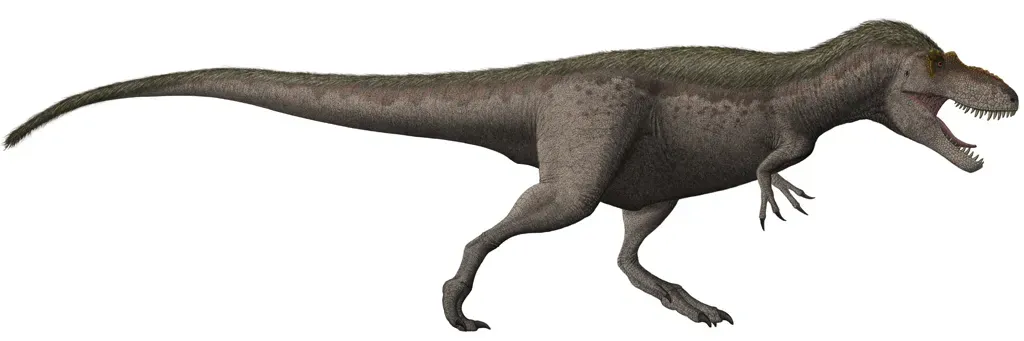
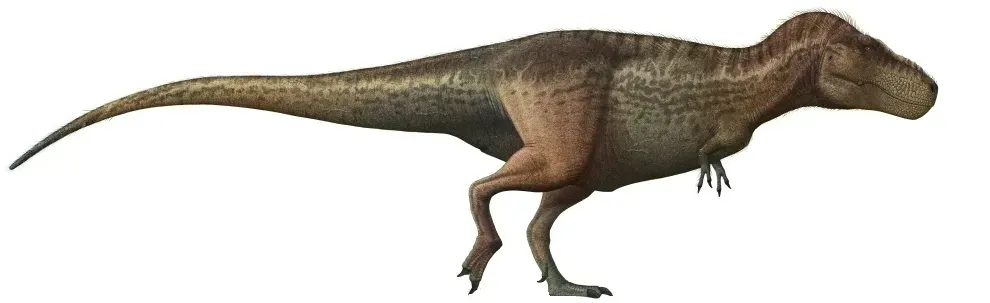
The Jurassic Park T. rex is a sleek, fully scaly reptilian beast, but fossil skin impressions tell a more nuanced story. Evidence from related tyrannosaurs shows a mosaic of pebbly scales, and for many years that was taken as the whole picture. Then hints of filament-like structures in some early tyrannosaurs suggested there might have been patches of simple fuzz in parts of the family tree, especially in younger animals or earlier species, complicating the old “giant lizard” mental image.
In the film, that would give the T. rex a more textured, lived-in look rather than the almost rubbery smoothness of the animatronics. You might see subtle fuzz along the neck or back ridge in younger individuals, or a faint fringe catching the rain in the night-time attack scene, adding a strange, birdlike eeriness. Cinematographers could play with the contrast of rough scales and softer filaments, especially in close-ups lit by lightning or flares. It would feel less like a movie monster suit and more like a real animal with complex skin, somewhere between a crocodile, a vulture, and an enormous monitor lizard.
4. T. Rex was built more like a long-distance bruiser than a sprinting sprinter
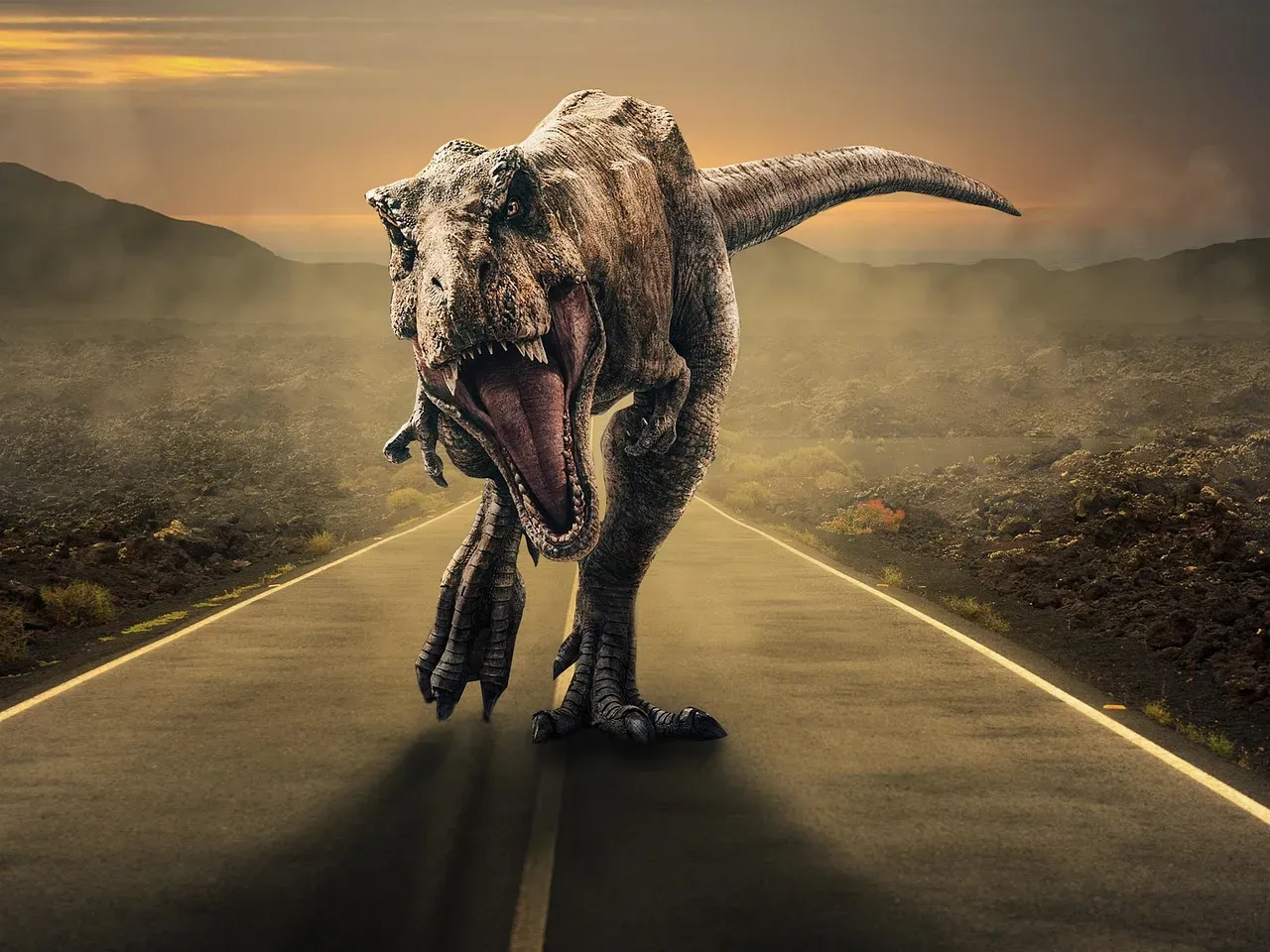
Jurassic Park turns T. rex into a highway-speed sprinter that can keep pace with a speeding Jeep, but biomechanics experiments and computer models paint a different picture. The real animal was massive, and the stress on its bones and muscles at extreme speeds would have been enormous, making all-out sprinting very risky. Analyses of limb proportions, mass, and muscle reconstruction suggest that while T. rex was no slouch, it was likely a fast walker or moderate runner rather than a cheetah-level chaser, relying on power and endurance more than sheer top speed.
In movie terms, that means the Jeep chase scene would look completely different. Instead of a frantic, pedal-to-the-floor escape, the humans might be unnerved by how the T. rex simply keeps coming, striding with heavy, ground-eating steps that never seem to tire. The danger would come from its ability to follow them across rough terrain, not from magically outrunning vehicles designed for highways. It turns the T. rex from a cartoon sprinter into a horror-movie pursuer, the kind that never runs out of breath while everyone else slowly falls apart.
5. Its vision was likely excellent, and “don’t move, it can’t see you” would be bad advice
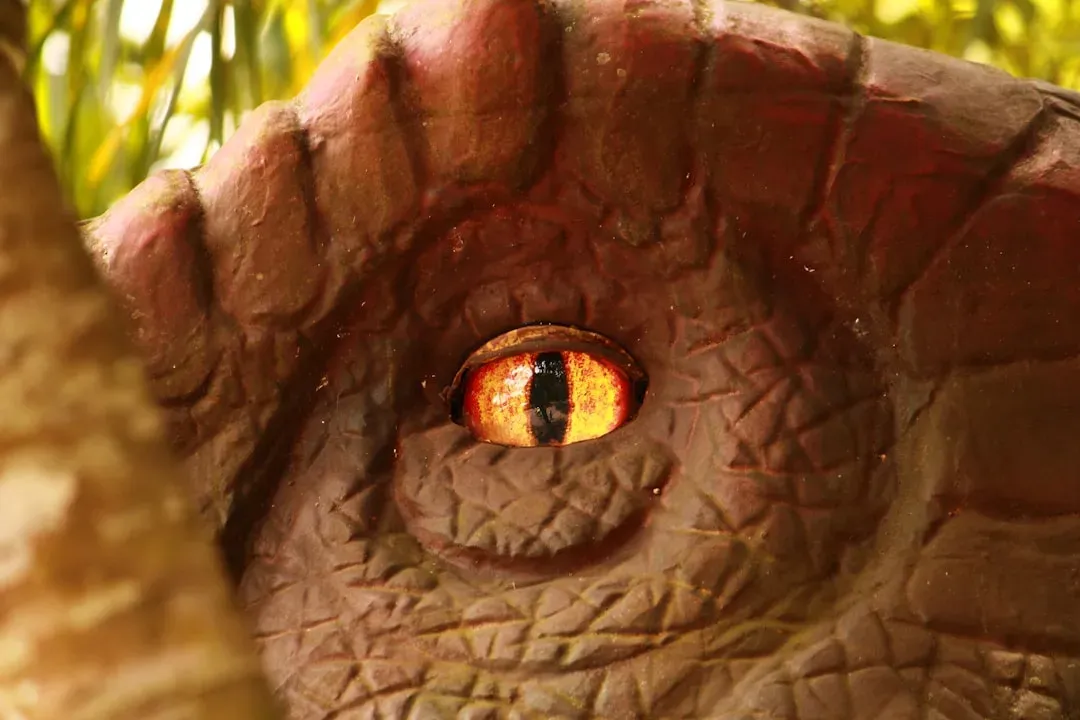
One of the most quoted lines from Jurassic Park is the idea that T. rex’s vision is based on movement, so if you stand still, you’re safe. Research on T. rex skulls and eye sockets suggests the opposite: this animal probably had excellent binocular vision and depth perception. Its eyes were large and forward-facing, likely giving it a field of view and acuity closer to that of modern birds of prey than lumbering reptiles, which makes a lot of sense for a predator hunting large, moving animals in complex environments.
If the film had followed that science, the famous scene with the kids frozen beside the car would be pure doom, not a clever survival trick. You could imagine the camera switching to a T. rex point of view, clearly picking out the heat and outline of the children, maybe even focusing in on slight breaths or trembling fingers. Characters in the control room would debate line of sight, camouflage, and lighting instead of telling people to “stay still.” It would transform T. rex from a partially blind boogeyman into a terrifyingly competent hunter who sees you, understands where you are, and is deciding what to do about it.
6. T. Rex’s bite was a slow, crushing nightmare, not a quick snap-and-shake
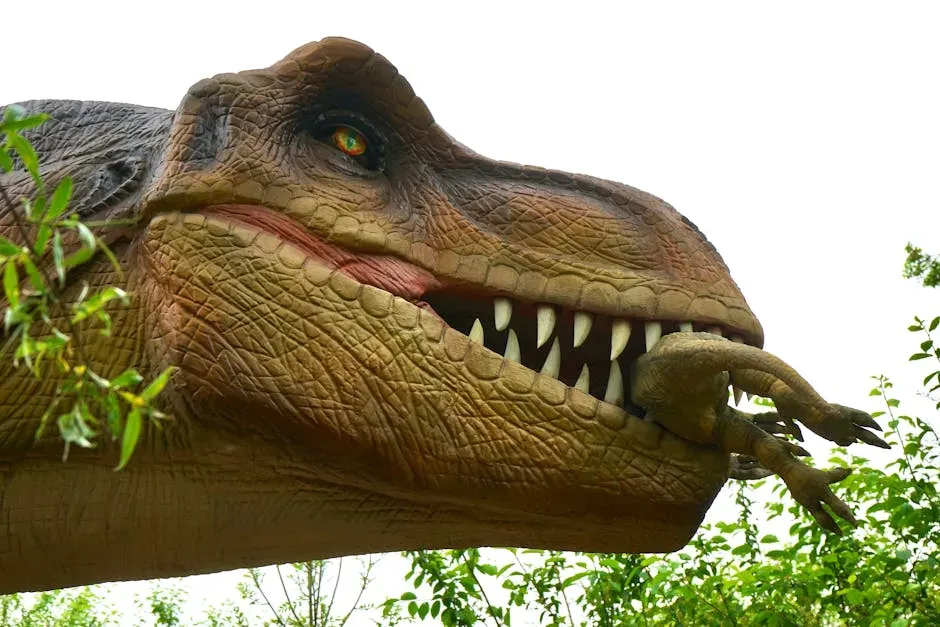
The movie often shows T. rex biting and whipping its head around like a giant dog with a toy, but real T. rex biting mechanics look more like a hydraulic press than a snapping crocodile. Studies of jaw muscles and skull strength suggest an extraordinarily powerful, bone-crushing bite, capable of driving teeth through thick bone and holding it there. Fossils of hadrosaurs and ceratopsians with shattered bones and tooth marks tell a story of relentless, crushing attacks rather than quick, surgical nips.
On screen, that would change the flavor of every kill scene. Instead of lots of fast, thrashing movements, you’d see slower, horrifyingly deliberate actions: a massive head tilting, jaws closing with terrifying inevitability, and then a horrible crunch that echoes across the paddock. The goat scene might feature the animal testing the fence posts or the carcass with probing bites, splintering bone audibly. Even the lawyer in the bathroom would be less of a comedic snatch-and-flail and more of a brutally efficient, one-bite removal, underscoring that this was not just a wild animal but a specialist in dismantling big, struggling prey.
7. T. Rex was probably a surprisingly attentive parent, not just a lone movie monster
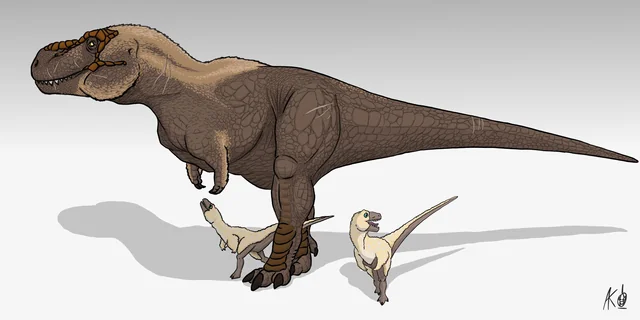
Jurassic Park leans hard into the idea of T. rex as a lurking, solitary menace, but clues from related species suggest complex social and parental behavior. Fossil nesting grounds and bonebeds from large theropods show patterns that hint at adults protecting nests, juveniles staying near bigger individuals, and possible group interactions. While T. rex evidence is more indirect, the broader pattern in large theropods and birds points toward some level of parental care being far more likely than total indifference.
If the writers had embraced that, the film could have included entire subplots about nests, juveniles, and territorial mothers or fathers. Imagine the T. rex paddock not just as a single pen but as a landscape with a nest mound the staff are terrified to approach, or a scene where smaller, lankier juvenile tyrannosaurs appear, forcing the adults to behave differently. The final scene where the T. rex “saves” the humans from the raptors might carry a twist: it is not rescuing them, it is defending a nesting area those same raptors have been raiding. The animal becomes less of a random chaos engine and more of a driven, invested parent with its own priorities.
8. It was likely highly intelligent for a reptile, with bird-like smarts and complex behavior
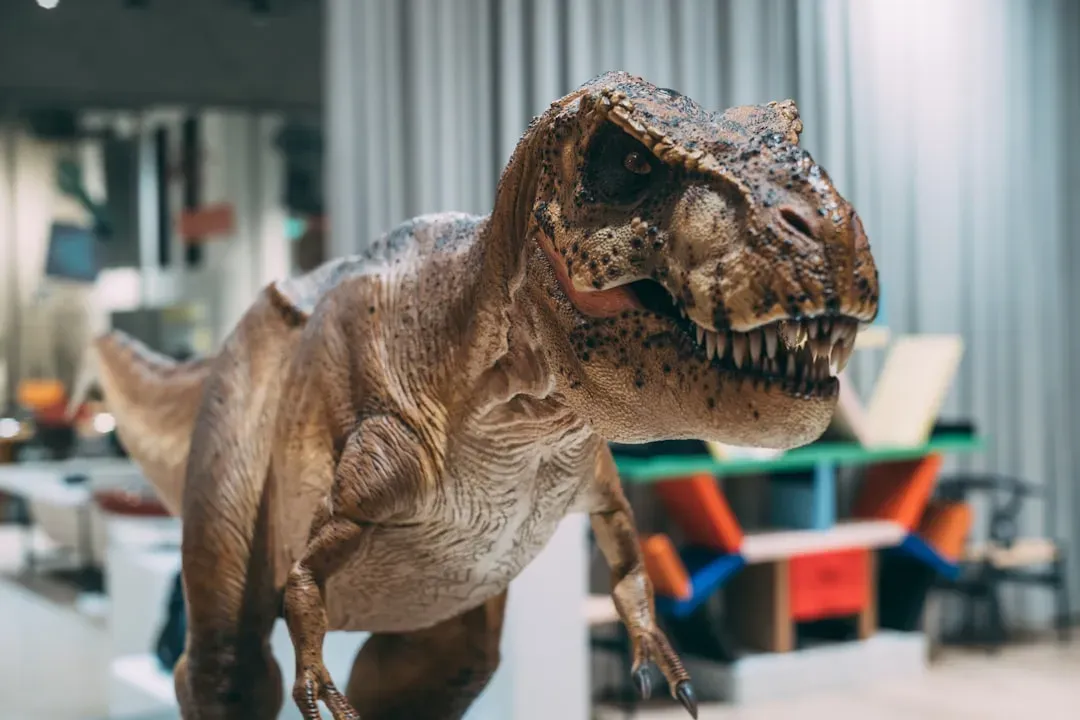
The film mostly treats T. rex as a blunt instrument compared with the clever velociraptors, but brain casts and comparisons with birds and crocs suggest a more nuanced picture. T. rex had a relatively large brain for a reptile of its size, with well-developed regions for senses and coordination, indicating an animal capable of complex behavior, learning, and possibly even some level of problem-solving. That does not mean it was crafting plans like a human, but it almost certainly was not the mindless thrashing lizard pop culture sometimes imagines.
Translated to cinema, that intelligence would show up in subtle, unnerving ways. You might see the T. rex testing the electric fence repeatedly on different posts, timing patrols of vehicles, or learning where the food tends to appear. Instead of randomly attacking the same car, it could circle downwind, disappear from view, and reappear where the humans least expect it, hinting that it is using its senses in a deliberate way. The suspense would not just be about a huge predator on the loose, but about an animal that seems to be learning from its encounters and changing its tactics as the film goes on.
9. The park would likely house multiple T. Rexes, changing the entire story dynamic
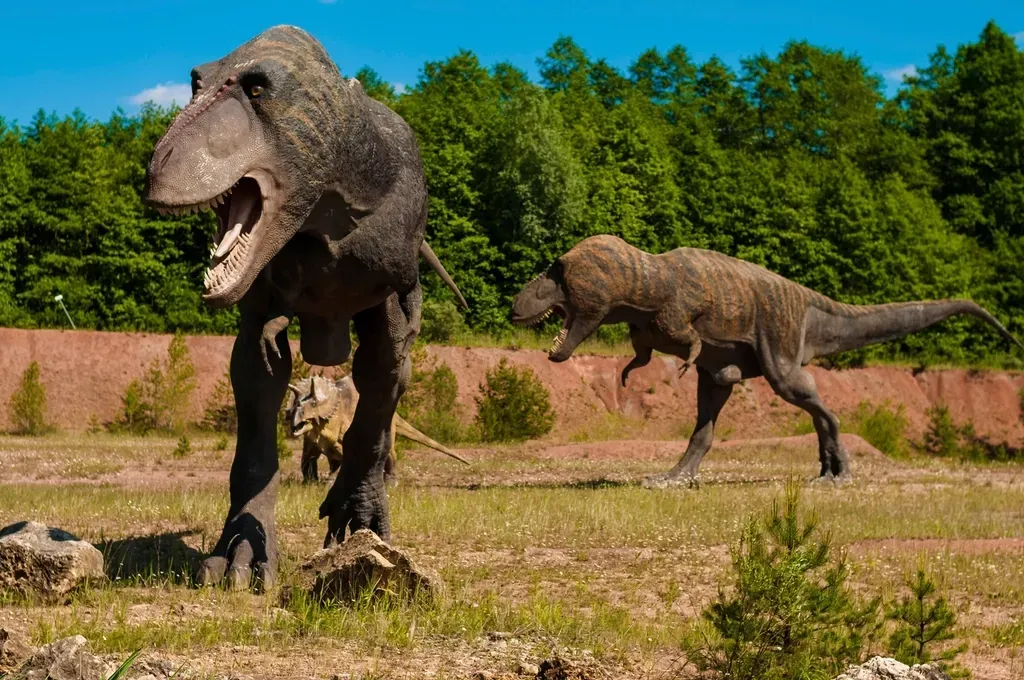
Jurassic Park centers on one star T. rex, a singular attraction, but real ecosystems would never feature just one apex predator of a successful species. If the park had leaned into ecological realism, it would probably have at least a small population: perhaps an adult pair, juveniles, or at minimum individuals separated for breeding and display. Managing genetics, social dynamics, and disease would push park management toward keeping more than a single specimen caged for show.
That shift alone would rewrite half the movie. Instead of tracking “the rex” on the park’s monitors, the staff would be juggling multiple GPS tags and worrying about encounters between individuals, escape routes that might intersect, and complex contingency plans. The power outage sequence might reveal not one T. rex pen going down, but several, raising the tension from a single wandering predator to the possibility of overlapping territories and clashes. Imagine a moment where two T. rexes roar or rumble at each other across a collapsed fence line, forcing the humans to navigate not just around the animals but through their shifting social landscape.
10. T. Rex’s story spans millions of years, and mixing it with the wrong species breaks the illusion
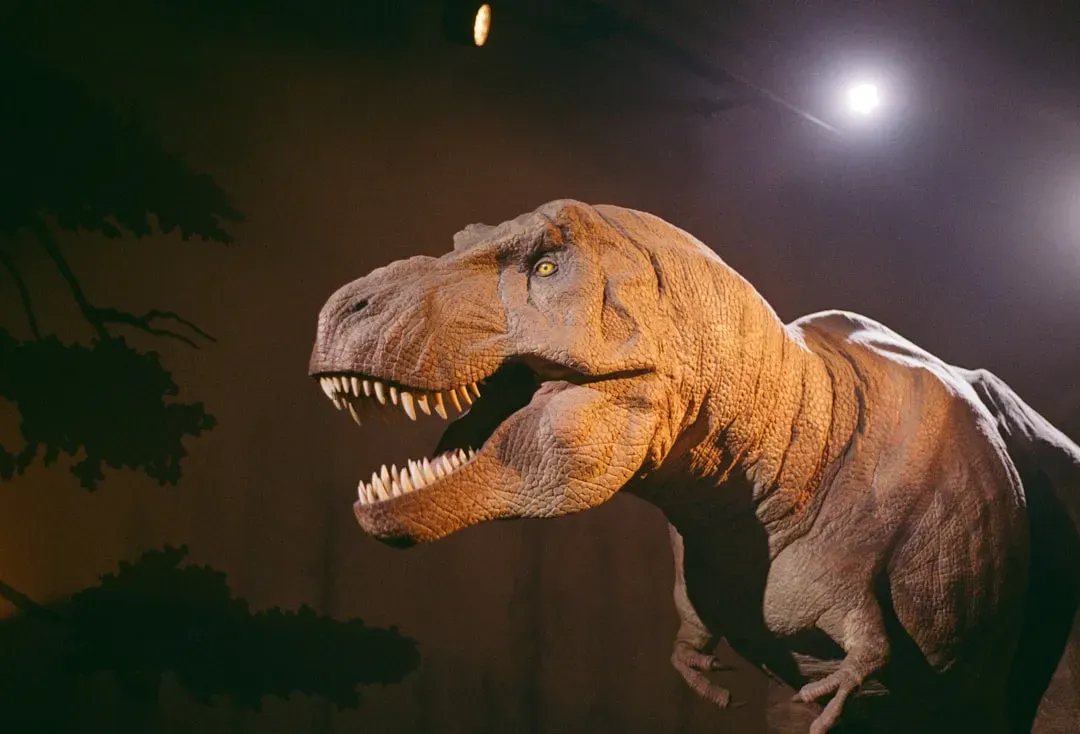
Jurassic Park throws animals from very different time periods together as if they shared the same forests, but T. rex lived near the very end of the Cretaceous, long after some of its supposed neighbors in the film were gone. Many of the crowd-pleasing dinosaurs in the movie never coexisted with it in real life, and some came from different continents entirely. Paleontologists often compare this to showing humans walking alongside saber-toothed cats and giant dragonflies from completely different eras, because the time scales involved are truly enormous.
If the film had stayed true to T. rex’s actual time and place, the entire cast of dinosaurs and the feel of the park would shift. The story might center on a late Cretaceous North American ecosystem, with T. rex sharing the screen with hadrosaurs, ceratopsians, and a different mix of predators and small animals. The park’s marketing inside the movie would talk about recreating a specific world, a lost slice of time, rather than a random dinosaur grab bag. That narrower focus could have made T. rex feel even more like the apex apex animal of its own realm, king of a landscape that the park has tried, and failed, to control.
Conclusion: A more accurate T. Rex would have made Jurassic Park quieter, stranger, and even more unsettling
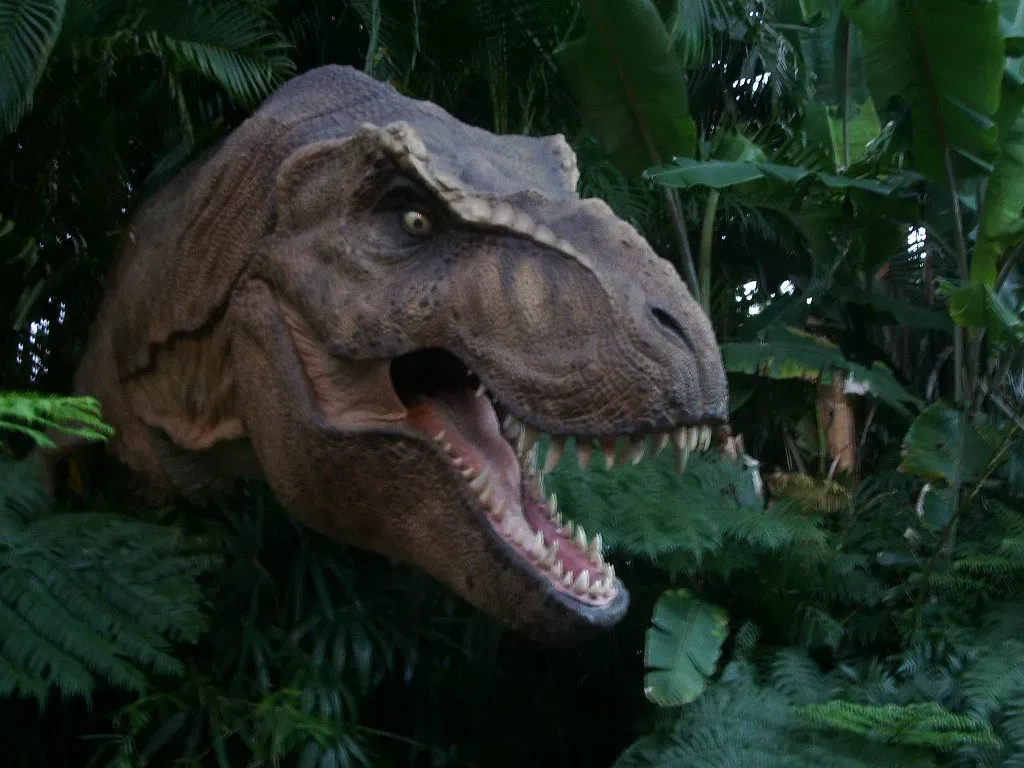
When you stack these facts together, you start to realize just how different Jurassic Park would be if it had committed to a truly realistic T. rex. The movie we got is loud, spectacular, and gloriously over the top, but the animal science now describes is quieter, more calculating, and, in many ways, far more disturbing. It would stalk rather than sprint, rumble instead of roar, watch you with sharp, birdlike eyes, and maybe head back to a nest full of dependent young after tearing apart a carcass with that bone-crushing bite.
Personally, I think that version of the film would feel less like a roller coaster and more like a slow-burn horror story about humans trespassing into a world they barely understand. The T. rex would no longer be just a special effect to escape from, but a character with its own rules, relationships, and history stretching back millions of years. Maybe the original Jurassic Park had to bend the science for drama, but as our picture of T. rex keeps evolving, it is hard not to wonder what filmmakers could do if they fully embraced this weirder, truer animal. If you could remake the movie today with everything we know now, would you really want the old roaring monster back, or would you let the real tyrant lizard take the lead?