Imagine stepping out into a world no one you knew had ever seen before. The horizon is empty of footprints, the air feels sharper, the animals are unfamiliar, and every direction is a question mark. That is roughly what it was like for the first people who crossed the Bering Land Bridge into the Americas, thousands of years before anyone would give that place a name.
We often picture them as a single brave band marching into a new continent, but the real story is far stranger and more fascinating. It involves vanished coastlines, giant ice sheets, genetic breadcrumbs, and a debate among scientists that refuses to sit still. Let’s dig into what we actually know about these first travelers – and what still keeps experts arguing late into the night.
1. The Bering Land Bridge Was a Vast Subcontinent, Not a Narrow Path
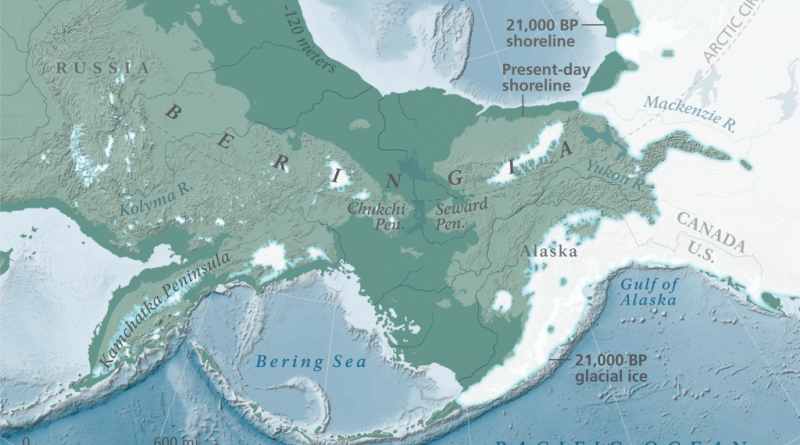
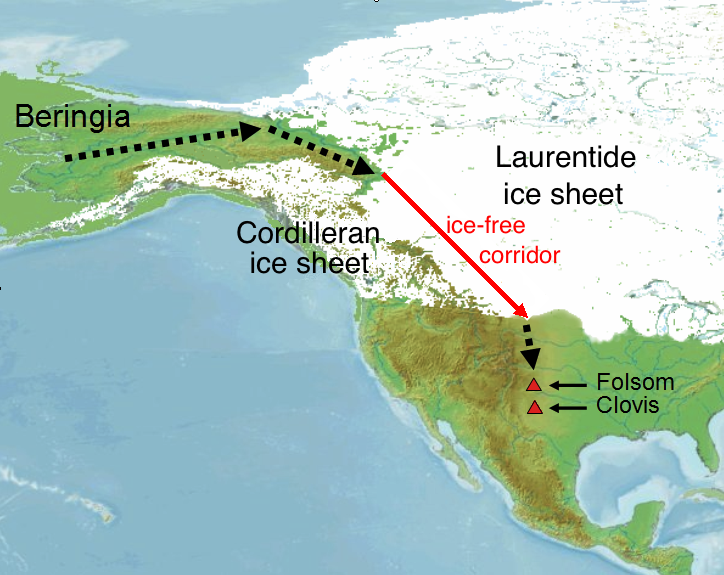
When people hear “land bridge,” they often imagine a thin strip of dirt, like a causeway across a lake. In reality, the Bering Land Bridge – often called Beringia – was a massive expanse of exposed seafloor, hundreds of miles wide, connecting what are now Siberia and Alaska. Sea levels were dramatically lower during the last Ice Age, turning today’s Bering Strait into a broad, cold, windswept plain.
This means the first people to cross were not shuffling along a narrow bottleneck. They were moving through a landscape big enough to have its own ecosystems, rivers, hills, and migration routes. Think less rickety bridge, more entire region – almost like a lost mini-continent that later drowned as the ice melted and oceans rose.
2. Sea-Level Drop During the Ice Age Made the Crossing Possible
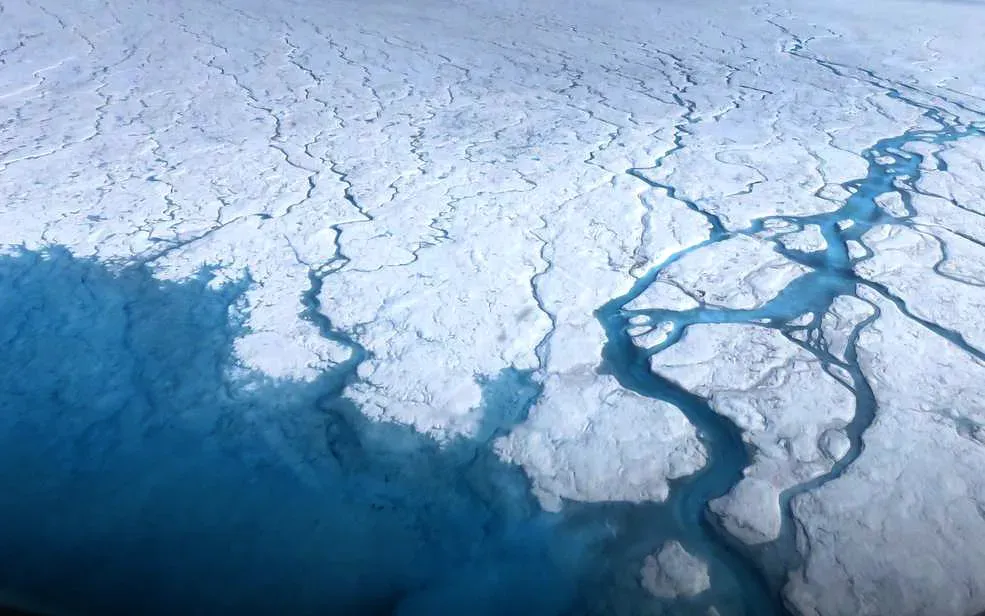
The reason the land bridge existed at all comes down to ice and water. During the height of the last glacial period, so much water was locked up in massive ice sheets that global sea levels dropped by dozens of meters. That drop stripped water away from continental shelves, exposing land that had been underwater for ages, including the floor of the Bering Strait.
As the climate later warmed and the ice sheets melted, the oceans rose again, swallowing this land and turning Beringia back into a sea. So the first people to cross were essentially working on a ticking clock: they had access to a route that would later vanish beneath the waves. Their journey depended on being alive at precisely the right geological moment.
3. They Likely Lived in Beringia for Generations Before Moving South
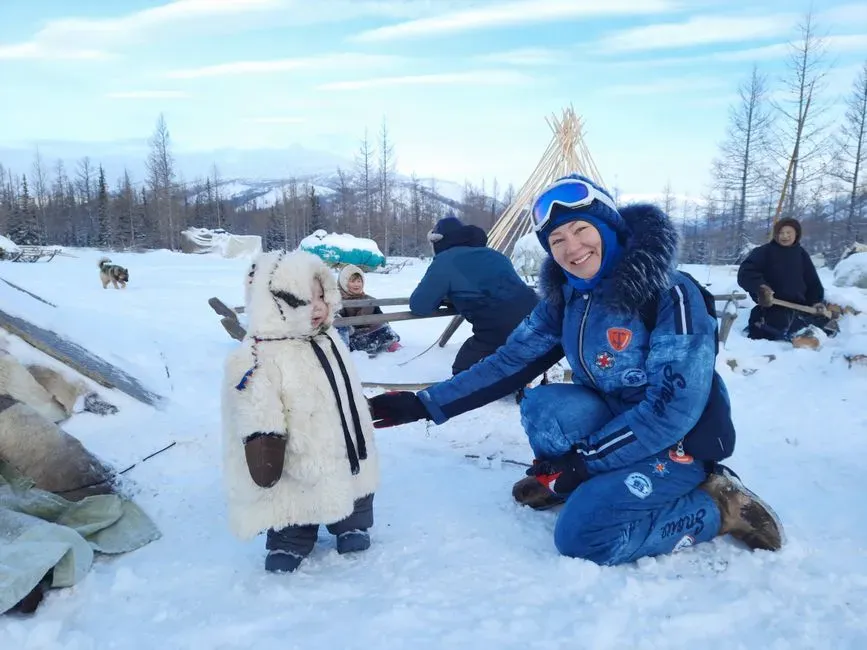
A popular older story went like this: people walked across Beringia and hustled straight into the Americas like commuters cutting through a corridor. But genetic and archaeological evidence suggests something much slower and more complex. Many researchers now think groups of people actually lived in Beringia itself for thousands of years, forming what some call a “Beringian standstill.”
In this view, Beringia was not just a bridge, but a homeland where populations adapted to harsh northern environments before eventually expanding deeper into the continents. That long pause could explain certain genetic patterns seen in Indigenous peoples of the Americas today. Instead of a quick dash, picture a long stay in a cold, isolated cul-de-sac before new paths finally opened up.
4. The Timing of Their Arrival Is Still Controversial

If you ask ten scientists when the first people arrived in the Americas, you might get ten slightly different answers. For a long time, the textbook story said people came after the last glacial maximum, around thirteen to fourteen thousand years ago, tied to a specific stone tool tradition called Clovis. New discoveries have challenged that neat timeline, hinting that people may have been here earlier.
Some sites in North and South America appear to show human presence potentially thousands of years before the classic Clovis period, though these claims are hotly debated and carefully scrutinized. The cautious takeaway is simple: the first crossing probably happened sometime during the late stages of the Ice Age, but pinning it down to an exact date range is still a work in progress. Anyone who speaks about it like it is fully settled is skipping over how complex the evidence really is.
5. They Were Skilled Hunter-Gatherers, Not Aimless Wanderers
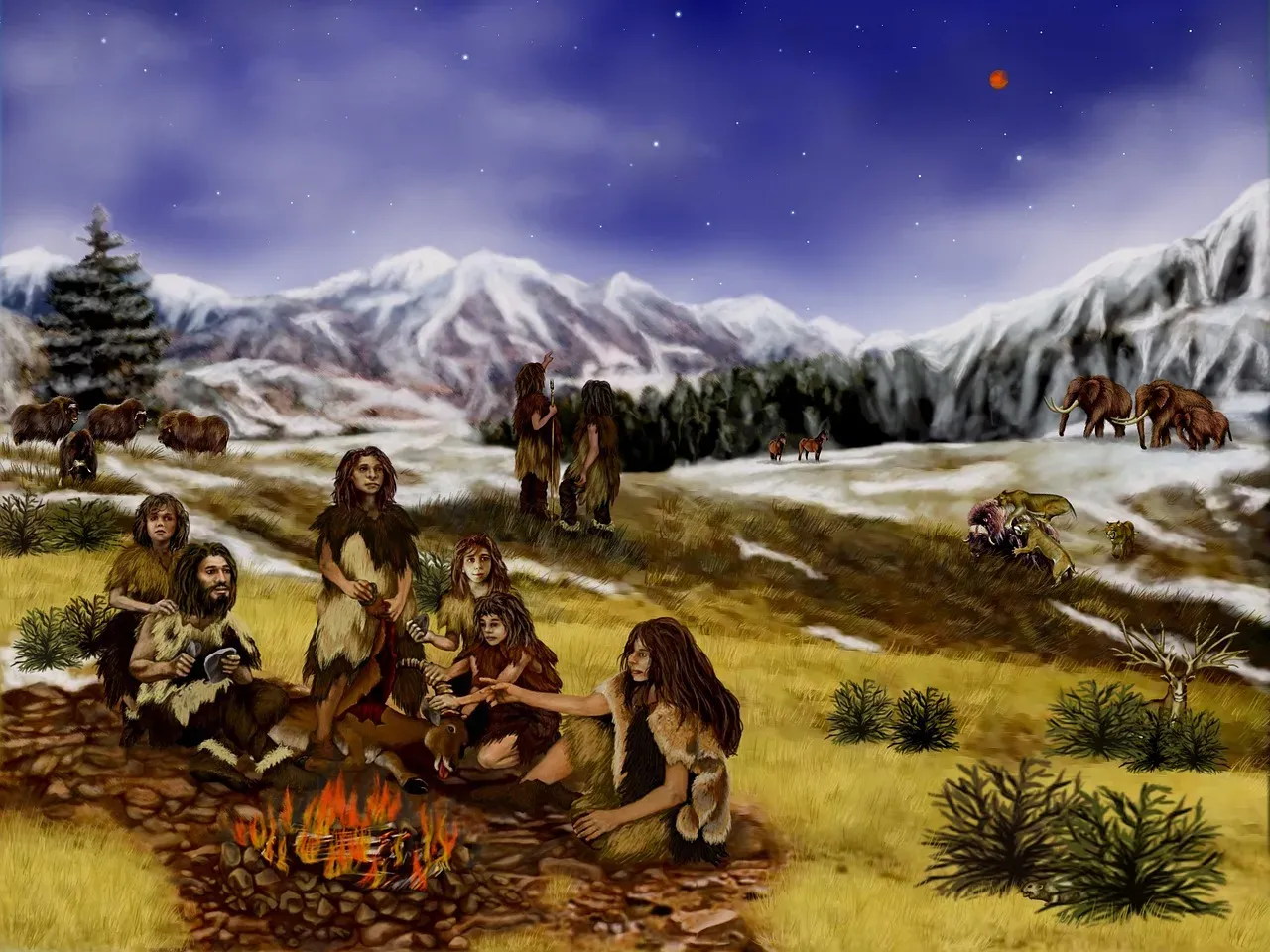
It is tempting to picture these early people just drifting east, following curiosity alone. In reality, they were highly skilled hunter-gatherers navigating a demanding Ice Age world. They had to know how to track game, manage seasonal movements, find shelter, and share knowledge across generations so their children could repeat the journey and survive. You do not cross Beringia by accident or without serious survival expertise.
Their movements were probably driven by a mix of factors: following herds of large game, searching for new territories, escaping competition, or even reacting to gradual changes in climate and vegetation. It is less like a random walk and more like a series of informed, strategic decisions made by people who understood their environment far better than most of us understand our own neighborhoods today.
6. They Faced a Harsh, Cold, Yet Surprisingly Rich Environment
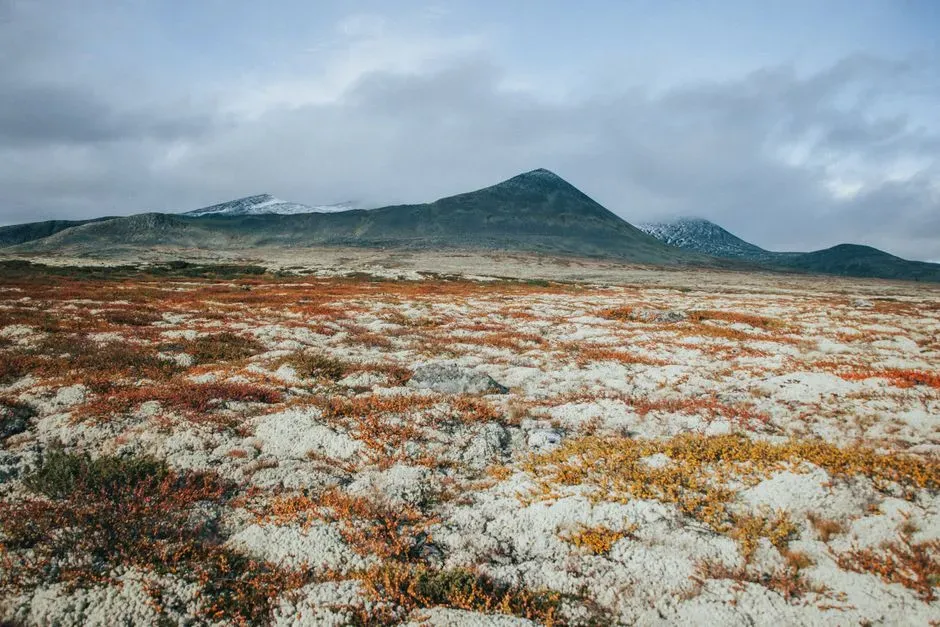
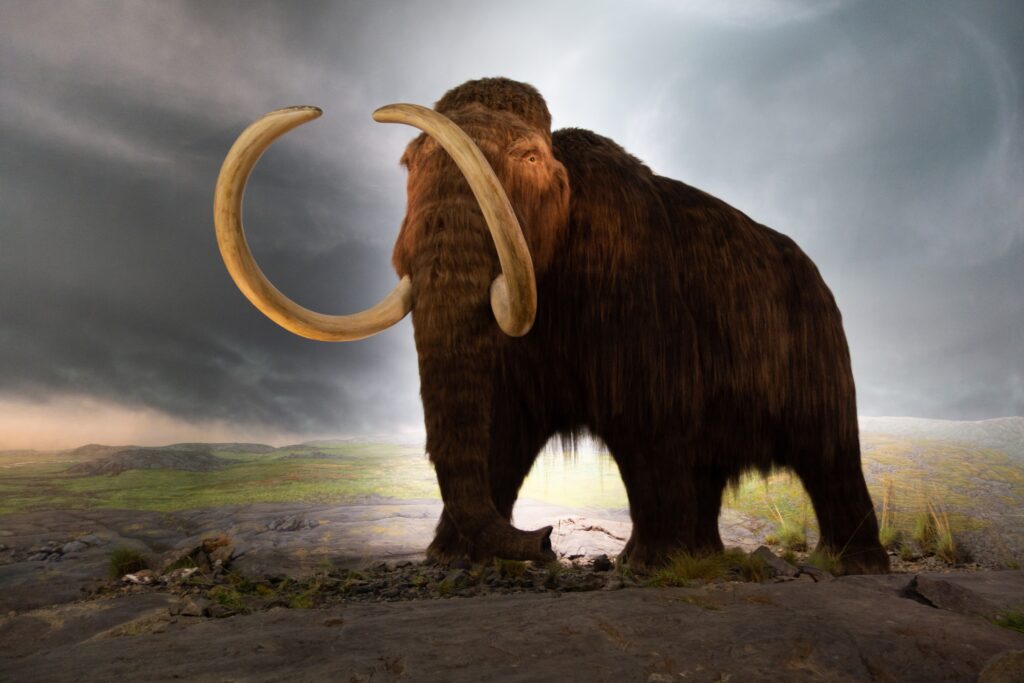
The world they crossed was cold, but not simply an endless sheet of lifeless ice. Much of Beringia was a dry, treeless steppe-tundra landscape. Picture open grasslands mixed with low shrubs, home to hardy plants and tough animals like mammoths, bison, horses, and other now-vanished giants. It was brutal in winter, but it could be surprisingly productive for those who knew how to exploit it.
For the people traveling there, every season demanded different strategies: following herds, caching food, using furs and bone tools to protect against wind and frost. In my mind, it is a bit like camping permanently in the world’s most unforgiving national park, where you do not get to drive home afterwards. Survival depended on deep knowledge, group cooperation, and the ability to read tiny changes in weather, animal behavior, and landscapes.
7. Multiple Migration Waves Likely Reached the Americas, Not Just One
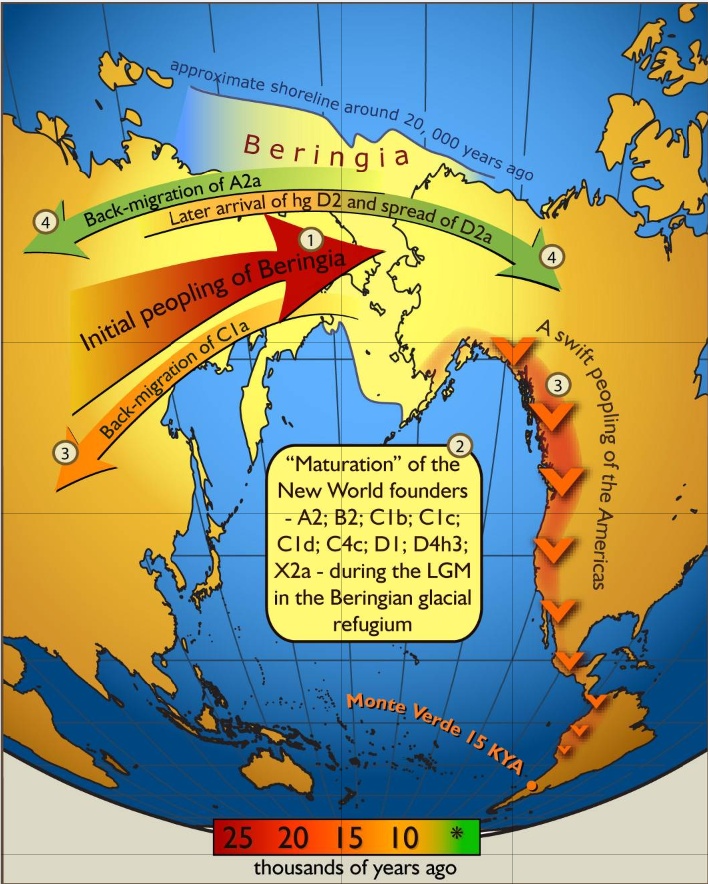
The phrase “the first people” can make it sound like there was a single heroic group that crossed once and founded all later populations. Genetic and linguistic research paints a more layered picture: there were likely several waves of migration from northeast Asia into the Americas over thousands of years. Some of these waves contributed to the ancestors of most Indigenous peoples in the Americas, while others are tied more specifically to Arctic and sub-Arctic groups.
These were not mass migrations in the modern sense, but repeated, small-scale movements over long periods. Imagine families and bands fanning out, splitting, reuniting, and forming new communities as they adapted to different environments. The “first crossing” is better understood as a long, messy story of many crossings, some leaving deep legacies, others fading into the genetic background.
8. They Did Not Wait for an Ice-Free “Highway” Alone – Coasts May Have Been Crucial
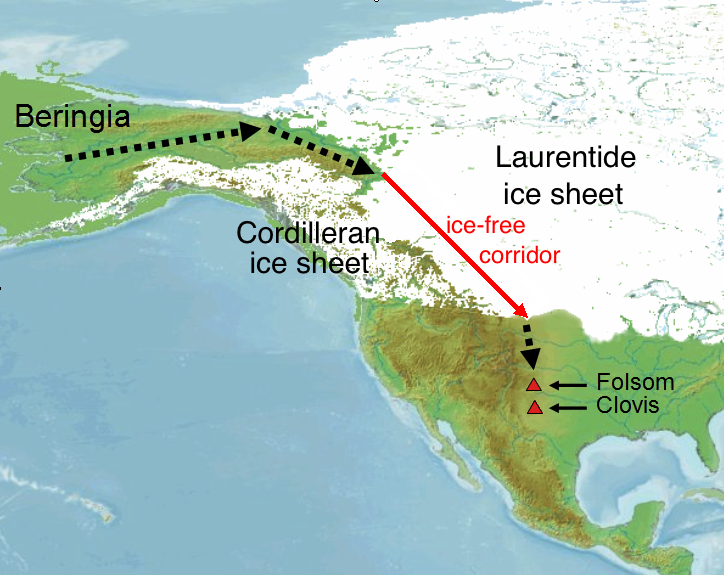
One traditional idea was that people waited for an ice-free corridor to open between the great ice sheets that once blanketed much of North America, then moved south through that interior route. This corridor surely mattered at some point, but growing evidence suggests the earliest movements into the rest of the continent might have followed a different path: the Pacific coastline. That coastal route would have offered marine resources and ice-free pockets even while inland ice still dominated.
Because ancient coastlines are now underwater, finding direct proof is challenging. But clues from archaeology, paleoclimate data, and genetics have nudged many researchers to take this coastal scenario seriously. I find this coastal idea compelling: it is easier to imagine small, boat-using groups hugging shorelines, exploiting fish and shellfish, than huge caravans waiting around for an inland superhighway to melt open all at once.
9. Their Descendants Developed Astonishing Cultural Diversity Across the Americas
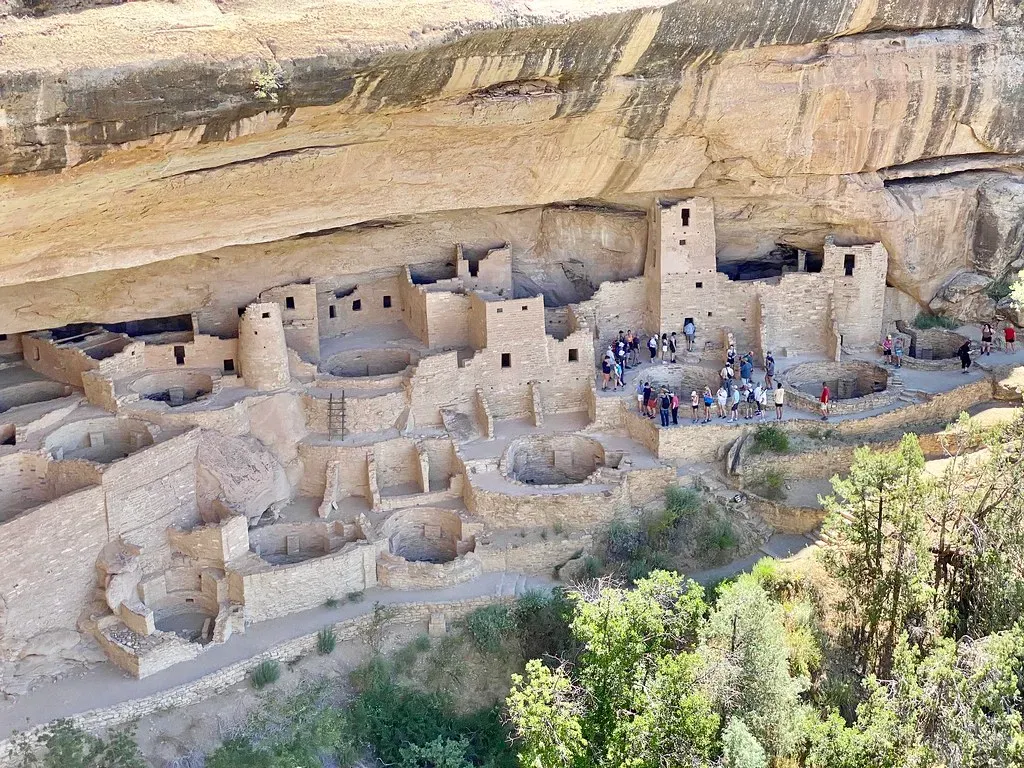
One of the most mind-bending is what their descendants later created. From the Arctic tundra to the Amazon rainforest, Indigenous peoples of the Americas developed an incredible range of languages, technologies, religions, and social systems. All of that diversity traces back, at least in part, to those early populations who made it across Beringia and into a new world.
Over thousands of years, as groups spread out and became more isolated by distance, mountains, rivers, and ecosystems, their cultures evolved in unique directions. It is a bit like watching a single tree branch split and re-split until it becomes an entire forest of distinct trunks. The first crossing was not just a physical journey; it was the opening move in one of the most creative experiments in human cultural history.
10. Their Story Is Still Being Rewritten by New Discoveries
The story of the first people to cross the Bering Land Bridge is not carved in stone; it is constantly being revised as new evidence appears. Advances in ancient DNA, more refined dating techniques, underwater and high-latitude archaeology, and even climate modeling continue to challenge older narratives. Every time a new site is carefully dated or a fragment of ancient bone yields genetic data, there is a chance the timeline or migration paths will need an update.
I think that is the most humbling part: for all our modern technology, we are still piecing together the lives of people who walked across a vanished landscape with nothing but their tools, their families, and their wits. Their footprints are gone, their camps long erased, but we keep finding traces that force us to admit how much we still do not know. In a way, each new discovery is like seeing a faint outline of them appear, only to realize the full picture is far more complex than we imagined.
Conclusion: Why the First Crossing Still Matters Today
It is easy to treat the first crossing of the Bering Land Bridge as a dry footnote in a timeline, but it is anything but. That movement of people – actually, most likely many movements, over many generations – shaped the human map of half the planet. It reminds us that our species has always been restless, adaptable, and willing to push into the unknown, long before GPS, maps, or even written language existed.
Personally, I find it almost impossible not to feel awe at the thought of those families stepping into new lands under Ice Age skies, carrying stories and skills that would ripple into countless future cultures. At the same time, we need to be honest about the limits of what we can know and resist the urge to simplify their story into a single, neat tale. The truth is messier, richer, and more interesting than any clean narrative we might prefer. When you think about the Americas today – with all their languages, histories, and peoples – does it change how you see things to remember that it all began with humans crossing a now-drowned world between two continents?