Have you ever wondered who walked this continent long before skyscrapers and highways existed? Thousands of years ago, North America looked completely different. Massive glaciers covered the northern landscapes, and enormous creatures that no longer exist roamed freely.
The people who first set foot on this land were brave, resourceful, and incredibly adaptive. These ancient inhabitants, known as Paleo Indians, represent a fascinating chapter in human history that’s still being uncovered today. Their story tells us about survival, innovation, and the sheer determination of early humans to thrive in harsh environments. So let’s dive in and explore ten captivating facts about these remarkable pioneers.
They Were the First Humans to Inhabit the Americas
Paleo Indians were the first peoples who entered and subsequently inhabited the Americas towards the end of the Late Pleistocene period. Think about that for a moment. These were truly the original pioneers, the very first humans to call this vast continent home. This early Paleo Indian period’s lithic reduction tool adaptations have been found across the Americas, utilized by highly mobile bands consisting of approximately 20 to 60 members of an extended family.
What makes their arrival even more remarkable is the timing. They ventured into completely unknown territory during one of Earth’s most challenging climate periods. The Paleo Indian period is the era from the end of the Pleistocene, the last Ice Age, to about 9,000 years ago, during which the first people migrated to North and South America. Their courage and adaptability laid the groundwork for all civilizations that would follow.
They Likely Crossed a Land Bridge from Asia
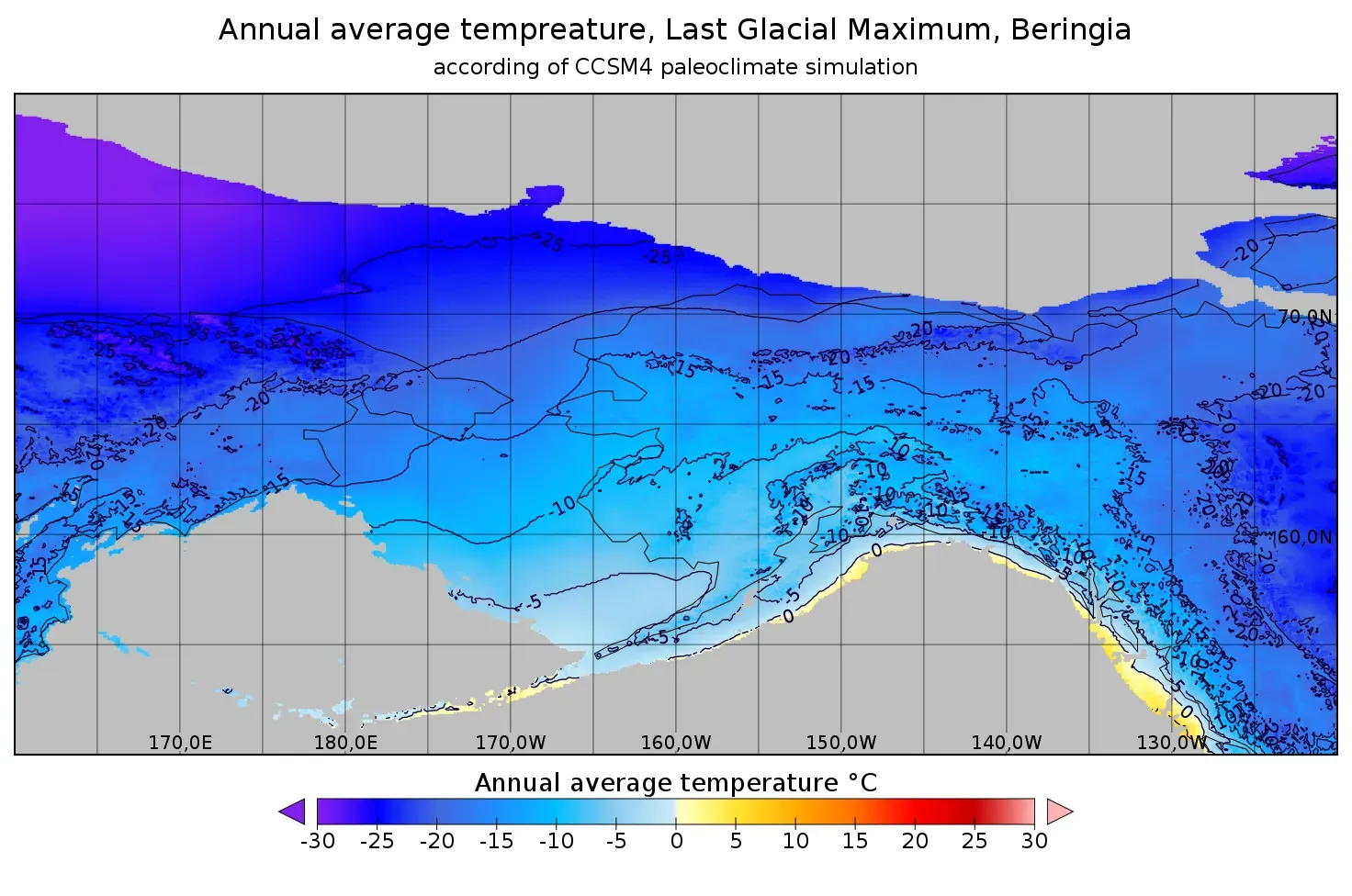
Traditional theories suggest that big animal hunters crossed the Bering Strait from North Asia into the Americas over a land bridge, Beringia, which existed from 45,000 to 12,000 BCE. Imagine traveling across a massive stretch of exposed land that connected two continents. This wasn’t a quick journey. Families and small groups moved gradually, following the animals they hunted for survival.
At various times, it formed a land bridge that was up to 1,000 km wide at its greatest extent and which covered an area as large as British Columbia and Alberta together. The sheer scale of this migration is mind boggling. These ancient travelers didn’t know they were discovering a new world. They were simply following food sources and seeking better living conditions, step by step, generation after generation.
They Lived During the Ice Age
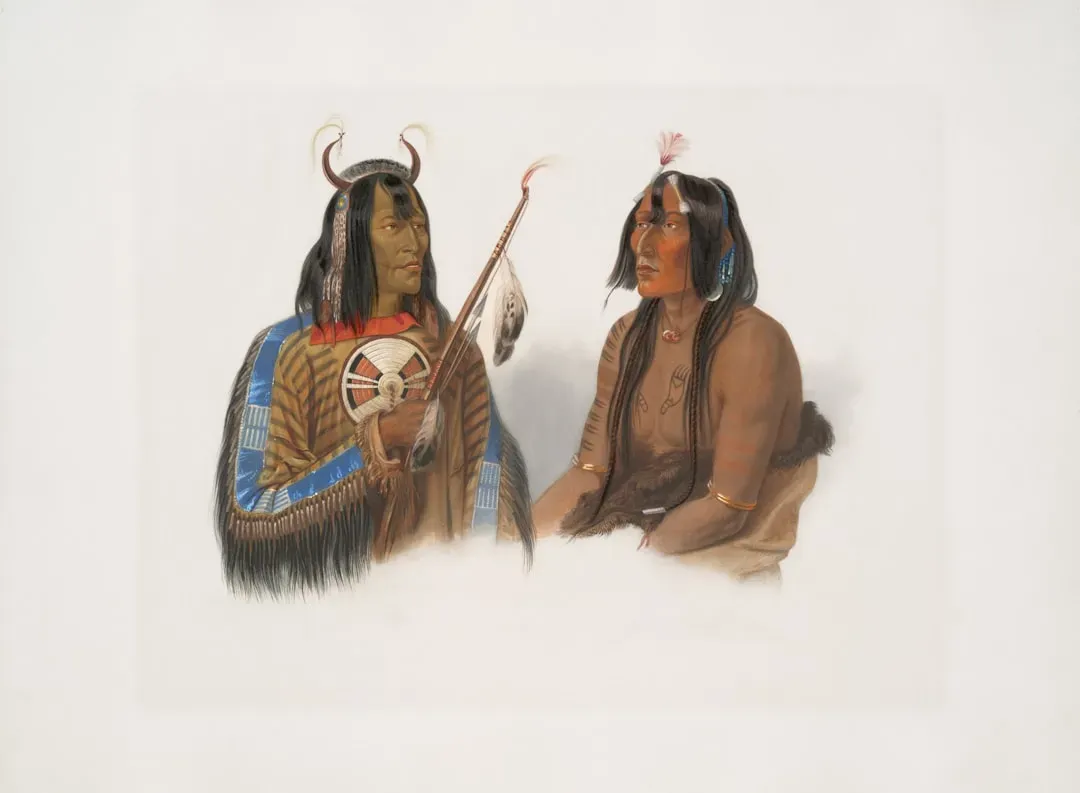
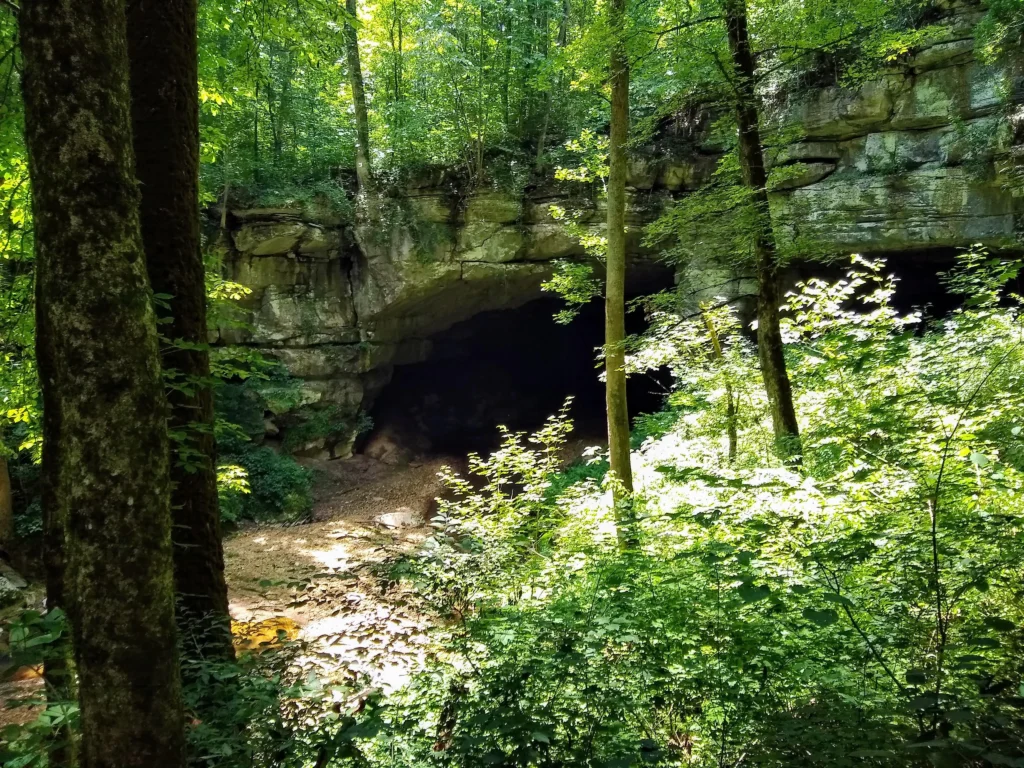
The climate in Kentucky would have been much colder and wetter at the end of the last Ice Age, also known as the Pleistocene, and living at the end of the late Pleistocene would have been similar to living in parts of Canada today. The landscape was utterly different from what we see now. Massive ice sheets covered portions of the continent, and temperatures were significantly lower than modern times.
The environment these people faced was harsh and unforgiving. Cold, dry arctic air from the northern glaciers may have reduced Virginia’s rainfall amounts by 20 to 50 percent and temperatures were likely cooler by ten to fifteen degrees Celsius. Yet they not only survived but thrived, developing specialized tools and hunting techniques perfectly suited to their frozen world. Their resilience in such conditions is honestly astonishing.
They Hunted Massive Ice Age Animals
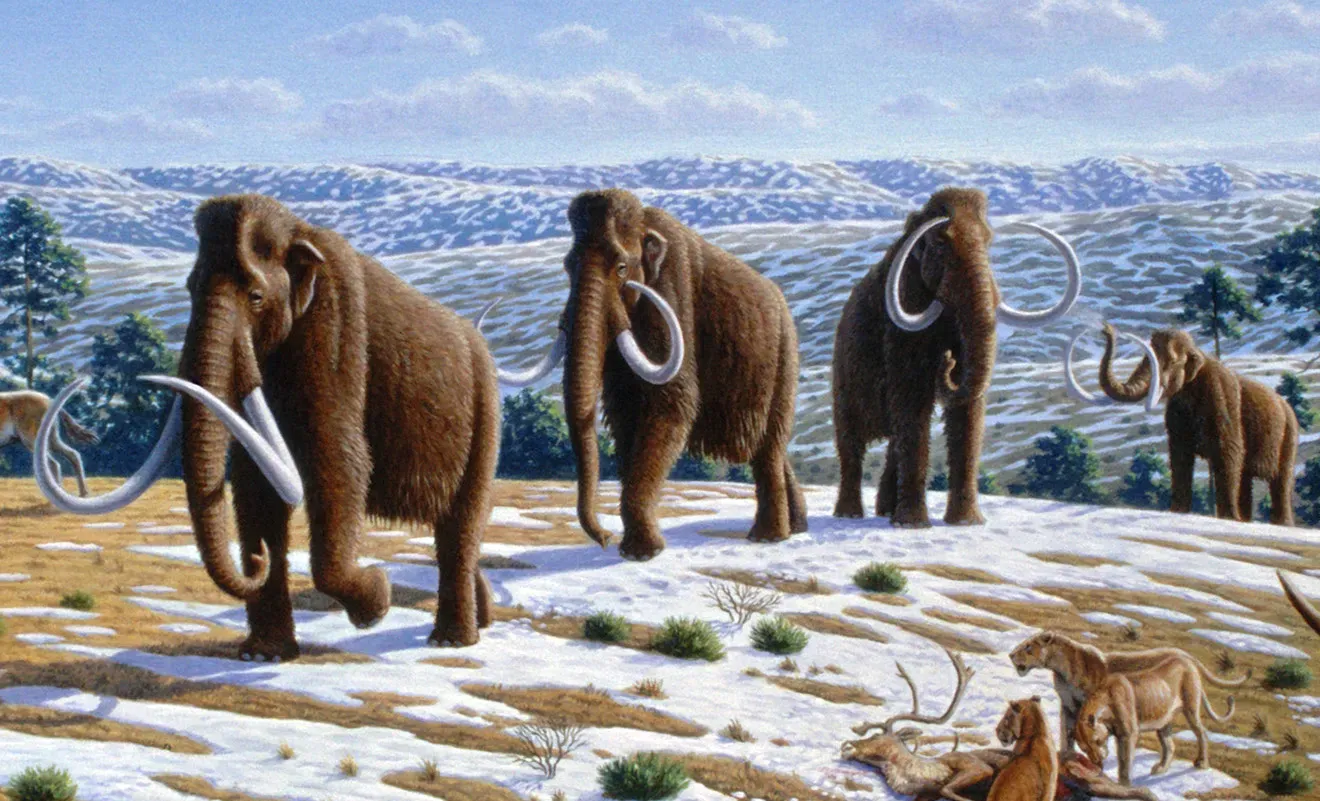
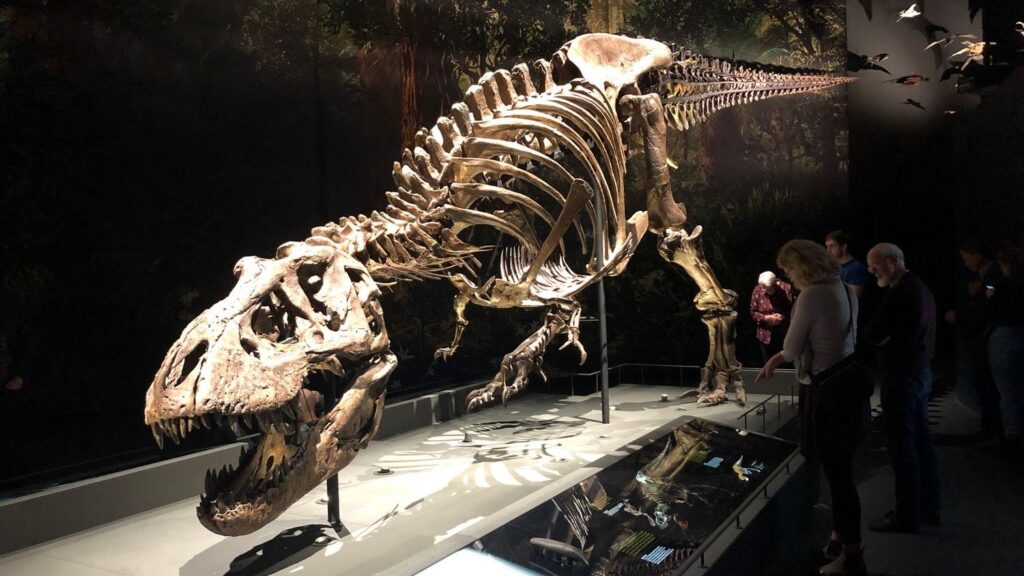
Upon arriving in the New World, the Paleo Indian people entered a hunter’s paradise filled with large games such as mastodons, mammoths, giant ground sloths, peccaries, and prehistoric camels, horses, and bison, all of which are now extinct. Picture facing down a woolly mammoth with nothing but a spear. These weren’t small prey animals. We’re talking about creatures that could weigh several tons.
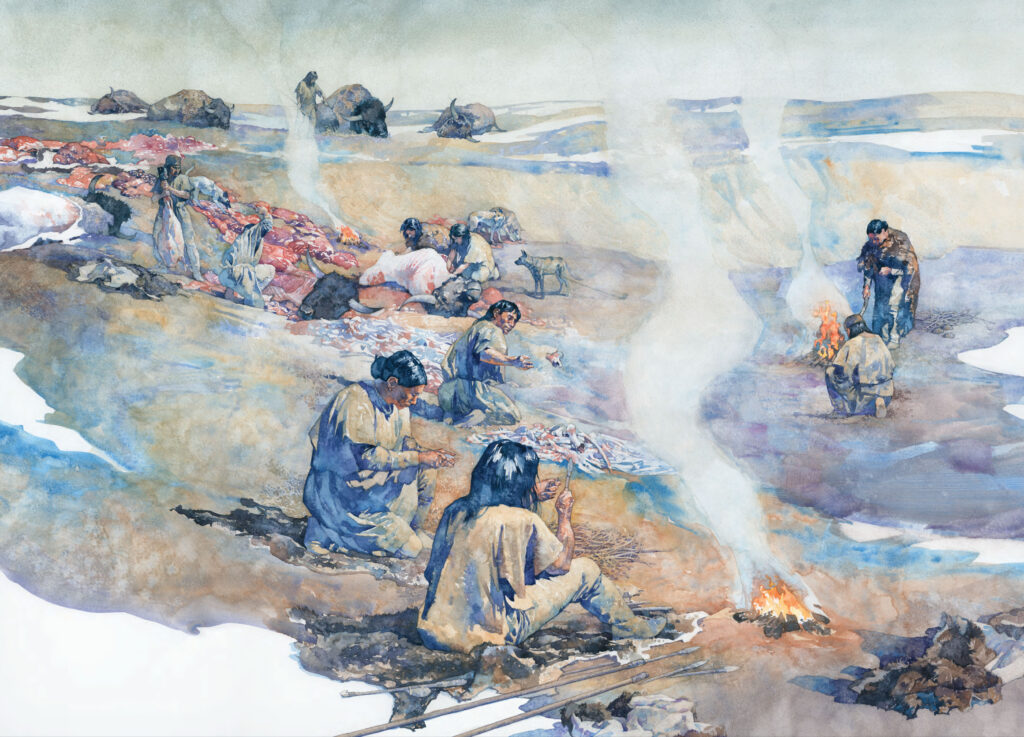
These megafaunas, or large animals, had no prior experience with people and therefore lacked the behavioral adaptations against the hunters which in turns made them easy targets. Still, hunting such enormous beasts required incredible bravery, coordination, and skill. The Paleo Indians hunted in groups composed of a dozen or so hunters, and a favorite hunting strategy seems to be creeping up on the target and wounding it with their spears, then following close behind and harassing it until it is exhausted enough for the final blow.
They Created Sophisticated Stone Tools
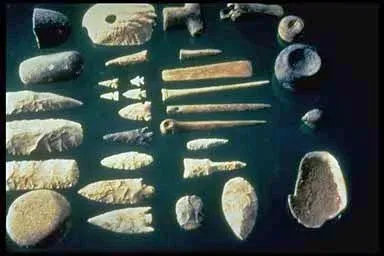
The Clovis culture left behind one of the most distinctive Paleo Indian artifact types, the Clovis point, which are thin, leaf shaped spear points made of stone that are also fluted, meaning that they have grooves on each flat side. These weren’t crude chunks of rock. The craftsmanship involved in creating these tools was incredibly advanced for the time.
Paleo Indian flint knappers developed an extremely efficient eleven step method for transforming a large flake of high quality stone into a multipurpose cutting implement and later into a Folsom point, two razor blades, and a lathe tool. The precision required to make these tools shows remarkable intelligence and skill. They understood which stones worked best and traveled great distances to obtain the finest materials for their implements.
They Invented the Atlatl for Hunting
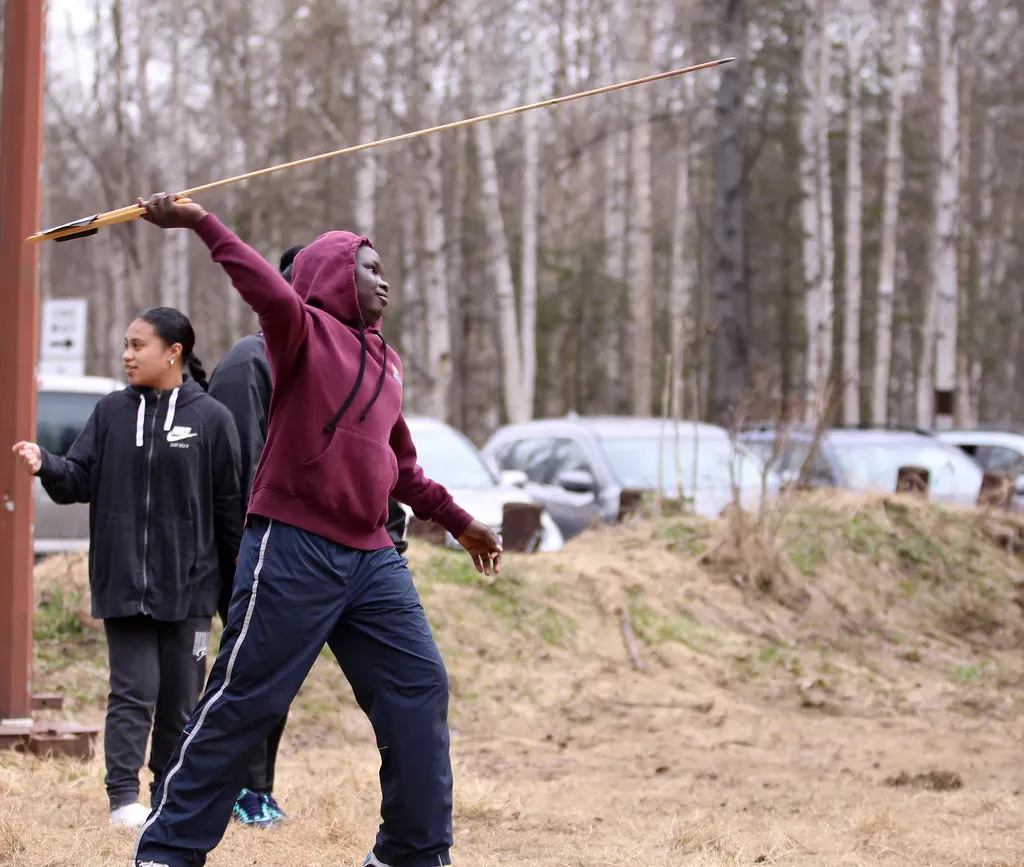
Humans developed new kinds of technology including a lighter throwing spear and an implement to propel this spear much farther, the atlatl, which was one of the most important items in the late Paleo Indian tool kit. This innovation was a game changer. Think of it as an extension of the human arm that dramatically increased throwing power and accuracy.
This device consisted of a flattened wooden stick with a hook at one end to launch the spear, and it served to lengthen the hunter’s throwing arm and increased the accuracy and speed of the throw. Before this invention, hunters had to get dangerously close to their prey. The atlatl allowed them to strike from a safer distance, revolutionizing their hunting success and survival rates. It’s hard to say for sure, but this tool likely saved countless lives.
They Lived in Small Nomadic Groups
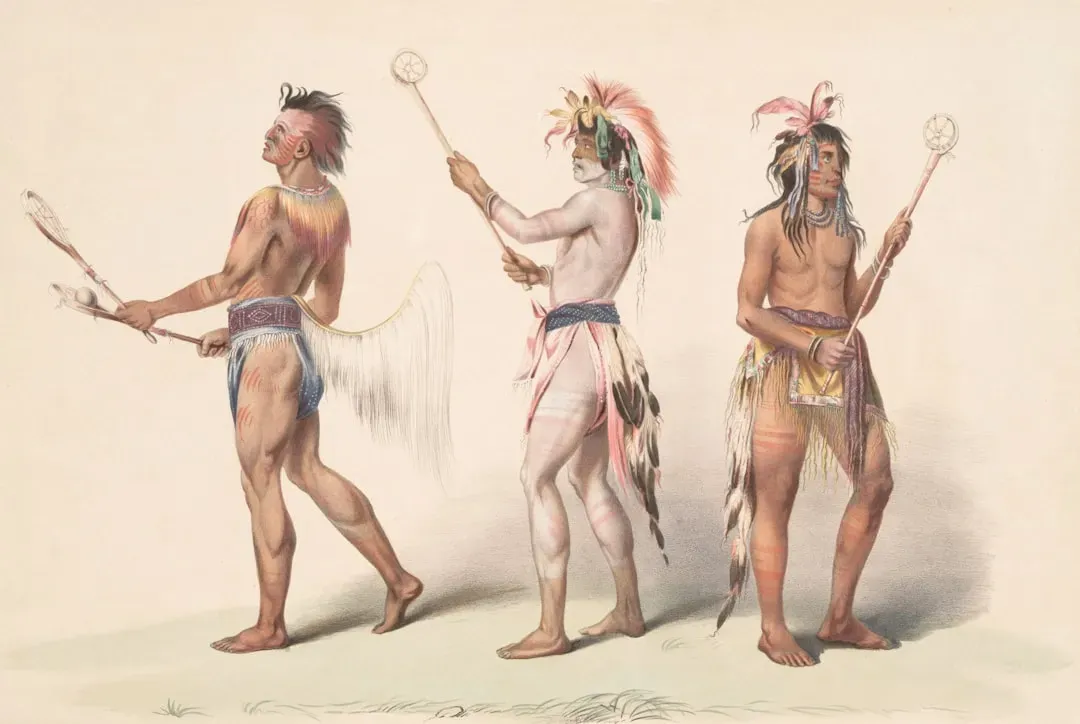
Paleo Indians probably lived in groups that anthropologists call bands, small groups of related individuals typically no bigger than 100 to 150 people, with a simple leadership structure probably with one individual at the head of the group. These weren’t large settled communities. They moved constantly, following animal migrations and seasonal food sources.
The people who lived in the Paleoindian period were nomadic hunter gatherers who lived in small groups of 20 to 50 people and traveled from place to place to take advantage of many different types of resources like stone for toolmaking. Life on the move meant owning only what you could carry. They constructed temporary shelters and possessed only the most essential items. This mobility was crucial for their survival in an unpredictable environment.
They Had Burial Rituals and Spiritual Beliefs
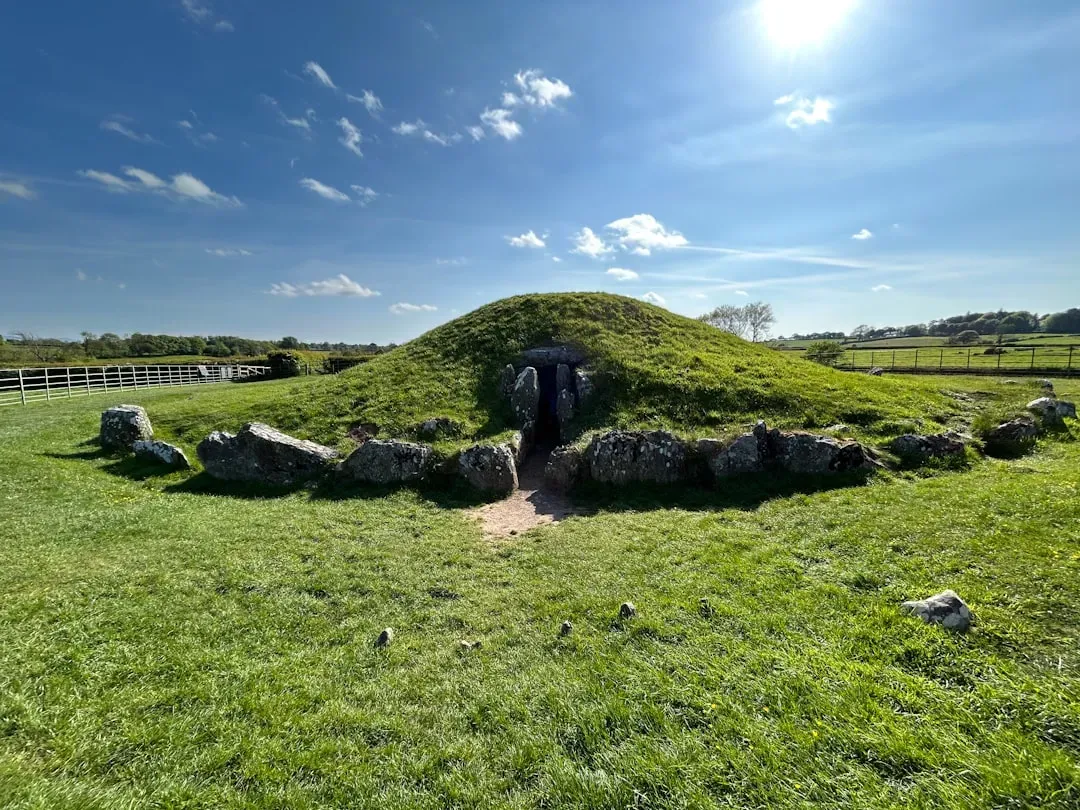
It is believed that these hunters and gatherers had some notion of an afterlife when archeologists unearthed two remains buried with various artifacts including full stone points and intentionally broken bone foreshafts, with the bodies and artifacts having red ochre sprinkled on top of them, allowing archeologists to infer that the Paleo Indians participated in rituals as a mean of coping with death. This discovery reveals something deeply human about these ancient people.
They weren’t just focused on survival. They contemplated death, honored their deceased, and believed in something beyond the physical world. The care taken in these burials suggests strong emotional bonds within their communities. Let’s be real, knowing they took time to perform rituals humanizes them in a way that stone tools alone never could.
They Established Wide Ranging Trade Networks
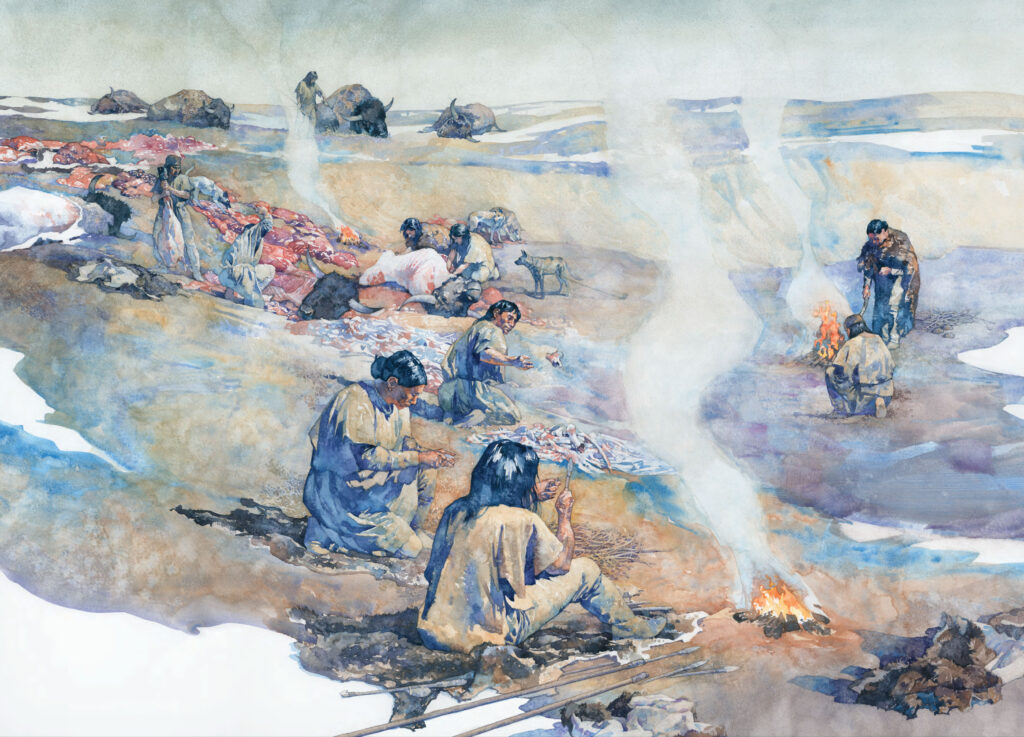
Projectile points and hammerstones made from many sources are found traded or moved to new locations, with stone tools traded or left behind from North Dakota and Northwest Territories to Montana and Wyoming, and trade routes also found from the British Columbia Interior to the coast of California. These people weren’t isolated. Despite living in small bands, they maintained contact with distant groups across vast territories.
Folsom age projectile points have been found more than 300 miles from their geological source, and it appears that Paleo Indians quickly located sources for the highest quality tool stone in the Plains including Knife River flint, Niobrara jasper, and Edwards chert. The distances involved are staggering. They knew where to find the best materials and traded them across hundreds of miles. This suggests a sophisticated understanding of geography and established relationships between different groups.
They Eventually Adapted and Evolved Into New Cultures
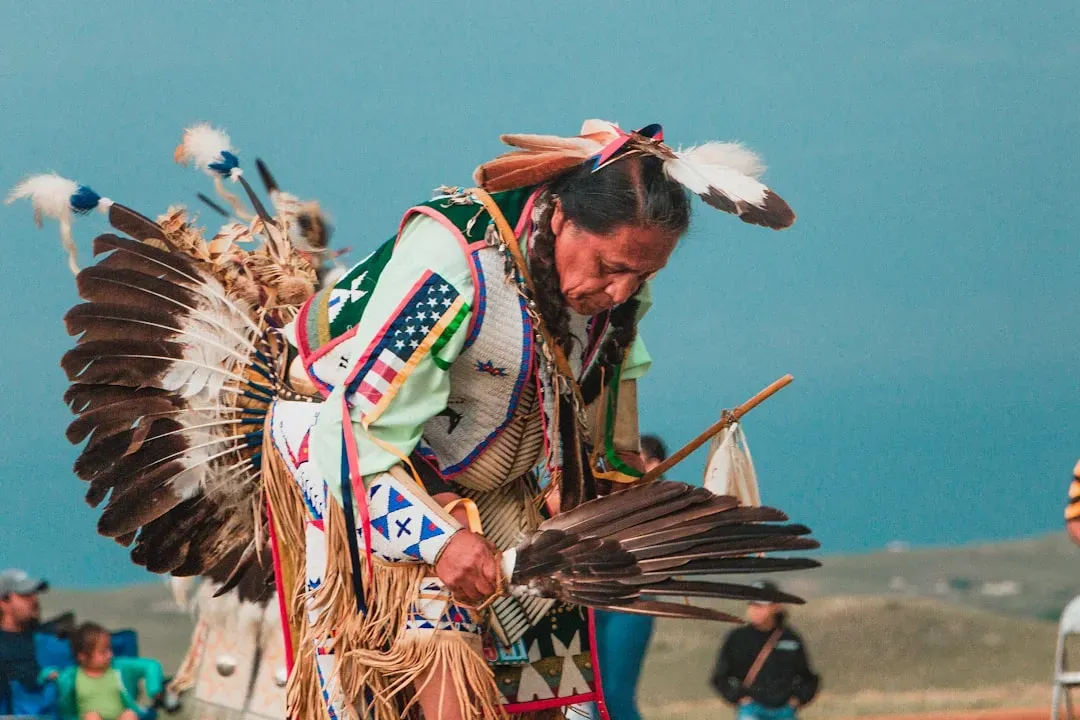
From 8000 to 7000 BCE the climate stabilized, leading to a rise in population and lithic technology advances, resulting in a more sedentary lifestyle during the following Archaic Period. The Paleo Indian period didn’t end abruptly. As the Ice Age concluded and megafauna went extinct, these people had to change their ways of life dramatically.
They began hunting smaller game, gathering more plant foods, and eventually settling in specific areas for longer periods. People living during the Middle Paleoindian period hunted both large and small game and added more plant resources to their diets, and they moved around less because their food was more local. Their descendants became the diverse Native American cultures that inhabited the continent for thousands of years afterward. What would you have guessed about how adaptable they really were?
Human history on this continent stretches back much further than many realize. The Paleo Indians were pioneers in every sense, facing challenges we can barely imagine today. Their ingenuity, courage, and ability to adapt remind us of the incredible resilience of the human spirit. Next time you look at ancient artifacts in a museum or read about archaeological discoveries, remember these were real people with families, hopes, and dreams. They weren’t so different from us after all. What do you think about these ancient inhabitants? Their story continues to fascinate and inspire, teaching us valuable lessons about survival, innovation, and the enduring human drive to explore and thrive.