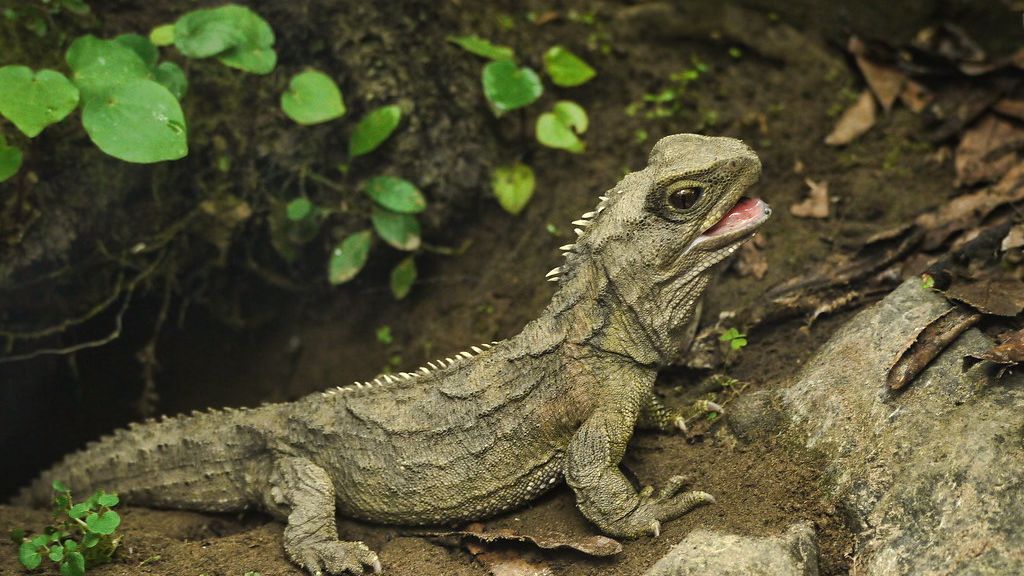
You’ve probably never heard of the tuatara. It’s not as famous as the komodo dragon or as flashy as a chameleon. But here’s the thing: this peculiar creature represents something extraordinary. While dinosaurs came and went, while continents shifted and ice ages gripped the planet, the tuatara’s lineage endured.
This unassuming reptile is the sole surviving member of an ancient order that once thrived across the globe. Imagine being the last of your kind, carrying the genetic legacy of a world that existed before the first T. rex ever walked the Earth. That’s the tuatara’s story, and honestly, it’s more fascinating than most science fiction.
It’s Not a Lizard, Despite What Your Eyes Tell You
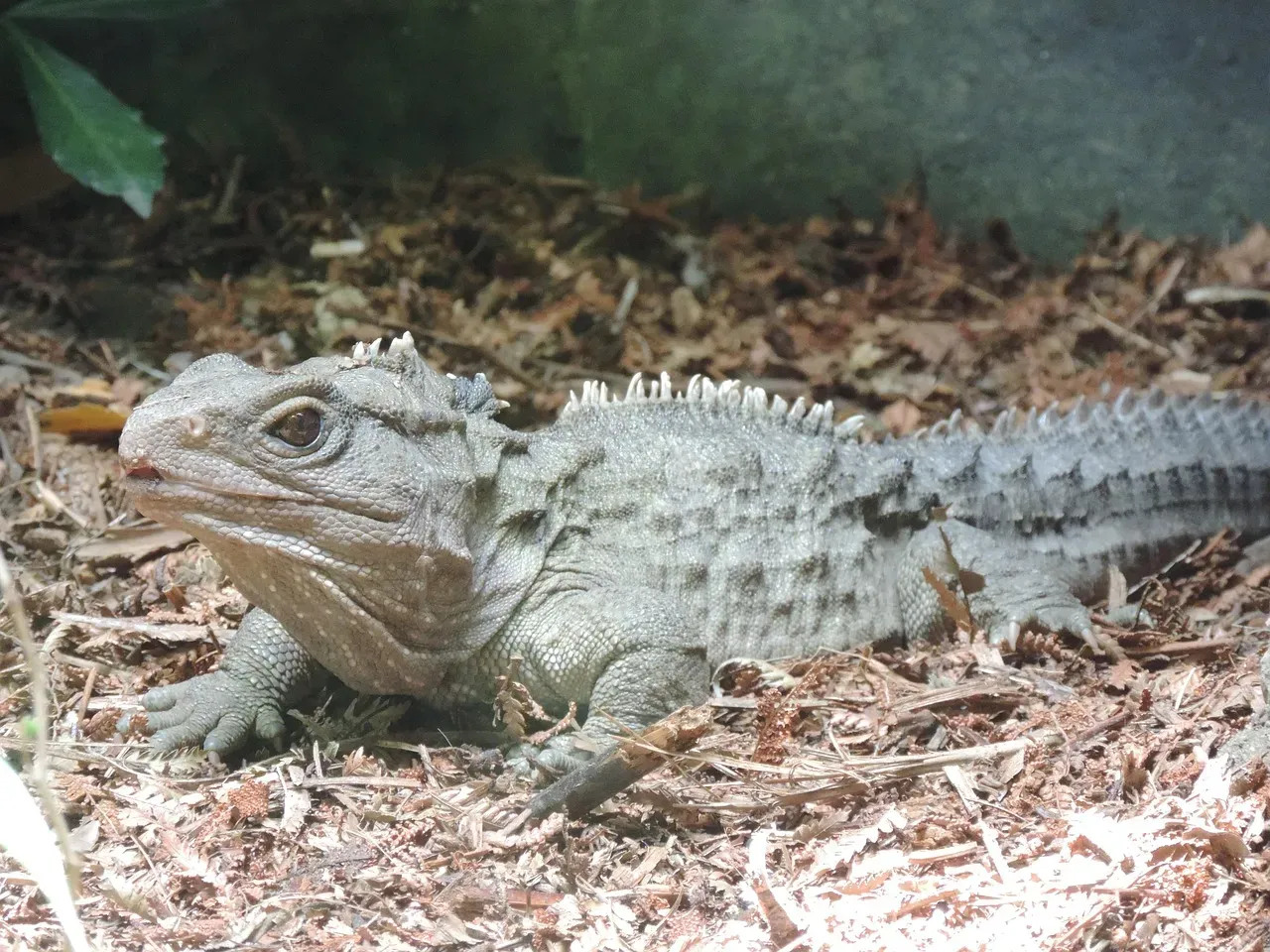
The tuatara is a species of reptile endemic to New Zealand, and despite its close resemblance to lizards, it is the only extant member of a distinct lineage, the previously highly diverse order Rhynchocephalia. You might glance at one and think it’s just another iguana lounging around. That’s exactly what early scientists thought when they first laid eyes on this creature.
Tuatara are the sole survivors of an ancient group of reptiles that first appeared in the fossil record of the Middle Triassic Period, and the lineage diverged from lizards and snakes some 250 million years ago. Think about that for a second. That’s a long time in evolutionary terms; for context, humans are more closely related to kangaroos than tuatara are to lizards. So when someone calls it a lizard, they’re off by about a quarter of a billion years.
A Third Eye That Actually Exists
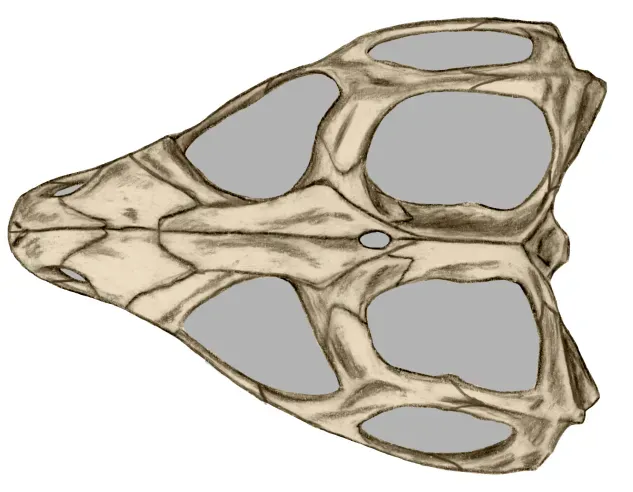
Let’s be real, the idea of a third eye sounds like something from a fantasy novel. The tuatara has a third eye on the top of its head called the parietal eye, formed by the parapineal organ, with an accompanying opening in the skull roof, and it has its own lens, a parietal plug which resembles a cornea, retina with rod-like structures, and degenerated nerve connection to the brain. It’s not just some mystical concept; it’s an actual biological structure sitting right there on top of their heads.
The parietal eye is visible only in hatchlings, which have a translucent patch at the top centre of the skull, but after four to six months, it becomes covered with opaque scales and pigment. You won’t spot it on adults unless you’re really looking. Although this eye has a rudimentary lens, it is not an organ of vision, and it is thought to serve an endocrine function by registering the dark-light cycle for hormone regulation. Scientists think it helps with biological rhythms and temperature regulation, which is pretty practical when you think about it.
They’re Ridiculously Slow at Everything
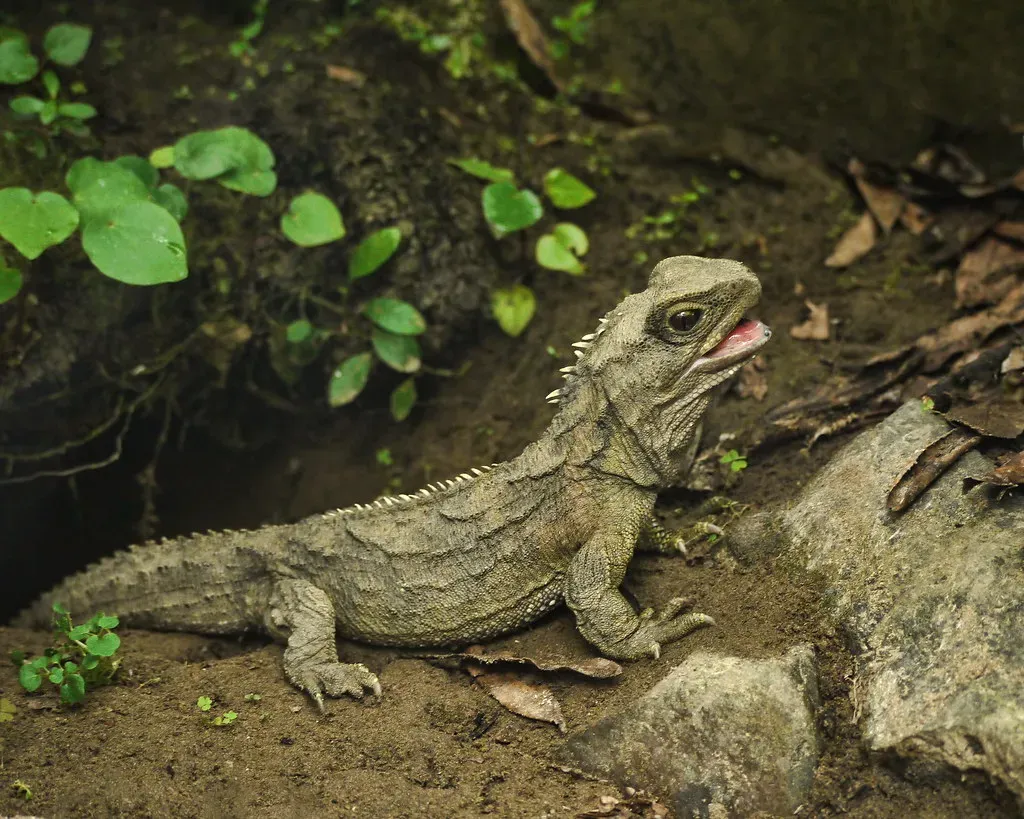
Tuatara probably have the slowest growth rates of any reptile, continuing to grow larger for the first 35 years of their lives. Thirty-five years just to reach full size. Most reptiles are done growing within a few years, but not these guys. They take their sweet time about everything.
Tuatara reproduce very slowly, taking 10 to 20 years to reach sexual maturity, and females mate and lay eggs once every four years; this means reproduction occurs at two- to five-year intervals, the slowest in any reptile. If you’re thinking that’s a terrible survival strategy, you’d be right in most circumstances. However, in a land without mammalian predators for millions of years, there was no rush. The tuatara essentially evolved in easy mode until humans showed up with their rats and habitat destruction.
Temperature Decides Whether You’re Male or Female
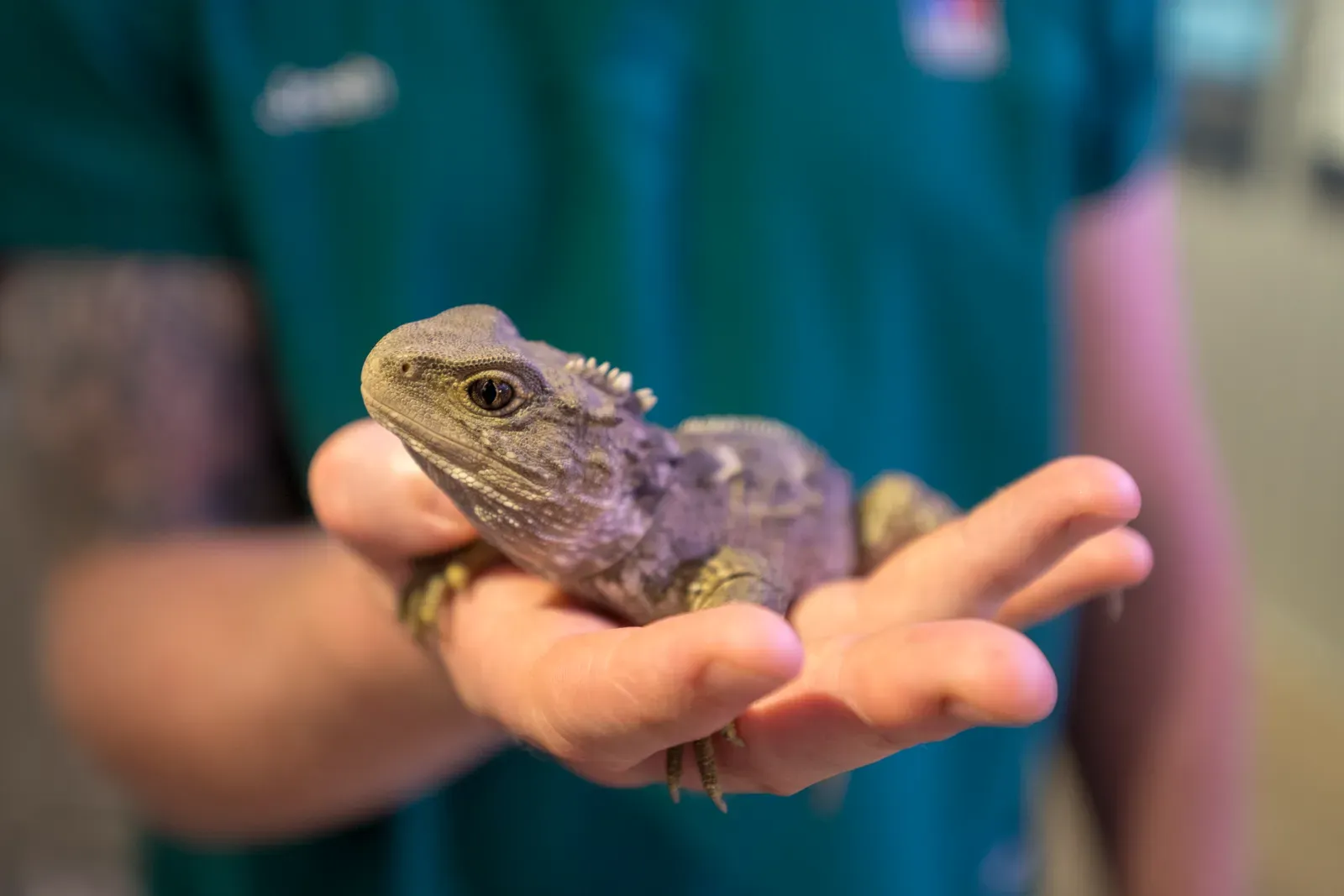
The sex of a hatchling depends on the temperature of the egg, with warmer eggs tending to produce male tuatara, and cooler eggs producing females; eggs incubated at 21 °C have an equal chance of being male or female, however, at 22 °C, 80% are likely to be males, and at 20 °C, 80% are likely to be females; at 18 °C all hatchlings will be females. Just a couple of degrees can completely shift the gender ratio of an entire clutch.
This might sound like a neat biological trick, but it’s actually becoming a serious problem. Climate change is warming their nesting sites, and researchers worry that soon there might be almost no females being born. They have temperature-dependent sex determination meaning that the temperature of the egg determines the sex of the animal; for tuatara, lower egg incubation temperatures lead to females while higher temperatures lead to males, and since global temperatures are increasing faster than ever, researchers are worried that climate change is skewing the male-to-female ratio of tuatara and that in a few decades, tuatara offspring populations will be all male.
They Love the Cold and Hate the Heat
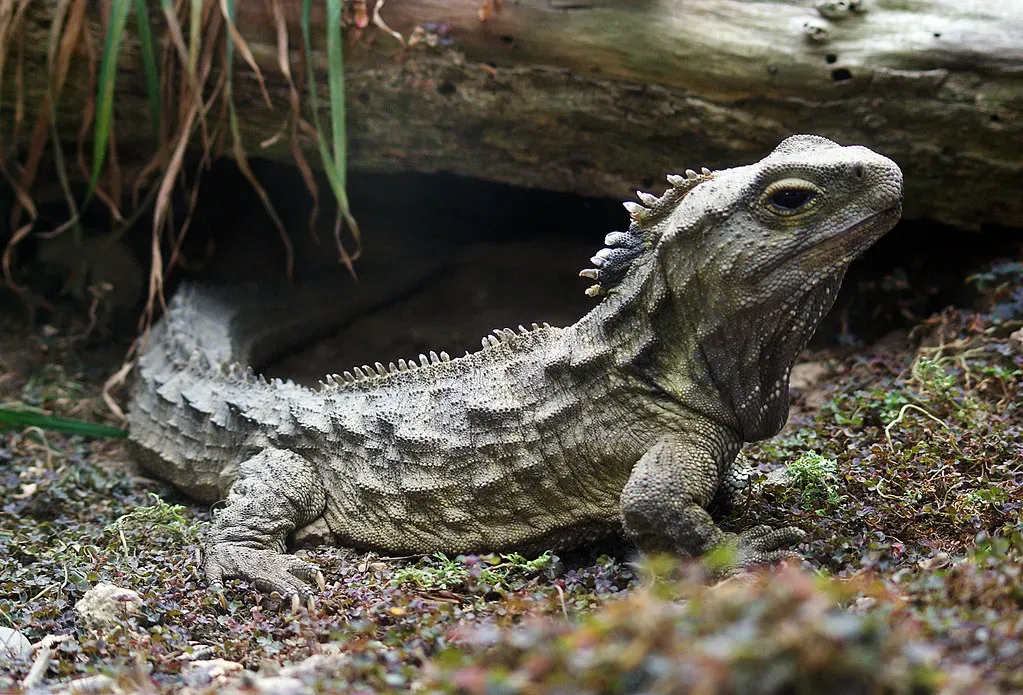
Tuatara are one of the few groups of reptiles that are active at low body temperatures; their internal temperatures are typically less than 22 °C and usually hover around 18–19 °C, and they can even remain active when their body temperatures dip as low as 13–14 °C. Most reptiles would be sluggish and useless at those temperatures. The tuatara just keeps on going.
Temperatures over 28 °C are generally fatal, and the optimal body temperature for the tuatara is from 16 to 21 °C, the lowest of any reptile. They’re basically the opposite of what you’d expect from a reptile. While other reptiles are basking in scorching heat, tuataras are thriving in conditions that would make a bearded dragon curl up and die. This adaptation let them dominate the chilly islands off New Zealand, but it also makes them incredibly vulnerable as the planet warms.
Their Lifespan Is Almost Supernatural
The average lifespan is about 60 years, but they can live to be well over 100 years old; tuatara could be the reptile with the second longest lifespan after tortoises, and some experts believe that captive tuatara could live as long as 200 years. Two hundred years. That means a tuatara born when Napoleon was marching across Europe could theoretically still be alive today.
A male tuatara at Southland Museum in Invercargill, New Zealand, became a father on 23 January 2009, at age 111, with an 80 year-old female. Henry, as he’s known, became a dad at an age when most creatures would be ancient fossils. That’s not just longevity; that’s reproductive longevity, which is even more remarkable. Their slow metabolism and cool body temperatures probably contribute to this incredible lifespan.
They Have Teeth Unlike Any Other Reptile
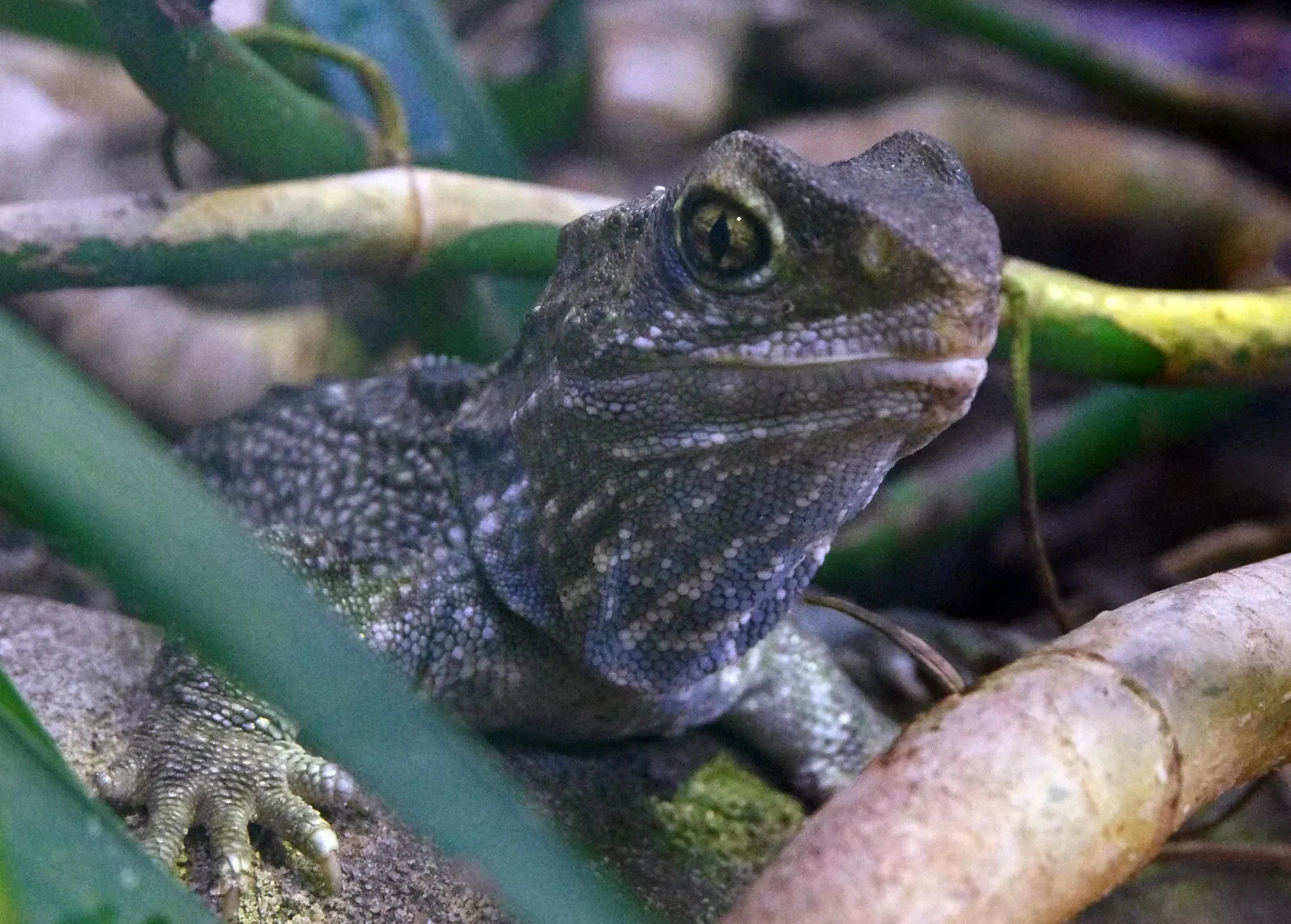
They have a second row of upper teeth on the roof of the mouth. There are two rows of teeth on the upper jaw and one row on the lower jaw that fits between the upper rows of teeth when the mouth is closed, and the arrangement of the teeth helps tuataras tear apart hard insects. It’s like having a built-in vice grip.
A tuatara’s teeth are fused directly to their jawbone. These small teeth are not replaced when lost or broken, and older tuataras have to eat softer food items as their teeth wear down. Most reptiles just keep replacing their teeth throughout life. Crocodiles go through thousands of teeth. Tuataras? They get one set and that’s it. As they age, they have to switch from crunchy beetles to soft slugs and worms, kind of like how elderly humans switch to softer foods.
They’re Living Time Capsules from the Age of Dinosaurs
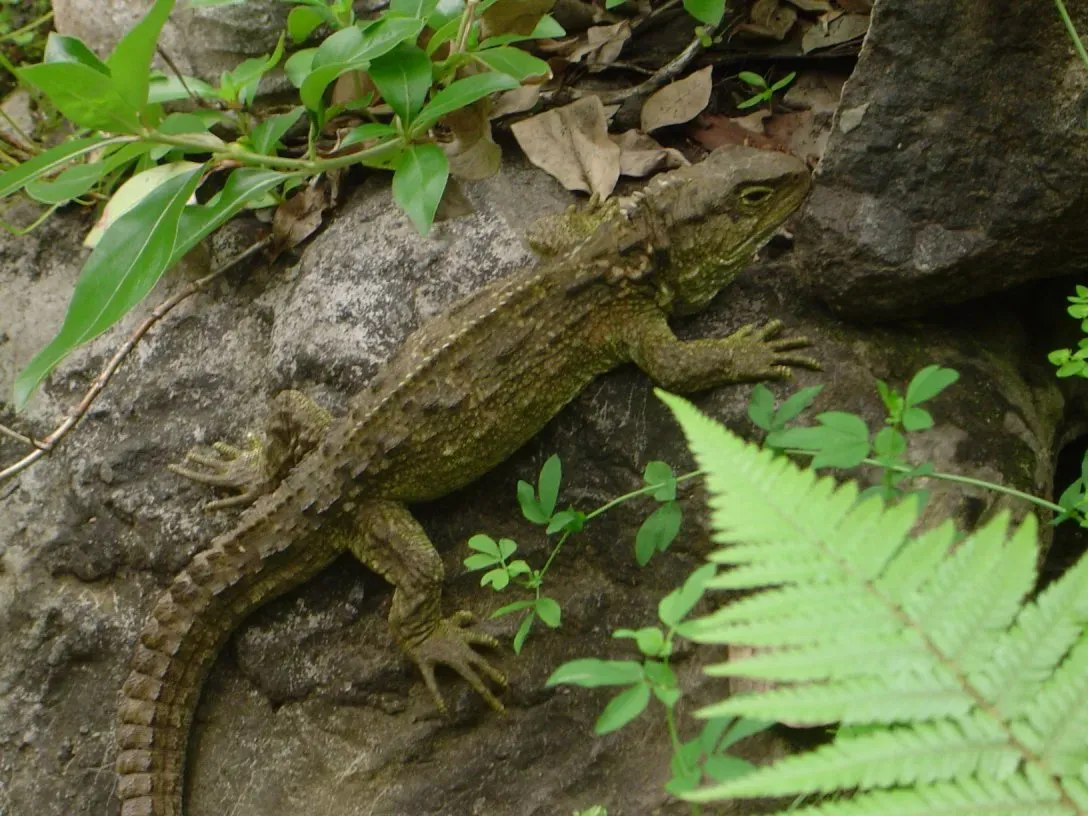
Rhynchocephalians first appeared in the fossil record during the Middle Triassic, around 244-241.5 million years ago, and reached worldwide distribution and peak diversity during the Jurassic, when they represented the world’s dominant group of small reptiles. Back when dinosaurs were just getting started, the tuatara’s relatives were everywhere, thriving on every continent.
During the Late Triassic, rhynchocephalians greatly diversified, going on to become the world’s dominant group of small reptiles during the Jurassic period, when the group was represented by a diversity of forms, including the aquatic pleurosaurs and the herbivorous eilenodontines. They had aquatic versions, herbivorous versions, all sorts of ecological niches covered. Then something happened. This order was well represented by many species during the age of the dinosaurs, some 200 million years ago, but all species except the tuatara declined and eventually became extinct about 60 million years ago.
Adults Are Cannibals, So Babies Hunt During the Day
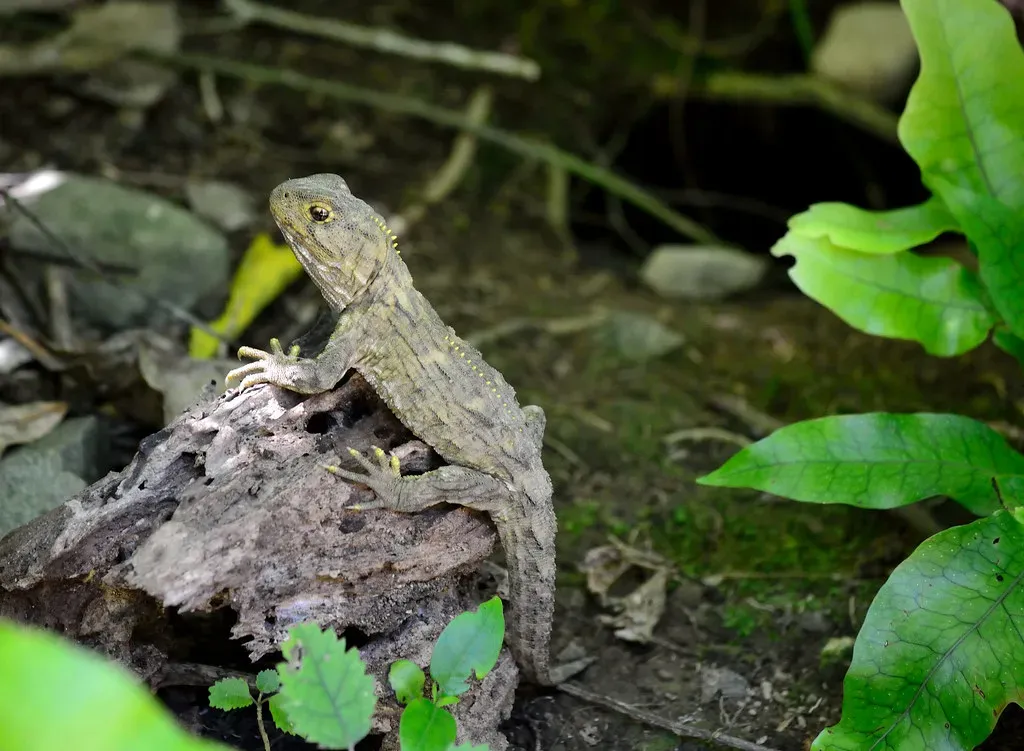
Adult tuatara are terrestrial and nocturnal reptiles, though they will often bask in the sun to warm their bodies, while hatchlings hide under logs and stones, and are diurnal, likely because adults are cannibalistic. That’s right, baby tuataras are so afraid of being eaten by their own kind that they’ve evolved to be active during opposite hours.
Young tuataras usually hunt for food during the day to keep from being eaten by adult tuataras at night. It’s a harsh world when your biggest threat isn’t a predator from another species but your own parents and relatives. This temporal segregation is a clever evolutionary solution to intraspecific predation, though it seems like a pretty stressful way to grow up. Within about a year, once they’re large enough to not be easy prey, they switch to the nocturnal lifestyle of adults.
They Once Dominated, Now They Cling to Small Islands
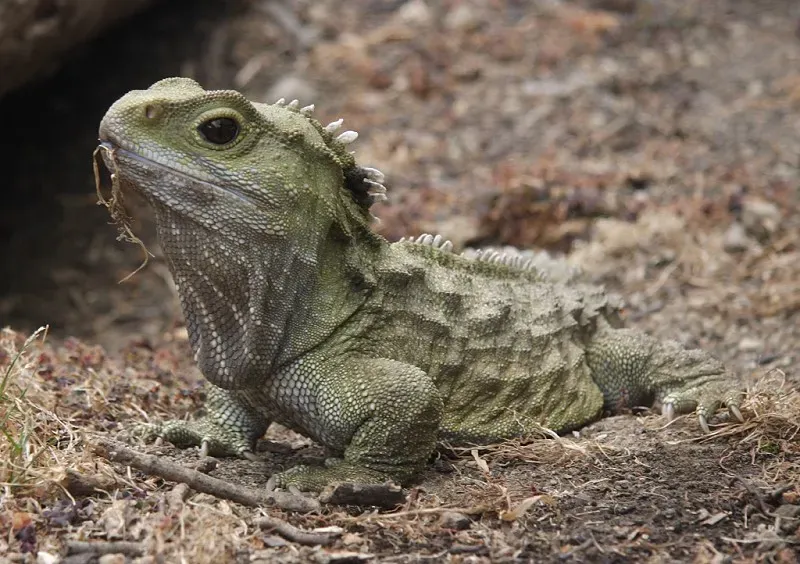
Tuatara, like many of New Zealand’s native animals, are threatened by habitat loss and introduced predators, such as the Polynesian rat, and tuatara were extinct on the mainland, with the remaining populations confined to 32 offshore islands, until the first North Island release into the heavily fenced and monitored Karori Wildlife Sanctuary in 2005. They used to roam all over New Zealand’s mainland. Now they’re relegated to tiny specks of land in the ocean.
Rats are considered the most serious threat to the survival of tuatara because they’re easily transported as stowaways on boats and are usually the first alien animals to arrive unnoticed in new places. Rats eat tuatara eggs and compete for their food. During routine maintenance work at Zealandia in late 2008, a tuatara nest was uncovered, with a hatchling found the following autumn, and this is thought to be the first case of tuatara successfully breeding in the wild on New Zealand’s North Island in over 200 years. After two centuries of absence from the mainland, they’re finally making a comeback thanks to intensive conservation efforts.
Conclusion: The Loneliest Survivor You’ve Ever Met
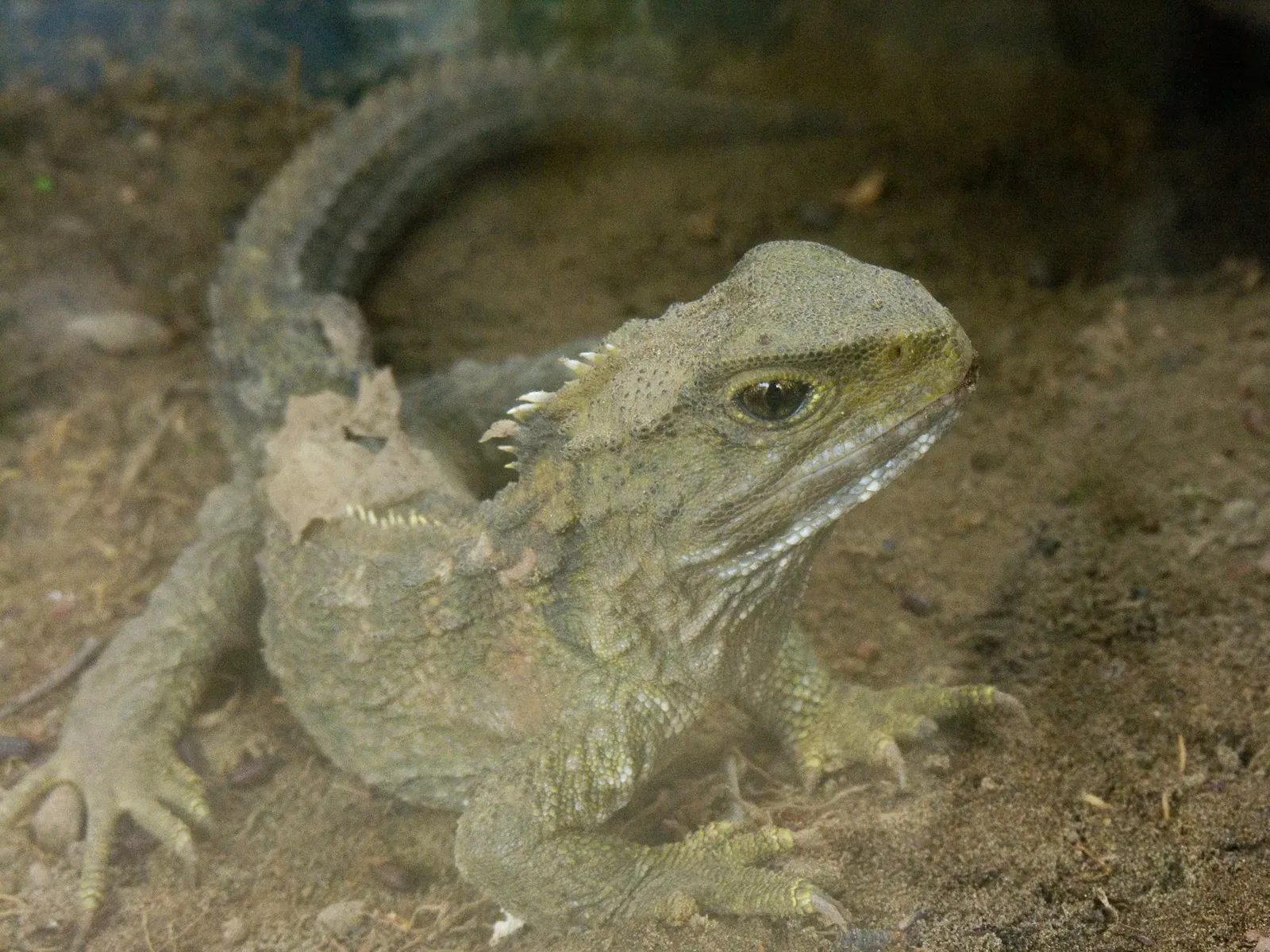
The tuatara carries the weight of an entire evolutionary order on its scaly shoulders. While its countless relatives vanished into the fossil record, this one stubborn lineage held on, adapting to the isolated islands of New Zealand. It’s a testament to resilience, but also a cautionary tale about fragility.
These creatures survived mass extinctions, climate shifts, and millions of years of evolutionary pressure. Yet a few introduced rats and a couple degrees of warming threaten to finish what the Cretaceous couldn’t. The tuatara’s story reminds us that survival isn’t just about being ancient or unique. Sometimes it’s about whether we choose to protect what remains.
What do you think makes the tuatara’s survival so remarkable? Share your thoughts in the comments.