Have you ever wondered what incredible creatures roamed the lands where you live today? Ancient America was a wild place, filled with beasts that would make your imagination run wild. From enormous sloths that towered over modern elephants to fearsome predators with teeth like daggers, the prehistoric landscape of North and South America was home to some of the most remarkable animals that ever lived.
These weren’t just bigger versions of animals you see at the zoo. We’re talking about entirely different worlds, ecosystems teeming with megafauna that shaped the land itself. What happened to them remains one of paleontology’s most debated mysteries. Let’s dive into ten of the most fascinating prehistoric creatures that once called ancient America home.
The Giant Ground Sloth: Nature’s Gentle Giant
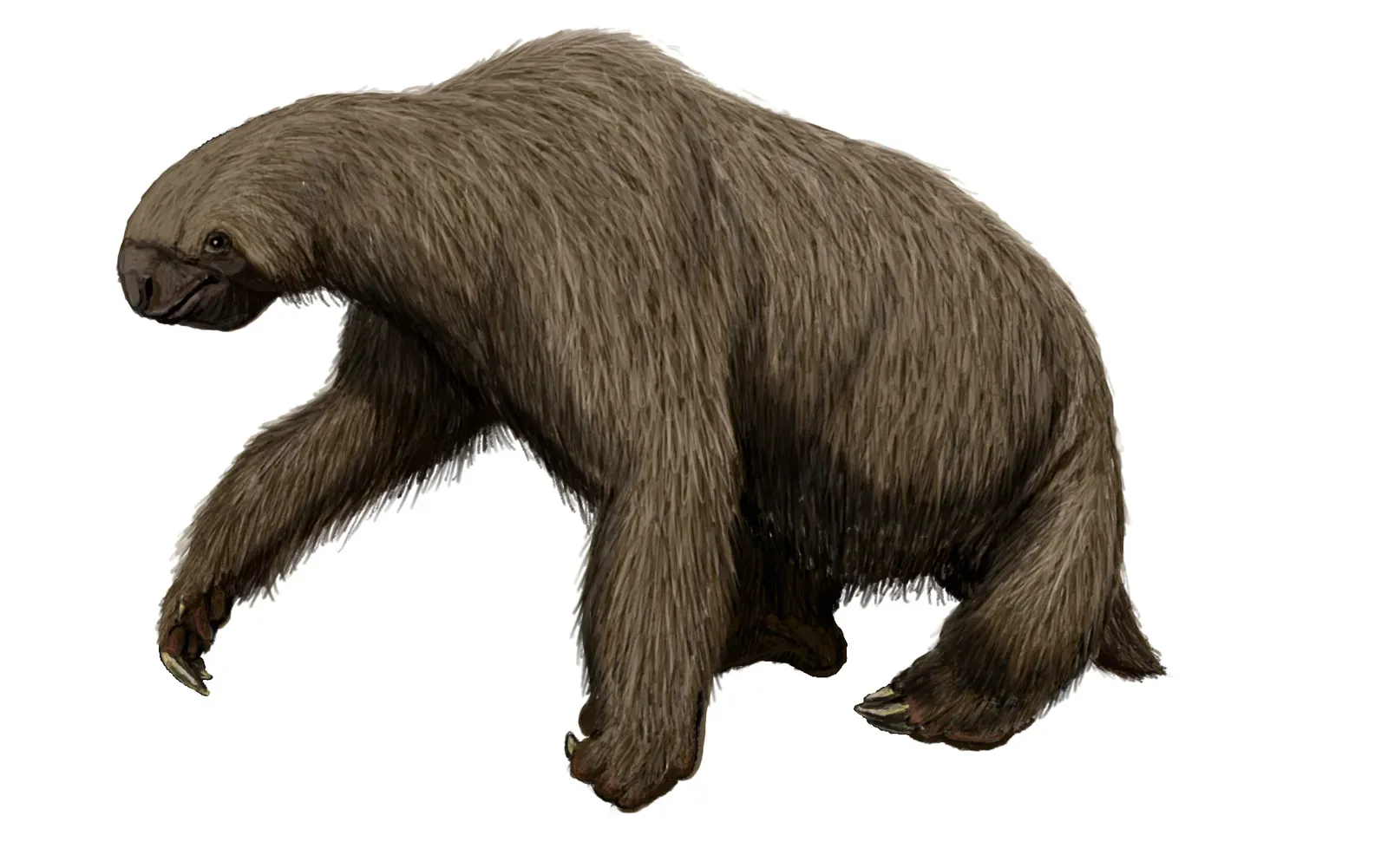
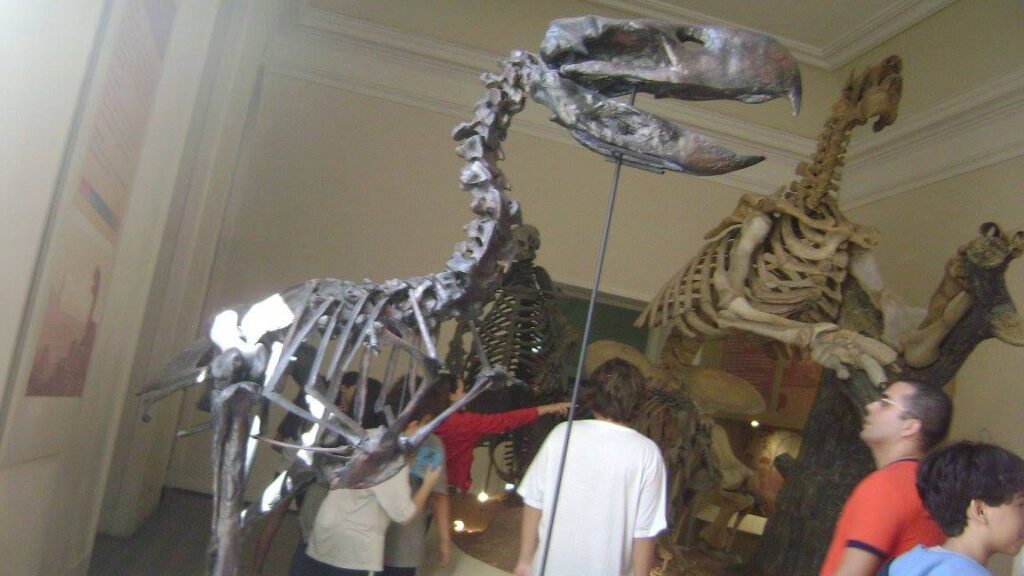
Imagine a sloth the size of an elephant lumbering through prehistoric forests. Massive sloth-like creatures may have been roaming the land that we now call the United States during the Pleistocene Epoch, and they were nothing like the slow tree-dwelling animals we know today. Megalonyx was an extinct ground sloth that traveled across continents.
Giant ground sloths from South America lived in the Pliocene and Pleistocene, and they were among the largest mammals to have ever lived, with a size exceeded only by Mammoths and some giant rhinos. These herbivorous behemoths could reach heights comparable to modern elephants when standing upright. Specimens were found in areas that used to have forests, lakes and rivers, and during warmer periods, Megalonyx made it as far north as the Yukon and Alaska.
Saber-Toothed Cat: The Iconic Predator
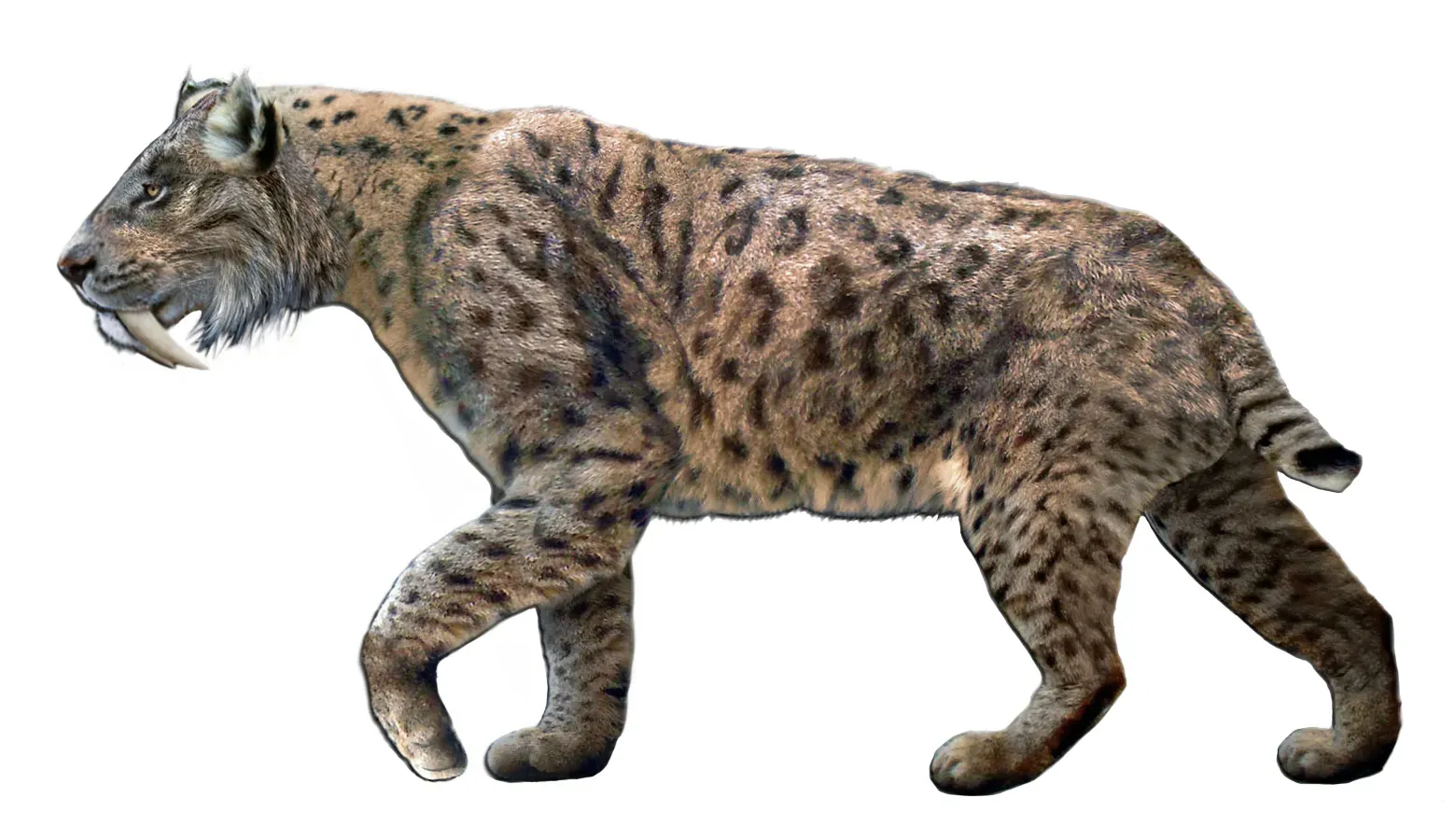
You’ve probably seen reconstructions of this fearsome hunter in museums or documentaries. The saber-toothed cat (Smilodon fatalis) lived from about 400,000 to 11,000 years ago, and it was one of the most formidable predators to ever stalk the Americas. Those elongated canine teeth weren’t just for show.
Think about it for a moment. This cat had to evolve specialized hunting techniques to use those impressive sabers effectively. The best-known is the Smilodon, which is also known as the ‘saber-toothed tiger,’ and three species of Smilodon have been discovered, with the biggest, Smilodon populator, being bigger than a tiger. These predators likely hunted the massive herbivores that shared their habitat, using pack tactics and ambush strategies that would rival any modern big cat.
Woolly Mammoth: The Cold Weather Survivor
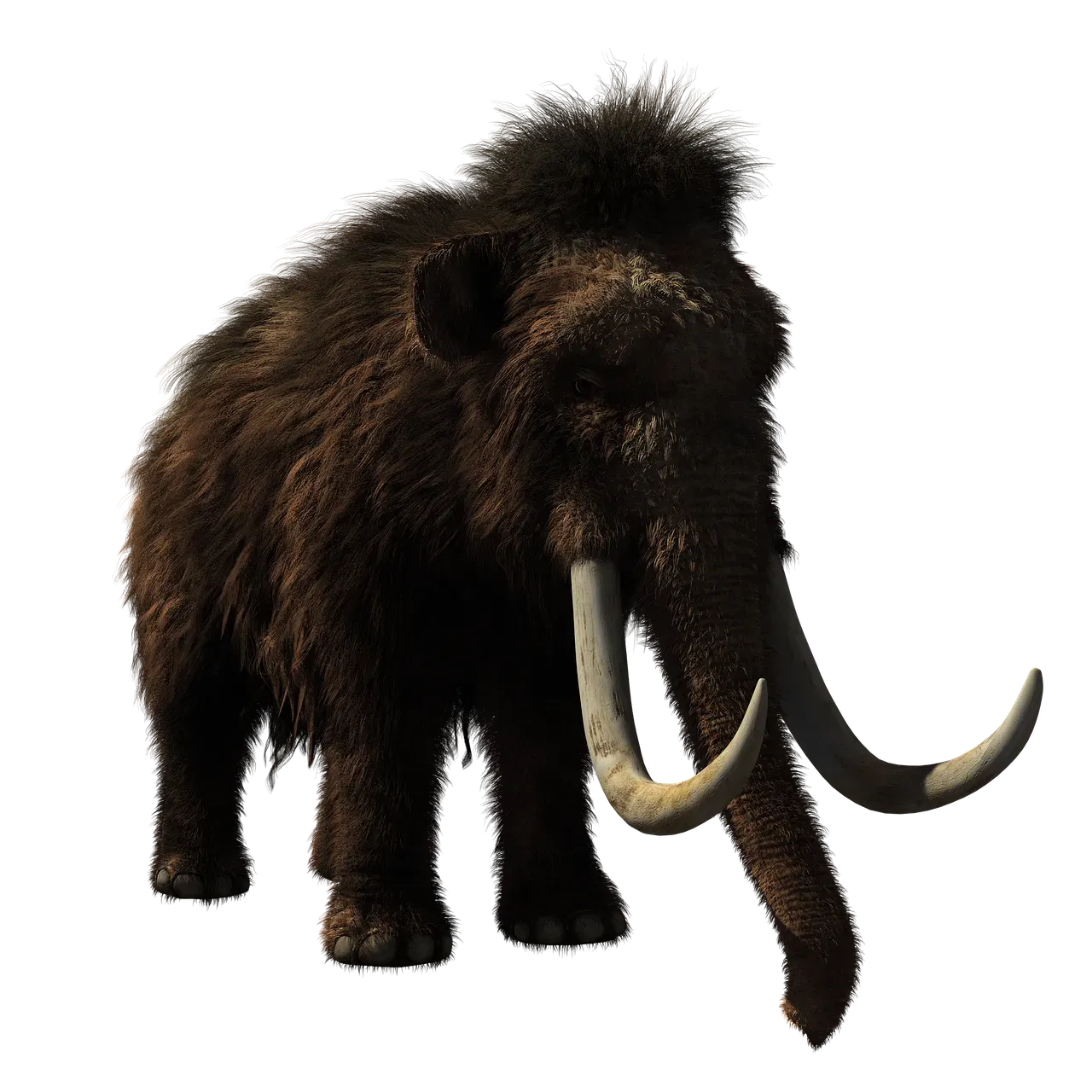
The woolly mammoth (Mammuthus primigenius) is one of the most famous extinct Ice Age megafauna, standing 12 feet tall at the shoulders and weighing six to eight tons. These magnificent creatures were perfectly adapted for the frigid northern climates of Ice Age America. Their massive curved tusks could stretch an impressive fifteen feet, serving both as tools for digging through snow and as formidable weapons.
What’s truly remarkable is how widespread these animals were. Mammoths came to North America in two waves, with Mammuthus meridionalis crossing the Bering land bridge around 1.5 million years ago and branching into distinct mammoth species, then the woolly mammoth arrived as recently as 500,000 years ago, spreading everywhere in Ice Age North America from Canada down to Honduras. Their thick fur coats and fat reserves allowed them to thrive in environments that would be deadly to their modern elephant cousins.
American Mastodon: The Ancient Elephant Relative
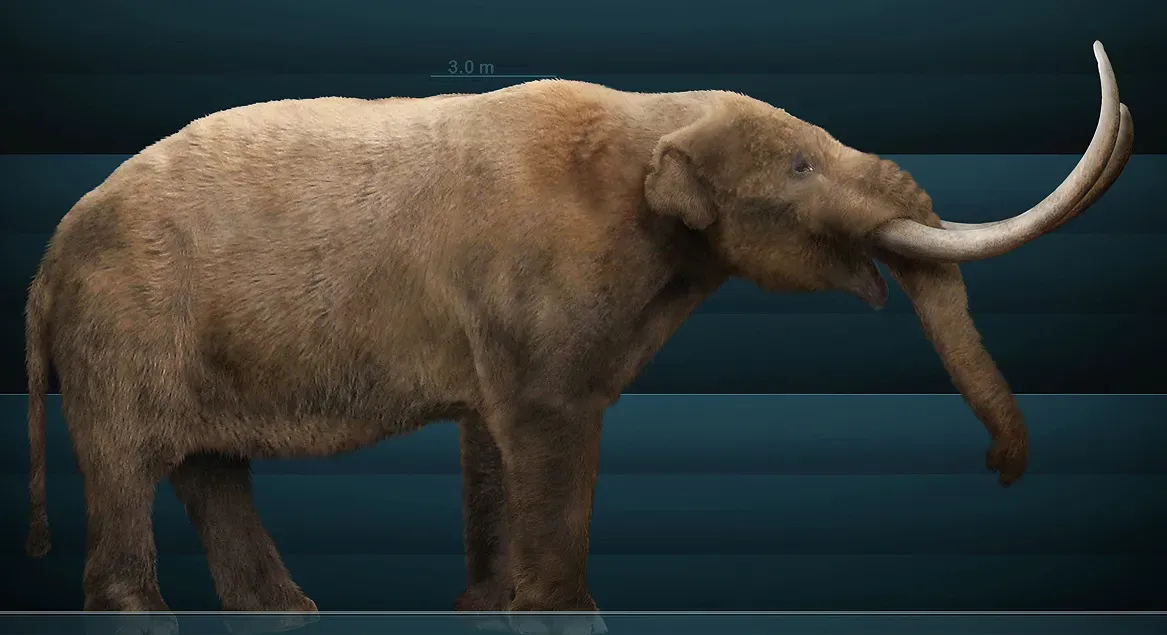
Here’s something many people don’t realize. Mammoths and mastodons weren’t the same thing. The American mastodon (Mammut americanum) is the most ancient of the North American “elephants,” with ancestors that crossed the Bering Strait from Asia roughly 15 million years ago. These creatures had a completely different lifestyle from their mammoth cousins.
The mastodon was shorter and stockier than the later mammoths, and the shape of its teeth indicate that mastodons didn’t graze on grass like mammoths, but ripped off leaves and entire tree branches for food. Picture them as the forest dwellers while mammoths roamed the open plains. Mastodons entered North America about 15 million years ago, traveling over the Bering Strait land bridge, long before their relative, the mammoth, giving them millions of years to adapt to the American landscape before their more famous relatives arrived.
Glyptodon: The Armored Tank
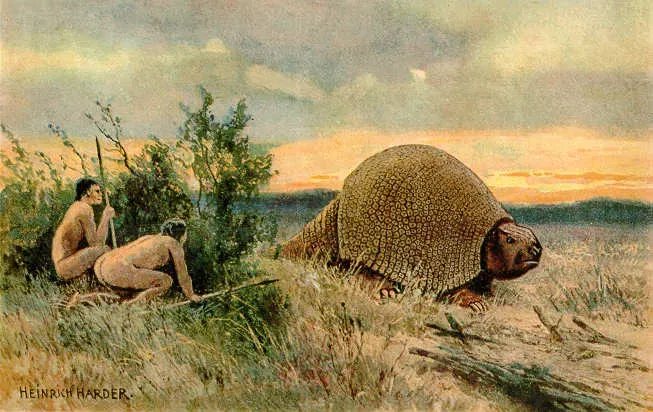
If you think armadillos are impressive with their protective shells, wait until you hear about their prehistoric cousin. Glyptodon looked like a supersize version of its distant relative, the armadillo, and like its cousin, Glyptodon protected itself with a shell made of bony plates, and the armored, 1-ton creature likely traveled to North America from South America via the Isthmus of Panama.
Imagine encountering a car-sized armored animal weighing a full ton. After reaching North America about 2 million years ago, Glyptodon prospered in what is now coastal Texas and Florida, but the herbivorous critter has been extinct for 10,000 years. Its protective shell was so thick and strong that few predators could penetrate it, making Glyptodon one of nature’s most successful defensive designs.
Dire Wolf: The Super-Sized Pack Hunter
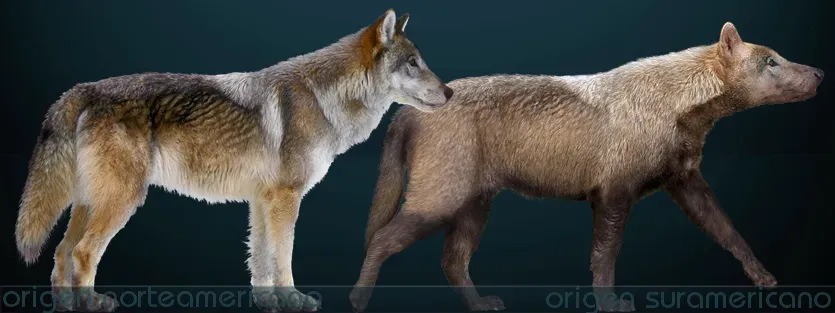
The dire wolf gets its sinister-sounding name from its Latin name, Canis dirus, meaning “terrible wolf,” and despite its wolf-like appearance, DNA analysis suggests that the dire wolf wasn’t closely related genetically to the gray wolf at all. Recent genetic studies have completely changed our understanding of this iconic predator.
Dire wolves roamed every inch of North America from the frozen Canadian north down through Mexico and thrived in every imaginable ecosystem from boreal forests to grassland plains to tropical wetlands, hunting in packs of 30 or more and feeding on large prey like mammoths, giant sloths and Ice Age horses. The sheer adaptability of these animals is staggering. They dominated the predator niche across an entire continent for thousands of years, working together to bring down prey much larger than themselves.
Giant Short-Faced Bear: The Ultimate Carnivore
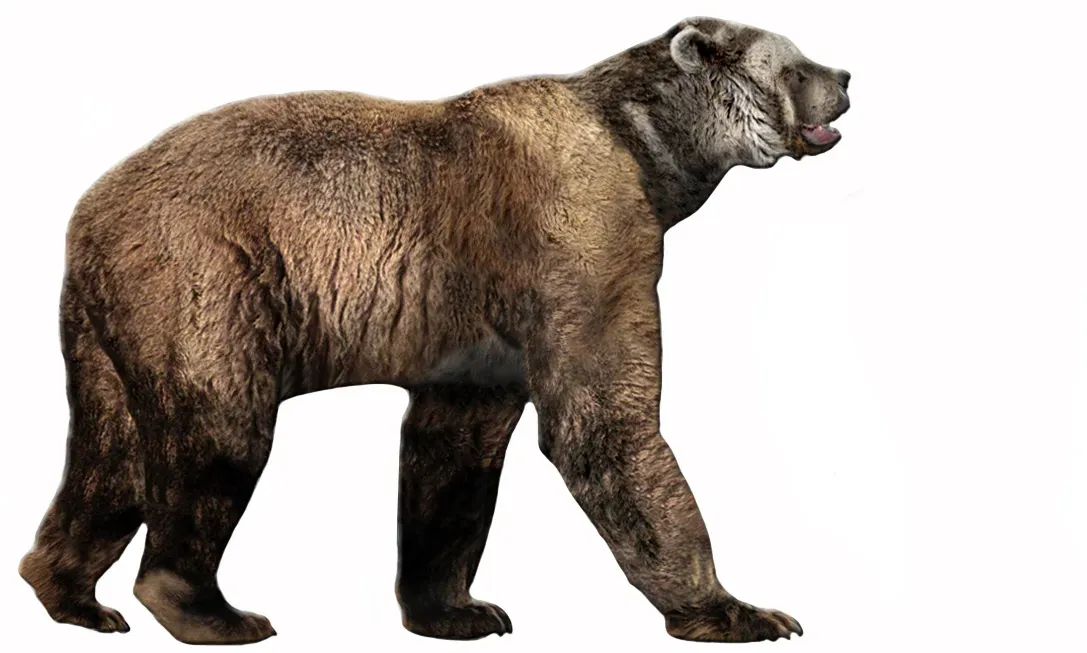
The giant short-faced bear (Arctodus simus) was the largest carnivorous mammal to ever roam North America, and standing on its hind legs, an adult giant short-faced bear boasted a vertical reach of more than 14 feet. Let that sink in for a moment. Fourteen feet tall.
The most striking difference between modern North American bears and the giant short-faced bear were its long, lean and muscular legs, which has given rise to the idea that it was a ‘cursorial’ predator, meaning that it ran after prey. Unlike modern bears that can be slow and lumbering, this prehistoric giant could actually chase you down. Its long legs gave it speed and endurance that would have made it absolutely terrifying to any creature sharing its territory.
Scimitar-Toothed Cat: The Speed Hunter
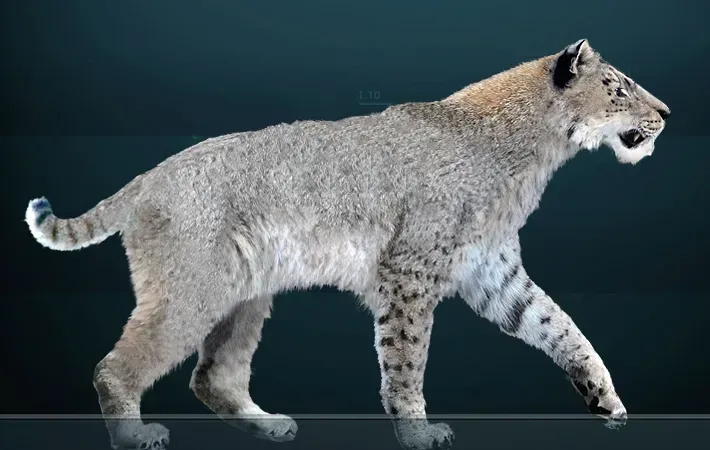
The scimitar cat (Homotherium serum), with its four-inch canines, roamed all of North America and was built more like a modern African lion with long front legs for pulling down big prey, and an adult scimitar cat could easily take down a young mammoth and drag it back to its cave. This predator represented a different hunting strategy than its saber-toothed cousin.
While Smilodon was built for power and ambush, the scimitar cat was designed for pursuit and speed. The scimitar-toothed cat had large canine teeth, powerful forelimbs, a sloping back and a large optic bulb, all of which made it a deadly predator during the Pleistocene. Its body plan suggests it could maintain sustained chases across open terrain, making it one of the most efficient hunters of its time.
American Cave Lion: The Continental King
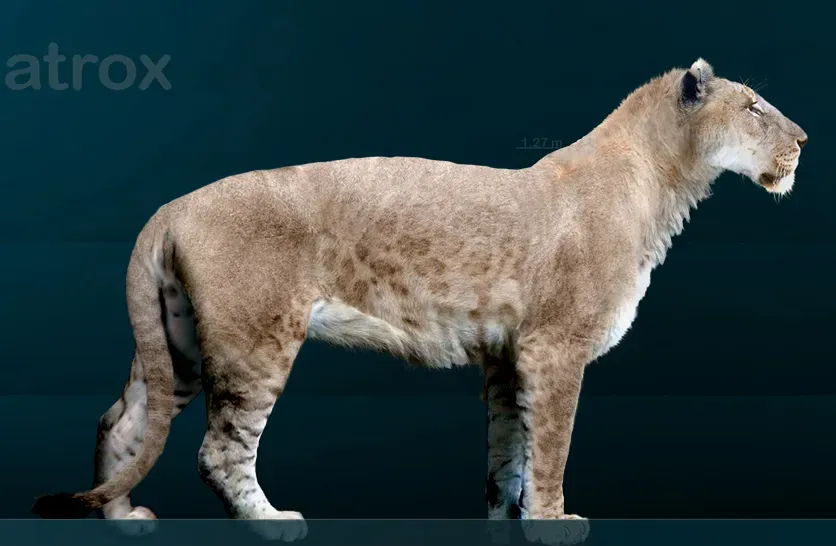
Twenty thousand years ago, lions weren’t just an African phenomenon. Twenty thousand years ago, lions roamed the entire planet, and the American cave lion (Panthera atrox) called this continent home and was one of the largest known cats, almost 25 per cent bigger than the lions we see in Africa and India today, standing 1.2 metres at the shoulder and weighing up to 420 kilograms.
Paleolithic art of similar lions found on cave walls in France and Russia show that the prehistoric cats had a faintly striped coat and no mane, unlike modern lions, and scientists think they could have lived in prides, working together to hunt and raise young. The American landscape must have echoed with their roars, and herbivores had to constantly watch for these massive predators lurking in the shadows.
Ancient American Horse: The Original Native
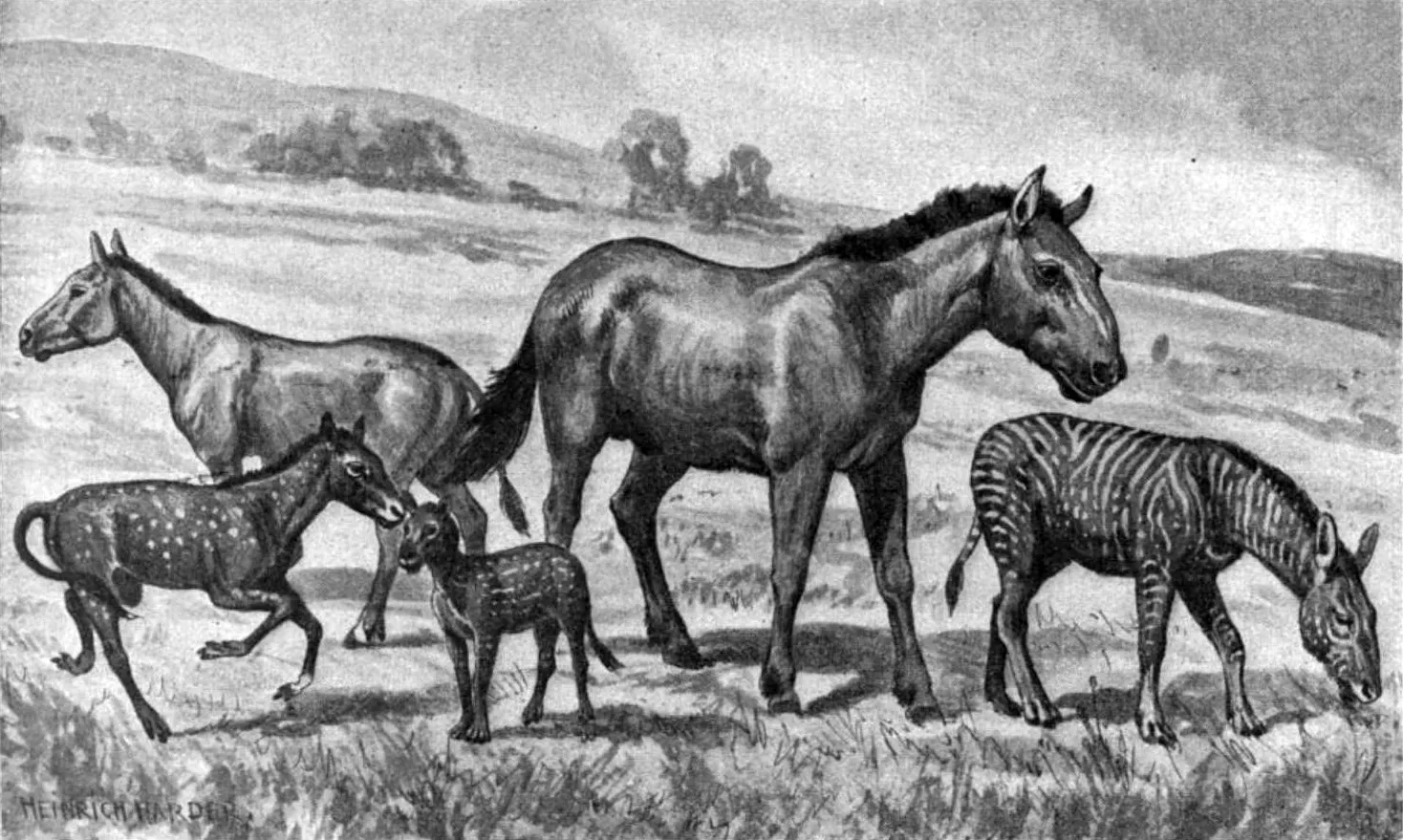
Here’s something that surprises most people. Horses actually originated in North America. Ancient horses lived in North America from about 50 million to 11,000 years ago, when they went extinct at the end of the last ice age, and one of the great peculiarities of this extinction is that they died out in North America, yet managed to survive in Eurasia and Africa.
Around 2 to 3 million years ago, herds of American horses traveled west over the land bridge into Asia, eventually spreading to Africa, and those ancient horses were the distant ancestors of the domesticated horses that the Spanish re-introduced to North America 500 years ago. Think about that irony. Horses evolved here, spread across the world, went extinct in their homeland, and then returned thousands of years later with European settlers who had no idea they were bringing these animals back to their ancestral home.
Conclusion: The Mystery of Their Disappearance
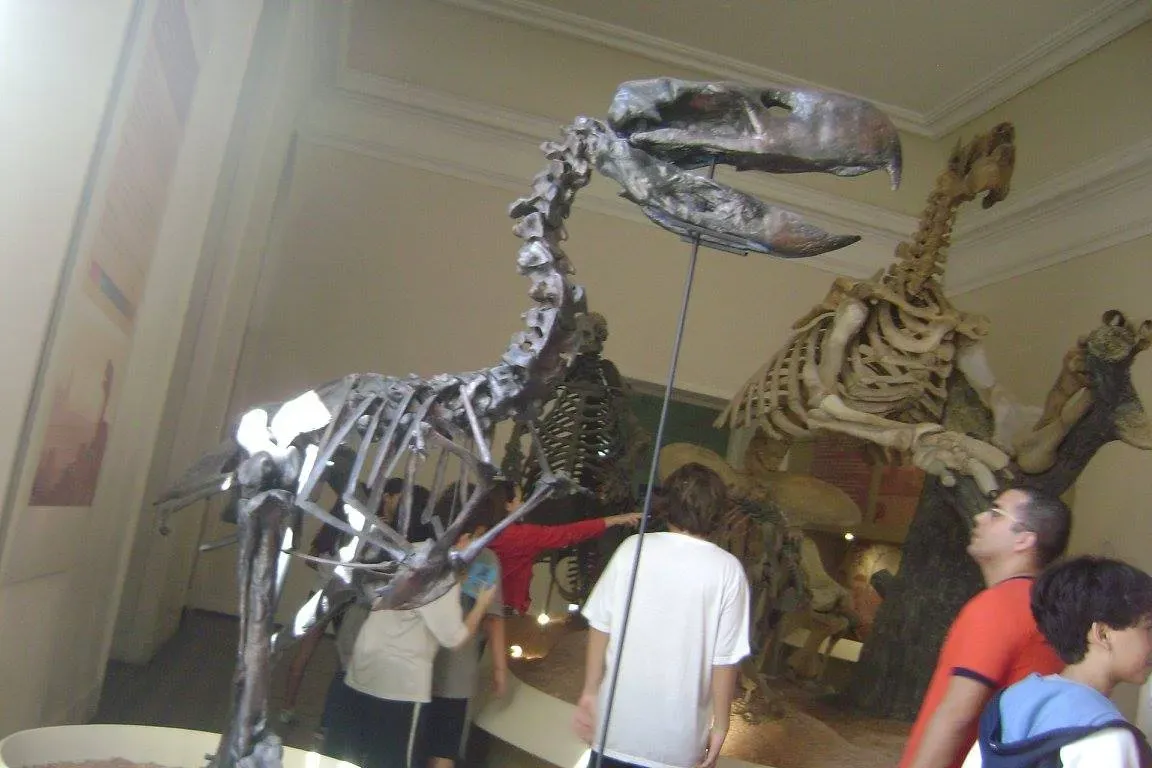
Around 12,700 years ago, North America lost 70 percent of its large mammals, marking one of the most dramatic extinction events in recent geological history. What caused this mass disappearance remains hotly debated among scientists. New research suggests that people came to the Americas earlier than once thought, and these findings hint at a remarkably different life for early Americans, one in which they may have spent millennia sharing prehistoric savannas and wetlands with enormous beasts.
Was it climate change at the end of the Ice Age? Human hunting? A combination of both? Rapid warming periods called interstadials and ice-age people who hunted animals are responsible for the disappearance of the continent’s megafauna according to studies, though other research has placed more blame on humans, and some researchers say many factors are to blame. The debate continues, but one thing is certain: ancient America was home to some of the most incredible creatures ever to walk the Earth. What do you think caused their extinction? The answer might be more complex than we ever imagined.