If you grew up thinking the Mesozoic Era was just T. rex, Triceratops, and a handful of movie-star raptors, you’ve only seen the trailer, not the full feature. Behind the headliners, there was an entire supporting cast of strange, brilliant, and downright baffling creatures that rarely make it into documentaries or toy aisles.
When you start digging into these lesser-known animals, the Mesozoic suddenly feels less like a museum hallway and more like an alien planet that just happens to be our own world in an earlier chapter. As you meet these ten hidden gems, you’ll find yourself mentally time-traveling: picturing muddy floodplains in Siberia, coastal swamps in Africa, and twilight forests in China, all alive with forms you never knew existed.
Kileskus: The Early, Almost-Forgotten Tyrant
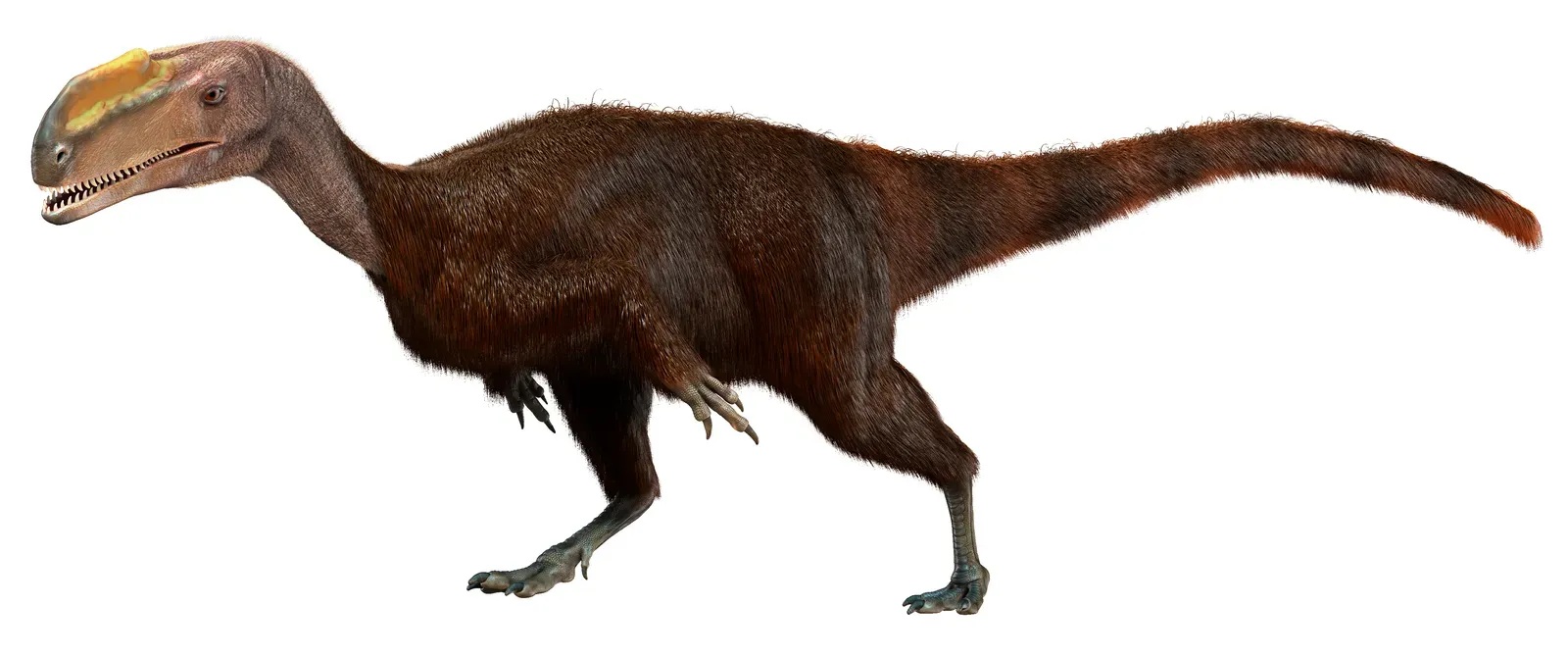
When you picture a tyrannosaur, you probably jump straight to the bone-crushing jaws of T. rex in the Late Cretaceous. But if you rewind more than 165 million years into the Middle Jurassic of Siberia, you’d meet Kileskus, a small, early tyrannosauroid that looks more like the scrappy prototype of a future superstar. You only know it from partial skull and limb bones, but those fragments tell you this animal already had some of the trademark features of the tyrant lineage: a deep snout, elongated nostrils, and a skull shape that hints at the powerful bite its descendants would later perfect.
What makes Kileskus so fascinating for you is that it rewires the story you’ve probably heard about tyrannosaurs simply “appearing” at the end of the Cretaceous. Instead, you’re looking at a long, slow rise that begins with small-bodied hunters like this one weaving through conifer forests and fern plains while giant sauropods thunder by in the distance. You could walk past its bones in a museum and never realize you’re seeing the rough draft of one of evolution’s most famous predators.
Lurdusaurus: The Hippo-Bodied Plant-Eater
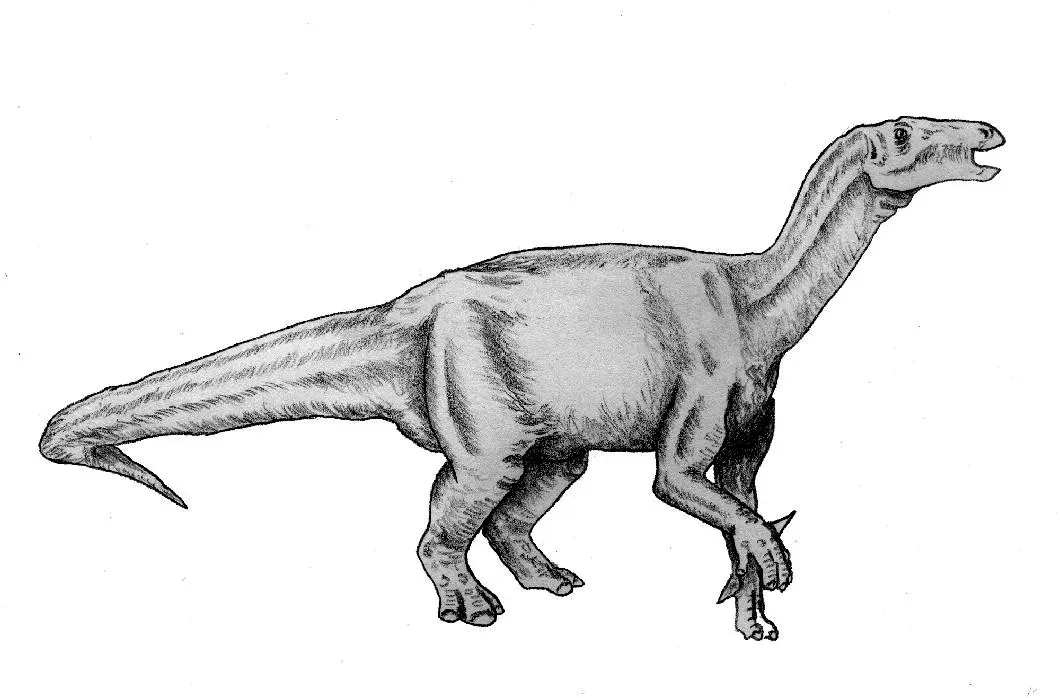
If you dropped into the Early Cretaceous of what is now Niger and saw Lurdusaurus for the first time, you might not even register it as a dinosaur. Its body was heavy and squat, with thick limbs and a low center of gravity that makes you think more of a hippo than a nimble, bipedal herbivore. This animal belonged to the iguanodont group, but instead of the familiar semi-upright stance you see in textbooks, Lurdusaurus seems built for trudging through floodplains or wading in shallow water, using its mass as an anchor.
For you, Lurdusaurus is a reminder that dinosaurs were not locked into one “classic” body template. Some evolved toward sleek speed; this one leaned into bulk, stability, and maybe a semi-aquatic lifestyle. When you imagine it submerged up to its flanks, munching on soft plants while crocodile relatives lurked nearby, the Mesozoic suddenly feels less like a parade of dry-land giants and more like a patchwork of ecosystems with their own odd specialists.
Xixiasaurus: The Small-Brained Puzzle With Needle Teeth
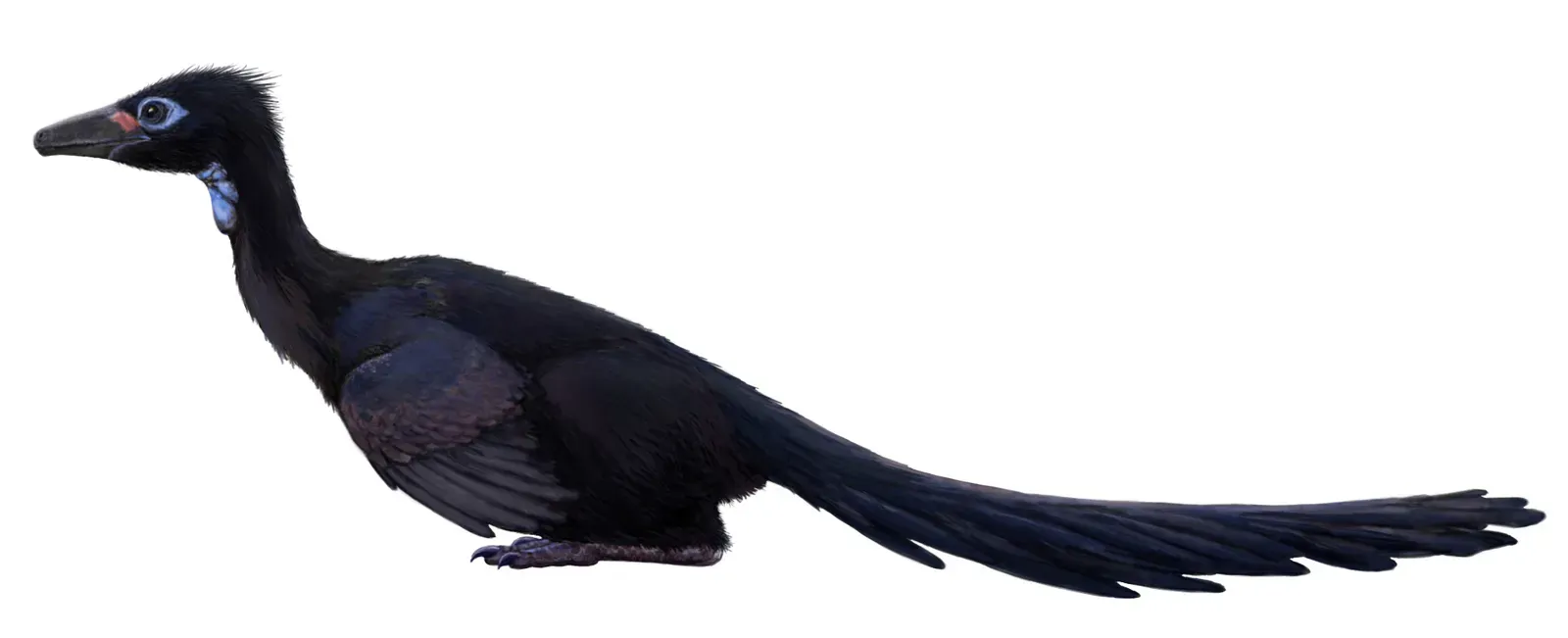
Troodontids often get hyped as the “smart” dinosaurs because many of them had relatively large brains and keen senses, but Xixiasaurus from Late Cretaceous China quietly breaks that stereotype. You know it from a skull that shows an elongated snout filled with slender, finely serrated teeth, perfect for snagging small prey or slicing soft food. Yet the braincase suggests that, compared with some of its cousins, this animal was not pushing any records for intelligence.
That mismatch between body plan and brain size forces you to drop the easy narrative that every troodontid was a would-be genius. Instead, you see Xixiasaurus as a local specialist, tuned to the needs of its habitat rather than some linear march toward “smarter is always better.” When you picture it stalking through dense undergrowth at night, relying on sharp senses and light feet more than problem-solving brilliance, you start to appreciate how many different ways evolution can solve the same survival problems.
Zhenyuanopterus: The Pterosaur With Scissor-Jaw Snout
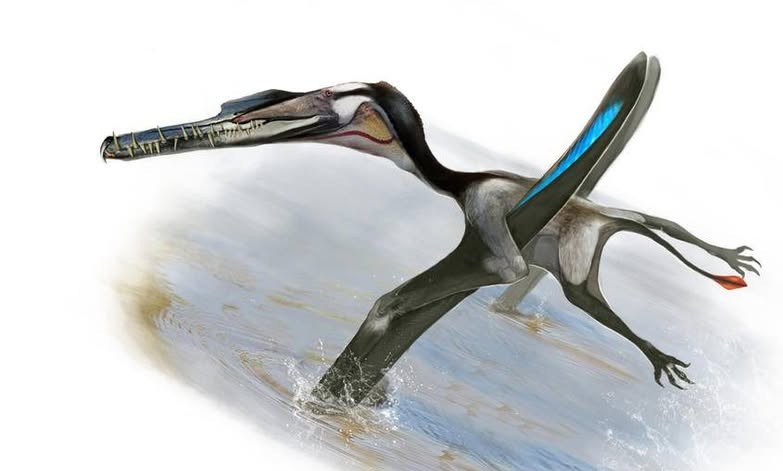
When you think of pterosaurs, you might picture broad wings and maybe a head crest, but Zhenyuanopterus ups the weirdness with a snout that looks like a pair of serrated shears. This Early Cretaceous flier from northeastern China had a long, narrow jaw lined with many sharply pointed teeth that interlocked when its mouth closed. That setup likely let it grip slippery prey such as fish, turning its beak into a living fish trap as it skimmed or snatched from lakes and coastal waters.
For you, this animal is a perfect example of how specialized pterosaurs could become when they locked into a particular feeding strategy. Instead of being a generic “flying reptile,” Zhenyuanopterus seems laser-focused on a niche, with its toothy beak acting almost like a customized tool in a tackle box. When you imagine it spiraling over a misty lake at dawn, then abruptly diving with its scissor-jaws snapping shut around an unlucky fish, you get a more cinematic sense of how dynamic Mesozoic skies really were.
Shantungosaurus: The Giant You Somehow Never Hear About
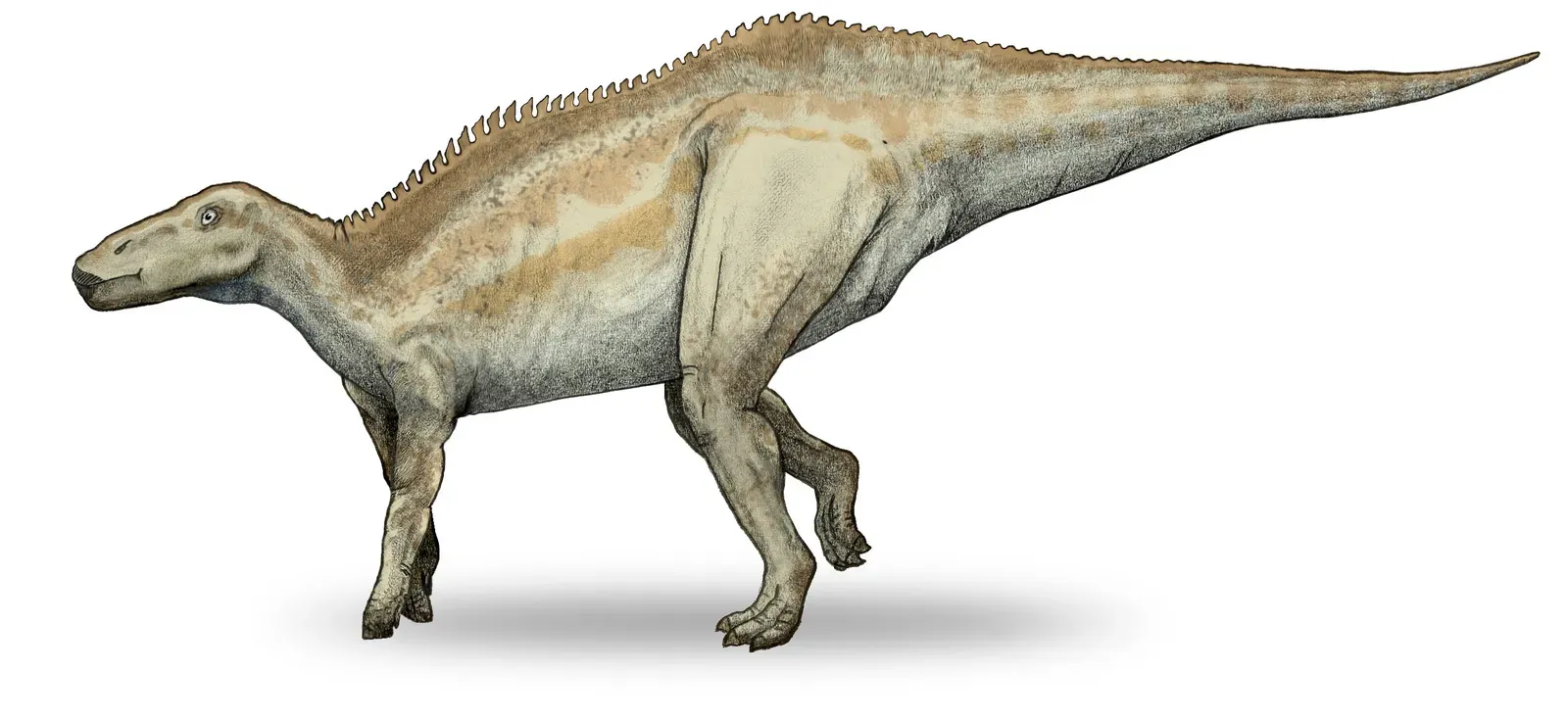
If someone asked you to name the largest land animals of all time, you’d probably go straight to sauropods. Yet lurking in the Late Cretaceous of China is Shantungosaurus, a hadrosaur, or “duck-billed” dinosaur, that reached lengths rivaling some small sauropods. You’re looking at an herbivore that may have stretched over fifteen meters from snout to tail, with a powerful tail, deep chest, and a head equipped with a sophisticated battery of grinding teeth for processing tough plant material.
The wild part is that, despite this colossal size, Shantungosaurus barely shows up in popular media compared with much smaller celebrities. When you picture huge herds of these giants rumbling across coastal plains, perhaps making the ground vibrate as they move, it changes your sense of Late Cretaceous ecosystems. You start to realize that duck-bills were not just background extras; in some regions, animals like this could have been the true ecological heavyweights, shaping vegetation patterns through sheer appetite.
Siats: The Apex Before the Tyrants Took Over
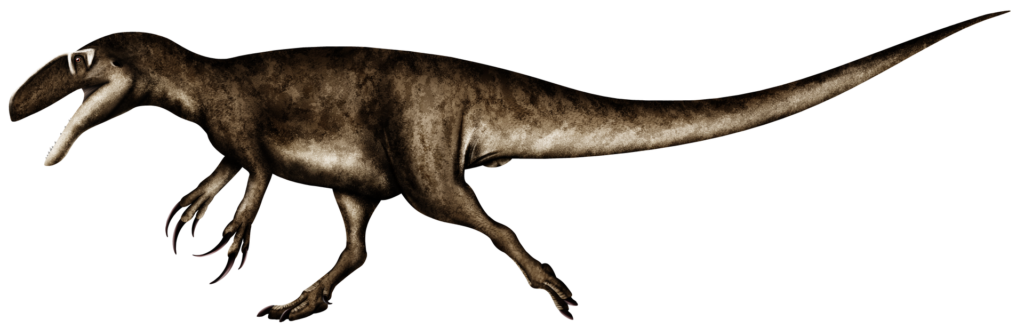
For you, Siats is like seeing the “before” photo in an ecological makeover. It occupies the throne during a time when tyrannosaurs were still relatively modest, likely filling secondary predator roles. Standing on a Cretaceous hillside and looking down, you could imagine Siats dictating where large herbivores dared to graze, while smaller tyrannosaurs darted in at the edges, biding their time. Eventually that balance flipped, but knowing there was a phase where different giant killers ruled makes the fossil record feel more like a saga than a still image.
Morganucodon: The Tiny Night Shift You’d Probably Ignore
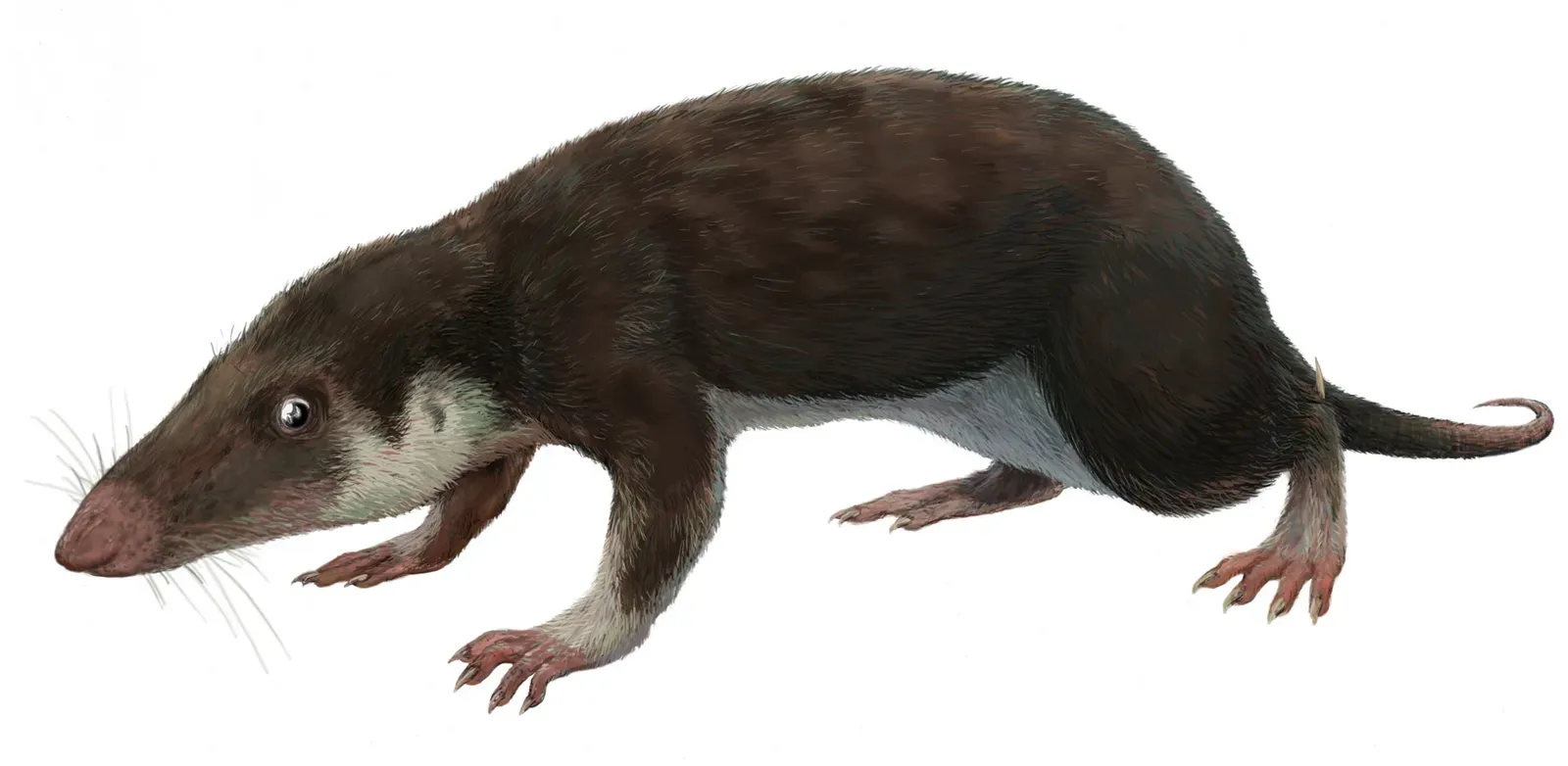
While massive dinosaurs stomped through the daylight, little mammals like Morganucodon quietly owned the night. This early mammaliaform lived around the Triassic–Jurassic transition and into the early Jurassic, overlapping with the dawn of the dinosaur age. If you could hold one in your hand, you’d see something roughly mouse-sized, with a slender snout and teeth that already show the more complex patterns associated with true mammals. It likely fed on insects and other small invertebrates, scurrying through leaf litter and around roots while bigger animals slept.
For you, Morganucodon is a powerful reminder that the Mesozoic wasn’t just a dinosaur story; it was also the long, quiet prelude to the mammal-dominated world you live in now. These tiny creatures experimented with traits you now take for granted in yourself, from more efficient chewing to improved hearing. When you imagine crouching in the dark and watching one dart between the toes of a dozing dinosaur, you start to feel how precarious and yet persistent those tiny lineages were, patiently waiting for their moment after the big reptiles faded.
Hesperornis: The Diving Bird That Gave Up Flying
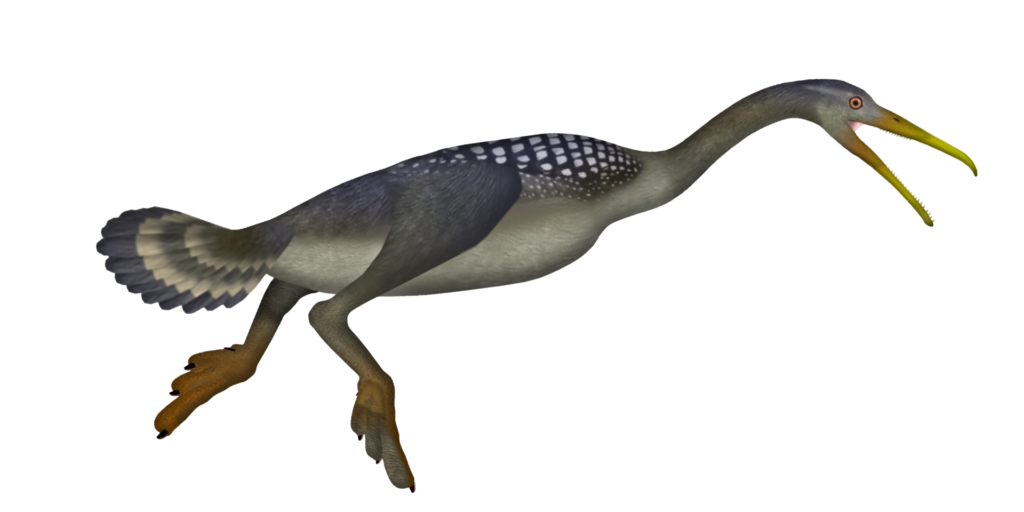
Late Cretaceous seas in North America were not just full of mosasaurs and large fish; they were also home to specialized diving birds like Hesperornis. If you saw one surface near you, you might think of a cross between a loon and a reptilian diver from a fantasy novel. It had a long, toothed beak and strong, paddle-like legs set far back on its body, perfect for powering itself underwater but awkward on land. Its wings were small and not useful for true flight, showing you a bird that had fully committed to life in the water.
When you follow Hesperornis in your mind as it shoots through warm inland seaways, chasing fish with quick bursts of speed, you realize that birds were already splitting into wildly different lifestyles before the dinosaurs disappeared. You also see how evolution is willing to trade one ability for another; in this case, flight was sacrificed in favor of superb diving skill. It is easy to think of ancient birds as simple stepping stones toward modern forms, but a specialist like this makes you appreciate just how experimental the Mesozoic really was.
Placodus: The Blunt-Toothed Shell Crusher From an Even Older Coast
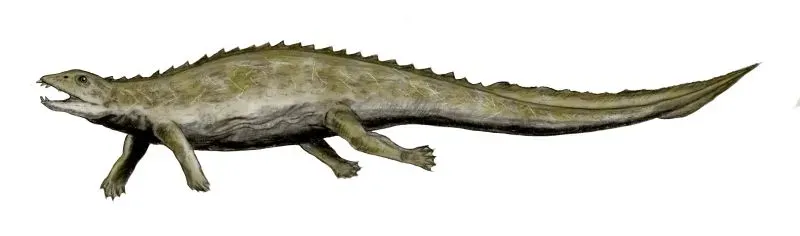
To stretch your sense of the “Mesozoic world,” you can peek back into the early Triassic part of the era, where marine reptiles were still figuring out what worked. Placodus, a stout-bodied coastal reptile, took a very particular route: it evolved broad, flat teeth that worked almost like built-in nutcrackers for cracking hard-shelled prey. Its body was relatively heavy and barrel-shaped, which probably helped it stay close to the seafloor while it rooted around for shellfish and other armored morsels.
When you imagine snorkeling alongside Placodus in a shallow, sunlit sea, you see an animal that is neither fish nor classic dinosaur-like reptile, but something in between: a specialist that turned its mouth into a crushing press. For you, it highlights how early in the Mesozoic the oceans became arenas for intense evolutionary experimentation. Before the sleek ichthyosaurs and massive pliosaurs reached their peak, animals like Placodus were already testing out the idea that if you can crack the shells everyone else avoids, you unlock a buffet nobody else is touching.
Hallucigenia’s Mesozoic Echo: Weirdness as a Constant Theme
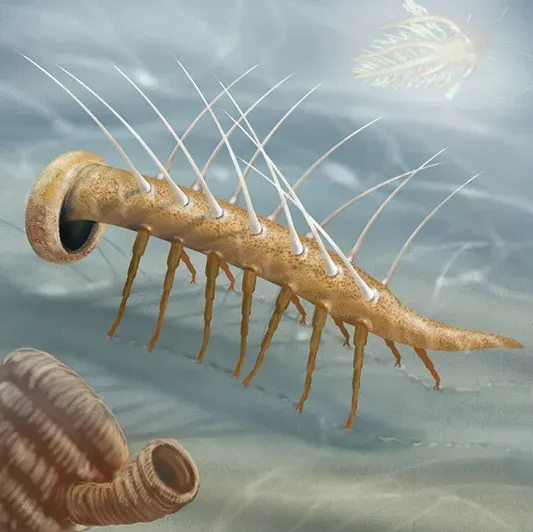
Strictly speaking, the famous worm-like oddball Hallucigenia lived long before the Mesozoic, in the Cambrian seas. But by the time you get to the Mesozoic, that spirit of strange, spiky experimentation is still alive in countless invertebrates, early crustaceans, and other small creatures that rarely headline exhibits. When you think about ammonites with extravagantly coiled shells or tiny arthropods with bizarre appendages, you’re seeing the same evolutionary creativity that once produced Hallucigenia, now playing out in new costumes.
As you picture a Mesozoic shoreline up close, with dinosaur footprints pressed into wet sand and a chaotic scramble of shells, worms, and odd arthropods beneath them, you realize that the era’s weirdness did not stop at the big stuff. For you, that is almost the most exciting part: the idea that everywhere a large dinosaur stepped, there was a hidden universe of smaller, stranger lives going on unnoticed. It makes the entire period feel less like a set of isolated monsters and more like a densely woven tapestry, with visible and invisible threads constantly interacting.
Conclusion: Seeing the Mesozoic With New Eyes
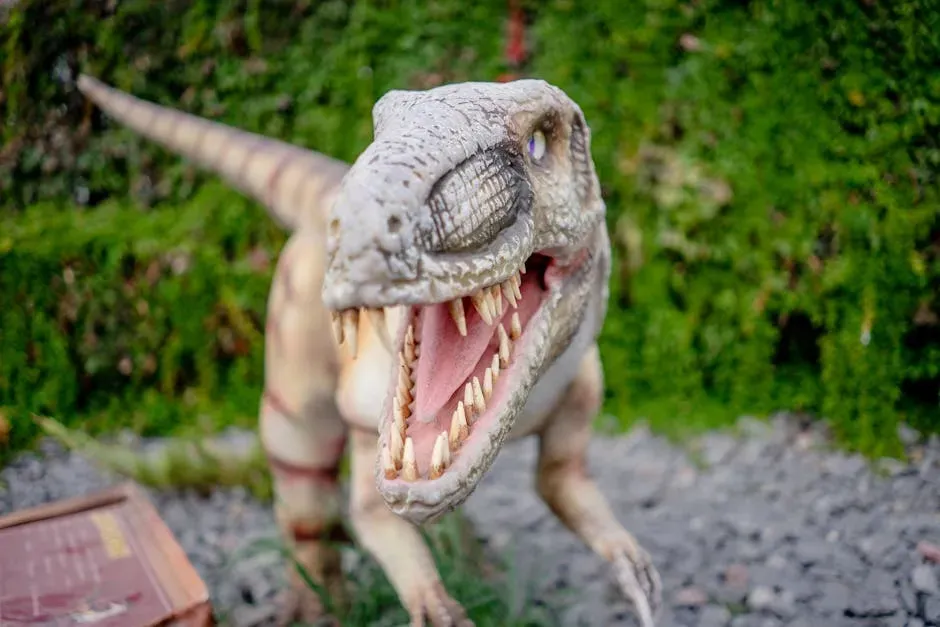
Once you spend time with these hidden gems, it becomes almost impossible to go back to the simplified version of the Mesozoic you grew up with. Instead of a handful of overexposed giants, you start to see a restless, shifting world where body plans came and went, lineages rose and fell, and evolutionary experiments unfolded at every scale. You notice early tyrants testing their teeth, semi-aquatic herbivores wallowing in swamps, fish-spearing pterosaurs ruling the air, and quiet little mammals mapping out the night.
More importantly, you realize that your own view of prehistory is always incomplete, shaped by what happens to be popular rather than by what was truly out there. Every new fossil has the potential to flip your mental picture again, adding new characters to an already crowded stage. The next time you walk into a museum hall and see the familiar celebrities, you might find yourself wondering what unsung creatures are hiding in the drawers behind the scenes, still waiting for their story to be told – what other names would you be thrilled to add to your personal roster of Mesozoic misfits?