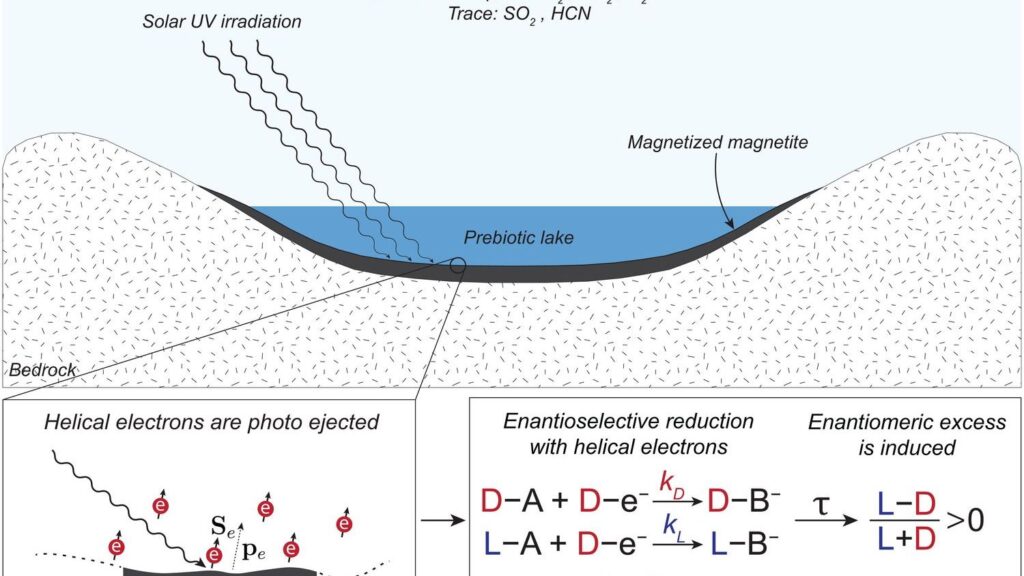
Few questions have haunted humanity quite like this one: where did life actually come from? Not in a spiritual sense, but in the raw, chemical, impossibly complex sense of how dead matter somehow became alive. It’s a question that keeps scientists awake at night, sparks fierce debates at conferences, and has produced some of the most creative, daring, and frankly jaw-dropping theories in the history of science.
We’re talking about a planet nearly 4.5 billion years old, bombarded by asteroids, sizzling with volcanic fury, wrapped in a toxic atmosphere, and somehow, impossibly, becoming the cradle of every living thing you’ve ever seen or touched. Earth is about 4.5 billion years old, and scientists think that by 4.3 billion years ago it may have developed conditions suitable to support life. Yet the oldest known fossils are only about 3.7 billion years old. That leaves a massive window of mystery. What filled it? Let’s dive in.
1. The Primordial Soup Theory: Life Brewed in a Giant Cauldron
Imagine the early Earth as a planet-sized kitchen with no cook and no recipe, just raw ingredients thrown together by chance. That’s essentially what the Primordial Soup theory asks you to picture. The Oparin-Haldane theory proposes that life arose from inorganic matter mixed with other compounds, known as the primordial soup, under an oxygen-deprived reducing atmosphere, and gradually evolved into more complex organisms over time. It sounds almost too simple, but the idea captivated scientists for decades.
Oparin argued that a “primeval soup” of organic molecules could be created in an oxygenless atmosphere through the action of sunlight. These would combine in ever more complex ways until they formed coacervate droplets. These droplets would “grow” by fusion with other droplets, and “reproduce” through fission into daughter droplets, creating a primitive metabolism. Honestly, it’s a strangely beautiful idea, like watching a universe accidentally invent itself one tiny bubble at a time.
2. The Miller-Urey Experiment: Lightning Strikes and Life Begins
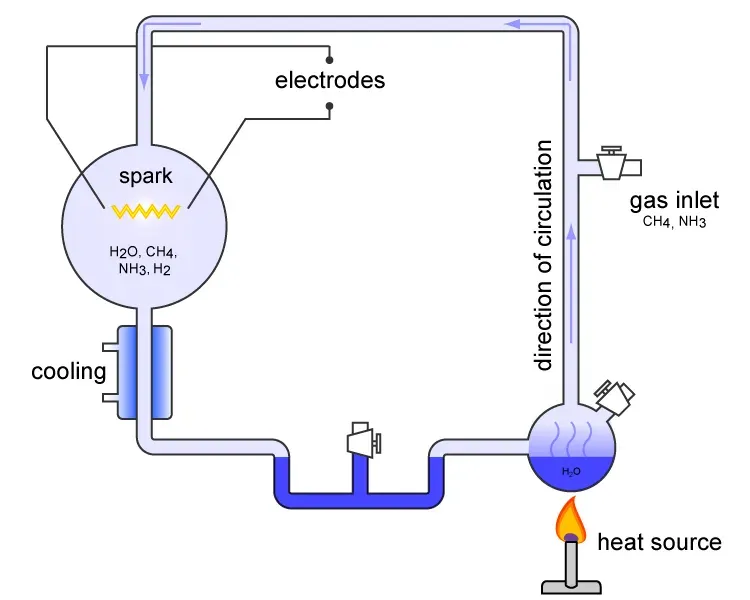
Here’s where things get genuinely electrifying. In 1952, two scientists decided to recreate the atmosphere of primitive Earth inside a glass flask and zap it with electricity. As a University of Chicago graduate student, Stanley Miller performed a famous experiment with Nobel laureate Harold Urey. Their results explored the idea that life formed in a primordial soup. Miller and Urey injected ammonia, methane, and water vapor into an enclosed glass container to simulate what were then believed to be the conditions of Earth’s early atmosphere. What happened next was remarkable.
After one week, it was found that about ten to fifteen percent of the carbon in the system was then in the form of a racemic mixture of organic compounds, including amino acids, which are the building blocks of proteins. And the story didn’t stop there. A 2011 reanalysis of the saved vials uncovered more biochemicals than originally discovered in the 1950s, including 23 amino acids, not just five. Life’s ingredients, it seems, were hiding in that ancient electric storm all along.
3. Deep-Sea Hydrothermal Vents: Life Born in the Darkness of the Ocean Floor
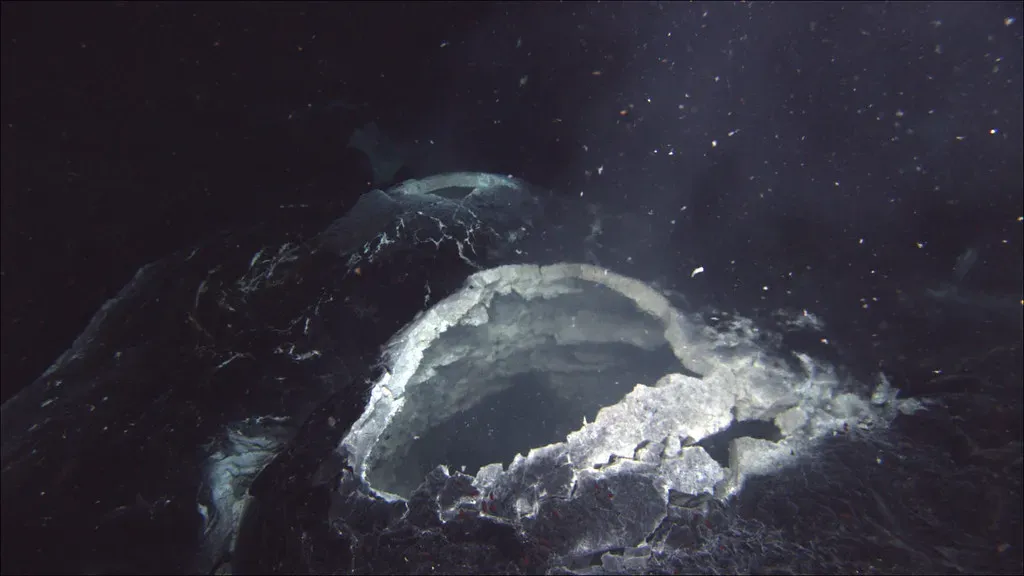
Forget sunlight. Forget warmth. What if life started in one of the most inhospitable places on the planet: scalding, pitch-black fissures on the ocean floor? Hydrothermal vents have been hypothesized to have been a significant factor in starting abiogenesis and the survival of primitive life. The conditions of these vents have been shown to support the synthesis of molecules important to life. Some evidence suggests that certain vents, such as alkaline hydrothermal vents or those containing supercritical CO2, are more conducive to the formation of these organic molecules.
Research published in Frontiers in Microbiology revealed that under the environmental conditions of hydrogen-producing hydrothermal vents, the energy for the origin of life could come from life itself. No light or other source of radiation was required. Just hydrogen and carbon dioxide in the dark. That finding is nothing short of mind-blowing. Life essentially feeding off the planet’s own geochemical heartbeat, no sunlight needed, no lightning required. Just chemistry in the dark.
4. The RNA World Hypothesis: Before DNA, There Was Something Stranger
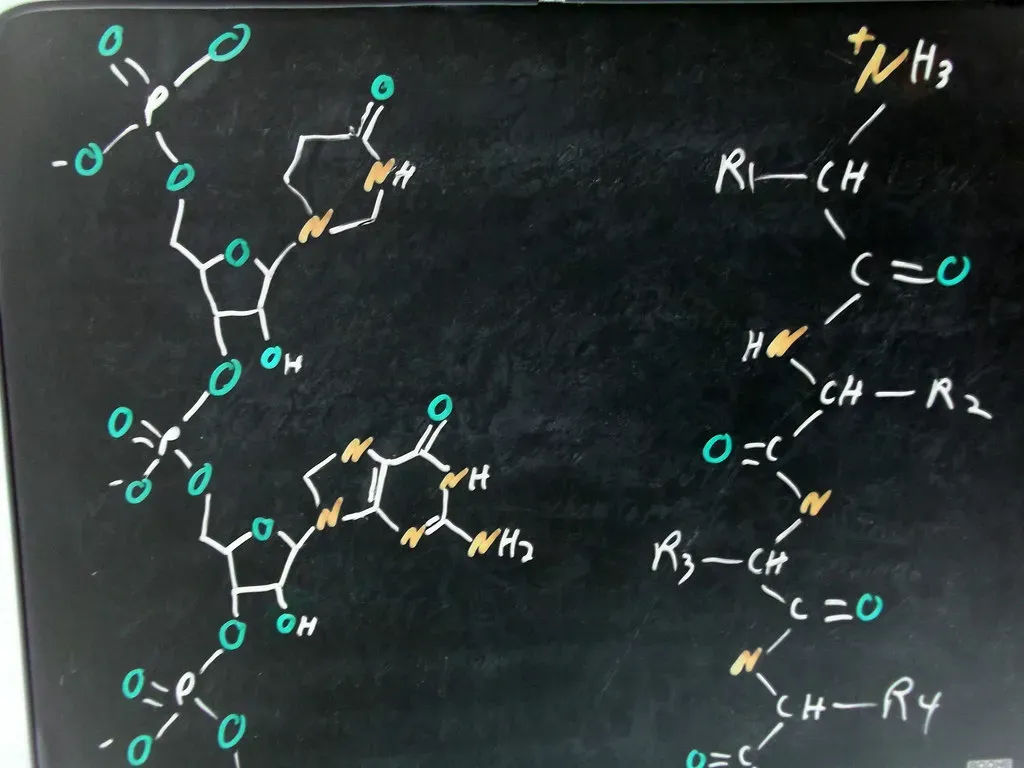
Most people know DNA as the master molecule of life. But what if DNA came later? What if life’s first informational molecule was RNA, scrappier, more flexible, and capable of doing things DNA simply cannot? The RNA world hypothesis proposes that life originated with self-replicating RNA molecules before DNA and proteins emerged as dominant players. Unlike DNA, RNA can both store genetic information and catalyze chemical reactions, making it a compelling candidate for the earliest systems of life.
The RNA world theory states that life may have begun with molecules of RNA, which are able to perform self-replication and catalyze reactions. Over time, these molecules evolved to become more complex. The RNA world theory is the most widely accepted theory on the origin of life today. I think what makes this theory so compelling is the elegance of it: one molecule doing multiple jobs simultaneously, like a Swiss Army knife in a world that had never seen tools before.
5. The Clay Theory: Life’s First Home Was Made of Mud
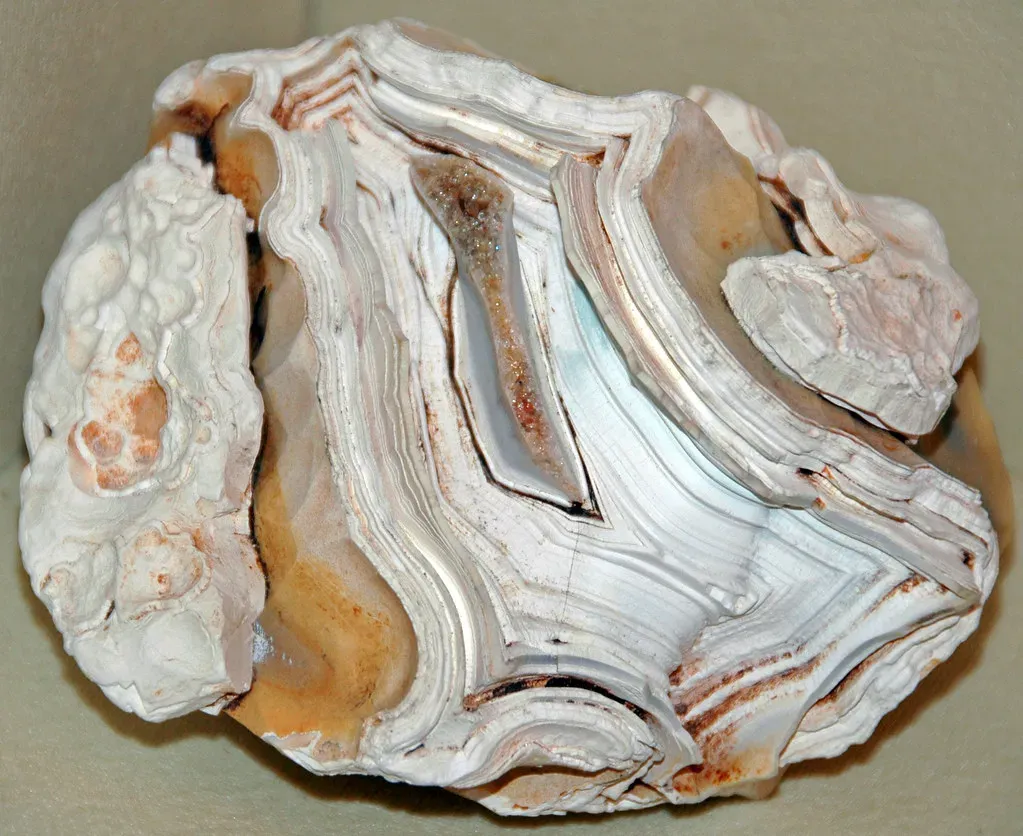
You might think mud is one of the least exciting things on Earth. Yet some scientists believe it may be where everything started. The first molecules of life might have met on clay, according to an idea elaborated by organic chemist Alexander Graham Cairns-Smith at the University of Glasgow. Cairns-Smith proposed in his 1985 controversial book “Seven Clues to the Origin of Life” that clay crystals preserve their structure as they grow and stick together to form areas that trap other molecules along the way, organizing them into patterns much like our genes do now.
Some researchers propose that clay minerals played a pivotal role in the origins of life by serving as natural laboratories for early chemistry. The surfaces of certain clays can attract, concentrate, and organize organic molecules, thereby increasing the likelihood of complex reactions. Laboratory experiments have demonstrated that clay can facilitate the formation of RNA-like chains and other crucial biomolecules. Think of clay as life’s original scaffolding: humble, dirty, and quietly revolutionary.
6. Panspermia: We Are All Cosmic Immigrants
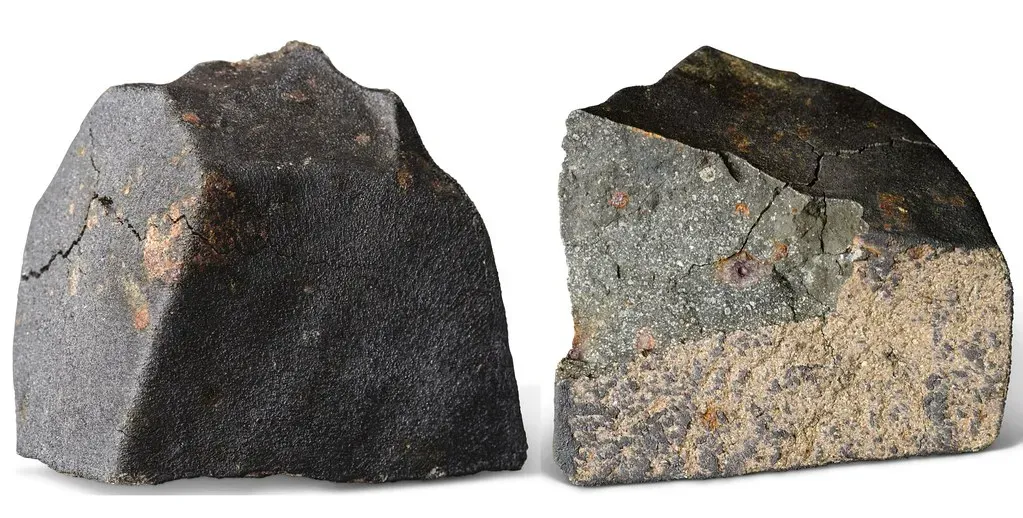
Let’s be real, this one is the theory that makes you stare at the ceiling at night. What if life didn’t start on Earth at all? What if it arrived here from somewhere else in the cosmos, hitching a ride on a rock blasted off a distant planet? Panspermia is the hypothesis that life exists throughout the universe, distributed by cosmic dust, meteoroids, asteroids, comets, and planetoids. The theory argues that life did not originate on Earth, but instead evolved somewhere else and seeded life as we know it.
Rocks regularly get blasted off Mars by cosmic impacts, and a number of Martian meteorites have been found on Earth that some researchers have controversially suggested brought microbes over here, potentially making us all Martians originally. It’s hard to say for sure whether that’s truly what happened, but evidence keeps trickling in. Results of EXPOSE experiments on the International Space Station showed that meteorite-type protection layers around organic biological samples could indeed allow for bacterial endospores and even seeds to survive in the harsh vacuum of space, despite heavy ultraviolet radiation and extremely low temperatures.
7. The Ice World Hypothesis: Life Began in a Frozen Prison
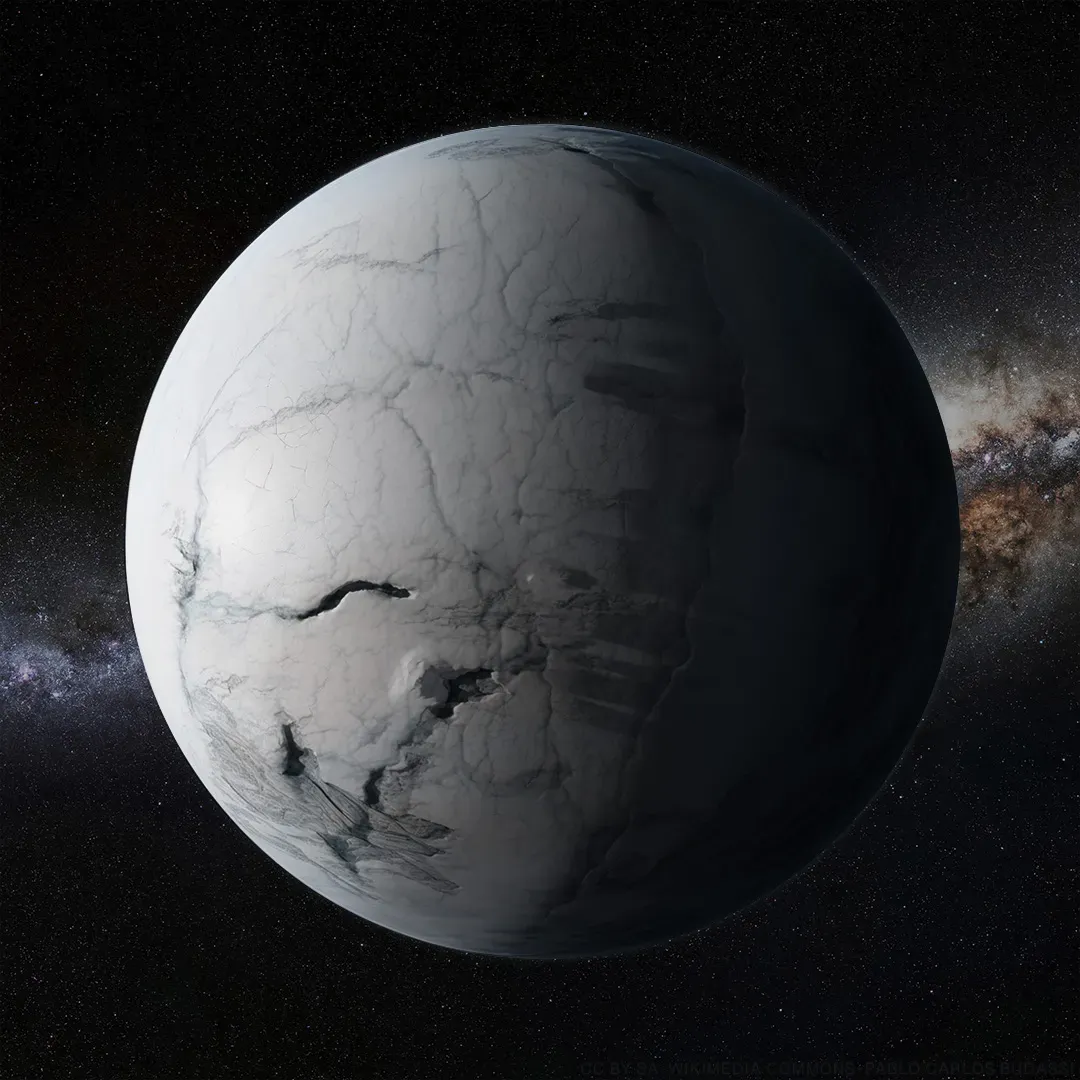
It sounds completely counterintuitive. Ice is cold, rigid, and seemingly hostile to chemistry. Yet some researchers believe that a frozen early Earth may have been the perfect incubator for the first stirrings of life. It is believed that billions of years ago, much of the Earth was frozen and covered in thick ice. Such cold temperatures could have allowed for many of the compounds implicated in the formation of life to maintain stability. This stability could have then allowed these compounds to exist for much longer periods of time than under warmer conditions, potentially allowing for reactions to occur and life to emerge.
Surprisingly, ice may have provided a safe haven for the first chemical steps of life. Studies suggest that frozen environments can shield delicate biomolecules from destructive radiation, preventing them from breaking down too quickly. In fact, the unique structure of ice can even speed up essential chemical reactions by crowding molecules together. This opens up the intriguing possibility that early Earth’s icy regions, or even frozen moons elsewhere, could have served as incubators for the emergence of life. Think of it like a deep freezer that somehow turned food into a recipe all by itself.
8. The Iron-Sulfur World Theory: Minerals as Life’s First Engines
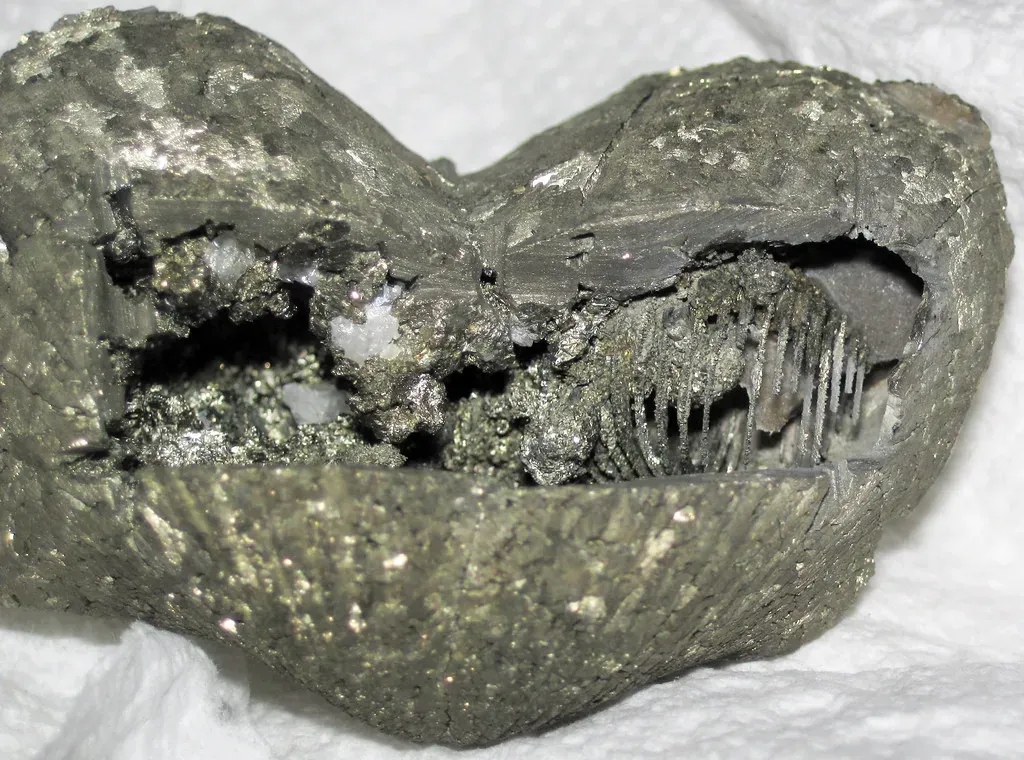
What if the very minerals of the Earth’s crust acted as the first biological catalysts? That’s the central proposition of the Iron-Sulfur World theory. The iron-sulfur world hypothesis proposes that life’s earliest chemistry occurred on the surfaces of iron and sulfur minerals. These minerals, abundant at deep-sea hydrothermal vents, can act as natural catalysts, driving reactions that produce organic molecules essential for life. This theory closely connects with vent-based origin models, proposing that mineral surfaces played a crucial role in concentrating reactants and facilitating increasingly complex processes.
Günter Wächtershäuser proposed the iron-sulfur world theory and suggested that life might have originated at hydrothermal vents. Wächtershäuser proposed that an early form of metabolism predated genetics. By metabolism he meant a cycle of chemical reactions that release energy in a form that can be harnessed by other processes. It’s a fascinating reversal of the usual logic: instead of genetics driving metabolism, metabolism came first, like a factory that was running before anyone wrote the instruction manual.
9. The Metabolism-First Model: Life as a Chemical Cycle, Not a Blueprint
Most origin-of-life theories focus on molecules that carry information, like RNA or DNA. The metabolism-first model flips the script entirely. Instead of developing from complex molecules such as RNA, life might have begun with smaller molecules interacting with each other in cycles of reactions. These might have been contained in simple capsules akin to cell membranes, and over time more complex molecules that performed these reactions better than the smaller ones could have evolved, in scenarios dubbed “metabolism-first” models.
This is one of those theories that’s almost philosophical in its boldness. It suggests that life isn’t fundamentally about information storage but about energy flow. One important piece of evidence for the nature of energy at life’s origins has been hiding in plain sight: the central hub of reactions that make up the life process itself. The driving force behind metabolic energy release ultimately traces to a steady geochemical interface of hydrogen and carbon dioxide, a chemical mixture brimming with energy like a fresh battery. Life as a battery. Honestly, I find that poetic.
10. The Geothermal Pond Hypothesis: Darwin’s Warm Little Pond Vindicated
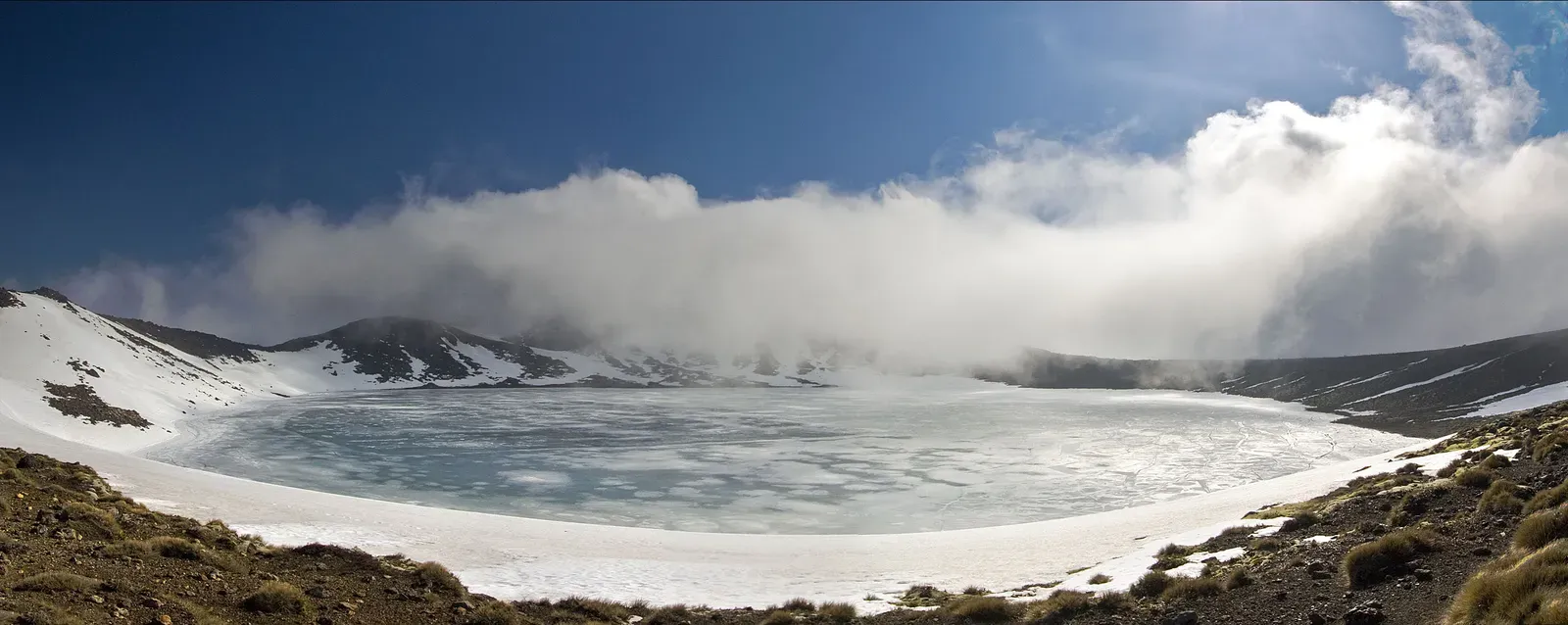
Uploaded by X-Weinzar, CC BY 2.0)
Long before modern science entered the picture, Charles Darwin himself sketched out a vision of life’s origin. Darwin never published his thoughts on the origin of life in any of his books, but briefly discussed his ideas on the subject in a letter to naturalist Joseph Dalton Hooker in 1871. In a mere four paragraphs, he proposed that life likely began in a warm pond in which a protein was formed due to chemical processes and eventually evolved into more complex organisms. For over a century, that idea seemed charmingly simplistic.
Recent science, however, suggests Darwin may have been onto something profound. A study supports the conjecture that the first cells might have originated in geothermal environments rich in phosphate and potassium. The crucial concept is that, because early protocells lacked ion pumps and impermeable membranes, their internal chemistry reflected the composition of their surroundings. The analysis suggests that life probably originated in anoxic, metal-enriched geothermal ponds, which have left a fossil trace in the internal composition of modern cells. Every cell in your body may carry a chemical memory of that ancient warm little pond. That thought alone is enough to stop you in your tracks.
Conclusion: The Greatest Mystery We May Never Fully Solve
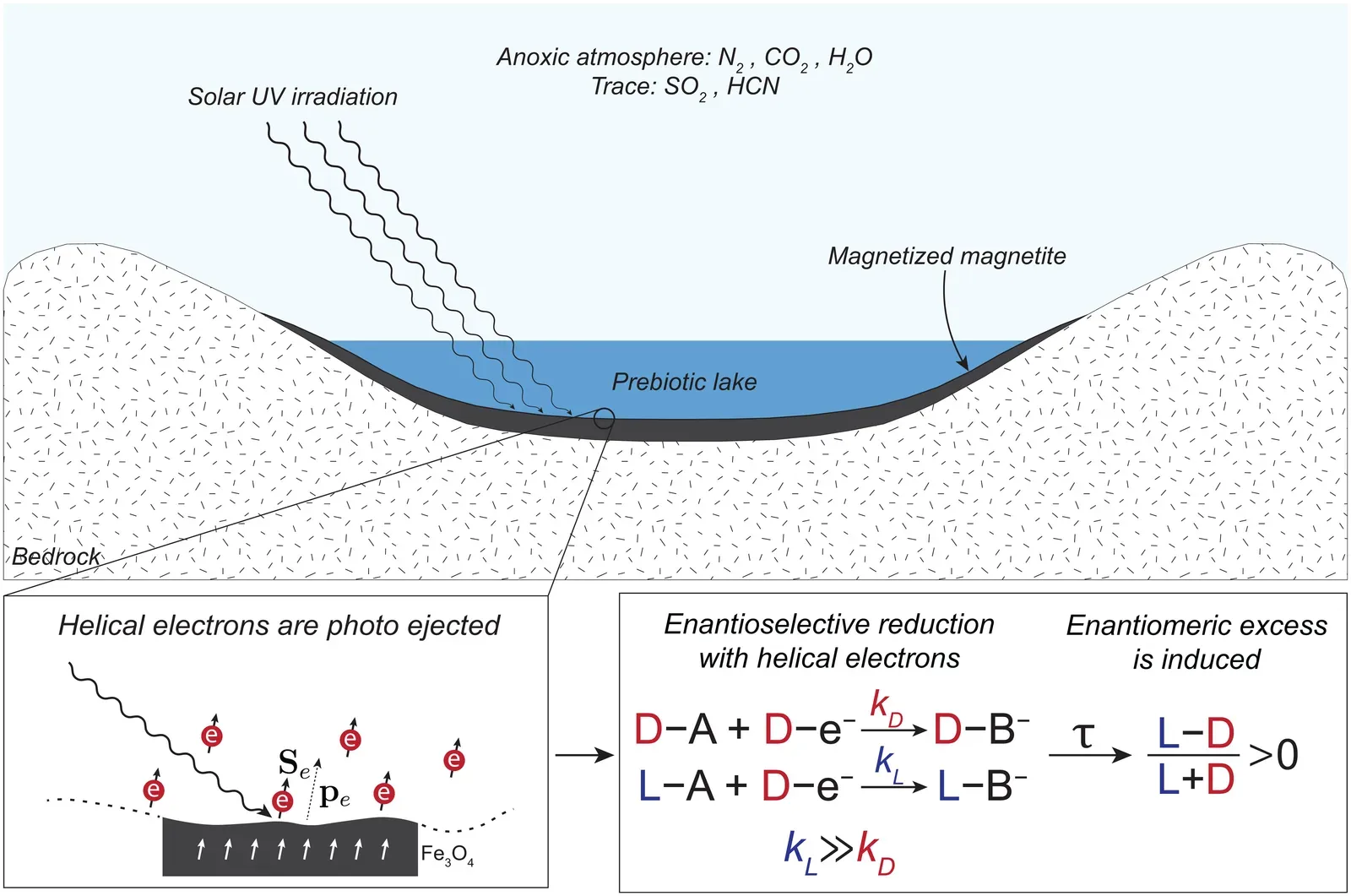
Here we are, in 2026, with space telescopes scanning distant exoplanets, lab scientists recreating ancient oceans in glass flasks, and supercomputers modeling conditions from four billion years ago, and yet we still cannot say with certainty how life began. The prevailing scientific hypothesis is that the transition from non-living to living entities on Earth was not a single event, but a process of increasing complexity involving the formation of a habitable planet, the prebiotic synthesis of organic molecules, molecular self-replication, self-assembly, autocatalysis, and the emergence of cell membranes. The transition from non-life to life has not been observed experimentally, but many proposals have been made for different stages of the process.
What’s extraordinary is that every single one of these ten theories holds a piece of something real. None of them is simply absurd speculation. Each represents a serious, evidence-supported attempt to answer the oldest question in biology. Maybe life brewed in a pond, maybe it crept out of a submarine vent, maybe it arrived from the stars. Maybe, just maybe, it happened more than once.
The universe, it turns out, is not indifferent to complexity. Something in its physics seems to push matter toward organization, toward chemistry, toward life. Whether that’s a cosmic accident or something more fundamental is still anybody’s guess. So here’s a question worth sitting with: if life found a way on a planet as violent and chaotic as early Earth, what are the chances it found a way somewhere else, too?