
Picture a museum basement stacked with drawers of dinosaur bones, each one labeled with total confidence. Now picture nearly a dozen of those labels being quietly, sometimes humiliatingly, wrong for decades. That’s not a hypothetical – it’s the actual history of paleontology, a science that keeps eating its own homework.
At least ten “iconic” prehistoric animals we grew up learning about have since been renamed, merged, split, or resurrected after scientists took a second, closer look at the bones. Some turned out to be baby versions of animals already named. Others were assembled backward, with skulls glued onto the wrong end of the body. A few were declared extinct as a species, only to come roaring back once new fossils proved the original name was right all along. Here’s what actually happened – and why your childhood dinosaur book might already be outdated.
#1 – Brontosaurus Wasn’t Real… Until It Was Again
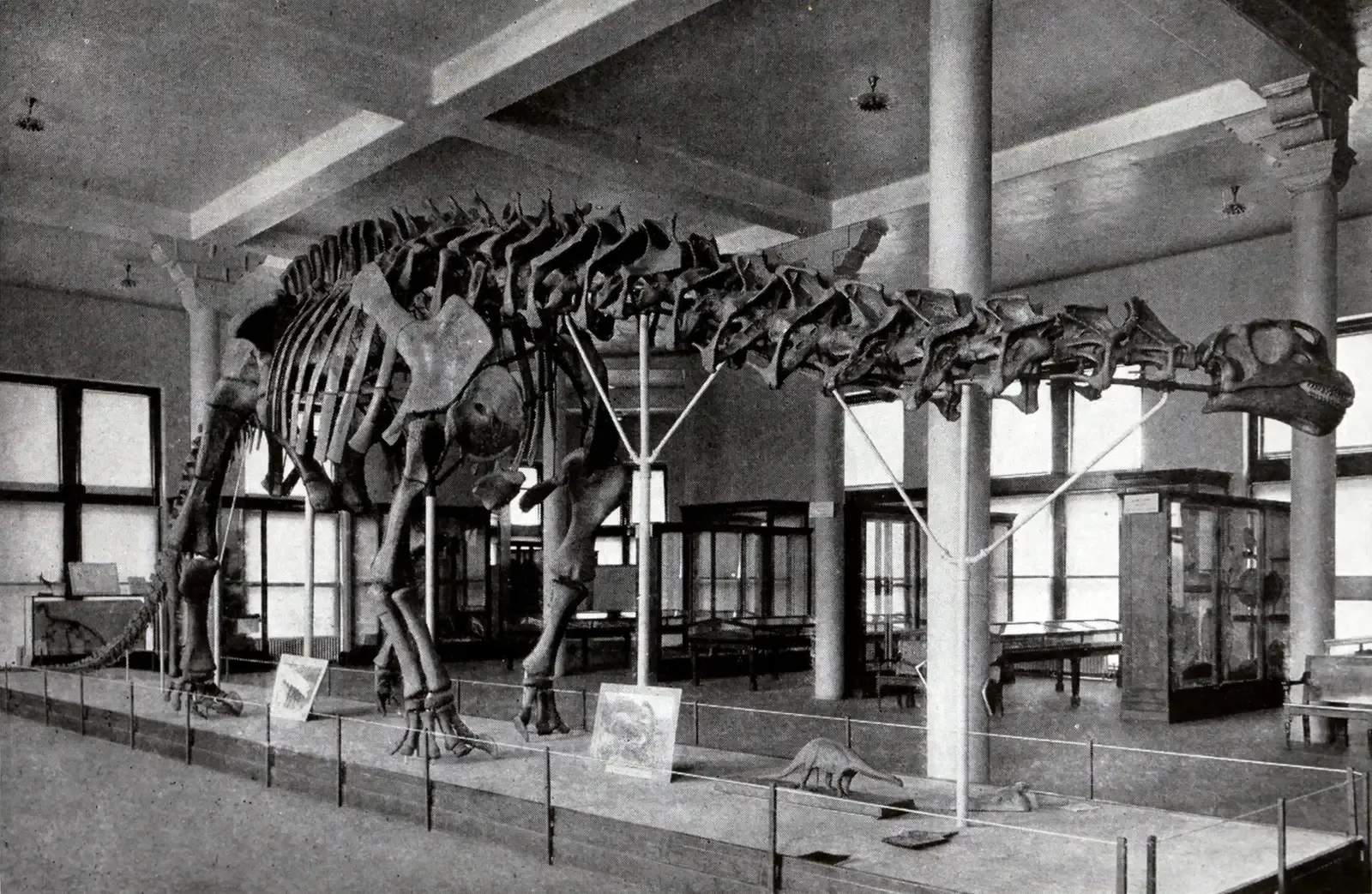
Here’s the twist nobody expects: Brontosaurus was declared fake in 1903, erased from science for over a century, and then officially resurrected in 2015. It’s the only dinosaur on this list that got un-canceled.
The story starts in the Bone Wars, the bitter 19th-century fossil rivalry between Othniel Charles Marsh and Edward Drinker Cope, two men who hated each other almost as much as they loved finding new dinosaurs. Marsh named Brontosaurus in 1879, but paleontologist Elmer Riggs later noticed the skeleton looked suspiciously like another Marsh discovery called Apatosaurus. In 1903, Riggs concluded the differences were just growth stages of the same animal, and since Apatosaurus had been named first, that name legally won.
For over a century, museums quietly swapped the label, though the change took decades to fully stick in classrooms and toy aisles. Then in 2015, a massive study led by Emanuel Tschopp examined 477 physical features across 81 sauropod skeletons from around the world. The differences turned out to be significant enough to reinstate Brontosaurus as its own valid genus.
Fast Facts
- Named by Othniel Charles Marsh in 1879
- Demoted and folded into Apatosaurus in 1903 by Elmer Riggs
- Officially reinstated as its own genus in 2015
- The 2015 study compared 477 skeletal features across 81 sauropod specimens
Brontosaurus is back – legally, scientifically, and permanently in your kid’s dinosaur book. Few names in science have ever pulled off a comeback quite like it.
#2 – T. rex Almost Got Stuck With the Name “Giant Porous Vertebra”
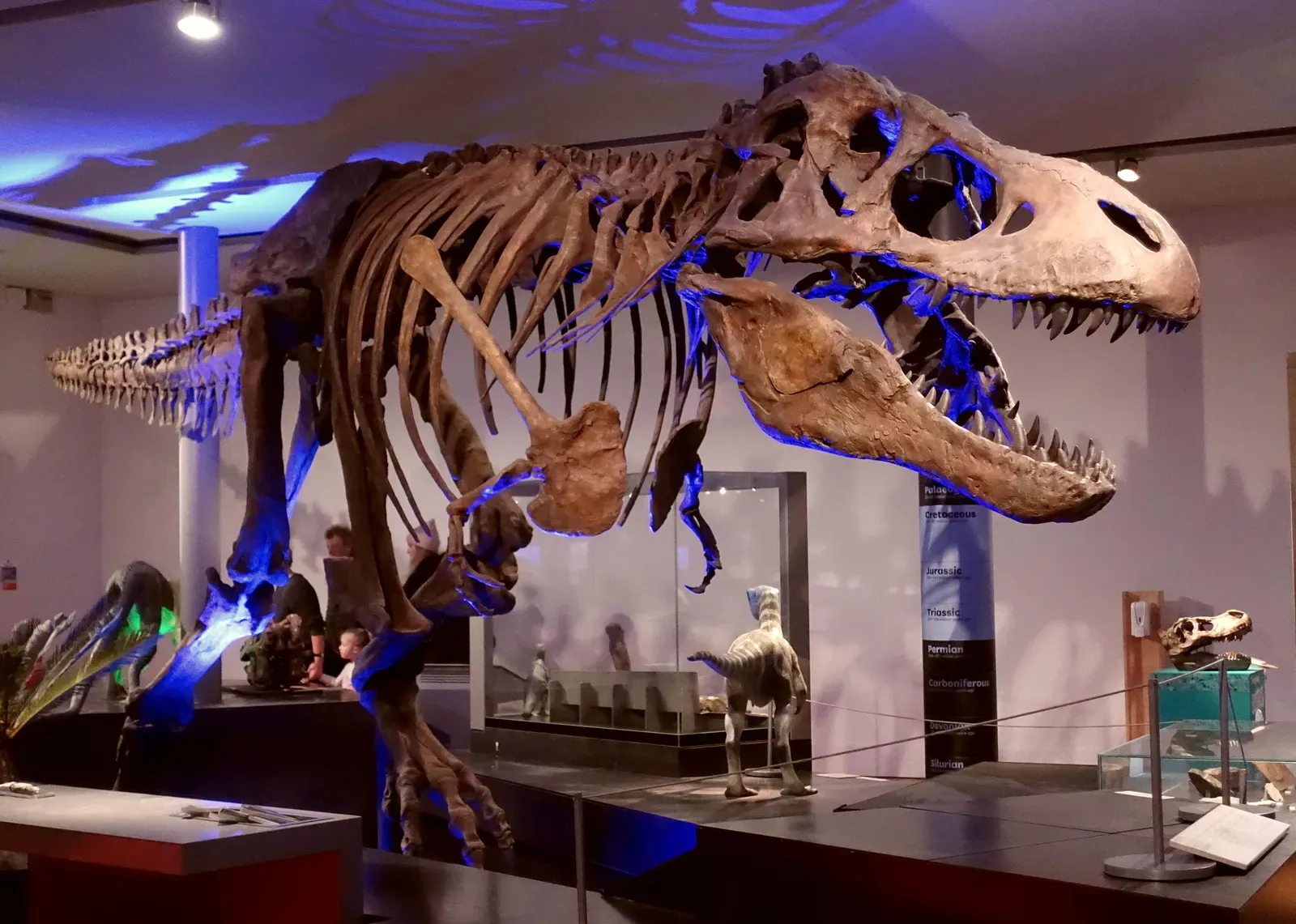
Most people don’t realize the world’s most famous dinosaur technically had an older, far less thrilling name first – and by the rules of science, that name should have won outright.
In 1892, in the middle of the same Bone Wars chaos, Edward Drinker Cope dug up two battered vertebrae. Working fast and assuming he’d found a new horned dinosaur, he named the fossil Manospondylus gigas, which translates to “giant porous vertebra.” Not exactly the stuff of Hollywood movie titles. The bones were then boxed up and forgotten in a museum drawer for over a hundred years.
In 2000, fossil hunter Peter Larson of the Black Hills Institute tracked down Cope’s original dig site and excavated more of the same animal. The bones matched perfectly – Cope’s forgotten “giant porous vertebra” was, in fact, Tyrannosaurus rex. Under standard naming-priority rules, the older name is supposed to automatically take precedence.
Scientists effectively broke their own naming rules to save the name “Tyrannosaurus rex” from extinction. Because so many researchers had already built decades of literature, museum branding, and pop culture around T. rex, the community simply let Manospondylus fade into obscurity instead. Sometimes science bends toward the name everyone already loves.
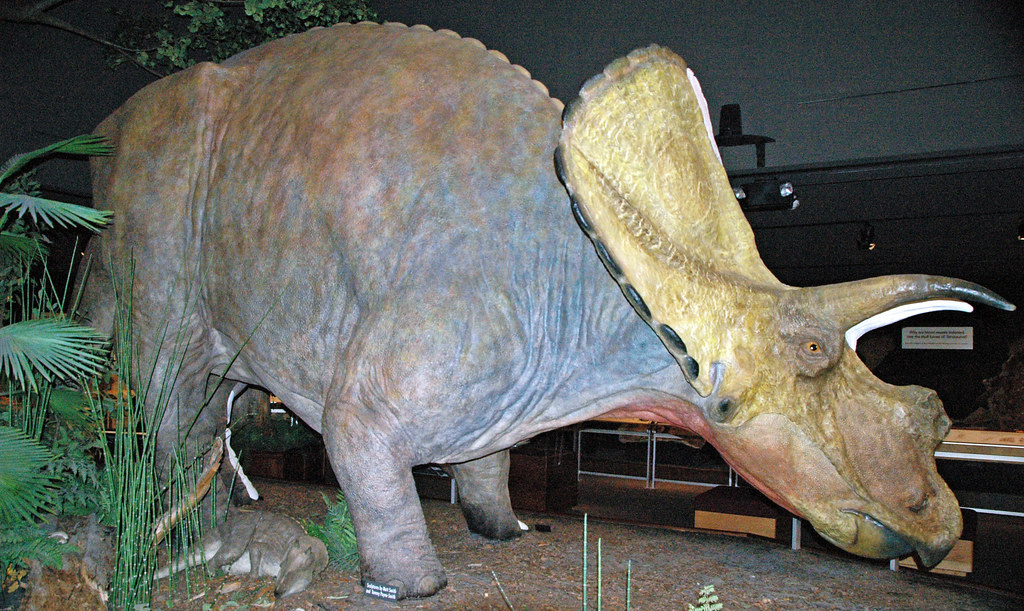
#3 – Triceratops and Torosaurus Might Be the Same Dinosaur at Different Ages
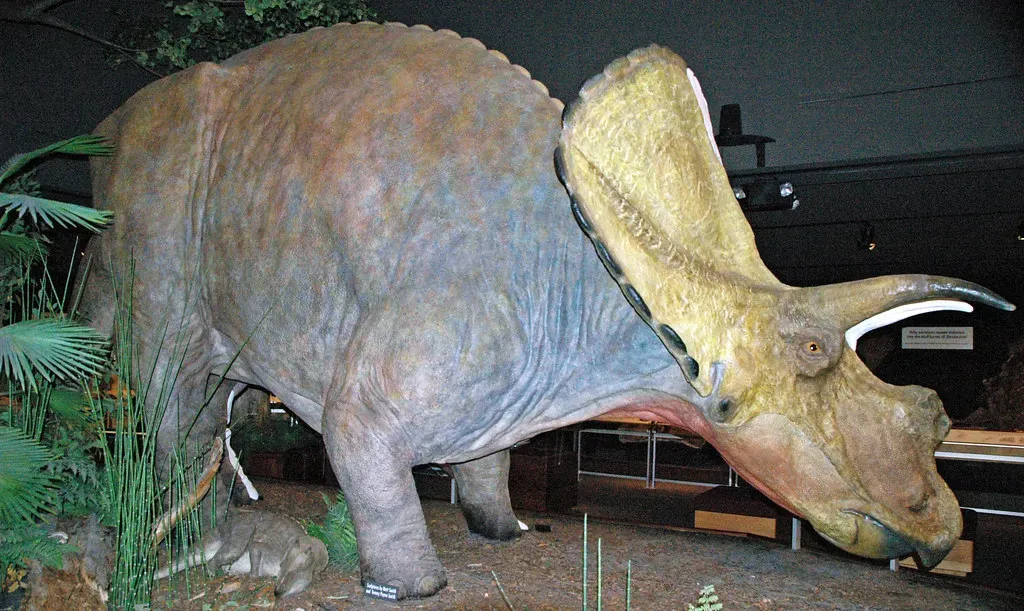
Two of the most recognizable horned dinosaurs on Earth might actually be one animal photographed at two very different birthdays.
More than 120 years ago, Yale paleontologist Othniel Charles Marsh described two spectacular three-horned dinosaurs. Triceratops, named in 1889, had a solid, curved frill. Torosaurus, named just two years later, had a longer frill punched through with two large holes. They overlapped in time and territory, but their skulls looked different enough that scientists filed them as separate genera for over a century.
Then in 2010, paleontologists Jack Horner and John Scannella proposed something far more radical. After examining dozens of specimens, they found a graded continuum of skull growth – smaller Triceratops-style frills gradually developing into the longer, holier Torosaurus shape as the animal aged. In other words, Torosaurus might just be an adult Triceratops going through late-life changes.
Quick Compare
- Triceratops – named 1889; solid, curved frill; the classic three-horned silhouette
- Torosaurus – named 1891; longer frill punched with two large openings
- Both lived in the same place and time period
- 2010 study suggests one may simply be the older growth stage of the other
If confirmed, naming priority rules mean Torosaurus would legally vanish, absorbed entirely into Triceratops. Not everyone agrees, though – this so-called “ontogenetic trajectory hypothesis” remains one of the more heated ongoing fights in dinosaur taxonomy, with other researchers reinterpreting the same skulls and reaching the opposite conclusion.
#4 – Nanotyrannus Went From “Fake Species” to Confirmed Real Almost Overnight
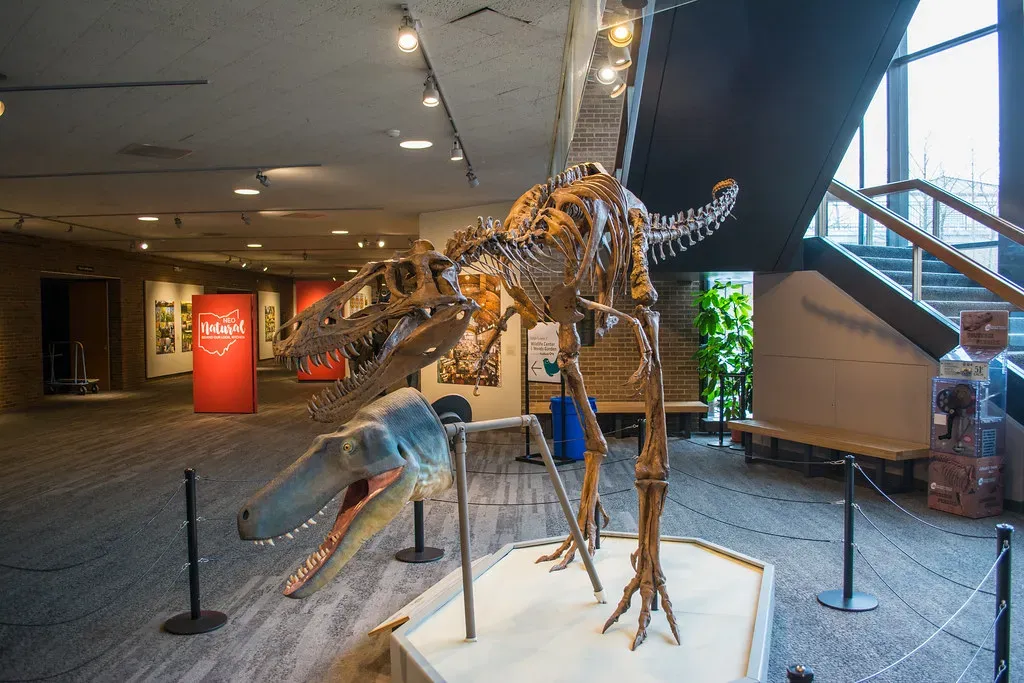
A tiny tyrannosaur skull dug up in Montana back in 1942 has fueled nearly a century of arguing, and the plot twist keeps getting stranger the closer scientists look.
For decades, most paleontologists assumed the small, blade-toothed skull simply belonged to a teenage T. rex that hadn’t finished growing. The logic seemed airtight, since young dinosaur bones look structurally different from mature ones under a microscope.
Since the 1990s and 2000s, most researchers have agreed the 1942 skull is a juvenile T. rex.
Holly Woodward, paleontologist, Oklahoma State University
But the “Dueling Dinosaurs” fossil – a spectacular find showing a Triceratops and a small tyrannosaur locked in combat – flipped the debate on its head. Detailed bone analysis of that small-bodied tyrannosaur confirmed it wasn’t a juvenile at all. It was a fully grown adult of its own species, Nanotyrannus lancensis.
A dinosaur long dismissed as “fake” just became very real, and it’s rewriting how scientists think tyrannosaurs actually grew up. If a full-sized adult Nanotyrannus really existed, every assumption about T. rex childhood just got a lot messier.
#5 – Dracorex and Stygimoloch Were Secretly Just Baby Pachycephalosaurus
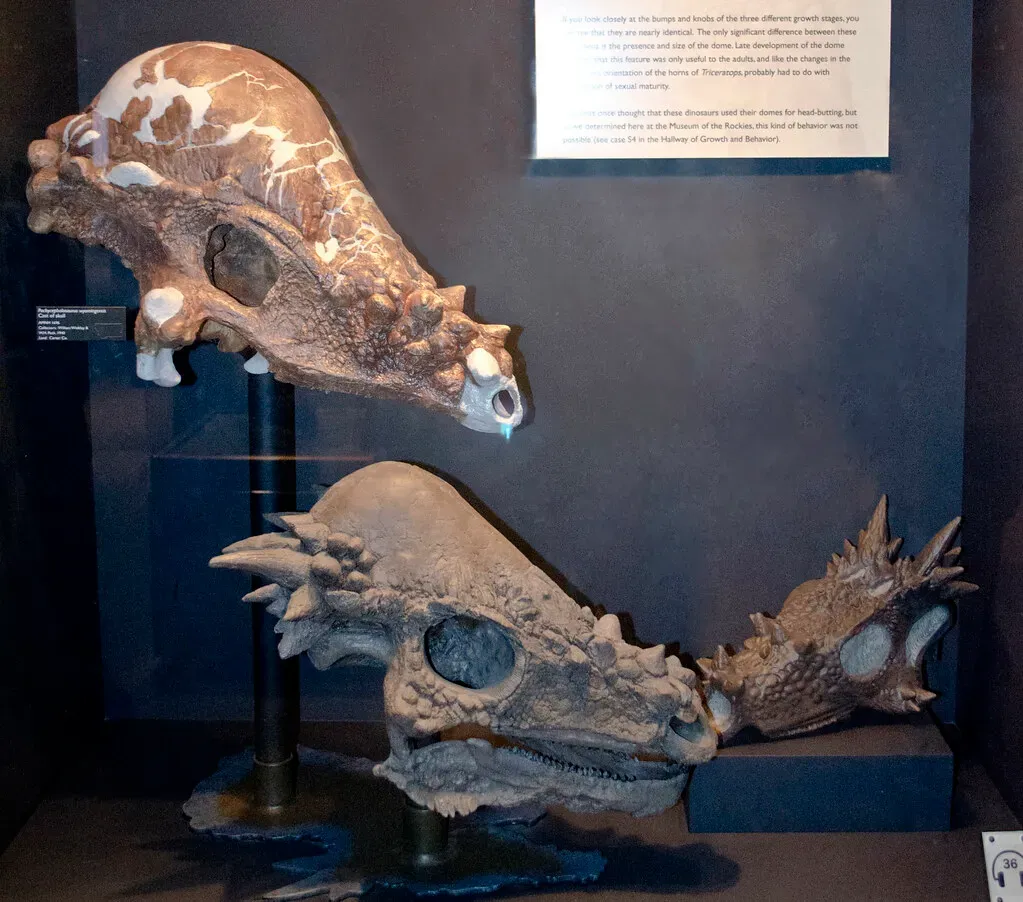
Two dinosaurs with wildly different skulls – one literally named after Harry Potter’s Hogwarts – turned out to be the same animal caught at two very different ages.
Paleontologists Jack Horner and Mark Goodwin sliced open the skulls to check bone density, a technique that reveals an animal’s true age regardless of its outward shape. “It’s real easy to tell young bone from old bone,” Horner explained, since young, fast-growing bone is riddled with pores and blood-vessel canals, while mature bone is dense and smooth. Bones from Pachycephalosaurus were dense and canal-free. Stygimoloch and Dracorex, on the other hand, were both spongy and porous.
That single detail reshuffled the whole family tree. Dracorex hogwartsia now looks like a juvenile, Stygimoloch spinifer a subadult, and both are simply younger growth stages of the same species: Pachycephalosaurus wyomingensis.
These “spikes and domes” weren’t separate species at all – they were basically dinosaur puberty. The skull grew spikes first and a solid dome later, meaning an entire animal’s head reshaped itself as it aged.
#6 – Elasmosaurus Had Its Head Glued to the Wrong End for Over a Century
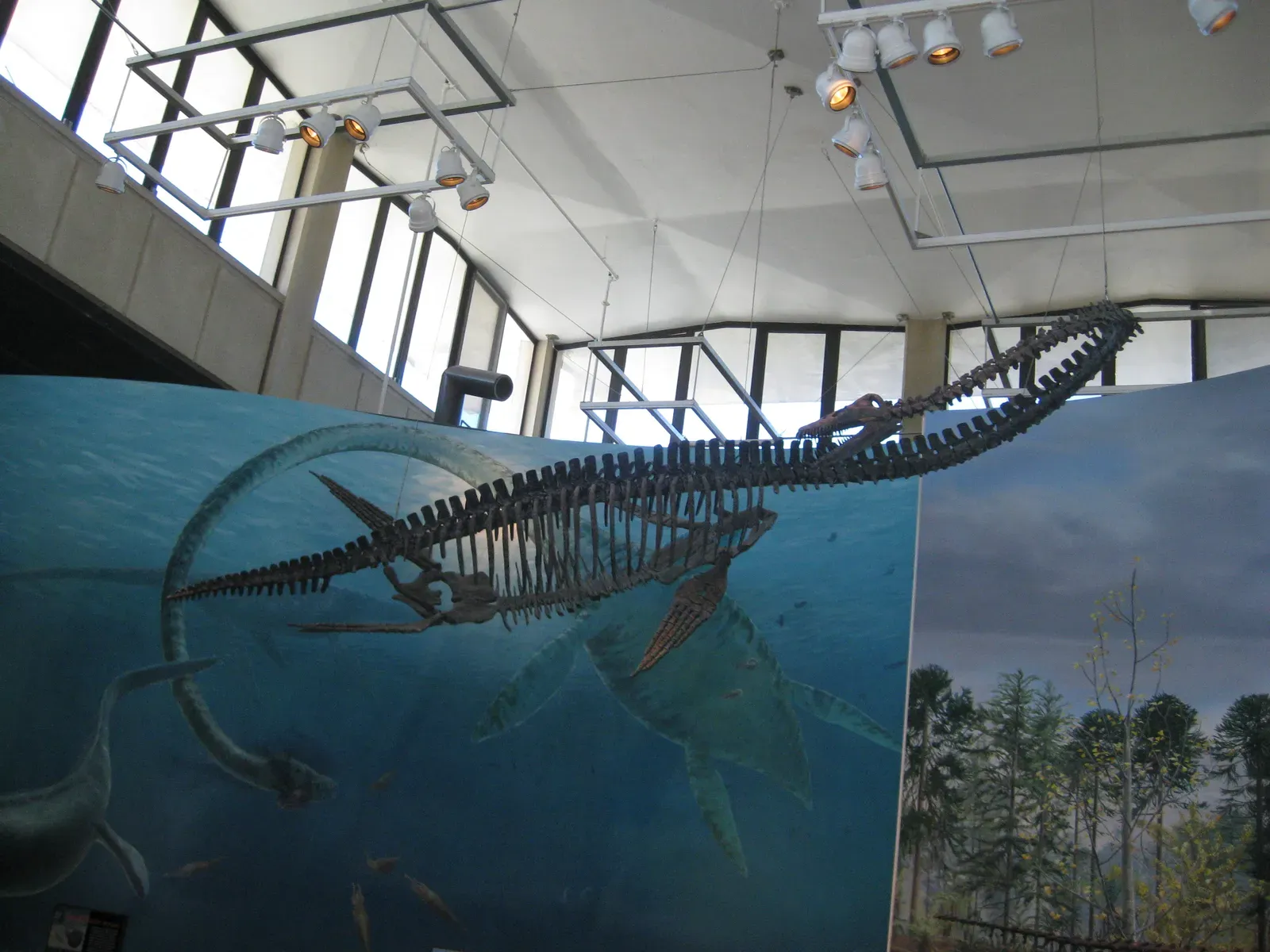
Edward Drinker Cope, the same paleontologist chasing tyrannosaur bones during the Bone Wars, made one of the most embarrassing anatomical blunders in the history of the science.
When Cope assembled the first Elasmosaurus skeleton in 1868, he was staring at an animal unlike anything documented before: a marine reptile with an absurdly long neck built from dozens of vertebrae. Working fast and under intense pressure to beat rival Othniel Marsh to publication, Cope put the skull on the short, stubby tail end of the skeleton instead of the long, serpentine neck.
Fellow paleontologist Joseph Leidy eventually caught the mistake and pointed out the obvious anatomical mismatch. The correction became a famous cautionary tale, retold in paleontology classrooms for generations as proof of what happens when ego races ahead of evidence.
Worth Knowing
- Elasmosaurus was first assembled by Edward Drinker Cope in 1868
- Its neck was built from dozens of vertebrae – unlike anything documented before
- Cope mistakenly placed the skull on the tail instead of the neck
- Joseph Leidy publicly corrected the error, embarrassing Cope in front of the scientific community
A scientist so competitive he accidentally built his prized discovery backward – and it stayed a textbook lesson for over 150 years. Speed mattered more than accuracy during the Bone Wars, and Elasmosaurus paid the price for it.
#7 – Iguanodon’s Nose Horn Was Actually a Thumb Spike
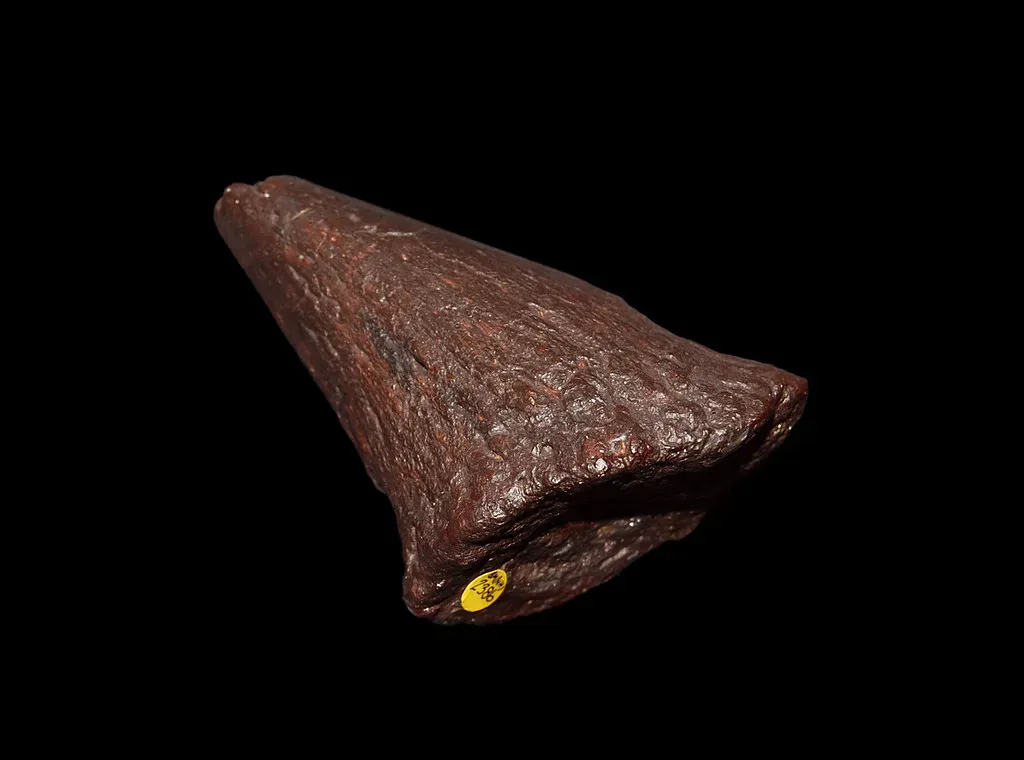
For decades, illustrations of Iguanodon showed a rhinoceros-like horn sitting proudly on its snout. Turns out, paleontologists had simply stuck the wrong bone in the wrong place on the wrong end of the animal.
Early reconstructions from the 1800s were pieced together from scattered, incomplete fossil fragments. Without a full skeleton for reference, scientists guessed that a spiky bone belonged somewhere on the skull, and a nose horn seemed like the most logical placement at the time.
That assumption held until far more complete Iguanodon skeletons were unearthed in a Belgian coal mine in the late 19th century. Paleontologist Louis Dollo corrected the error once and for all: the spike wasn’t a horn at all, but a defensive thumb spike positioned on the hand, likely used for combat or foraging.
An entire generation of scientific illustrations got the animal’s face fundamentally wrong. The correction did more than fix a drawing – it also proved Iguanodon walked far more upright than anyone had originally assumed, changing how the whole animal was imagined.
#8 – Seismosaurus Turned Out to Be an Extra-Long Diplodocus
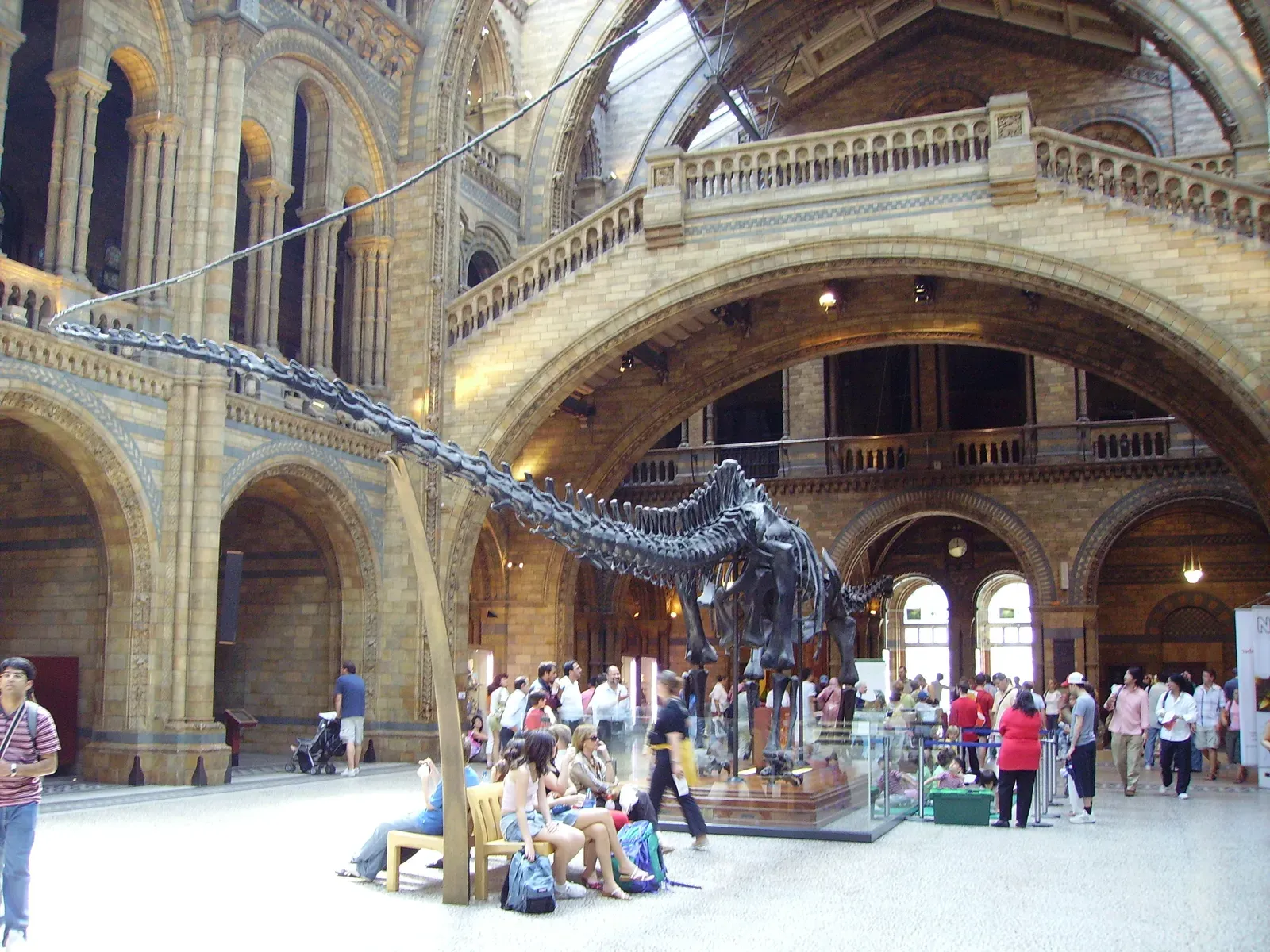
Discovered in New Mexico and hyped as one of the longest animals to ever walk the Earth, Seismosaurus even carried a name meaning “earthquake lizard” to match its supposedly record-breaking size.
When the fossil was first described in the late 1980s, its enormous vertebrae seemed to belong to an entirely new sauropod genus – one that could potentially dwarf even Diplodocus, already one of the longest dinosaurs known to science. Paleontologists got understandably excited about the idea of an even bigger record-holder.
Later, more thorough comparisons with existing Diplodocus specimens revealed the truth: this wasn’t a new genus at all, just an unusually large and elongated species of Diplodocus. The bones were reclassified as Diplodocus hallorum, honoring the original discoverer while quietly correcting the earlier overreach.
A dinosaur once marketed as a record-breaking new species got demoted to “just a big Diplodocus.” It’s a humbling reminder that “biggest ever” headlines in paleontology tend to shrink once the full skeleton gets properly measured against its relatives.
#9 – Anatotitan Got Quietly Folded Back Into Edmontosaurus
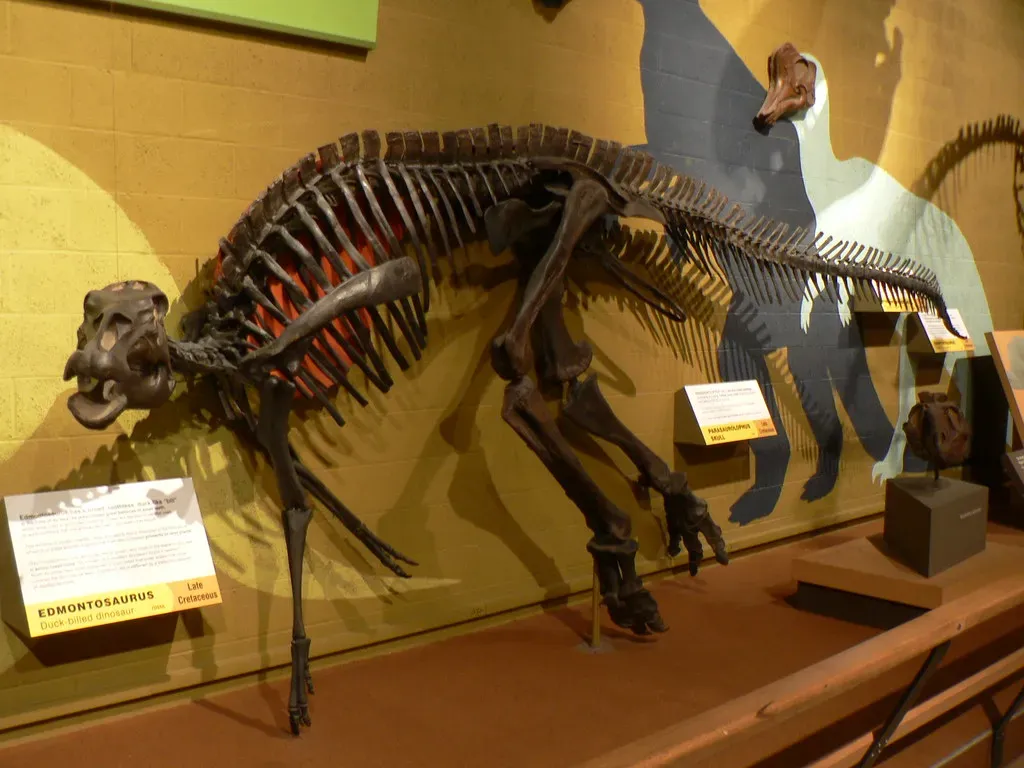
Anatotitan, meaning “giant duck,” sounded like an entirely distinct and impressively large duck-billed dinosaur when it was first proposed. It turned out to be something far less exotic.
The genus was based on a skull that looked notably flatter and longer than typical Edmontosaurus specimens, which led early researchers to split it off into its own category. For years, museum displays proudly featured “Anatotitan” as a unique duck-bill, distinct from its far more common Edmontosaurus cousins found throughout the same Late Cretaceous rock layers.
Further study of duck-billed dinosaur skull variation showed that flattened skull shapes are simply a common feature of certain growth stages and individual variation – not evidence of a whole new genus.
At a Glance
- “Anatotitan” translates to “giant duck”
- Based on a flatter, longer skull than typical Edmontosaurus
- Flattened skulls turned out to reflect age and individual variation, not a new genus
- Now classified simply as a mature Edmontosaurus
The “giant duck” dinosaur wasn’t a distinct species at all – it was just a mature Edmontosaurus with a naturally flattened skull. This exact pattern – splitting duck-billed dinosaurs apart, then merging them back together – has repeated itself again and again throughout hadrosaur research.
#10 – Ultrasauros Was Dismantled Into Two Completely Different Dinosaurs
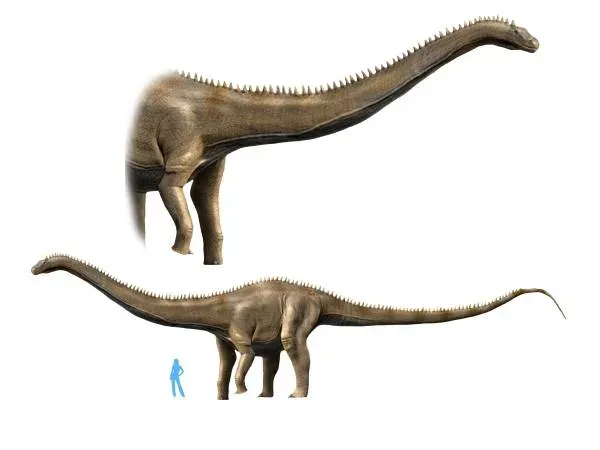
Perhaps the most dramatic “second look” renaming on this entire list involves a supposedly record-breaking giant that turned out not to exist as a single animal at all.
Named in the 1980s from a jumble of enormous bones found in Colorado, Ultrasauros was immediately hyped in popular media as one of the largest land animals ever discovered, rivaling or beating other giant sauropods known at the time. The name itself was chosen to signal supremacy over every other massive sauropod already on the books.
Closer examination revealed an embarrassing mix-up: the fossils used to define Ultrasauros didn’t belong to one animal at all. They were a combination of bones from two entirely different sauropod genera, accidentally mixed together during excavation and cataloging.
A dinosaur once celebrated as a record-breaking giant was quietly erased because its skeleton was actually two different animals stitched into one name. The bones were reassigned to already-known genera, and Ultrasauros was formally abandoned – a cautionary tale about double-checking fossil provenance before naming anything at all.
The Bottom Line
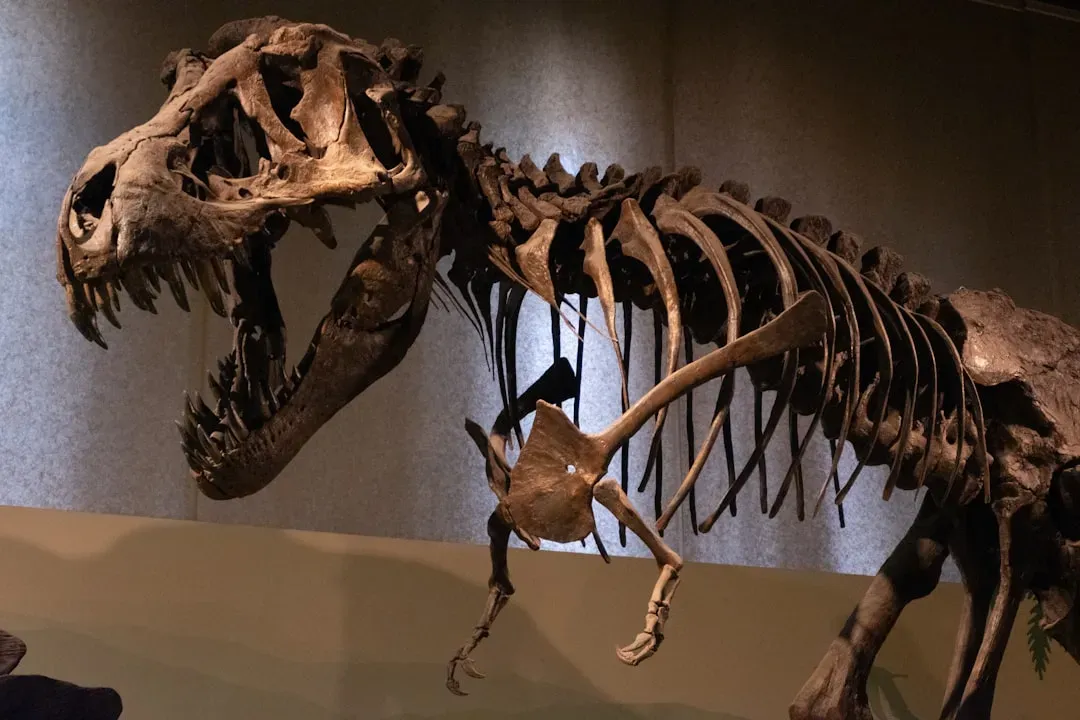
The pattern across all ten of these cases is impossible to ignore: paleontology isn’t a finished science, it’s a constantly revised one. Brontosaurus vanished for over a century before evidence brought it roaring back. Nanotyrannus flipped from “fake species” to confirmed reality almost overnight. Torosaurus might disappear entirely into Triceratops, and Dracorex was never really its own dinosaur – just Pachycephalosaurus going through an awkward phase.
Honestly, that’s what makes this stuff so much fun to follow. Anyone treating a museum placard like a permanent fact is missing the point – every one of these names was somebody’s best guess with the evidence available at the time, and every one of them got humbled by a better fossil, a sharper scan, or a scientist willing to say “wait, look again.” I’d rather have a science that admits it was wrong than one that pretends it’s never been.
So the next time a new dinosaur documentary drops a bombshell reclassification, don’t roll your eyes. That’s not paleontology failing – that’s paleontology finally working. Which renaming on this list shocked you the most? Drop it in the comments.