
Most people assume the objects on their kitchen counter, in their bathroom cabinet, or on their ring finger have been around for centuries – maybe even millennia. History textbooks skip past the boring parts, so we picture forks at Roman banquets, diamonds on medieval brides, and toothbrushes in ancient bathrooms.
Actually, the truth is far weirder. A shocking number of “timeless” objects are barely older than your grandparents, invented or popularized within the last 150 years – sometimes the last 80. Here’s what historians actually say.
#1 – The Fork Nobody Wanted to Use
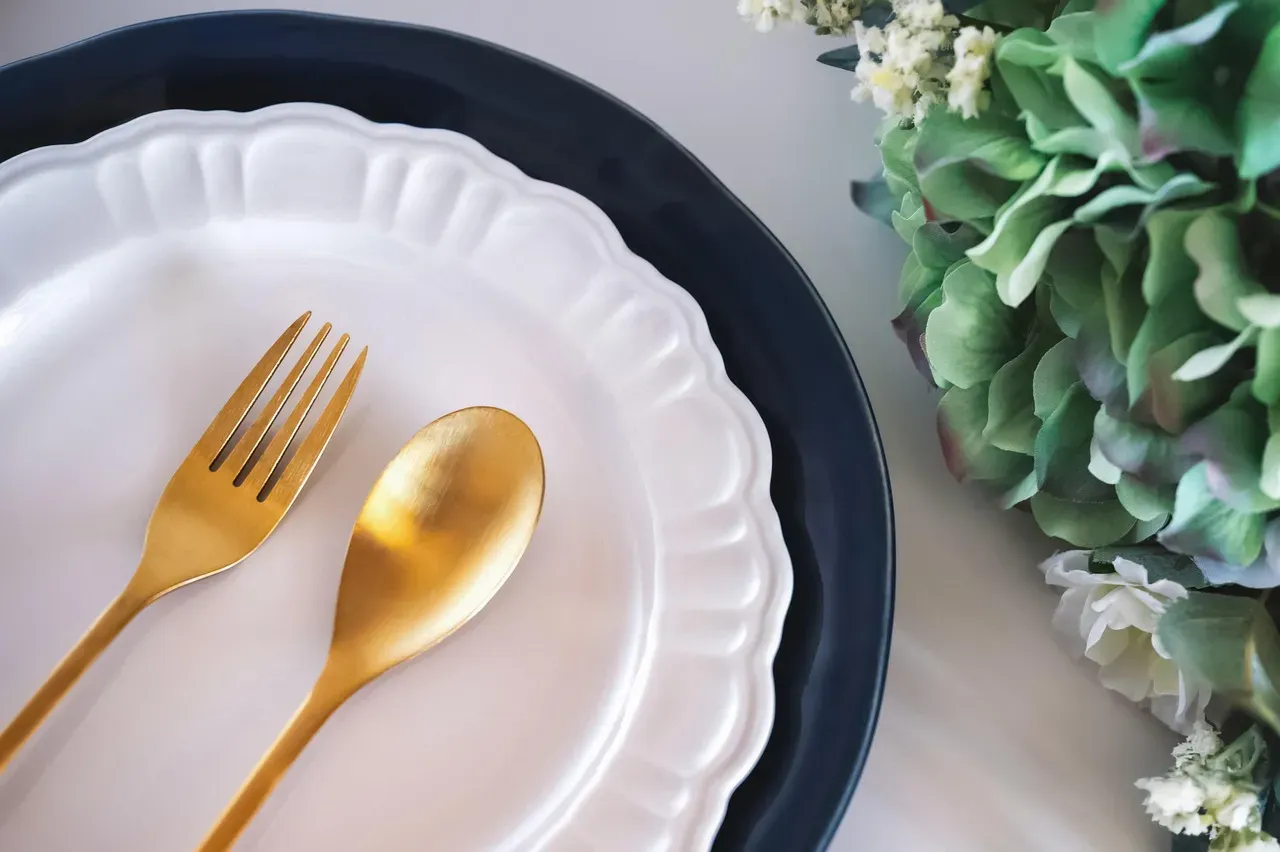
Most people assume forks have been on dinner tables since ancient civilization began, right alongside knives and spoons. Turns out, that’s completely wrong – the fork was one of the last utensils to catch on, and for centuries it was treated as scandalous rather than practical.
In 1004, the Greek niece of the Byzantine emperor used a golden fork at her wedding feast in Venice, where most Europeans still ate with their fingers and knives, so the newfangled implement was seen as sinfully decadent by local clergy. One outraged Venetian even declared that “God in his wisdom has provided man with natural forks – his fingers. Therefore it is an insult to him to substitute artificial metal forks for them when eating.”
When the bride died young, a Catholic saint framed it as divine punishment for her vanity. Forks didn’t spread widely until British traveler Thomas Coryate introduced them to England in 1608 after seeing them in Italy, though the English initially viewed the utensils as unnecessary and effeminate.
Even more surprising: Americans didn’t widely use table forks until the American Revolution. A tool that feels like basic table manners was, for most of human history, a foreign oddity that got you side-eyed at dinner.
#2 – Toilet Paper Is Younger Than the Telephone
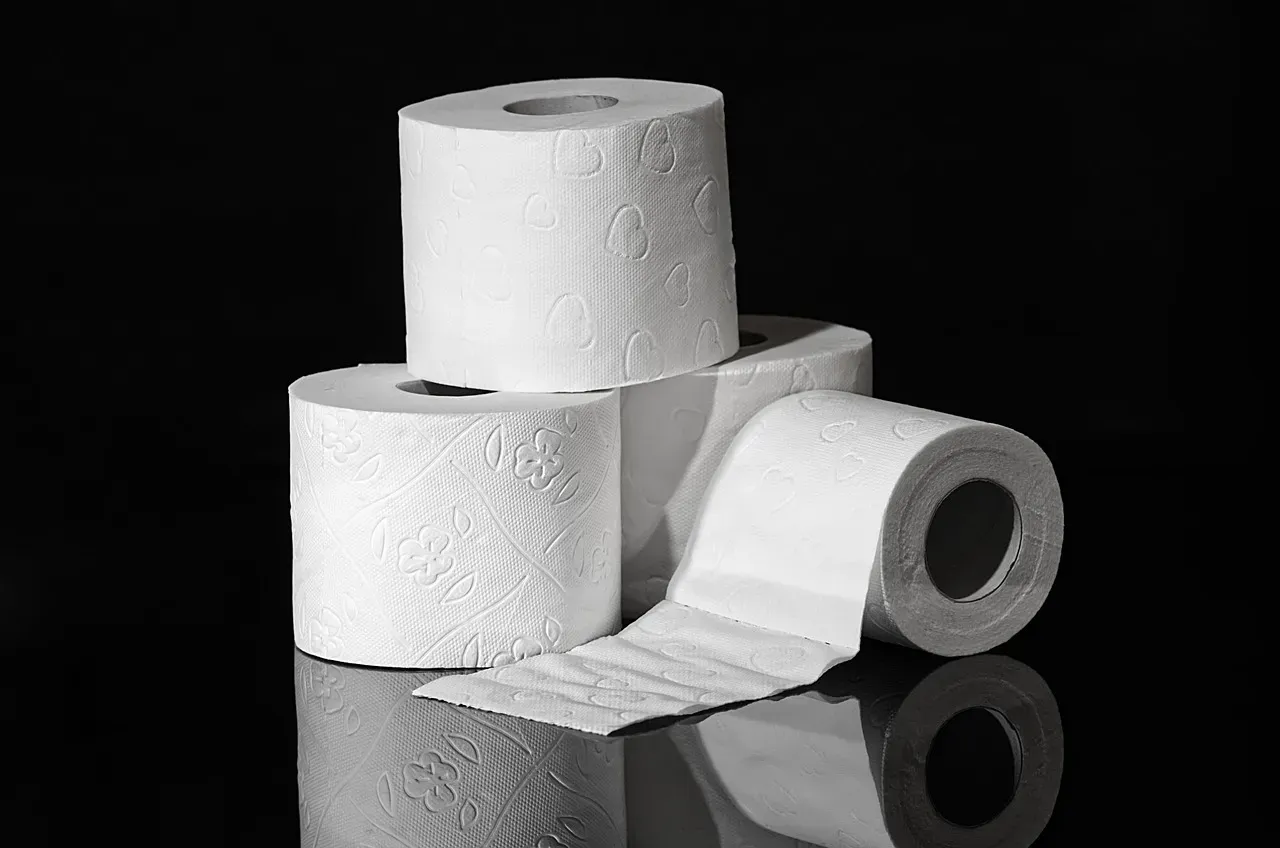
Most people assume toilet paper is an ancient hygiene staple that’s existed forever in some form. Secretly, the product you use every single day is a 19th-century American invention, and the roll you’re picturing right now is even newer than that.
Commercial toilet paper as a packaged product didn’t appear until 1857, when businessman Joseph Gayetty began selling flat sheets marketed as a medicinal product rather than a bathroom staple. Here’s the strange part: it was sold in packs, not rolls, and pitched almost like a pharmaceutical item. The perforated roll format familiar today didn’t arrive until the 1890s, decades after Gayetty’s original product hit the market.
Before that, people used whatever was cheap and available – corn cobs, newspaper, leaves, or water, depending on region and era. The idea of a dedicated, soft, disposable paper product for bathroom use simply didn’t exist in most households until industrialization made cheap paper production possible.
Fast Facts
- 1857: Joseph Gayetty sells the first packaged toilet paper as flat, medicinal sheets
- 1890s: The perforated roll format arrives, decades after Gayetty’s original product
- Pre-1857: Corn cobs, newspaper, leaves, and water were the norm
- Rural adoption lagged for decades after the coastal-city debut
This means your grandparents’ grandparents may have grown up without it entirely, especially in rural areas where adoption lagged for decades after the product’s coastal-city debut. While it feels like the most basic object in the house, toilet paper is genuinely one of the newest.
#3 – Sliced Bread Didn’t Exist Until 1928
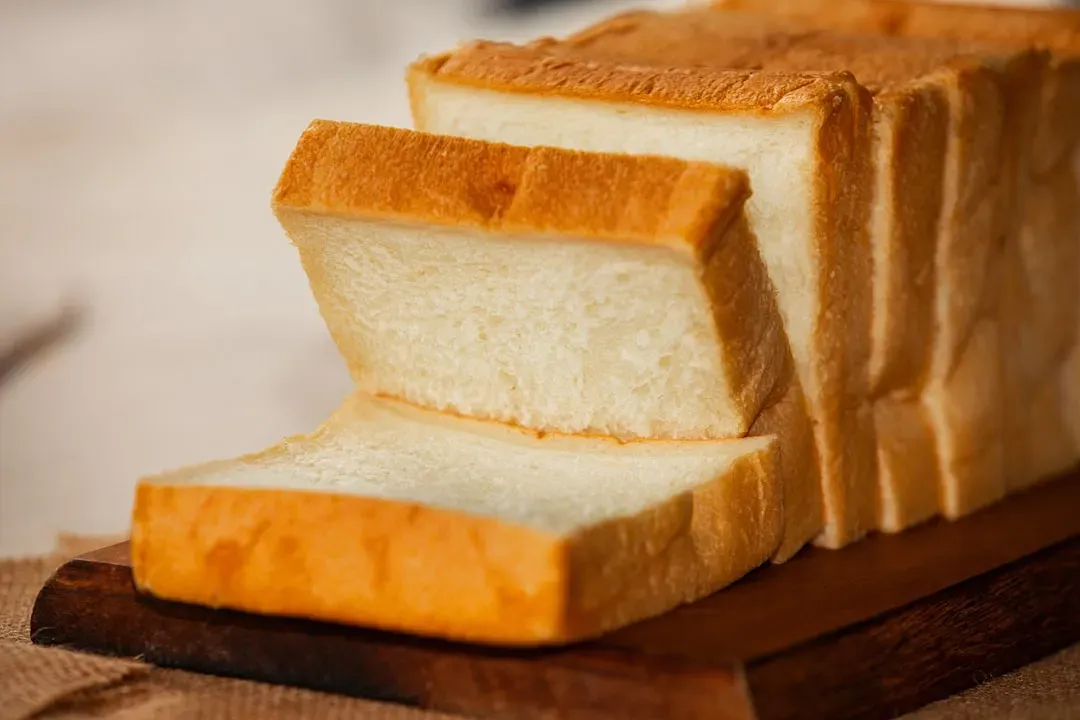
Most people use the phrase “greatest thing since sliced bread” without realizing how recent that benchmark actually is. Turns out, sliced bread wasn’t invented until 1928, making it younger than talking movies.
Inventor Otto Frederick Rohwedder spent over a decade perfecting a machine that could slice an entire loaf without it collapsing into crumbs. His first working bread slicer debuted commercially in Chillicothe, Missouri, and the pre-sliced loaves were an instant sensation because they saved households the daily chore of hand-slicing.
The convenience was so dramatic that it directly inspired the popular phrase people still use today to describe any exciting new innovation. Interestingly, sliced bread was briefly banned in the United States in 1943 during World War II as a wartime conservation measure, though the ban only lasted a few months before public backlash forced its reversal.
So the “classic” innovation people casually reference is barely a century old – younger than the Eiffel Tower, younger than the Model T, and younger than most people’s own family trees if you trace back four generations.
#4 – The Zipper Took 60 Years to Become Normal
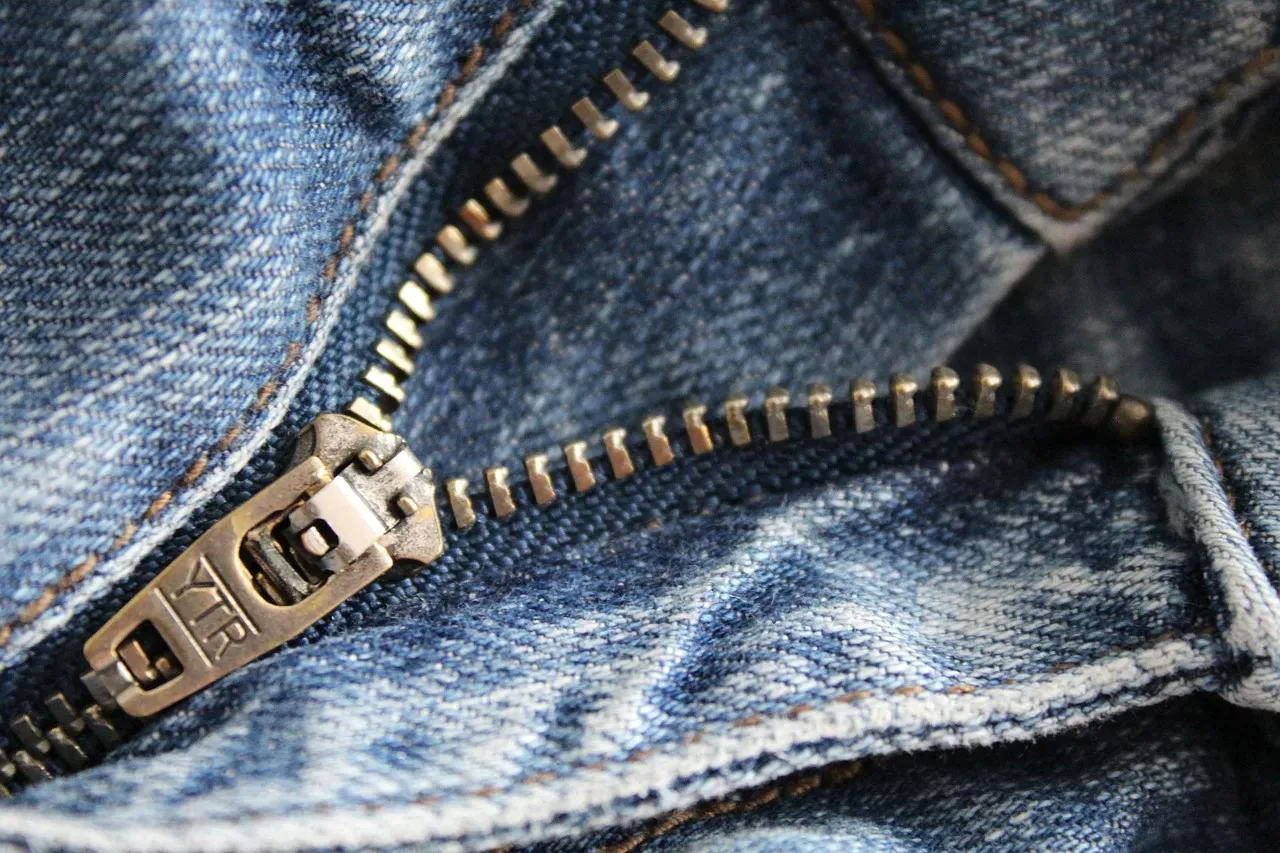
Most people assume zippers have quietly existed on clothing forever, since they feel so basic and mechanical. Actually, the zipper spent decades as a niche industrial part before anyone thought to put it on pants.
Swedish-born engineer Gideon Sundback emigrated to America in 1905 and began working on hook-and-eye fastener problems the following year, eventually developing the Hookless #2 design in 1913 that became the modern zipper. The first genuinely successful application of the hookless fastener was a money belt for servicemen in 1917, followed by a tobacco pouch in 1919 and rubber galoshes in 1922.
Quick Compare
- 1913 – Hookless #2 design patented, but still an industrial curiosity
- 1917 – First real product: a money belt for servicemen
- 1919 – Repurposed for a tobacco pouch
- 1922 – Finally lands on rubber galoshes
- 1930s – Elsa Schiaparelli puts it on actual fashion
Here’s the odd part: the zipper spent its first 20 years on boots, pouches, and belts rather than clothing. It wasn’t until the 1930s that fashion designer Elsa Schiaparelli became one of the first prominent couturiers to feature visible zippers in her work, incorporating colorful, oversized zippers into sportswear and evening dresses.
The name itself only stuck after the B.F. Goodrich Company used Sundback’s fastener on rubber boots in the 1920s and coined the term “zipper” to describe the swift closing motion. A device we now barely notice spent decades looking for a job.
#5 – The Safety Pin Is a Mid-1800s Panic Fix
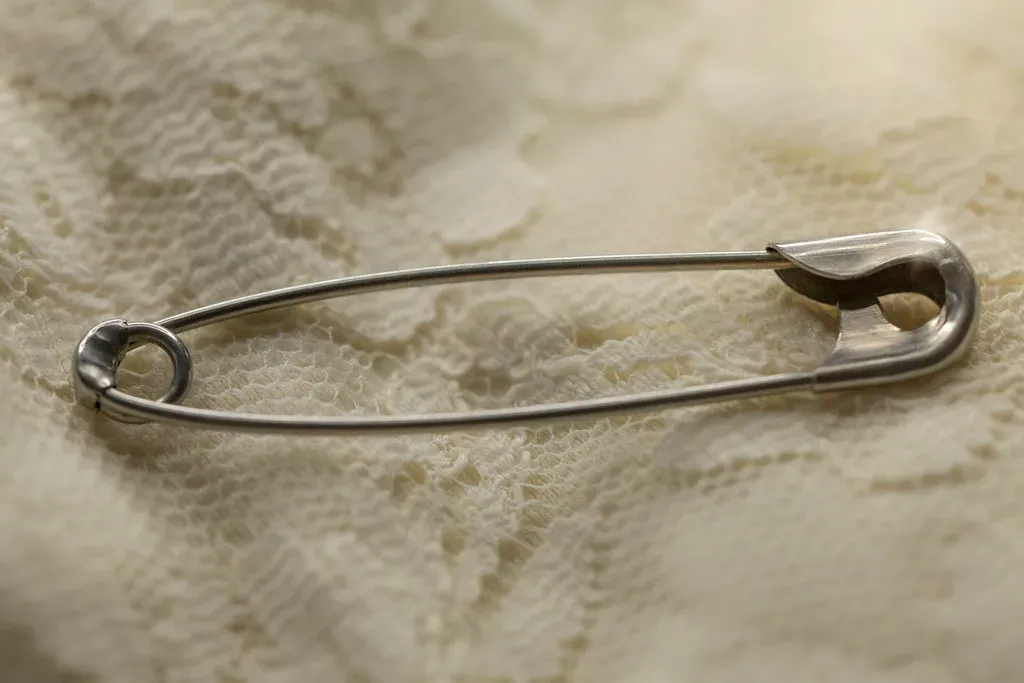
Most people picture the safety pin as an ancient fastening device, something Roman soldiers or medieval tailors relied on daily. In reality, it’s a mid-19th-century American invention born out of pure desperation.
Inventor Walter Hunt created the modern safety pin in 1849, reportedly to pay off a small debt he owed a friend. Legend has it he twisted a piece of wire into the coiled-spring design in just a few hours, sold the patent outright for a small sum, and never profited from what became one of the most widely used objects in history.
Most people don’t realize Hunt sold away all future rights for a tiny one-time payment, missing out on what would have been enormous long-term earnings as the pin spread into sewing kits, diaper fastening, and eventually punk fashion a century later. Before this coiled design existed, people relied on straight pins, thorns, or bone fasteners that offered none of the safety-catch protection.
The pin’s simplicity is exactly why it feels ancient – but it’s genuinely a product of the industrial 1800s, not antiquity.
#6 – The Paperclip Is Newer Than the Eiffel Tower
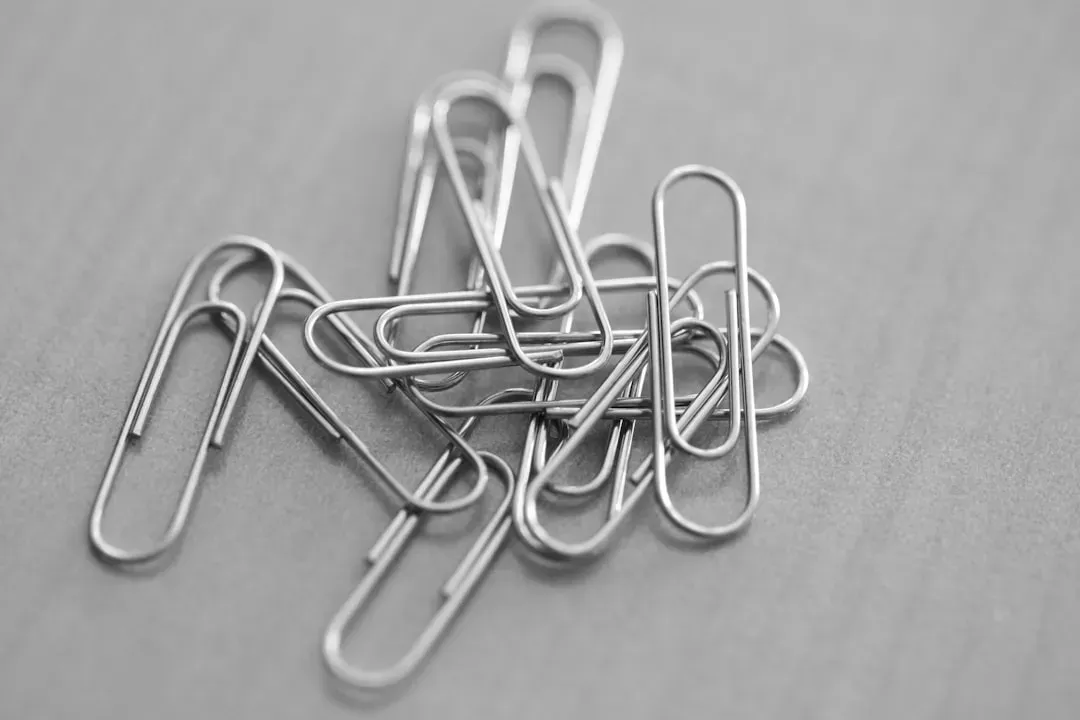
Most people assume paperclips have existed since paper itself needed organizing, which feels like it should stretch back centuries. Turns out, the bent-wire design everyone recognizes wasn’t patented until 1899 – a full decade after the Eiffel Tower opened.
Norwegian inventor Johan Vaaler filed a patent for a paperclip design, though historians note his version was actually less practical than clips already being manufactured elsewhere. The now-iconic double-oval “Gem” clip design, the one still used in offices worldwide, emerged around the same period from British manufacturers and quickly outcompeted Vaaler’s version despite his getting more historical credit.
The twist? The paperclip design we use today wasn’t even the first patented version – it simply beat out several competing designs through sheer practicality. Before mass-produced clips existed, people used pins, wax seals, or string to bundle documents, all of which damaged paper or fell apart easily.
The paperclip’s status as an “obviously ancient” office staple says more about how quickly new objects get absorbed into daily life than about its actual age.
#7 – Sunglasses Weren’t Mass-Market Until 1929
Most people assume sunglasses have shielded human eyes since ancient civilizations first squinted at the sun. While tinted lenses did exist earlier in limited forms, the mass-produced sunglasses that became a global fashion and function staple didn’t appear until 1929.
Entrepreneur Sam Foster began selling affordable sunglasses on the boardwalks of Atlantic City, and the timing was perfect: cars were becoming common, and drivers needed protection from glare on increasingly paved roads. Most people don’t realize sunglasses became popular largely because of the automobile boom, not beach culture, which came later.
At a Glance
- 1929: Sam Foster launches mass-produced sunglasses on Atlantic City boardwalks
- Driven by the automobile boom, not beach culture
- Hollywood adopts them almost immediately to hide bloodshot eyes
- Within a decade: shifted from driving gear to glamour symbol
Hollywood accelerated the trend almost immediately, with movie stars wearing dark lenses to hide bloodshot eyes from studio lighting and to avoid being recognized in public. Within a decade, sunglasses shifted from a niche driving accessory to a symbol of glamour and celebrity status, a reputation that has stuck for nearly a century now.
So the “ancient” habit of shielding your eyes with stylish lenses is really a Jazz Age invention, tied directly to cars and cinema rather than sunlight itself.
#8 – The Modern Bra Is Barely Over a Century Old
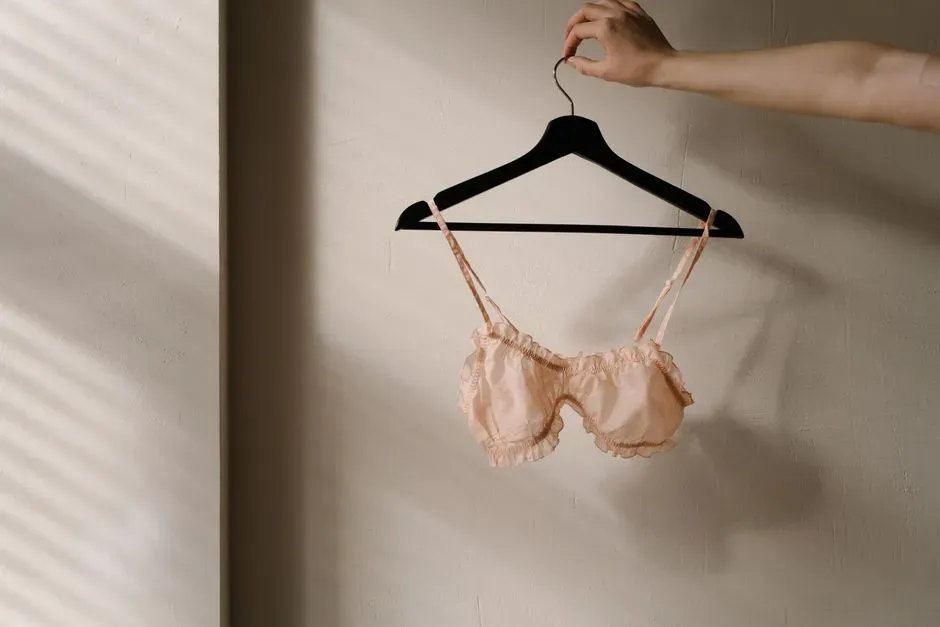
Most people assume some version of the modern bra has existed for centuries, given how essential the garment feels today. Actually, the design recognizable as a modern bra only dates to 1913, making it younger than the Titanic disaster.
New York socialite Mary Phelps Jacob is widely credited with creating an early version by stitching two handkerchiefs and ribbon together as an alternative to restrictive whalebone corsets that had dominated women’s undergarments for generations. Here’s what gets lost in the story: the entire purpose of the original design was comfort and rebellion against corsetry, not the structured support we associate with bras today.
She patented the design and briefly ran a small business before selling the patent to the Warner Brothers Corset Company for a modest sum. From there, mass manufacturing, elastic fabric innovations, and cup-sizing systems introduced in the 1930s gradually transformed the loose original concept into the structured, standardized garment sold in stores today.
Corsets, by contrast, had dominated for centuries – meaning the bra is actually the newer, more rebellious alternative, not the ancient standard people assume it to be.
#9 – Chewing Gum’s Modern Form Is a Civil War-Era Invention

Most people assume chewing gum has been casually chewed since prehistoric humans first gnawed on tree resin, and technically that’s true – but the modern stick of gum in your pocket has nothing to do with that ancient habit.
Commercial chewing gum as a manufactured, flavored product emerged in the 1840s and 1850s, with early versions made from paraffin wax rather than any natural resin. Most people don’t realize early gum was essentially flavored candle wax, a far cry from the chicle-based formulas that came later. The chicle version, sourced from Central American sapodilla trees, was popularized commercially starting in 1869 after businessman Thomas Adams began experimenting with it as a rubber substitute and pivoted to selling it as gum instead.
Flavoring innovations followed quickly, with mint and fruit varieties launching in the 1880s and turning gum into a genuine mass-market product rather than a novelty. Bubble gum specifically, the stretchy stuff kids blow into bubbles, wasn’t perfected until 1928, when an accountant at a gum company stumbled onto the right rubber-like formula almost by accident.
#10 – The “Happy Birthday” Candle Ritual Is Newer Than You’d Think

Most people assume blowing out candles on a birthday cake is an ancient, universal tradition stretching back thousands of years. While candle symbolism does have old roots in some cultures, the specific ritual most families practice today – cake, candles, singing, blowing them out – solidified far more recently than people assume.
The now-ubiquitous “Happy Birthday to You” song wasn’t published until 1893, originally as a different song called “Good Morning to All” written by two American sisters for schoolchildren. The birthday lyrics were adapted later, and the combined song didn’t become the default birthday anthem in most households until well into the 20th century.
Here’s the part that sounds made up but isn’t: this song became so commercially valuable that it was tied up in copyright disputes for decades, with companies collecting licensing fees for its use in films and television until a 2015 legal ruling determined the copyright claim was invalid. The full “cake plus candles plus song” ritual as a cohesive, expected tradition really only became standardized in Western culture during the mid-20th century, driven partly by mass media and partly by the rise of bakery-made novelty cakes.
#11 – The Diamond Engagement Ring Is a 1930s Marketing Invention
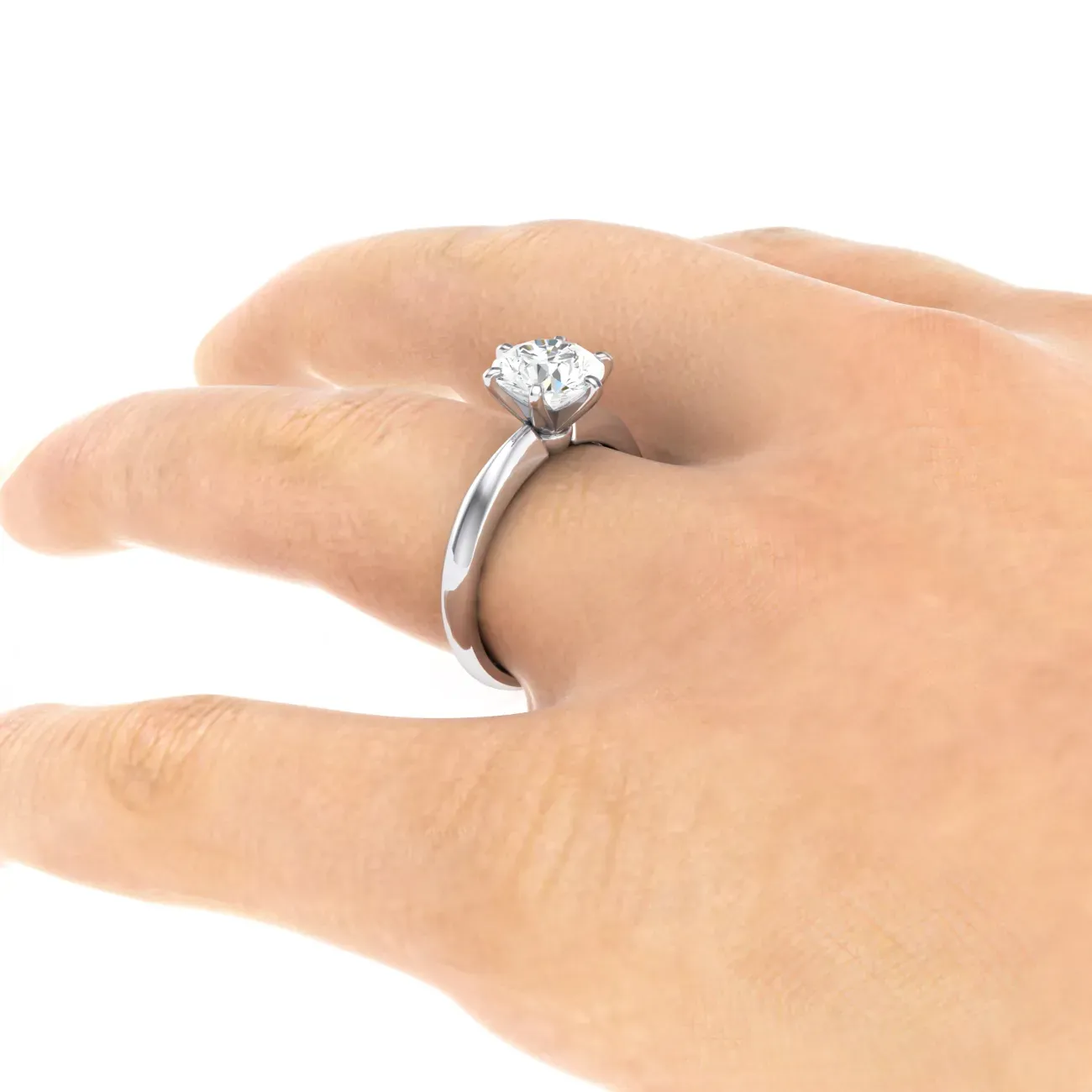
Most people assume diamond engagement rings are an ancient romantic tradition passed down since medieval times. Actually, the entire custom was manufactured by an advertising campaign less than a century ago, and the numbers behind it are staggering.
Before 1938, diamond rings weren’t at all commonplace on the fingers of American spouses-to-be. De Beers hired the Philadelphia advertising agency N.W. Ayer & Son because diamond sales in America had declined by 50% since 1919, and before the 1940s, diamonds were just one among numerous engagement ring stones alongside sapphires, rubies, and emeralds.
The campaign’s genius move came later, in 1947, when copywriter Frances Gerety wrote four words that would define an entire industry.
A Diamond is Forever.
Frances Gerety, De Beers ad copywriter, 1947
The line debuted in print the following year and has run in every De Beers engagement advertisement since. The results were dramatic – the proportion of US brides receiving diamond engagement rings rose from approximately 10% in 1940 to 80% by 1990. Even more telling, the practice didn’t exist at all in China prior to the 1990s, rising alongside the country’s opening to Western capitalist markets.
#12 – The White Wedding Dress Is a Victorian PR Win
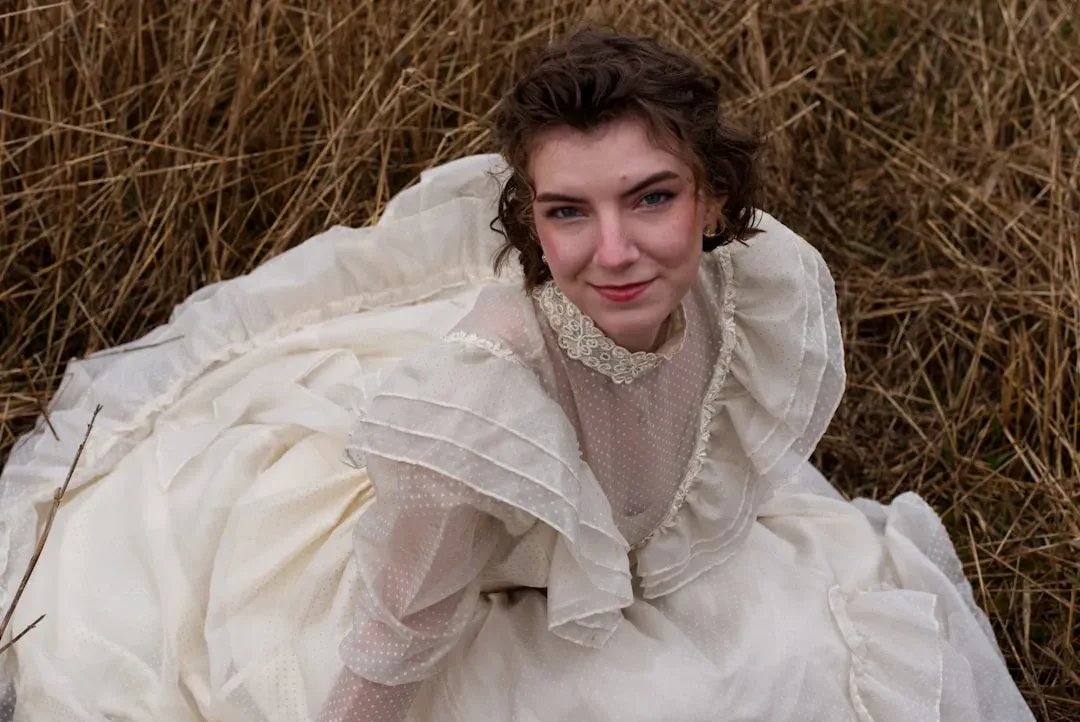
Most people assume brides have worn white for centuries as a symbol of purity, treating it as an unshakable ancient tradition. Secretly, white wasn’t even the dominant color choice before one queen’s wedding changed everything.
Queen Victoria is sometimes credited with being the sole originator of the white wedding dress, which is untrue, though it would be accurate to say her wedding dress contributed to the color’s massive gain in popularity for brides. Before her, previous royal brides typically wore silver or gold as a sign of their royalty rather than plain white.
What actually spread the trend was media, not monarchy alone: the visual ideal of the bride clad in pure white spread quickly, largely owing to the rise of print media and newspapers and their lively descriptions of society weddings, and with print media came commercialisation.
Worth Knowing
- Victoria didn’t invent the white dress – she popularized it
- Earlier royal brides favored silver or gold, not white
- Newspapers and print media, not royal decree, spread the look widely
- Everyday brides didn’t widely adopt white until the 1950s
Even more surprising, the tradition took far longer to reach ordinary people than most assume. For most people, wearing a white wedding dress wasn’t really a thing until the 1950s, meaning your own grandmother may have been among the first women in her family to actually wear one.
#13 – The Bikini Is Younger Than the Atomic Bomb Test It’s Named After

Most people assume swimwear has slowly evolved for centuries into whatever style feels most modern, but the two-piece bikini has one of the most oddly specific origin stories of any garment on this list – and it’s shockingly recent.
French engineer Louis Réard introduced the modern bikini in 1946, deliberately naming it after Bikini Atoll, the Pacific site of recent U.S. nuclear weapons testing, because he wanted the design’s “explosive” cultural impact to match the headlines. Most people don’t realize the garment was considered so scandalous that Réard reportedly couldn’t find a professional model willing to wear it publicly, forcing him to hire a Parisian nude dancer for the debut instead.
For years afterward, the bikini remained banned or heavily restricted on beaches across parts of Europe and the United States, viewed as far too revealing for public decency standards of the era.
It took until the 1960s, boosted by Hollywood films and shifting cultural attitudes, for the bikini to shed its scandalous reputation and become the default two-piece swimwear style recognized worldwide today.
The Bottom Line
The pattern here is impossible to ignore: nearly every object on this list feels ancient specifically because it works so well, not because it’s actually old. Diamond rings, white dresses, and zippers all feel “timeless” purely due to marketing and mass media, not history.
The uncomfortable truth is that most of what we call “tradition” is really just very effective 19th and 20th-century branding that outlived its own origin story. Honestly, that should make us a little more skeptical of anything sold to us as “the way it’s always been done” – because half the time, someone just invented it to sell more paper, more diamonds, or more gum.