
Imagine waking up every day in a world where you are either lunch or you are armed to the teeth. In prehistoric ecosystems, there was no locked door, no medicine cabinet, and no emergency phone call – there was only whatever evolution managed to bolt onto your body. Some creatures turned into walking tanks, others into living booby traps, and a few evolved defenses so strange they still puzzle scientists today.
What makes these ancient survivors so fascinating is not just how dangerous they were, but how creative nature got when the stakes were life or death. From tail clubs that could shatter bone to armor that worked like prehistoric riot gear, their bodies tell stories of arms races millions of years long. Let’s walk through ten standout examples and see just how far evolution was willing to go to keep them off the menu.
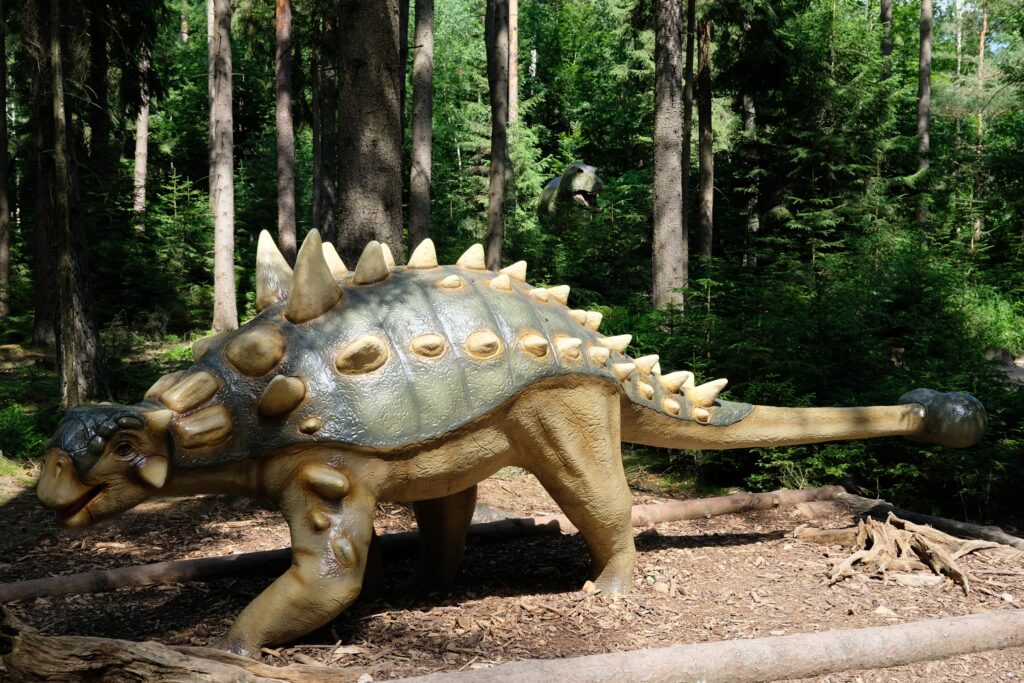
Ankylosaurus: The Walking Tank With a Sledgehammer Tail
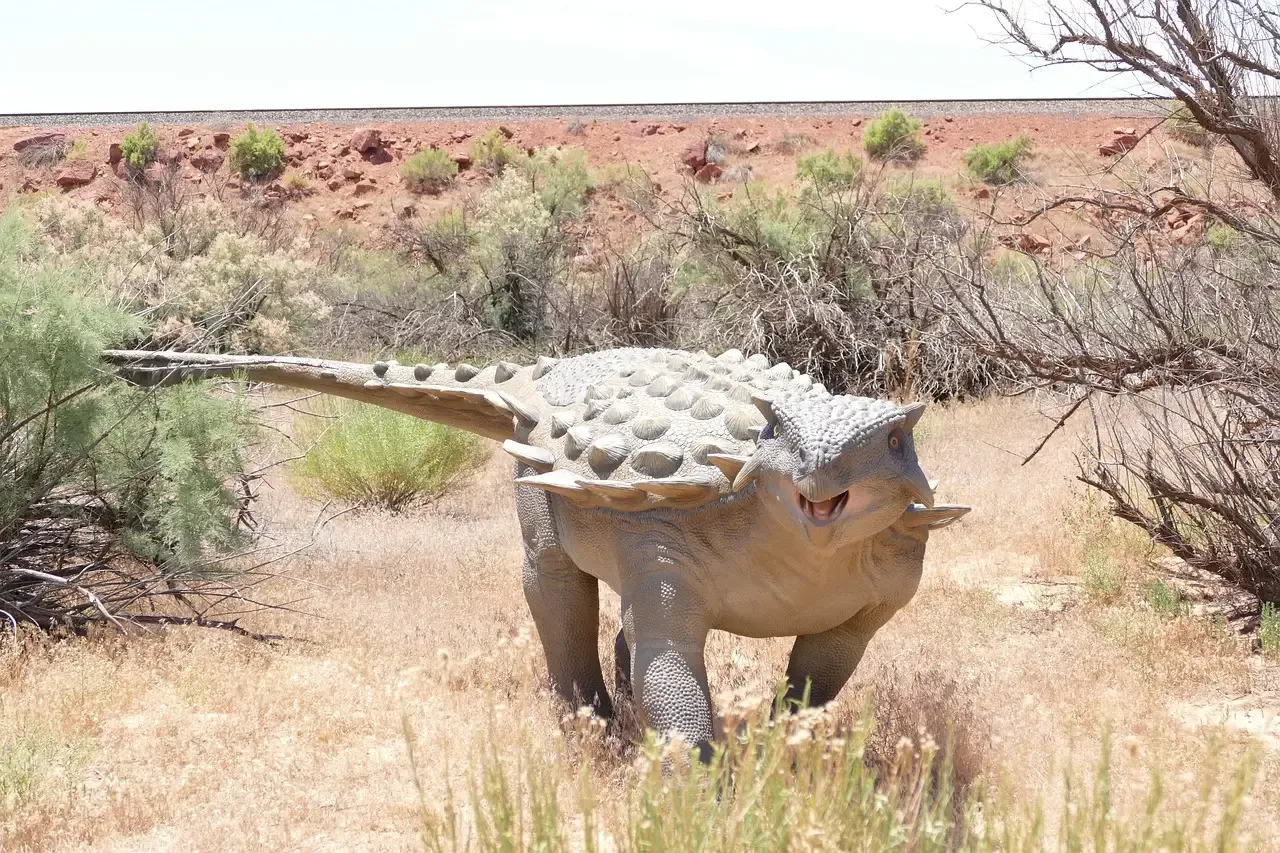
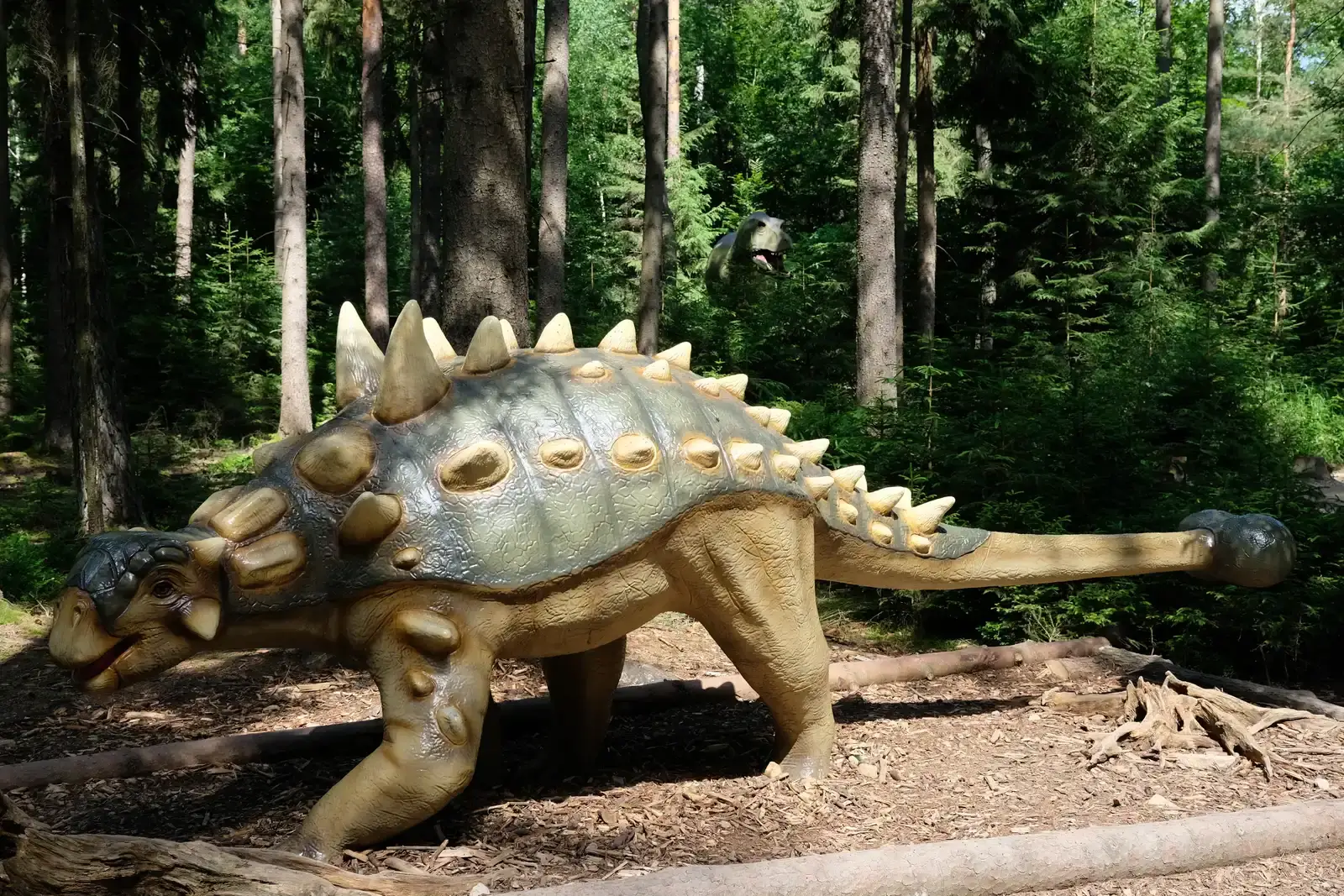
Ankylosaurus is the kind of creature that looks like a child drew a dinosaur and said, “Make it impossible to kill.” Its entire back was covered in thick bony plates called osteoderms, forming a natural shield that acted more like a medieval suit of armor than normal skin. Predators like Tyrannosaurus rex could bite hard, but there is solid evidence that getting through that armor would’ve been a risky and difficult job.
The real star, though, is that massive tail club: fused vertebrae wrapped in heavy bone that turned the tail into a literal sledgehammer. Biomechanical studies suggest a strong enough swing could break bones, maybe even crack the legs of a charging predator. I always imagine Ankylosaurus like a heavily armored car with a wrecking ball welded to the bumper – slow, maybe, but you really don’t want to ram it.
Stegosaurus: Brain Smear, Monster Spikes, Serious Business
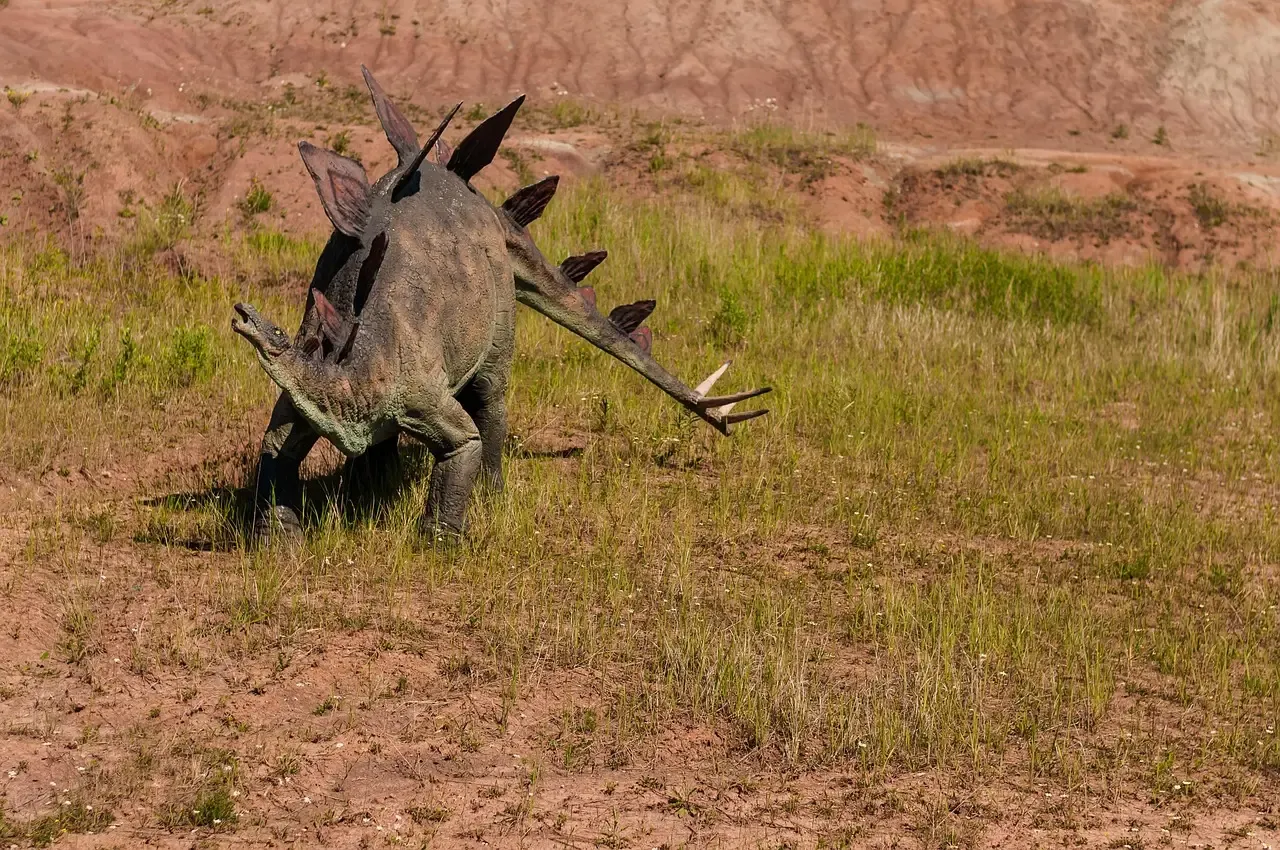
Stegosaurus is often mocked for having a small brain, but its defenses were anything but laughable. Those tall plates running down its back likely offered some protection, but the true killing tools were the tail spikes, often called the thagomizer. These spikes, sometimes nearly as long as an adult’s arm, could be swung with enough force to puncture deep into flesh.
Fossil evidence even shows healed injuries on large predators that match the size and shape of Stegosaurus spikes, suggesting it sometimes scored brutal hits. A slow, plant-eating animal without fangs or speed sounds like an easy target – until you remember it carried a rotating spear rack behind it. If a predator misjudged that tail by a meter, the punishment could be fatal.
Triceratops: Horned Fortress With a Living Shield
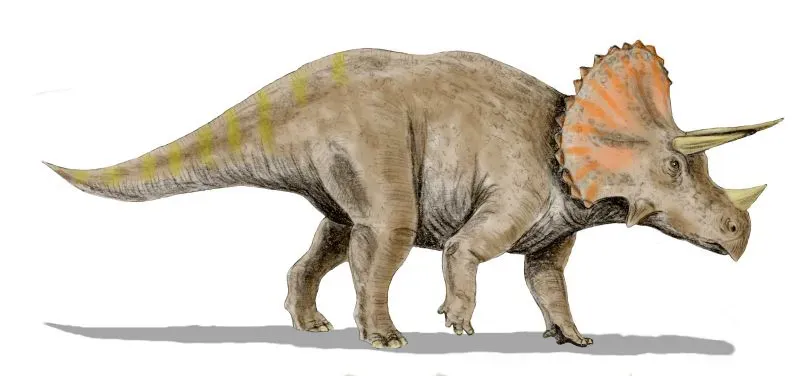
Triceratops is one of those dinosaurs that looks defensive even in children’s drawings – and the reality was just as intense. It had three solid horns made of bone covered by a hard keratin sheath, similar to modern horns, which could deliver powerful thrusts. The huge bony frill at the back of the skull may have helped protect the neck and shoulders, shielding critical areas from bites and claws.
Skull fossils show healed punctures that line up suspiciously well with the shape of Tyrannosaurus teeth, meaning Triceratops likely survived some terrifying attacks. I see it as the prehistoric version of a rugby player behind a riot shield: built for collisions and not easily pushed around. It was a herbivore, sure – but one that probably made many predators think twice about whether the risk matched the reward.
Stethacanthus: The Shark With a Floating Anvil on Its Back
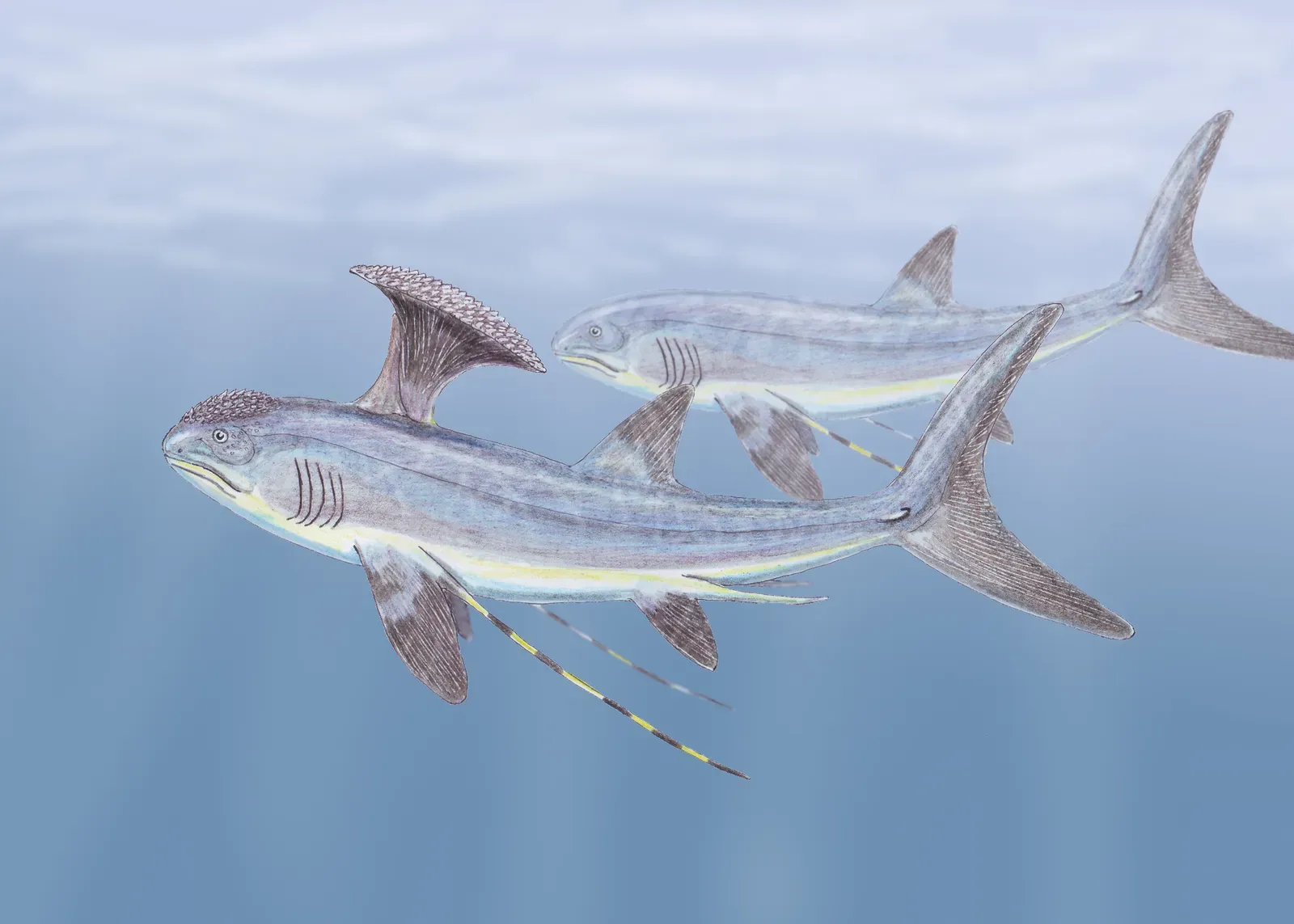
Stethacanthus was a bizarre Paleozoic shark relative that looked like evolution had a glitch halfway through design. On the backs of males sat a large, flat, brush-like structure that resembled a small anvil or ironing board covered in tiny tooth-like scales. Scientists are still debating its main purpose, but one strong idea is that it worked as a form of visual defense or intimidation, making the shark look much larger or stranger to potential attackers.
Instead of relying solely on teeth and speed, Stethacanthus might have used this odd display to confuse predators or rivals in murky waters. Think of it as a floating billboard that said, “I’m not worth messing with, and also, what even am I?” In nature, looking too weird or too risky can sometimes work just as well as armor.
Dunkleosteus: Armored Jaws That Turned Offense Into Defense
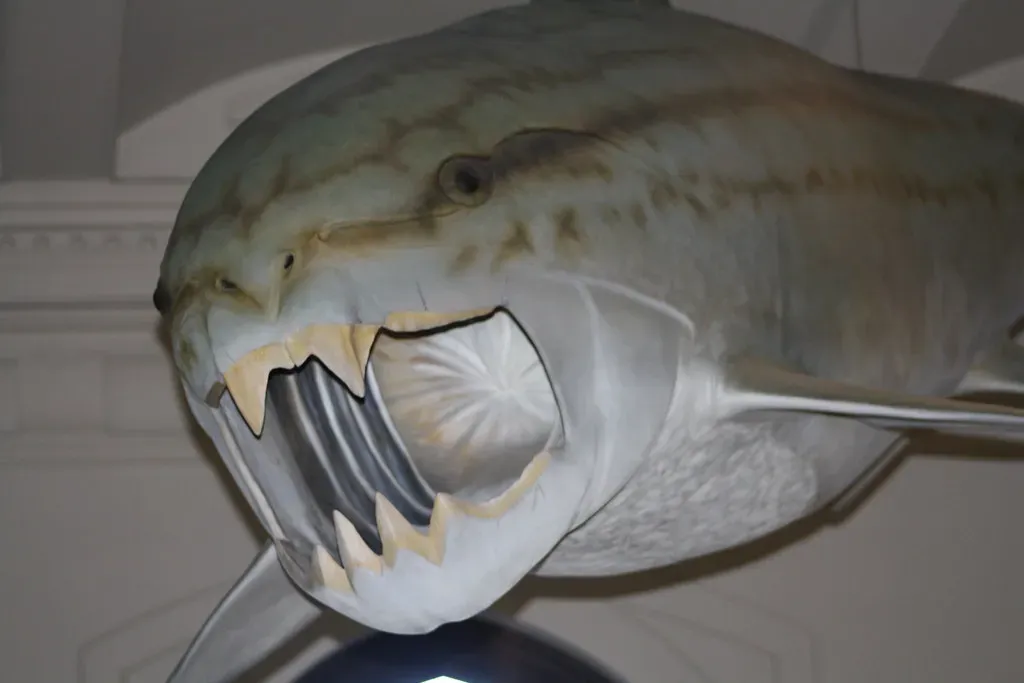
Dunkleosteus was a gigantic armored fish from the Devonian seas, and its best defense was simply being a nightmare to attack. The head and front of the body were encased in thick bony plates, forming a kind of natural helmet that shielded vital areas. Even if another large predator managed to get a bite in, it would likely hit that armor instead of soft tissue.
Its jaws were not lined with ordinary teeth but with sharp bony plates acting like self-sharpening blades, capable of exerting enormous bite force. This level of offensive power doubled as an indirect defense: very few animals would risk a close-up confrontation with something that could slice them open in a heartbeat. In many ecosystems, being the apex predator is itself one of the strongest “defenses” you can have.
Anomalocaris: Alien-Looking Armor and Distance Defense
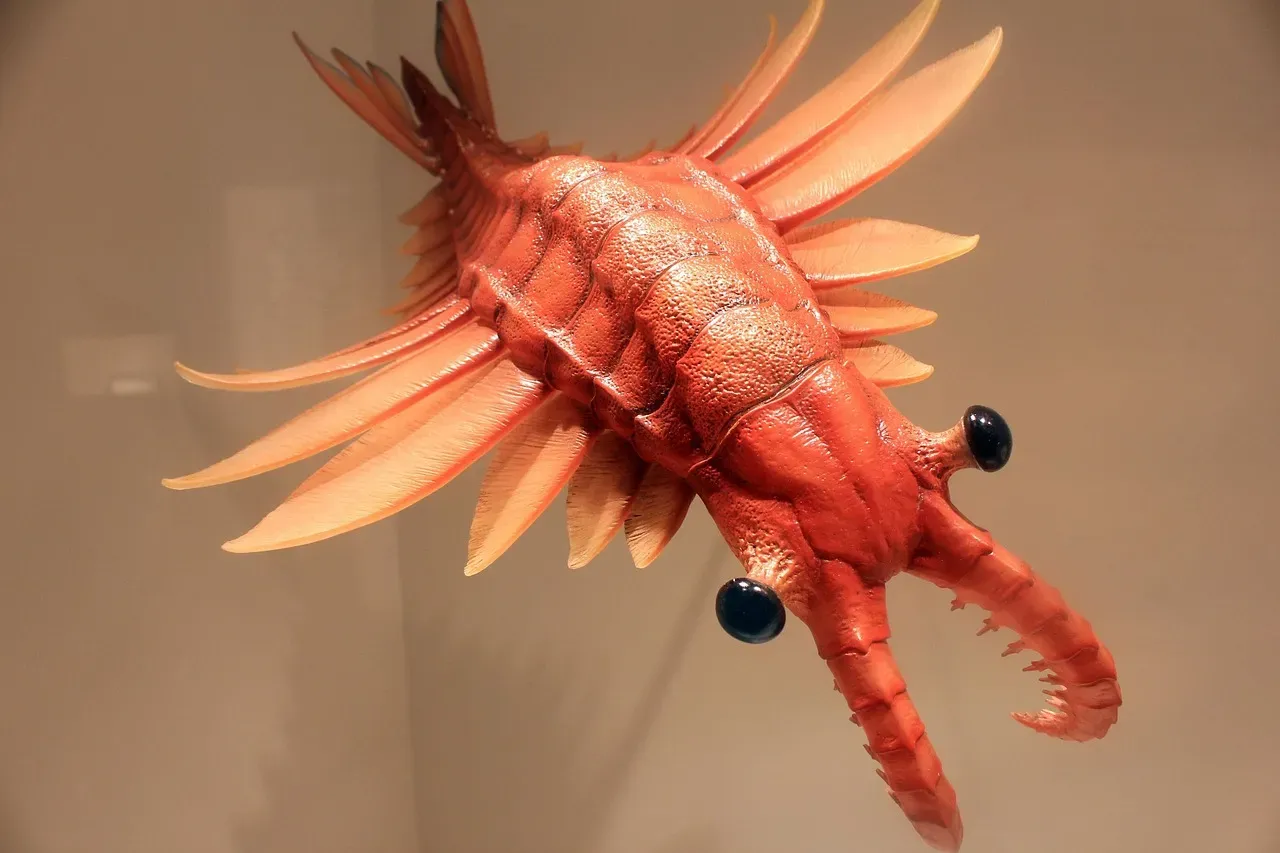
Anomalocaris, from the Cambrian seas, looked like a mix between a shrimp, a manta ray, and something from a sci-fi concept sketch. Its body was covered in hardened segments that offered protection while still allowing it to swim with surprising agility. Large, flaring lobes along the sides created a broad, flat shape that likely made it harder for would-be attackers to get a clean grip.
On top of that, its big forward appendages and powerful mouth let it keep threats at arm’s length – literally. Rather than waiting to be attacked, Anomalocaris could grab, crush, or scare off smaller competitors before they became a problem. It is a good reminder that sometimes the line between offense and defense in evolution is blurry: dominating your space can keep danger away in the first place.
Pteraspidomorphs: Prehistoric Fish Wearing Built-In Helmets
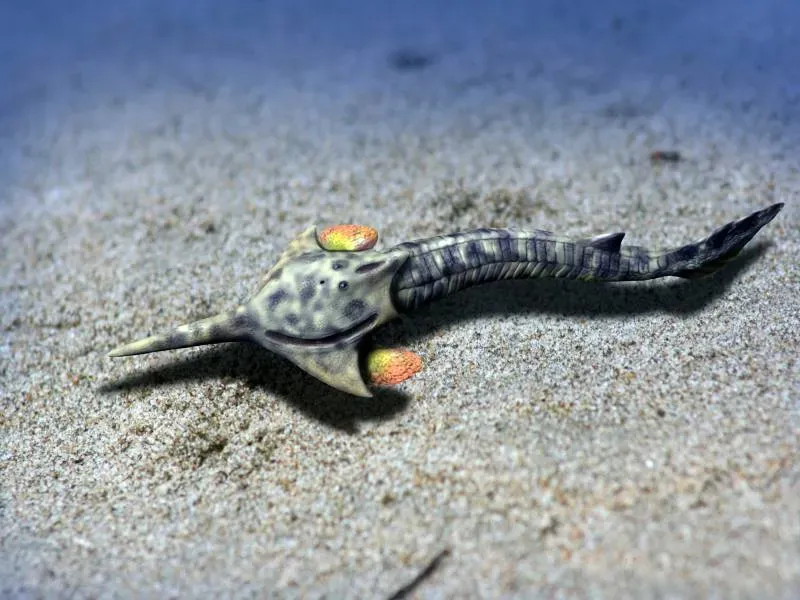
Some of the earliest jawless fish, known as pteraspidomorphs, looked like someone glued a fish tail to the back of a shield. Their heads and front bodies were locked inside heavy bony armor, forming a shell that guarded them from the bite-and-crush attacks of larger predators. This made them less agile, but it turned the most vulnerable parts of their bodies into a hard target.
In fast-moving ancient rivers and seas, that thick armor was basically the prehistoric version of a motorcycle helmet. You might not win any speed races, but you were much more likely to survive a collision. To me, these little armored swimmers show that evolution was experimenting with “turtle logic” long before turtles even existed: trade quick escapes for reliable protection and hope the predators get tired first.
Glyptodon: The Giant Armadillo With a Shield You Could Stand On
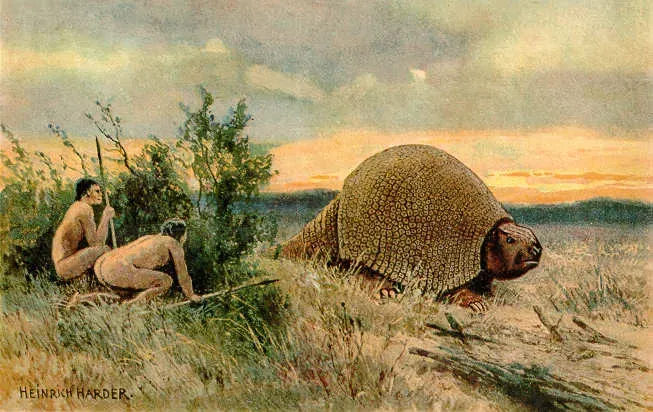
Jumping ahead to Ice Age South America, Glyptodon took the armadillo concept and turned it into something closer to a small car. Its back was covered by a rigid dome of fused bony plates, forming a shell so solid that early humans may have used the empty shells as shelter. This armor protected it from big cats and other predators that would have struggled to bite through the thick outer layer.
Many species also had heavy, sometimes spiked tails that could deliver punishing blows. While not as precisely shaped as an Ankylosaurus tail club, the impact alone from something that size would have been dangerous. I always picture a predator standing next to Glyptodon like someone sizing up a parked van, wondering if there is a realistic way to get through that metal without wrecking its own teeth.
Doedicurus: Ice Age Mace-Wielder on Four Legs
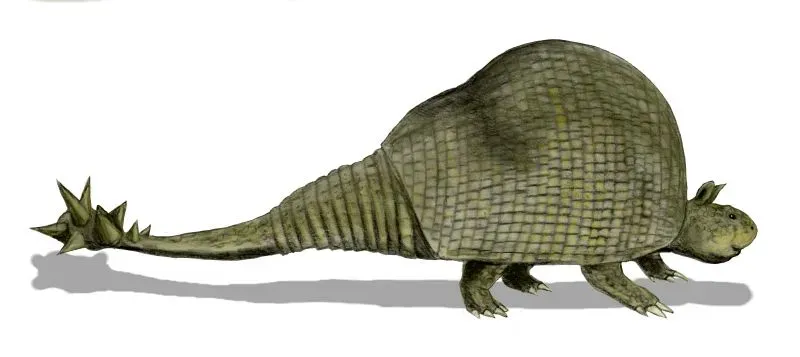
Doedicurus was another giant armored mammal, related to armadillos, but its main calling card was a massive, ball-like tail club. This club, reinforced with thick bone and sometimes studded with spikes, could be swung side to side like a medieval weapon. If a predator attacked from behind – normally the safest angle – it risked taking a full-force blow to the legs or ribs.
The rest of its body was also armored with bony plates, making it extremely hard to injure quickly. That combination of shell and club turned Doedicurus into a kind of living siege engine: very hard to break, but more than capable of dishing out serious damage if provoked. As defenses go, it is overkill in the best possible way.
Euoplocephalus: Multi-Layered Defense in a Compact Package
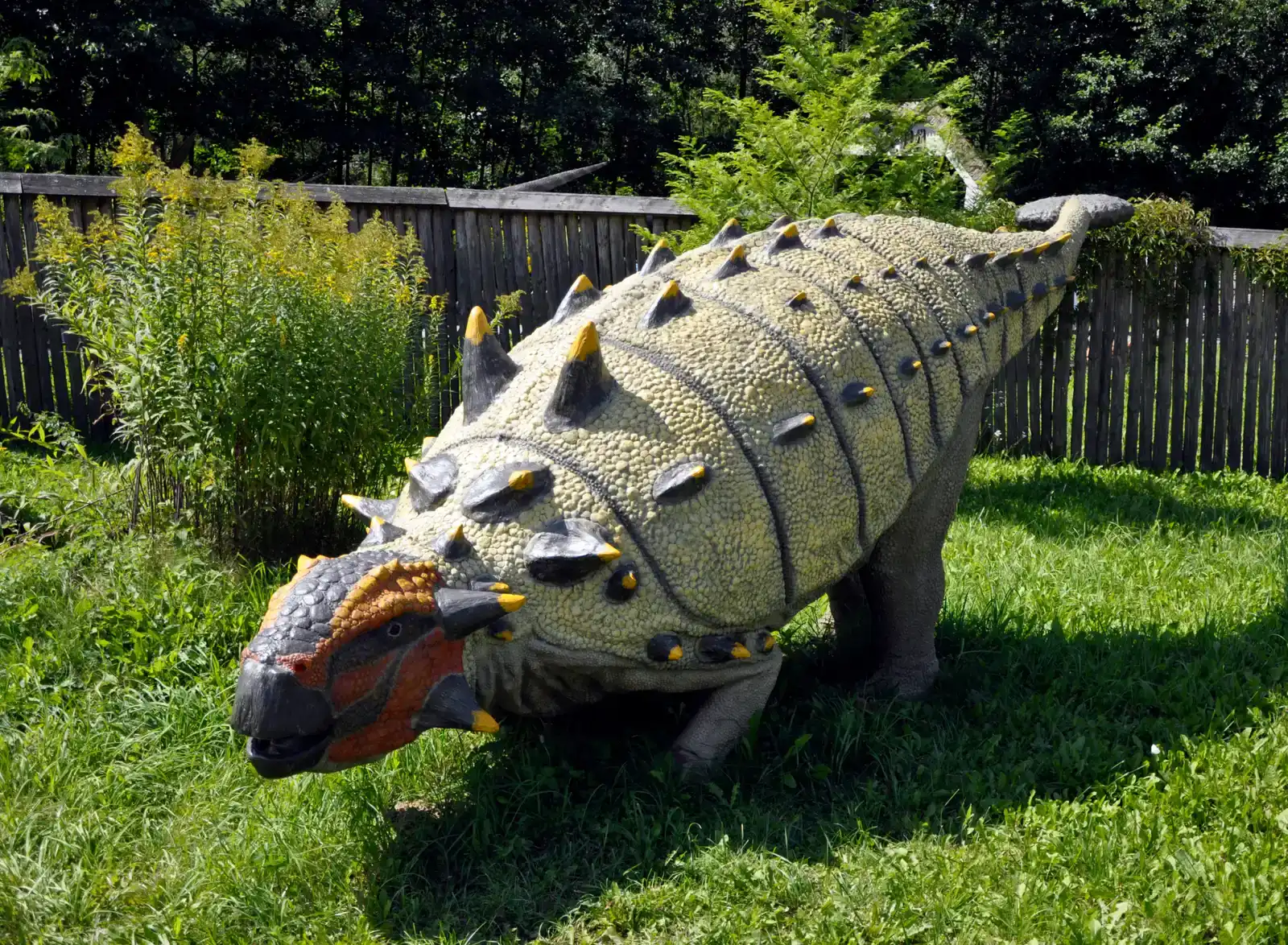
Euoplocephalus was a smaller cousin of Ankylosaurus, but it packed an impressive set of defensive features into a more compact frame. Its body and even parts of its face were covered in interlocking bony plates and knobs, giving it a studded, tank-like look. Its eyelids may even have had tiny bits of bone embedded in them, protecting some of the most vulnerable tissue on the body.
Like Ankylosaurus, it also carried a heavy tail club that could be swung at attackers aiming for the rear. This multi-layered approach – armor everywhere, weapon at the back – meant that nearly every angle of attack carried heavy risks for a predator. I think of Euoplocephalus as the prehistoric equivalent of a compact SUV covered in reinforced steel: smaller than the biggest tank on the road, but still something you would never want to rear-end.
Conclusion: When Survival Turns Bodies Into Battlefields
Looking at these ten prehistoric animals, it is hard not to feel a kind of awe at just how inventive evolution can be when survival is on the line. Nature did not just slap armor on everything; it experimented with clubs, spikes, helmets, bizarre displays, and even raw intimidation. Each of these creatures represents a different answer to the same brutal question: how do you stay alive when the world is full of teeth and claws?
Personally, I think the most striking thing is how often defense and offense merge – tail clubs that defend by breaking legs, armor that lets an animal stand its ground and fight back, strange shapes that scare trouble away before it starts. These animals were not just victims hiding behind shields; they were active players in an ancient arms race that shaped entire ecosystems. It makes you wonder: in a world this creative and ruthless, which of these extraordinary defenses would you want on your side?