
Scroll through social media for five minutes and it’s easy to feel like everything important is happening right now. Wars, elections, new gadgets, celebrity drama – it all feels huge and urgent. But zoom out to the full age of the universe, and our entire species – never mind civilization – looks like a last‑second plot twist in a movie that has been running for billions of years.
Deep time is almost impossible to feel in your gut. Our brains evolved to care about seasons, not eons. Yet once you start lining up real numbers – the age of Earth, the span of the dinosaurs, the length of human history – something shifts. You realize we didn’t just arrive late to the party; we showed up as the lights were being turned off.
1. If Earth’s History Were a Single Day, Humans Show Up in the Last Few Seconds
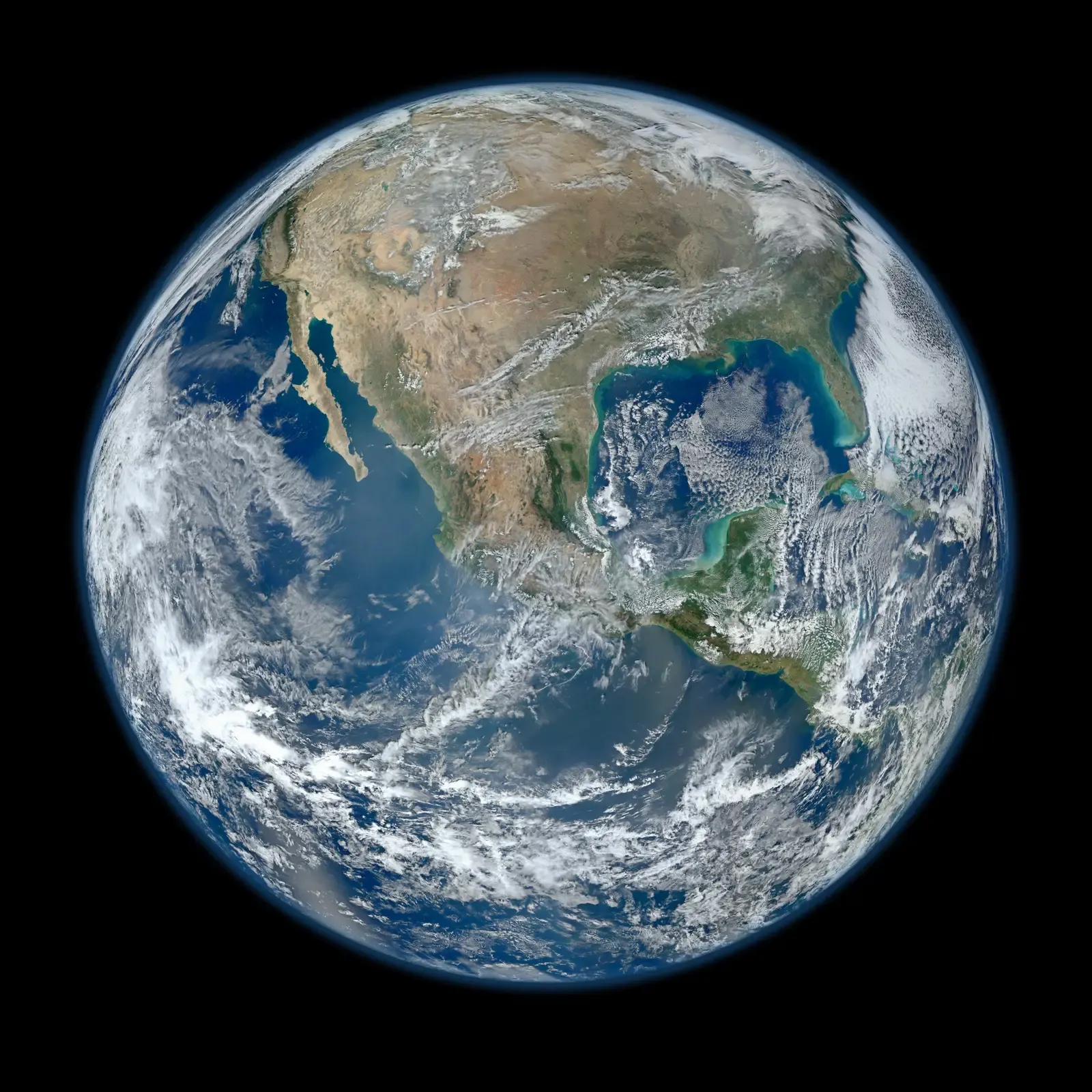
Here’s a wild way to think about time: imagine the entire 4.5‑billion‑year history of Earth compressed into just 24 hours. On that clock, each hour is roughly two hundred million years, which is longer than the time separating humans from the earliest dinosaurs. The planet forms just after midnight, the first oceans and rocks appear in the early morning, and early life shows up before breakfast.
Now place humans on that same clock. The first Homo sapiens appear around 300,000 years ago. On a 24‑hour Earth clock, that is not even one full second before midnight. Agriculture, cities, writing, and everything we call “history” would fit into a thin slice of a fraction of that second. Your entire lifetime is basically the tiniest flicker on the screen, and all our skyscrapers and space launches are like the brief flash when you turn a phone on and it immediately dies.
2. The Universe Is So Old That Most Stars Were Born Before Earth Even Existed
The universe is roughly thirteen and a half billion years old, while Earth is only about four and a half billion. That means our planet showed up when the universe was already well into middle age. For nearly two thirds of cosmic history, there was no Earth, no Sun, and obviously no humans. Most of the stars you see in the night sky belong to a generation of star formation that was already winding down by the time our solar system formed.
To put it another way, galaxies had been colliding, stars had been living and dying, and planets had been forming and freezing for billions of years before our planet was even an idea in the cosmos. Civilization, which is only several thousand years old, occupies such a thin slice of that span that it barely registers. We’re like a late‑season cameo in a show that has been running for more than a dozen seasons before we even appear on screen.
3. Dinosaurs Ruled the Earth for a Hundred Times Longer Than Humans Have Existed
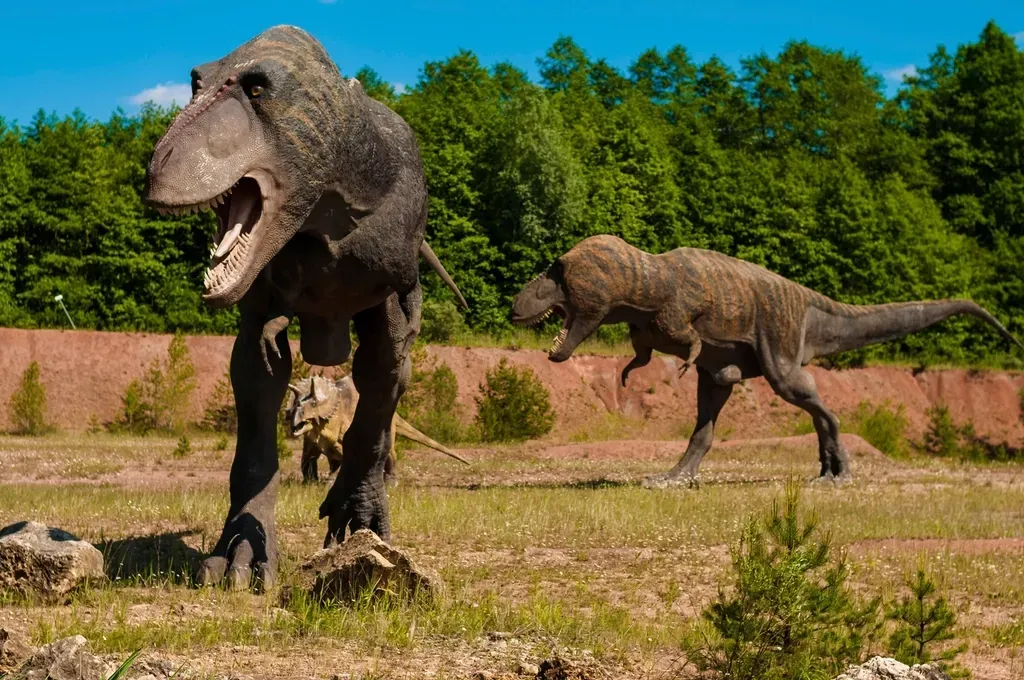
Humans sometimes talk and act like we’re the main event in Earth’s story, but the dinosaurs would probably roll their eyes at that. They dominated the planet for well over one hundred and fifty million years. By comparison, anatomically modern humans have existed for only a few hundred thousand years, and the whole of recorded history is just a few thousand. If you do the rough math, dinosaurs had an empire at least a hundred times longer than all of human existence so far.
Imagine a world where your entire civilization rises and falls, and that cycle repeats not once, but potentially hundreds of times, and you still would not match the reign of the dinosaurs. They were around through massive climate shifts, drifting continents, and changing oceans, while we panic over a few decades of temperature records and sea‑level changes. That does not mean our worries are trivial; it means we’re fragile newcomers trying to stand on legs that, in geological terms, only just grew in.
4. Complex Life Spent Most of Its Time in the Ocean Before Anything Walked on Land
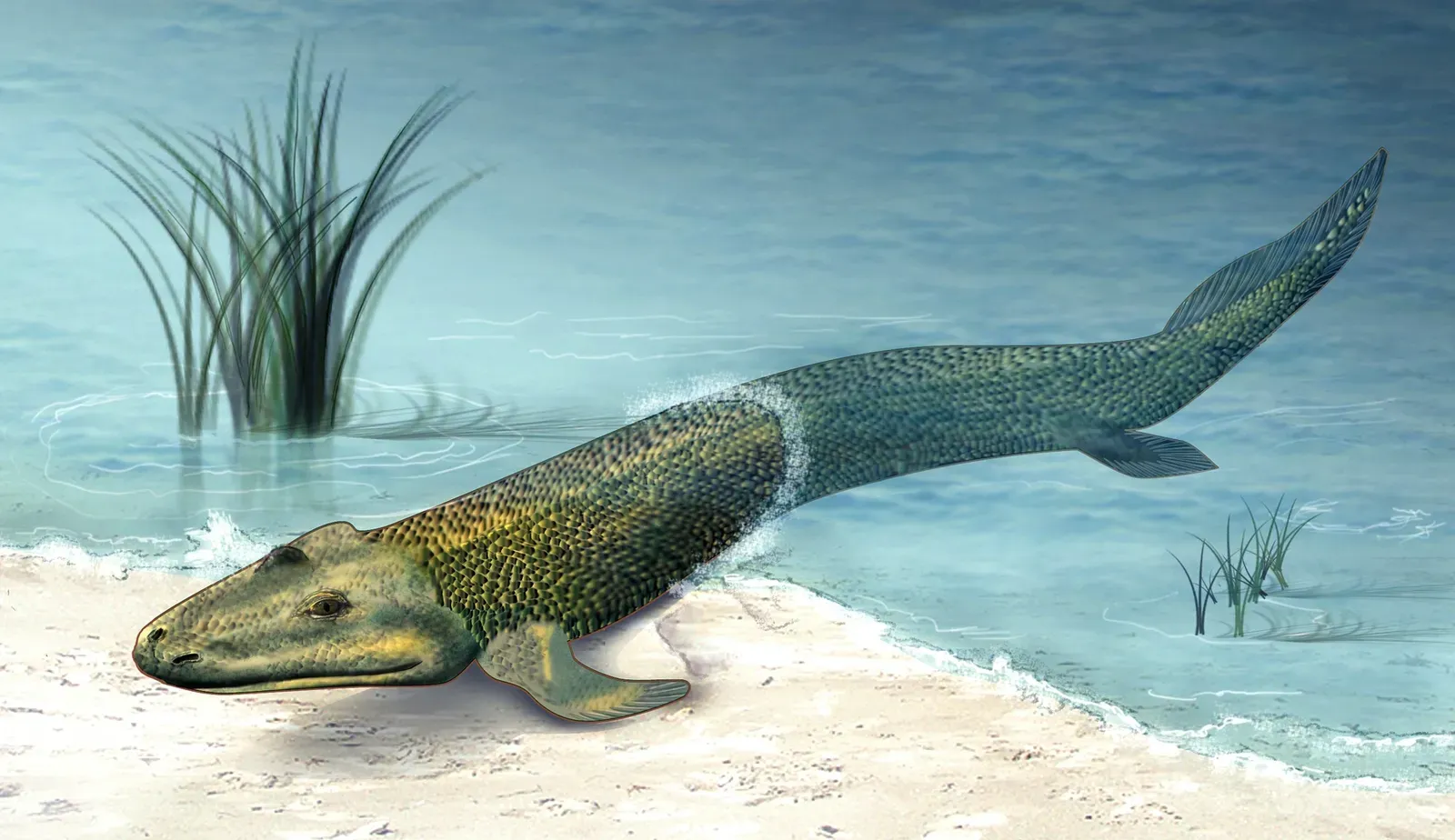
When people picture the history of life, they often jump straight from some vague single‑celled goo to dinosaurs roaming a lush jungle. The truth is slower and stranger. Life started in the oceans and stayed there, in mostly simple forms, for billions of years. Multicellular life – the kind that can grow into plants and animals – is a relatively recent development, and even then it remained underwater for ages before anything crawled onto land.
Land ecosystems with trees, insects, and large animals are latecomers in the biological story, and human civilization is a latecomer among latecomers. The first cities appear only in the last microscopic sliver of this saga. Picture a thick library of ocean chapters, full of weird creatures and silent evolutionary experiments, and then a very thin final page where land life and human history are jammed together. We think the land is the main stage only because that last page is where we show up.
5. For Most of Earth’s History, There Was No Oxygen to Breathe
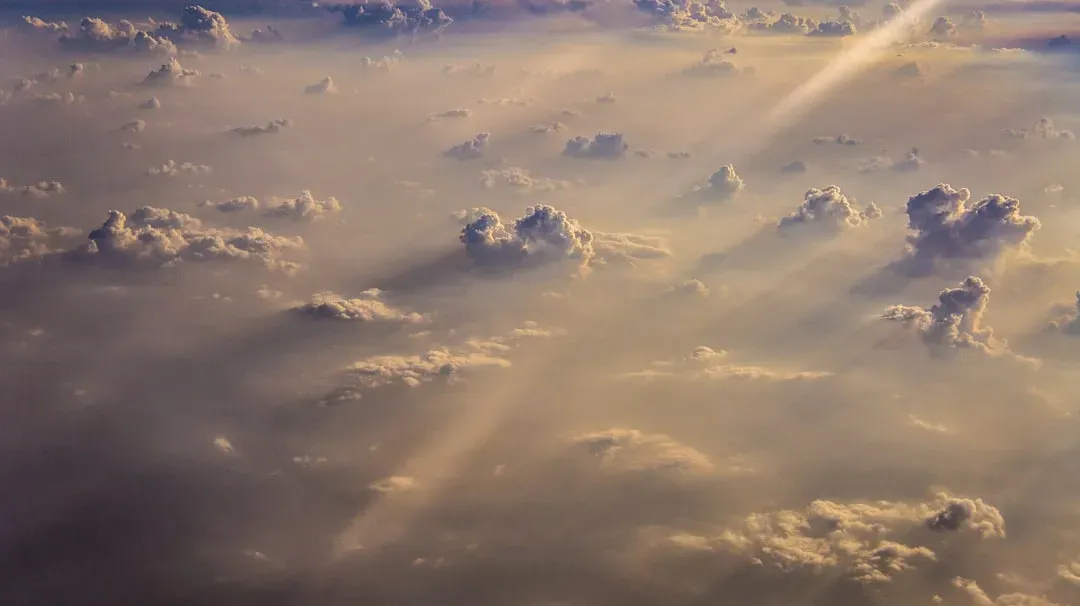
We treat oxygen as a basic feature of Earth, like gravity or sunshine, but it is actually a radical innovation. For a huge portion of the planet’s history, the atmosphere had little to no oxygen. Early microbes slowly learned to harness sunlight through photosynthesis, and over an extremely long time they flooded the atmosphere with oxygen, completely transforming the chemistry of the planet. That shift was so dramatic it likely wiped out many of the organisms that had thrived in the old conditions.
The oxygen‑rich world we take for granted – where you can jog, light a campfire, or run factories – is a relatively recent layer on top of a much older, suffocating Earth. Human lungs, complex animals, and open flames rely on that younger atmosphere. Civilization depends not only on this thin slice of time, but on this chemically fragile version of the planet. In deep‑time terms, it is like we moved into a brand‑new renovation of a house that had been under construction for billions of years and immediately started rearranging the walls.
6. Modern Humans Almost Overlap in Time With Mammoths and Other Ice Age Giants
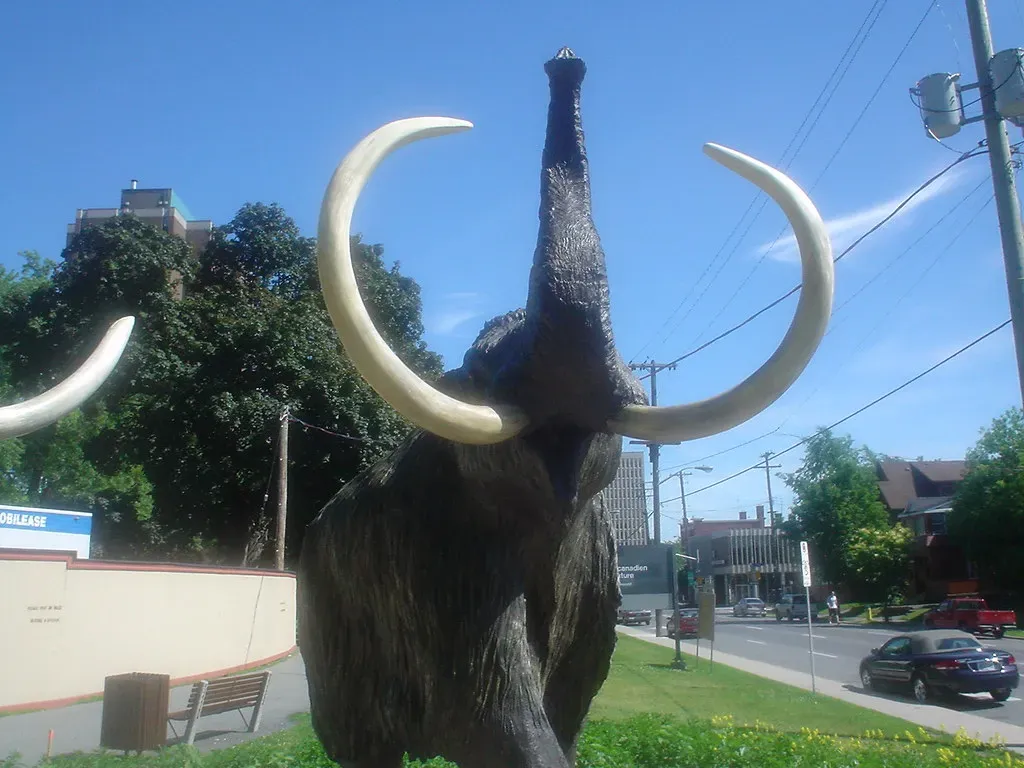
Deep time is not only about vast distances in the past; sometimes it brushes right up against us in unsettling ways. Woolly mammoths, for example, did not vanish in some unimaginably distant age. Small populations were still roaming isolated islands while humans were already building some of the earliest civilizations. When you look at the full timeline of Earth, humans and mammoths almost stand shoulder to shoulder near the very end of the line.
This overlap drives home how compressed our slice of time really is. The distance from us to the last mammoths is tiny compared with the span from those mammoths back to the first dinosaurs, and that jump again is tiny compared with the age of Earth itself. We like to divide history into “prehistoric” and “modern,” as if there was some clean break. In reality, we live stacked on top of countless lost worlds, and some of them touched us so recently that our myths and cave paintings may still remember their shadows.
7. Written History Is a Blink Compared With the Age of Our Species
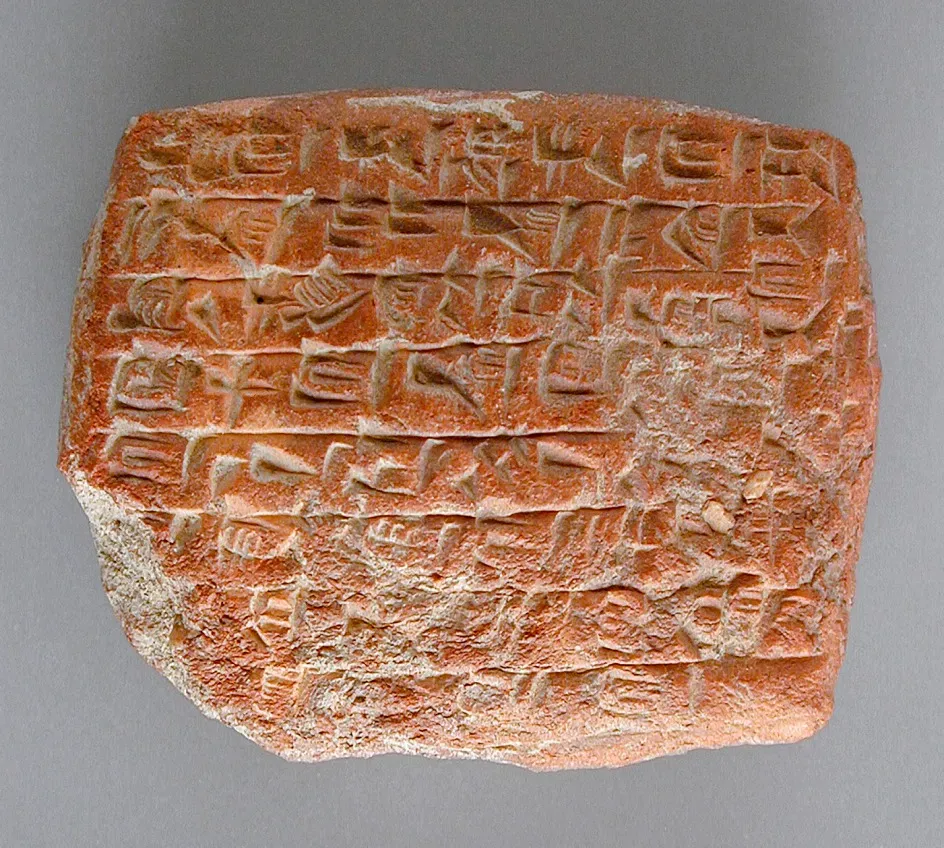
Here is a humbling thought: humans have probably been telling stories for tens of thousands of years, but we have only been writing them down for a tiny fraction of that time. Writing systems appear several thousand years ago, depending on the region, which means the entire written record of wars, religions, empires, science, and literature fits into a very narrow slice at the far end of the human timeline. Most of the time that humans have existed, every memory and lesson was carried only in brains and spoken words.
When people say something is “ancient history,” they usually mean a few thousand years ago. On the scale of our species, that is like calling yesterday’s messages “ancient texts.” On the scale of Earth or the universe, it is even more absurd. The vast majority of human experiences have vanished without a trace, and the vast majority of Earth’s and the universe’s stories passed by before a single sentence was ever scratched into clay. Our entire written civilization is more like a short postscript than a full chapter in the book of reality.
8. All of Human Civilization Fits Inside One Mild Interglacial Warm Spell
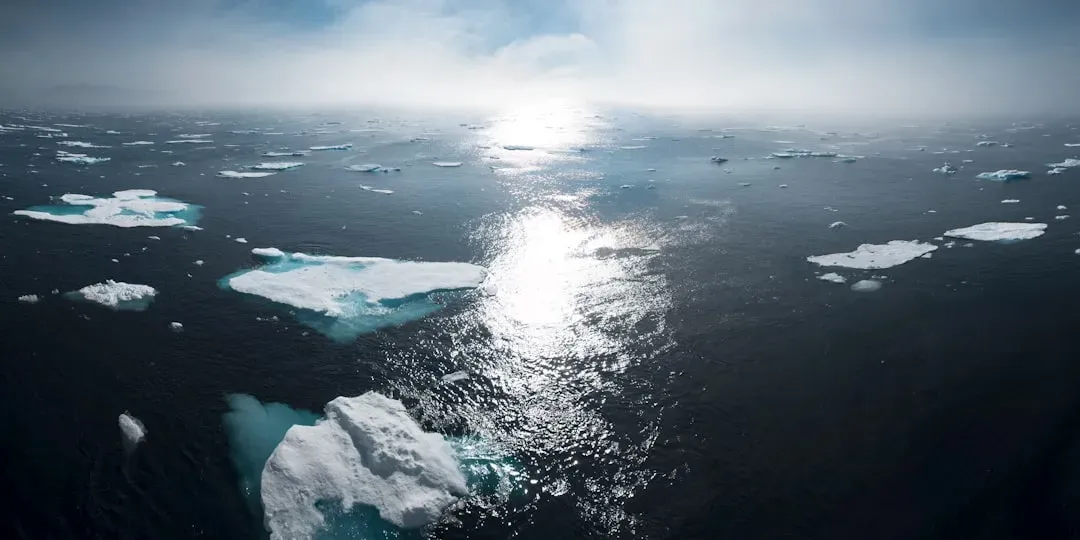
Here is the part that makes our timeline feel not just short, but precarious. Earth naturally cycles through ice ages and warmer interglacial periods, driven by subtle shifts in its orbit and tilt. The last major ice age ended roughly about twelve thousand years ago, and it is during this unusually stable and mild climate window that agriculture, cities, and modern civilization exploded. In other words, everything from the first farms to smartphones unfolded during a single relatively calm warm spell wedged between glacial extremes.
That perspective changes how you look at climate and stability. We like to assume the gentle conditions we inherited are normal and permanent, but they are more like a lucky weather break in a long, stormy season of deep‑time climate swings. Civilizations have risen in what amounts to a brief, unusually quiet afternoon in Earth’s climatic day. The fact that we are now aggressively altering that delicate system with fossil fuels and land changes is not just risky; it is like remodeling the house during the one calm hour in a year‑long hurricane cycle and hoping the walls stay up.
Conclusion: We Are Newcomers With Outsized Power
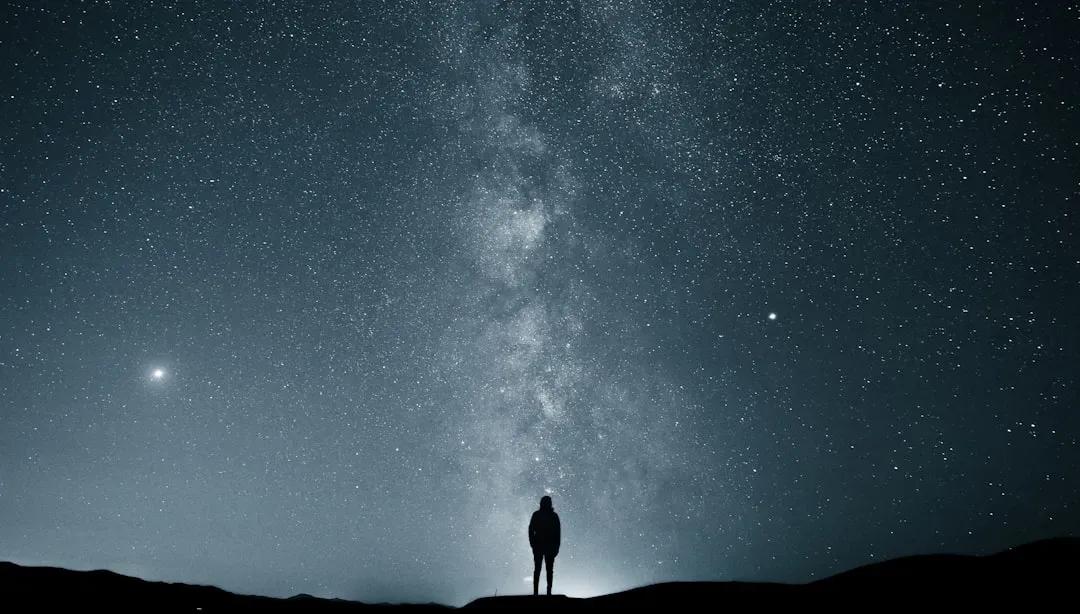
When you stack human civilization against billions of years of cosmic and geological history, the conclusion is brutal and oddly freeing: we are incredibly late, shockingly brief, and yet absurdly powerful for our age. Civilizations have barely had time to blink, and we already wield tools that can rewrite ecosystems, alter the atmosphere, and send machines beyond the solar system. That mix of youth and influence is both inspiring and dangerous, like handing a teenager the keys to a very old, very fragile museum.
Personally, I find that deep‑time perspective makes our problems feel smaller and bigger at the same time. Smaller, because a lot of what feels urgent today is just noise on an unimaginably long timeline. Bigger, because our actions in this thin sliver might shape what, if anything, comes after us in the next chapters of Earth’s story. We really did arrive yesterday, cosmically speaking – the real question is whether we behave like clueless guests or careful stewards now that we finally realize how late to the party we are.