You know that weird thrill when you revisit a childhood “mind‑blowing” movie and suddenly notice the rubber seams on the monster suit? Prehistoric films from the 1970s and 80s are ground zero for that experience. Back then, stop‑motion dinosaurs, rubbery pterodactyls and lava‑red studio skies could genuinely terrify a Saturday‑matinee crowd; now they mostly trigger belly laughs and waves of nostalgia. What makes these films fascinating is not just the dated effects but what they reveal about an era that was trying very hard to be serious and spectacular with very limited tools. The gap between intention and outcome is often enormous: sweeping adventure scores over men in shaggy wigs, plastic bones spray‑painted brown, and “ancient” societies that look suspiciously like stuntmen in foam armor. Let’s dive into ten movies that once aimed for awe and suspense in the age of dinosaurs and cavemen, and that today feel like glorious, prehistoric camp.
The Land That Time Forgot (1974)
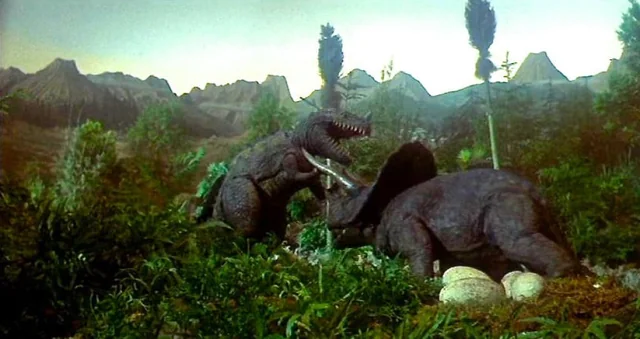
At the time, this British adaptation of an Edgar Rice Burroughs story delivered exactly what young audiences craved: U‑boats, lost continents and lurking dinosaurs sharing the screen with stiff‑upper‑lip adventurers. For a mid‑1970s matinee, the combination of World War I submarine warfare and primeval monsters felt surprisingly ambitious, and contemporary reviewers even described it as genuinely exciting for kids raised on more modest creature features. The model work, jungle sets and foggy vistas once sold the illusion that you really had slipped through a crack in geological time. Watch it now, though, and the seams are almost spectacular. The dinosaurs look like oversized hand puppets wobbling on hastily built sets, with jerky movements and expressions that seem more sleepy than savage. Shot compositions that once built tension now linger a little too long on rubber skin and wobbly teeth, and the actors’ deadly earnest reactions to clearly artificial creatures have become unintentionally comic. It is still a charming film, but the thrills have fossilized into a kind of cinematic museum exhibit of what “epic” once looked like on a modest budget.
The People That Time Forgot (1977)
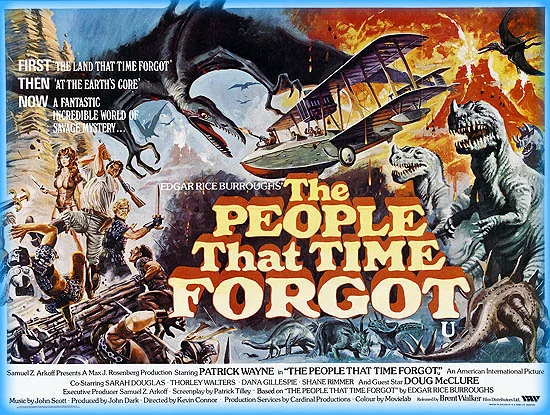
The sequel tried to go bigger: more tribes, more monsters, more pulp‑style adventure, as a rescue expedition returns to the hidden land in search of the previous film’s missing hero. In the late 1970s, the promise of new creatures and exotic cultures was enough to fuel genuine anticipation, particularly for young viewers who were still years away from the digital revolutions of later decades. The film leans hard into cliffhangers, lost cities and swashbuckling action, aiming for that breathless, serial‑style thrill. Four or five decades later, it plays like a live‑action comic book whose panels have all been assembled out of foam rubber and leftover costume pieces from other productions. Warriors in fringe leather, helmets that look like repurposed motorcycle gear and stiff dinosaur models undercut the intended menace at almost every turn. The elaborate tribal rituals and solemn villain poses feel more like a costume‑party photo shoot than a terrifying civilization, and the straight‑faced delivery of lines about primitive gods and ancient secrets only adds to the unplanned humor. It is hard not to smile while the movie insists it is deadly serious.
The Last Dinosaur (1977)
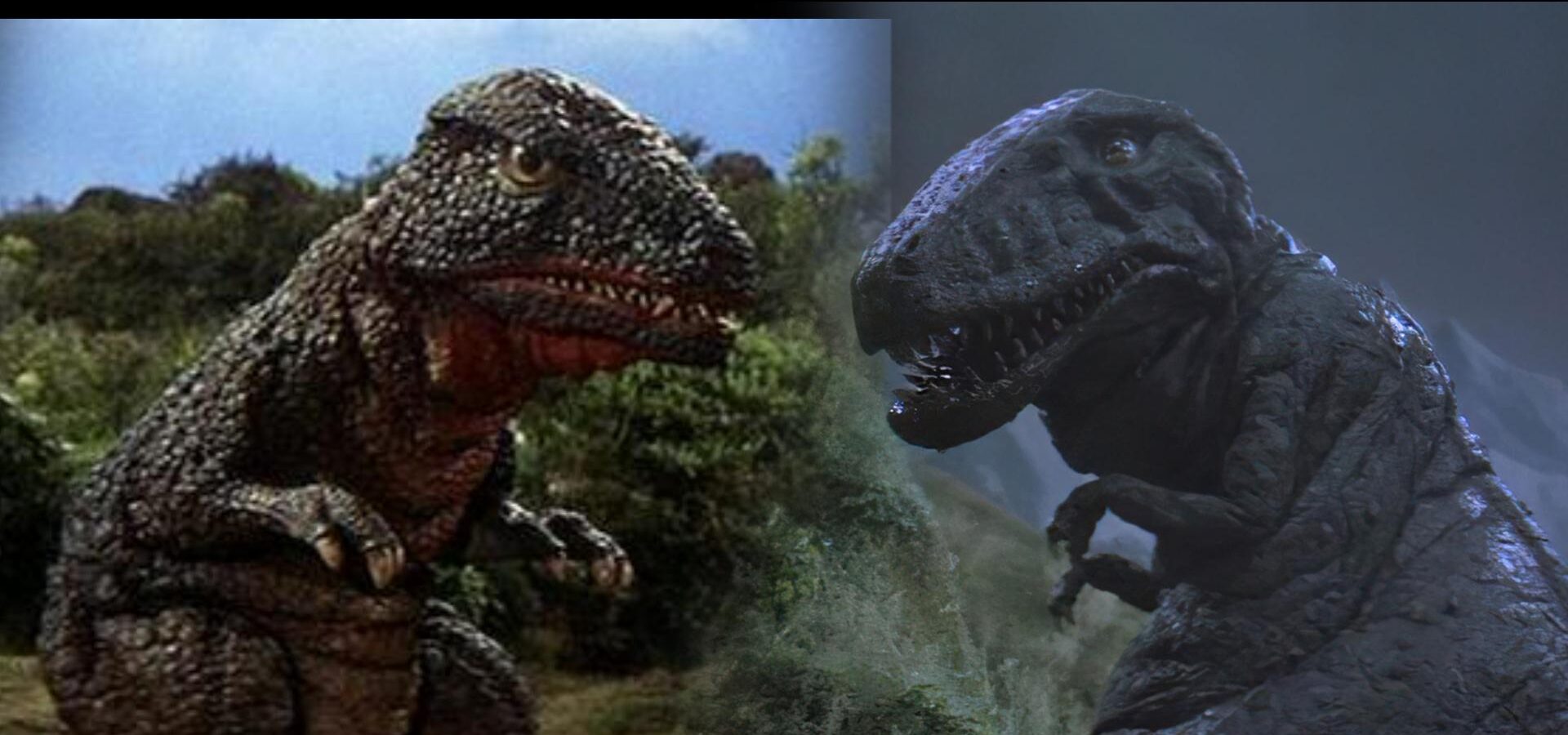
This Japanese–American co‑production once marketed itself as a gritty, almost tragic survival tale about a big‑game hunter pursuing the last living Tyrannosaurus. When it aired in the late 1970s, the concept alone was thrilling: a hardened hunter, a hidden polar valley and one colossal dinosaur left from another age. The film’s climax, which pits man against beast in a final showdown, was meant to carry real emotional weight, even a hint of ecological regret about humanity’s tendency to destroy what it finds. Modern eyes, however, have a hard time getting past the dinosaur suit. The T. rex is fundamentally a man in a rubber costume surrounded by miniature trees, and once you notice the proportions, any intended terror dissolves into amusement. Fight scenes resemble a wrestling match in a theme‑park attraction, with slow tail swings and clearly staged tumbles that break the illusion. The over‑dramatic music and melodramatic human performances only heighten the gap between the film’s self‑image as a grim adventure and its actual identity as a gloriously clumsy monster spectacle.
At the Earth’s Core (1976)
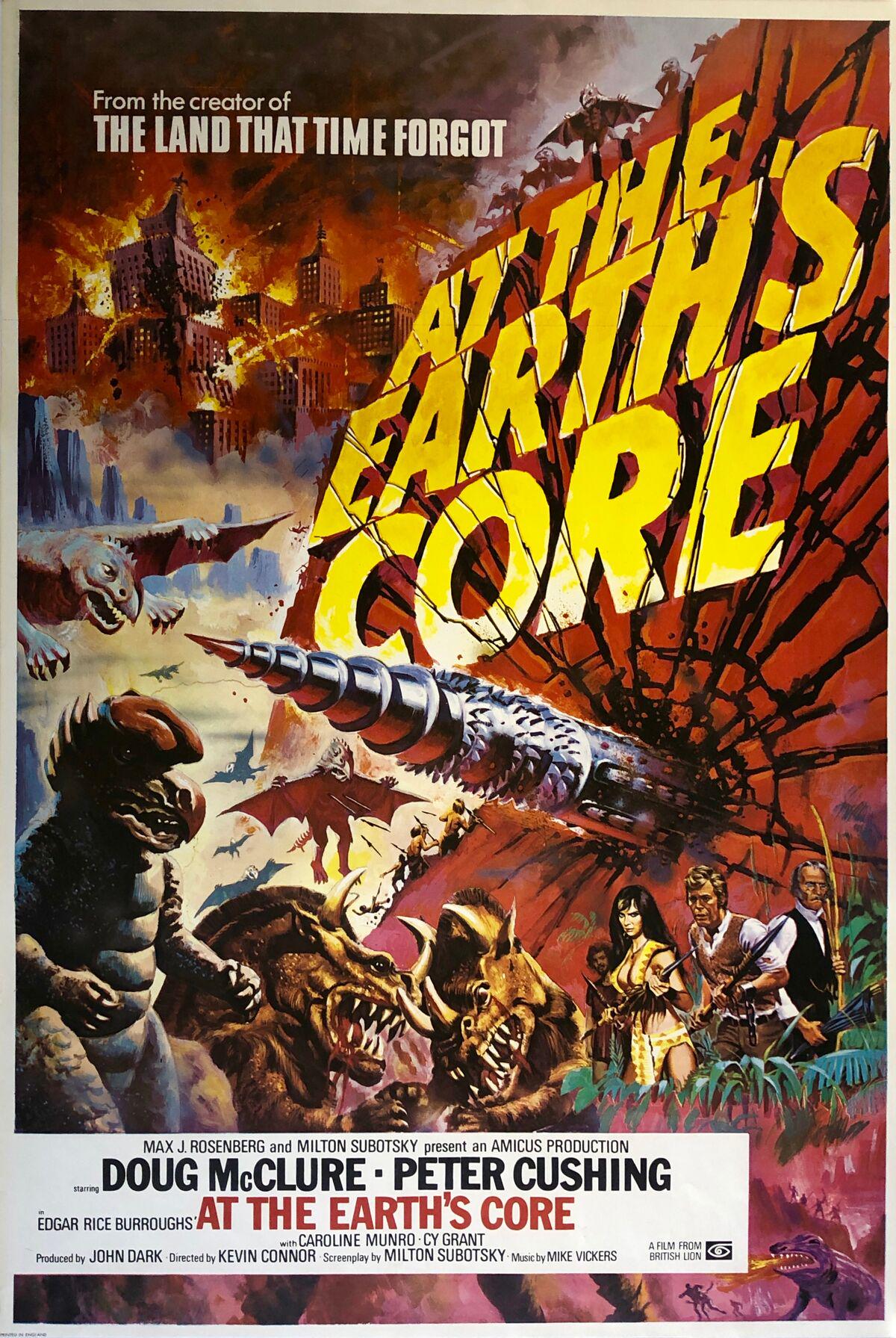
Based on another Burroughs tale, this film sends a Victorian drilling machine down into a subterranean world ruled by telepathic, bird‑like overlords and enslaved humans. In the mid‑1970s, the premise of a hidden inner earth populated by bizarre creatures felt genuinely mind‑bending, and audiences were primed for vivid, psychedelic world‑building. The colorful sets, flaming pits and giant monsters would have seemed like a wild, otherworldly vision compared with more grounded studio dramas. Today, that same color palette and creature design play like someone mixed a stage musical with a rubber monster convention. The towering “Mahal” bird creatures, which once were meant to inspire fear, now look like guys in carnival outfits with stiff wings and oversized heads. The underground jungle plants wobble when touched; lava looks suspiciously like colored lighting on studio smoke. The fact that the actors play it completely straight – heroic speeches, desperate escapes, tortured expressions – turns the entire thing into a camp classic that is almost impossible to take at face value.
Caveman (1981)
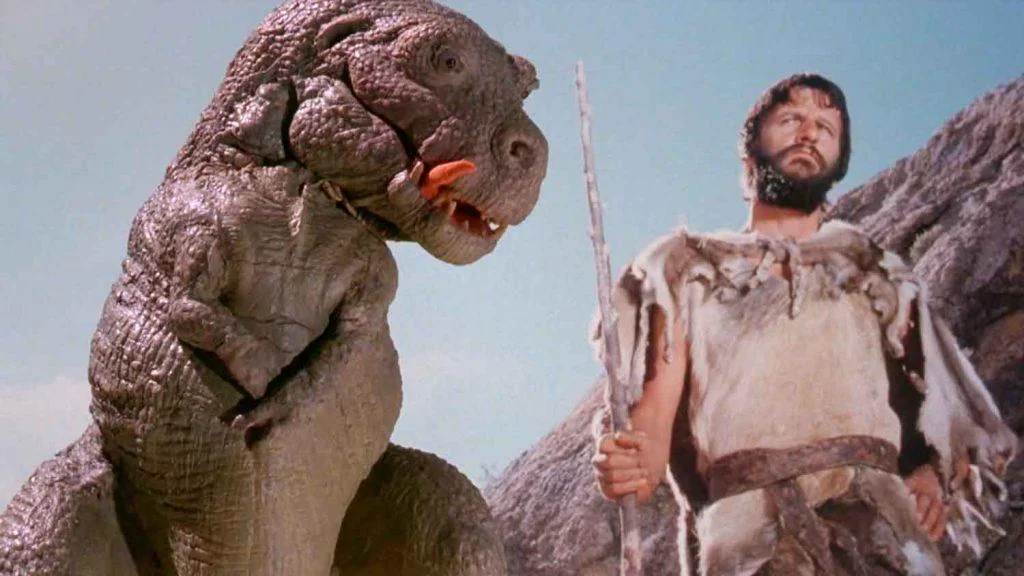
Caveman was always pitched as a broad comedy, not a serious thriller, but it was still marketed as a prehistoric adventure with spectacular dinosaur action for early‑80s audiences. Featuring musicians and rising TV stars in furs, plus stop‑motion dinosaurs animated by respected effects artists, it felt like a big event for viewers who wanted slapstick mixed with primeval hazards. For kids at the time, the combination of goofy cavemen, giant beasts and constant physical danger really did feel wild and even a bit intense. Seen through 2020s eyes, the entire film has drifted into a different category: it is less a functioning comedy and more a time capsule of jokes that somehow escaped from a Stone Age theme park. The made‑up caveman language, endless pratfalls and gags involving dinosaur droppings and drugged tyrannosaurs land very differently in a world raised on faster, sharper humor. The dinosaurs themselves are charmingly handmade, but the way characters bounce off them – literally and figuratively – turns almost every scene into unintentional absurdity. It is impossible not to laugh, though sometimes you are laughing at the film rather than with it.
Quest for Fire (1981)
Unlike most films on this list, Quest for Fire aimed for seriousness and even scientific cred, attempting to depict early Homo sapiens and Neanderthals in a mostly wordless, anthropological way. When it was released, critics praised its ambition and rawness: stark landscapes, brutal conflicts and a central quest that framed fire as the single most precious technology in existence. The elaborate makeup, body language and invented proto‑language all contributed to a feeling of daring realism at the time. With the distance of decades, certain moments that once seemed intense now come across as oddly theatrical, almost like avant‑garde pantomime. The exaggerated grunts, ritual dances and sexual scenes are so heightened that modern audiences accustomed to more naturalistic performances sometimes start giggling instead of gasping. Hairstyles, body paint and movement styles that were crafted in consultation with experts still inevitably bear the stamp of early‑80s sensibilities, creating a strange hybrid of serious prehistory and almost experimental theater. It is still a powerful film, but parts of it have transformed into highbrow unintentional comedy simply because of how earnestly it pushes its concept.
Clan of the Cave Bear (1986)

Adapted from a bestselling novel, this film tried to blend sweeping prehistoric drama with character‑driven storytelling about an outsider growing up among Neanderthals. In the mid‑1980s, the idea of a serious, big‑budget prehistoric epic with intricate social rules, rituals and proto‑languages felt intriguing and even prestigious. The makeup work, costuming and effort to portray different hominin groups set it apart from the more comic or monster‑driven fare that dominated earlier in the decade. Yet the very elements that were supposed to make it serious are what now feel most awkward. The stylized sign language, solemn ceremonies and heavily made‑up foreheads of the Neanderthal tribe have aged into something that looks suspiciously like a fantasy convention reenactment. Scenes that were designed as deeply emotional rites of passage occasionally register as stiff pageants, especially to audiences used to more grounded depictions of early humans in documentaries. The intention is respectable and the performances committed, but the overall effect toggles unintentionally between soap opera and anthropology lecture, with the melodrama often getting a laugh it did not mean to earn.
Yor, the Hunter from the Future (1983)
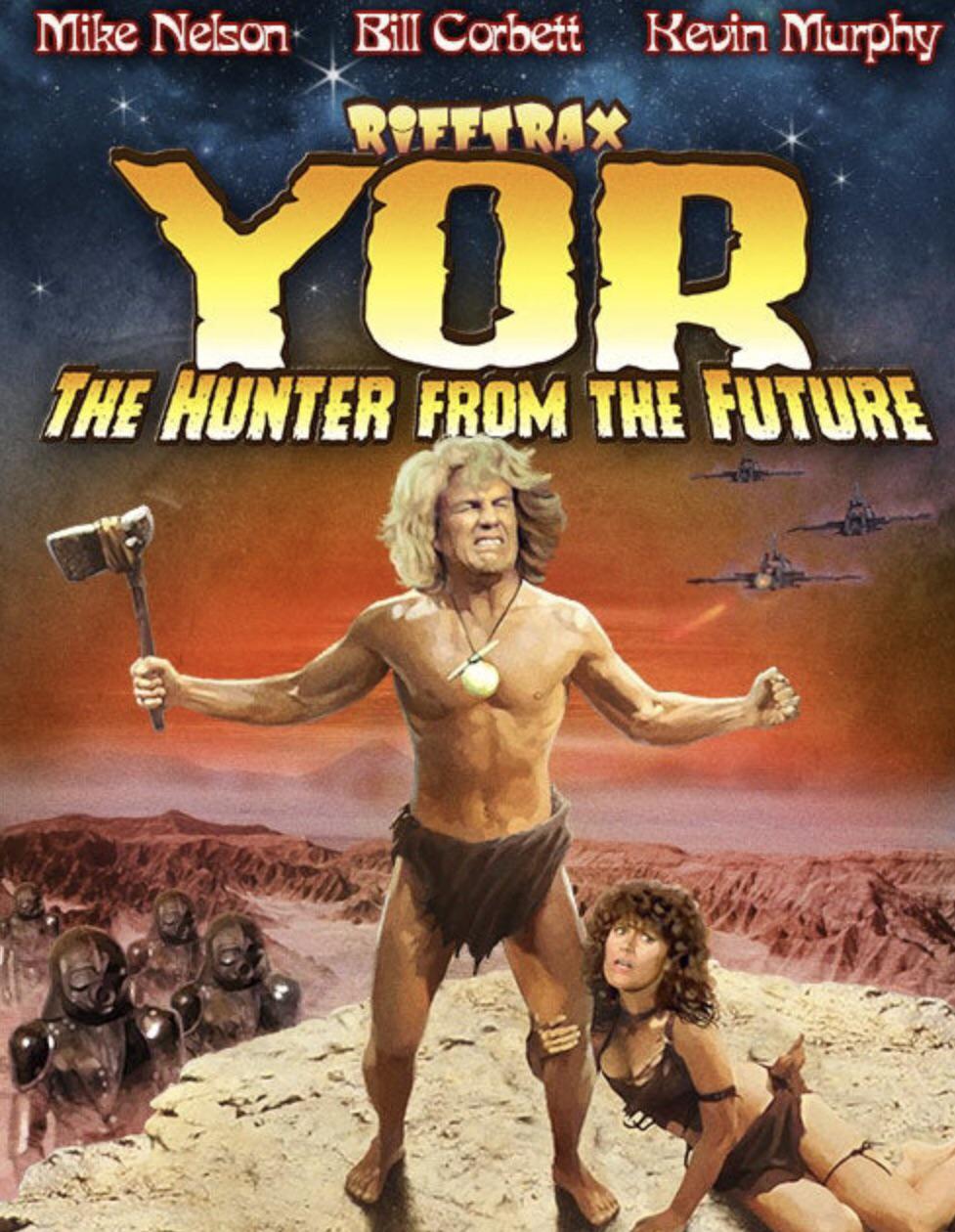
When this Italian‑made film hit theaters in the early 80s, it rode the wave of sword‑and‑sorcery and barbarian heroes, selling itself as a rugged prehistoric adventure with dinosaurs, warriors and a mysterious hero. For kids and teens then, the opening sequence – Yor striding across the desert, battling a dinosaur to save a village – was genuinely pulse‑pounding. Posters promised a savage world and cryptic hints about Yor’s true origins, which at the time seemed like an intriguing layer of mystery. Now, Yor is widely celebrated as pure, glorious cheese. The dinosaurs are stiff models dispatched with absurd ease, and the sudden genre shift into science‑fiction territory – laser‑firing robots, metal corridors, and a villain called the Overlord – turns the supposed prehistory into an almost surreal joke. The earnest narration, macho posing and endlessly repeated theme song create a loop of unintentional self‑parody. Watching it today feels less like consuming a narrative and more like witnessing an 80s fever dream in which every half‑remembered trope from comics, pulp novels and toy aisles got jammed together and performed on a rock quarry set.
Amazons and Gladiators of the Prehistoric Wasteland (assorted Italian “caveman” mash‑ups, late 70s–early 80s)
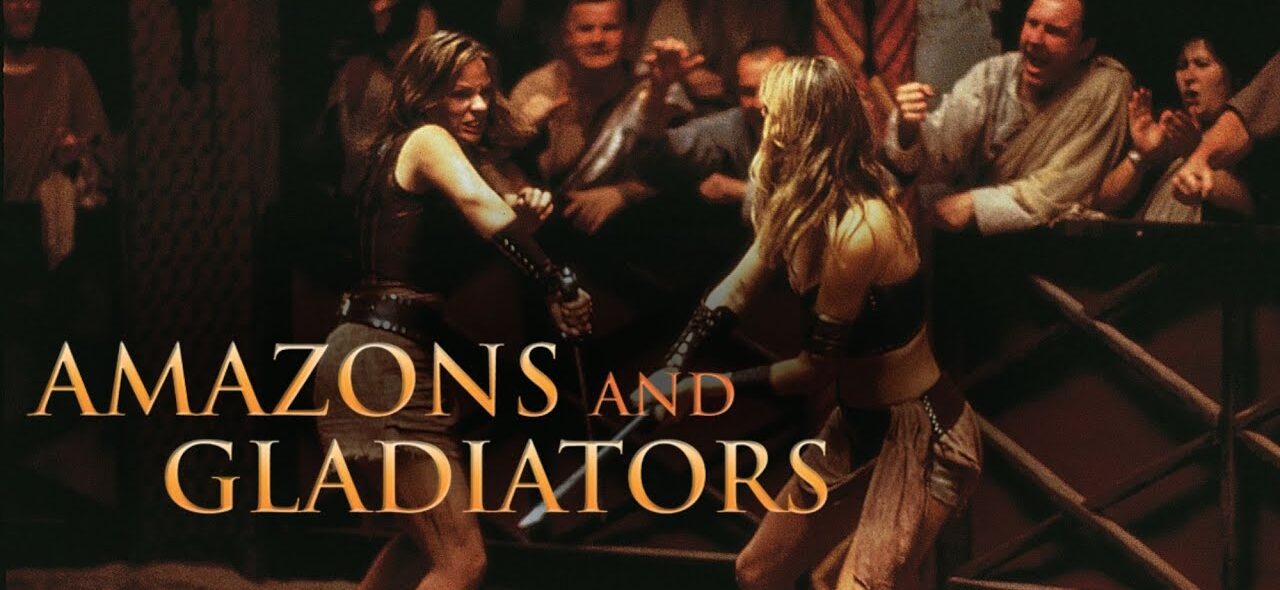
Throughout the late 1970s and early 1980s, low‑budget European genre cinema churned out a whole mini‑ecosystem of prehistoric mash‑ups: barbarian warriors, scantily clad “tribal” women, rubber dinosaurs and occasional science‑fiction twists. These films often played on television or in grindhouse circuits where expectations were low but appetites for spectacle were high. If you were a young viewer then, the blend of forbidden violence, fantasy costuming and giant lizards lurking in matte‑painted valleys could feel genuinely transgressive and exciting. Viewed from the present, this cluster of titles almost defies straight‑faced classification. Plastic bones, recycled monster suits, caves lit like nightclubs and villains in what appear to be spray‑painted football pads all combine into a kind of unplanned collage of late‑20th‑century pop culture. Scripts treat “prehistoric” as an excuse to mash macho posturing with anything vaguely exotic or sensational, no matter how nonsensical. The unintentional hilarity lies in how confidently these films present their bargain‑basement worlds, unaware that future audiences would treat them more like drinking‑game material than legitimate adventure.
When Dinosaurs Ruled Prime Time (TV fare and kids’ prehistoric adventures of the era)

Alongside theatrical releases, the 1970s and 80s pumped out made‑for‑TV prehistoric adventures and kid‑oriented dinosaur specials that, at the time, seemed almost educational and definitely thrilling. Hazy memories of families huddling around bulky televisions to watch cavemen outrun stop‑motion beasts or befriend gentle brontosaurs are surprisingly common. For younger audiences, any hint of a lost world – no matter how obviously studio‑bound – was enough to spark serious wonder. Now, those same productions have migrated into the realm of affectionate mockery. The “science” is often wildly speculative at best, placing humans and dinosaurs side by side like theme‑park mascots on a field trip. Foam rocks bounce, puppet dinosaurs blink out of sync with their roars, and narration tries to sell slapdash sequences as meaningful glimpses into origins of humanity. The charm has not vanished, but it coexists with the undeniable sense that these shows were making things up with childlike enthusiasm and very little concern for plausibility, which is exactly why they are so fun to revisit ironically.
Conclusion: When yesterday’s thrills become today’s fossils of fun
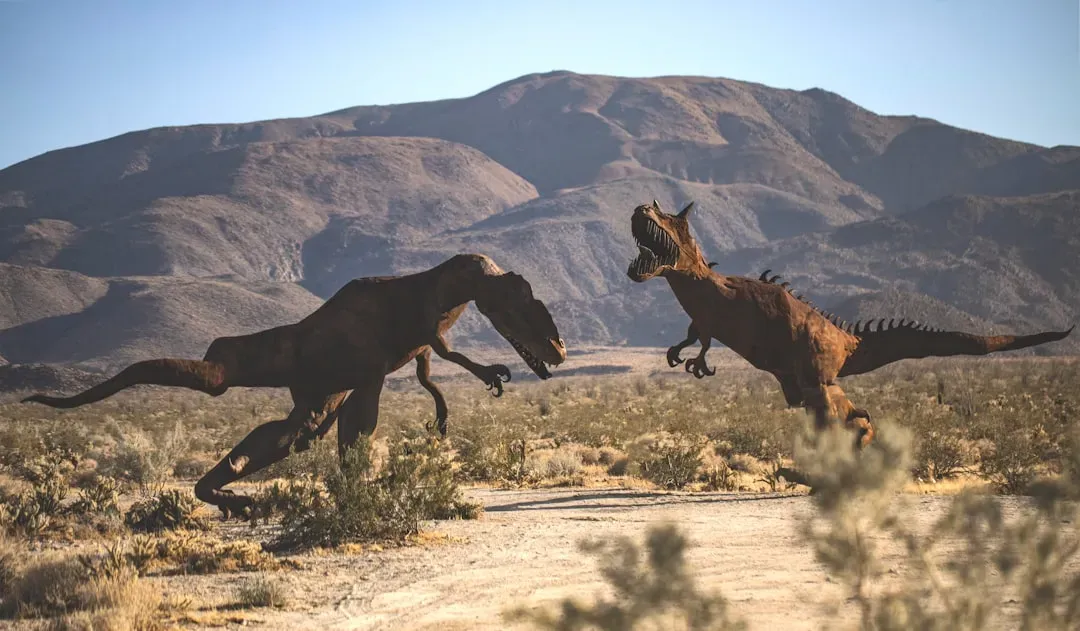
Looking back at these prehistoric movies, what strikes me most is how sincerely they were made. None of the directors set out to craft camp classics; they were swinging for awe, fear and wonder with whatever tools they had. What changed is not only technology, but our collective sense of what looks “real” on screen. Once you have grown up with photoreal digital dinosaurs, a man in a rubber T. rex suit wrestling a stuntman cannot help but seem funny, no matter how majestic the score swells beneath it. Personally, I kind of love that. These films are like cinematic fossils: you can see the imprints of past ambitions, old fears, and childhood thrills preserved in layers of latex and matte paint. The fact that we now laugh at scenes that once made our hearts race is not a sign they failed; it is proof that cinema evolves, and that our imaginations carry each era’s creatures forward in different ways. When you rewatch one of these prehistoric oddities, are you mocking it, or secretly chasing that first jolt of wonder you felt decades ago?