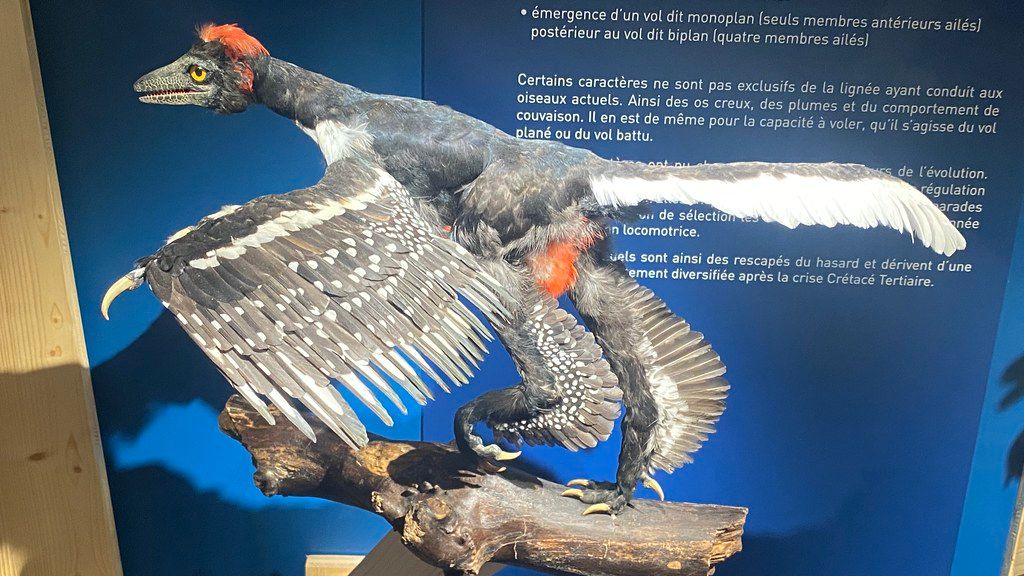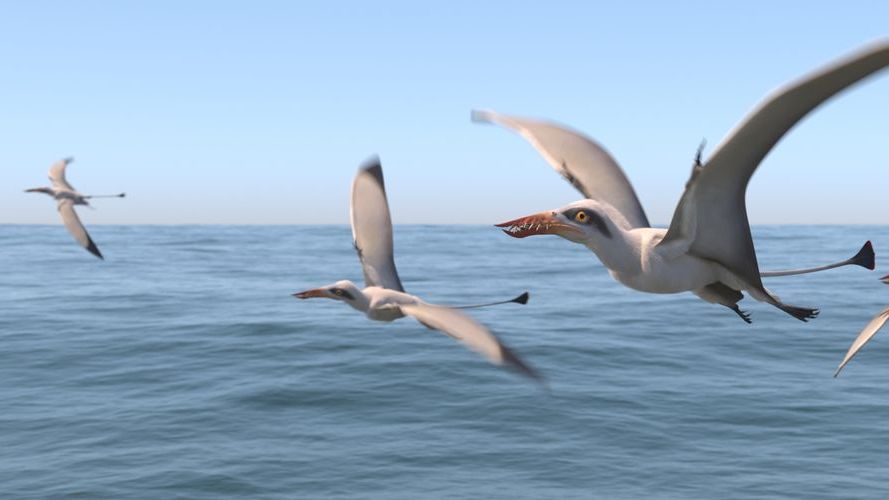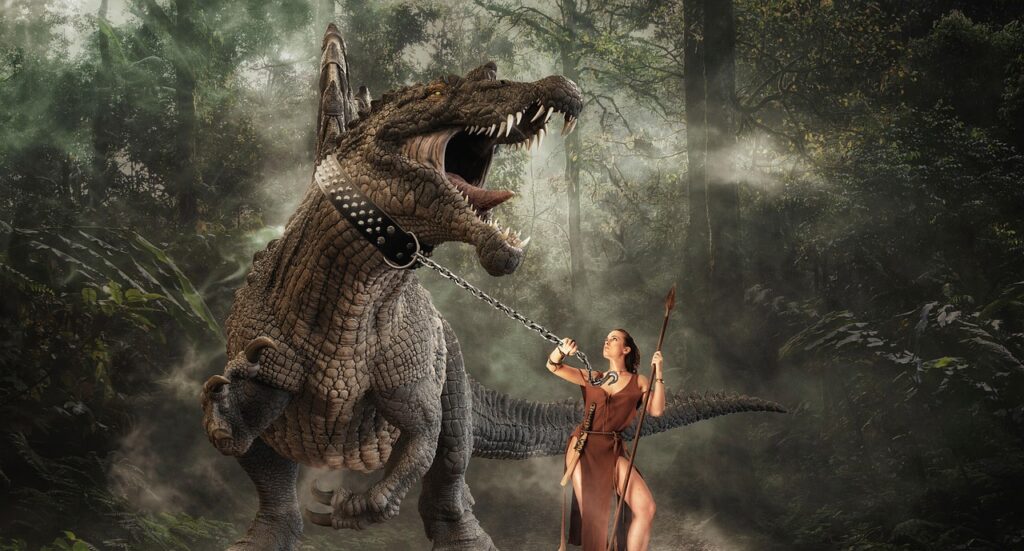
Scroll through movie history and you’ll notice something oddly consistent: whenever Hollywood shows cave people, they’re usually sprinting away from dinosaurs, clubbing giant reptiles, or sharing the landscape with a mash‑up of extinct beasts that never actually met in real life. It looks thrilling. It is completely wrong. Real human prehistory is a slow, complicated story spread across millions of years, but films tend to compress that entire saga into one noisy, monster‑filled weekend.
This mismatch is more than just a cute detail for nitpicky science fans. It quietly shapes how millions of people imagine the past, turning a mind‑blowing, evidence‑based timeline into a fantasy cartoon. Once you start learning when different animals and human relatives actually lived, the whole Hollywood “caveman versus dinosaur” trope starts to feel like watching a movie where Julius Caesar fights fighter jets. Let’s unpack why this keeps happening, what the science really says, and why our screen version of the Stone Age is so stubbornly wrong.
The Biggest Myth of All: Humans and Dinosaurs Never Shared the Earth
Here’s the most shocking truth that still surprises a lot of people: no human being has ever seen a non‑bird dinosaur alive. Dinosaurs (the classic T. rex, Triceratops, sauropods and so on) disappeared around sixty‑six million years ago, long before our own species emerged. Even the earliest human ancestors that we’d recognize on our family tree show up tens of millions of years later, after a huge span of time that separates us from those prehistoric giants.
Put it this way: T. rex is closer in time to your smartphone than it is to Stegosaurus, and both are unimaginably far away from any kind of human. When a movie shows a hairy “caveman” throwing a spear at a roaring dinosaur, it’s basically staging a cross‑era crossover event. It has as much scientific accuracy as a rom‑com where Shakespeare FaceTimes a space tourist on Mars. Fun? Maybe. Real? Not even a little.
A Timeline Hollywood Loves to Flatten
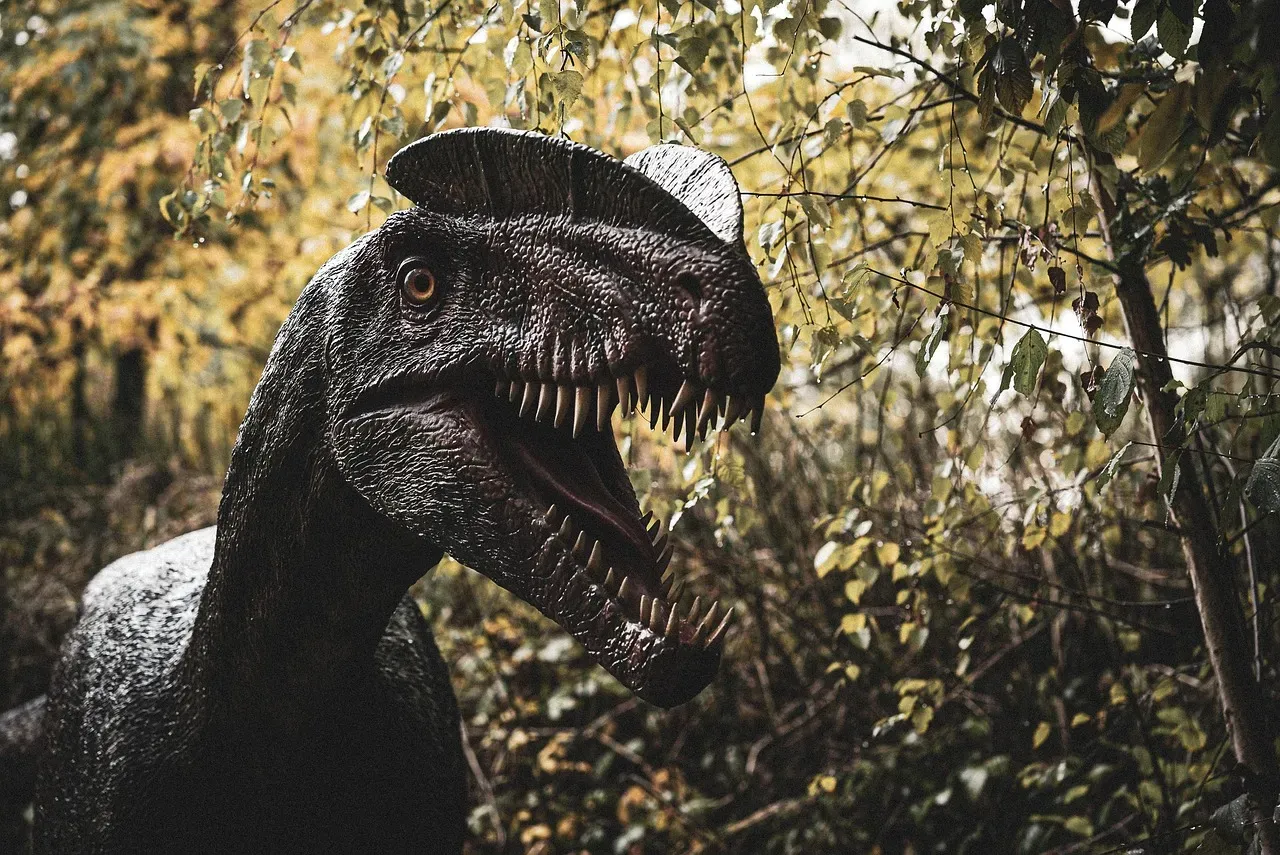
The fossil record paints a layered, staggered history of life, not the mixed buffet we get on screen. Dinosaurs dominated much of the Mesozoic Era, then vanished in a mass extinction. After that, mammals slowly took over, branching into everything from tiny shrews to mammoths. Hominins, the broader group that includes us and our close extinct relatives, only appear in the last tiny sliver of this deep‑time story.
Movies tend to flatten this fine‑grained timeline into a single, chaotic “prehistoric” moment. You’ll see sabertooth cats, mammoths, huge terror birds, dinosaurs, and anatomically modern humans all running around the same valley like it’s a theme park day pass. In reality, many of these creatures are separated from each other by millions of years and often by continents. Compressing everything into one era makes for fast, visual storytelling, but it steamrolls the nuance that makes real prehistory so fascinating.
What Cavemen Actually Lived With: The Real Ice Age Cast
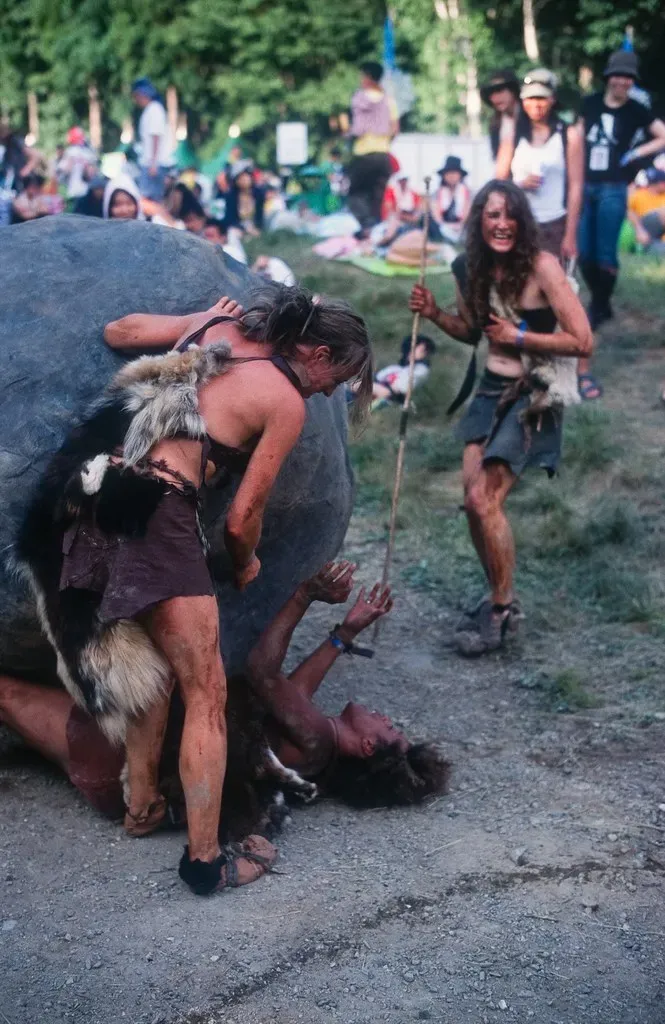
If we want something closer to reality, the classic “caveman” image really belongs in the late Pleistocene, the most recent Ice Age. That world absolutely was dramatic, just not dinosaur‑dramatic. Humans and their close cousins shared landscapes with woolly mammoths, woolly rhinoceroses, steppe bison, giant ground sloths in the Americas, and sabertooth cats. These were massive, dangerous animals, perfectly capable of killing a person, even without Hollywood adding reptiles the size of office buildings.
Different regions had their own casts. In Europe and western Asia, Neanderthals and early Homo sapiens moved through cold steppe and forest alongside cave bears and cave lions. In North America, early peoples would later encounter mastodons and American lions. It was a world of impressive megafauna, shaped by ice sheets, shifting climates, and evolving hunting strategies. That genuine drama gets sidelined when films swap mammoths for dinosaurs purely because the reptiles test better with audiences.
Why Filmmakers Keep Mixing Creatures That Never Met
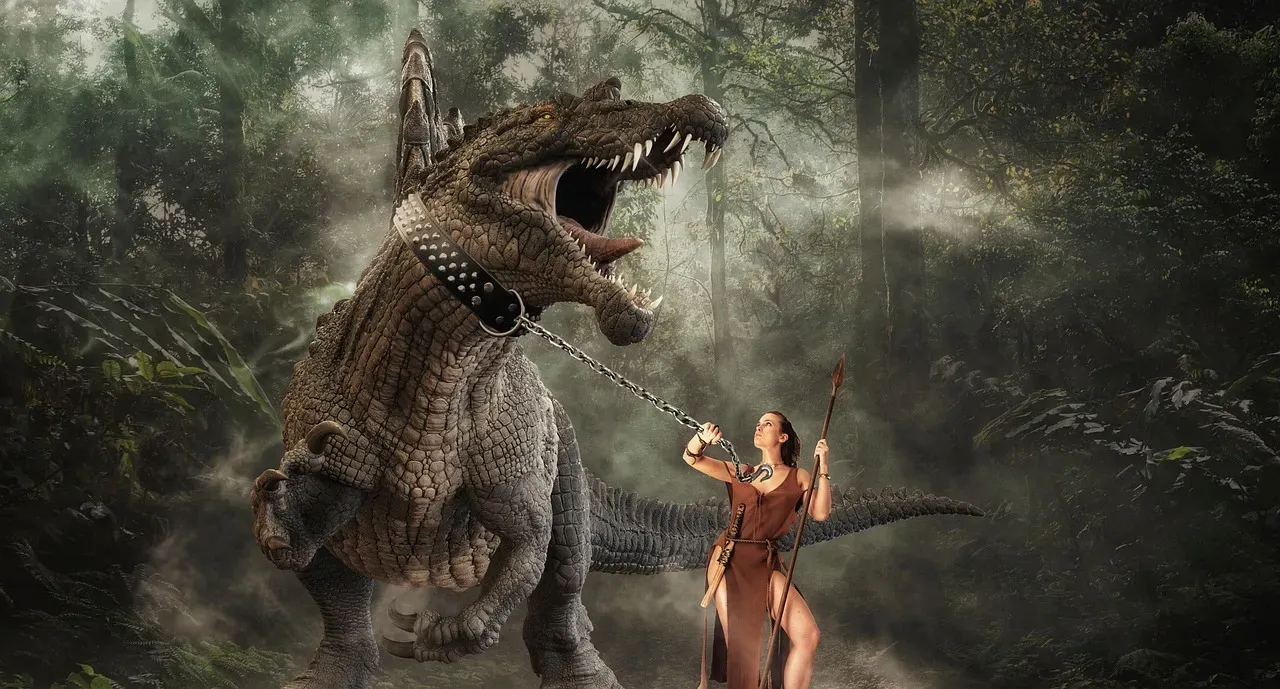
So why does Hollywood keep throwing all these animals into the same pot, even though the science is clear? Part of the answer is simple: visual impact sells. Dinosaurs are pop‑culture royalty. If you’re already showing ancient humans, executives know that adding a T. rex or a giant pterosaur gives you instant spectacle, even if it silently wrecks the timeline. The logic is: viewers want to feel awe and fear, not sit through a carefully dated stratigraphic chart.
There’s also a storytelling shortcut at work. Instead of saying “this story is set thirty thousand years ago in Ice Age Europe during a specific climatic phase,” films default to a vague category called “the dawn of man” and throw in whatever prehistoric creature looks cool. It’s a mashup genre more than a historical era. This convenience bleeds into video games, cartoons, and toys, reinforcing the idea that all prehistoric things simply coexisted in some collective before‑time, like a permanent Stone Age amusement park.
The Science Is Harder, Messier, and Way More Interesting
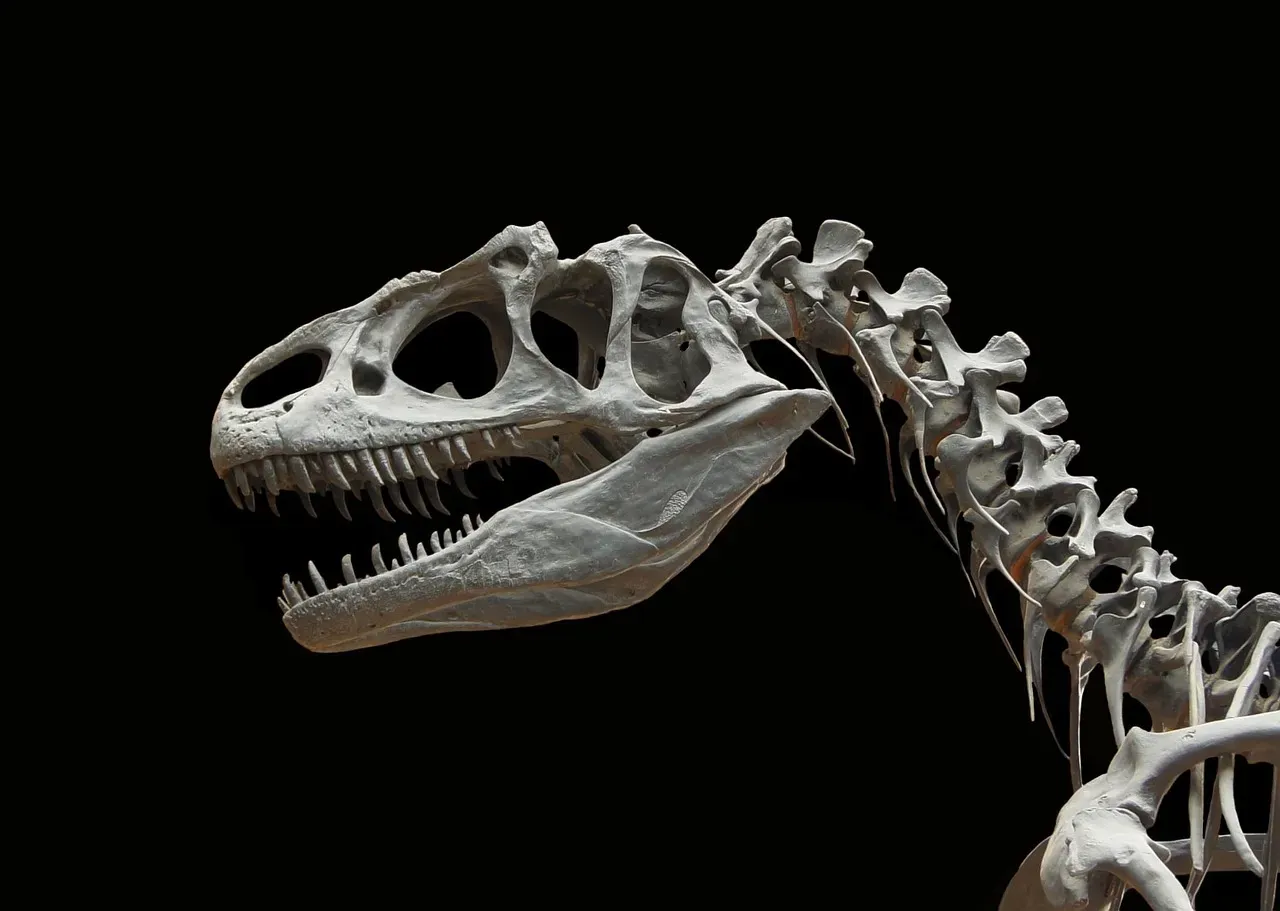
Real paleontology and archaeology are much fussier than a movie script, and that’s exactly what makes them compelling. Scientists rely on radiometric dating, layers of rock, and detailed fossil comparisons to figure out who lived when and where. These methods place dinosaurs securely in their own chapters and humans in a much later one, like separate seasons of the same long‑running show. You can’t just drag characters from one season into another without breaking the plot.
Archaeologists also work with stone tools, cave art, and human bones to reconstruct daily life. They can tell when people started using fire regularly, when they crafted specific tool types, and when different human groups overlapped. That evidence shows a shifting, evolving human story moving through changing climates and ecosystems. The real past is not a generic “caveman times,” but a dynamic timeline full of migrations, extinctions, innovations, and surprising resilience. Honestly, it deserves better than a background of roaring reptiles that died out tens of millions of years earlier.
How Movie Myths Shape Our Sense of Deep Time
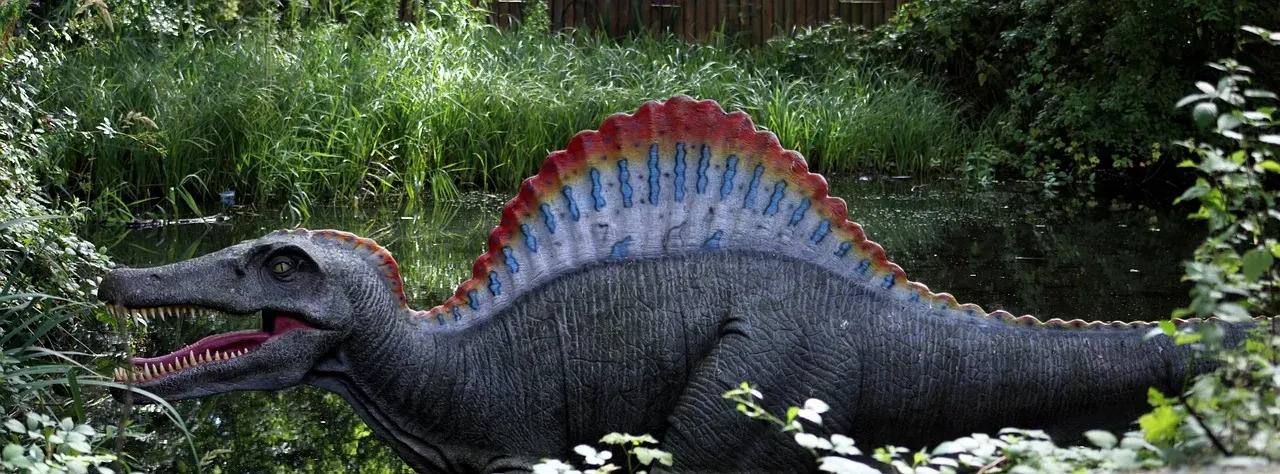
Most of us don’t learn about deep time from textbooks first; we soak it up from animation, adventure films, and even cereal box mascots. When every version of “the Stone Age” throws humans next to dinosaurs or crams wildly different Ice Age animals into the wrong era, it quietly warps our gut sense of history. Deep time starts to feel fuzzy, like everything before pyramids is just one big lump of “old stuff” instead of a carefully structured timeline.
I still remember being a kid and confidently drawing people riding dinosaurs, genuinely thinking that was a thing that probably happened. Movies and cartoons had convinced me. It took later, slower learning – books, documentaries, museum visits – to unlearn that mashup and realize how staggered and precise Earth’s history actually is. That unlearning can be hard, because the wrong picture came wrapped in fun stories, while the correct one often arrives in dry, serious packaging.
Conclusion: The Past Deserves Better Than a Monster Mash
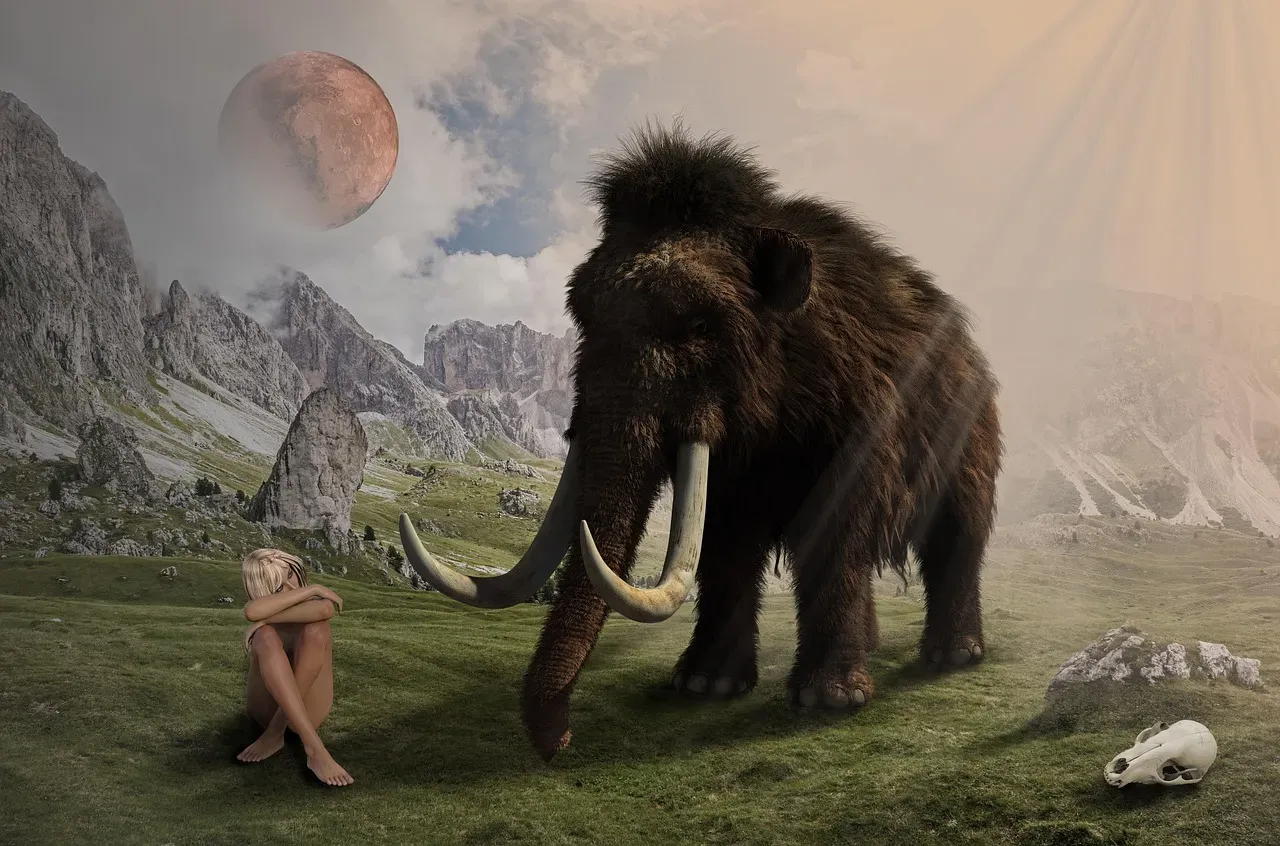
When you look closely, every “caveman versus dinosaur” movie is less about history and more about our appetite for spectacle. It’s a creative choice that trades scientific truth for easy thrills, lumping millions of years of separate eras into one noisy monster mash. Personally, I think we’re selling ourselves short. The actual timeline of humans, Ice Age giants, and vanished ecosystems is gripping enough on its own, and it does not need a misplaced T. rex to make it watchable.
Would it really be less exciting to show early humans facing down mammoths, surviving brutal winters, or outsmarting sabertooth cats in real, evidence‑based settings? To me, that sounds richer, stranger, and far more powerful than yet another inaccurate dinosaur cameo. Maybe the next wave of “prehistoric” stories will trust the truth of deep time instead of flattening it for cheap drama. Now that you know how wrong the usual picture is, what kind of prehistoric world would you actually want to see on screen?