
Have you ever felt that nagging sensation in your gut telling you something isn’t quite right during a conversation? Maybe the person across from you seems a bit too polished, too rehearsed, or just slightly off in ways you can’t quite articulate. We’ve all been there.
Reading people isn’t just some magical superpower reserved for detectives in crime shows. It’s a skill rooted in observing the subtle, often unconscious behaviors that leak out when someone’s trying to conceal the truth. Understanding these psychological gestures can help you navigate relationships, negotiations, and everyday interactions with greater clarity. Let’s be real, though, nobody wants to become paranoid or start questioning everyone around them. This is about awareness, not suspicion. So let’s dive in.
1. Covering the Mouth or Touching the Lips

When you notice someone covering their mouth during conversation, this can be a sign that they’re trying to hide something or that they’re feeling anxious or nervous. Think about it like a vestige from childhood, when kids would literally cover their mouths after telling a fib. Adults carry a subtler version of this into their interactions.
A person may cover the entire mouth with one hand, or use a more subtle version of just touching the lips with one or more fingers, and the signal may still indicate that a person is saying something he thinks he should not say. It’s almost like an unconscious attempt to physically stop the words from escaping. Keeping the mouth closed and hiding the lips is an attempt to keep the truth inside and not let a lie escape. You might catch this gesture in high stakes situations where someone’s carefully weighing their words.
2. Excessive Fidgeting and Self-Touching

Restlessness speaks volumes. Playing with an object, foot-tapping, shaking of a leg, and physically getting up to move around the room can all reflect a person’s anxiety towards the topic at hand, and if someone is antsy during the conversation, and their words do not reflect anxiety or discomfort, there may be more to the story. These movements are ways the body tries to release pent-up nervous energy.
If the person consistently touches their face, hair, or an object near them, it may reveal inner discomfort which is manifesting in their movements, and the touching of the face may also indicate the person attempting to hide revealing facial cues. Rocking the body back and forth, cocking the head to the side or shuffling the feet can also be signs of deception, and fluctuations in the autonomic nervous system, which regulates bodily functions, can have an effect, prompting people to feel itches or tingles in their body, which in turn can cause more fidgeting.
3. Inconsistent Hand Gestures

Here’s something fascinating about liars. Liars tend to use gestures with their hands after they speak as opposed to during or before a conversation, because the mind is doing too many things including making up the story, figuring out if they’re being believed and adding to the story accordingly. Normally, people gesture naturally as they speak to emphasize points or illustrate ideas.
A study conducted by the University of Michigan looked at media clips of high-stakes court cases and found that those who lie are more likely to gesture with both of their hands than those who are telling the truth, with people gesturing with both hands in roughly two-fifths of the lying clips, compared to a quarter of the truthful clips. If a person says yes but shakes their head no, it may indicate that they’re not telling the truth, as non-congruent gestures are movements in the body that don’t match the words a person says, and the gestures are the truth-tellers.
4. Changes in Eye Contact Patterns

The old saying about eyes being windows to the soul holds some weight, though perhaps not in the ways you’d expect. If someone usually has good eye contact and suddenly won’t look you in the eye, that is a sign to dig deeper and see if there is deceit. Notice the emphasis on “usually.” Context matters tremendously here.
Someone who is lying might stare or look away at a crucial moment, a possible sign they’re moving their eyes around as they try to think about what to say next. Blinking has often been an indicator of dishonest behavior, and if someone is blinking too much or too little, it can indicate something is off or wrong. Honestly, the research on eye contact is mixed, so don’t rely on this alone. Some skilled liars actually maintain excessive eye contact because they know people expect shifty eyes.
5. Sudden Shifts in Body Posture

Liars who don’t take pleasure in the challenge that lying presents will want to get out of the situation as quickly as they possibly can, and if they cannot run, they might at least lean away, backwards or to the side, trying to put some distance between themselves and the person they are trying to deceive, and they might fold their arms, interlock legs, and limit hand gestures.
If a person is trying to control themselves while lying, they may have closed off body language, such as folding their arms or maintaining a safe distance to remove an emotional connection. If the other person jerks their head quickly after a question or comment, it may indicate lying, as if the person was not ready for the question, and excessive movement can dictate nervous energy or anxiety, just as the lack of movement can reflect a person’s unwillingness to connect emotionally. The body wants to escape what the mind has gotten itself into.
6. Voice Pitch and Speech Pattern Changes

Listen carefully to how someone sounds, not just what they’re saying. When people are nervous, the muscles in the vocal cords might tighten up, leading the voice to sound very high-pitched, and you might also notice a creak in someone’s voice, while clearing the throat, a means of coping with the discomfort of the tightened muscles, can also at times signal dishonesty.
One telltale sign someone may not be telling the whole truth is irregular speech, and according to research by a retired FBI criminal profiler, a person’s voice or mannerisms of speaking may change when they tell a lie. Changes in pitch or tremors, with a noticeable rise in pitch or a shaky voice can signal nervousness, while hesitations or throat clearing might be a person’s way of buying time to think, and unusual speed, whether talking too fast or slowing down, might indicate they are thinking on their feet. It’s hard to say for sure, but these vocal shifts are worth noting.
7. Creating Physical Barriers
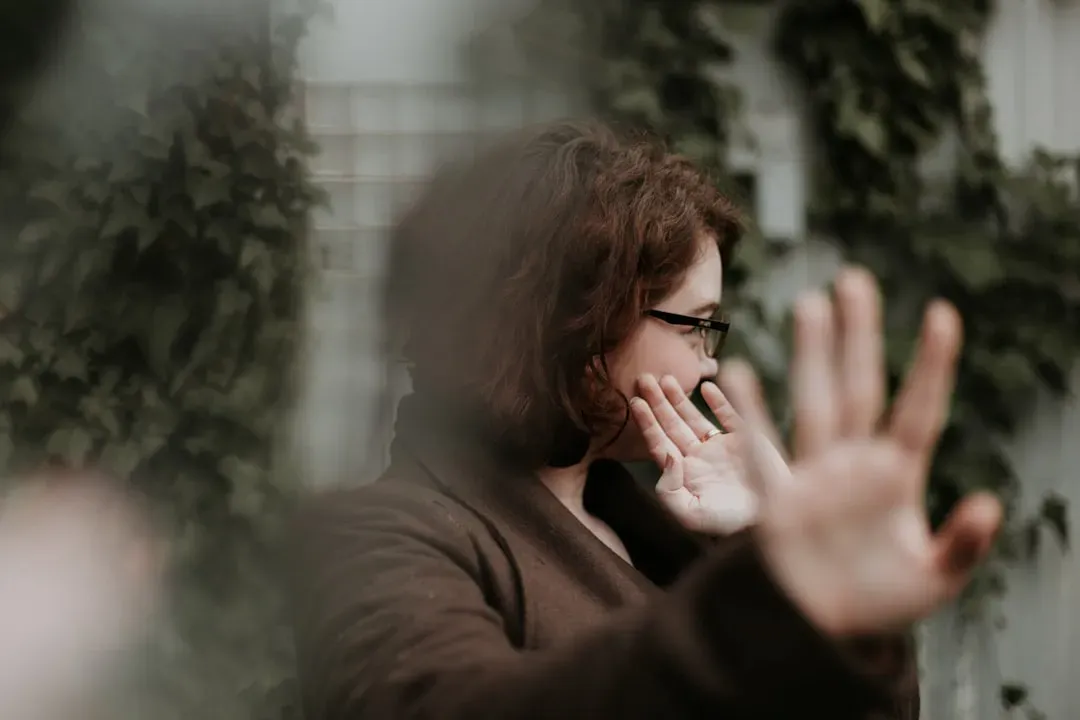
Watch what people do with objects around them. Holding something in front of their face, covering their mouth with their hands or eyes with sunglasses may be a way to keep them calm and focused while being deceitful. When the hands are hidden from view, perhaps held back behind, blocked by a desk or placed in pockets, we unconsciously and instinctively become suspicious when we cannot see someone’s hands, as the hands might be carrying something threatening, which can make us uncomfortable and distrustful.
These aren’t always signs of deception, mind you. Sometimes people are just cold or prefer to keep their hands in their pockets. If you don’t see the hands, it doesn’t necessarily mean that the person is lying or is up to something, so just be aware of your own potentially unconscious reaction to hidden hands while looking for other signals to evaluate the situation, and be careful not to hide your own hands while interacting with others.
8. Lip Pursing and Tight Facial Expressions

People sometimes press their lips together when they are trying to withhold information. Think of it as a physical manifestation of biting back words. Tight lips are something someone does when they’re feeling tense or anxious, and it can also be a sign that they’re trying to hide something.
The face is remarkably expressive, even when we’re trying to control it. Micro-expressions are short-lived facial expressions that can reveal our true emotion, and in the case of lying, you should look for fear, panic, anxiety, shame, guilt, or another form of distress, as micro-expressions typically flash on a liar’s face before they arrange their features into an expression consistent with what they want to convey. These fleeting expressions last mere fractions of a second but can betray what someone’s really feeling underneath their composed exterior.
9. Unusual Movement Speed or Stillness

As a deceitful person works to keep up with their lies, the tone and cadence of their voice may increase, and their movements may become faster and more erratic, because the brain goes into overdrive to try and stay ahead of the truth, and moving quickly can be trying to divert attention from the lie, like the magician who makes you look one place to hide the trick.
Alternatively, some people go the opposite direction. A person who is not telling the truth might try and curtail their movements entirely, and if someone is aware that their body language can give them away, they definitely could be trying to suppress their tells in hopes of not tipping their hand, but controlled movements look controlled to the trained eye and to the untrained, the person simply seems off or inauthentic. The creative thinking involved in fabricating a story to cover up a lie taxes our cognitive resources, resulting in a decrease in movement and lack of animation.
10. Pointing and Deflecting Gestures
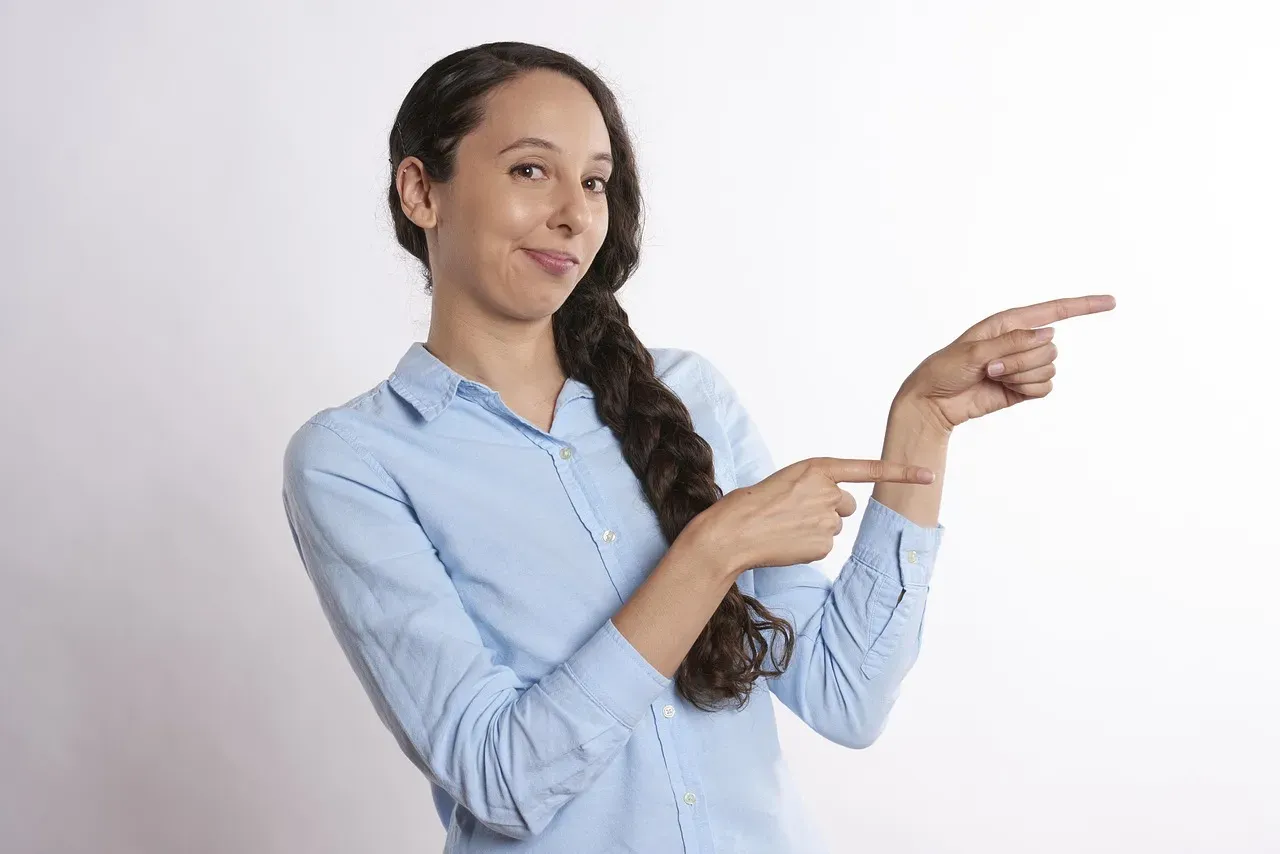
The act of pointing at or toward something or someone else, with gestures or words, may signal a surefire desire to take a focus off of an individual and place blame onto someone else. When people feel cornered, they often try to redirect attention away from themselves. It’s a defensive maneuver.
Knowing if that person normally gesticulates or finger points frequently can be a helpful baseline, however, if someone speaks in a measured demeanor as opposed to a hostile one that includes finger-pointing, this aggressive switch may indicate someone is lying. The key word here is baseline. You need to know how someone normally behaves to spot deviations that might signal deception.
Conclusion: Reading Between the Lines

Understanding these psychological gestures isn’t about becoming a human lie detector or viewing everyone with suspicion. Rather, it’s about developing a more nuanced awareness of human behavior. Let’s be honest, even with all these signals, detecting deception remains incredibly challenging. It’s important to never take a single red flag as a sure sign of lying, as most liars leak more than one lying cue in a matter of minutes or even seconds, called a cluster, and to more accurately decipher if someone is lying, look for a cluster of three red flags.
Context is everything. Someone might fidget because they’re nervous about an important presentation, not because they’re lying. They might avoid eye contact due to cultural norms or social anxiety rather than deception. The gestures we’ve explored are indicators, not definitive proof. Use them as tools for deeper observation and understanding, but always with empathy and awareness of individual differences. What do you think about these signals? Have you noticed any of them in your own interactions?