Have you ever met someone who made your instincts scream but you couldn’t quite pinpoint why? Maybe you brushed it off, told yourself you were being paranoid, or rationalized their behavior with excuses. Here’s the thing: your gut is usually right. Recognizing toxic traits in others isn’t about being judgmental or cynical – it’s about protecting your mental health and wellbeing from people who can drain, manipulate, or harm you.
Some warning signs are obvious, like outright aggression or cruelty. Others are sneaky, hiding behind charm or playing the victim. The truth is, certain traits are warning signals that something may be off in a person’s character or behavior, and they can cause discomfort or even harm in relationships, whether personal or professional. Let’s dive into the red flags you absolutely , so you can spot them before they cause real damage.
They Twist the Truth Without Batting an Eye

Dishonesty is one of the biggest red flags because trust is the foundation of any relationship, and when someone is dishonest, it creates a shaky ground where you’re never sure if you can believe what they say. You might notice small lies at first – minor exaggerations or convenient omissions. Soon enough, those little fibs escalate into patterns you can’t ignore.
They will do anything to get you to pay attention to them and see their point of view, and they might even lie to you to do so. When dishonesty becomes their default mode, you’re left constantly second-guessing everything they tell you. The exhausting part isn’t just the lies themselves, it’s the mental gymnastics you do trying to figure out what’s real and what’s fabricated.
Manipulation Is Their Secret Weapon

Manipulation is a toxic trait that involves using others for personal gain, often at their expense, and manipulative people are skilled at controlling situations and individuals in subtle ways, making it hard to detect until it’s too late. Think guilt trips, twisted facts, or using charm like a weapon. They know exactly which buttons to push to get what they want.
This can include guilt-tripping, twisting facts, or using charm to get what they want, and being around manipulative individuals can leave you feeling drained, used, or confused. The scariest part? You often don’t realize you’ve been manipulated until after the damage is done. By then, you’re questioning your own judgment and wondering how you missed the signs.
They’re Always the Victim in Every Story
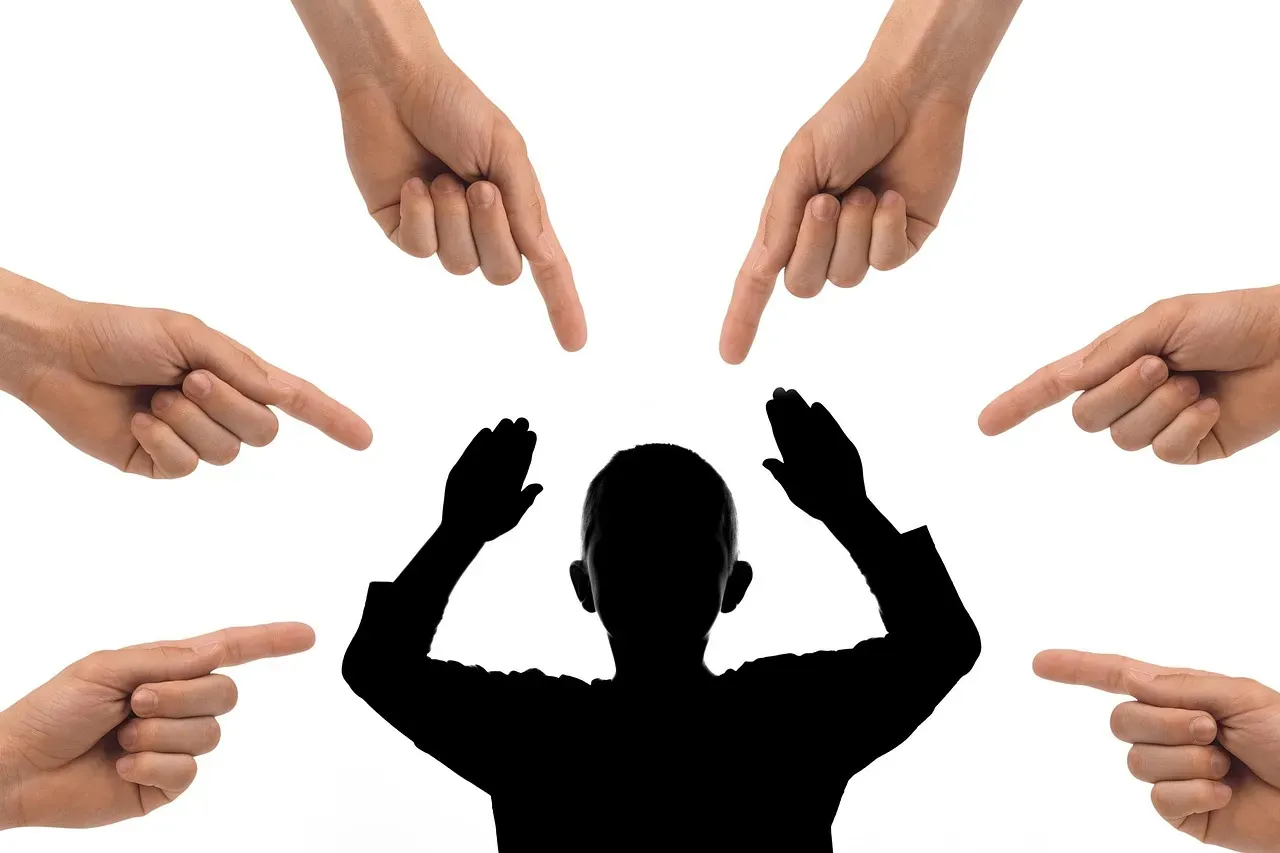
A narcissist plays the victim by positioning themselves as the one being wronged when, in reality, they are the one causing harm, and they might exaggerate situations or fictionalize conflicts to gain sympathy, playing the victim to avoid taking responsibility for their actions. Every problem becomes someone else’s fault. Every conflict paints them as the innocent party.
You’ll notice they never own their mistakes. Instead, they create elaborate narratives where they’re misunderstood, mistreated, or persecuted. This tactic is brilliant because it disarms your defenses – who wants to be mean to a victim? Yet underneath that fragile exterior is someone avoiding accountability at all costs.
Consistency? Never Heard of Her

Inconsistent behavior can be a red flag because it signals unreliability. One day they’re your best friend, showering you with attention. The next, they ghost you without explanation. Their moods swing wildly, their commitments evaporate, and their words rarely match their actions.
This unpredictability keeps you off balance. You’re constantly trying to figure out which version of them will show up today. That uncertainty is exhausting and prevents you from building genuine trust. How can you rely on someone when their behavior changes like the weather?
Respect Is a Foreign Concept

Disrespect, whether shown through words, actions, or attitudes, is a red flag that should never be ignored, and it can manifest in subtle ways, like interrupting others, dismissing opinions, or belittling someone, showing a lack of consideration for others. They cut you off mid-sentence, mock your ideas, or make snide remarks disguised as jokes.
When someone disrespects you or others, it creates an unhealthy environment where people don’t feel valued or appreciated, and respect is the foundation of any healthy interaction. Watch how they treat waitstaff, family members, or anyone they perceive as beneath them. That tells you everything about their character and what you’ll eventually face yourself.
Negativity Follows Them Like a Shadow

One of the biggest red flag personality traits is the constant need to spread negativity. They’re the person who finds fault with everything, complains endlessly, and drags down every conversation with pessimism and criticism. Nothing is ever good enough, and their glass is perpetually half empty.
This type of toxic co-worker is a major red flag because of their ability to drive other employees to quit their jobs, faster and frequently, and they can cause major organizational cost, including customer loss, loss of employee morale, increased turnover. Whether at work or in personal relationships, chronic negativity is contagious and draining. You deserve people who lift you up, not drag you down into their misery pit.
Control Is Their Love Language

Controlling behavior can include dictating what the other person can wear, who they can see, where they can go, their decisions and opinions, and this dominance strips the victim of their autonomy and freedom. At first, it might seem like they just care deeply or have strong opinions. Eventually, those opinions become demands about your clothes, friends, schedule, and choices.
From simple things like meeting friends, controlling behaviour soon escalates into censoring what you wear, where you work, and who you hang out with. This isn’t love or concern – it’s about power. They need to control you to feel secure, and your independence threatens their fragile sense of dominance. This pattern only intensifies over time.
Their Empathy Tank Is Empty

Lack of empathy is chilling when you encounter it. They can’t connect with your feelings, don’t care about your pain, and show zero interest in understanding your perspective. Everything circles back to them and their needs, while yours simply don’t register.
The manipulation tactics employed by narcissists can cause significant emotional distress in their victims by preying on vulnerabilities and insecurities, seeking to maintain power and influence, and this relational aggression is a hallmark where individuals may derive pleasure from sowing discord. Without empathy, there’s no foundation for genuine connection. You’re dealing with someone incapable of truly caring about how their actions affect you.
They Rewrite History to Fit Their Narrative

A person with narcissistic traits typically feels that they can’t do anything wrong, and when confronted about mistakes, they will be defensive and might deny your reality or recollection of events, using phrases such as “it wasn’t that bad,” “you must be losing your mind”. This is gaslighting at its finest – making you doubt your own memory and perception.
Gaslighting is another tactic frequently used by narcissists to elicit reactions from their targets, and by manipulating facts and distorting reality, narcissists make their victims doubt their own perceptions and sanity. You know what happened, but they insist it went differently, leaving you confused and questioning yourself. This psychological manipulation is insidious and damaging to your mental health.
Walking on Eggshells Becomes Your Normal

A sense of emotional safety means you can openly share your thoughts and feelings with this person, but if you feel like you’re always editing yourself, afraid of what they’d do or say if you were radically honest, that’s a problem. You monitor every word, anticipate their reactions, and constantly adjust your behavior to avoid triggering them.
You never know when they’re going to explode, and you’re always walking on eggshells because you don’t know when your partner’s next insecurity will arise in the form of a fight or accusation. Living in constant fear of someone’s emotional volatility isn’t sustainable. That anxiety gnaws at you daily, stealing your peace and making you a smaller version of yourself.
Conclusion: Trust Your Instincts

Recognizing these red flags isn’t about becoming paranoid or distrustful of everyone you meet. It’s about honoring that inner voice that knows when something feels off. Toxic relationships are characterized by behaviors that are detrimental to our emotional and psychological health, and these relationships may involve manipulation, resentment, or conflict, leading us to feel unsupported or invalidated.
You don’t owe anyone a relationship that compromises your wellbeing. Whether it’s a romantic partner, friend, family member, or colleague, protecting yourself from toxic people is an act of self-care, not selfishness. Set boundaries, listen to your gut, and remember that healthy relationships should enhance your life, not drain it. What red flags have you noticed in your own experiences? Trust yourself – you probably already know the answer.