Walk into a lot of school classrooms in 2026 and you’ll still see the same dinosaurs you grew up with: tail-dragging reptiles, swamp-dwelling brutes, and a T. rex that roars like a movie monster while stumbling around half-blind. The problem is, that picture was already outdated decades ago. Paleontology has exploded with new discoveries, but for many kids, the dinosaurs in their textbooks are stuck somewhere around the 1980s. It is a bit like teaching students that Earth is the center of the universe because nobody bothered to reprint the posters.
What follows is not obscure nitpicking. These are big, fundamental corrections that change how we think about dinosaurs as living, breathing animals. A lot of this research has been around long enough that by now it should be standard school knowledge, not “fun facts” for science nerds. As someone who still remembers drawing green, lizard-skinned tyrannosaurs in elementary school, I find it both exciting and a little infuriating to see how slow the system is to catch up. So let’s walk through ten of the biggest corrections schools keep dragging their feet on, and maybe you’ll never look at a Velociraptor the same way again.
1. Dinosaurs Were Not All Green, Scaly Lizards
One of the most stubborn myths is that dinosaurs came in exactly one color palette: dull green, mud brown, maybe gray if the illustrator was feeling wild. That mental image comes more from old Hollywood and limited fossil knowledge than from science. Today, fossil impressions show skin textures, and in some spectacular cases, microscopic structures in fossil feathers that match particular pigments in modern birds. That does not mean we know every color pattern, but we know enough to say for sure that many dinosaurs were not just drab green lumps hiding in the bushes.
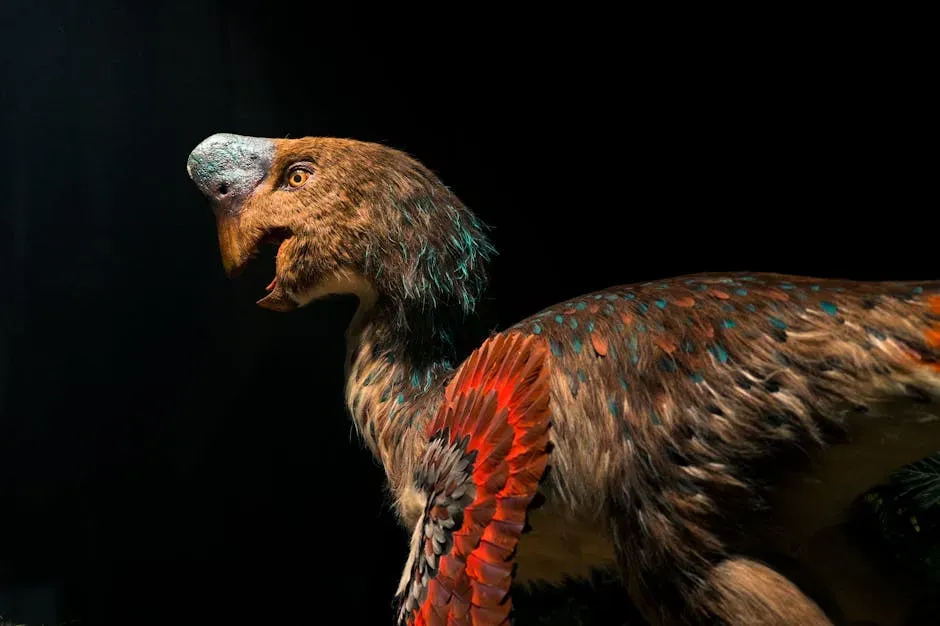
In fact, evidence suggests some dinosaurs had striking, possibly iridescent plumage, banded tails, or contrasting face and body colors, very much like modern birds of paradise or pheasants. Others likely used color for camouflage, display, or to signal age and sex differences within a species. When schools cling to the old “all green, all scaly” art, they erase one of the most exciting parts of modern paleontology: realizing these animals were visually complex, dynamic, and sometimes downright flashy. It is a correction that transforms dinosaurs from rubber-suit movie monsters into real, vivid creatures.
2. Feathers Were Common, Not a Weird Exception
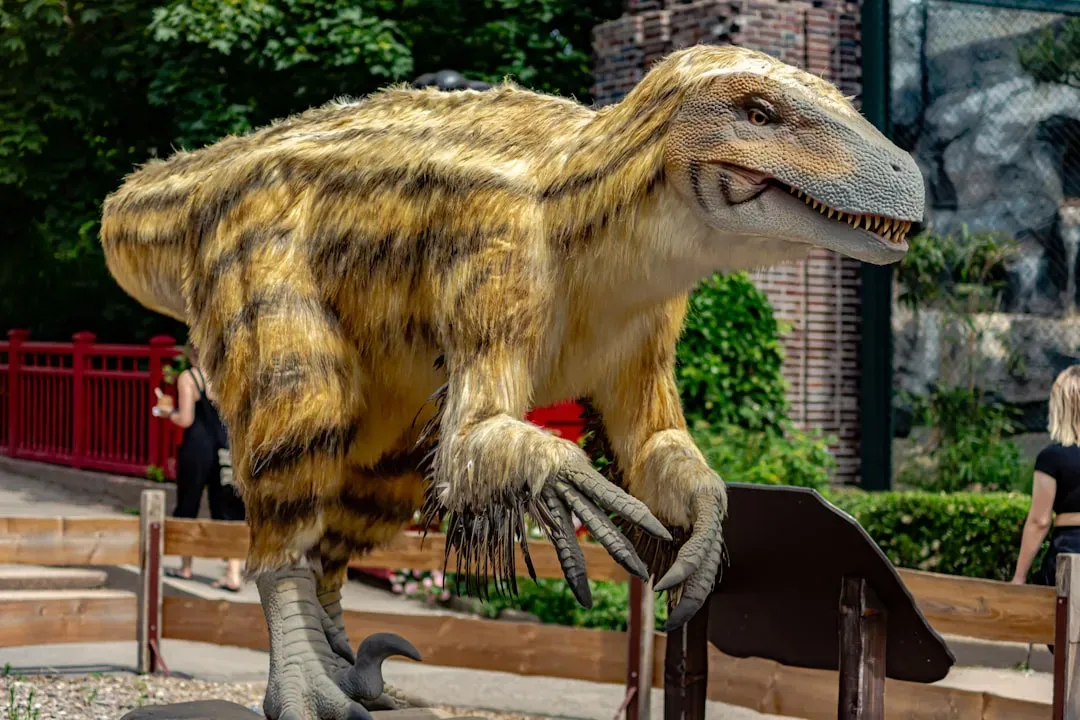
If you were taught that only a few oddball dinosaurs had feathers, you were sold an outdated story. Since the 1990s, and especially from fossil beds in China, scientists have found a flood of feathered dinosaur fossils, from tiny early relatives of birds to medium-size predators and even some big-bodied species likely covered in fuzzy, filamentous fluff. Feathers started out not for flight, but probably for insulation, display, and maybe even brooding eggs, long before any dinosaur glided or flew. That changes the whole feel of Mesozoic ecosystems: they were not just reptilian, they were increasingly bird-like.
In many classrooms, though, feathers are still treated as a quirky add-on: a footnote that “some dinosaurs maybe had feathers,” often with the implication that it is controversial. It is not. For a wide swath of theropods (the group that includes T. rex and birds), feather-like coverings are now the default assumption unless there is a good reason to think otherwise. When school materials skip this, they train kids to imagine dinosaurs as naked reptiles rather than a spectrum that runs right into modern birds. That is not a small mistake; it hides the evolutionary bridge in plain sight.
3. Many Dinosaurs Were Warm-Blooded (or Something Close)
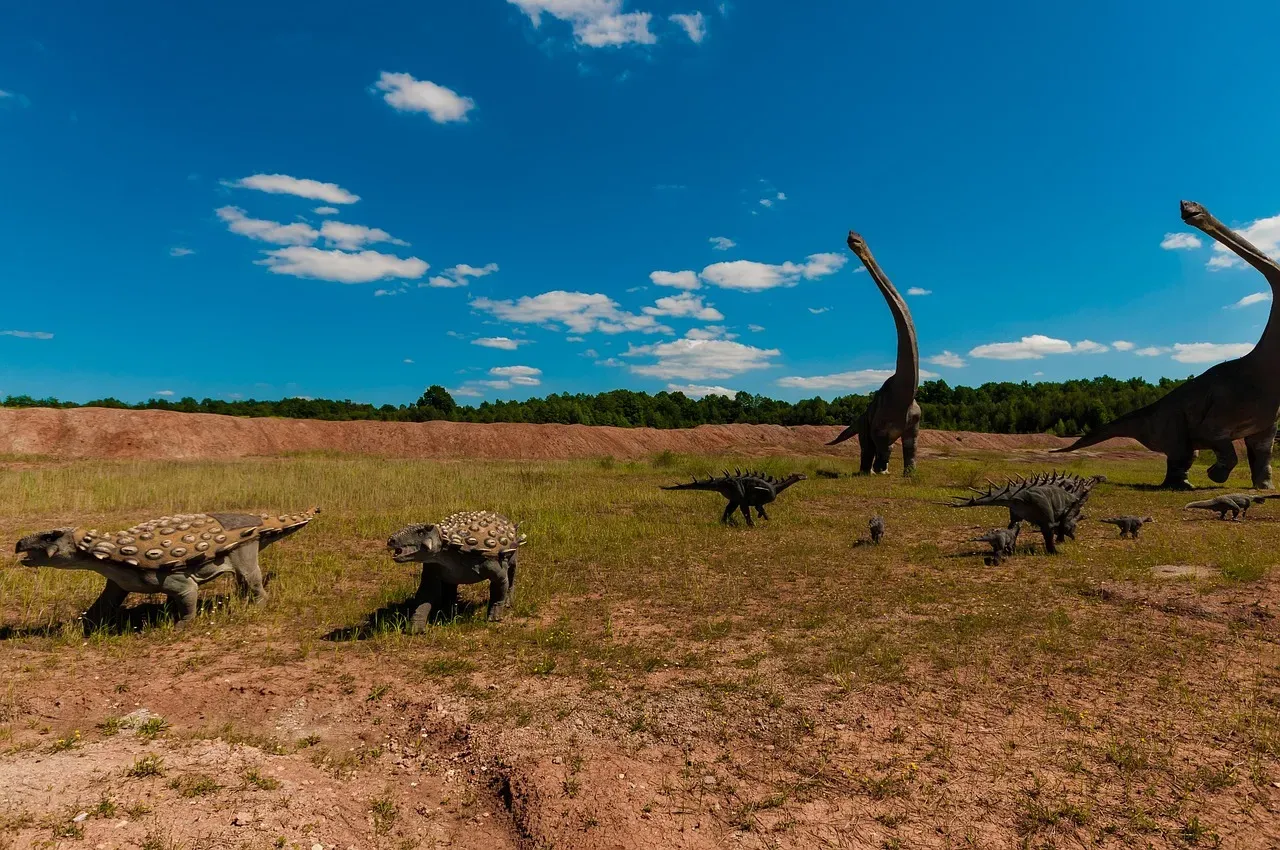
The old story in school was tidy: mammals are warm-blooded, reptiles are cold-blooded, and dinosaurs were just giant reptiles that probably basked in the sun like crocodiles. That black-and-white picture has badly aged. Evidence from bone growth rates, blood vessel patterns, and even chemical signatures in fossilized tissues suggests that many dinosaurs had high metabolisms closer to birds and mammals than to sluggish lizards. Some may have occupied a middle ground, but the idea of dinosaurs as slow, cold creatures is increasingly hard to defend.
This update matters because metabolism is about lifestyle. Warm-blooded or near–warm-blooded animals can sustain long-distance movement, active hunting, and complex behaviors in a way true cold-blooded animals usually cannot. When textbooks still lean on the “cold-blooded reptile” analogy, they undercut the reasons scientists now see dinosaurs as highly active, thriving in a wide range of climates and latitudes. The reality is nuanced, and schools should be honest about that nuance instead of clinging to a simple but misleading label.
4. Birds Are Dinosaurs, Not Just “Related To” Them
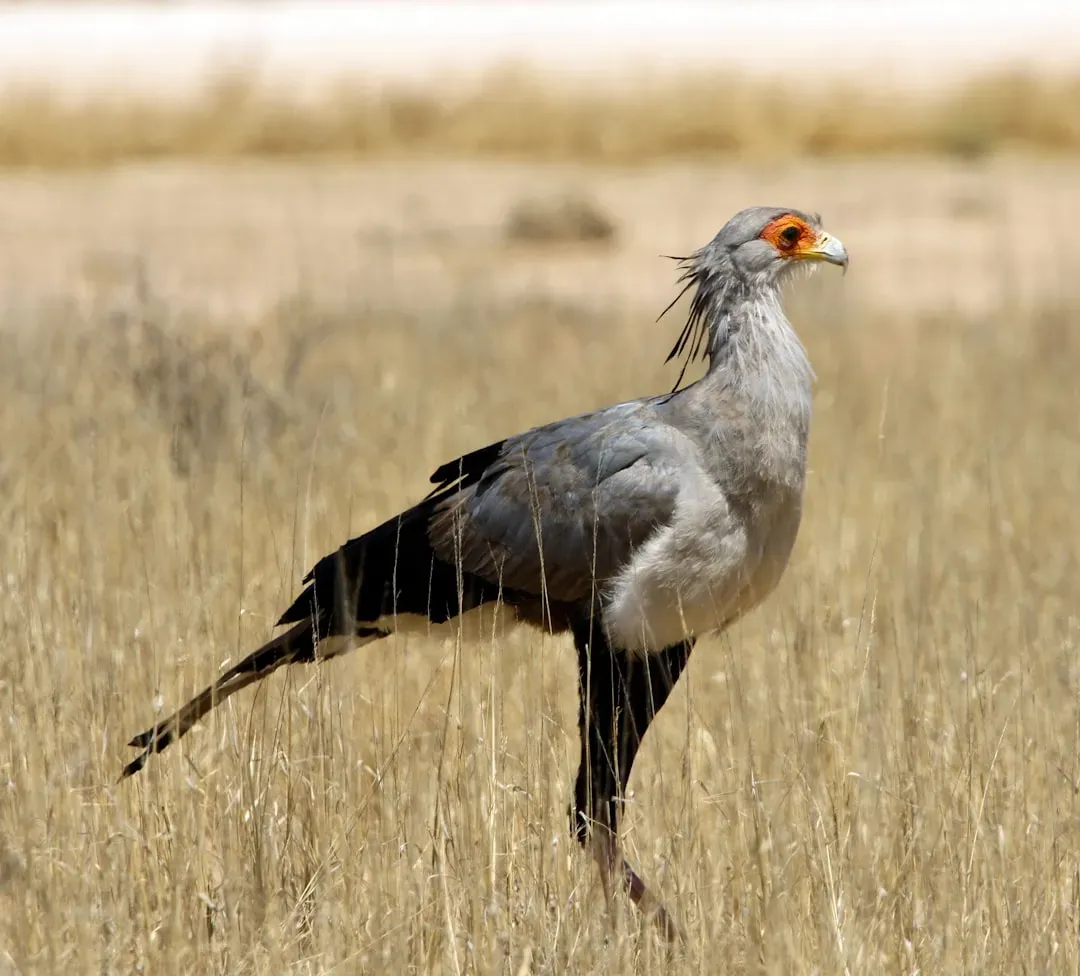
Here is one that still gets presented softly in a lot of classrooms: birds are “closely related to” dinosaurs, as if they are just cousins. The scientific consensus is much sharper than that. Birds are living theropod dinosaurs, the only dinosaur lineage to survive the mass extinction at the end of the Cretaceous. When you watch a pigeon strut or a hawk dive, you are watching a dinosaur in action. That sounds like a punchy science headline, but it is solid evolutionary biology, supported by skeletons, feathers, eggshells, and even lung structure.
Unfortunately, many school lessons still talk about dinosaurs and birds as if there was a clean break: dinosaurs died, birds appeared. That framing flattens a beautiful evolutionary transition into a before-and-after cartoon. Embracing the “birds are dinosaurs” fact helps students understand evolution as a continuous branching story, not a series of abrupt replacements. It also makes dinosaurs feel oddly more real; you can step outside and see their descendants on power lines and backyard feeders instead of treating them as vanished, isolated oddities.
5. T. rex Was Not a Clumsy, Half-Blind, Roaring Monster
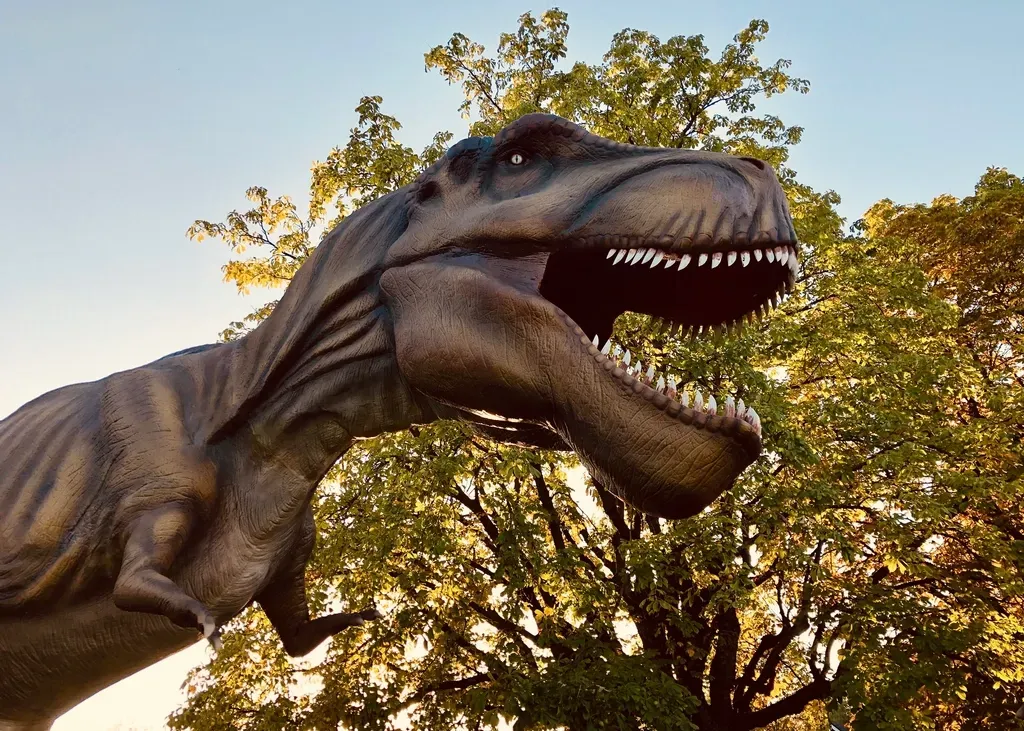
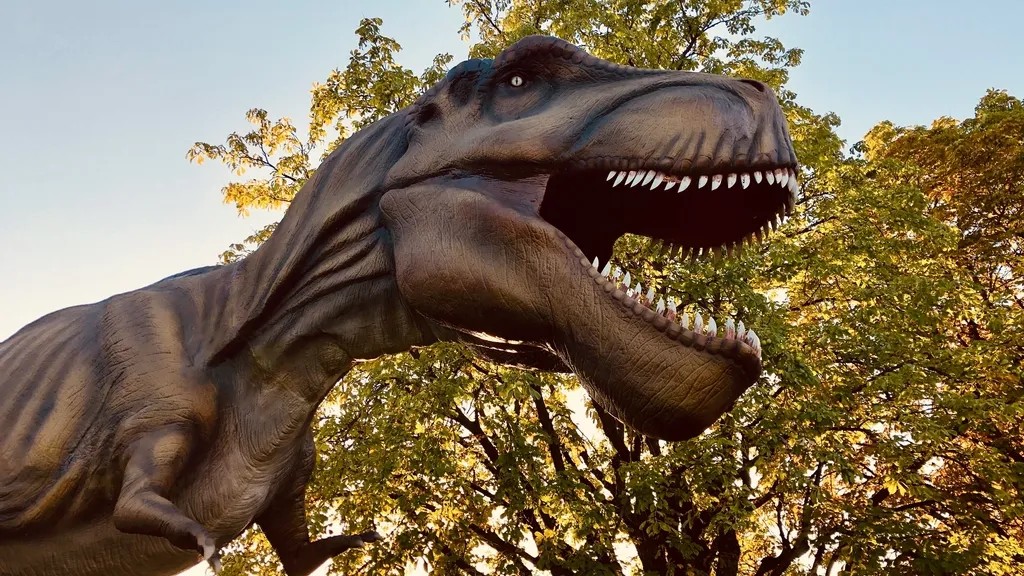
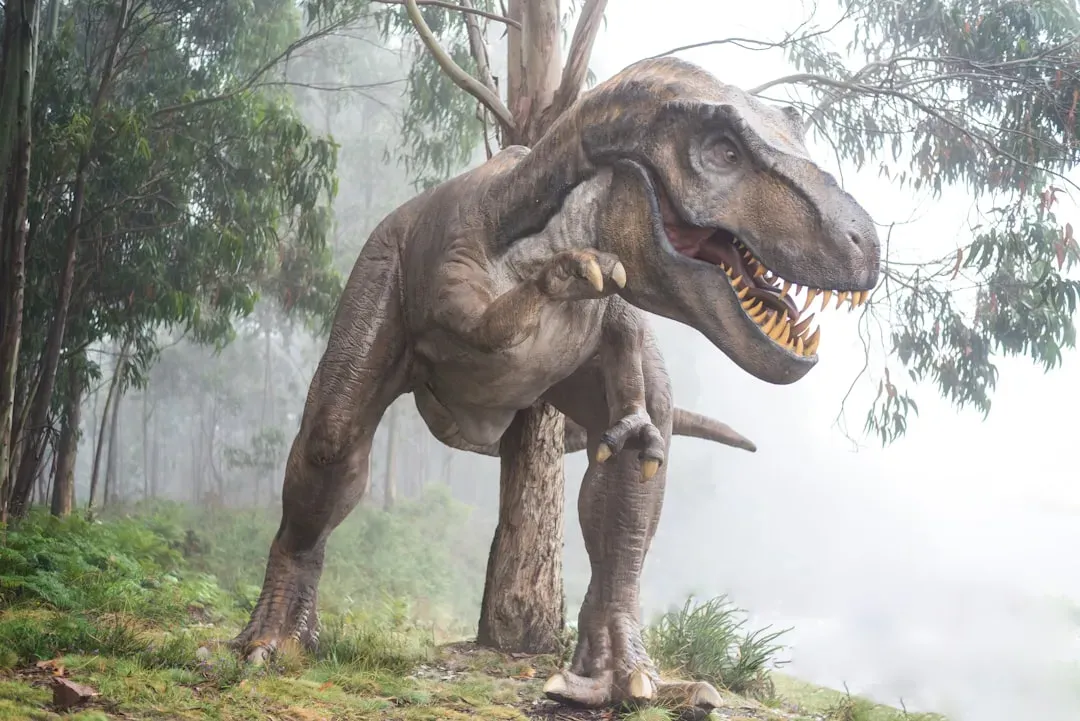
The school version of Tyrannosaurus rex often feels borrowed straight from mid-century monster movies: a lumbering, tail-dragging brute that roars at the sky and probably could not see you if you stood still. Modern research paints a different animal. Its tail was held off the ground for balance, its legs were powerful, and while scientists still debate its exact top speed, it was not some waddling oaf. Studies of its skull and inner ear suggest a finely tuned sense of balance, and reconstructions of its vision indicate forward-facing eyes with depth perception – far from the “movement-only” eyesight myth some of us grew up hearing.
On top of that, the pop-culture roar is fun but misleading. Real tyrannosaurs probably produced deep, low-frequency sounds more like crocodiles or large birds than a lion on a loudspeaker. In many classrooms, though, T. rex is still presented as a walking exaggeration: too big, too loud, and too stupid to feel like a real animal. Updating that picture is more than a nitpick. It shows students how evidence can strip away movie myths and replace them with something even more compelling: a predator that was powerful, yes, but also shaped by real trade-offs in speed, strength, and sensory ability like any living carnivore today.
6. Velociraptor Was Feathered and Much Smaller Than in Movies
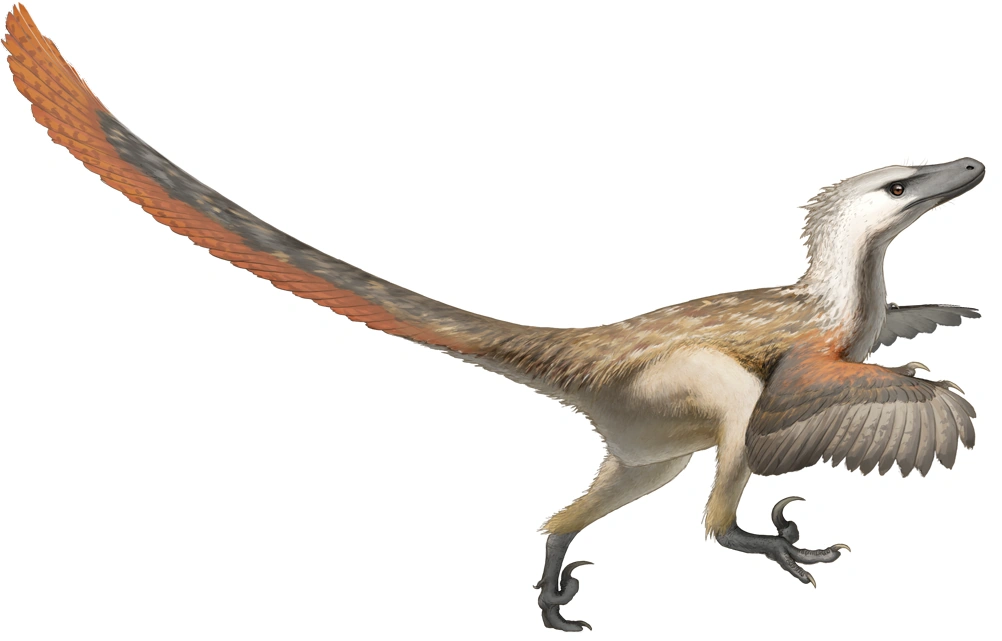
If you picture Velociraptor as the man-sized, scaly villain from films, you are imagining a movie invention, not the animal in the ground. The real Velociraptor was closer to the size of a large turkey, with long feathers on its arms and tail. Its sickle-shaped toe claw was real, its predatory lifestyle was real, but its look and scale were far more bird-like than the lean, naked reptile that dominates posters and classroom decorations. There are close relatives that were bigger, but that does not rescue the popular image from being wildly off.
This matters because Velociraptor has become a sort of mascot for dinosaurs in general. When kids see it portrayed as a slick, scaly super-lizard, they internalize that as the default dinosaur appearance. Accepting the feathered, smaller Velociraptor forces a mental shift: predatory dinosaurs can be both fierce and bird-like at the same time. Schools that keep using the old Hollywood design are not just wrong on a trivia level; they are reinforcing a cartoon version of evolution that disconnects dinosaurs from the living world.
7. Dinosaurs Lived in Diverse Habitats, Not Just Steamy Jungles and Swamps
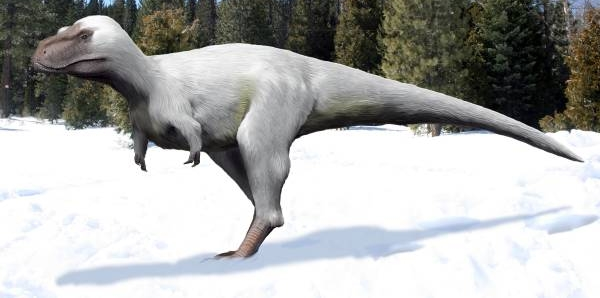
Classroom murals still love the “prehistoric swamp” aesthetic: dinosaurs wading through murky water, palm-like trees everywhere, steaming tropical heat. While some dinosaurs did live in warm, lush environments, fossils show they also thrived in semi-arid plains, coastal regions, and even high-latitude areas that experienced cool seasons and long winter darkness. Geological evidence from polar dinosaur sites indicates that some species lived year-round in those regions, suggesting they could handle chillier climates than the stereotype allows. The Mesozoic world was varied, not one endless tropical theme park.
Ignoring that diversity makes dinosaurs feel more alien than they really were. In reality, some environments they occupied would have felt oddly familiar: open floodplains like modern savannas, forested valleys, coastal deltas. Recognizing this helps students see that climate, geography, and animal adaptation are deeply intertwined. It also underscores why details like metabolism and insulation (think feathers and fat) are so important. Dinosaurs were not environmental freeloaders in a uniform hot-house; they were adaptable animals living in complex, changing landscapes.
8. Many Dinosaurs Were Social, Caring, and Possibly Vocal in Complex Ways
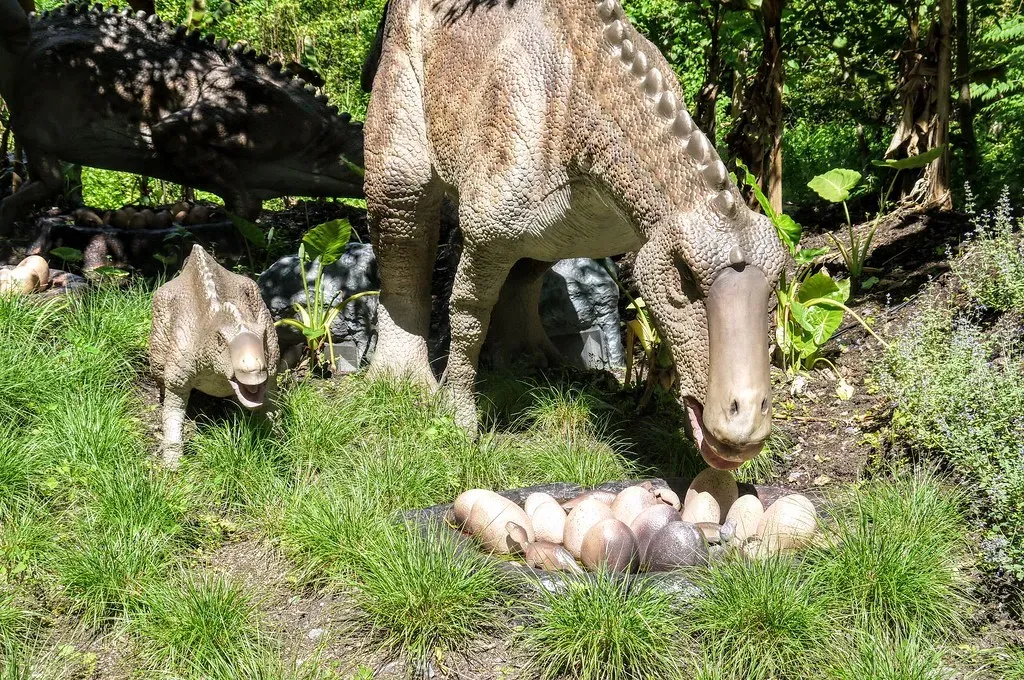
Old-school dinosaur lessons tended to frame them as loners: big reptiles wandering around, occasionally bumping into each other to mate or fight. The fossil record now tells a richer story. Trackways show groups moving together, bonebeds reveal multiple individuals of the same species preserved in ways that suggest herd behavior, and nest sites show organized egg-laying and, in some cases, evidence of parental care. Some species seem to have returned to the same nesting grounds repeatedly, much like modern seabirds or turtles. These clues point toward social structures, not just random crowding.
On the vocal side, we cannot play back a dinosaur’s exact call, but we can make educated guesses from anatomy. Hollow crests, complex airway structures, and comparisons with birds and crocodilians suggest that at least some dinosaurs used sound for communication: calls, booms, or honks that carried over distance. When schools still default to dinosaurs as mostly silent, solitary beasts, they miss a huge opportunity to teach how behavior can be inferred from fossils. They also miss the emotional hook: realizing that these animals cared for their young, flocked together, and likely filled their world with sound makes them feel startlingly alive.
9. The “Stupid Dinosaur” Stereotype Is Outdated
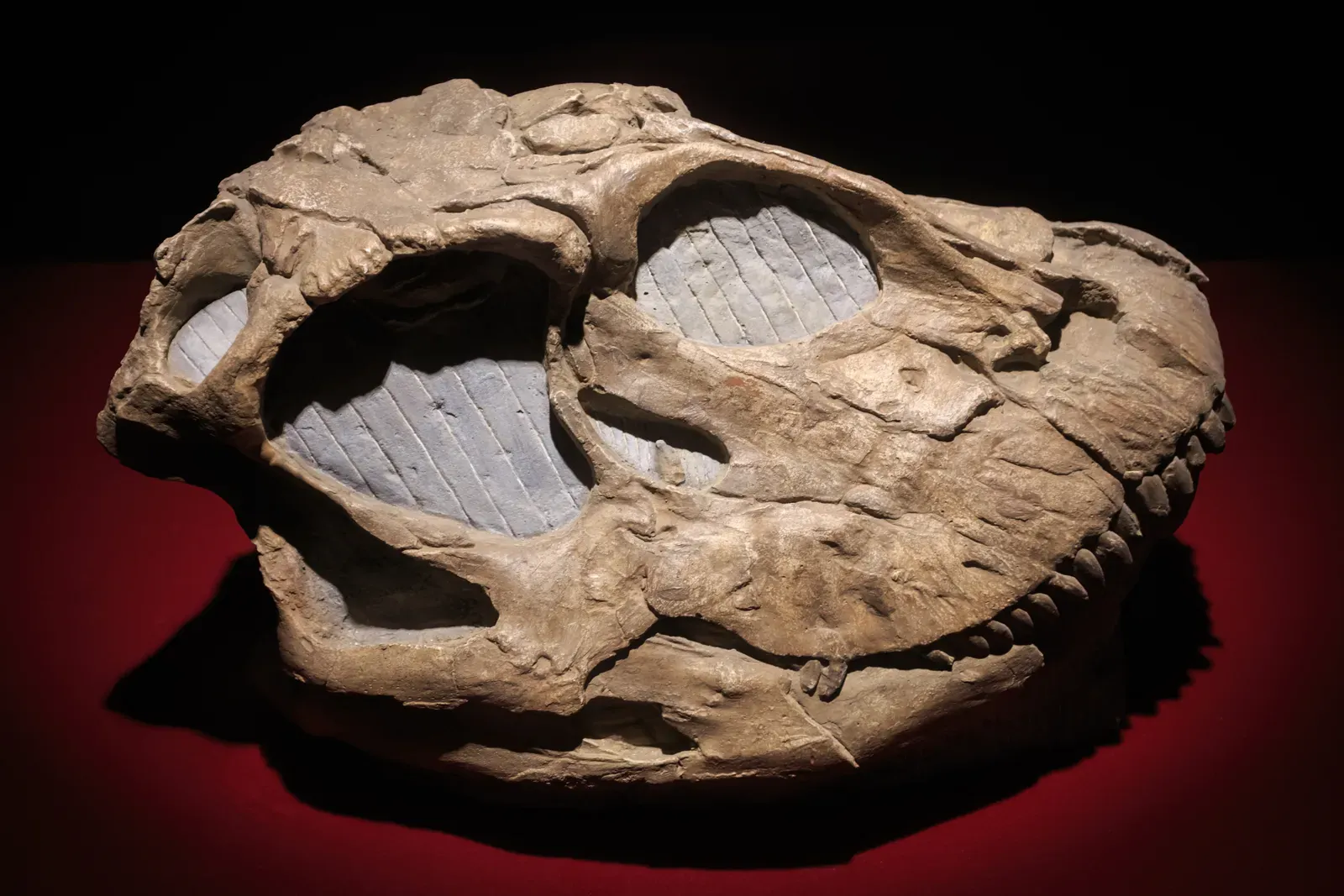
Growing up, I remember hearing that dinosaurs went extinct because they were not very smart, as if an asteroid checked their test scores before impact. That story is lazy and wrong. Brain size relative to body size varies widely across dinosaur groups, and some, especially among theropods and early birds, had brain proportions comparable to modern birds and mammals. They had decent to impressive sensory processing for vision and balance, and some likely showed problem-solving or complex social behavior. The idea that they were biologically doomed by stupidity does not match the evidence.
That does not mean every dinosaur was a genius; some large herbivores had brains that were small for their size. But intelligence is not a single ladder with humans on top and everyone else below. It is a mosaic of abilities: memory, spatial navigation, communication, learning. Dinosaurs ruled the planet for tens of millions of years across multiple continents and ecosystems. By any ecological measure, that is not what failure looks like. When schools cling to the “dumb dinosaur” trope, they oversimplify evolution and feed into a smug narrative that underestimates nonhuman animals in general.
10. The Mass Extinction Story Is More Complex Than “Meteor Hits, Dinosaurs Vanish Overnight”
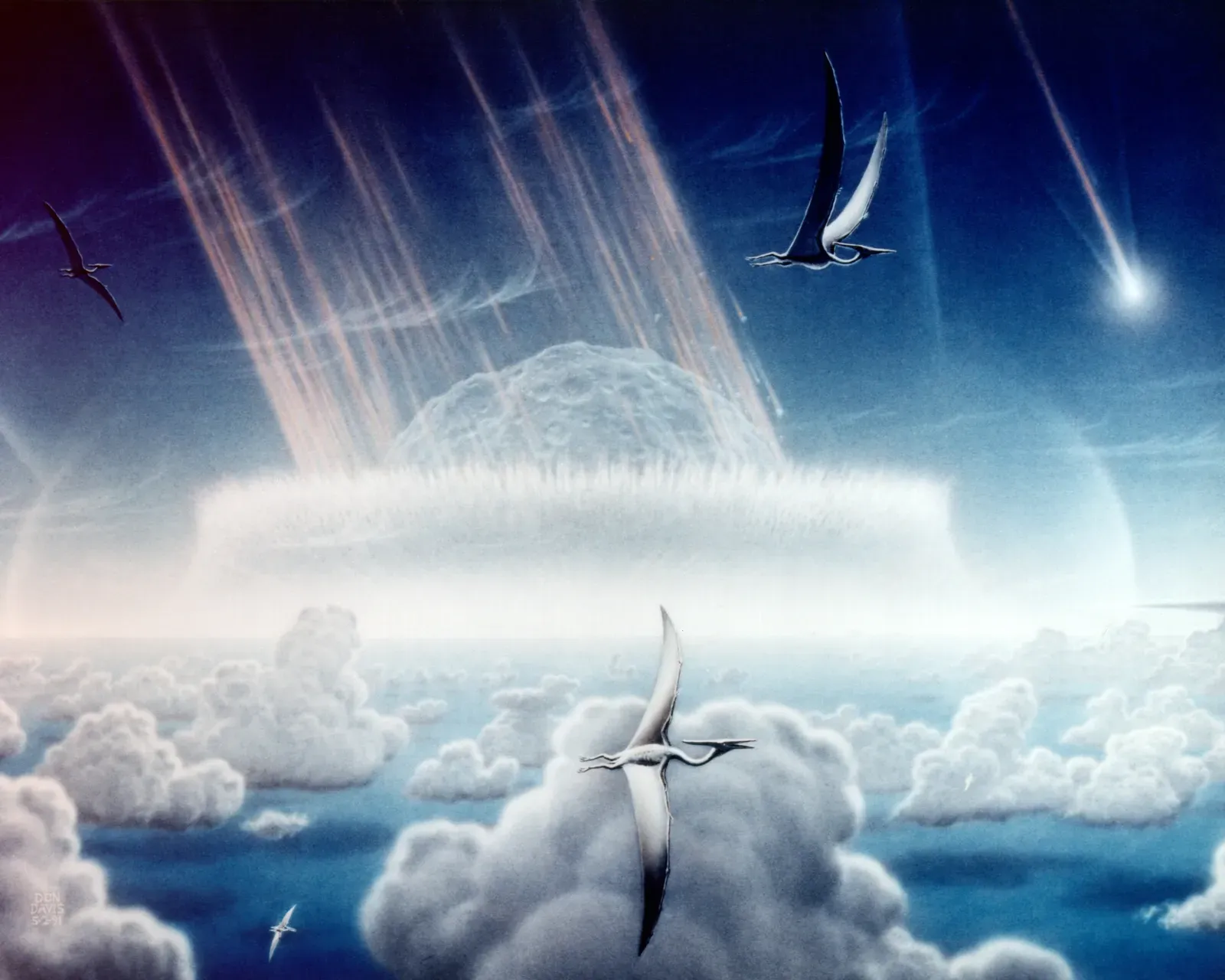
Most students do hear about the asteroid impact at the end of the Cretaceous, and that part is well supported: a huge impact in what is now Mexico coincides with the extinction of non-avian dinosaurs. But the simplified school version often skips important context. Earth’s climate and ecosystems were already under stress, likely from massive volcanic activity and changing sea levels. The impact was a brutal final blow layered onto existing instability. In addition, not every dinosaur group disappeared at the exact same instant; some lineages may have been declining while others were still doing relatively well when disaster struck.
Presenting the extinction as a single dramatic moment makes for a neat story but also hides how fragile complex ecosystems can be. The survival of bird-line dinosaurs, small mammals, and other groups depended on a messy mix of body size, diet, habitat, and sheer luck. That nuance is not just academic hair-splitting. It helps students connect deep-time events to modern concerns about rapid climate change and biodiversity loss. If schools updated this narrative, they could turn the dinosaur extinction from a one-off catastrophe into a powerful lesson about how intertwined life and environment really are.
Conclusion: Dinosaurs Deserve Better Than Outdated Textbooks
The gap between what many schools still teach about dinosaurs and what scientists now know is embarrassingly wide. We are not talking about tiny refinements at the edge of research; we are talking about feathers, warm-blooded metabolisms, bird ancestry, social behavior, and entire ecosystems being reshaped in our understanding. When classrooms cling to tail-dragging, swamp-bound, dim-witted monsters, they are not just getting a few details wrong. They are failing to show students how science updates itself, how evidence can overturn familiar pictures, and how living, breathing animals of the past connect to the creatures outside their windows today.
Personally, I think keeping kids on a decades-old version of dinosaurs is a quiet kind of educational malpractice. It sells them a dusty museum diorama when we now have something closer to a high-definition wildlife documentary waiting to be told. Updating dinosaur science in schools is not about pleasing dinosaur geeks; it is about modeling curiosity, openness to new data, and the courage to admit that we used to be wrong. If we cannot do that with something as fun and captivating as dinosaurs, where else are we cutting corners without noticing?