Have you ever felt something stir inside you when you step outside? Not just a simple appreciation for fresh air, but a deeper pull, something almost magnetic drawing you toward trees, water, sky. Most of us brush it off as just liking nature, maybe even take it for granted. Yet some people experience this differently, more intensely.
The biophilia hypothesis suggests that humans possess an innate tendency to seek connections with nature and other forms of life. This deep-seated connection is rooted in our evolutionary history, as our ancestors relied on a close relationship with nature for survival. If you find yourself inexplicably drawn to wilderness spaces, feeling an almost primal recognition when surrounded by natural elements, you might be experiencing what researchers call a profound biophilic connection. Here are the telltale signs.
You Feel Most Calm When All Your Senses Are Engaged Outdoors

There’s a distinct difference between being outside and truly experiencing nature through every sense. You’re not just seeing trees, you’re noticing the specific pattern of bark beneath your fingertips, catching the earthy smell of moss after rain, hearing the layered symphony of bird calls. The scent of pine needles or wildflowers can be incredibly evocative, sparking memories or creating a pervasive sense of calm, while the feel of cool water on our skin, or the texture of moss or tree bark under our fingertips, can be a powerful way to connect with the physical world around us, and by engaging all of our senses when we connect with nature, we can create more immersive and memorable experiences that are impactful and profound.
When you’re truly connected to nature on a primal level, you don’t just walk through a forest, you absorb it. Your body responds viscerally to natural stimuli in ways you can’t quite explain. It’s like your nervous system recognizes something ancient and familiar, something it’s been waiting for all along. For humans living a modern experience however, technology and artificial environments have caused our sensory awareness potential to atrophy, and if you ever find yourself struggling to reach a more calm and meditative experience in nature, it’s probably because your five senses are not engaging properly.
You Experience a Visceral Need to Slow Down in Natural Settings
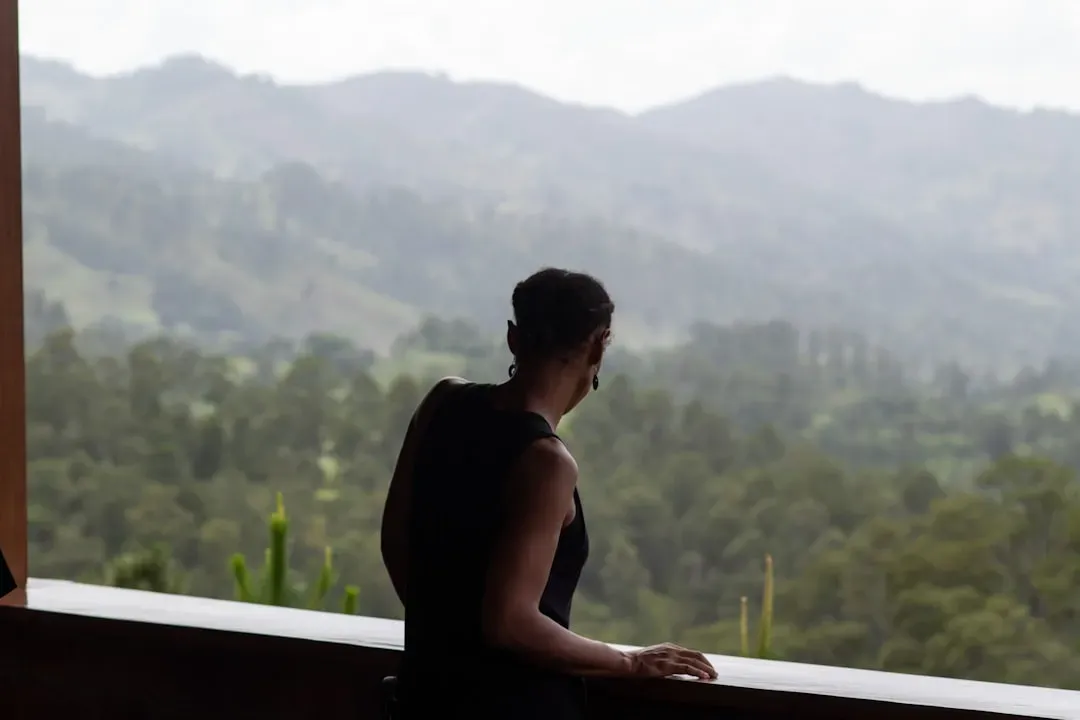
The most important thing to remember when you want to connect with nature is learning how to slow down and be truly present with the natural world, since most people live their lives at such a fast pace that it becomes difficult to appreciate the subtleties of birds, plants, trees and natural settings, and if your mind is too busy with thoughts about the past or future, then you won’t be able to experience nature even if it’s right in front of you, because modern society trains us to move fast and pack our schedules full of activity, but when it comes to nature this will actually interfere with your ability to connect. When you have a deep connection to nature, you notice yourself automatically shifting gears once you’re surrounded by wilderness.
It’s not something you consciously decide to do, honestly. Your breathing changes, your thoughts quiet, and there’s this almost magnetic pull to just stop and observe. Maybe you sit under a tree for longer than intended, watching light filter through leaves. Time feels different out there, doesn’t it? Less urgent, more expansive. People with strong biophilic tendencies often describe this slowing down as involuntary but deeply satisfying.
Natural Spaces Feel More Like Home Than Built Environments
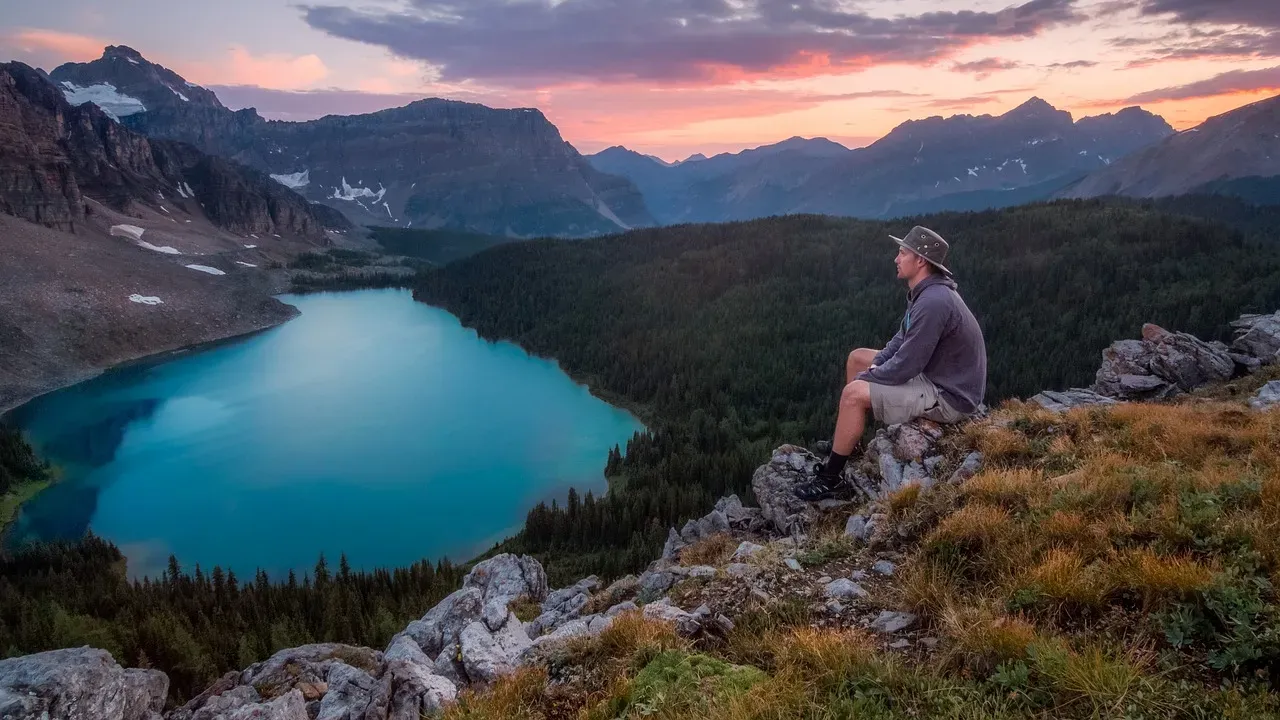
Some people tolerate cities and towns. Others actually prefer them. Then there’s you, constantly feeling like you’re holding your breath indoors, counting down until you can escape back outside. Only when you are out amid the clean air, the rich deep soil, and the crystal-blue water do you reconnect with that ancient part of yourself that feels so out of place among the soul-numbing crush of urban congestion, the jitter-inducing plasticity of technological complexity, and the ironic sense of alienation one gets when surrounded by teeming throngs of people.
Only when you’re out amid the sounds of chirping birds, rolling waves, and crackling fireplaces are you able to hear yourself think. If wilderness feels more authentic to you than civilization, if forests and mountains stir something that skyscrapers never could, that’s your biology speaking. People being drawn towards life and nature can be explained in part due to our evolutionary history of residing in natural environments, as only recently in our history have we shifted towards an urbanized lifestyle, and these connections to nature can still be seen in people today as people gravitate towards, identify with, and desire to connect with nature.
You Notice Details Others Completely Miss

Your friends might see a generic bird. You see a thrush, identify it by song, wonder what it’s foraging for. They walk past a plant. You recognize it as edible, medicinal, native or invasive. This isn’t just knowledge, it’s attention born from genuine fascination. One of the best ways to deepen your experience of nature is by asking really good questions, since every time you ask a question, your mind is coaxed out of its shell and into the wider world of discovery, and a curious mind is an absorbed mind, and nothing works better to actually get your senses activated than a really good question, because asking good questions is also one of the personality traits that tends to emerge in everyone who becomes deeply connected with nature.
People with primal connections to nature don’t just glance at the landscape. They read it. Track marks in mud tell stories. Changes in bird behavior signal approaching weather. The angle of sunlight indicates time of day without checking a phone. This deep observation isn’t learned from books alone, it comes from spending so much time immersed that patterns become second nature, literally.
You Feel Physically Restored After Time Outdoors

Research shows that people who are more connected with nature are usually happier in life and more likely to report feeling their lives are worthwhile. For you though, it goes beyond happiness into actual physical restoration. After a hike, a swim in a lake, even just sitting beneath an old tree, you feel recharged in a way that sleep alone doesn’t provide. It’s like nature replenishes something essential that modern life constantly drains.
Research suggests that biophilia can have a positive impact on well-being by affecting three of our mind-body systems: physiological, which reduces anxiety, psychological, and cognitive functions. Your body knows this instinctively. You might not understand the science behind it, but you recognize the sensation. Tension melts from your shoulders. Mental fog lifts. Colors seem brighter, food tastes better, sleep comes easier. Nature doesn’t just relax you, it actually heals something fundamental.
You Experience Emotional Responses to Environmental Damage

Seeing litter in a pristine stream genuinely upsets you. News of deforestation feels personal, almost like learning of a death in the family. Connecting with nature helps to develop a deeper understanding and appreciation for the natural world, cultivates and engrains a sense of stewardship and responsibility towards protecting and preserving nature deep in our soul, and makes us aware of our role as a keystone species and our duty to protect it for future generations becomes innate to who we are through this connection. This isn’t performative environmentalism or abstract concern. It’s visceral grief.
When , environmental destruction registers as actual pain. You feel protective, even defensive, about wild spaces. A stronger disregard for other plants, animals and less appealing wild areas could lead to further ecosystem degradation and species loss, therefore, reestablishing a connection with nature has become more important in the field of conservation. Your emotional investment in nature’s wellbeing isn’t political posturing. It reflects a genuine bond, the kind that makes protecting wilderness feel as essential as protecting your own home.
You’re Drawn to Water and Find It Deeply Comforting

Rivers, oceans, lakes, even rain, they all pull at something fundamental in you. Water isn’t just pretty scenery or recreational opportunity. It feels necessary. People are drawn to places where water and earth meet, such as serene lakes, rivers, or ocean shores, and the gentle touch of nature soothes sensitive souls, providing them with a sense of security and comfort. You find yourself seeking out bodies of water when stressed, sitting by streams to think, swimming not just for exercise but for emotional regulation.
There’s something about water that speaks to our most ancient selves. Our ancestors who had stronger connections to nature would hold an evolutionary advantage over less connected people as they would have better knowledge and therefore access to food, water, and shelter. Maybe that’s why being near water feels like coming home. The sound alone can shift your entire mood. You could listen to waves or rain for hours, never bored, always finding something meditative in those rhythms.
You Understand Nature Through Intuition More Than Intellect

Sure, you might know plant names and ecological principles. Yet your deepest connection to nature isn’t academic, it’s felt. You sense weather changes before checking forecasts. You know when to harvest herbs not because of charts but because they just feel ready. Taking time to sit quietly in a natural setting and allowing your thoughts to drift away, focusing on your breath and paying attention to any sensations or emotions that arise within you can be a powerful way to tap into your intuition and connect with the natural world on a deeper level, and practices like meditation, yoga, or tai chi can help to quiet the mind and enhance a sense of inner awareness, making it easier to connect with nature through a sixth sense.
This intuitive understanding can’t always be explained rationally. You just know certain things about the natural world the way you know your own mood. People with deep primal connections often describe feeling guided by instinct when outdoors, trusting gut feelings about directions to take, places to explore, when to move on or when to linger. That ancient wisdom still lives in your DNA.
You Feel Spiritually or Existentially Grounded in Wilderness
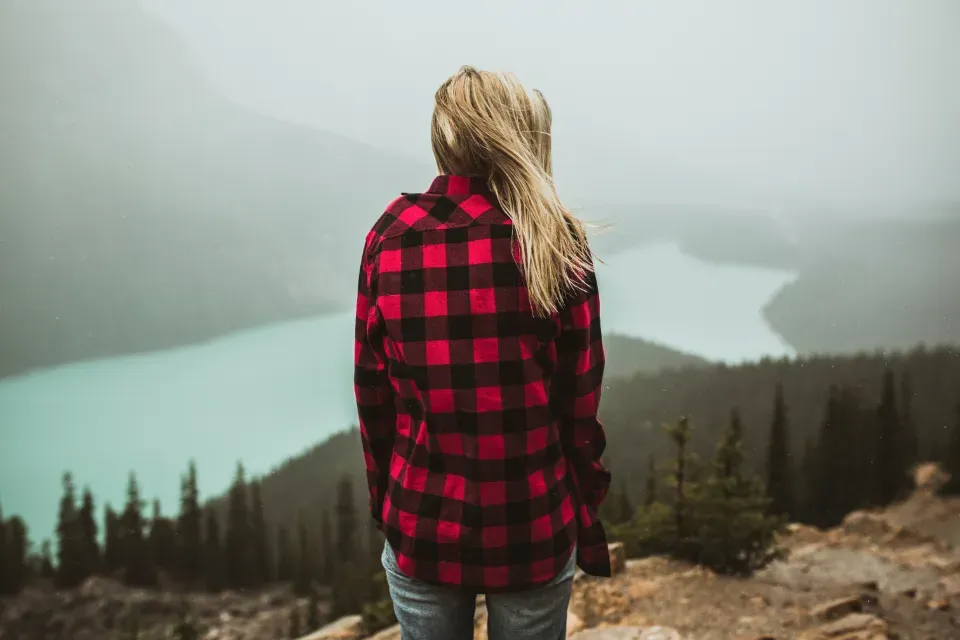
Nature answers questions you didn’t know how to ask. Standing on a mountain peak or walking through old-growth forest, you experience something beyond beauty or recreation. It’s closer to revelation, a sense of your place in something vast and interconnected. Using symbolism in nature not only enhances personal growth but also deepens ecological awareness, and when we see nature as a repository of symbols and messages, we cultivate a sense of respect and responsibility for the environment, with this symbolic relationship encouraging us to protect and preserve natural spaces, understanding that they hold profound meanings and connections.
Sometimes something extraordinary happens when you’re walking along and all of a sudden you notice a tree, really notice it, and it’s a revelation, with a deep peace emanating from it and settling into you. For many with primal nature connections, wilderness serves a function that churches or temples do for others. It provides perspective, humility, meaning. The natural world reminds you that you’re part of something older and larger than human civilization.
You Struggle With Prolonged Disconnection From Nature

Days or weeks stuck indoors or in urban environments leave you feeling depleted, irritable, even mildly depressed. It’s not just preference for outdoor activities, it’s genuine suffering when separated from natural settings for too long. To the extent that a lack of natural elements is a discord, one would expect that a closer association with nature should improve psychological health. You need nature the way others need social interaction or creative expression.
This isn’t weakness or escapism. Humanity depended on nature for survival, finding food, shelter, and protection from the elements, and the adaptive advantages conferred by an intimate connection with nature, such as access to resources and protection from threats, have imprinted a deep-seated predisposition for positive responses to natural stimuli, with this affinity for nature becoming ingrained in our DNA over millennia, as the ability to appreciate and seek out natural settings conferred a survival advantage. Your biology recognizes nature deprivation as a genuine problem. When you finally get back outside after extended absence, the relief is palpable, almost like finally being able to breathe properly again.
Conclusion
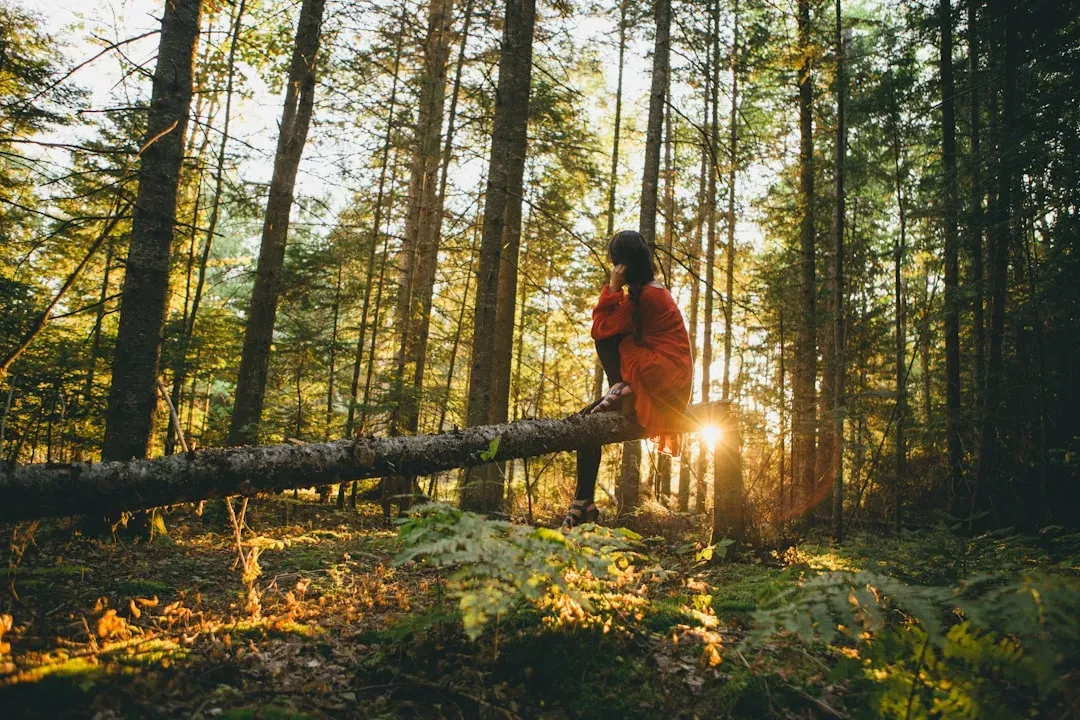
Recognizing these signs in yourself reveals something profound about who you are at a fundamental level. The biophilia hypothesis posits an innate biological and genetic connection between human and nature, including an emotional dimension to this connection. You’re not unusual or overly sentimental. You’re simply more attuned to a connection that exists in all humans but has grown dormant in many through modern disconnection from the natural world.
This primal bond with nature isn’t just romantic or philosophical, it’s essential to your wellbeing. Honoring it means prioritizing time outdoors, protecting wild spaces, and trusting that pull toward wilderness when it calls. What aspects of your nature connection surprised you most as you read through these signs?