Ever wondered what separates the wanderers from the homebodies? What drives some people to constantly chase the unknown while others feel perfectly content with routine? It’s not just about physical journeys or climbing mountains. Being an explorer is fundamentally about how your mind approaches the world around you.
Your brain might already be telling you something important. The way you respond to curiosity, handle uncertainty, and seek new experiences could reveal an entire personality blueprint you didn’t even know existed. Whether you realize it or not, certain patterns in how you think and behave might signal that you’re naturally wired for discovery. Ready to find out if you’re one of these natural-born explorers? Let’s dive in.
You Feel an Irresistible Pull Toward the Unknown

When you encounter something unfamiliar, you don’t run from it – you’re drawn to it like a magnet. You observe, document, ask questions, and explore the wonders around you. This isn’t about recklessness. It’s about genuine fascination with what lies beyond your current understanding. Your friends might call you impulsive, but really, you’re just following a deep-seated need to investigate.
This curiosity involves stepping outside of your comfort zone and trying new things, even if you’re unsure of what the outcome will be. Most people avoid the unfamiliar because it triggers anxiety, yet you seem energized by it. Seeking new and unfamiliar experiences is a fundamental behavioral tendency, and it makes sense because trying new options may prove advantageous in the long run.
You’re Comfortable Living with Ambiguity
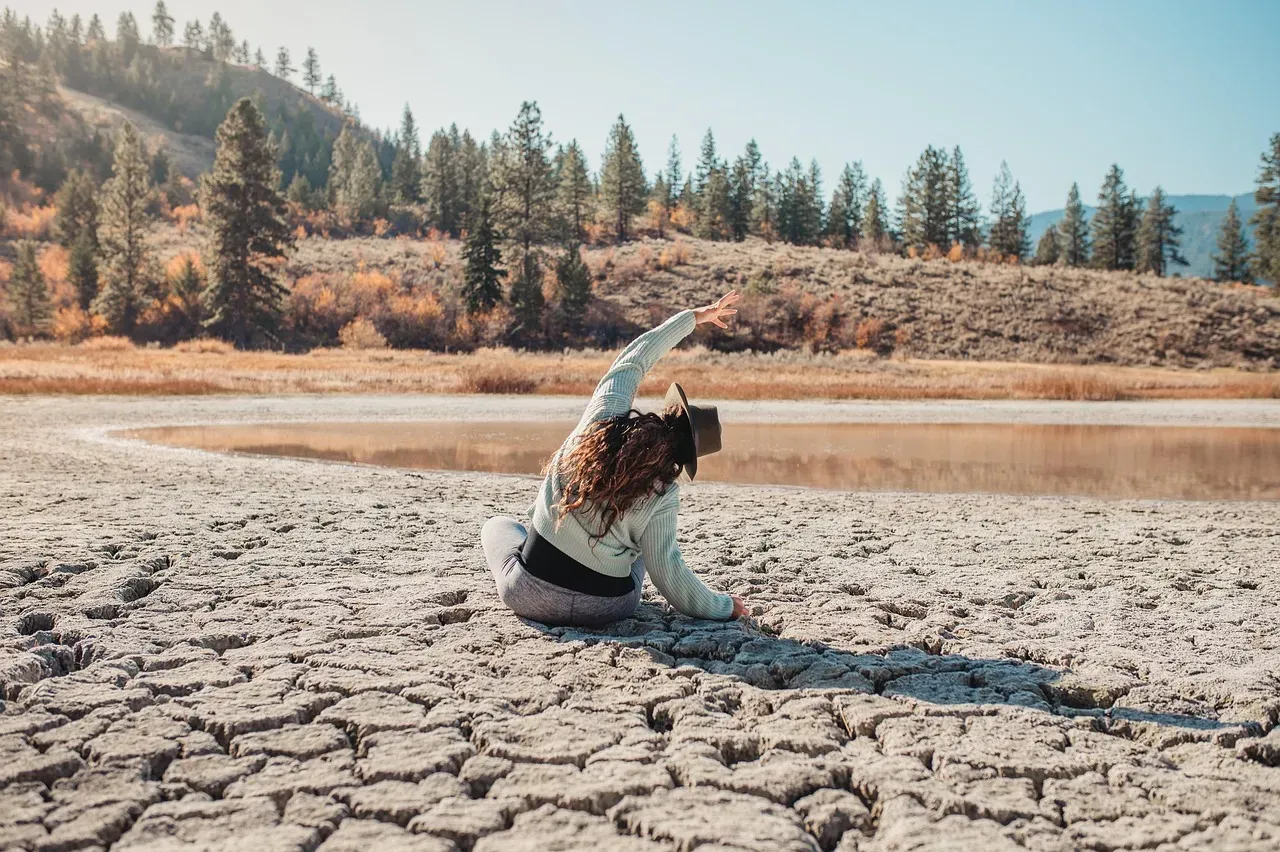
While others crave certainty and clear-cut answers, you’re strangely at peace with not knowing everything. You can hold multiple possibilities in your mind without needing immediate resolution. This tolerance for ambiguity is rare, honestly. Most people get anxious when things aren’t black and white, but you thrive in the gray areas.
A curious personality is linked to a wide range of adaptive behaviors including tolerance of anxiety and uncertainty, positive emotional expressiveness, and a non-defensive, non-critical attitude. You don’t need all the answers right away. Instead, you’re willing to sit with questions, turning them over in your mind, exploring different angles without rushing to conclusions.
Novel Experiences Light Up Your Reward Centers
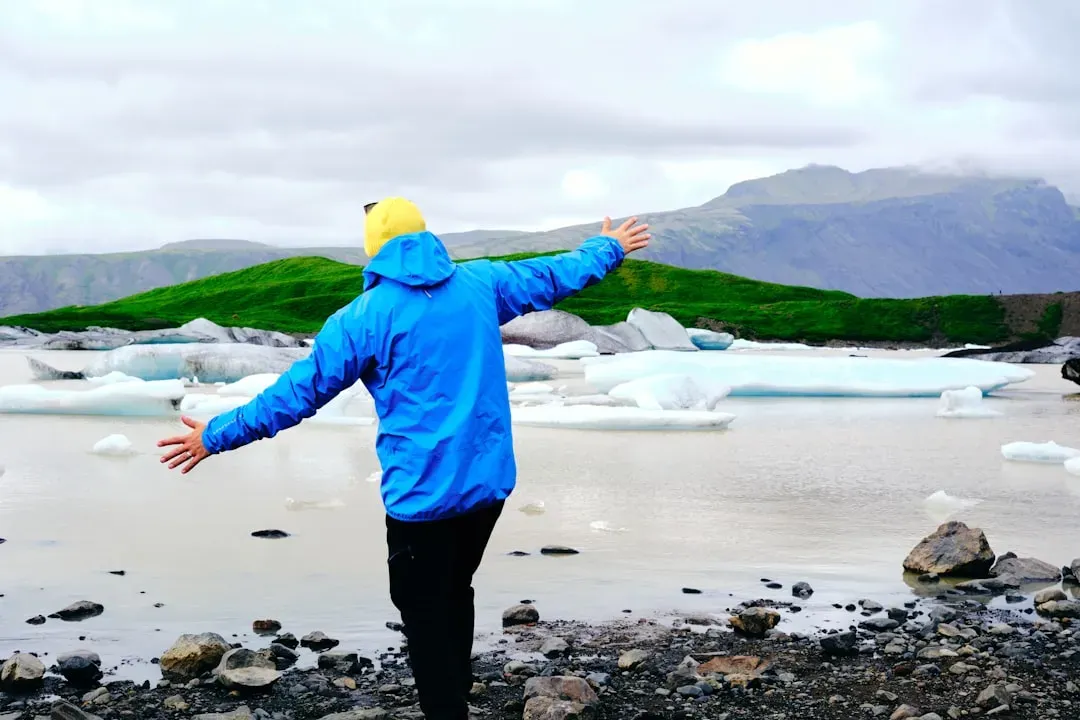
Here’s something fascinating: adventurous behavior makes you feel good because it fires up the same regions of the brain that getting a reward does. When you try something new – whether it’s tasting an exotic food or exploring a different route to work – your brain releases a cocktail of feel-good chemicals. It’s like your neural wiring has been optimized for novelty-seeking.
When subjects selected an unfamiliar option, an area of the brain known as the ventral striatum lit up, and this region is in one of the evolutionarily primitive regions of the brain. You’re not weird for constantly seeking change. Your brain is literally rewarding you for being adventurous, pushing you toward experiences that expand your horizons.
You Ask Questions Constantly, Even About Mundane Things

You can’t help yourself. Why is the sky that particular shade of blue today? What makes people choose one brand over another? How does that machine actually work? Curiosity is a critical motivational force that encourages innovation and learning and drives us to explore the unknown. Your mind doesn’t accept surface-level explanations – you need to dig deeper.
This questioning nature might have annoyed teachers or parents when you were younger, but it’s actually a hallmark of the explorer mindset. Highly curious people are equally attached to novelty and systematicity, sustaining deeper questioning over longer periods of time before resolving novelty into system. You’re not being difficult; you’re genuinely trying to understand how the world works.
You’re Energized Rather Than Drained by New Social Situations

Curious people are engaged, thoughtful, influential, and oriented to growth opportunities during social interactions, displaying psychological flexibility and equanimity. When you walk into a room full of strangers, you don’t feel the typical social dread. Instead, you see possibilities – new perspectives to learn, interesting stories to hear, connections to make.
You approach conversations with genuine interest rather than performing small talk. People often remember you because you asked them something nobody else bothered to ask. People who are open and curious orient their lives around an appreciation of novelty and a strong urge to explore, discover, and grow, which is linked to healthy social outcomes.
You Constantly Seek Patterns and Connections Across Different Fields

If curiosity is the practice of knowledge network building, then a curious person engages in this practice more readily, under more conditions, and for longer periods, with individual differences determining the architecture of that knowledge network building. You see links between seemingly unrelated ideas – how a concept from biology might explain something in economics, or how a line from a poem captures a scientific principle.
Your mind functions like a web, constantly forming new connections. You might be reading about ancient philosophy one moment and quantum physics the next, finding unexpected bridges between them. This isn’t scattered thinking; it’s sophisticated pattern recognition. You’re building a complex mental map of how everything fits together.
You View Failure as Data Rather Than Defeat

When things don’t go as planned, you don’t crumble. Instead, you get curious about what went wrong and what you can learn from it. Good explorers are accountable and responsible not only for their own actions and their impact on others, but also for not twisting data to fit a narrative they want to believe. You’re willing to examine your mistakes honestly.
This mindset separates true explorers from mere adventurers. You’re not just in it for the thrill – you’re in it for the learning. Every failed experiment, every wrong turn, every miscalculation becomes part of your expanding understanding. You collect these experiences the way others collect souvenirs, turning setbacks into stepping stones.
Your Brain Shows Distinct Structural Differences
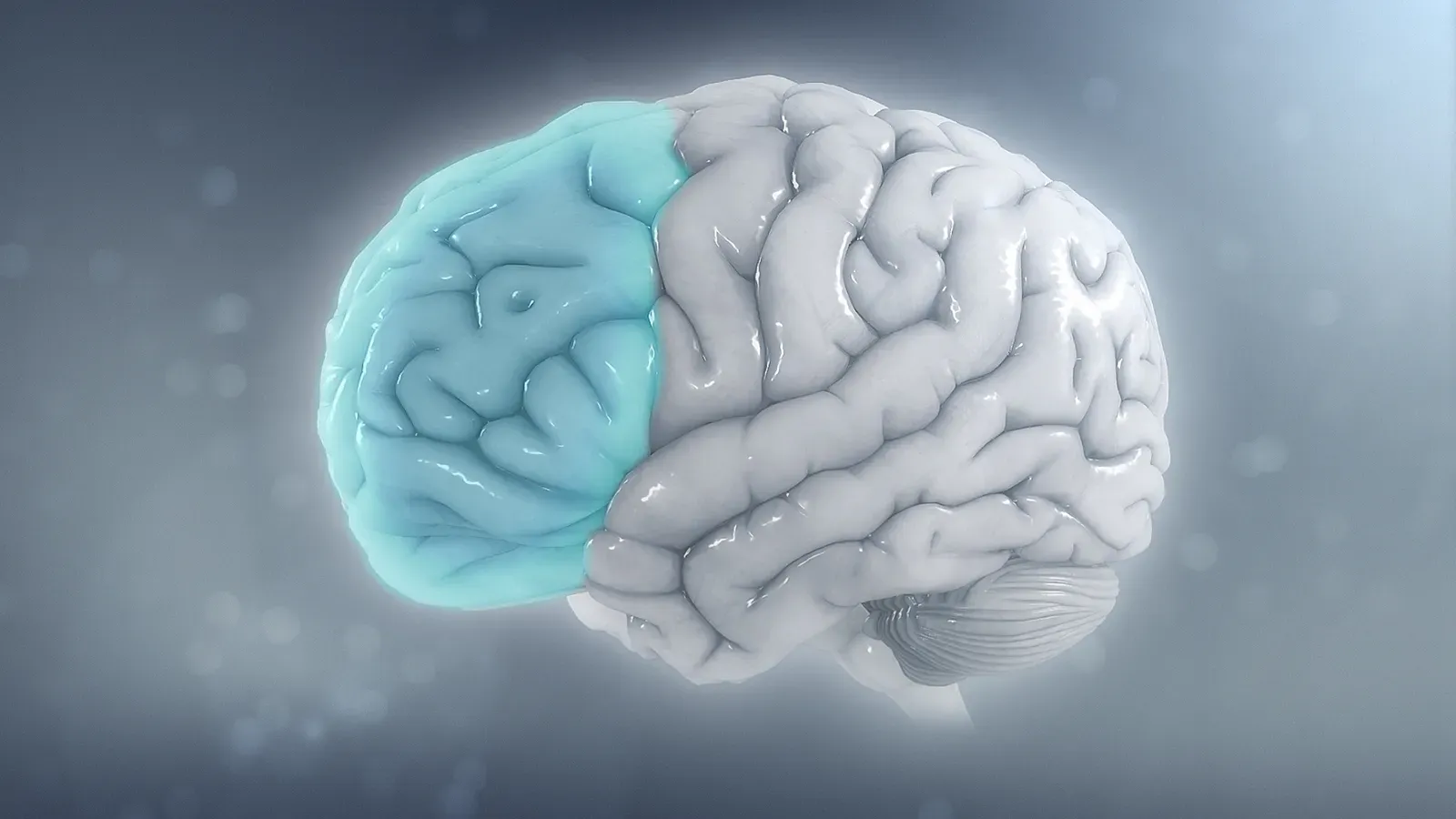
Let’s be real – this gets into some wild neuroscience. Openness, a personality trait linked with curiosity, creativity and a preference for variety and novelty, is associated with reduced thickness and an increase in area and folding in some prefrontal cortices. Your brain’s physical structure might actually be different from less curious individuals.
Think about that for a second. Several links have been found between the size of certain brain regions and personality. The way you process information, the way you seek novelty, the way you connect ideas – it’s not just psychological. There’s actual hardware backing up your explorer tendencies, neural pathways that have been shaped by both genetics and experience.
You’re Pulled Toward Growth Even When It’s Uncomfortable

Embracing the discomfort of stepping outside comfort zones to explore new territory is an important element in an explorer’s mindset. You don’t just tolerate growth – you actively seek it out, even when it means confronting your own limitations or challenging long-held beliefs. That takes real courage, honestly.
Adopting an explorer’s mindset can lead to personal growth and self-discovery because by trying new things, you learn more about yourself, your strengths, and your weaknesses, discovering new passions and interests. You’re willing to be a beginner again, to look foolish, to struggle with unfamiliar skills. That vulnerability in pursuit of knowledge is powerful.
You Practice Mindful Observation of Both Your Environment and Yourself

Mastering the ability to be inside and outside the picture frame at the same time – immersing yourself in experiences while keeping one piece of your mind firmly rooted in the role of a kindly observer – is mindfulness taken to another level. You don’t just experience life; you simultaneously watch yourself experiencing it, asking what you’re learning.
Curiosity isn’t just about finding interesting things to do every day, it’s also about approaching everyday things with interest, transforming everyday situations into moments of beauty, wonder or intrigue. You notice details others miss – the way light falls through leaves, the subtle shift in someone’s tone, the unexpected elegance of a mathematical equation. This dual awareness makes your experience of life richer and deeper.
Conclusion

Recognizing these signs in yourself doesn’t mean you need to quit your job and trek across continents, though you certainly could. Being wired for discovery is about how you approach everyday existence – with curiosity, openness, and a willingness to venture beyond the familiar. Curiosity is a psychological super virtue linked with greater life satisfaction, stronger relationships, professional success, and even a longer lifespan, and it can be cultivated with simple strategies.
The beautiful thing? Even if you only recognized yourself in a few of these signs, that explorer mindset can be developed. Your brain has remarkable plasticity. Every time you ask a question, try something new, or push past your comfort zone, you’re strengthening those neural pathways. So what aspect of yourself surprised you the most? What will you explore next?