There’s something almost primal about the love people feel for dinosaurs. It doesn’t just show up in childhood when you’re five years old clutching a plastic T. rex at the dinner table. For some people, that feeling never goes away. It only grows louder, more specific, and honestly, more obsessive in the best possible way.
If you’re reading this, there’s a solid chance you already know where you fall on the spectrum. Maybe you correct people at parties when they call a pterodactyl a dinosaur. Maybe your bookshelf has more fossil field guides than novels. This article is basically your personal checklist. Be surprised by what it reveals about you.
You Know the Difference Between the Triassic, Jurassic, and Cretaceous – Without Googling It

Let’s be real: most people hear “Jurassic” and think that’s just when all dinosaurs lived. You know better. Dinosaurs are a group of reptiles that have lived on Earth for about 245 million years, spanning three very distinct geological chapters. You could explain the difference at dinner without breaking a sweat.
Contrary to what many people think, not all dinosaurs lived during the same geological period. Stegosaurus, for example, lived during the Late Jurassic Period, about 150 million years ago, while Tyrannosaurus rex lived during the Late Cretaceous Period, about 72 million years ago. You find it almost personally offensive when movies mix these eras up like they’re all one big prehistoric party. They weren’t.
You Correct Movies and TV Shows Out Loud – Loudly
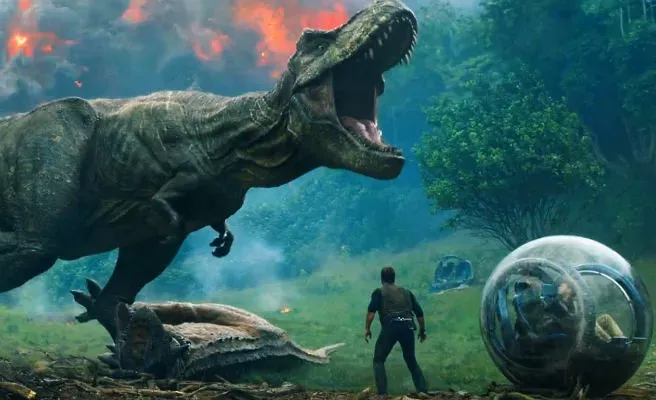
Jurassic Park is a cinematic masterpiece. You’ll defend it fiercely. However, the moment those Velociraptors appear on screen, something inside you switches on. A velociraptor skull is only about six inches – they’re roughly turkey-sized. The Velociraptor in Jurassic Park is more like the size of a dinosaur named Deinonychus, which would be a terrible thing to encounter. You’ve said that sentence more times than you can count.
You also know that despite being featured in Jurassic Park, Velociraptors actually lived during the Cretaceous period, not the Jurassic. The title of the film is already misleading and honestly, it bothers you just a little. You watch it anyway, every single time, because you love it too much to quit.
You Have a Specific Favorite Dinosaur – and a Strong Reason for It
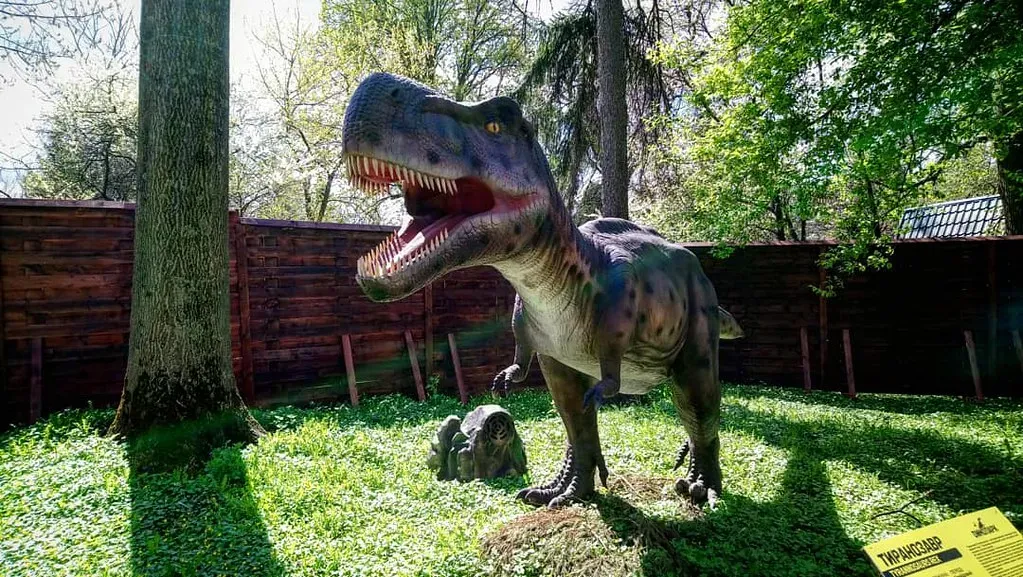
Casual fans say “T. rex” because it’s the only one they can name. You have a deeply considered answer. Maybe it’s the Therizinosaurus because of its strangely magnificent claws. Maybe it’s the Brachiosaurus because of its sheer calm size. The Brachiosaurus, known for its enormous size yet calm nature, captures the hearts of many dinosaur enthusiasts. Whatever your pick is, you can defend it with facts.
Here’s the thing though: your favorite probably says something about you. T. rex lovers might demonstrate leadership and determination, akin to the “king of the dinosaurs,” while Velociraptor fans could possess quick-thinking and problem-solving skills, and Stegosaurus enthusiasts often share a protective and calm demeanor. It might sound unscientific, but honestly, it rings surprisingly true.
You Know That Birds Are Living Dinosaurs – and You Take That Personally

Every time you see a chicken or a pigeon strutting around, part of your brain lights up. Modern birds are a kind of dinosaur because they share a common ancestor with non-avian dinosaurs. This is not a fun metaphor. It is a real, scientifically accepted fact. You treat birds with a slightly different kind of respect because of it.
These early birds were the only dinosaurs to survive the asteroid that killed the rest of these animals 66 million years ago. So when someone dismisses your love of dinosaurs as a childish hobby, you can calmly explain that dinosaurs are literally walking around outside their window right now. That usually ends the conversation in the most satisfying way possible.
You’ve Owned – or Desperately Wanted – Fossil Replicas or Specimens
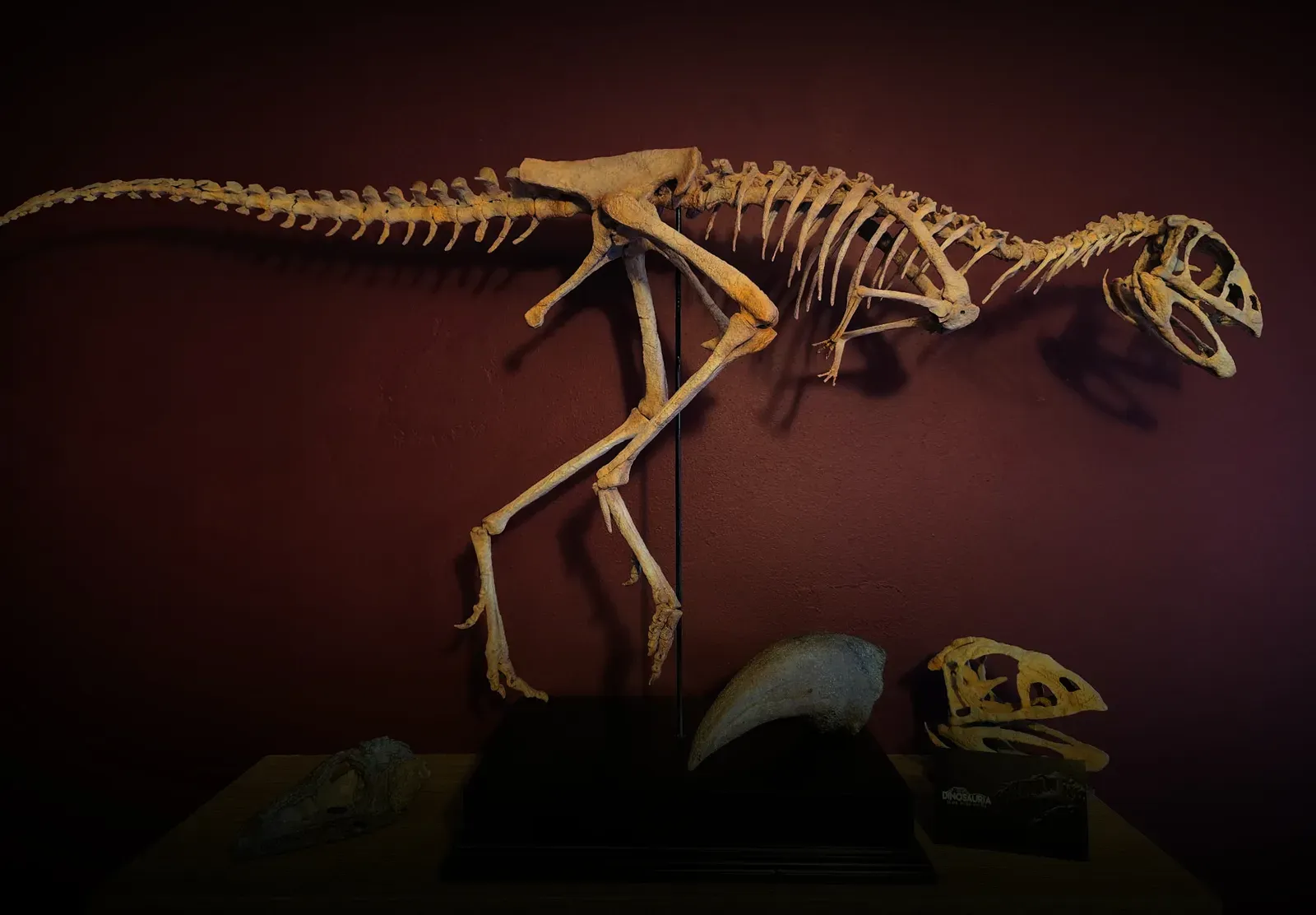
The Venn diagram of dinosaur enthusiasts and collectors is nearly a circle. There are an endless array of things out there that people like to collect, but fossils and models are some of the most common in this community. You’ve spent real time browsing for that perfect cast or model, and you felt absolutely no shame about it.
Fossil replicas are a great alternative to the real deal. Brands like Scaled Beast and Fossil Crates specialize in high quality, smaller scale replicas. Your shelf, desk, or even your windowsill might look like a miniature excavation site to the uninitiated. To you, it’s a carefully curated collection. There’s a difference. A big one.
You’ve Read – or Seriously Considered Reading – Actual Paleontology Literature
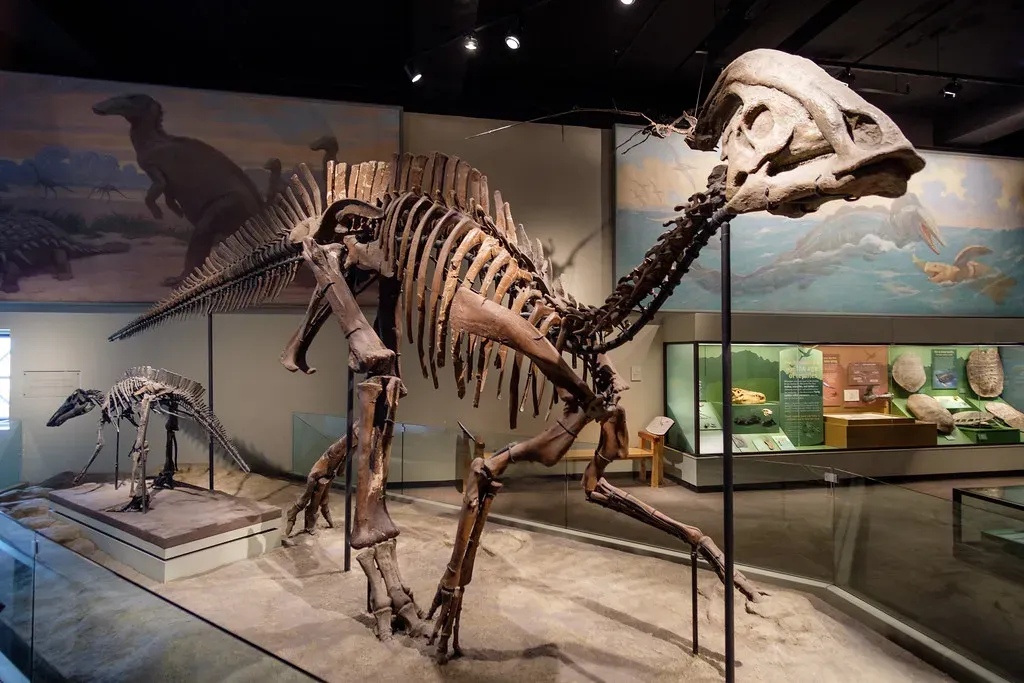
You’ve gone beyond the picture books. Way beyond. Paleontologists use fossil evidence preserved in ancient rock to discover how long-extinct animals lived and behaved. You find this process genuinely fascinating, not just as trivia but as a methodology. The detective work of it all pulls you in every time.
Books like “Dinosaurs and Prehistoric Life: The Definitive Visual Guide to Prehistoric Animals” are a must-have for any paleontology enthusiast, featuring over 500 detailed illustrations and fact files. You’ve either already bought something like this or it’s on your list. You also know the name Steve Brusatte, and you’ve probably recommended his work to at least one unsuspecting friend.
New Fossil Discoveries Genuinely Excite You Like Breaking News
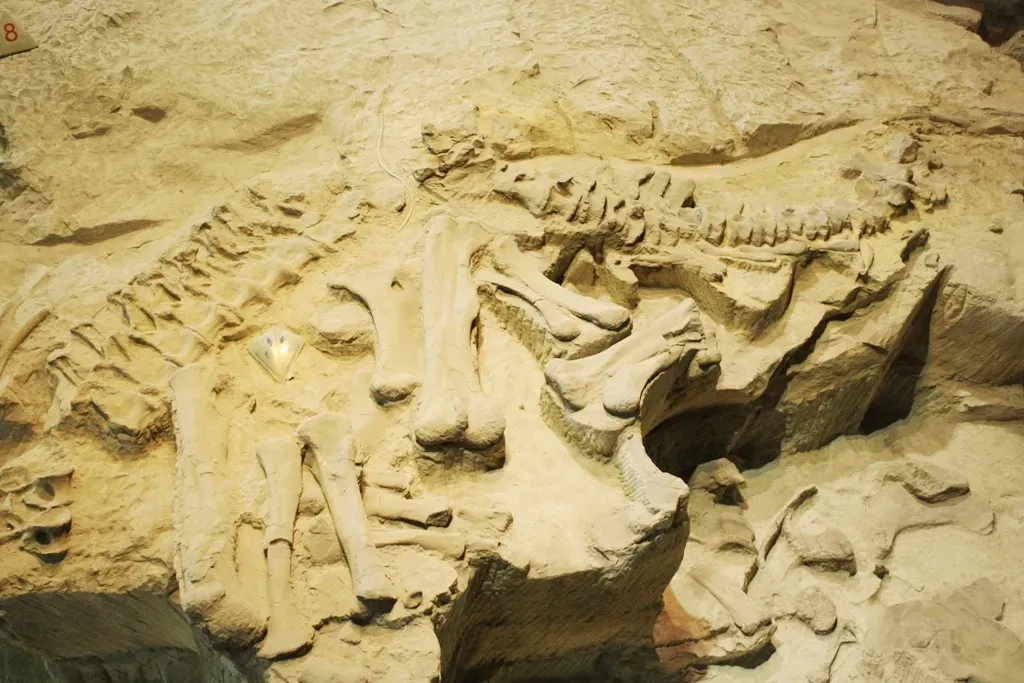
Most people scroll past a science headline. You stop dead in your tracks. Paleontologist and Nat Geo Explorer Steve Brusatte became obsessed with dinosaurs as a kid when he realized that actual dino discoveries contradicted what he had seen in outdated books. You completely understand that feeling. Every new discovery feels like a small earthquake in the best way.
Think about what recent decades have revealed. New research techniques in the last few decades have revealed a colorful prehistoric world. For instance, a turkey-size dino called Sinosauropteryx likely had an orange-and-white striped tail, and experts think a dinosaur named Caihong juji might have had rainbow-colored, iridescent, shiny feathers on its neck and chest. You didn’t just read that. You told three people about it within 24 hours.
You Can Pronounce Dinosaur Names That Make Other People’s Eyes Glaze Over
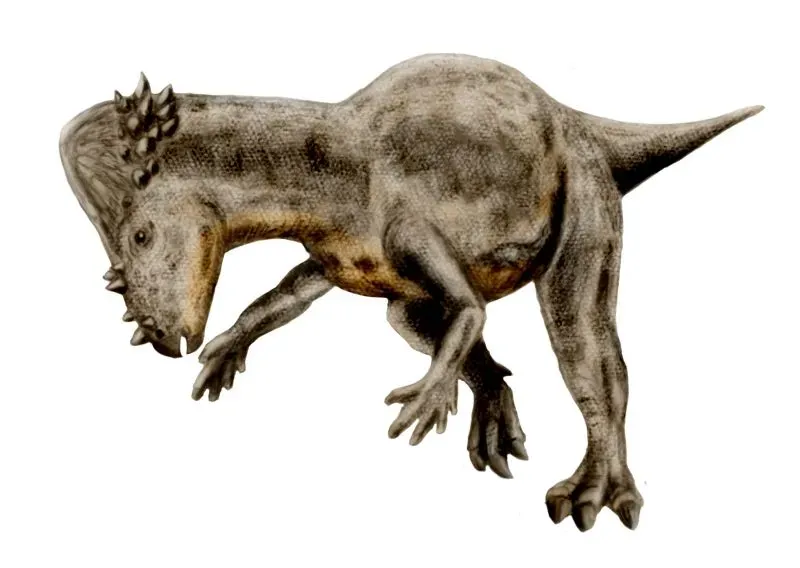
You don’t stumble over Pachycephalosaurus. You don’t hesitate at Carcharodontosaurus. You’ve practiced. The longest dinosaur name ever is Micropachycephalosaurus, which means “tiny thick-headed lizard” and is one of the smallest dinosaurs ever discovered, with 23 letters and nine syllables. You can say it fluently and you feel a quiet, specific pride about that.
There’s a real power in mastering a complex, specialist vocabulary. Dinosaurs have fantastically long and curious names, and knowing how to say and spell these intriguing names gives a real sense of authority. For you, it stopped being a party trick a long time ago. Now it’s just second nature. Honestly, it’s one of the things that separates enthusiasts from true fans.
You’ve Thought Seriously About Visiting a Famous Fossil Site or Museum
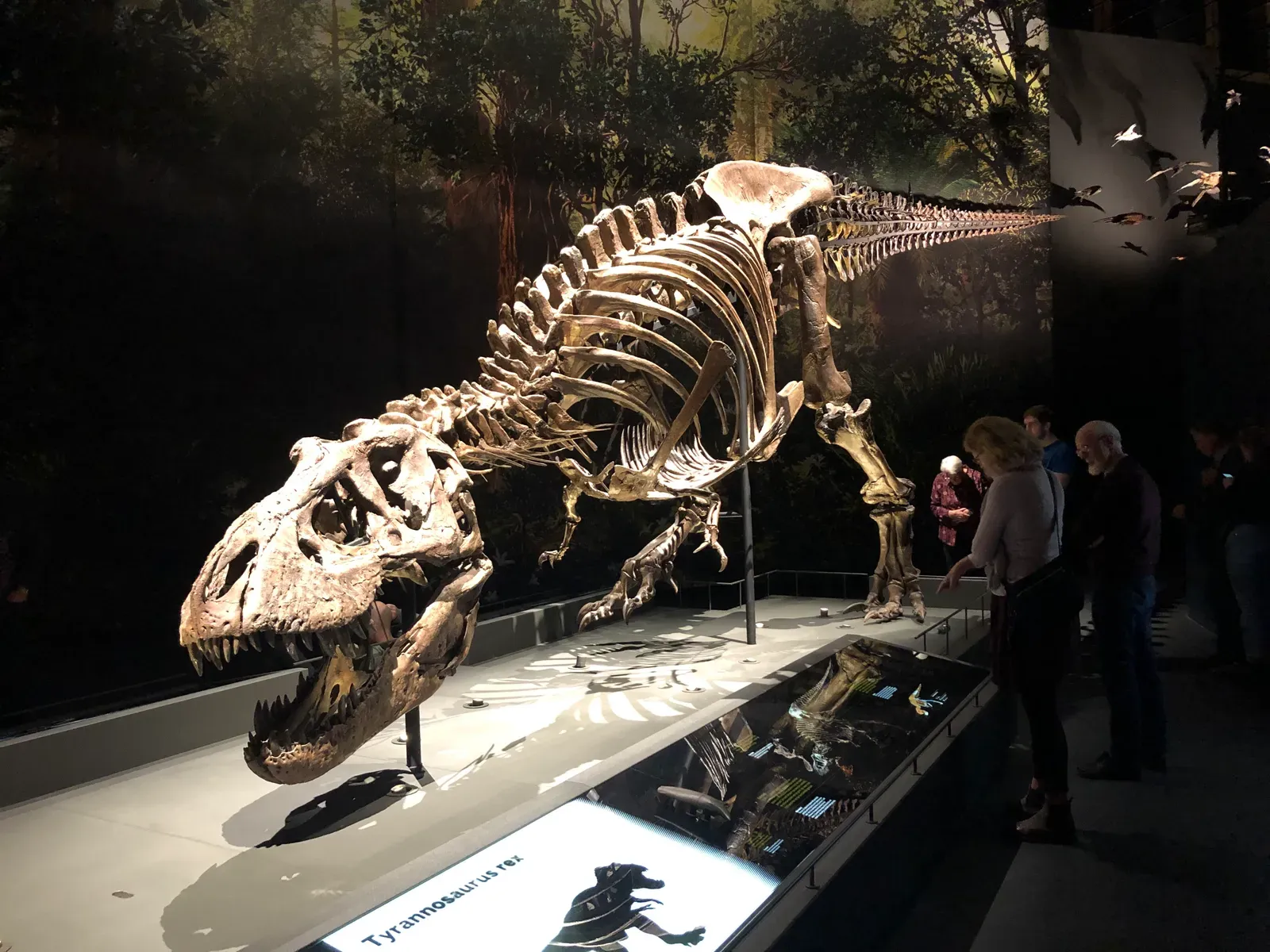
Not a vague “someday” thought. A real, actual plan with a destination in mind. For centuries, people throughout the world have discovered amazing fossilized bones and footprints, and early finds inspired legends and fairy tales as people imagined that these bones belonged to giants or huge monsters. The idea of standing in a place where something extraordinary was once buried gives you genuine chills.
Fossils have been found on every continent, even in places that are icy and cold today – that includes Antarctica. You’ve probably researched at least one dig site or natural history museum as a potential travel destination, and you’ve definitely spent time on the websites of places like the American Museum of Natural History or the Smithsonian. Totally normal behavior, by the way.
You Understand That Paleontology Is a Real and Rigorous Science

You don’t just love dinosaurs in a soft, nostalgic way. You respect the science behind them. Paleontologists are like detectives who examine the evidence that extinct animals left behind. Those clues are found in fossils such as teeth, bone, or shell, or evidence of animal activity, such as footprints and trackways. You understand just how much careful, painstaking work goes into every single discovery.
Researchers only spend a few weeks a year on expeditions. The rest of the year they are in labs looking at what they found, spending a lot of time classifying specimens, looking at their characteristics and how they are related to each other. You don’t romanticize paleontology as pure adventure. You respect the lab hours, the data analysis, and the years of study it takes. That understanding is the mark of a true enthusiast, not just a fan of the movies.
Conclusion: Some Passions Just Never Fade
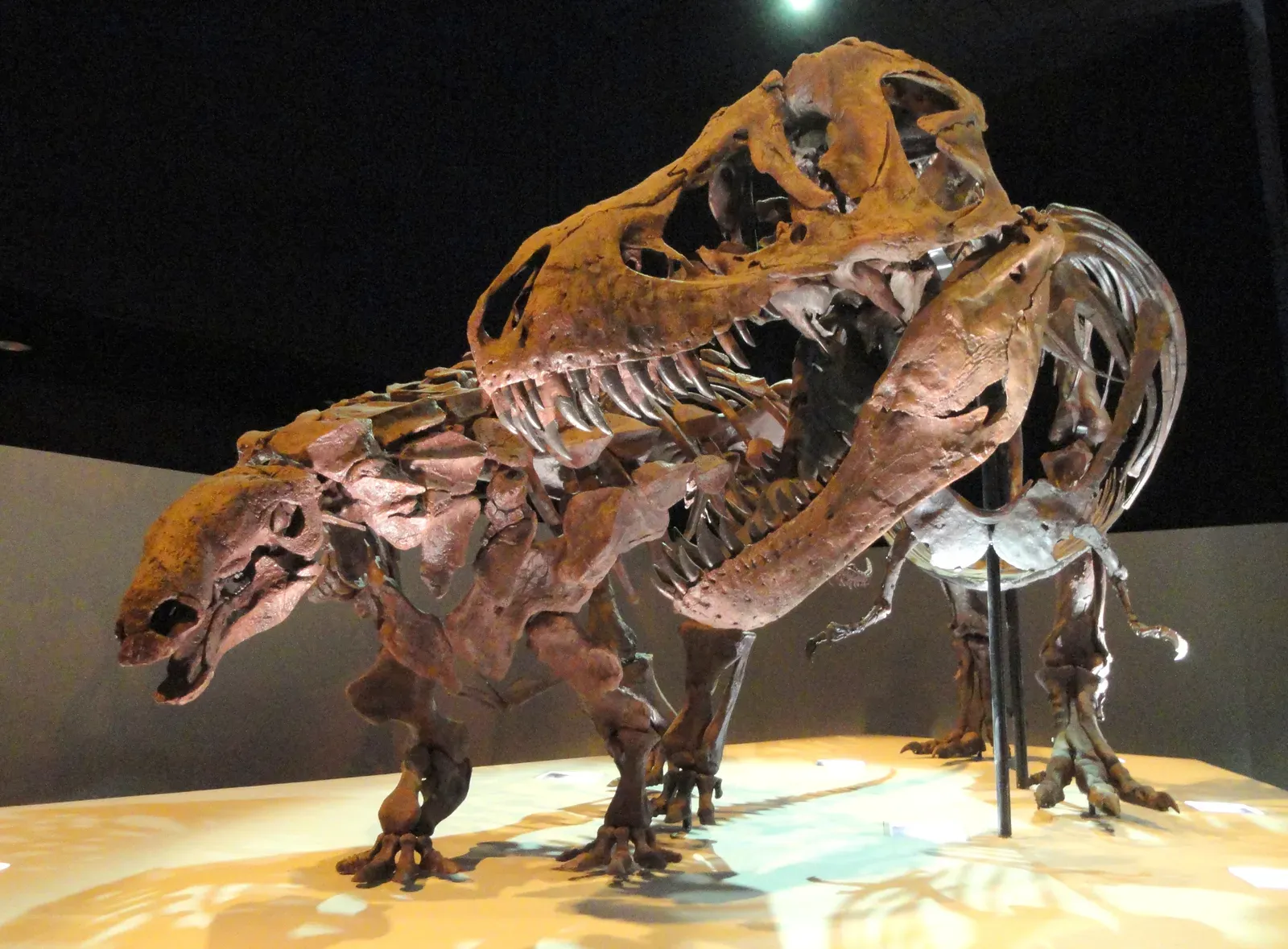
There’s a reason dinosaurs have captured human imagination across generations. Even though the big ones are gone, the world of dinosaurs lives on in fossils, museums, movies, and in the hearts of dinosaur fans everywhere. That is not an accident. These creatures were genuinely extraordinary, and the science around them keeps evolving, keeps surprising, keeps pulling people back in.
A 2008 study found that sustained intense interests, particularly in a conceptual domain like dinosaurs, can help people develop increased knowledge and persistence, a better attention span, and deeper information-processing skills. So the next time someone calls your enthusiasm “nerdy,” you can politely point out that it’s actually been scientifically proven to make you smarter.
True dinosaur enthusiasm is not about age or credentials. It is about genuine curiosity, a willingness to keep learning, and an almost irrational love for creatures that ruled the Earth long before we ever showed up. How many of these 10 signs do you recognize in yourself? Tell us in the comments – and don’t hold back.