Picture and your brain probably serves up ferns, fog, and maybe a few odd amphibians crawling around. But the truth is far weirder: for most of our planet’s history, Earth looked, felt, and even smelled like an alien world. Continents were unrecognizable, skies had different colors at different times, and the creatures ruling the planet would hardly make sense to us today.
What makes it even stranger is that dinosaurs are a relatively recent chapter in Earth’s story. By the time the first dinosaurs appeared, our planet had already lived through bizarre oceans, global ice ages, and mass die-offs that nearly hit the reset button on life itself. Let’s walk back through that deep time and explore ten genuinely strange things about Earth before a single dinosaur ever took a step.
Life Began In A World With No Oxygen To Breathe
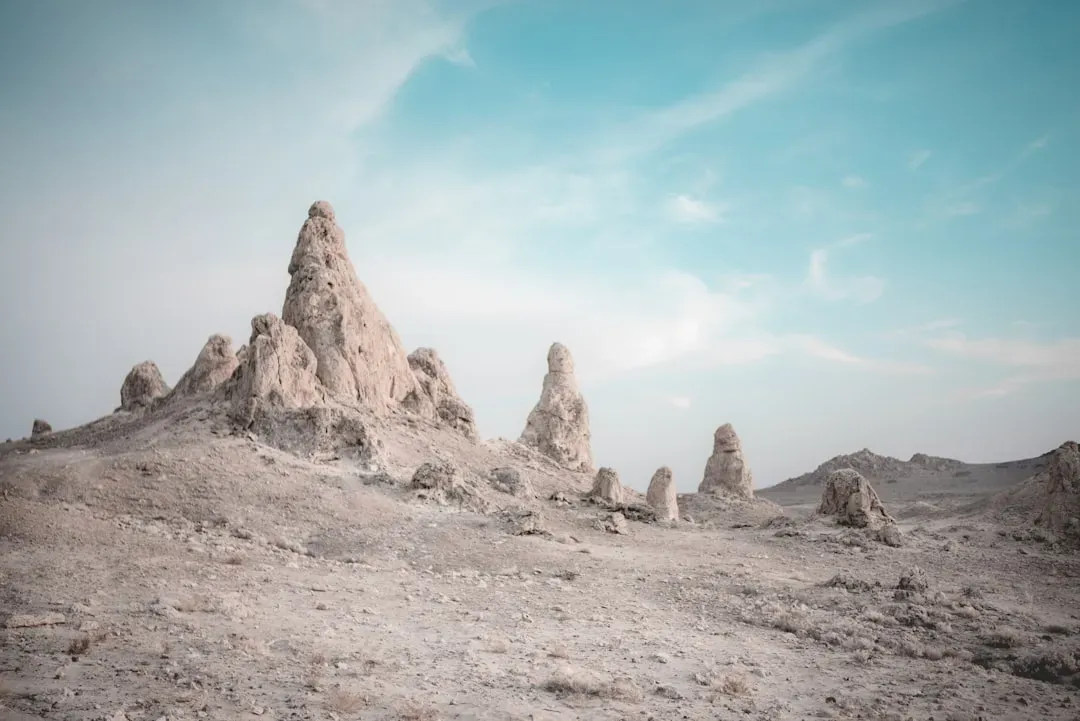
Imagine standing on the early Earth and taking a deep breath, only to realize there is basically nothing there for your lungs to use. For a huge span of time, our planet’s atmosphere had almost no oxygen, just a suffocating mix of gases like nitrogen, carbon dioxide, methane, and water vapor. If you or any modern animal had been dropped into that world, you’d be done in seconds.
Yet, that oxygen-free environment was home sweet home for the earliest life forms. Tiny single‑celled microbes, especially bacteria and archaea, thrived in those conditions, tapping into chemical reactions with minerals and volcanic gases for energy. To them, oxygen was not life-giving at all; it was basically a toxic waste product that would later flip the entire planet’s chemistry and set the stage for more complex creatures.
The Sky And Seas Were Tinted By Iron And Haze
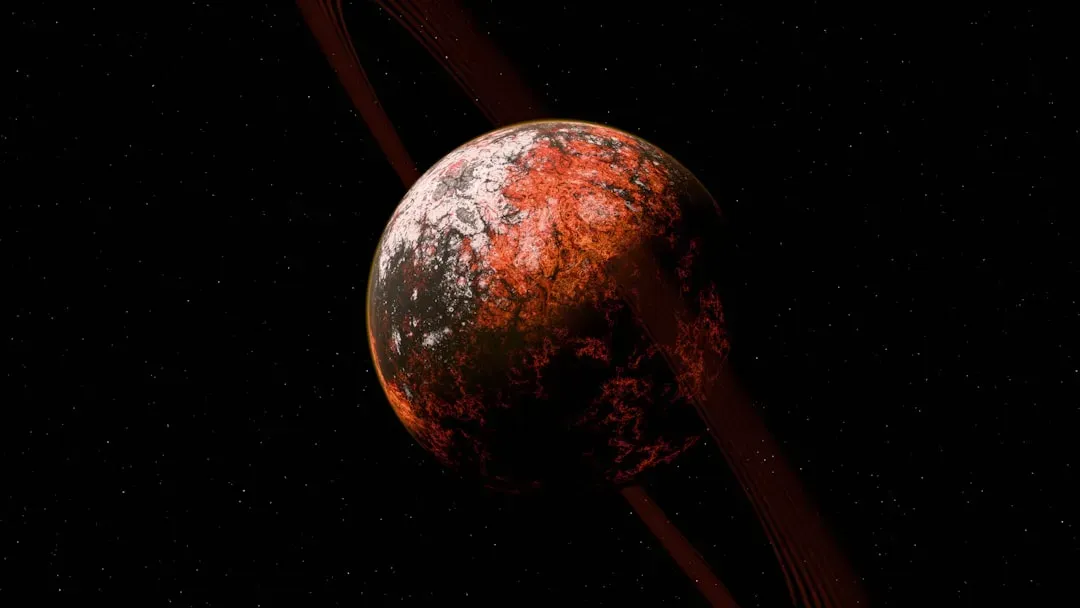
, especially in Earth’s deep past, the oceans and even the sky would have looked nothing like the glossy blue postcard we know today. Picture oceans laced with dissolved iron, giving some regions a greenish or rusty tone, while the atmosphere might have been hazy and thick with volcanic gases and organic smog. In certain eras, sunlight reaching the surface may have been more muted, almost like a permanent distant wildfire haze.
As oxygen slowly built up, that dissolved iron in the oceans reacted and fell out as enormous rust layers, which today show up as banded iron formations in ancient rocks. Each striped layer is like a time-stamped record of a world where chemistry, not animals, dominated the story. It is wild to realize that the familiar blue of modern oceans is actually a late development, tied to the oxygen created by microscopic life long emerged.
Microbes Were The Planet’s First World Builders
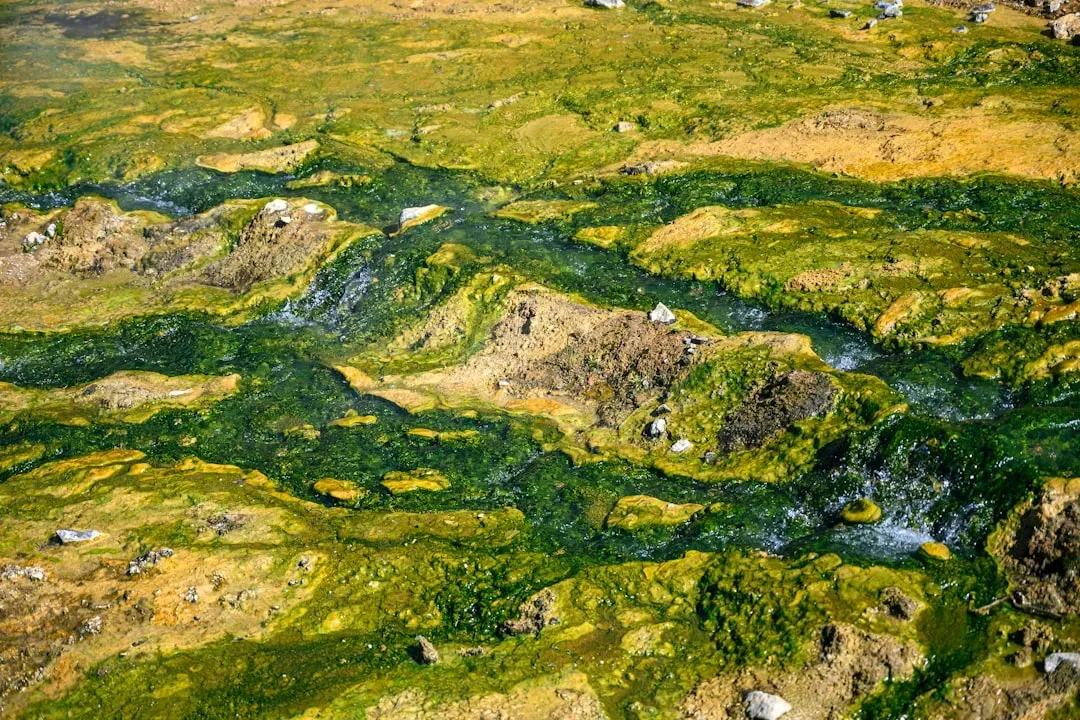
Long before giant reptiles stomped across the land, some of the most important “engineers” on Earth were microscopic. Cyanobacteria – tiny photosynthetic microbes – formed slimy mats in shallow seas and started releasing oxygen as a byproduct of their metabolism. Over unthinkable stretches of time, these subtle chemical burps rewrote the atmosphere and gradually made it breathable for future animals.
In some ancient coastal environments, these microbial mats built up layer upon layer into lumpy, rock‑like structures called stromatolites. They do not look impressive, just stacked mounds of mineral and goo, but they tell a story of patient planetary transformation. Without these quiet architects, there would be no oxygen-rich air, no large animals, and certainly no dinosaurs striding under blue skies.
Earth Survived “Snowball” Episodes When Ice Reached The Tropics
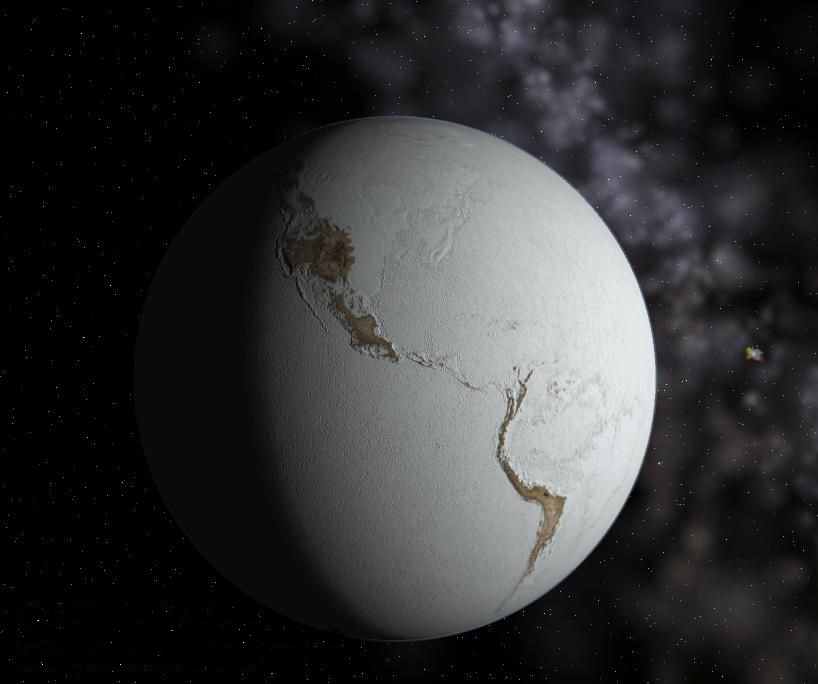
One of the strangest things about pre‑dinosaur Earth is that, at times, it seems to have gone to climate extremes so intense that ice may have stretched from the poles down toward the equator. Geologists refer to these episodes as “Snowball Earth” events, when huge ice sheets covered the continents and even sea ice spread far into what should have been tropical waters. It is almost like the planet briefly tried out being a frozen moon rather than a warm, ocean‑dominated world.
Life somehow scraped through those brutal conditions, likely hiding in pockets of open water, near undersea volcanic vents, or in thin melt zones beneath the ice. When volcanic gases eventually built up enough greenhouse effect to thaw the planet, the meltwater poured into the oceans and may have triggered major changes in chemistry and nutrients. Some researchers think those harsh freeze‑thaw cycles helped push life toward greater complexity, a harsh but effective kind of evolutionary training camp before large animals appeared.
The First Animals Were Soft, Strange, And Almost Ghostlike
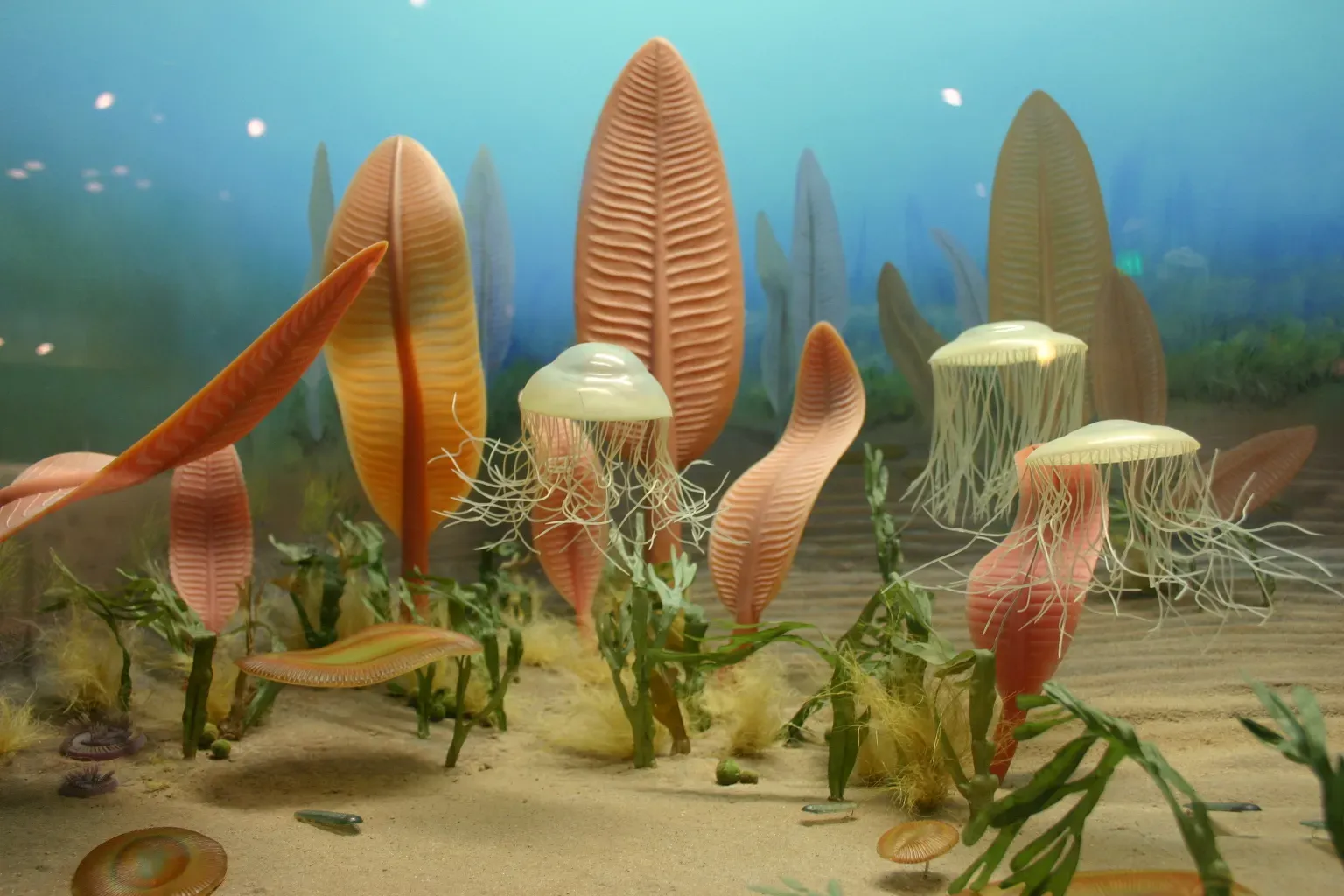
If you could scuba dive in the late Precambrian oceans, right before complex life really took off, you might be underwhelmed at first glance. There were no fish, no shells, and certainly no toothy predators chasing schools of smaller animals. Instead, you would see soft‑bodied, frond‑shaped, disc‑like, or quilted creatures lying on the seafloor, some of them looking more like abstract art than anything we recognize as an animal today.
These early multicellular organisms, often grouped under names like the Ediacaran biota, are so odd that scientists still argue over what many of them actually were. Some may be early relatives of modern animals, while others could represent completely extinct experiments in body design that left no living descendants. It is humbling to think that entire biological “plans” arose and vanished before more familiar animals evolved, like test sketches crumpled up and thrown away before the main drawing began.
The Cambrian Explosion Turned The Seas Into A Battlefield
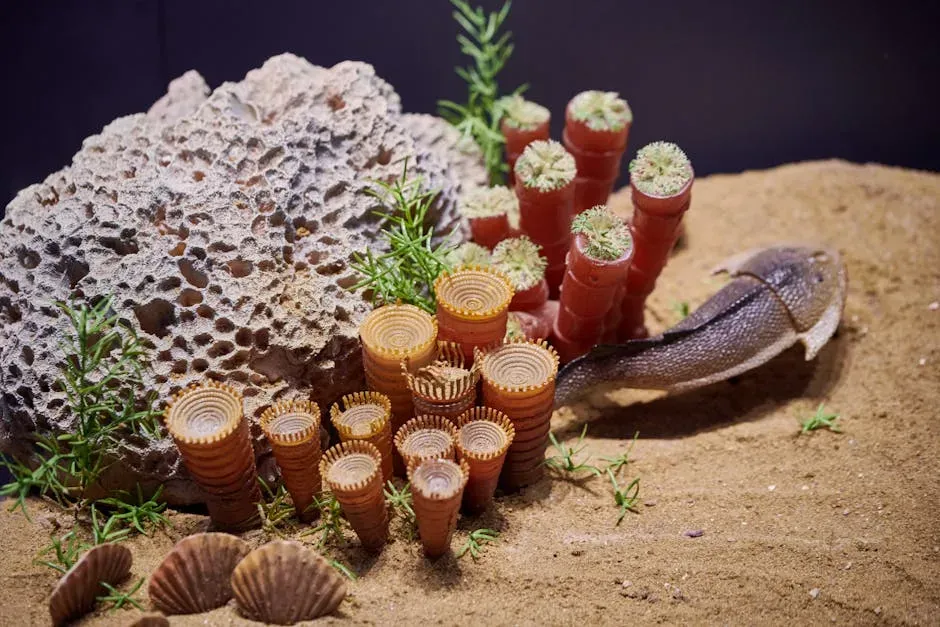
Then, in a geologic blink of an eye, the oceans changed from kind of sleepy to absolutely wild. During the Cambrian period, long , there was a rapid diversification of animal life often called the Cambrian Explosion. Suddenly, we see animals with shells, spines, eyes, jaws, and all sorts of new body plans bursting into the fossil record, as if someone hit fast‑forward on evolution.
With that burst came the first complex food webs and real predator‑prey arms races. Creatures like early arthropods and worm‑like hunters roamed the seafloor, munching on softer animals and forcing everything else to evolve defenses like armor or burrowing behavior. If you want to picture it, think of the Cambrian oceans as the original version of a high‑stakes survival game, where almost every move led to a new evolutionary trick that rippled forward for hundreds of millions of years.
Gigantic Insects And Arthropods Roamed Swampy Forests
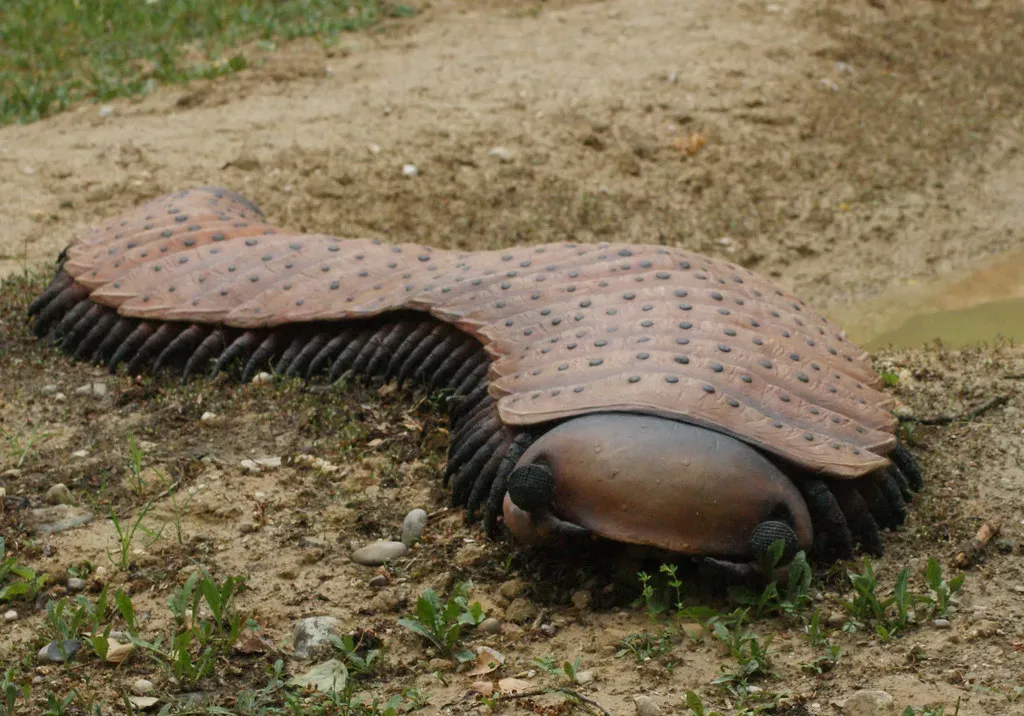
Long before the first dinosaur hatched, some of the biggest land creatures were not reptiles or mammals but arthropods – relatives of insects, spiders, and crustaceans. During the Carboniferous period, Earth’s oxygen levels rose higher than today, and that extra oxygen helped support enormous bug‑like creatures. Some dragonfly relatives had wingspans wider than a modern seagull, and giant millipede‑like animals as long as a small car crawled through dense, swampy forests.
Those forests were full of towering, spore‑bearing plants like lycophytes and horsetails, creating dark, humid landscapes that almost feel like something from a fantasy video game. The sheer scale of those arthropods would have made the ground seem alive with armored limbs and clattering exoskeletons. For me, the idea of a millipede the size of a sofa is both amazing and slightly unnerving, and it really drives home how different pre‑dinosaur ecosystems were from the ones we know.
Continents Looked Nothing Like Our Modern World Map
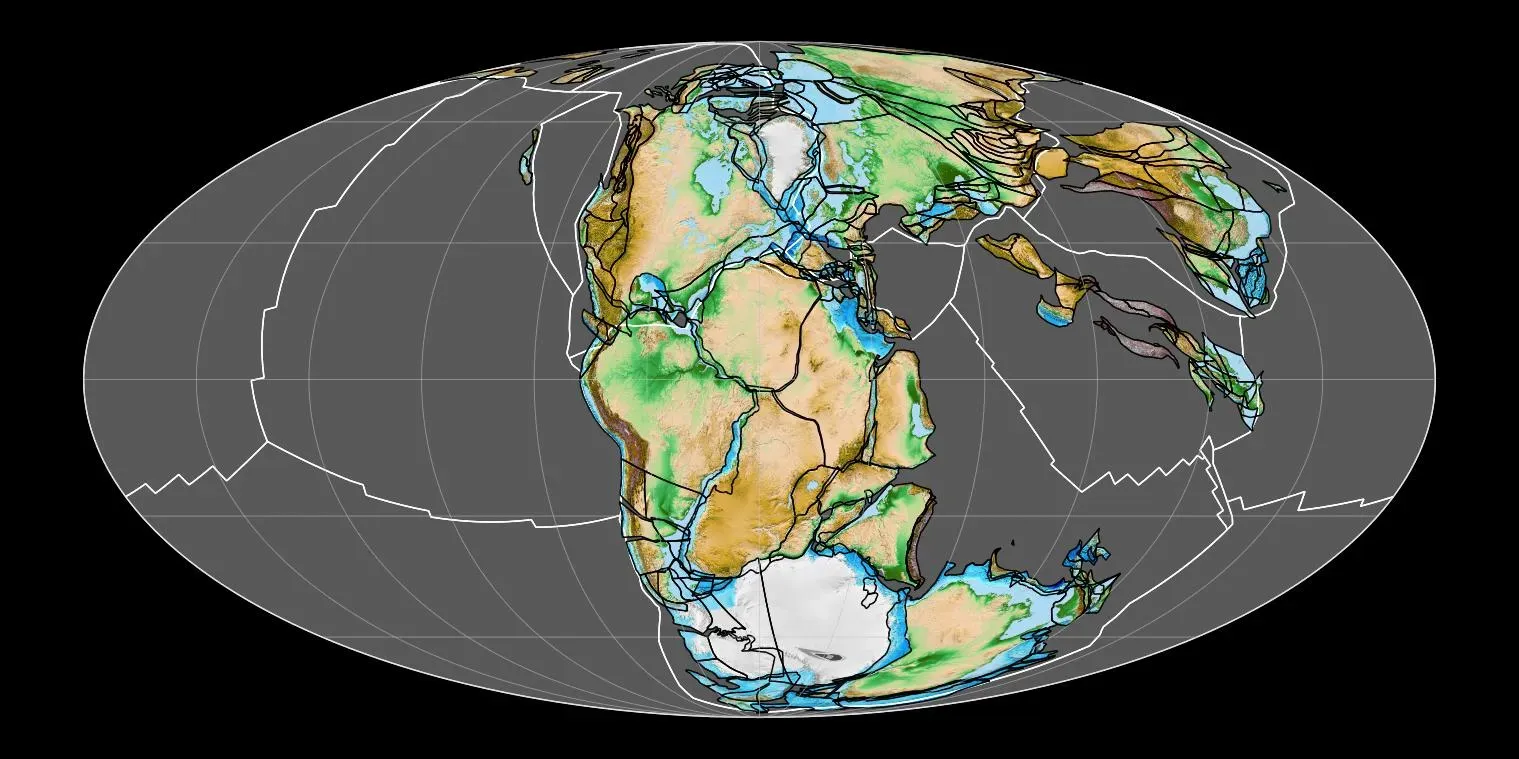
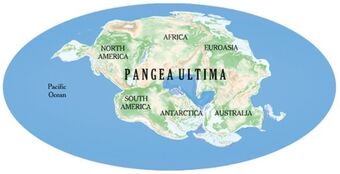
One of the biggest misconceptions is that dinosaurs roamed continents that looked roughly like today’s. In reality, by the time dinosaurs arrived, the supercontinent Pangaea was already assembled, and before that, landmasses had been playing musical chairs for hundreds of millions of years. In earlier eras you had other supercontinents, like Rodinia and Gondwana, forming and breaking apart in slow‑motion cycles driven by plate tectonics.
, the outlines of land and sea would have been unrecognizable on a modern globe, with mountain chains rising and wearing down long before any T. rex ever saw a horizon. These shifting continents changed ocean currents, climate patterns, and migration routes for the plants and animals alive at the time. It is kind of wild to realize that everything from where coal forms to where fossils are found now is tied to those ancient tectonic wanderings.
Mass Extinctions Reset The Planet Long
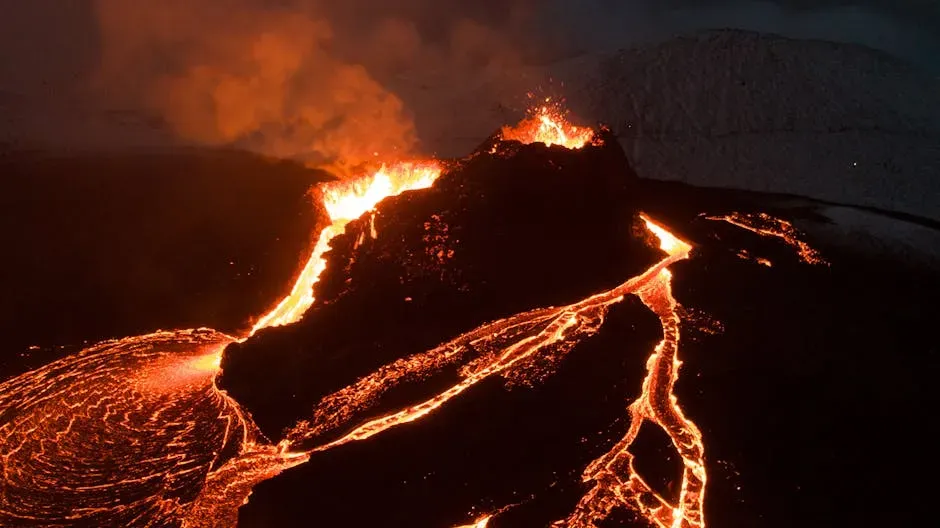
We tend to think of the dinosaur‑killing asteroid as the big, dramatic extinction event, but Earth’s history is punctuated by earlier catastrophes. Several major mass extinctions wiped out huge chunks of life, clearing ecological space and forcing evolution down new paths. The late Ordovician, late Devonian, and especially the end‑Permian events all hit long showed up.
The end‑Permian extinction, sometimes nicknamed the Great Dying, was particularly brutal, wiping out the vast majority of marine species and a huge portion of life on land. Enormous volcanic eruptions, climate chaos, and changing ocean chemistry likely combined into a perfect storm that nearly crashed the entire system. Dinosaurs eventually rose to prominence in the ecological aftermath of those disasters, which makes them feel less like nature’s main event and more like beneficiaries of many earlier planetary resets.
Early Reptiles And Synapsids Were The Real First Land Rulers
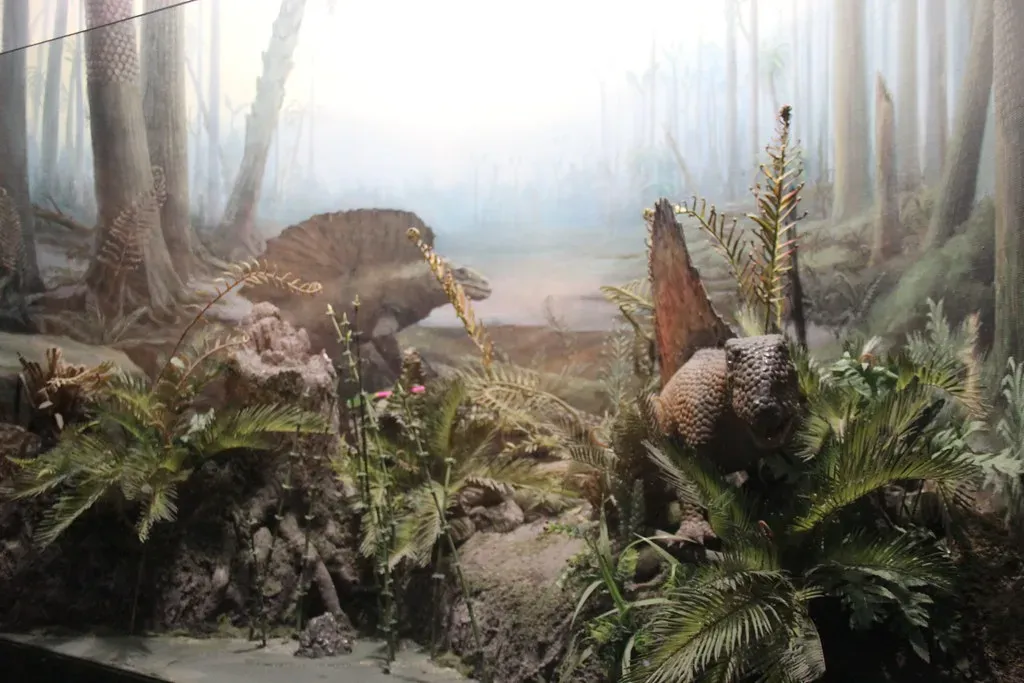
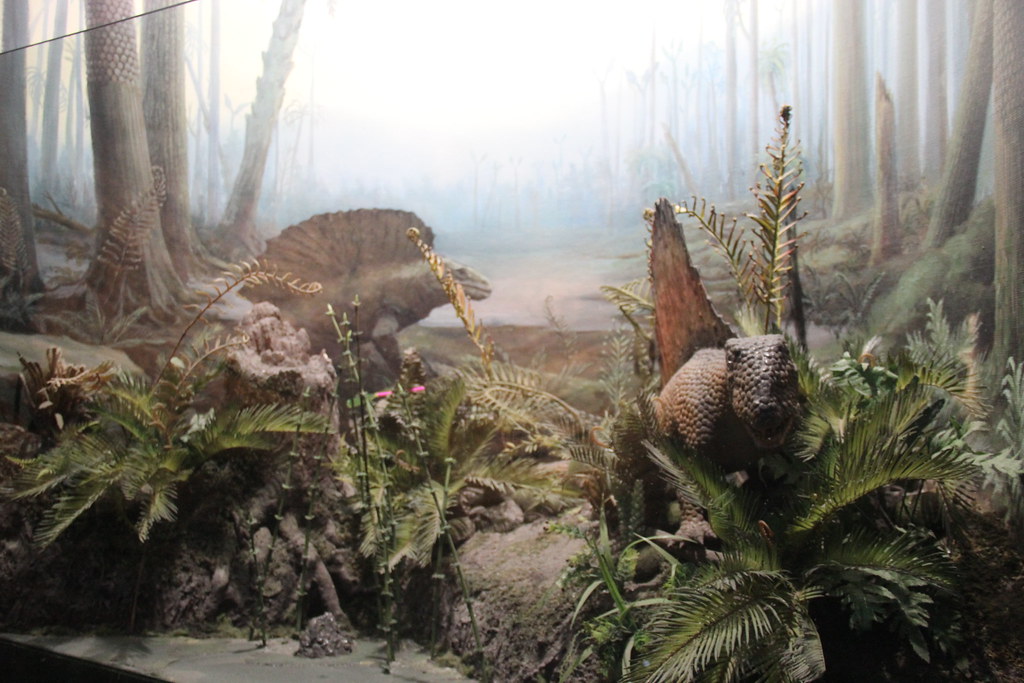
took center stage, other groups of animals were already experimenting with life on land in sophisticated ways. Early reptiles and synapsids (the group that would eventually lead to mammals) evolved sturdy limbs, tough skin, and in some lineages, more advanced jaws and teeth. Many of these creatures were the true pioneers of fully terrestrial life, hunting, grazing, and nesting long before the classic dinosaur forms appeared.
Some early synapsids in particular looked a bit like a mash‑up between reptiles and mammals, with sprawling bodies but more complex skulls and sometimes even hints of whisker‑like structures in fossils. They ruled many ecosystems in the Permian period, filling roles that later went to dinosaurs and mammals. I find it oddly poetic that our own distant relatives were top players millions of years , then faded from dominance, only for mammals to get a second shot long after the dinosaurs were gone.
Earth’s Climate Swung Between Sweltering And Chilly Long
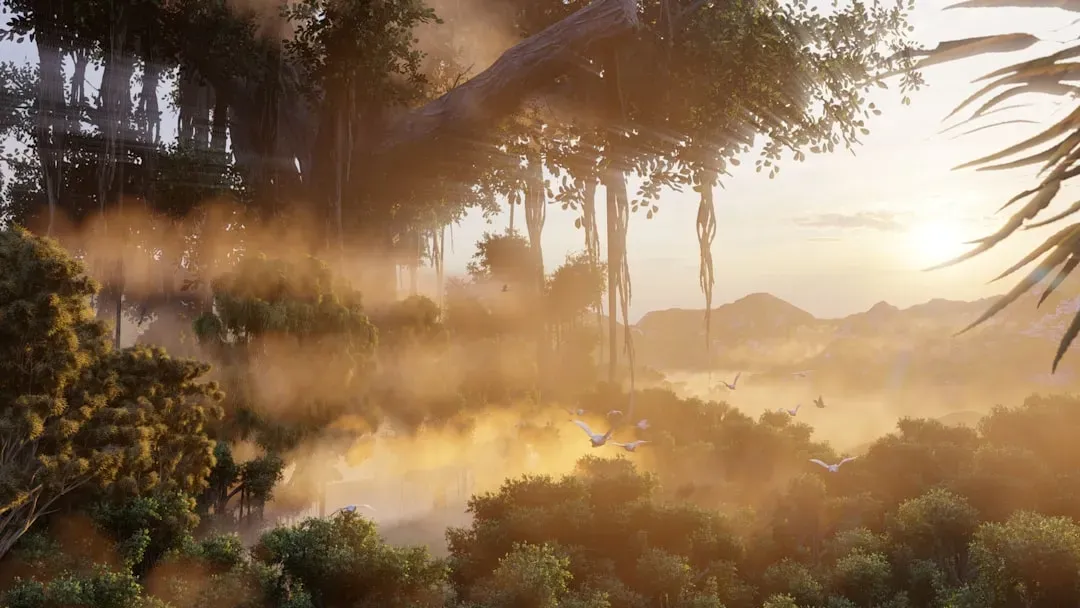
Finally, it is worth remembering that dramatic climate change is not a new invention in Earth’s history. Long , our planet cycled through intense greenhouse periods with warm polar regions, as well as cooler intervals with widespread ice. Shifts in volcanic activity, continental arrangements, and atmospheric gases all played their part in these big swings.
Those changes repeatedly redrew the map of where life could thrive, turning some regions into lush coal‑forming swamps and others into dry deserts or cold, inhospitable zones. When I think about it, the pre‑dinosaur world feels less like a stable stage and more like a constantly redesigning set, forcing life to adapt or disappear. That perspective makes today’s climate shifts feel even more serious, because now we are one of the forces pushing the controls instead of just reacting to them.
Conclusion: Dinosaurs Were Late To A Very Weird Party
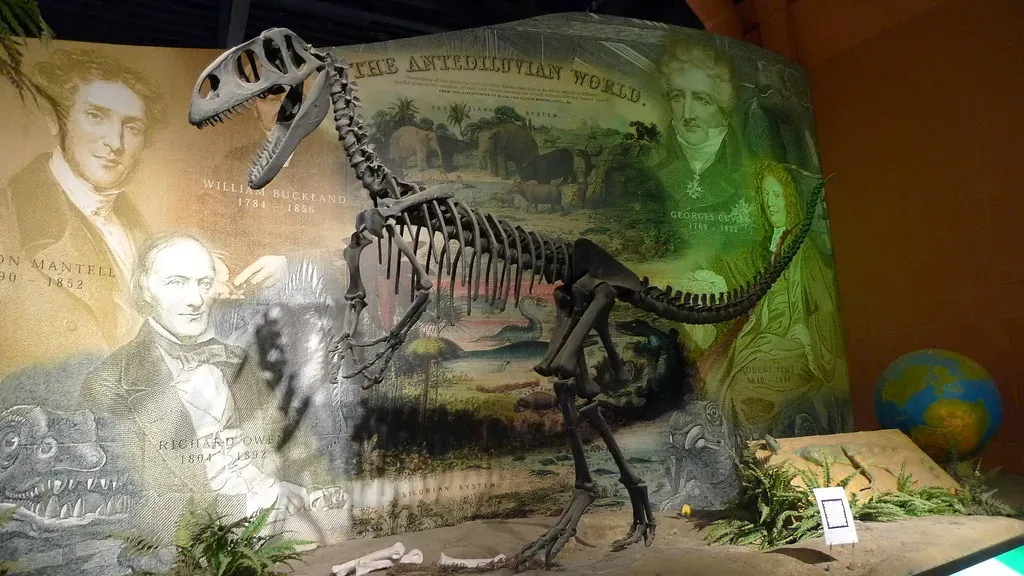
When you zoom out and look at the long arc of time, dinosaurs stop looking like the main story and start to feel more like a dramatic chapter in a book that was already wild before they arrived. For billions of years, microbes rewired the atmosphere, continents drifted aimlessly, bizarre animals came and went, and mass extinctions reshuffled the deck over and over. By the time dinosaurs stepped onto the scene, Earth had already been through more twists than any science‑fiction saga.
My own take is that we have been guilty of dinosaur tunnel vision, treating them as the pinnacle of prehistory instead of just one more wave in a very long geological ocean. The truly strange part is not that dinosaurs existed, but that so many worlds existed before them, each with its own cast of dominant species and alien landscapes. Next time you see a dinosaur skeleton in a museum, it is worth asking yourself: is this the main event, or just one of many sequels in a franchise that started long before we usually bother to look?