

There’s a difference between feeling peaceful and feeling nothing at all. Yet in our fast-paced world, that line can blur without you even noticing. You might think you’ve achieved some zen-like tranquility, patting yourself on the back for staying collected while others spiral. It sounds like progress, right?
Here’s the thing though. True peace is a state of presence and acceptance, while emotional numbness is often a defense mechanism against pain. The two might look identical from the outside, but the internal experience is vastly different. So let’s dive in and uncover whether you’re genuinely at peace or quietly shutting down in ways you haven’t recognized yet.
You Can’t Remember the Last Time Something Made You Truly Laugh or Cry

Think back to the last time you felt genuine joy or deep sadness. Can you pinpoint it easily? If you’re struggling to recall a moment when your emotions felt full and present, this might be your first warning sign.
Occasional emotional numbness is part of being human, but if you can’t remember the last time you truly laughed or cried, this may suggest something deeper is going on. Life has its ups and downs, but when every experience feels muted, like watching the world through frosted glass, you’re not experiencing calm. You’re experiencing absence. Real calmness allows you to feel emotions without being overwhelmed by them. Numbness removes the feeling altogether.
You Feel Disconnected Even in Moments That Should Matter

You sometimes wonder why you don’t feel sadder when faced with loss, and it’s possible to go through a funeral of a loved one or a job layoff and feel little. Your brain recognizes intellectually that you should be affected, but your body doesn’t register the emotion.
Picture this scenario: everyone around you is crying tears of joy or sorrow at a wedding or memorial service. You look at them and wonder what’s wrong with you. This experience can feel like watching life unfold from behind a glass wall, and for many, this experience can be confusing and distressing. You’re physically present but emotionally absent, like an actor who forgot their lines and is just standing on stage.
Your Primary Emotions Are Anxiety or Irritability

Let’s be real, if the only feelings you can reliably access are frustration or nervousness, that’s not balance. That’s a red flag waving frantically in your face.
Your primary emotion might be irritability or anxiety because unfelt feelings have a tendency to all pool together into a messy soup, with denied and pushed down emotions blending to make one big one, which is likely to be some variation of fear or anger. Think of it like emotional ingredients getting mixed together in a pressure cooker. Anxiety and anger can break through your wall more easily, so you essentially have binary emotional states: irritated or anxious, or numb. There’s no in-between, no subtlety, no rainbow of human experience.
You React More to Fiction Than to Real Life

Ever notice how you might tear up watching a movie commercial but feel nothing when a friend shares devastating news? That disconnect tells you something important about what’s happening inside.
You might feel more when watching a movie, TV show, or commercial, or reading a book, than you do in real life, because for those whose feelings are tamped down, it can be easier to access them when it’s safe and not personal. Fictional characters pose no threat. They can’t hurt you or demand vulnerability from you. So your emotions peek out from behind their protective barrier, but only when the stakes are imaginary. Meanwhile, your actual life continues on a flat, colorless trajectory.
You Feel Uncomfortable When Others Show Strong Emotions

When you find yourself in a situation where others are having feelings, you may have one yourself: uncomfortable, and all you want to do is get away from this situation that seems awkward and unnatural. This aversion to emotional expression in others is telling.
It’s not just shyness or introversion we’re talking about here. There’s a visceral discomfort when someone cries, gets excited, or shows raw vulnerability in your presence. You might change the subject quickly, make a joke, or find an excuse to leave the room. Witnessing someone else’s emotional authenticity highlights what you’re missing in yourself, and honestly, that’s painful to confront.
You Can’t Identify What You’re Feeling

Someone asks how you’re doing, and you pause. Not because you’re being polite, but because you genuinely don’t know the answer. It’s hard for you to identify any particular feelings because one of the effects of walling off your emotions is that you lose touch with them.
Imagine trying to describe colors to someone when you can only see in shades of gray. That’s what emotional numbness does to your internal landscape. You might know you should feel something in response to events, but when you reach inside yourself, there’s just a blank space. You might default to “fine” or “okay” because those words require no emotional literacy whatsoever.
There’s a Persistent Sense of Emptiness Inside You

You occasionally feel empty inside, which is the ultimate sign, and this empty feeling may reside in your belly or your throat, or it may be just an uncomfortable sense that something is missing in you. Some people describe it as a hollowness that never quite goes away.
That sense is your body telling you that what should be filling you, connecting and energizing you – your emotions – is not there. This is your body telling you that you are emotionally numb. It’s like hunger, but for emotional nourishment. You might try to fill it with food, work, scrolling through social media, or other distractions, but nothing quite hits the spot because what’s missing isn’t external.
You’re Sometimes Envious of Others’ Emotional Experiences
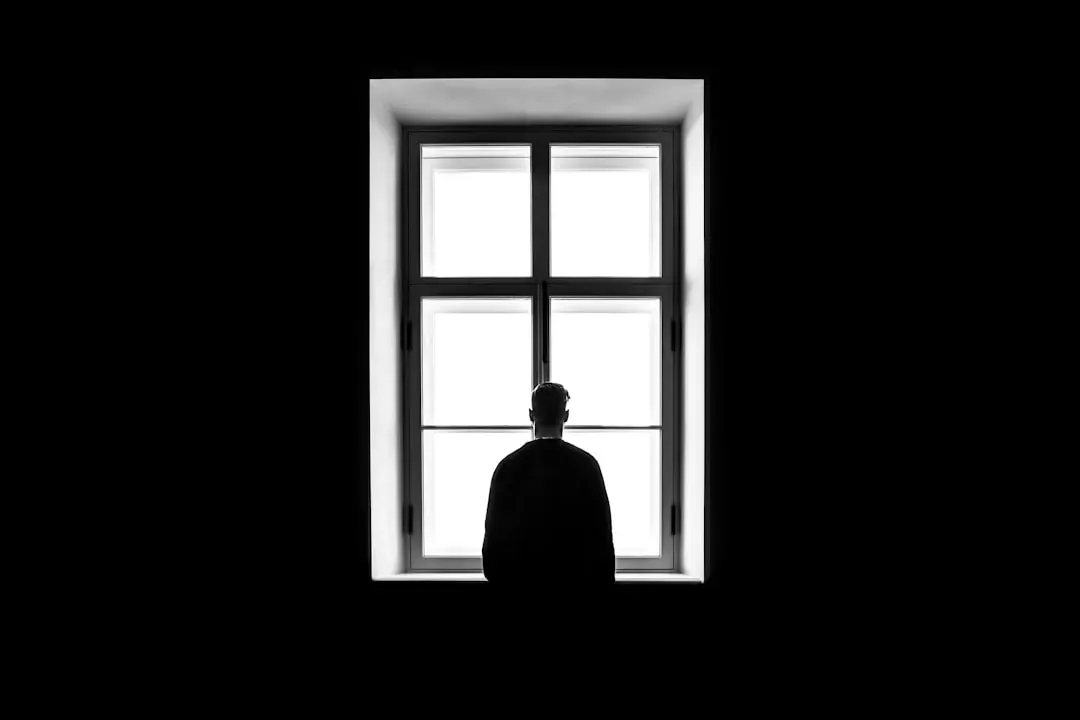
You are sometimes envious when other people have strong emotions, and unfortunately, you can’t give up your negative feelings without also giving up your positive ones – when pain, anger, and sadness go out the window, they tend to take your love, warmth, and joy with them.
You watch other people light up with excitement or break down in tears, and there’s a longing inside you. You want to feel that alive, that present, that human. But somewhere along the way, you installed emotional dampeners to protect yourself from pain, not realizing they would also block out the good stuff. It’s an all-or-nothing system, and right now, you’re getting nothing.
People Tell You You’ve Changed or Seem Distant

Sometimes, people don’t realize they’re emotionally numb, however, friends and family may notice you’ve been acting differently, so it’s important to pay attention to their feedback and stay connected to people who care about you. If multiple people in your life have mentioned you seem “off” or unreachable lately, listen to them.
Your loved ones can often see what you can’t. They remember the version of you who laughed more easily, cried at sad movies, or got genuinely excited about plans. Now they’re looking at someone who goes through the motions but doesn’t seem fully present. Their observations aren’t criticisms. They’re breadcrumbs leading you back to yourself.
You’re Going Through the Motions on Autopilot

When you’re emotionally numb, hours can pass and you may not even notice, or something exciting can happen, like witnessing a homerun at a baseball game, and you don’t feel the same rush as the crowd. Days blend together into a monotonous loop of waking, working, eating, sleeping, repeat.
You might notice that your responses don’t align with those of the people around you, like other people being happier than you are about your promotion, or you’re feeling like you’re on autopilot or struggling to function at all. Life is happening to you rather than with you. You’re checking boxes, meeting obligations, and maintaining appearances, but you’re not actually living. You’re surviving, and there’s a monumental difference between the two.
Finding Your Way Back

Recognizing these signs is actually the most important step you can take. Emotional numbness isn’t a flaw; it’s your brain letting you know you’ve reached your limit, and with support and self-compassion, your feelings can return. Your mind created this protective barrier because it thought you needed it, probably during a time of overwhelming stress, trauma, or prolonged difficulty.
Emotional numbness may be your brain’s way of protecting you from trauma, overwhelm or an underlying mental health concern, and therapy and mindfulness can help. The path forward involves gently reconnecting with your emotions in a safe environment, often with professional support. You don’t have to stay stuck in this fog forever. Healing is possible when you acknowledge what’s happening and reach out for help. Your emotions are still there, waiting for you to let them back in. What will you do with that knowledge now?


