If you could walk through a lush dinosaur forest, you’d recognize more than you think. Hidden under those colossal feet and long necks were plants you can still see in your grocery store, your yard, or your local park right now. You literally share part of your menu with animals that vanished more than sixty five million years ago.
That idea is a bit mind‑bending: you can slice a pineapple, snack on a walnut, or brew a cup of tea, and you’re interacting with plant lineages that once fed giant sauropods and sharp‑clawed theropods. In this article, you’ll explore ten real, scientifically supported examples of foods dinosaurs ate (or almost certainly could have eaten) . By the end, you may never look at your salad bowl the same way again.
1. Ginkgo Leaves – The “Living Fossil” On Your Street Corner
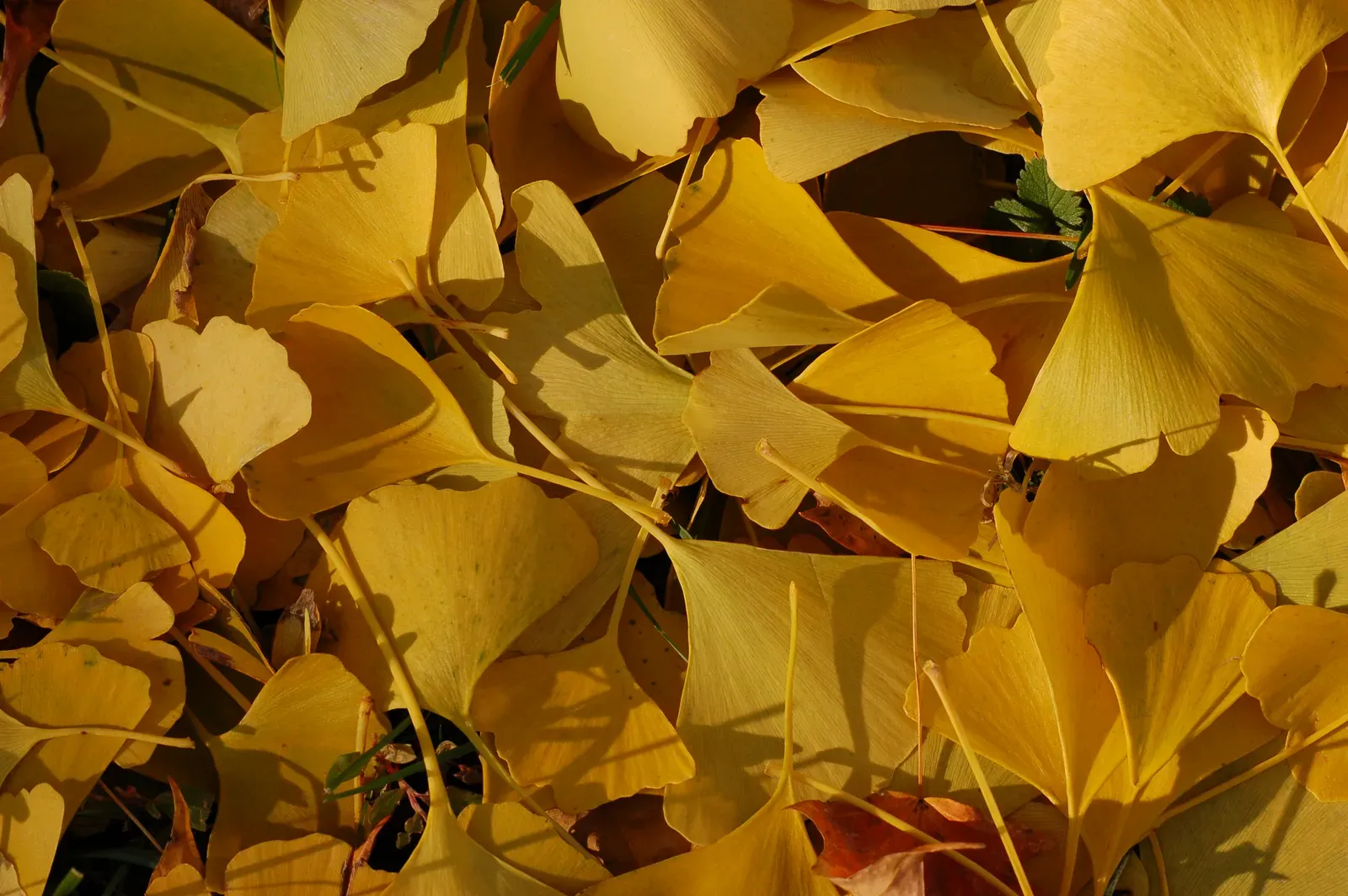
You might walk past a ginkgo tree every day and never realize you are looking at one of the most ancient plant lineages on Earth. Ginkgo relatives already existed back in the Jurassic, when long‑necked sauropods and early birds wandered under their fan‑shaped leaves. When you see that distinctive leaf, you are looking at almost the same design that shaded dinosaur skin and eggs millions of years ago.
Today, you mainly notice ginkgo trees as tough city survivors lining sidewalks, dropping their small, famously smelly seeds in autumn. In the age of dinosaurs, those seeds and leaves would have been potential snacks for herbivores browsing through forests. If you hold a ginkgo leaf in your hand, you’re holding something close to what a hungry dinosaur could have stripped off a branch, chewed up, and swallowed.
2. Ferns – The Salad Bar That Never Closed
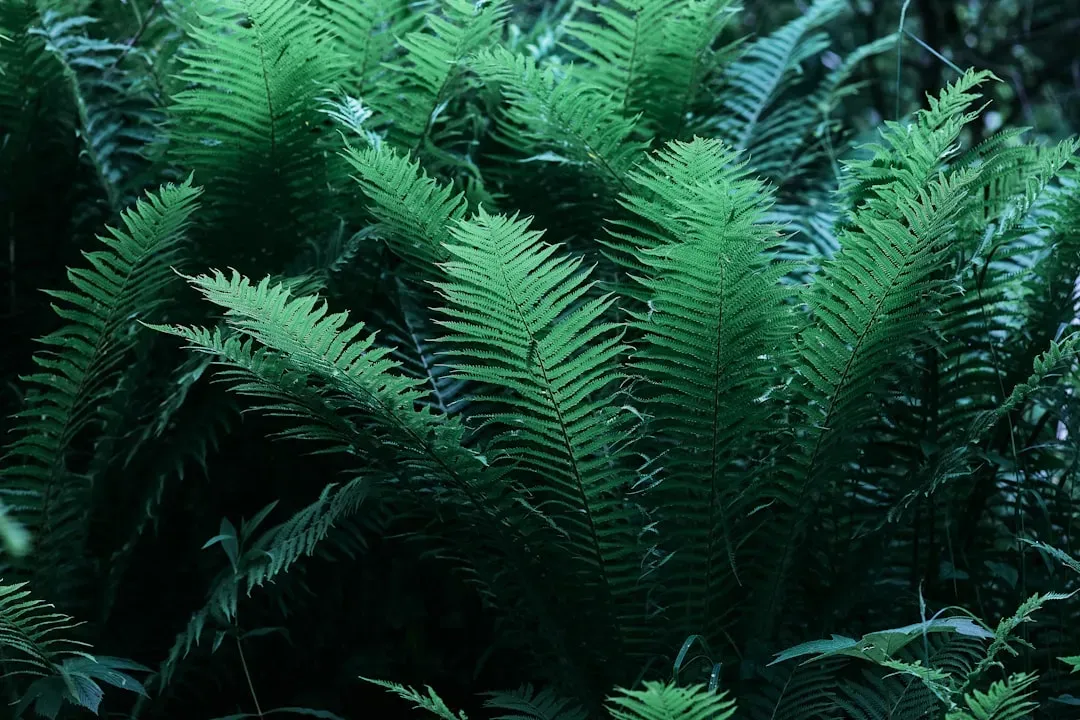
When you picture dinosaur landscapes, your mind probably fills with ferns, and for good reason. Ferns were everywhere: carpeting the forest floor, clustering near rivers and lakes, and springing up in the shade of conifers and cycads. You can still see close modern relatives in shady garden corners, national parks, and even as houseplants hanging in your living room.
Fossil evidence shows that many herbivorous dinosaurs munched on fern fronds, using them like an endlessly renewing salad bar. You might not think of ferns as food now, but in some cultures, young fern shoots are still eaten as seasonal delicacies. That means a tender spring fiddlehead on your plate can echo the same type of plant that once helped fuel giant plant‑eaters weighing many tons.
3. Horsetails – The Dinosaur-Era “Asparagus” Stalks
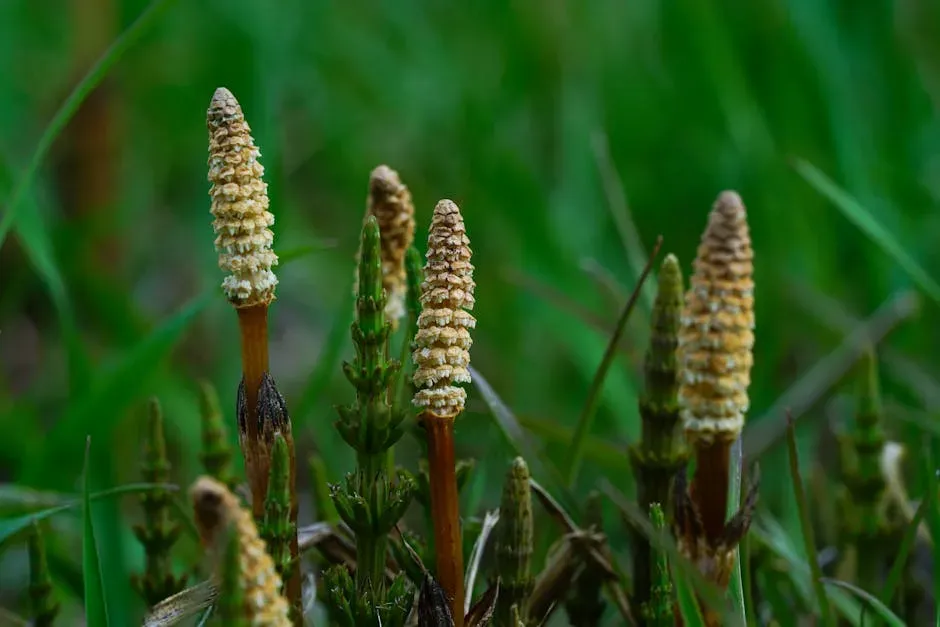
If you’ve ever pulled up those jointed, hollow green stems that grow in wet ditches or near ponds, you’ve probably met horsetails. These plants belong to a very old lineage that spread widely during the Mesozoic, creating dense, reedy stands in swampy areas. You can still find them today in many temperate regions, though now they’re more of a garden nuisance than a staple crop.
Back in dinosaur times, horsetails offered tough but abundant stems and shoots for smaller herbivores and juvenile dinosaurs. Some modern people compare certain horsetail shoots to asparagus in appearance, and you can imagine a small dinosaur nipping at those fresh green stalks much like you might snap up tender spring vegetables. When you see horsetails clustering near water, you’re looking at a plant lineage that literally helped build dinosaur bodies.
4. Conifers – Piney Snacks from Ancient Forests
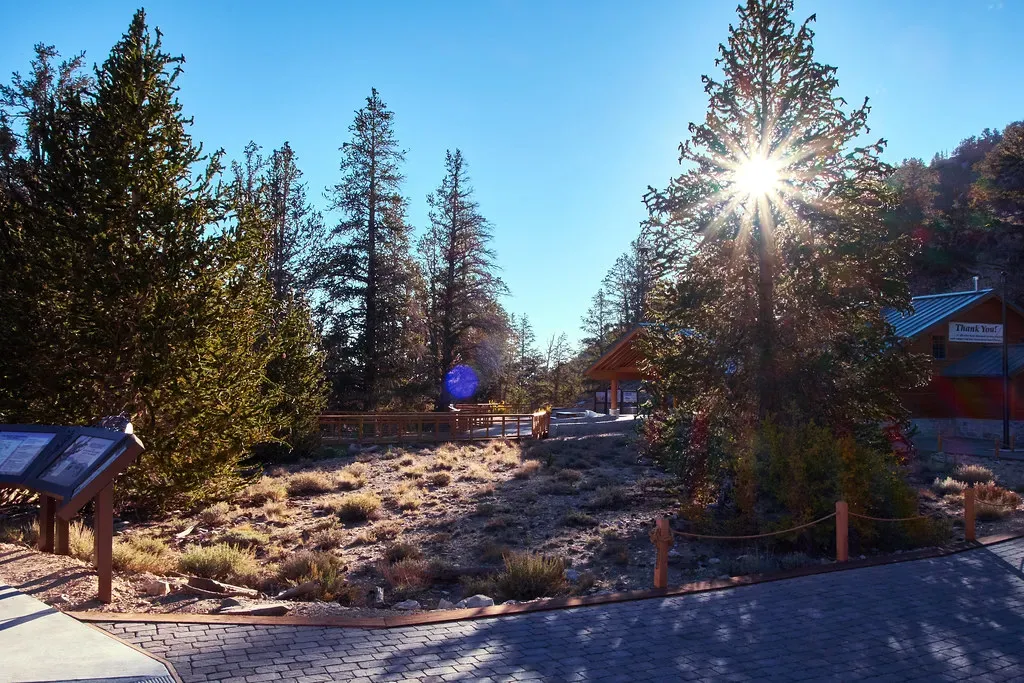
Those towering pines, spruces, and firs you see in modern forests are close cousins of the conifers that dominated dinosaur habitats. Back then, coniferous trees formed vast woodlands, providing shade, shelter, and food. Their needles, young shoots, and cone seeds would have been part of the menu for various plant‑eating dinosaurs wandering below.
Today, you might enjoy pine nuts on a salad or notice how wildlife still feeds on cones and tender growth. In the Mesozoic, similar behaviors likely played out on a much larger scale, with entire herds stripping branches and crunching seeds. So when you smell the resinous scent of a pine forest, you’re inhaling the same type of aroma that filled dinosaur lungs as they browsed among those ancient evergreens.
5. Cycads – The “Palm-Like” Plants Dinosaurs Probably Browsed
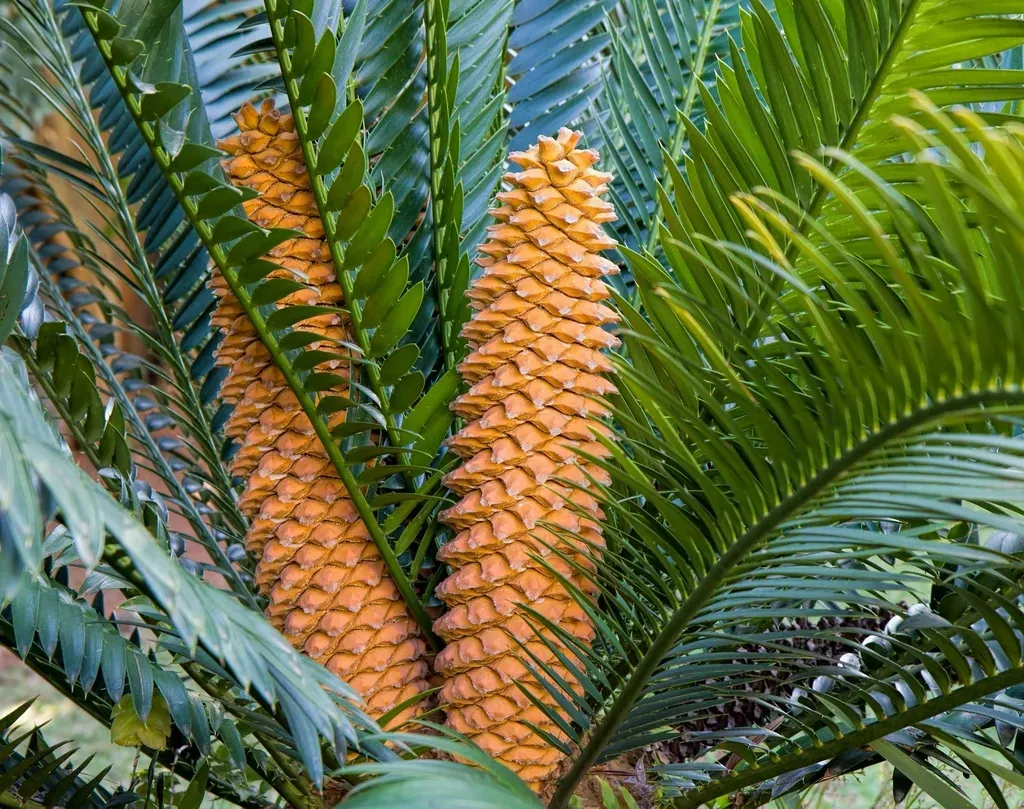
Cycads look like palms at first glance, with a crown of stiff, feathery leaves, but they belong to a very different and much older plant group. During the age of dinosaurs, cycads were far more common and often appear in artistic reconstructions as a signature part of the landscape. You can still grow them in gardens and conservatories, especially in warm climates, where they give a prehistoric vibe without even trying.
Many scientists think a variety of herbivorous dinosaurs browsed on cycad leaves and seeds, even though modern cycads contain toxins that make them dangerous in large quantities. Animals today, from insects to mammals, sometimes handle toxic plants in small doses, so you can imagine dinosaurs doing the same with cycads. If you stand next to a modern cycad, you’re standing beside a plant not so different from something that may have rustled as a giant tail swept past.
6. Magnolias – Early Flowering Trees that Teased Dinosaur Taste Buds
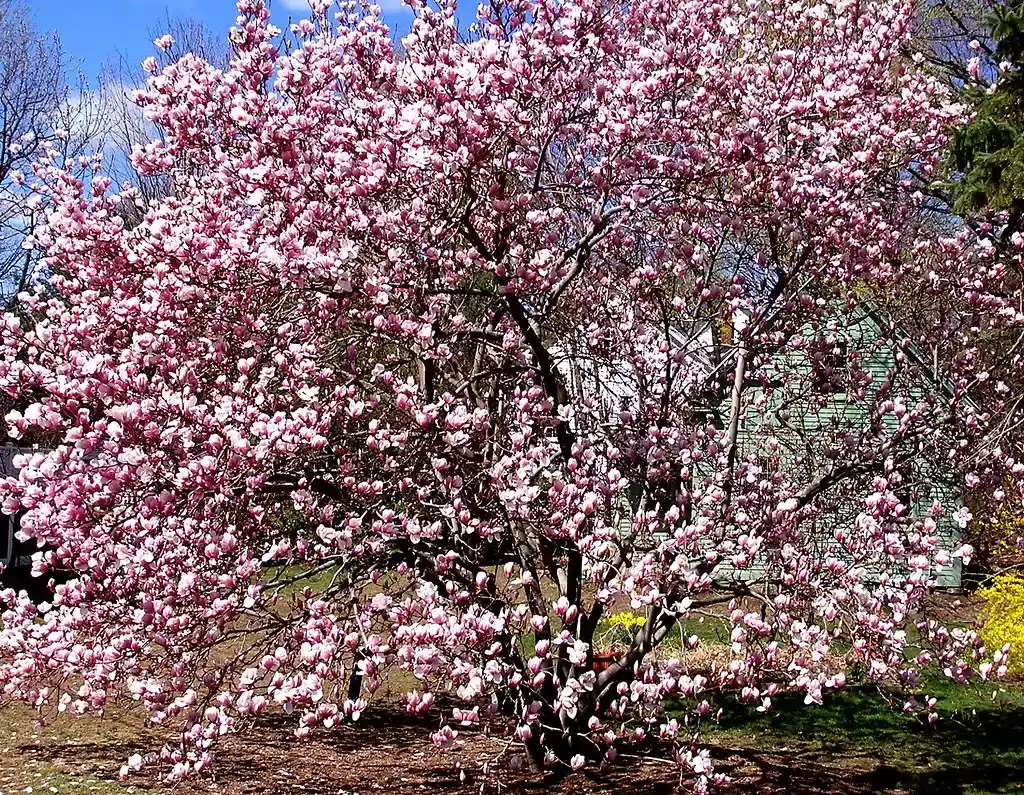
Flowering plants exploded in diversity during the late Cretaceous, and some early members of this group are surprisingly familiar to you today. Magnolias are often considered among the more ancient lineages of flowering trees, with large, fragrant blossoms and thick, sturdy leaves. By the time big dinosaurs like Tyrannosaurus and Triceratops existed, flowering shrubs and trees, including magnolia‑like forms, had already joined the ecosystem.
While you admire magnolia blossoms for their beauty or fragrance, herbivorous dinosaurs may have been more interested in nibbling their leaves, buds, or fruits. Some of the same general plant structures that attract your eyes now could have drawn in ancient animals looking for tender new growth. When you see a magnolia blooming in spring, you’re looking at the kind of evolutionary innovation that reshaped dinosaur diets toward the end of their reign.
7. Water Lilies and Aquatic Plants – Pond Food for Dinosaur Shorelines
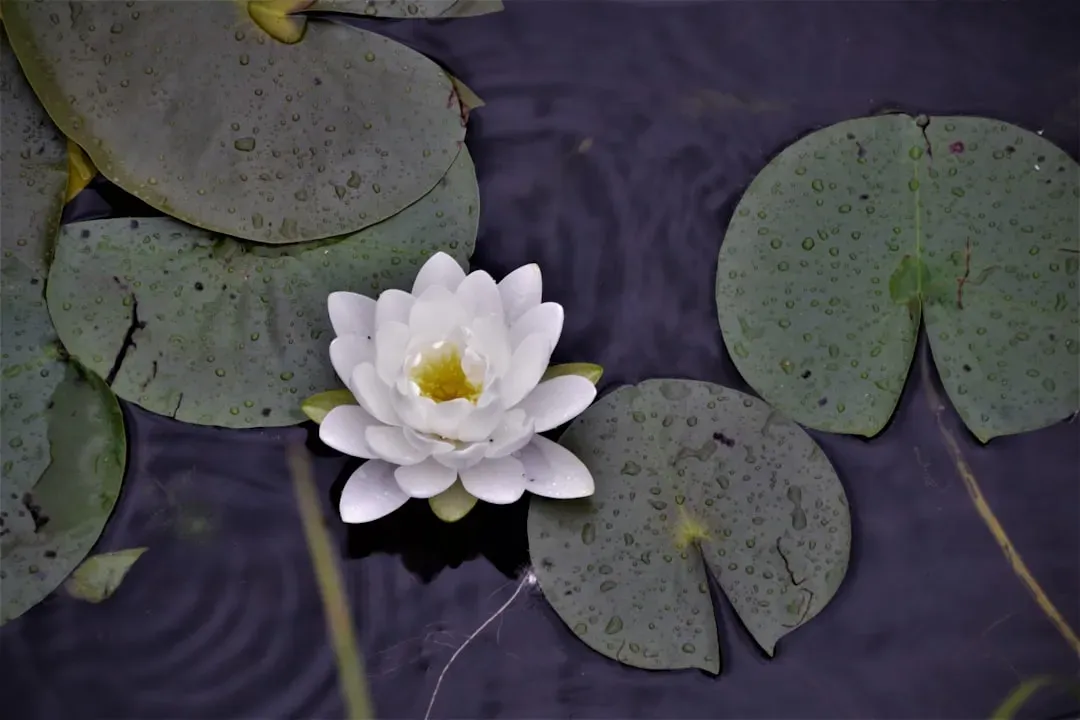
If you picture a peaceful pond with floating pads and delicate flowers, you are seeing a scene that would not look completely alien to many dinosaurs. Ancient relatives of modern water lilies and other aquatic plants grew in lakes, rivers, and swamps that dinosaurs used for drinking, cooling off, and possibly feeding. Fossil evidence shows that some herbivorous species consumed aquatic vegetation in addition to land plants.
Today, ducks, turtles, and even people in certain cultures still eat parts of aquatic plants, from stems to seeds. Dinosaurs likely did something similar, cropping soft, water‑rich vegetation along the edges of ponds or wading in to reach more. The next time you watch a dragonfly skim over lily pads, you can imagine a dinosaur’s reflection rippling beneath those same types of leaves, pausing to take a bite.
8. Early Relatives of Grasses – The Tiny Blades Dinosaurs Sampled
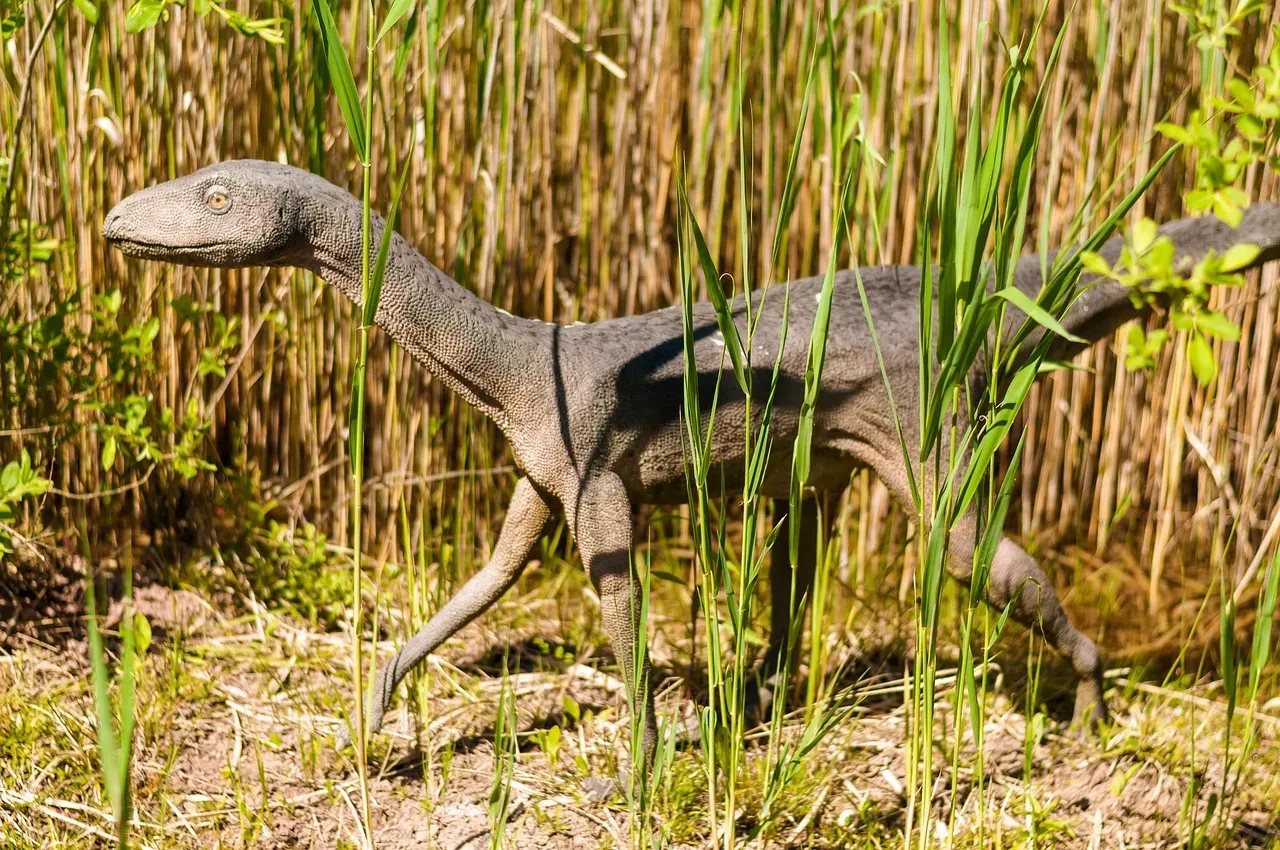
You probably associate grasslands with herds of horses, bison, or antelope, not with dinosaurs, and that’s mostly fair. Giant, open grasslands came later, but fossil discoveries have revealed that small, early grasses already existed during the late Cretaceous. Tiny silica bodies from these grasses have even been found in fossilized dinosaur droppings, showing that at least some species were nibbling on them.
Modern grasses, from your lawn to rice and wheat fields, descend from those early experiments in narrow, blade‑like leaves. Dinosaurs would not have munched on vast prairies of grass like modern grazers do, but they clearly encountered and ate patches of these plants. When you walk across a grassy park, you are treading on the legacy of a plant family that was quietly on the scene while dinosaurs still ruled the land.
9. Araucaria and Monkey Puzzle Relatives – Cone-Bearing Giants on the Menu
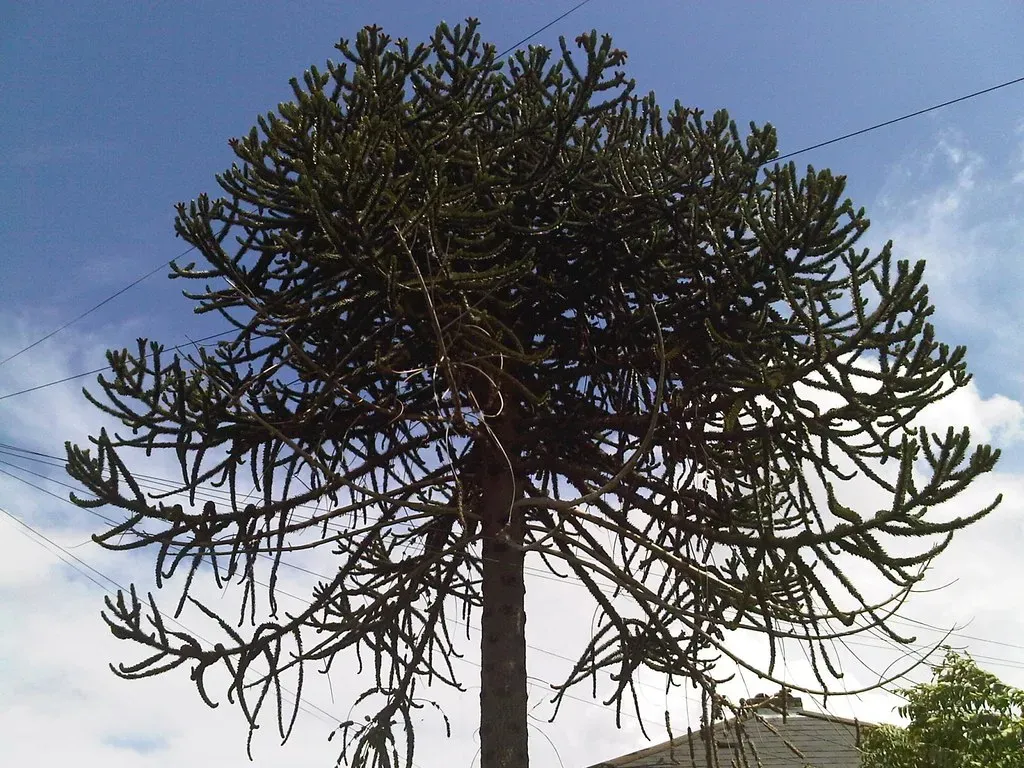
If you have ever seen a monkey puzzle tree or a big Araucaria species in a botanical garden, you know how strange and ancient they look. These spiky, cone‑bearing trees are members of a group that was far more common during the Mesozoic. In many fossil forests, close relatives of today’s Araucaria dominated the canopy and produced hefty cones stuffed with edible seeds.
Those seeds are still eaten by people and wildlife in some regions today, and dinosaurs likely took advantage of that rich, energy‑dense food as well. Imagine a large herbivore stretching up or knocking down branches to reach those nourishing cones, much like animals now go after pine nuts or chestnuts. When you stand under a monkey puzzle tree, you are standing beneath a living echo of the forests that fed and sheltered dinosaurs.
10. Laurel and Bay Relatives – Aromatic Leaves with Ancient Roots
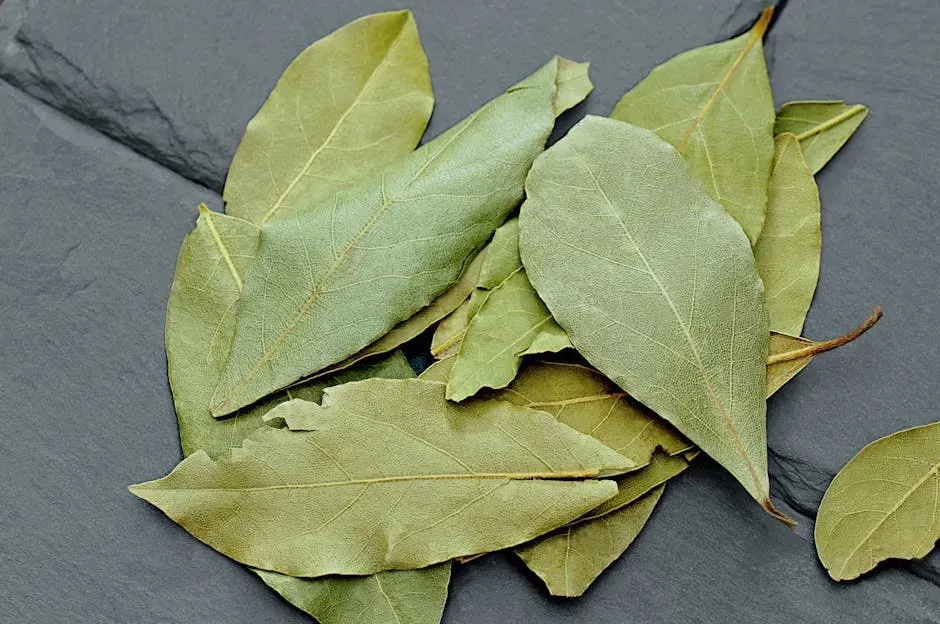
The leaves you might toss into a stew for flavor, like bay leaves from laurel relatives, are part of a plant lineage that stretches back into dinosaur days. Early members of the laurel family and related flowering plants appeared as angiosperms diversified in the late Cretaceous. Their broad, evergreen leaves and aromatic compounds evolved in ecosystems already bustling with large herbivores and predators.
Those ancient laurel‑like plants may have been browsed by dinosaurs, just as many herbivores today sample tough, fragrant foliage as part of a varied diet. When you crumble a bay leaf between your fingers, releasing that strong, spicy aroma, you’re interacting with chemical defenses and scents shaped in part by ancient plant‑animal arms races. It is entirely possible that some dinosaurs took bites of similar leaves, tasting the same kind of flavors you now coax into your kitchen recipes.
Conclusion: Sharing a Menu with Extinct Giants
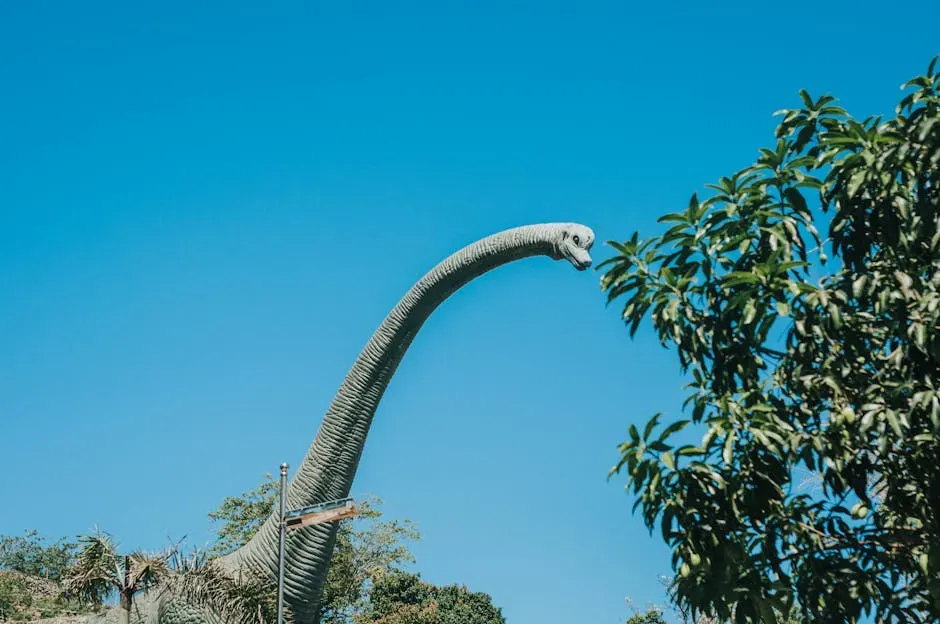
When you step back and look at these plants together, you start to feel how thin the line is between your world and the age of dinosaurs. Ginkgo trees on city streets, conifers on mountain slopes, cycads in botanical gardens, and grasses under your feet all carry echoes of a lost ecosystem. You are not just reading about deep time; you are walking through it, eating it, and breathing it every day without noticing.
Next time you pass a fern in a shady corner or stir a dish scented with bay leaves, you can picture a dinosaur doing something strikingly similar in a world that seems impossibly distant yet oddly familiar. You share more with those vanished giants than you might have guessed, right down to what grows quietly around you. Which of these living dinosaur foods are you going to notice differently the next time you see them?