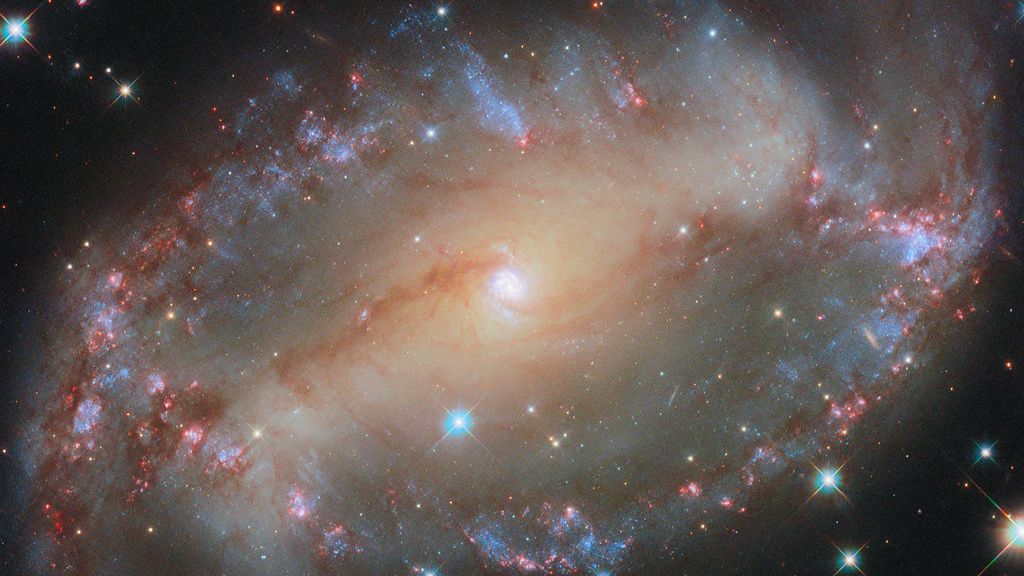
You live in a universe that feels solid and permanent. The sun rises every morning, galaxies sparkle in telescope images, and space seems so vast that it almost feels endless. But the deeper you look into modern cosmology, the more you realize something unsettling: the universe has a story with a beginning, and it almost certainly has an ending too. Somewhere far beyond your lifetime, beyond humanity, and even beyond stars themselves, the cosmos will likely meet a final chapter.
Scientists have spent decades trying to figure out how that last chapter might read. Is everything going to tear apart, freeze in eternal darkness, or collapse back into a single point? None of these possibilities is comforting, but all of them are strangely fascinating. As you explore these ten theories about the universe’s end, you’ll get a glimpse of how wild, beautiful, and fragile reality truly is.
1. Heat Death: The Slow Fade Into Eternal Darkness
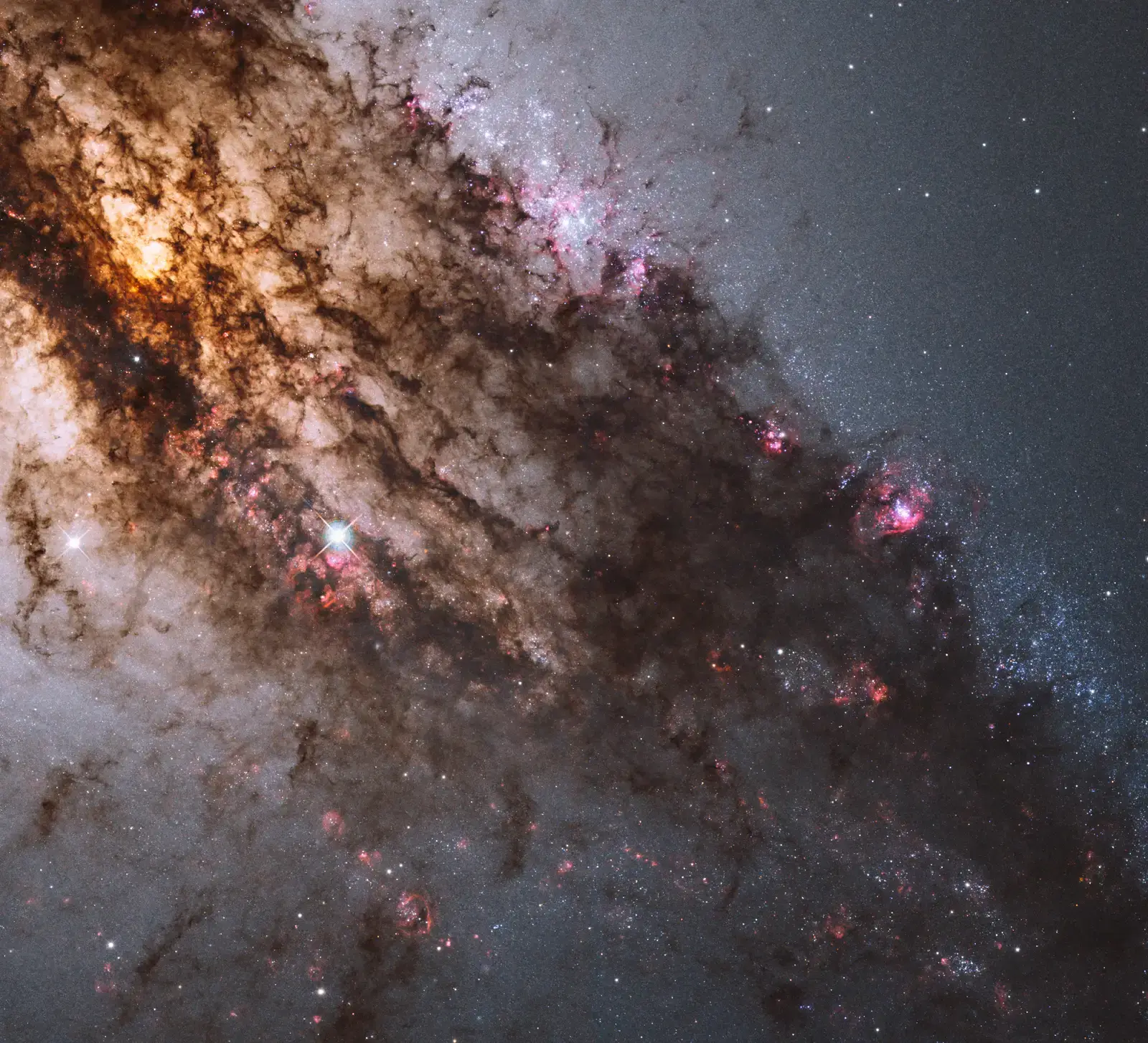
If you had to pick the most widely supported ending right now, heat death would probably be it. In this scenario, the universe does not explode or crash dramatically; instead, it quietly runs out of usable energy. Stars burn through their fuel, galaxies stop forming new stars, and what you are left with is a cold, dark sea of scattered particles and dead remnants. You can think of it as the cosmic equivalent of a campfire burning down to its last faint embers, until even those embers go dark.
At its heart, heat death is about entropy, the tendency for energy to spread out and for systems to drift from order to disorder. Over inconceivably long timescales, black holes evaporate, atoms decay, and the universe smooths out into almost complete uniformity. You would no longer have hot and cold, light and dark, or structures and voids in any meaningful sense. It becomes a universe where nothing interesting can happen, not because of some violent event, but because all the cosmic batteries have finally gone flat.
2. The Big Rip: When Space Itself Tears Apart
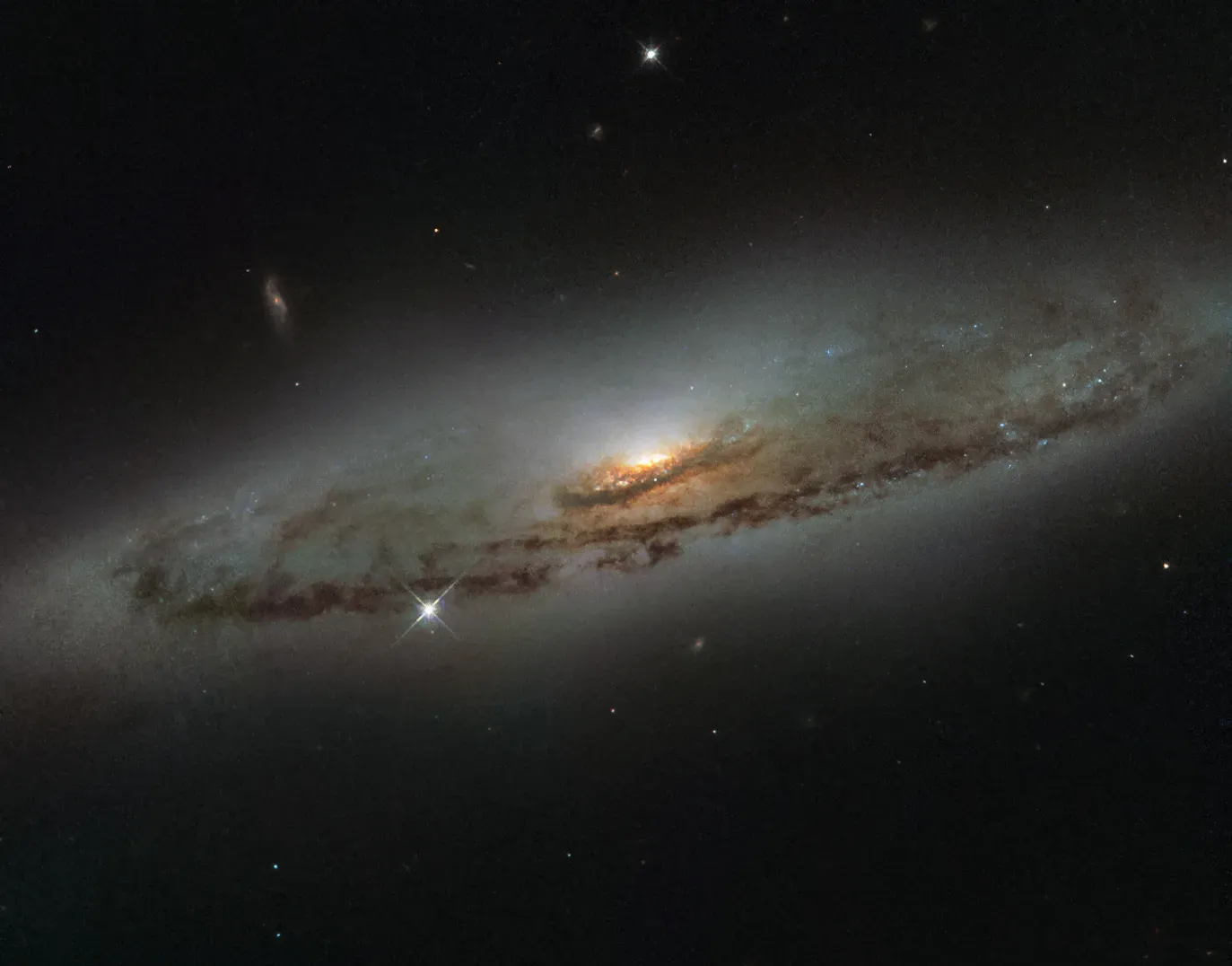
Now imagine a far more dramatic ending, one where the universe does not gently fade, but violently shreds itself. That is the basic idea of the Big Rip. In this theory, the mysterious dark energy that drives the universe’s expansion gets stronger over time instead of staying constant. As this repulsive force grows, it pushes galaxies apart faster and faster, until one day it becomes strong enough to overcome even gravity, atoms, and the very fabric holding matter together.
If the Big Rip is your universe’s fate, the final moments would be terrifying on any scale. First, galaxy clusters would be pulled apart, then individual galaxies would be ripped to shreds. Later, solar systems, planets, and even atoms would be torn apart as space stretches faster than light can cross it. You can picture it as a cosmic zipper being pulled open from one end of reality to the other, except there is no hand on the zipper and no way to stop it once it starts accelerating that way.
3. Big Crunch: The Universe Falls Back In On Itself
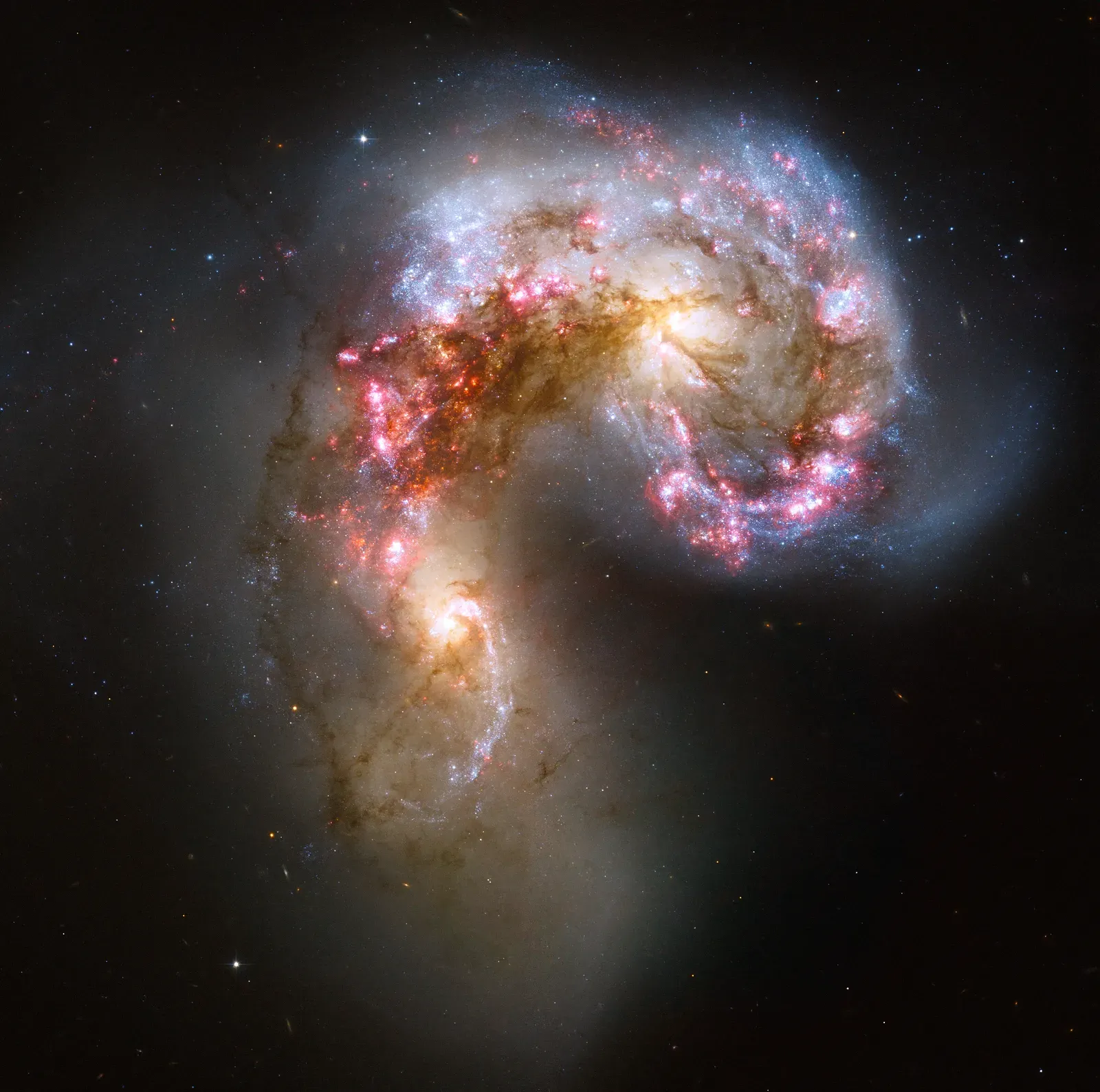
Another vision of the end takes you in the opposite direction: not endless expansion, but a grand collapse known as the Big Crunch. If the gravitational pull from all the matter and energy in the universe were strong enough, it could eventually slow expansion, stop it, and then reverse it. Over immense timescales, galaxies would start to move closer together instead of drifting apart, like a film of the Big Bang played in reverse.
As this collapse speeds up, the universe heats dramatically. Galaxies collide more often, radiation intensifies, and temperatures soar. In the final stages, spacetime itself might shrink down into an incredibly dense, hot state, possibly not unlike the conditions at the Big Bang’s beginning. If you follow this idea to its extreme, you might even wonder whether such a collapse could trigger a new Big Bang, creating a cyclic universe that dies and is reborn again and again, although that part remains deeply speculative.
4. Big Bounce: A Universe That Reboots Instead of Ends
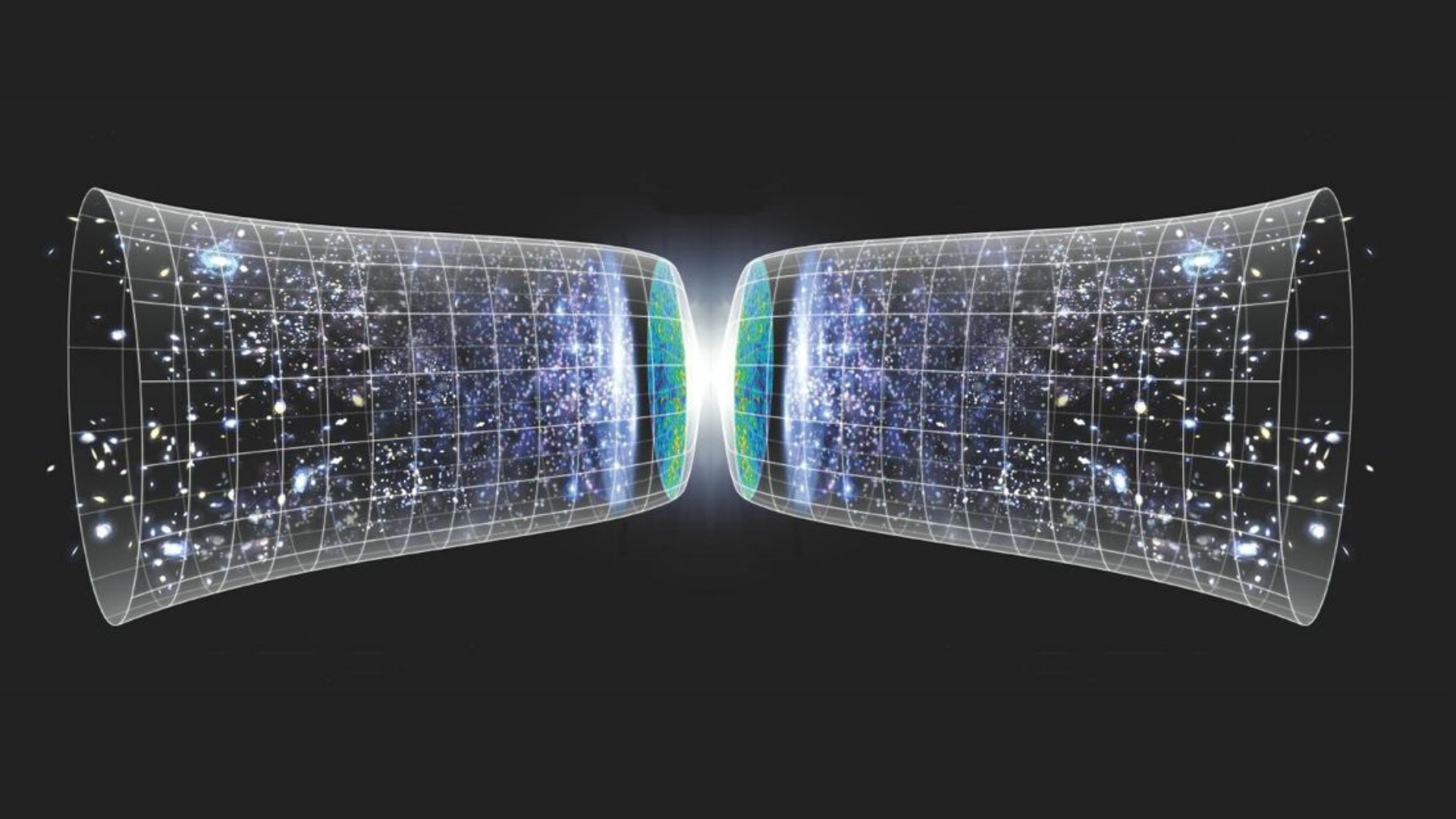
The Big Bounce takes the Big Crunch idea and adds a twist that feels almost hopeful: what if the universe never truly ends, but instead bounces back into a new beginning? In this picture, the current expanding universe eventually stops and collapses into a dense state. But instead of ending in a permanent singularity, quantum effects or unknown physics force a rebound, launching a new expansion phase that becomes a new universe, or a new cycle of the same one.
If you embrace the Big Bounce, you live in a cosmos that might not have just one Big Bang, but a long chain of bangs and crunches, maybe stretching infinitely into the past and future. You could imagine it as a cosmic heartbeat: expansion, contraction, rebound, and repeat. For you personally, it does not change the fact that your era would end, but it paints a larger story where the universe itself is less like a one-way arrow and more like a pendulum that never quite comes to rest.
5. Vacuum Decay: The Universe Ends in a Quantum Ambush
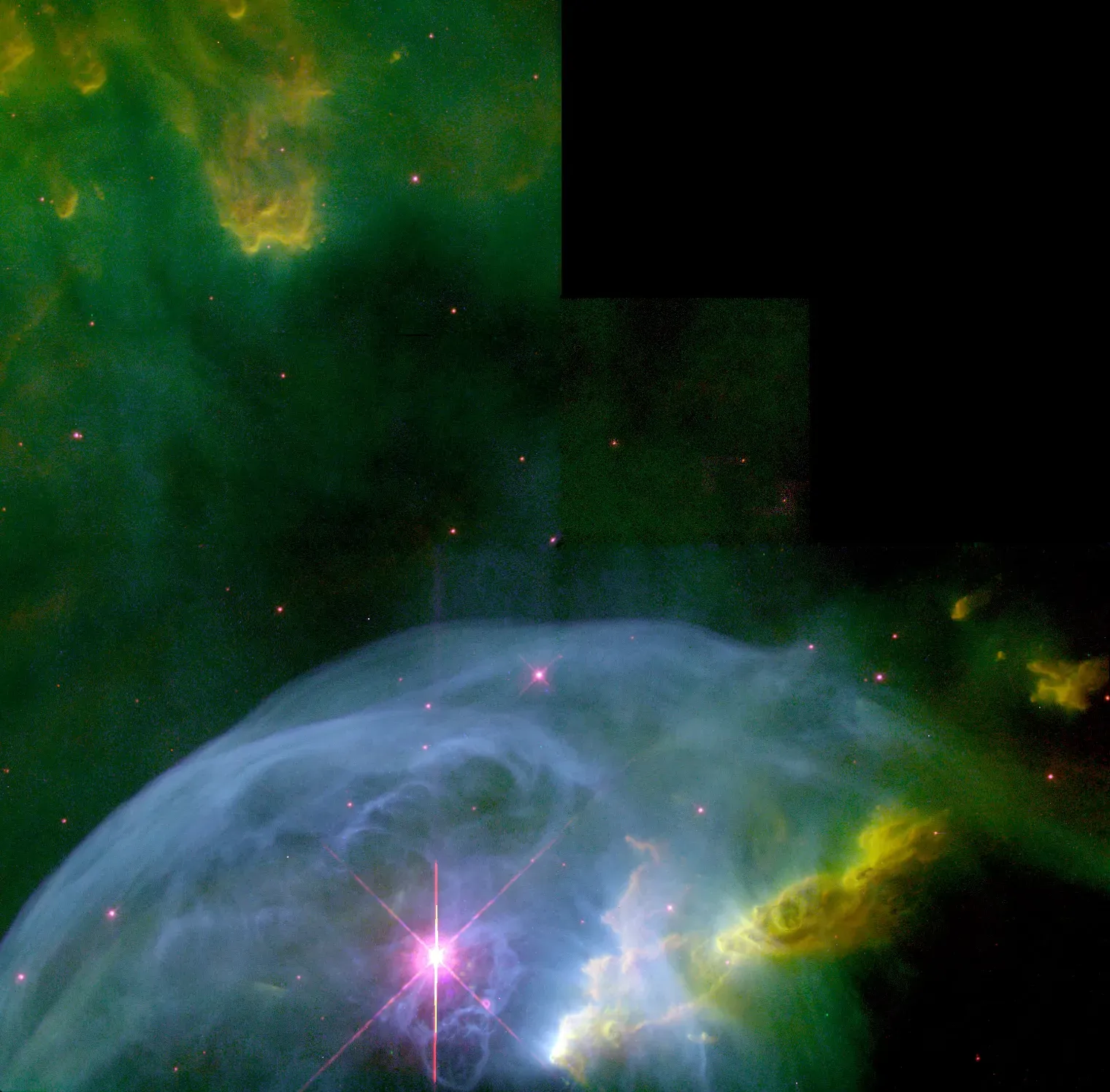
Vacuum decay is one of those theories that sounds like pure science fiction until you realize it comes straight from serious quantum field theory. The idea is that what you call the vacuum of space might not be in the lowest possible energy state. Instead, the universe could be sitting in a kind of false minimum, a valley that looks stable but is not the absolute bottom of the landscape. If that is true, a random quantum fluctuation could someday nudge a tiny region of space into a lower-energy, more “true” vacuum state.
Once such a bubble forms, it would expand at nearly the speed of light, rewriting the laws of physics as it goes. Inside the bubble, fundamental constants, particle masses, and forces might all change, making atoms, chemistry, and life as you know them impossible. You would never see it coming because the bubble’s edge would outrun any warning. One instant everything looks normal; the next, the universe’s rulebook has been replaced, and nothing that existed before can survive under the new script.
6. Big Slurp: A Higgs-Driven Doomsday Scenario
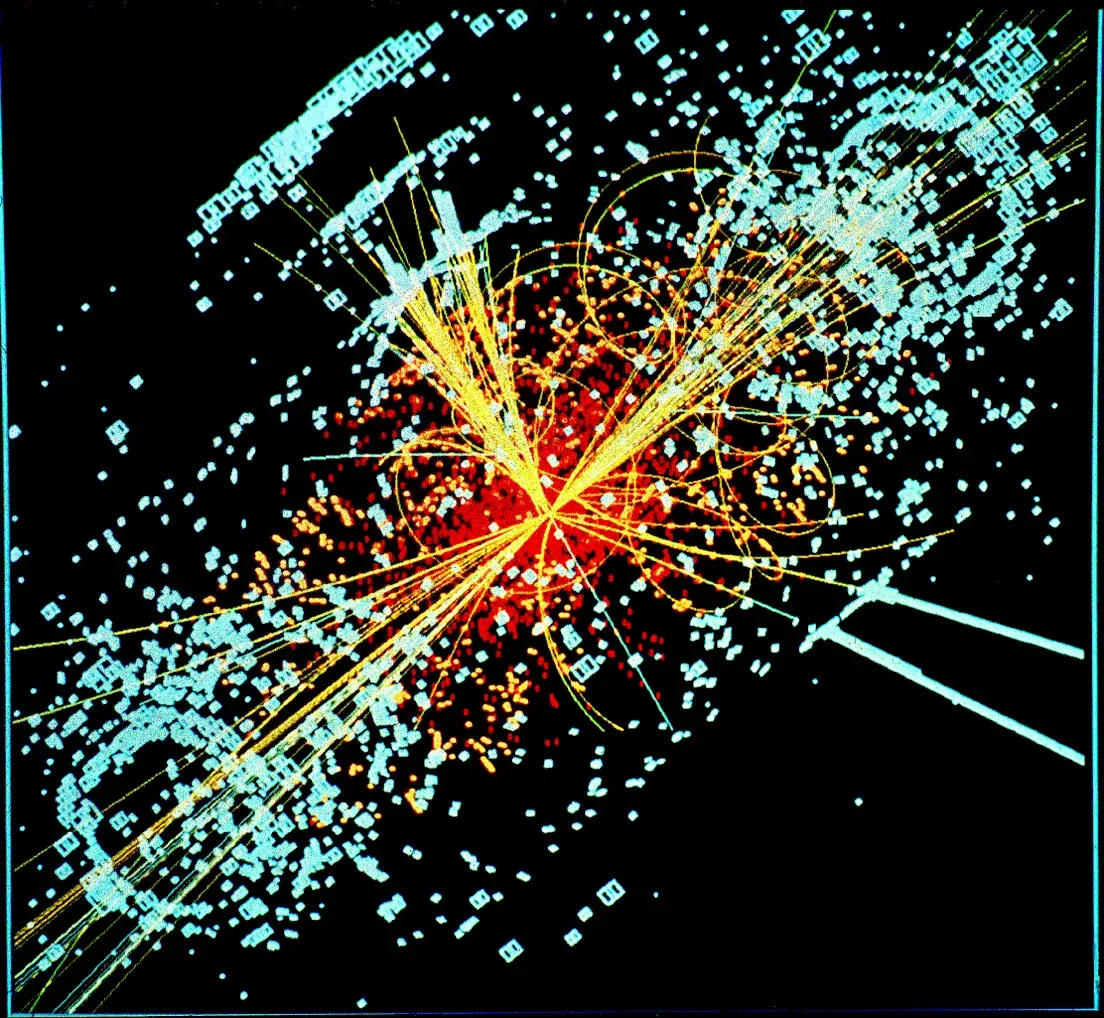
The Big Slurp is closely related to vacuum decay but ties it specifically to the Higgs field, the field that gives particles mass. When physicists measured the Higgs boson’s properties, some calculations suggested that the current vacuum might be only metastable. That means the universe you inhabit is durable on human timescales but not guaranteed forever on cosmic ones, like living in a house that is solid for centuries but could theoretically collapse if a hidden support suddenly gives way.
In a Big Slurp event, a tiny region of space would transition to a lower-energy Higgs state, then expand at lightspeed like a devouring wave. The term “slurp” captures the uncomfortable image of the universe being consumed by this new phase. While this is deeply theoretical and may never happen, it is an example of how modern particle physics and cosmology intersect. When you probe the deepest structure of reality, the question of the universe’s end stops being only about stars and galaxies, and starts including the invisible fields that underpin everything.
7. Big Freeze: An Ever-Expanding, Ever-Colder Universe
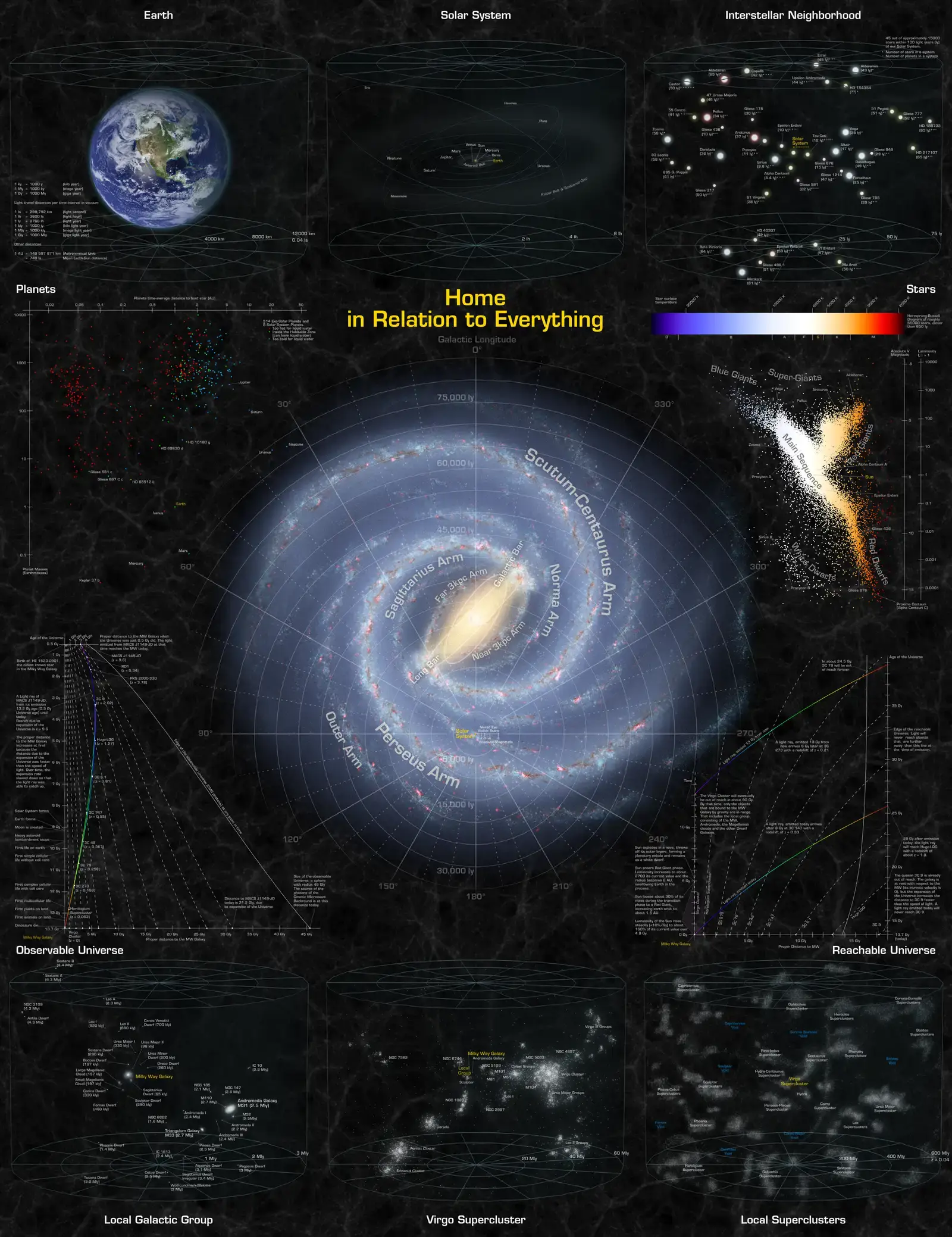
Sometimes people use “heat death” and “Big Freeze” almost interchangeably, but you can think of the Big Freeze as focusing on the emotional image: a universe that just keeps getting colder and lonelier. If dark energy remains roughly constant and continues to drive accelerated expansion, galaxies move farther away from each other, and the night sky slowly empties. From your perspective, it is as if the lights of a distant city are switching off one by one, until you are left in a quiet, dark field.
As trillions upon trillions of years pass, stars die out and are not replaced. White dwarfs cool, neutron stars fade, and black holes dominate the scenery. Eventually, even black holes radiate away their mass through Hawking radiation. In such a universe, you end up with a thin, cold mist of particles and radiation spread across an ever-larger volume. You are not looking at an explosive finale but a long, slow slide into emptiness, where the haunting part is not the violence, but the silence.
8. Cosmic Fragmentation: An Island Universe Future
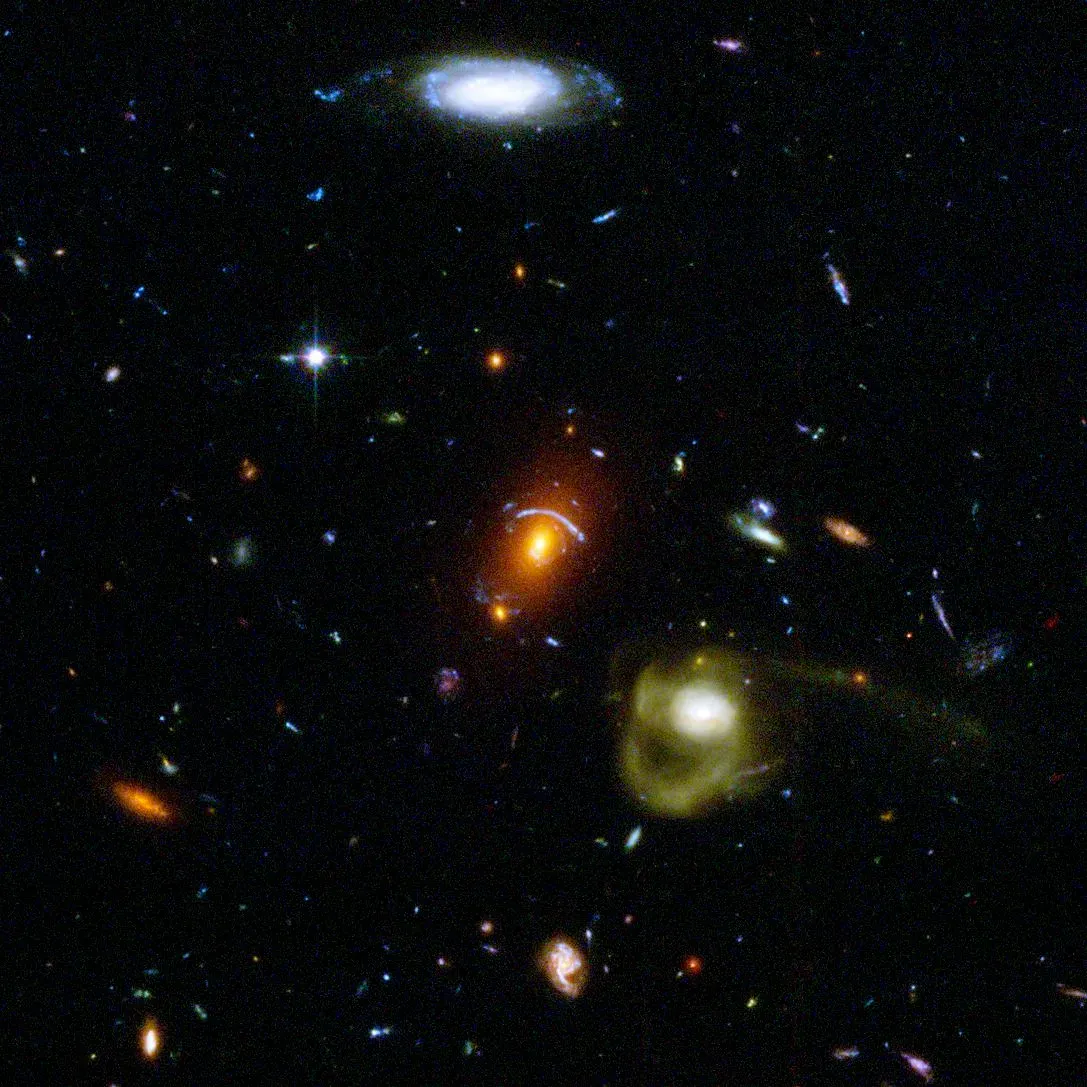
In an accelerating universe, you can imagine another strange outcome: cosmic fragmentation. As expansion speeds up, more and more galaxies slip beyond each other’s observable horizons. From your vantage point in a distant future, your local group of galaxies might be all you can ever see, the rest having receded so far and so fast that their light can no longer reach you. The universe does not literally break into pieces, but it effectively becomes a set of isolated “island universes” that can no longer communicate.
For any civilization that survives far into that future, the cosmic story would seem very different from what you see today. Observers would look through their telescopes and see only a small patch of galaxies, with no clue that a vast, rich cosmos once lay beyond their horizon. You could say the universe ends not by destruction, but by cutting its parts off from one another so completely that each region experiences a kind of informational death. The grand tapestry tears not by ripping the fabric, but by stretching it until the patterns vanish from view.
9. Cyclic or Ekpyrotic Universes: Endless Cosmic Rebirth
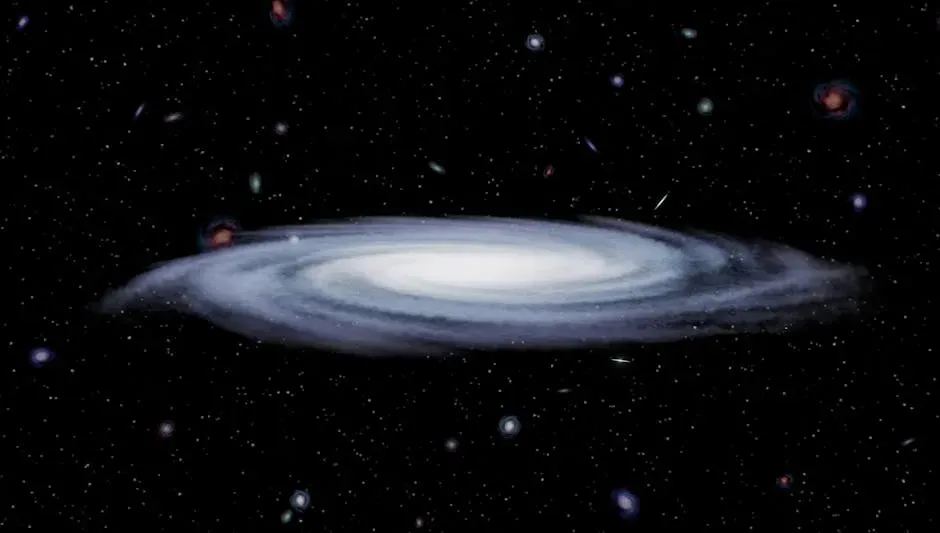
Cyclic and ekpyrotic models offer one of the most mind-bending alternatives to a final end: what if your universe is only one phase in an endless sequence of expansions and contractions? In some of these ideas, the universe goes through repeated cycles where a Big Crunch or a slow contraction is followed by a new expansion that wipes out many traces of the previous era. In ekpyrotic scenarios, collisions or interactions between higher-dimensional “branes” can trigger Big Bang–like events over and over again.
From your perspective, you still live in a universe that will eventually leave your era behind. But the larger picture is less about a single final ending and more about an infinite story with many chapters. The catch is that, even if the cosmos behaves this way, you might never have direct access to evidence of past cycles, because each bounce could erase or scramble most of the clues. You are like a character in a book who cannot see the volumes that came before, even if the library shelves are stacked with them.
10. Unknown Physics: The Ending No One Has Imagined Yet
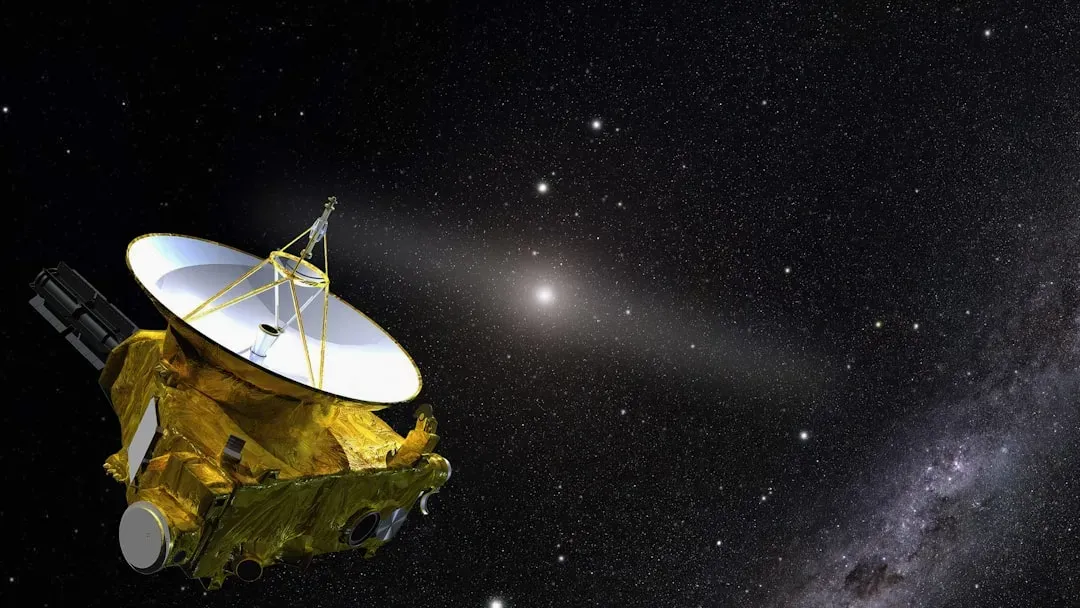
As tempting as it is to pick a favorite theory, you have to admit a humbling truth: you are probably missing key pieces of the puzzle. Dark matter, dark energy, quantum gravity, and the true nature of spacetime are all areas where your understanding is still incomplete. The universe might be governed by rules or fields you have not even named yet, and those unknowns could completely rewrite the script for how everything ends. When you remember how much physics has changed in just the last century, it becomes easier to accept that the final answer might surprise everyone.
Because of that, the most honest theory of the universe’s end is not a polished storyboard, but a range of possibilities tied to what you know so far. As observations improve and theories sharpen, some scenarios become less likely and others gain support. In a way, you are living in the middle of a cosmic detective story, where the clues are faint galaxies, subtle patterns in background radiation, and ghostly particles passing through you right now. The ending may already be encoded in the laws of nature, but your species is still on the early chapters of figuring out how to read them.
Conclusion: Living Well in a Mortal Cosmos
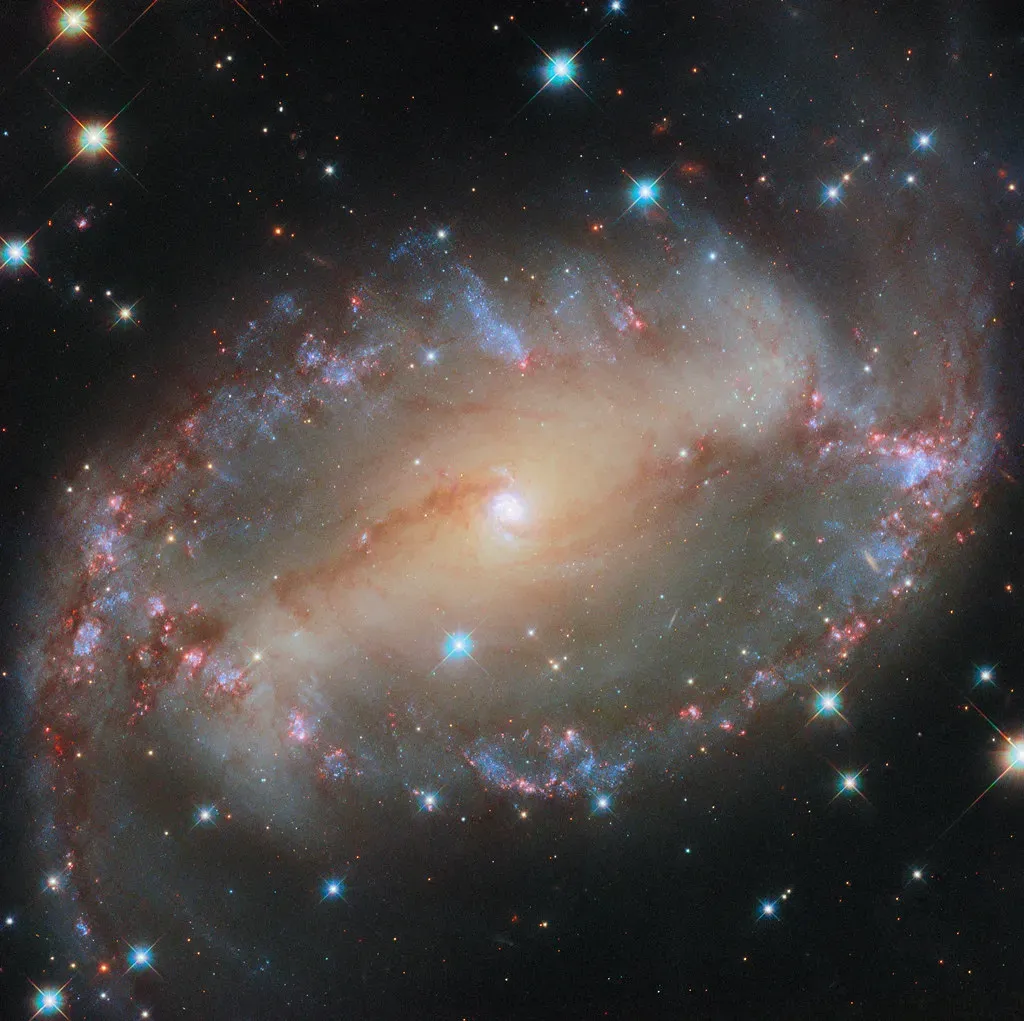
When you step back from all these theories, one thing stands out: the universe is not a static, eternal stage. It is a dynamic, evolving story that started in a burst of expansion and will almost certainly end in some radically different state, whether that is a freeze, a crunch, a rip, a bounce, or something you have not yet imagined. None of these endings are personal in the way you usually think about endings; they are not about punishment or reward, just the long-term consequences of the laws of physics playing out on scales so vast you can barely grasp them.
Oddly enough, that realization can make your brief moment in this cosmos feel more precious, not less. You are a temporary arrangement of particles able to look up, ask questions, build telescopes, and argue about how everything might end trillions of years from now. That alone is astonishing. So while the universe’s final chapter may be written in distant physics you will never witness, you still get to shape the tiny part of the story you actually inhabit. Knowing all this, how do you want to live in the small, bright window of time your universe has given you?