
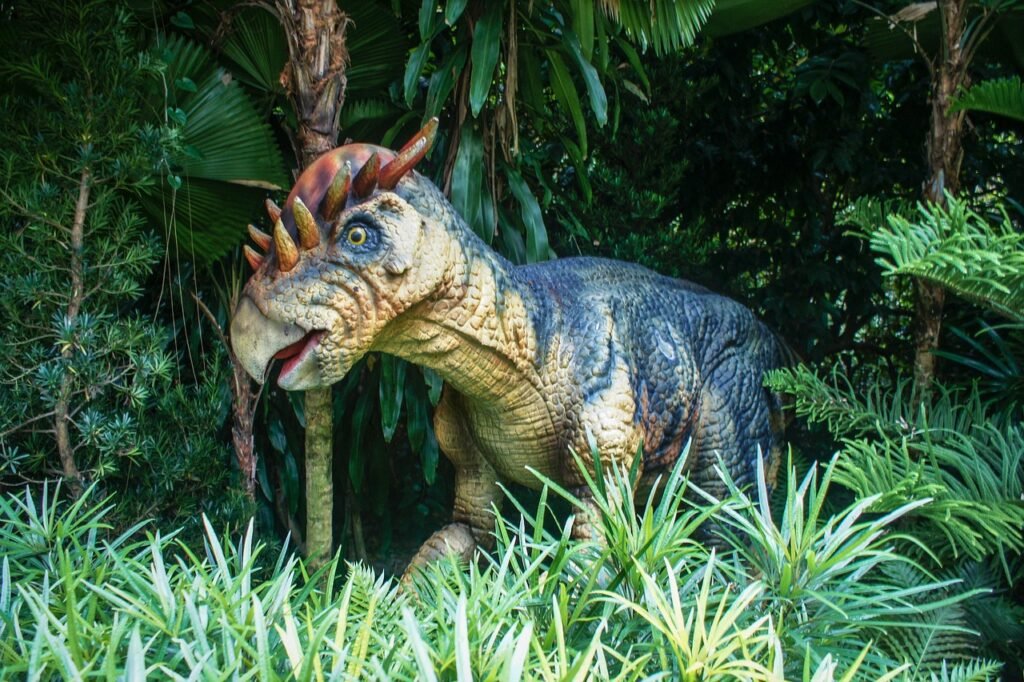
For a long time, prehistoric animals were treated like oversized movie monsters: slow, scaly, and not very bright. Textbooks and museum murals locked these creatures into a frozen, lumbering past that felt more like fantasy than science. But over the last few decades, new fossils, better technology, and some stubborn paleontologists have completely rewritten the script.
What we thought we knew about dinosaurs, mammoths, and even ancient sea creatures has been flipped on its head in ways that are honestly wild. Some of the biggest “facts” from our childhood books turned out to be dead wrong. Let’s walk through ten of the biggest mistakes science made – and how we finally started to set the record straight.
1. Dinosaurs Were All Cold-Blooded, Slow, And Sluggish
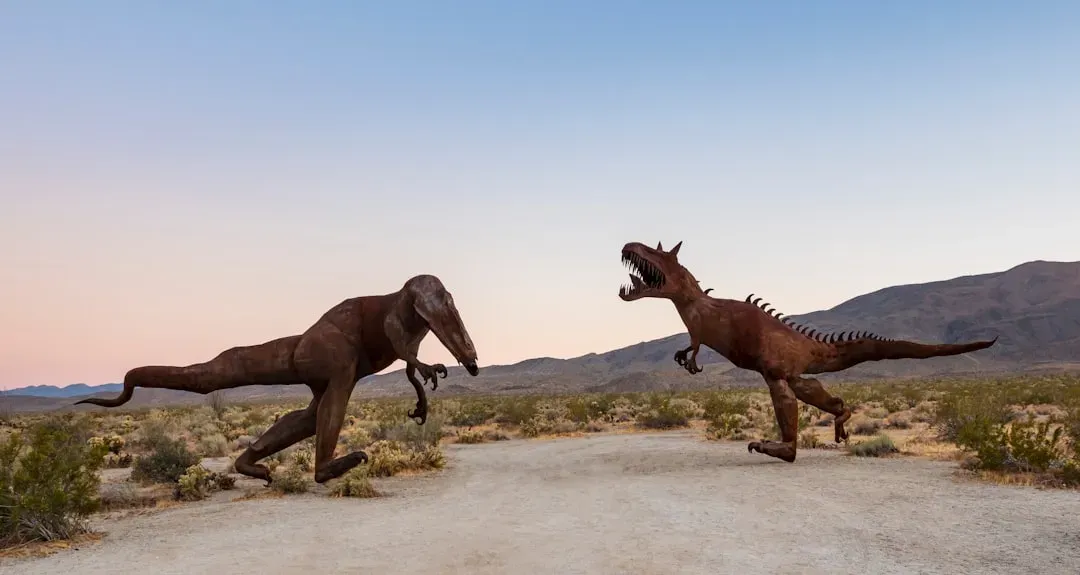
For most of the twentieth century, dinosaurs were portrayed as oversized lizards dragging their tails, barely able to move their own weight. The assumption was simple but wrong: they were reptiles, modern reptiles are cold-blooded and slow, so dinosaurs must have been the same. This view made them feel like evolutionary failures, doomed to extinction because they just could not keep up.
Then came a wave of discoveries: bone growth rings, the structure of their blood vessels, and trackways showing animals moving fast and in coordinated groups. These clues suggest many dinosaurs had high metabolisms, closer to birds and mammals than to crocodiles. Some likely had a kind of “in-between” metabolism, not classic cold-blooded but not quite like modern birds either. The picture now is of active, athletic animals, not swamp-bound slugs.
2. T. rex Was Only A Scavenger, Too Weak To Hunt
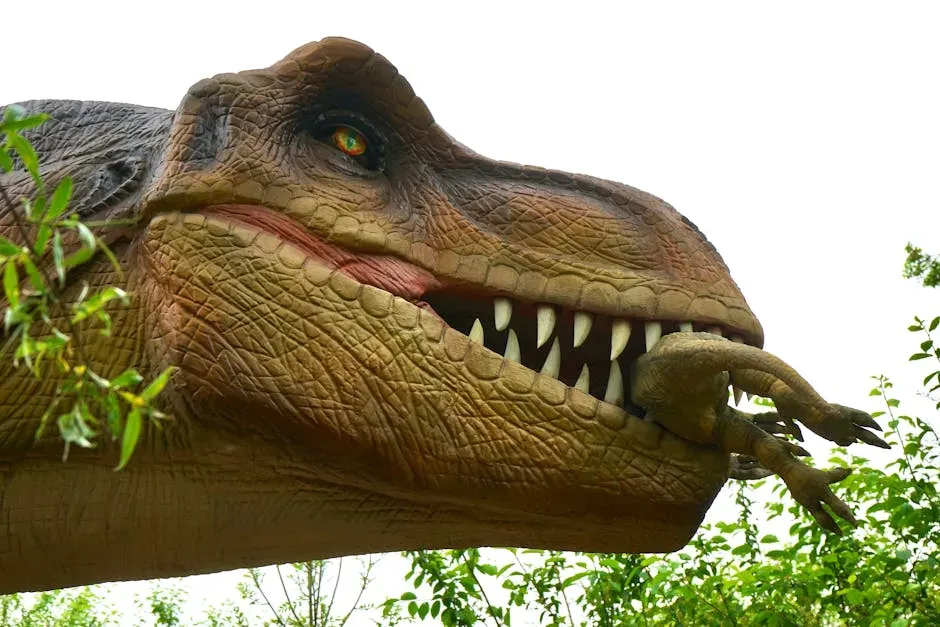
There was a time when a popular scientific argument claimed Tyrannosaurus rex was basically a giant vulture on legs. The logic was that its tiny arms were useless, its sense of smell was strong, and its massive body would have been too clumsy for proper hunting. This idea caught fire, partly because it was so counterintuitive and dramatic: the king of dinosaurs reduced to a trash collector.
But when scientists dug deeper into its anatomy, that story began to crumble. T. rex had one of the most powerful bite forces known in any land animal, thick leg bones built for supporting fast movement, and evidence in fossils of healed bite marks on prey species that match tyrannosaur teeth. That means it bit living animals that later survived the attack. Most researchers today see T. rex as an opportunistic predator, like lions or hyenas – absolutely capable of hunting, but not foolish enough to say no to free meat.
3. Dinosaurs Were All Gray, Green, And Boringly Colorless
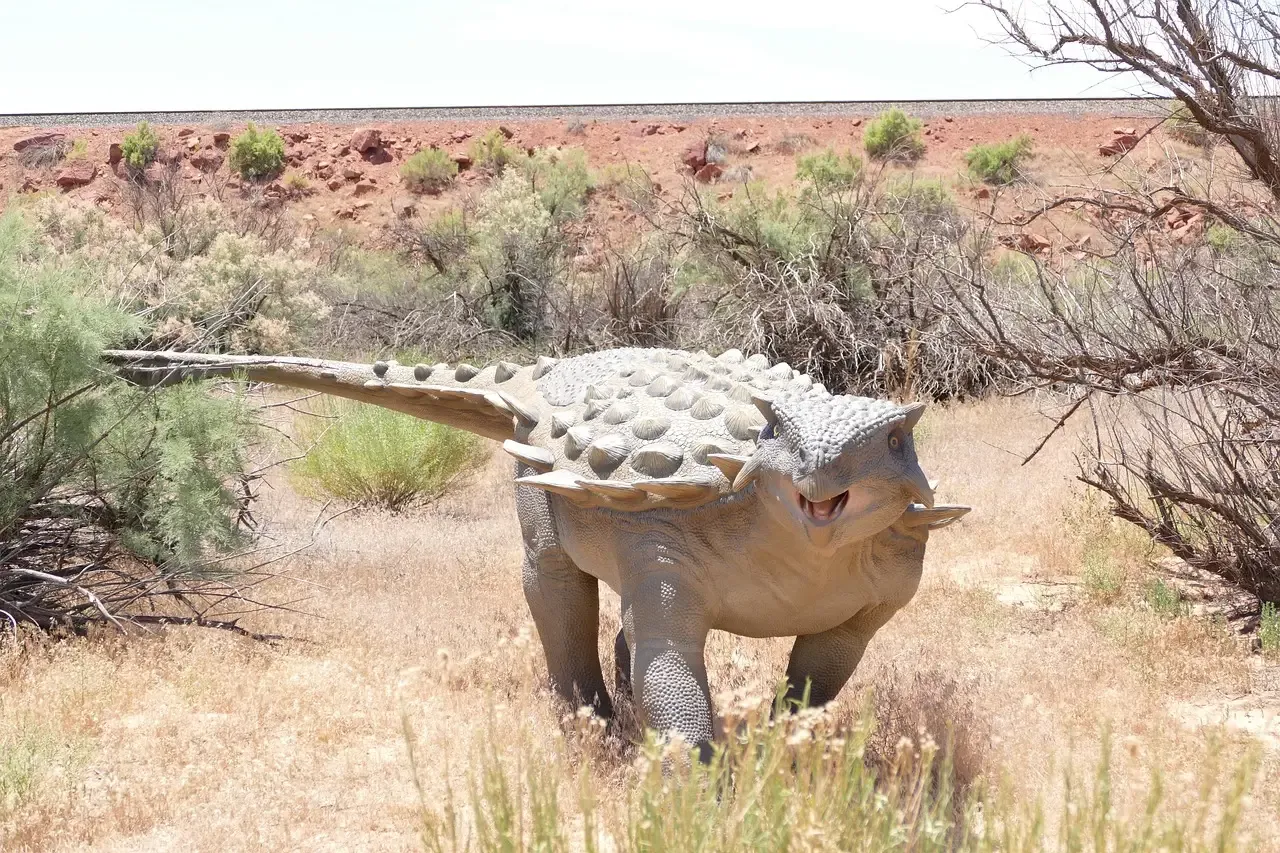
For decades, dinosaurs were colored by guesswork and habit. Artists painted them dull green, gray, or brown simply because that felt “realistic” and reptile-like. The science behind those color choices was basically nonexistent; it was more about copying earlier artwork than analyzing any real evidence. We were looking at prehistoric animals through a black-and-white lens.
That changed when scientists began studying microscopic structures called melanosomes in fossil feathers. By comparing those tiny structures to modern birds, they could reconstruct actual colors and patterns: banded tails, dark bodies, even iridescent sheens. Not every species is known in detail, and there is still a lot of uncertainty, but the message is clear: some dinosaurs were likely strikingly colorful. Think more flashy bird-of-paradise and less muddy crocodile.
4. Feathers Were Just For Birds, Not Dinosaurs
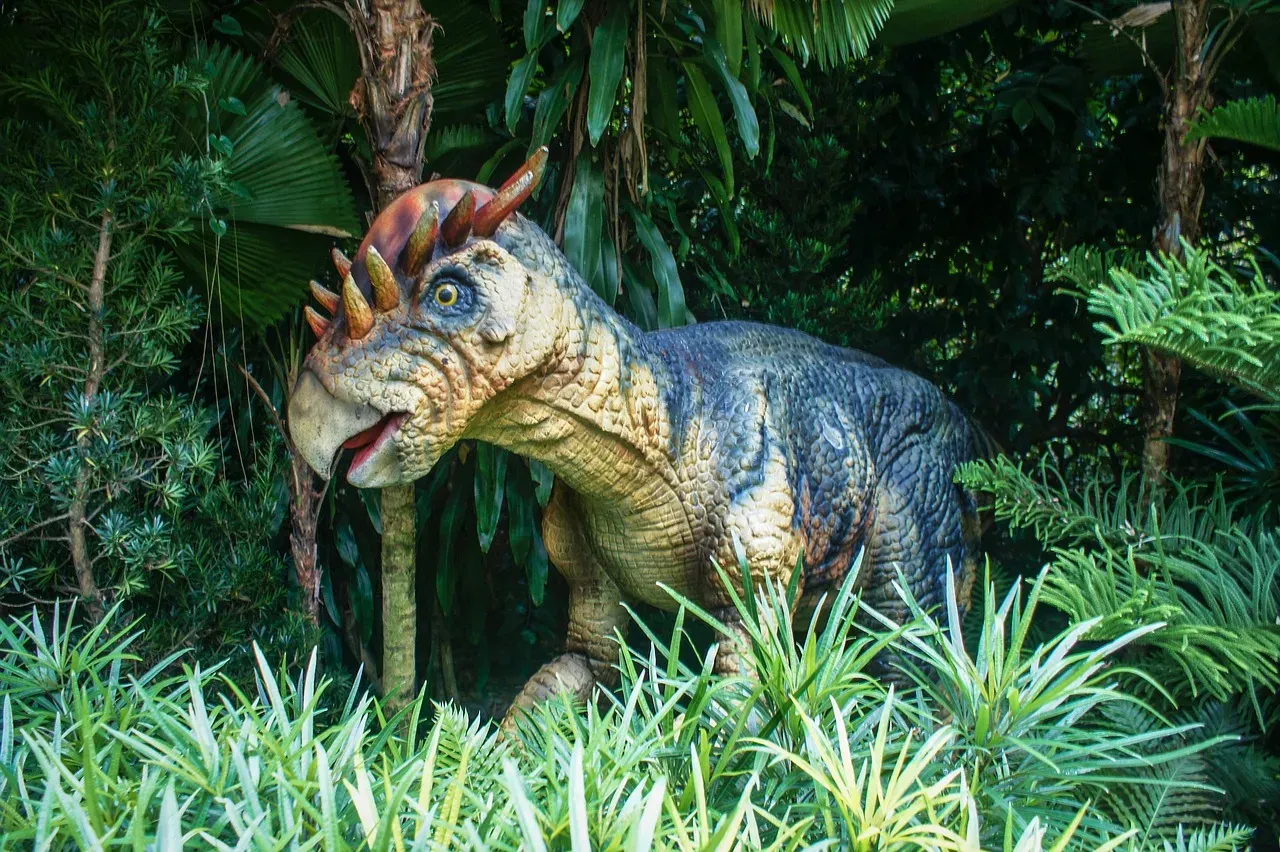
One of the biggest shocks in paleontology history has been the realization that feathers did not start with birds. For a long time, the idea of a feathered dinosaur sounded like a joke, or at best fringe science. Dinosaurs were assumed to be naked, scaly creatures from head to tail, with feathers belonging solely to graceful, modern birds.
Then fossils from places like China preserved incredible details: small theropod dinosaurs with clear impressions of feathers around their bodies. Some had simple, hair-like filaments, while others had complex, branching feathers suitable for insulation or display. This forced a rethink of the entire dinosaur family tree. Feathers now look like a widespread feature among certain dinosaur groups, originally used not just for flight, but for warmth, camouflage, and visual signaling. Birds are not an offshoot; they are living dinosaurs carrying those feathered roots forward.
5. Brontosaurus Was A Water-Dwelling, Tail-Dragging Giant
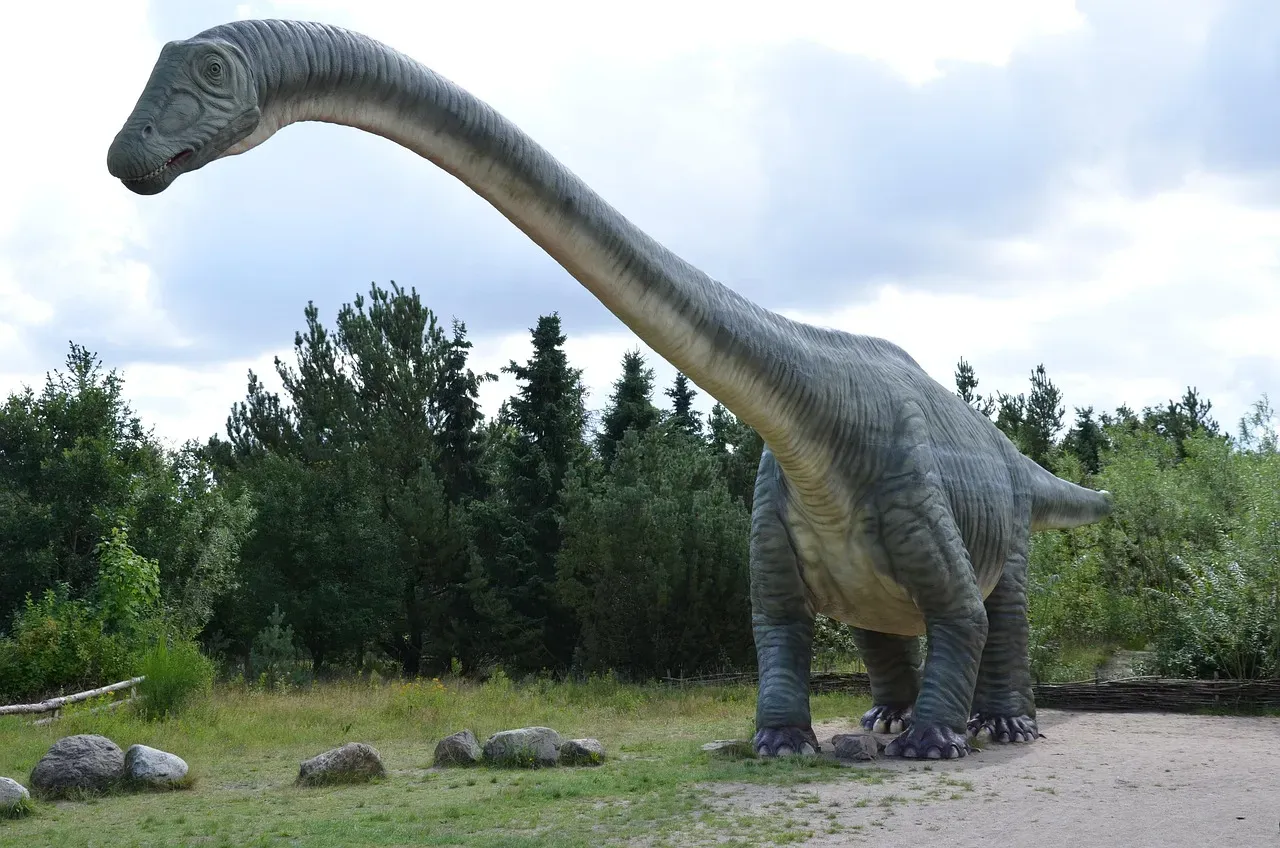
Old illustrations of Brontosaurus (and its close relatives) show it half-submerged in swamps, using water to support its massive weight. Scientists once thought its legs were too weak and its lungs too fragile to handle life on land. The long neck and tail were drawn as sagging structures, barely lifted from the ground, and the poor animal looked like it would collapse if it ever stepped onto dry land.
Modern research on bone strength, trackways, and biomechanics flipped this story. These sauropods had strong, column-like limbs capable of carrying their bodies on firm ground. Their necks and tails were supported by complex systems of ligaments and air-filled bones that made them lighter and more flexible than they appear. They were land-walking giants, not swamp prisoners, and the image of the helpless, waterlogged Brontosaurus has quietly faded into the past.
There’s another twist: for a while, Brontosaurus itself was declared “not real,” lumped into Apatosaurus as a duplicate. More recent studies of subtle bone differences revived Brontosaurus as a valid genus again. It is a good reminder that even the names of these animals are not settled forever.
6. Saber-Toothed Cats Were Clumsy, Neck-Biting One-Trick Predators
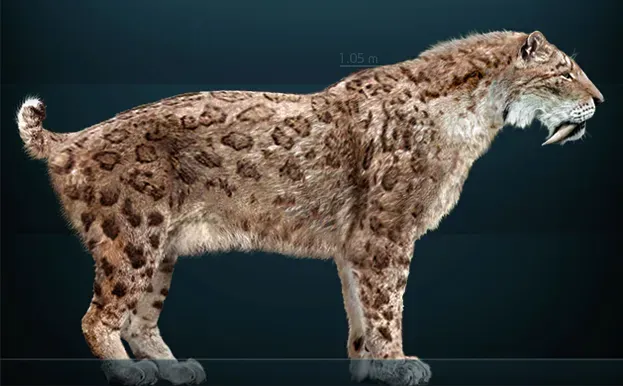
Saber-toothed cats, especially the famous Smilodon, were once portrayed as awkward killers that relied on a single, overly dramatic tactic: leap onto large prey and drive those massive canines straight into the neck. The long teeth were seen almost as liabilities, fragile tools that could easily snap, turning the animal into a doomed predator if anything went wrong.
Detailed studies of muscle attachments, joint structure, and bite mechanics tell a more nuanced story. These cats likely used powerful forelimbs and controlled body positions to pin prey down before making precision bites into soft tissue. The teeth were specialized tools, but backed by strong neck and shoulder muscles that helped protect them from shattering. Instead of being clumsy or limited, saber-toothed cats seem more like highly adapted ambush hunters built for short bursts of intense, controlled violence.
7. Pterosaurs Were Just Clumsy “Gliders,” Not Powerful Fliers
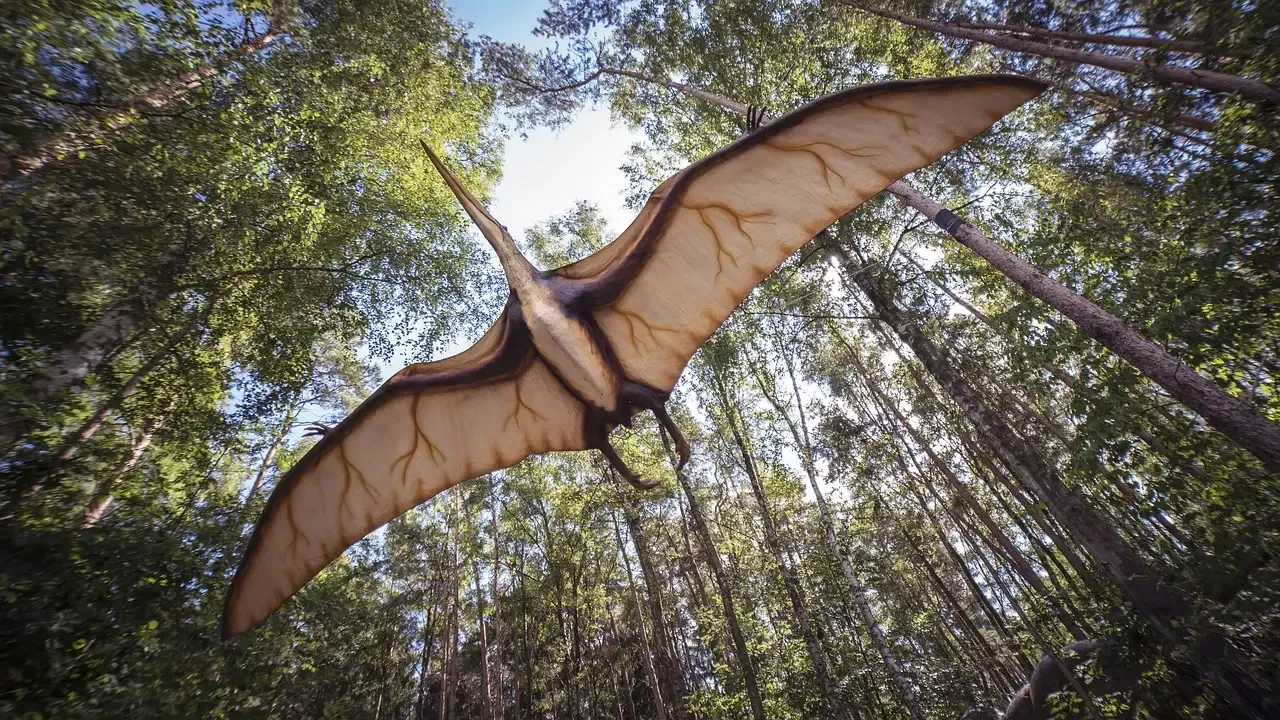
Pterosaurs used to be painted as fragile gliders, barely able to get airborne without a strong cliff or a helpful wind. Early reconstructions made their wing membranes look thin and weak, and their bodies too heavy for serious flight. They were seen as evolutionary experiments that never quite mastered the skies the way birds did.
But fossil impressions of their wings reveal a very different story. The membranes were reinforced with fibers, muscles, and blood vessels, creating strong, living tissue more like a high-tech hang glider than a flimsy kite. Some pterosaurs had massive, reinforced limb bones that suggest they launched into the air using all four limbs in a powerful vault. Far from being second-rate fliers, many were likely agile, capable, and surprisingly efficient long-distance travelers and hunters of the air.
8. Woolly Mammoths Lived In Endless Snowy Wastelands
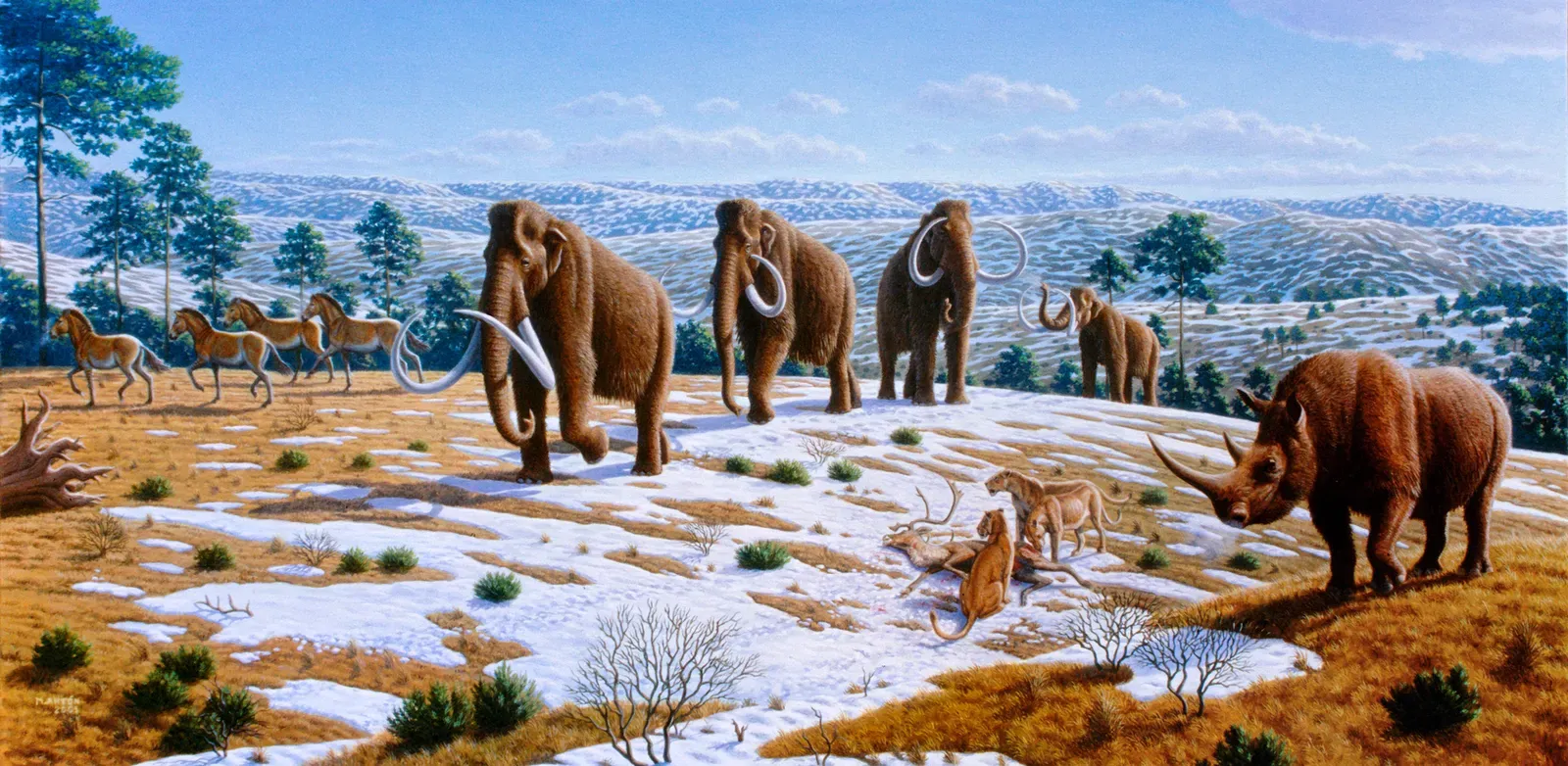
Popular culture locked woolly mammoths into a permanent blizzard: endless snow, ice-covered trees, and nothing but frozen tundra as far as the eye could see. We imagined them struggling through chest-deep drifts every day of their lives. It made for dramatic scenes, but it turned their world into an exaggerated ice prison.
Evidence from plant remains, pollen, and preserved soils paints a more varied picture. Many mammoths lived in what is sometimes called a “mammoth steppe,” a cold but surprisingly rich grassland with shrubs, herbs, and seasonal variety. It was a harsh environment, yes, but not a featureless ice sheet. They grazed and browsed, moved across vast areas, and lived in ecosystems that were more like supercharged Arctic grasslands than constant snowstorms.
9. Marine Reptiles Were Basically Giant Lizards In The Sea
![9. Marine Reptiles Were Basically Giant Lizards In The Sea (By Printed under a CC BY license, with permission from Nadine Bösch and Beat Scheffold, original copyright [2013]., CC BY 2.5)](https://nvmwebsites-budwg5g9avh3epea.z03.azurefd.net/dinoworld/059be8c44be3f785bc4fbe4b46316c76.webp)
Ancient marine reptiles like ichthyosaurs, plesiosaurs, and mosasaurs were often depicted as oversized lizards that just happened to swim. Early art gave them stiff bodies, awkward flippers, and sometimes even had them dragging themselves onto beaches in ways that made little biomechanical sense. The assumption was that they were simple extensions of land reptiles into water, rather than deeply specialized animals.
Modern reconstructions show streamlined bodies, powerful tails, and flexible spines, especially in ichthyosaurs that resemble tuna or dolphins in overall shape. Bone chemistry and growth patterns suggest some gave birth to live young in the water, skipping any need to return to land. These were not half-committed land animals testing the water; they were fully marine predators, some ranking among the top ocean hunters of their time.
10. Prehistoric Animals Were Dumb, Emotionless “Brutes”
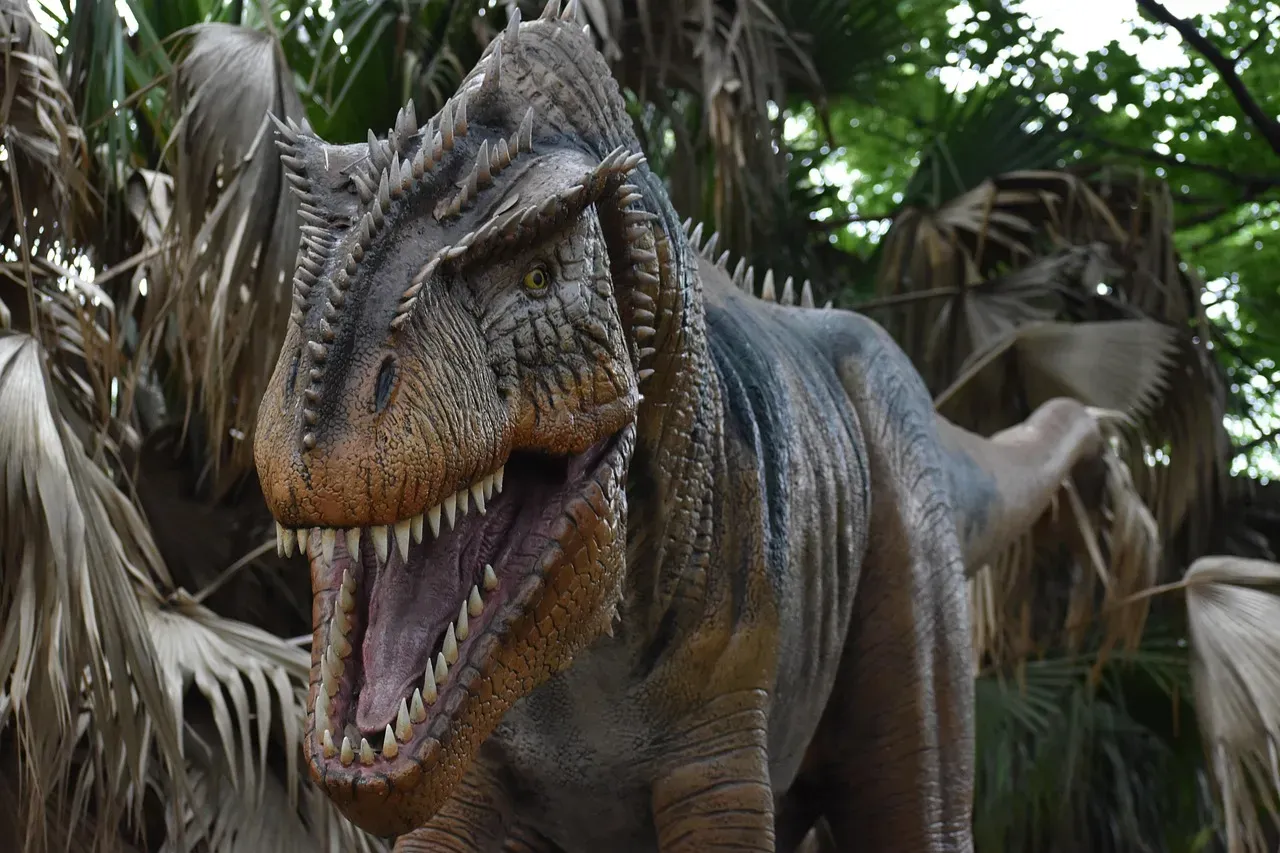
One of the most stubborn myths has been that prehistoric animals were primitive in every way, including mentally. They were often written off as instinct-driven brutes, with little room for complex behavior, social structure, or problem-solving. This made them feel alien and almost robotic, more like wind-up toys than real animals with lives and struggles.
But brain cavity sizes, trackways, nesting sites, and fossilized evidence of parental care tell a more familiar story. Some dinosaurs made repeated trips to nesting grounds, protected their young, and moved in coordinated herds. Early mammals and birds developed intricate survival strategies that required learning and flexibility. No one is claiming they wrote poetry, but the idea that they were little more than walking stomachs is fading fast. In many ways, their behavior probably overlapped with that of modern animals far more than we once dared to admit.
Conclusion: Prehistoric Life Was Stranger, Smarter, And More Colorful Than We Allowed
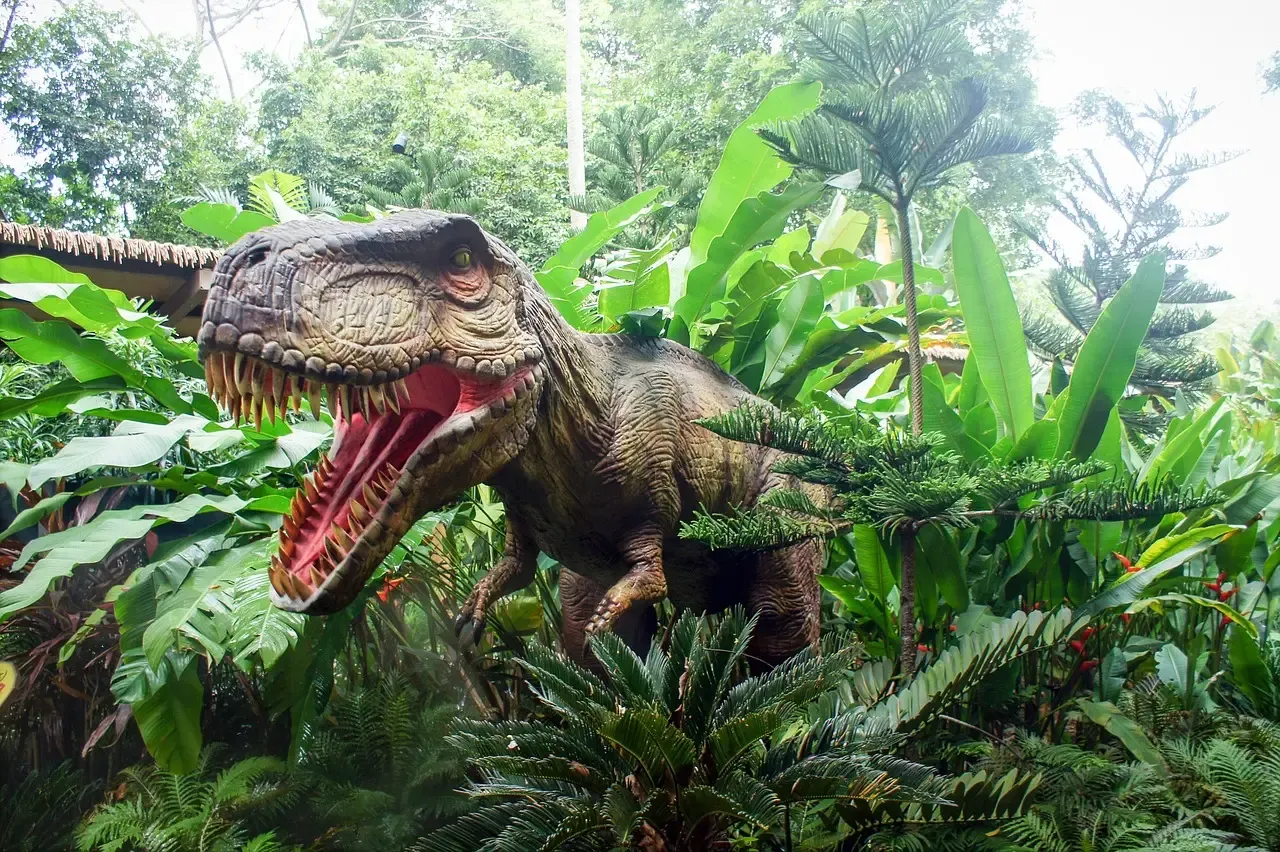
When I look back at the dinosaur books I grew up with, they feel almost quaint now – full of swamp monsters, gray scales, and tragic evolutionary dead ends. The reality that has emerged over the last few decades is messier, stranger, and far more alive. Science did not just misjudge a detail here or there; it underestimated the energy, diversity, and complexity of prehistoric life as a whole. That is not a small correction; it is a full rewrite of how we imagine the deep past.
My own opinion is that this constant overturning of old ideas is the best part of the story. It proves that science is not about defending old pictures in textbooks; it is about being willing to erase the canvas and start again when the fossils demand it. If we were this wrong about dinosaurs, mammoths, and marine reptiles, what else might we still be missing? And when the next big discovery arrives, will we be ready to let go of our favorite mental images and learn to see prehistory all over again?