
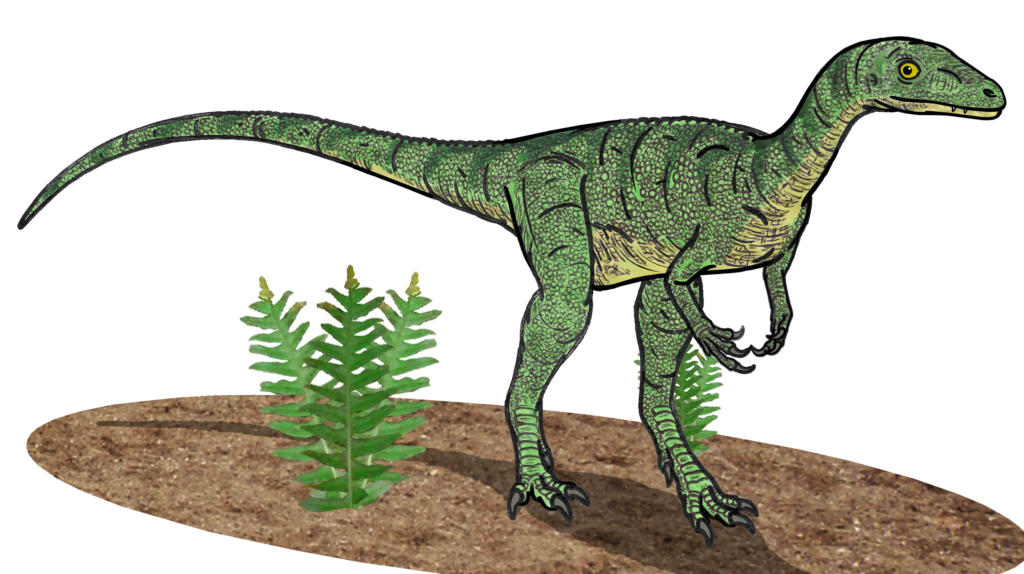
Picture a dinosaur and your mind probably jumps straight to a towering T. rex or a long-necked giant blotting out the sun. But the real story of dinosaur origins is much more modest, almost surprisingly so. The first dinosaurs were closer in size to a large dog or a human than to a skyscraper, and they spent millions of years living in the shadows before their giant descendants took over the planet.
That gap between what we imagine and what actually happened is where things get fascinating. How did a world of small, agile creatures slowly transform into an age of monsters so big they warped the ground beneath them? The answer is not just about size; it is a story of climate chaos, survival strategies, evolutionary experiments, and a long, slow arms race that unfolded over tens of millions of years. Once you see dinosaurs this way, the Jurassic and Cretaceous suddenly feel less like a movie and more like a gripping, real-world saga.
The First Dinosaurs: Modest Beginnings, Not Movie Monsters
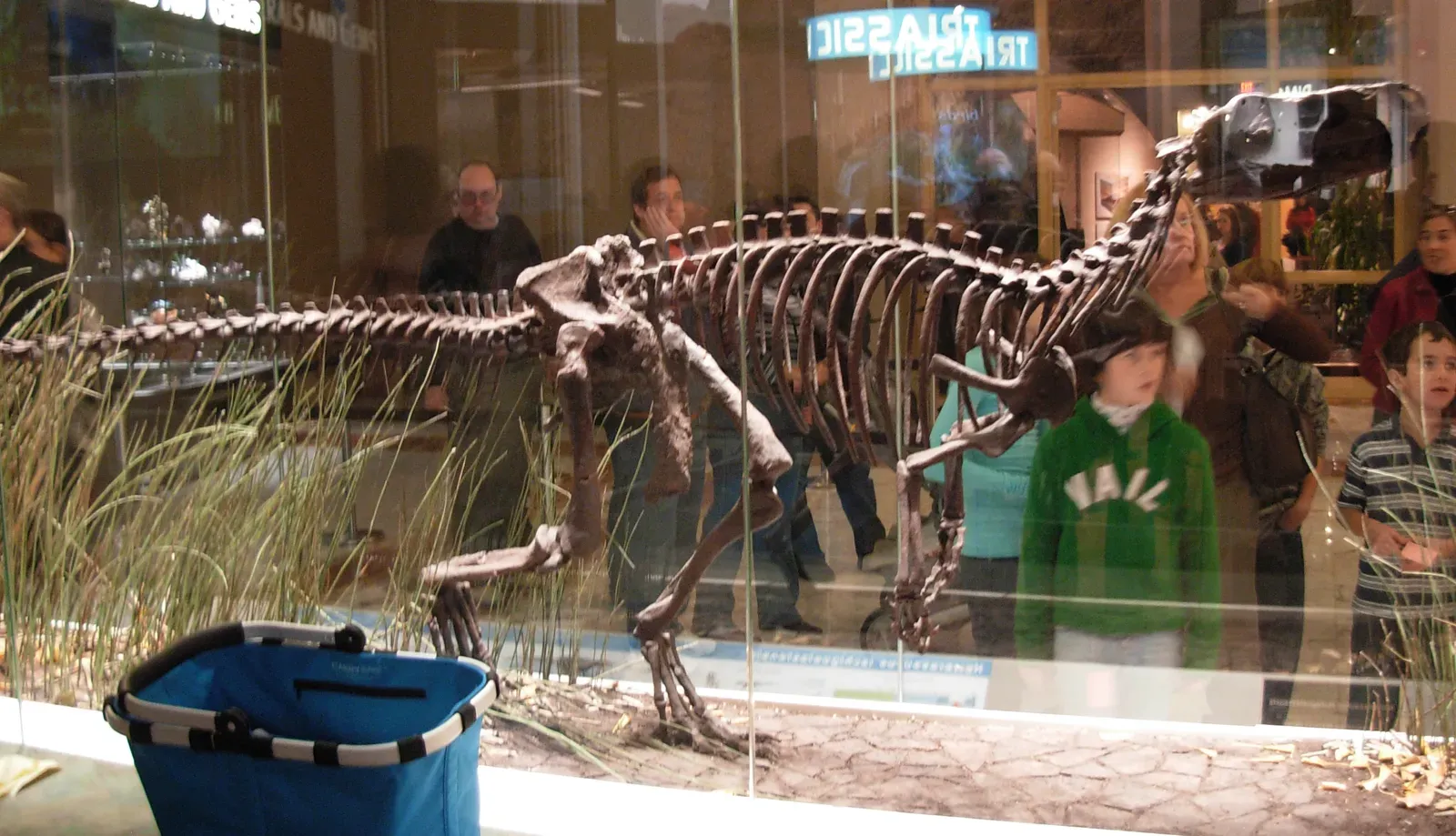
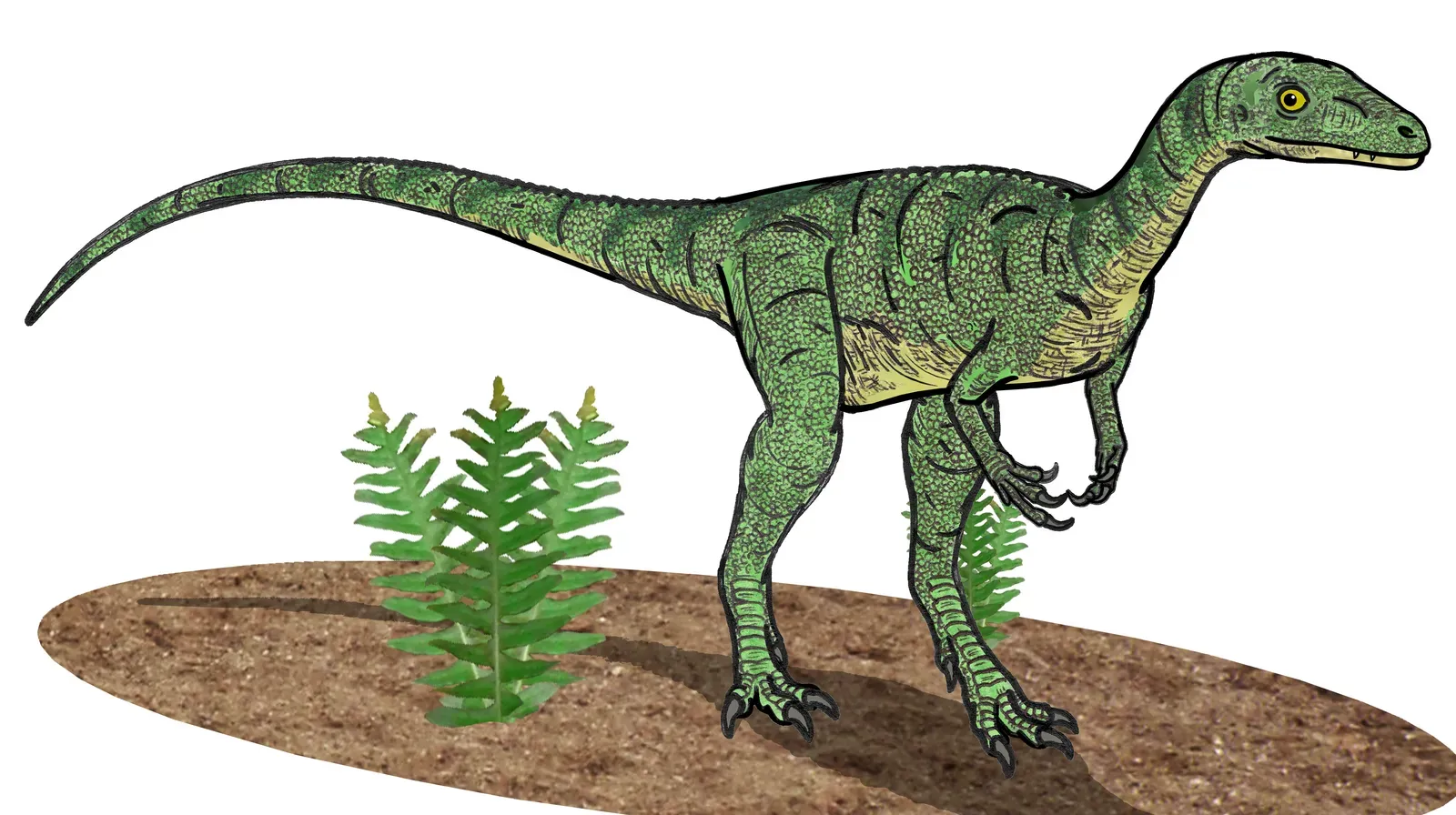
One of the most surprising things about the earliest dinosaurs is how unremarkable they would have looked at a glance. Many of them, like Herrerasaurus or Eoraptor, were roughly the size of a medium dog to a small pony, with lightweight bodies and long legs built more for speed than brute force. If you could time travel to the Late Triassic and walk among them, they would not necessarily be the biggest or scariest animals around.
These early dinosaurs lived alongside a jumble of other reptilian lineages, including massive crocodile-like relatives that could easily outsize them. Far from ruling the world, they were just one type of animal trying to make a living in a crowded, dangerous ecosystem. That reality flips the usual story; dinosaurs did not storm onto the scene as instant overlords, they had to earn it slowly, step by step, over millions of years.
Triassic Earth: A Harsh World That Favored the Small and Nimble
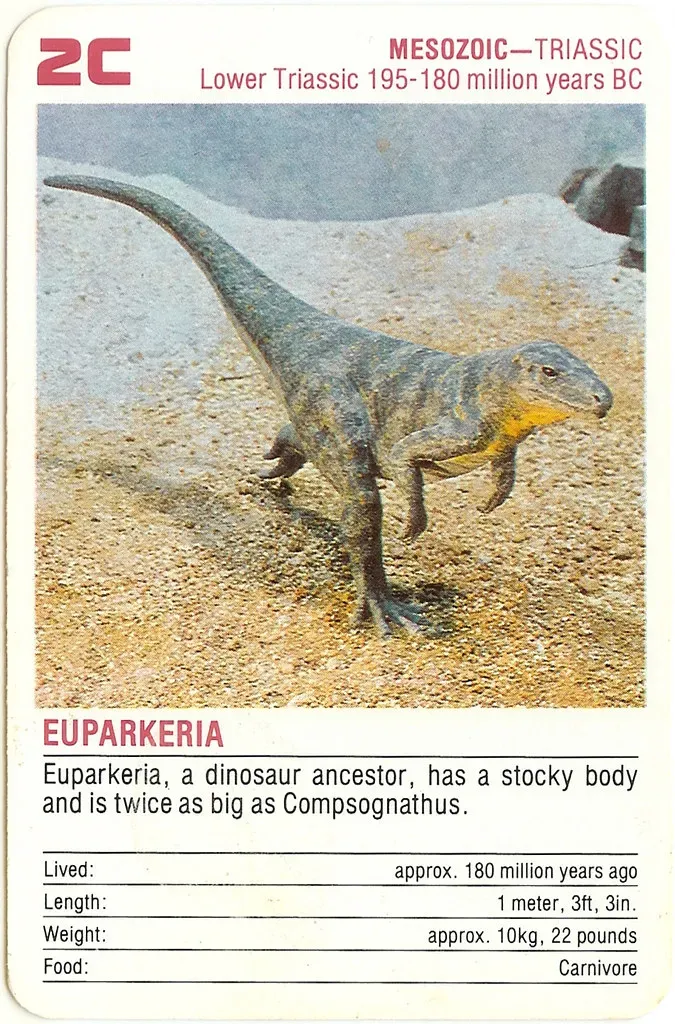
The world the first dinosaurs inherited was anything but peaceful. During the Triassic Period, the continents were fused into the supercontinent Pangaea, and that massive landmass came with climate extremes: searing heat in some regions, strong seasonal swings in others, and long stretches of drought. In that kind of unstable environment, being small and efficient was an advantage, not a flaw.
Smaller body size meant early dinosaurs needed less food, could grow faster, and could reach maturity more quickly, which is a big deal when disasters were common and life could be cut short. They were more like scrappy survivors than lumbering giants, darting through floodplains and forests, taking advantage of insects, small prey, and maybe even scavenging. Instead of asking why the first dinosaurs were so small, it makes more sense to ask: how could anything big have thrived in a world that unstable?
From Lightweight Sprinters to Heavyweights: The Long Road to Gigantism
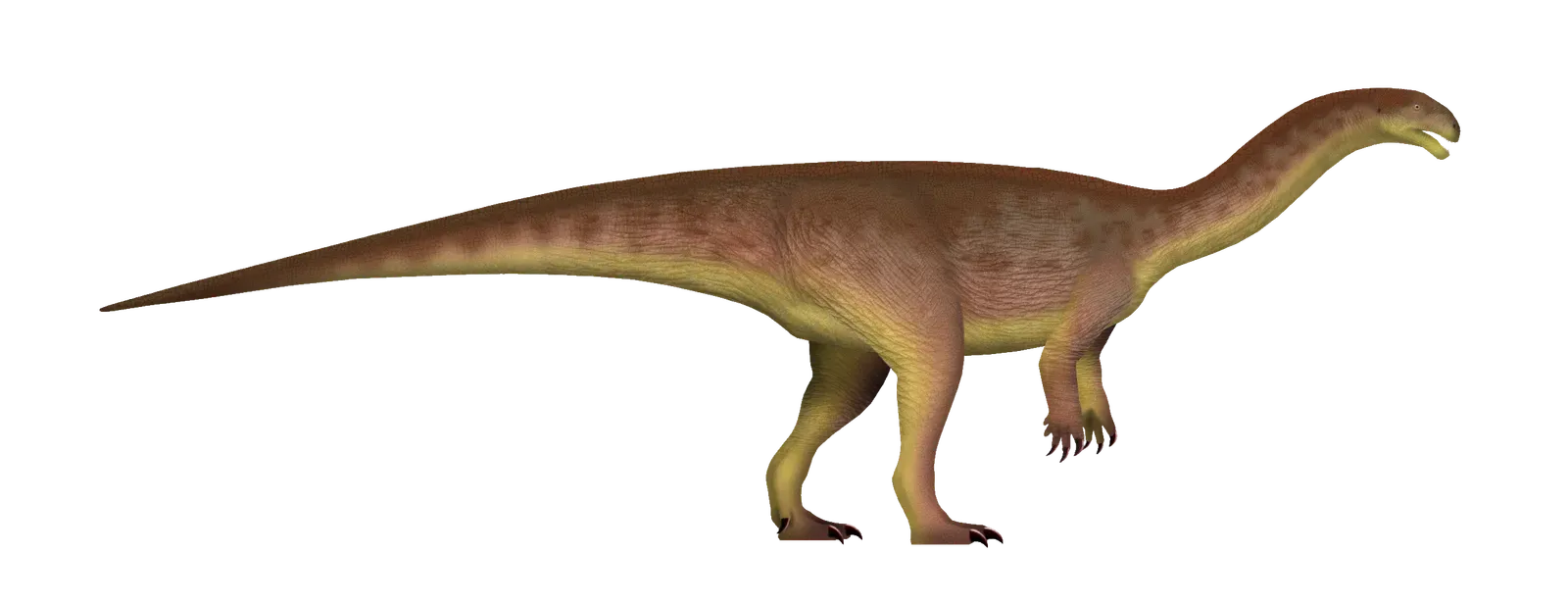
Gigantic dinosaurs did not appear overnight; they were the result of many small evolutionary steps stacked over long stretches of time. Early sauropodomorphs, for example, started out as relatively small, bipedal plant-eaters before slowly evolving longer necks, bulkier bodies, and a more column-like stance. Generation by generation, some lineages nudged upward in size, testing the limits of what their bones, muscles, and organs could support.
This gradual pathway to gigantism is one of the most striking patterns in dinosaur evolution. It shows that nature does not usually make a leap from house-sized to building-sized in one move; instead, it tweaks and refines what already works. When you look at these transitional forms, the ultra-massive sauropods of the Jurassic feel less like bizarre accidents and more like the logical endpoint of a long-running evolutionary experiment in “how big can we go and still function?”
Why Bigger? The Evolutionary Payoffs of Being a Giant
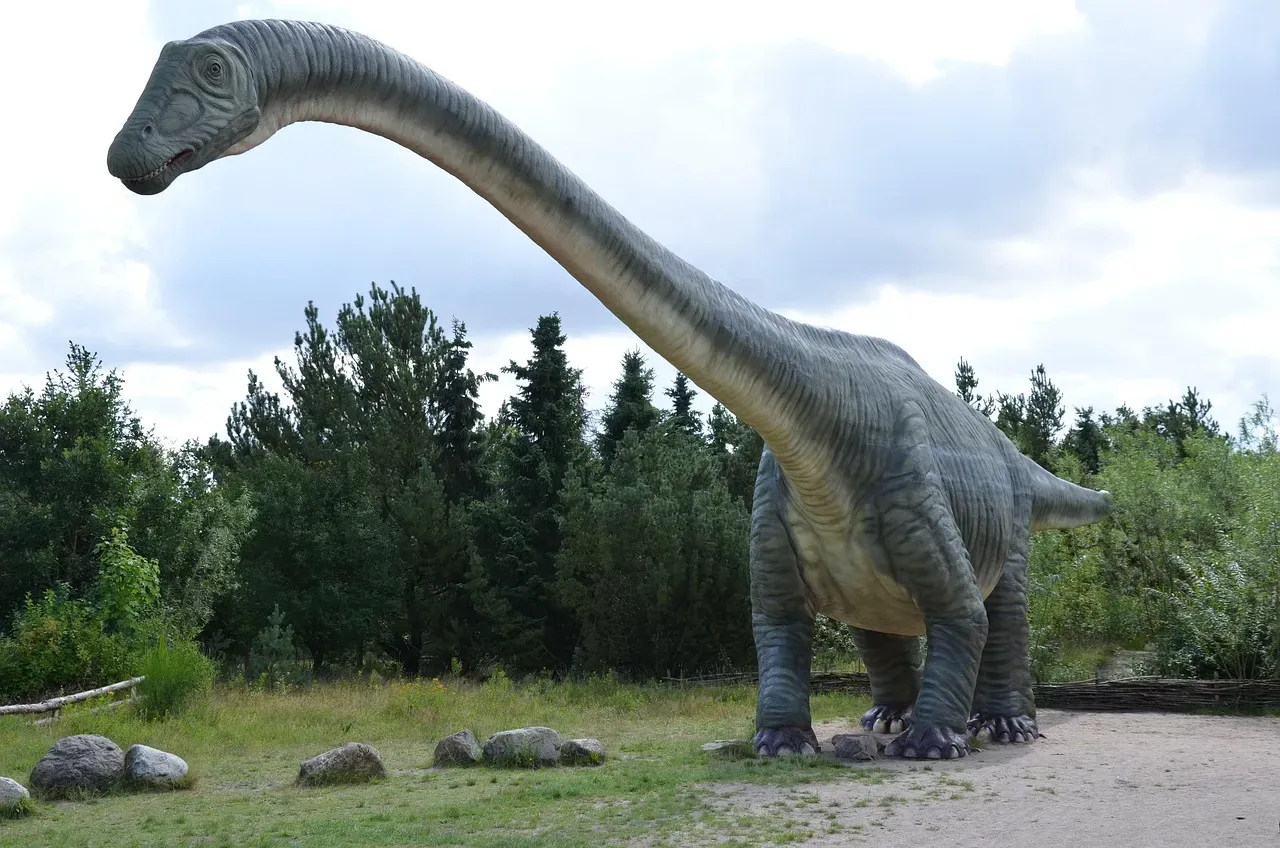
Once dinosaurs started trending larger, the benefits could be enormous. Giant plant-eaters, like later sauropods, could reach high branches and strip huge volumes of vegetation in a single feeding session, tapping into food sources that smaller animals simply could not touch efficiently. Their sheer size also made them harder targets for predators; even a hungry carnivore had to think twice before attacking a multi-ton walking fortress.
There were other advantages too. Large bodies tend to hold heat better, which can help maintain stable internal temperatures, especially in cooler or fluctuating climates. Long lifespans might also have allowed giant dinosaurs to reproduce over many years, spreading the risk of bad seasons or sudden droughts. In a way, becoming gigantic was like investing heavily in armor, height, and staying power; it was expensive, but if you could afford it, the payoff could be huge.
Limits of Scale: How Dinosaurs Solved the Engineering Problem of Being Huge
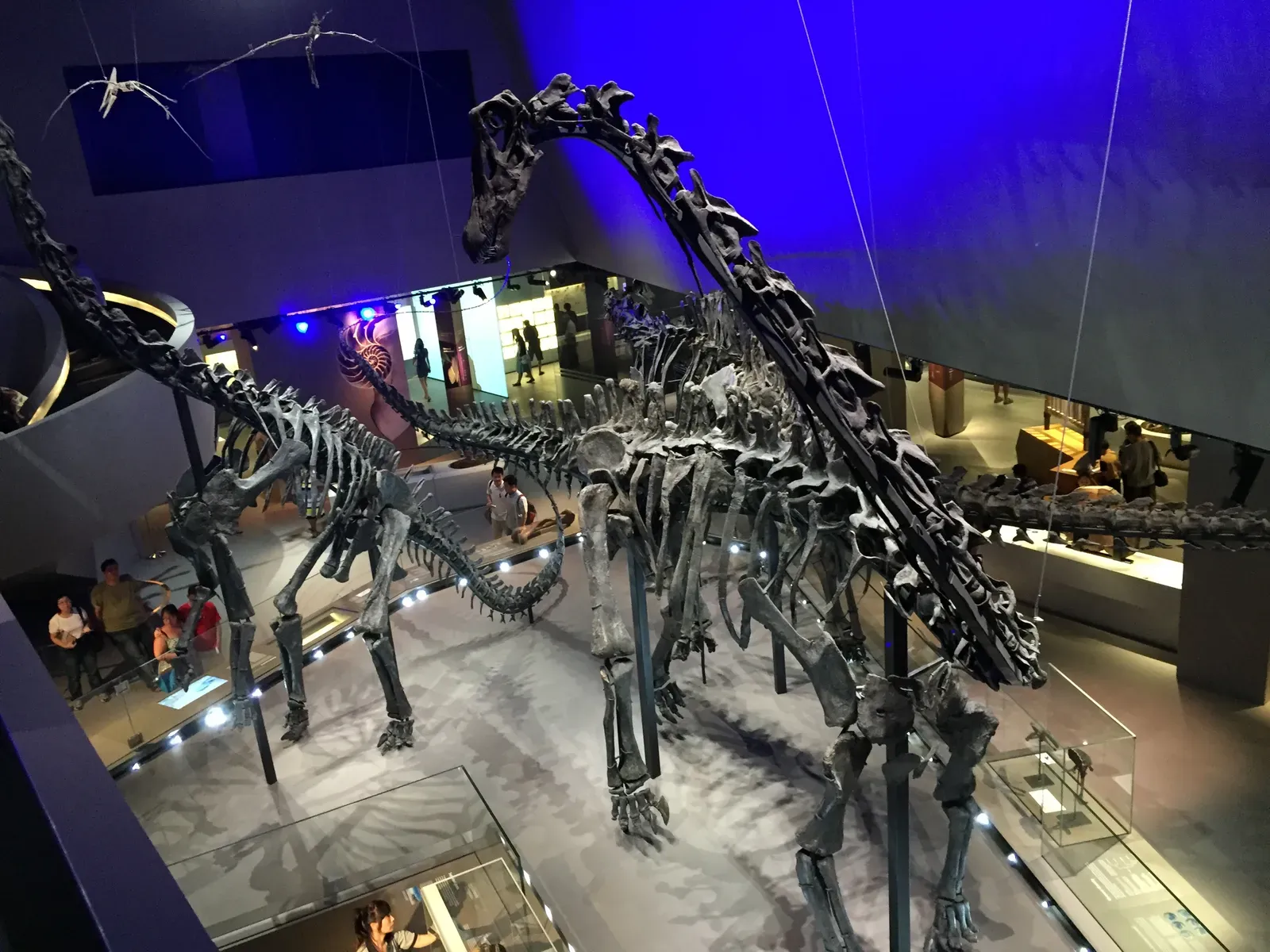
Growing to massive size is not just a matter of eating more; it is an engineering nightmare. Bones must support staggering weight without snapping, hearts and lungs must move oxygen through huge bodies, and limbs need to carry all that mass without collapsing. Dinosaurs tackled these problems in clever ways, from reshaping their vertebrae into strong but lightweight structures full of air spaces, to adopting column-like legs that acted more like pillars than flexible limbs.
These adaptations turn giant dinosaurs into something closer to living suspension bridges or walking cranes than oversized lizards. Their skeletons show a constant balancing act: reduce weight where possible, reinforce the load-bearing areas, and arrange the body so that forces travel cleanly through the limbs into the ground. The fact that many of them could grow to lengths rivaling small airplanes and still move at all is a reminder that evolution can be just as much an engineer as it is a tinkerer.
Predators Catch Up: How Carnivorous Dinosaurs Scaled Up Too
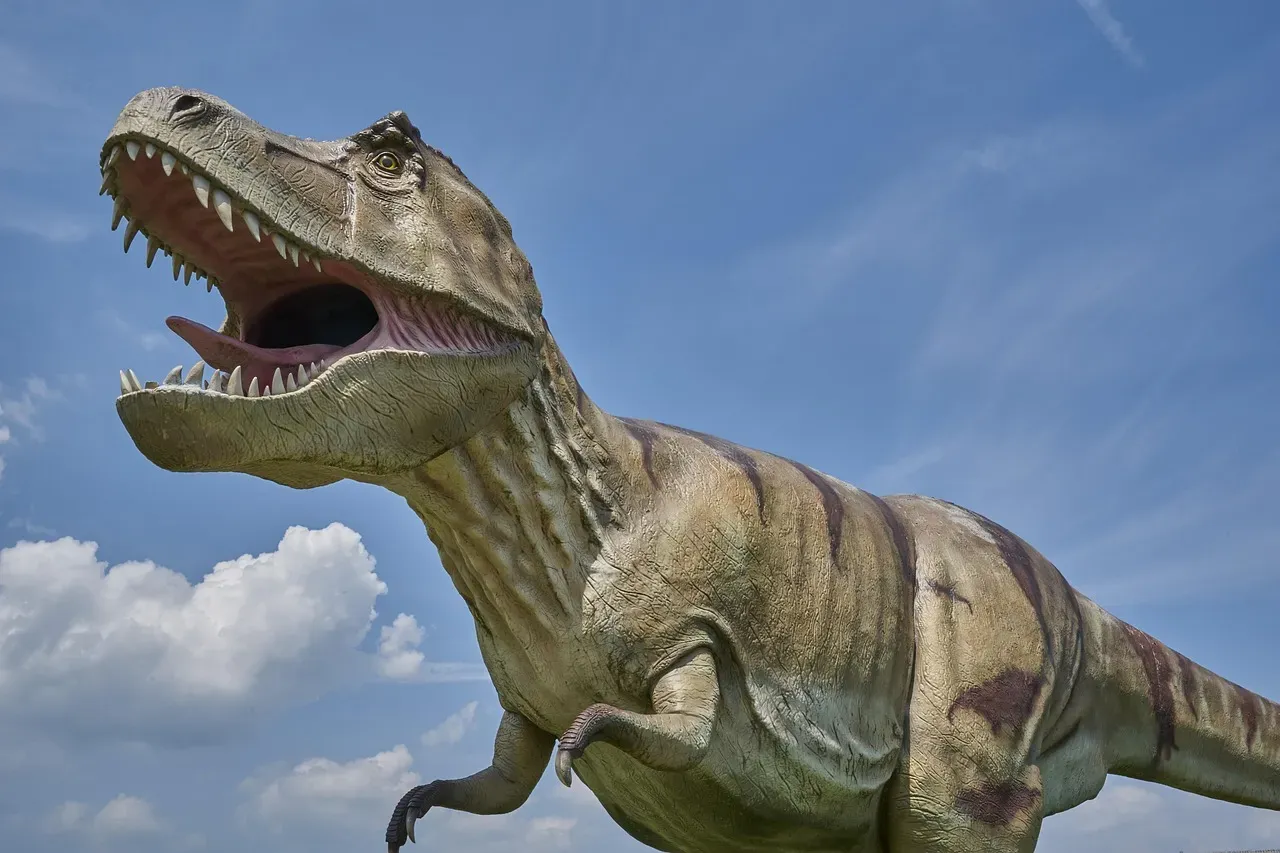
Plant-eaters did not have a monopoly on size. Over time, some carnivorous dinosaurs also grew into formidable giants, like the later allosaurids and tyrannosaurids. As herbivores got larger, predators that could handle bigger prey gained access to massive, calorie-rich meals, and natural selection rewarded those that could match that challenge with stronger jaws, more powerful legs, and more robust skeletons.
This back-and-forth between large herbivores and large carnivores played out like a slow-motion arms race, with each side pushing the other to new extremes of size and strength. At the same time, not every predator followed this path; many remained small and specialized in speed, stealth, or different prey. That variety undercuts the myth that evolution always favors “bigger”; it is more accurate to say that in some roles, under certain conditions, size becomes a winning bet – and dinosaurs happened to push that bet further than almost any land animals before or since.
Not All Dinosaurs Got Huge: The Power of Staying Small
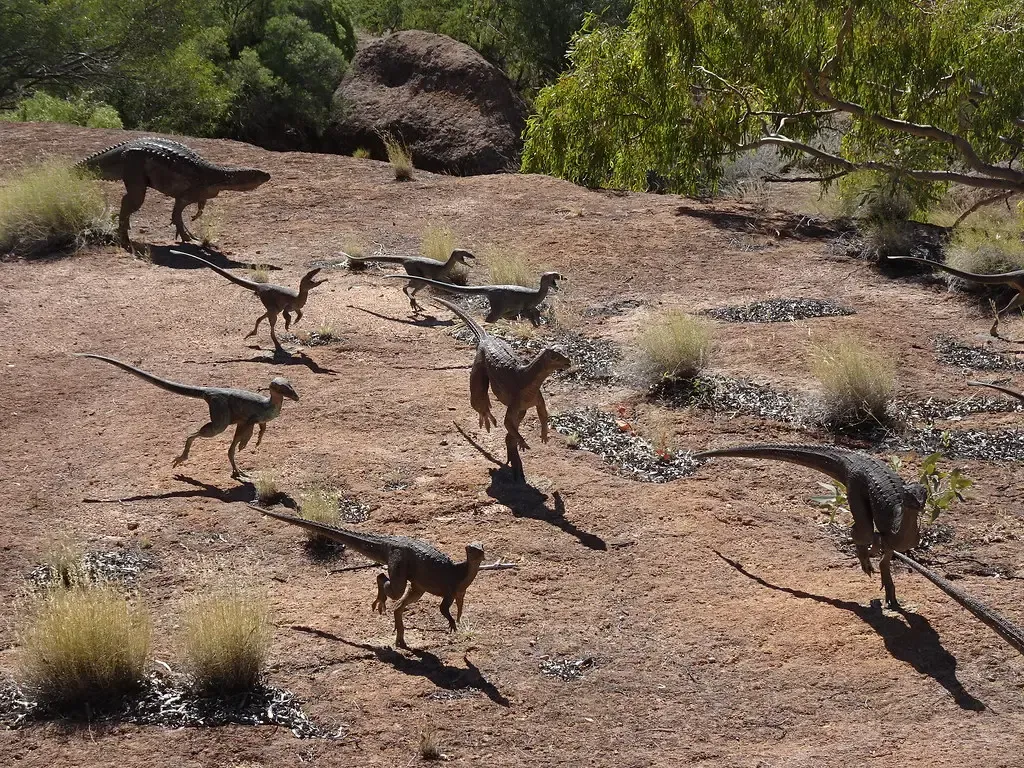
Even at the height of the dinosaur age, the world was not just packed with giants. Many dinosaur lineages stayed modest in size throughout their history, occupying niches that rewarded agility, quick reproduction, or flexible diets rather than raw bulk. Some of these smaller forms were the ancestors of birds, which carried the dinosaur legacy forward long after the giant forms vanished.
This mix of small and large dinosaurs is a reminder that evolution is not a straight line from tiny to titanic. In the same forests where multi-ton sauropods browsed, there were likely small, feathered dinosaurs flitting through the undergrowth or perching on branches, doing just fine without ever approaching colossal size. From an evolutionary standpoint, staying small was not a failure to keep up; it was a successful alternative path that ultimately proved more resilient when the age of giants ended abruptly.
What Dinosaurs Teach Us About Power, Survival, and Change
It is tempting to look at the biggest dinosaurs and see them as the peak of success, as if evolution had been building to that moment all along. But when you zoom out, the story is more humbling and, frankly, more interesting. Dinosaurs began as relatively small, unremarkable creatures in a tough world, and their later giants were just one of many possible outcomes shaped by climate shifts, ecological opportunities, and sheer trial and error over deep time.
In my view, the real lesson is that power in nature is always conditional and temporary. The giants that once ruled the land are gone, while some of their smaller, more adaptable relatives survived and took to the skies as birds. The fact that the first dinosaurs were small and that their giant descendants came millions of years later underlines a simple truth: dominance is not about who starts biggest, but who can keep changing when the world refuses to stay the same. When you think about it that way, which would you bet on – the towering titan, or the scrappy survivor?