
You know that coworker who rolls their eyes in meetings, interrupts you, or sends snarky emails that ruin your mood for the day? Most of us have worked with someone like that, and it can quietly eat away at your confidence. The twist is that you don’t always need a big speech or confrontation to change how people treat you. Sometimes, the most powerful response is the one you never say out loud.
Human brains are wired to read body language, posture, and micro‑behaviors much faster than words. That means you can command more respect in the office simply by changing how you sit, look, move, and even how quickly you react. Think of it as silent judo: you are not fighting back with force, you are redirecting their energy without breaking a sweat. Let’s dig into ten surprisingly effective, wordless ways to earn respect from rude people at work.
1. Master The Calm, Unbothered Posture

The first thing rude people usually look for is a reaction, and your body is the billboard that tells them whether they hit a nerve. When you respond with a calm, grounded posture – feet flat on the floor, shoulders relaxed, head level – you send a silent signal that you are not easily rattled. This is not about pretending to be a statue but about looking like someone who is anchored, not tossed around by every comment. People intuitively respect those who appear steady, because stability hints at confidence and competence.
I once worked with a manager who never raised his voice, but you could feel the room subtly adjust to him when he walked in. He would sit back, fold his hands loosely, and simply listen, and suddenly the loudest talkers got quieter. He taught me that you do not have to dominate a room to own it; you just have to refuse to shrink. When rude people see that they cannot physically knock you off balance, even with their attitude, they often back down without knowing why.
2. Use Eye Contact That Says “I See You” Not “I Fear You”

Eye contact is one of the fastest ways to change the dynamic with a rude coworker. Avoiding their gaze can unintentionally signal that you feel smaller or intimidated, while staring them down can turn things into a power struggle. The sweet spot is neutral, steady eye contact that lasts a few seconds at a time, then naturally breaks away. This kind of look says you are present, awake, and not afraid, but also not trying to escalate anything.
When someone interrupts you, for example, you can simply turn your head, meet their eyes briefly, and then look back to what you were doing. That tiny, silent move tells a story: you noticed the behavior, but you are not performing for it. Over time, this trains them to recognize that you are not an easy target. Rude people often pick on those who seem checked out or unsure; when your eyes say “I see exactly what is happening,” they are forced to reconsider how far they can push you.
3. Slow Down Your Movements Instead Of Fidgeting

Our bodies tend to speed up when we feel disrespected: tapping feet, fiddling with pens, rapidly scrolling on a screen just to look busy. These are all signs of stress that rude people can subconsciously interpret as weakness or anxiety. Deliberately slowing down your movements – reaching for your notebook, turning to your monitor, arranging your papers – sends a subtle message that you are in control of yourself. It is like telling your nervous system, and everybody watching, that there is no emergency.
Think of a senior leader you have seen in a meeting; the respected ones rarely rush. They lean back to think, they pause before clicking to the next slide, and they do not jerk around when someone challenges them. When you mirror that kind of unhurried physical pace, you are silently putting yourself on the same psychological level. A rude colleague might still make snide remarks, but it becomes harder for them to see you as someone they can easily push around when you move like you have all the time in the world.
4. Maintain Your Work Focus When They Act Out

One of the strongest nonverbal messages you can send is simply refusing to have your attention hijacked. When a rude coworker sighs loudly, rolls their chair dramatically, or slams files on the desk, many people instinctively look up, flinch, or change what they are doing. That reaction rewards the behavior. Instead, keep your eyes on your screen, your document, or your task for a moment longer than feels natural. Your message, without a single word, is that their outburst is background noise, not the main event.
This does not mean pretending they do not exist forever; it means not giving their theatrics top billing in your brain every time. Over time, people learn where they can get a “payoff” for their behavior, and where it falls flat. I have seen entire teams shift because one person quietly refused to feed the drama. When rudeness stops getting instant attention, it starts to look childish, and that alone can change how everyone in the room is perceived.
5. Use Strategic Pauses And Silence In Meetings

Silence can be brutally powerful when everyone expects you to react instantly. Suppose someone makes a passive‑aggressive comment while you are presenting. Instead of laughing it off nervously or jumping in to defend yourself, just stop. Take a breath. Look down at your notes or your slides for a couple of seconds. That pause creates a tiny pocket of tension – not aimed at you, but at the person who just stepped out of line.
In many workplaces, social norms do a lot of silent policing. When you leave that comment hanging in the air for a moment, you allow those norms to kick in. People around the table feel the awkwardness and often shift their view of the rude person without you saying anything. The pause acts like a spotlight: it highlights what was said and silently underlines that it was not okay. You maintain your composure and let the room do some of the work for you.
6. Protect Your Personal Space With Subtle Boundaries
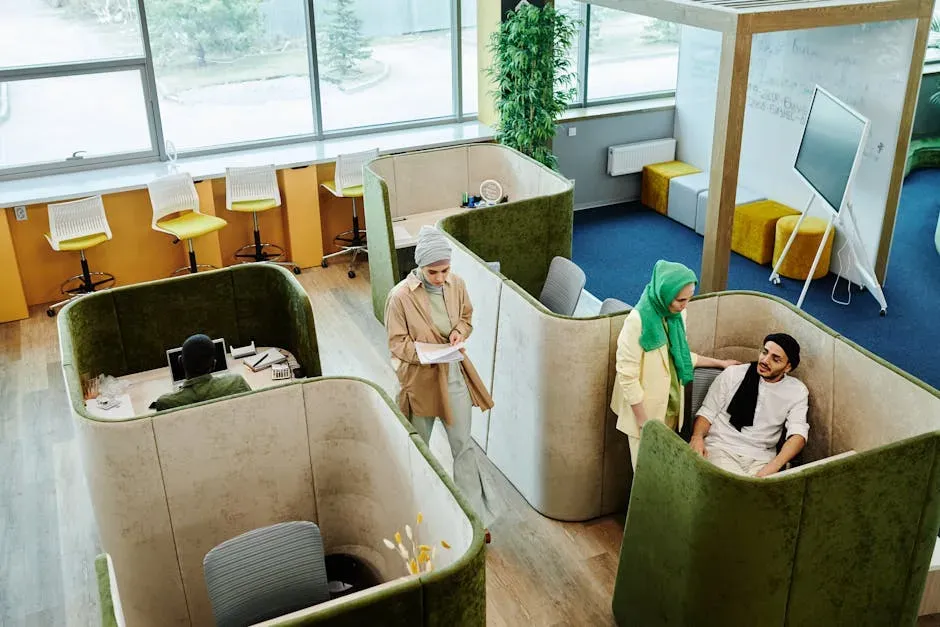
Rude people often test physical boundaries – standing too close, leaning over your shoulder, dropping into your chair uninvited. You do not need a speech about personal space to push back. Instead, you can quietly adjust your position: roll your chair a bit back, stand up and shift to the side, or angle your body so you are not boxed in. These are gentle, polite gestures on the surface, but they communicate that you decide where your physical line is drawn.
I once had a colleague who loved to loom over people’s desks, half leaning on their monitor as he talked. Instead of confronting him, I started standing up every time he did it, creating equal height and more distance. Over time, he stopped doing it with me, even though I never mentioned it. Your body can say “this is my space” long before your mouth ever has to, and that quiet boundary often earns more respect than a defensive speech.
7. Dress One Notch Sharper Than The Environment

Clothing is not everything, but it is a constant nonverbal signal that people absorb whether they admit it or not. When you consistently show up looking put‑together – clean, well‑fitting, and slightly more polished than the bare minimum – you subtly shift how others categorize you in their mind. You start registering as someone who takes themselves seriously, and that makes it harder for rude people to treat you like an easy target.
This is not about expensive brands or chasing trends; it can be as simple as upgrading from a wrinkled hoodie to a neat sweater, or from scuffed sneakers to clean shoes. I have seen attitudes change after someone revamped their look just a little: fewer backhanded jokes, more second glances of acknowledgment in the hallway. When your appearance matches the level of professionalism you want to project, people often adjust their behavior toward you without you saying a single thing.
8. Use Micro‑Expressions Of Disapproval Sparingly
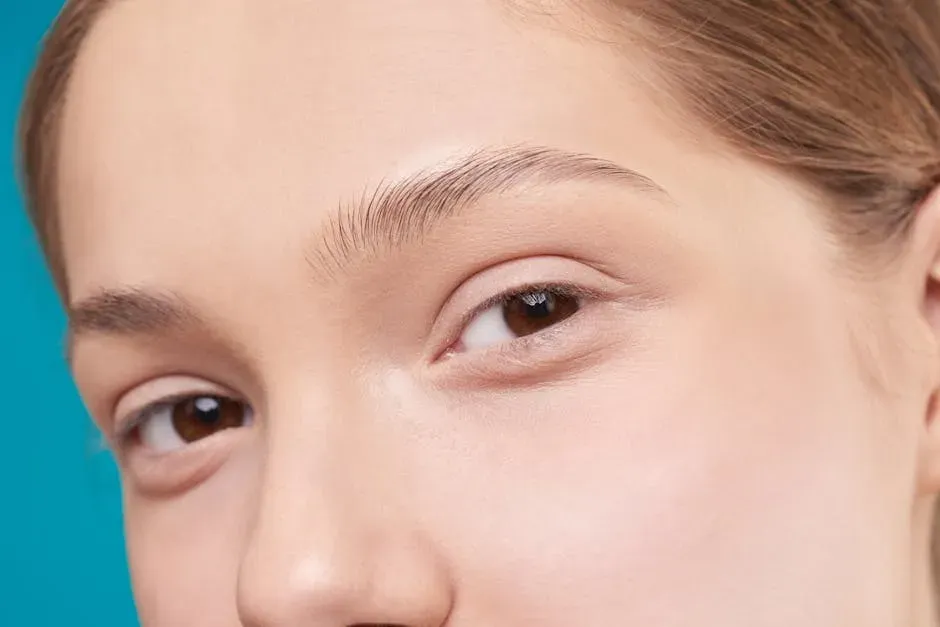
You do not need a full lecture to show that a rude comment crossed a line; sometimes one small facial expression is enough. A brief raised eyebrow, a moment of blank, unamused face, or a slow blink after a snide remark can land louder than words. The key is to keep it subtle and rare, so it has impact. If you overuse it, it just looks like you are permanently annoyed, which can backfire.
When someone makes a comment that clearly disrespects you or a colleague, you can look at them for a second with that neutral, unimpressed face and then calmly return to your work or the agenda. That tiny, controlled reaction signals that you heard them, you are not intimidated, and you are not entertained either. Over time, people tend to reserve certain behaviors for those they think will laugh or crumble; when you offer neither, they are more likely to keep the worst of it away from you.
9. Consistently Deliver Good Work Without Seeking Their Approval

One of the most underrated silent power moves is simply being very good at what you do and not begging anyone to recognize it. Rude people sometimes lean on their attitude because they feel threatened or want to assert dominance. When you show, over and over, that you hit deadlines, solve problems, and bring value, you build a reputation that is hard to trash. Your competence becomes your shield, and it speaks louder than any jab they can throw.
What makes this especially powerful is not chasing their praise. You submit clean work, you show up prepared, and then you move on to the next thing without fishing for compliments. That quiet self‑assurance can be disarming. Even if they never admit it out loud, many rude coworkers will start to treat you with more caution once they realize other people rely on you. Respect built on performance has a way of outlasting office gossip.
10. Exit Interactions Gracefully When They Cross The Line

Sometimes the strongest nonverbal message is simply not staying where you are disrespected. You can close your laptop at the end of a meeting and leave without hanging around for small talk. You can step away to refill your water or check a file in another room when someone starts spiraling into rude territory. Done calmly and without dramatics, these exits say that your time and energy are valuable, and you are not a captive audience.
I am a big believer that where you put your presence is one of your loudest statements. When you physically remove yourself from situations that feel demeaning, you are quietly teaching people that access to you is not guaranteed. Over time, the people who crave an audience for their rudeness notice that you are not giving it to them, and that alone can shift their behavior. You are not running away; you are choosing where you stand, and that choice commands respect.
Conclusion: Silent Power Is Still Power

It is tempting to think that the only way to deal with rude people at work is through big confrontations or perfectly worded comebacks. In reality, your everyday, wordless choices – how you sit, look, move, dress, and show up – shape how others treat you more than you might realize. None of these strategies are about playing games or pretending you do not care; they are about reclaiming your dignity in a way that does not require constant battles.
Personally, the biggest shift for me came when I stopped trying to win rude people over and started focusing on how I carried myself. Once I acted like someone who deserved respect, a surprising number of people fell in line. Will every coworker suddenly become kind? Probably not. But when your silent behavior says “I respect myself,” many of the right people start to match it. Which of these quiet moves are you willing to try the next time someone tests your limits at work?